Clarity Over Seniority: Managing Teams
When I transitioned from developer to manager at Uber, I quickly realized clarity always beats seniority. Scaling systems from 2,000 to 5 million users isn’t just about tech. It’s about architecture, feedback loops, and career trade-offs. Let me show you how I navigated these waters, building and managing high-performance teams. Trust me, when you’re starting from scratch or reinventing systems, the real key is clarity and team communication. Don’t get fooled by titles—they’re not what drive projects forward.

When I jumped from developer to manager at Uber, I got burned quickly: seniority doesn't cut it when you're scaling a system from 2,000 to 5 million users. What I learned is that clarity is king. Orchestrating these systems also means grasping foundational architecture and feedback loops. It's not just about coding—it's about anticipating career trade-offs and user signals. That's where the transition to managing high-performance teams becomes crucial. I'm taking you on a journey through these challenges—from building a motivated team to managing existing systems. We’re also diving into the trade-offs I had to make along the way, and trust me, team communication and ownership make all the difference. Get ready to demystify what leading with clarity really means.
Clarity Over Seniority: The Manager's Edge
In management, clarity often trumps seniority. I’ve seen projects fail not due to a lack of technical skills, but because of muddled communication. When I stepped into a managerial role, I realized that the ability to articulate a clear vision and communicate it to my team was crucial. For instance, during a crisis where our project was veering off course, we were able to realign our efforts through clear communication. That's what saved the project.

To foster this clarity within the team, I instituted weekly meetings focused on goals, not tasks. It’s critical to balance technical expertise with managerial clarity. Technical skills can solve problems, but only clarity can guide a team toward a common goal.
- Prioritize clarity over hierarchy.
- Use communication to realign projects.
- Balance technical expertise and clarity.
Scaling Systems: From 2000 to 5 Million Users
Scaling from 2000 to 5 million users is no small feat. I had to rethink our foundational architecture from the start. First, I focused on a modular architecture, which allowed us to add components without rewriting everything. This was crucial, especially as we began to see our user base soar.

Then, I employed micro-benchmarking techniques to optimize latency. Sometimes a simple tweak in the code can improve performance by 20%. However, watch out for over-optimization, which can lead to complex systems that are difficult to maintain.
- Build a modular architecture.
- Use micro-benchmarking to optimize.
- Avoid over-optimization.
Feedback Loops and User Signals in Design
Feedback loops are essential for improving system design. In one project, I implemented these loops to refine our user interface. By integrating user signals, we were able to adjust our approach based on real-time feedback. This made our system not only more robust but also more intuitive.
It’s crucial not to get bogged down by too frequent feedback, which can paralyze development. Finding the right balance is key. See also how to avoid 'future-proofing'.
- Implement feedback loops for design.
- Use user signals to guide architectural decisions.
- Avoid excessive feedback loops.
Transitioning to Management: Trade-offs and Growth
Moving from a technical role to a managerial position involves many trade-offs. I had to learn to delegate and let my team make mistakes so they could grow. One of the biggest challenges was to build and manage a high-performance team without micromanaging every technical decision.
I also realized that clarity and communication are key managerial skills. They help manage expectations and ensure everyone is aligned with the same objectives. See also how to manage technical debt.
- Accept trade-offs for team growth.
- Build and manage a high-performance team.
- Prioritize clarity and communication.
Starting from Scratch vs. Existing Systems
Building a system from scratch presents unique challenges. Without established conventions, maintaining clarity can be difficult. On the other hand, working with existing systems imposes constraints but provides a solid base to build upon.
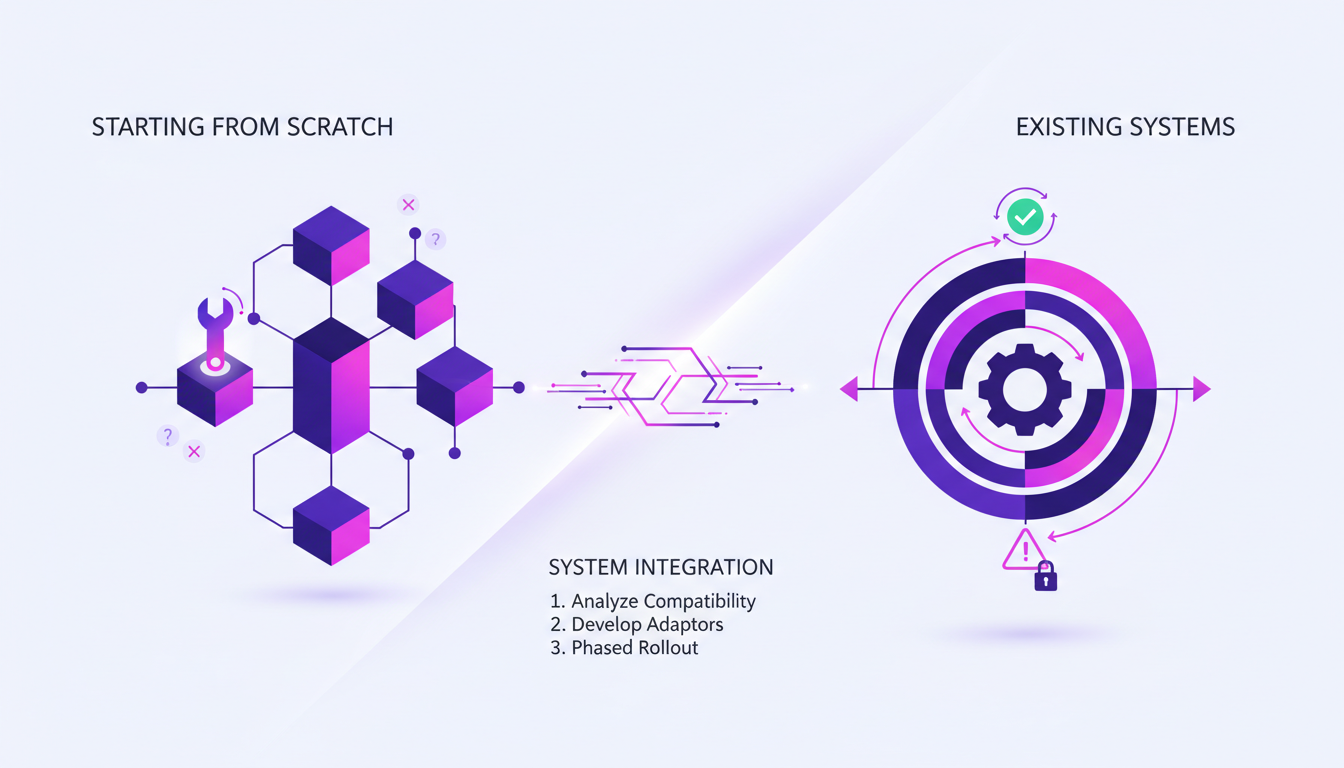
To integrate effectively, it's crucial to understand the existing system well and define clear integration strategies. Sometimes, it’s better to adapt and automate rather than reinvent everything. See also how to secure and integrate AI.
- Challenges of starting from scratch.
- Advantages and drawbacks of existing systems.
- Effective integration strategies.
First off, I've found that clarity in management trumps seniority every time. It not only helps in building high-performing teams but also makes system scaling way more efficient. Then, when you're talking about scaling from 2000 to 5 million users, having architecture that can handle that load is crucial (trust me, I've seen systems crumble without solid foundations). Lastly, feedback loops and user signals are your friends for real-time adjustments and avoiding costly mistakes. What really struck me is how these elements intertwine with strategic career growth, like transitioning from software engineer to engineering manager.
So, what's next? Reflect on your current practices, pinpoint where you can enhance clarity, optimize your systems, or adjust your career trajectory for better outcomes. And to really drive these points home, check out the original video here: Uber Engineering Manager on Scaling Systems, Career Trade-offs, and Why Clarity Beats Seniority. Trust me, it's a real game changer.
Frequently Asked Questions

Thibault Le Balier
Co-fondateur & CTO
Coming from the tech startup ecosystem, Thibault has developed expertise in AI solution architecture that he now puts at the service of large companies (Atos, BNP Paribas, beta.gouv). He works on two axes: mastering AI deployments (local LLMs, MCP security) and optimizing inference costs (offloading, compression, token management).
Related Articles
Discover more articles on similar topics
Enhancing DevEx: Stop 'Future-Proofing'
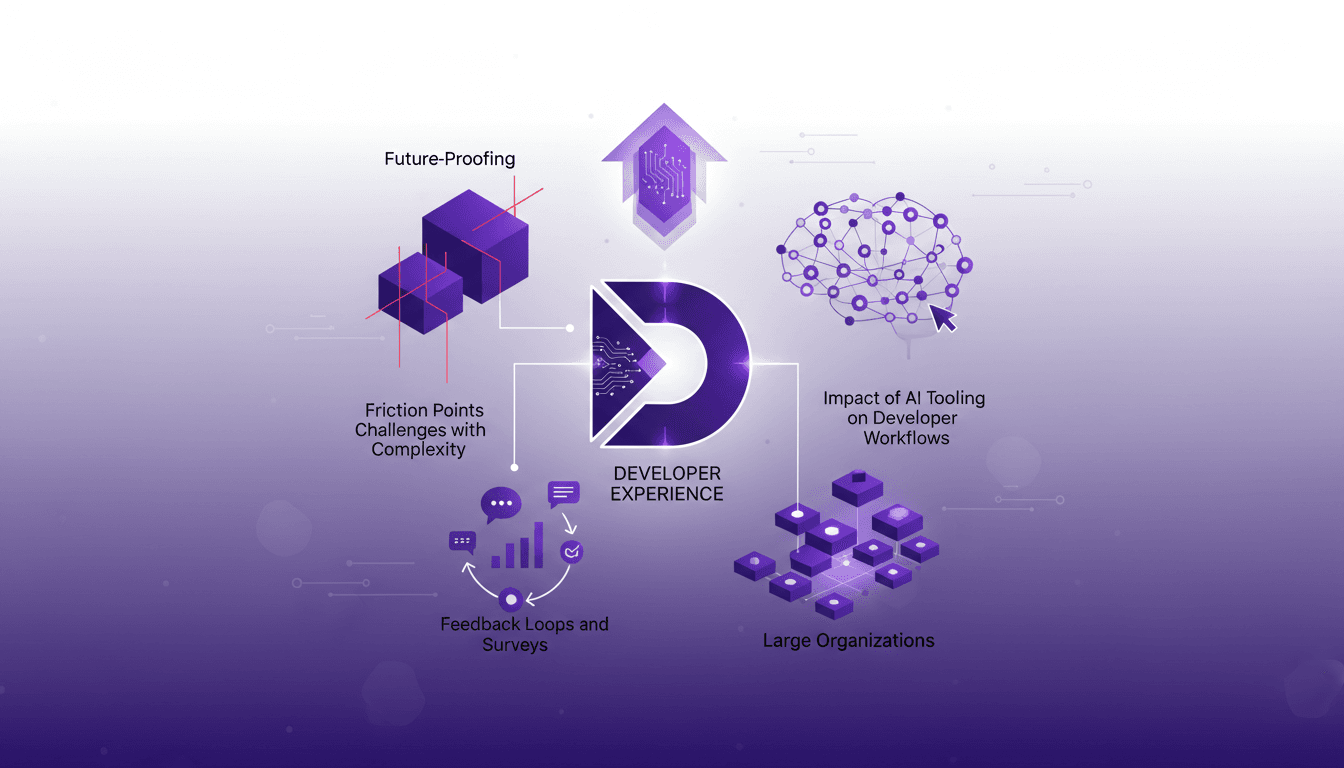
I've been there, staring at my system design, pondering every possible point of failure ten years down the line. I used to call it 'future-proofing'. But here's the kicker: it was slowing me down, and not in a good way. By focusing on developer experience (DevEx) and leveraging AI tools, I realized my systems became not only more robust but also more efficient today, not in some hypothetical future. In this article, I break down why 'future-proofing' isn't the hero we thought it was and how a more agile approach can transform your organization.

Managing Technical Debt: Practical Strategies
I've been in the trenches of tech development long enough to know that technical debt can be a silent killer. It's like a credit card with a hidden interest rate. You don't see it coming until it hits hard. Technical debt isn't just a buzzword; it's a real challenge for startups and large enterprises alike. If it's not managed, it can cripple your project. Let me walk you through how I manage this beast daily, from a builder's perspective. We'll dive into understanding and managing technical debt, the role of the CTO, the impact of language and tool choices, and much more. Get ready to dive into the nitty-gritty.

Securing AI: Integrating Prompt Fu at OpenAI
I remember the first time I encountered a security breach in an AI system. It was a wake-up call that security wasn't just a checkbox but a critical component of AI deployment. OpenAI's acquisition of Prompt Fu feels like a game changer. By integrating Prompt Fu into their Frontier platform, OpenAI is set to enhance security and redefine how we protect AI. With over 125,000 developers using Prompt Fu and a quarter of the Fortune 500 companies trusting it, this strategic move promises to transform AI system security, addressing concerns over open-source project maintenance and prompt injection vulnerabilities.

Launching a Fashion Brand: My Journey
I remember the day I decided to launch my own fashion brand. It was a mix of excitement and sheer panic. But I had to jump in. I started with pricing strategies—between $50 and $70 per item, though sometimes $150 was the sweet spot—and game-changing pop-up events. Collaborating with an established brand like 'M' was both a challenge and an opportunity. And let's not forget the impact of social media, a real growth engine. Every step was a learning curve, a careful orchestration between creativity and business. Here's how I navigated the chaos to bring my entrepreneurial dream to life.

Making Sports Free in London: How We Did It
I put sports equipment all over London, for free. Yeah, you heard me right! But it wasn't just about giving away stuff. It was about building a community around sports through social media. We even set up a reward system: find a football, tag us on Instagram, and you could win £100 towards your dream. The challenges? Plenty, especially when it comes to sustaining a free service model. But trust me, the impact is huge. Discover how I orchestrated this and how you can do it too.