Making Sports Free in London: How We Did It
I put sports equipment all over London, for free. Yeah, you heard me right! But it wasn't just about giving away stuff. It was about building a community around sports through social media. We even set up a reward system: find a football, tag us on Instagram, and you could win £100 towards your dream. The challenges? Plenty, especially when it comes to sustaining a free service model. But trust me, the impact is huge. Discover how I orchestrated this and how you can do it too.

I had this crazy idea: what if I placed sports equipment all over London, for free? Yeah, that's exactly what I did. But hold on, it wasn't just about handing out gear. My goal was to build a real community around sports, leveraging the power of social media. Picture a system where, by finding a football and tagging us on Instagram, you could win £100 towards your dreams. That's how you engage people! But don't get me wrong, there are challenges. For instance, sustaining a free service model is far from easy. Yet, every time I see someone new join the movement, I know the impact is worth all the effort. In this article, I'm going to show you how I orchestrated this and how you too can transform your community.
Placing Free Equipment Across London
I started with a simple idea: make sports accessible to everyone. My goal was to place sports equipment, like basketballs and footballs, in strategic locations across London. The key here was to put them in high-traffic areas to maximize use. Sounds simple, but trust me, the logistics were a real challenge. I had to partner with local communities to overcome security and logistical hurdles. In initiatives like this, visibility is essential — people need to know where to find the gear.

What really helped me was collaborating with local associations to manage the maintenance and security of the equipment. In return, this reinforced a sense of community and local ownership, which is crucial for the project's sustainability.
- Place equipment in strategic locations.
- Overcome logistical challenges with community partnerships.
- Ensure the visibility of equipment to maximize use.
Leveraging Social Media for Community Engagement
I used Instagram to create buzz around the initiative. By introducing a £100 reward system for those who found and tagged a ball on Instagram, I was able to boost participation. Social media turned out to be a powerful tool for spreading the word and creating a sense of community. But watch out, there are always trolls and negative comments to manage — you need to stay focused on the positive impact.
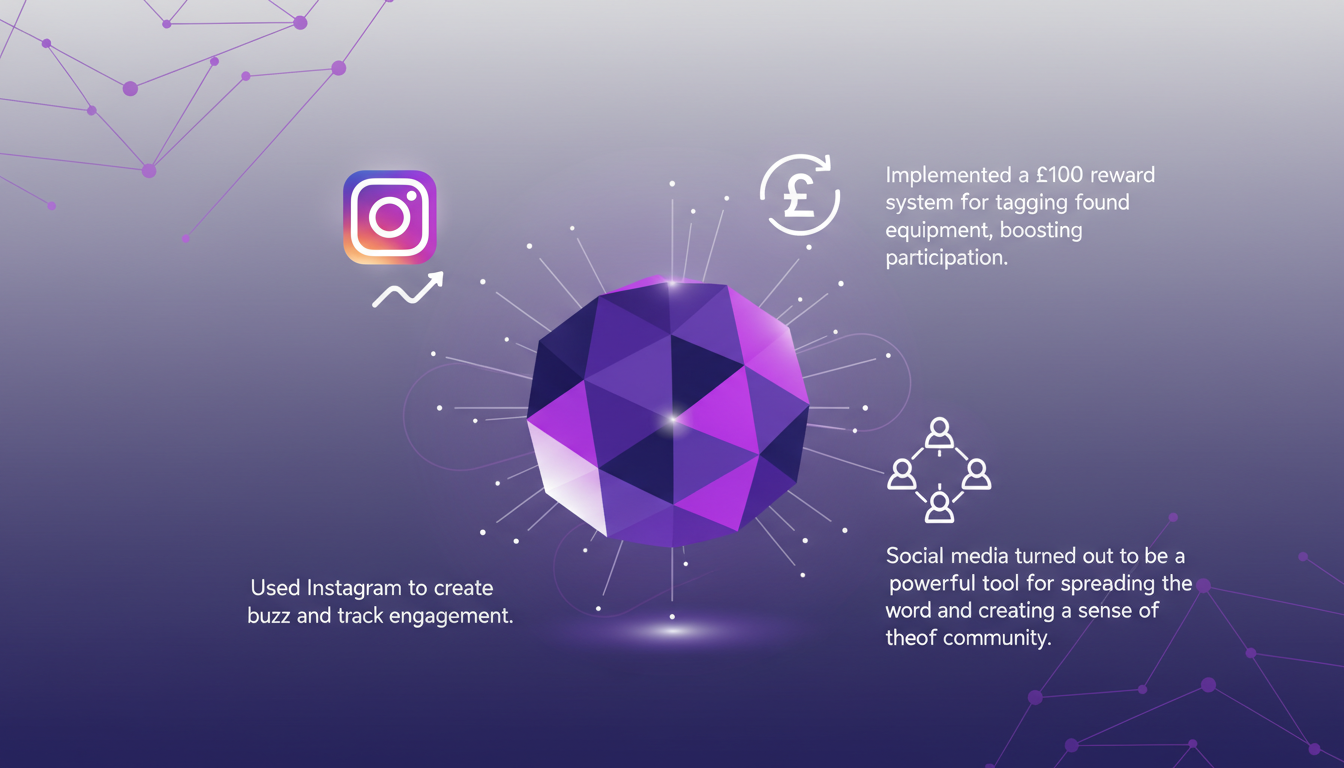
Thanks to this strategy, not only did I increase engagement, but I also strengthened the bond with the local community. It created a virtuous cycle where each new online interaction reinforced the initiative's recognition on the ground.
- Use Instagram to create buzz.
- Introduce a reward system to stimulate participation.
- Manage trolls while focusing on positive impact.
Financial Implications of Free Services
Initially, funding came from my personal savings and small donations. Financial sustainability quickly became a major concern. So, I explored partnerships with local businesses for sustainable support. One thing I learned is the importance of a clear financial plan — hidden costs like maintenance and replacement can quickly add up.
What I did was prioritize expenses and identify unavoidable costs. I also learned not to underestimate small community contributions, which proved vital to keeping the project afloat.
- Initial funding from personal savings and donations.
- Partnerships with local businesses for sustainable support.
- Importance of a clear financial plan for sustainability.
The Value of Offering Help for Free
Offering free services built trust and goodwill in the community. It encouraged local participation and ownership of the initiative. It's not just about the gear — it's about fostering a supportive environment. Sometimes, giving away something small can lead to bigger community benefits.
This showed me that free initiatives can have a lasting impact and transform the dynamics of a community, especially when people feel involved and engaged.
- Build trust and goodwill in the community.
- Encourage local participation and ownership.
- Create a supportive environment.
Challenges and Sustainability of the Model
Keeping the momentum going requires constant innovation. I faced issues with vandalism and theft, but community vigilance helped mitigate these incidents. I explored different models to ensure the initiative's long-term viability. It's a balancing act — free services need careful planning to sustain.

I also considered the importance of flexibility in business models. Sometimes, you need to adjust strategies based on community feedback and available resources. It's a continuous learning process.
- Constantly innovate to maintain momentum.
- Address vandalism and theft with community vigilance.
- Explore different models for long-term viability.
Making sports free across London wasn't just about the gear. First, I tapped into social media to rally a community around this vision. Then, I managed finances smartly by proving that free can be sustainable. But watch out—understanding the true value of what you're offering for free is crucial. For instance, offering a £100 reward for a dream, just by finding a football and posting it on Instagram, was a real game changer! Looking forward, imagine this model applied in your city. Start small, engage your community, and watch what happens. Trust me, it works.
Think you can pull it off in your city? Give it a shot, start and engage. And to see how I did it, check out the full video. Let's chat about it after? YouTube link
Frequently Asked Questions

Thibault Le Balier
Co-fondateur & CTO
Coming from the tech startup ecosystem, Thibault has developed expertise in AI solution architecture that he now puts at the service of large companies (Atos, BNP Paribas, beta.gouv). He works on two axes: mastering AI deployments (local LLMs, MCP security) and optimizing inference costs (offloading, compression, token management).
Related Articles
Discover more articles on similar topics

Starting a Butcher TikTok: Strategies and Tips
I got chased by a butcher—not for meat, but for advice on TikTok. In the world of butchery, social media might seem like the last thing you'd think about. Yet, if you're aiming to teach, grow, and eventually open your own shop, TikTok can be a game changer—if you know how to wield it. I helped this butcher turn a passion into a digital strategy. In seven or eight weeks, we targeted 1,000 subscribers and started monetizing content. Here’s how we did it, with weekly content strategies and public relations tactics. It was a real journey, but every step was a learning opportunity.
Chasing Dance Dreams: Sophie's Viral Journey
I remember the days when I was juggling between saving lives as a lifeguard and chasing my dream of becoming a famous dancer. It wasn't easy, but it was worth every second. Sophie Halloway's journey from the poolside to the spotlight at Steps on Broadway is nothing short of inspiring. With 17 million followers and her latest video hitting 160 million views, Sophie didn't just dream, she orchestrated her success. In this article, I walk you through her incredible journey - from her early days in New York to her viral rise on social media. A testament to perseverance and passion, and how she leveraged every follower to climb higher.
Building a Personal Brand Through Football
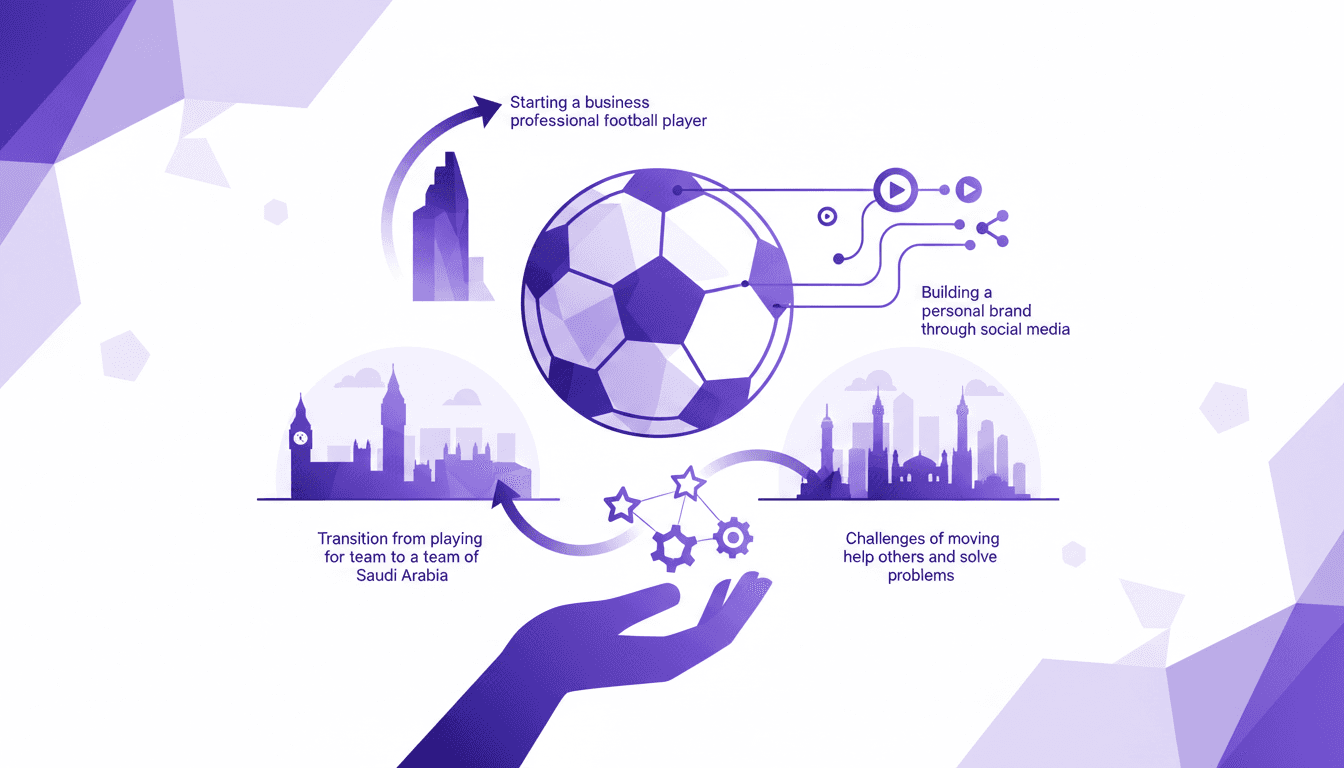
I remember the moment I realized my dreams weren't just dreams—they were goals I could act on. Transitioning from playing at Chelsea to a team in Saudi Arabia wasn't just a change of scenery—it was a leap into the unknown. But with every challenge came an opportunity to build my personal brand and help others. In this article, I share how I connected the dots between my aspirations to be a professional football player and starting my own business. I orchestrated my journey on social media to turn my fame into a force for good. From dreaming of playing for Chelsea to embarking on an entrepreneurial adventure, discover how I used each step as a springboard.

Brain-Computer Interfaces: Advances and Challenges
I remember the first time I connected a brain-computer interface to a retinal prosthesis. It was like watching the future unfold in real-time. But here's the kicker: the tech is only as good as our understanding of the brain's plasticity and its convergence with AI. We're at a crossroads where neuroscience meets artificial intelligence, and brain-computer interfaces (BCIs) are at the forefront of this revolution. Let's dive into how we're building this future, the challenges we face, and the potential it holds. From advancements in BCI technology for vision restoration to neural engineering and retinal prostheses, and including a risk-reward analysis of BCI adoption, this interview with Max Hodak promises to be enlightening. Get ready to explore biohybrid neural interfaces and ponder the future of intelligence through BCIs.
Business Models to Fulfill Your Dreams
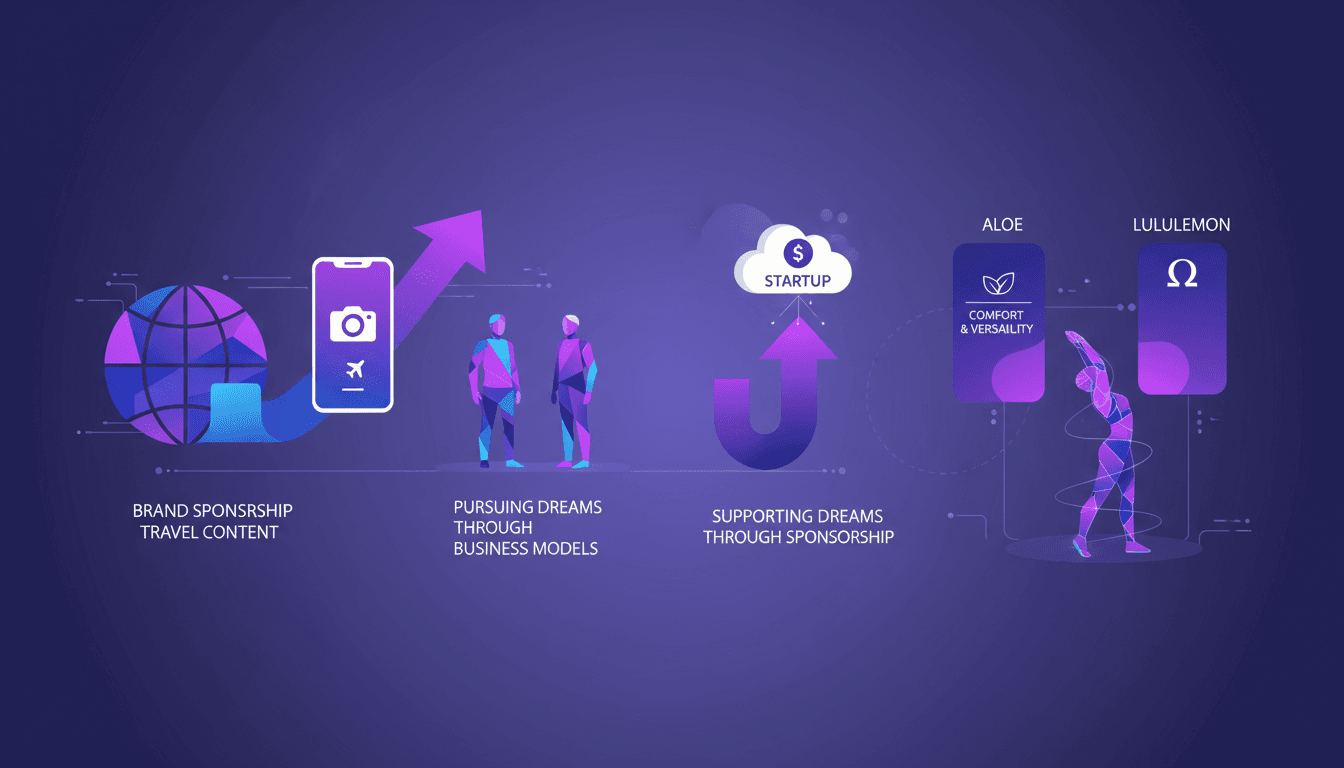
I remember the first time I realized my dreams could have a business model. It was a game changer. I wasn't just chasing dreams; I was structuring them for success. In this interview, we dive into how business models and brand sponsorships can turn dreams into concrete realities. We break down the steps, focusing on how comfort and versatility are key in securing sponsors. We also spotlight Aloe and Lululemon to see how clothing can support or hinder our ambitions. It's a straight look at what truly works to turn your passions into a viable business.