Securing AI: Integrating Prompt Fu at OpenAI
I remember the first time I encountered a security breach in an AI system. It was a wake-up call that security wasn't just a checkbox but a critical component of AI deployment. OpenAI's acquisition of Prompt Fu feels like a game changer. By integrating Prompt Fu into their Frontier platform, OpenAI is set to enhance security and redefine how we protect AI. With over 125,000 developers using Prompt Fu and a quarter of the Fortune 500 companies trusting it, this strategic move promises to transform AI system security, addressing concerns over open-source project maintenance and prompt injection vulnerabilities.
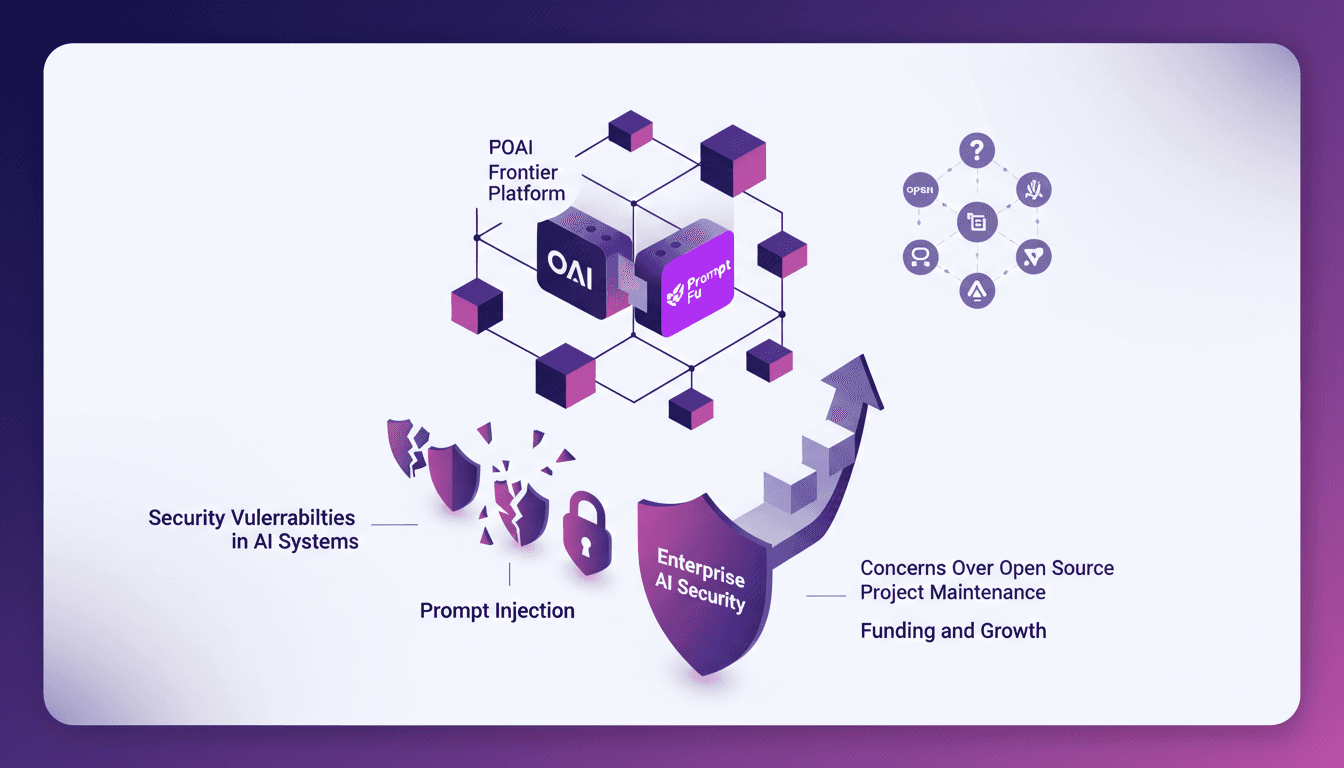
I still remember my first real challenge with a security breach in an AI system. I realized then that security wasn't just a checkbox; it was a crucial necessity for AI deployment. So, when I saw the announcement of OpenAI's acquisition of Prompt Fu, I knew it could be a turning point. Picture this: a platform used by over 125,000 developers, already trusted by a quarter of the Fortune 500 companies, integrated into Frontier. That's huge. As a practitioner, I know that integrating Prompt Fu's tools into OpenAI's platform can bolster AI system security, especially against prompt injection and open-source project vulnerabilities. But there's also a balance to maintain: enhanced security, yes, but watch out for integration costs and update management. In short, OpenAI is making big strides to ensure AI security tools meet market expectations.
Understanding Prompt Injection and AI Security
Let's talk about prompt injection. If you've dealt with AI agents before, you know how this can be a real headache. Essentially, when a malicious user manipulates an AI agent to behave in unintended ways, that's what we call a prompt injection. And trust me, it's more common than you'd think. I've seen AI systems get manipulated so subtly that most traditional security tools simply miss it.
AI systems are rife with vulnerabilities. Unauthorized database access, manipulation of decision-making processes—there are countless ways these systems can be breached. This is where Prompt Fu steps in. This tool is designed to directly tackle these vulnerabilities. It offers proactive security measures that allow you to catch vulnerabilities before your product even goes live. Proactive, that's the key word here.
Proactive security is crucial in AI development. Not preparing for it is like asking for trouble. So if you're in this space, make sure to stay ahead of the curve, or you might just get burned.
Integrating Prompt Fu into OpenAI's Frontier Platform
So, how do you integrate Prompt Fu into Frontier? I'll tell you, it's straightforward, but you need to know what you're doing. First, you set up your development environment to accommodate Prompt Fu's tools. Then, you integrate it directly into your development workflow. It's like adding a new security layer that runs in the background.
The benefits are numerous: reduced vulnerabilities, increased developer and end-user confidence, and most importantly, peace of mind. For developers, this means less stress and more time to focus on innovation. For businesses, it's the assurance that their systems are secure by default.
Open Source Projects: Independence vs. Integration
Now, let's dive into a topic close to my heart: balancing integration with open-source community support. OpenAI, by acquiring Prompt Fu, has promised to keep it open-source. But let's be honest, maintaining independence while integrating proprietary technologies can be quite a challenge.
For developers relying on open-source tools, it's crucial that these remain accessible and transparent. OpenAI seems to be playing both sides: deep integration into Frontier while keeping Prompt Fu open source. But this remains to be seen. The community is often skeptical about such grand promises.
Enterprise Adoption and the Future of AI Security Tools
You might wonder why more than 25% of Fortune 500 companies trust Prompt Fu? It's simple: security. When dealing with systems containing sensitive data, even a small breach can cost millions. By adopting Prompt Fu, these companies mitigate the risk of major security breaches.
Enterprise adoption is a crucial driver for the growth of AI security tools. Prompt Fu even plans a massive commercial launch in 2024. But beware, adopting new security tools often involves trade-offs. Cost, training, integration... all factors to consider.
Funding, Growth, and the Road Ahead for Prompt Fu
Finally, let's talk funding. With $22 million raised in two years and a valuation of $86 million, Prompt Fu is on a roll. But it's not just about the money. The milestones achieved by Prompt Fu in such a short time are impressive. And this growth trajectory doesn't seem to be slowing down.
Their impact on the AI security landscape is undeniable. But watch out, the road is full of hurdles. Technological challenges, investor expectations, market pressure... plenty of challenges to overcome to keep up this momentum.
For more on building profitable AI agents, check out Profitable AI Agent: Strategies and Tools. To discover three free AI tools from Google, read Google Shakes Up with 3 Free AI Tools.
In summary, Prompt Fu is more than just a tool; it's a revolution for AI security. But like any revolution, it will take time and adaptation for its full impact to be felt.
OpenAI's acquisition of Prompt Fu is a real game changer for AI security. I've plugged Prompt Fu into my setup, and I'm already seeing tangible results:
- First, OpenAI's Frontier platform significantly boosts security, setting a new benchmark that even big players are starting to follow (a quarter of Fortune 500 companies already trust it).
- Then, with 125,000 developers using Prompt Fu, it's a proven solution that stands strong, despite the challenges of maintaining open-source projects.
- Finally, direct integration into Frontier means fewer headaches securing our systems, but watch out for potential scale-up costs.
Looking ahead, I believe this move in security is crucial to staying ahead in AI. If you haven't yet watched "OpenAI Just Solved AI's Biggest Security Problem", do it to grasp all the details and implications. Now's the time to effectively secure your AI systems.
Frequently Asked Questions

Thibault Le Balier
Co-fondateur & CTO
Coming from the tech startup ecosystem, Thibault has developed expertise in AI solution architecture that he now puts at the service of large companies (Atos, BNP Paribas, beta.gouv). He works on two axes: mastering AI deployments (local LLMs, MCP security) and optimizing inference costs (offloading, compression, token management).
Related Articles
Discover more articles on similar topics
Profitable AI Agent: Strategies and Tools
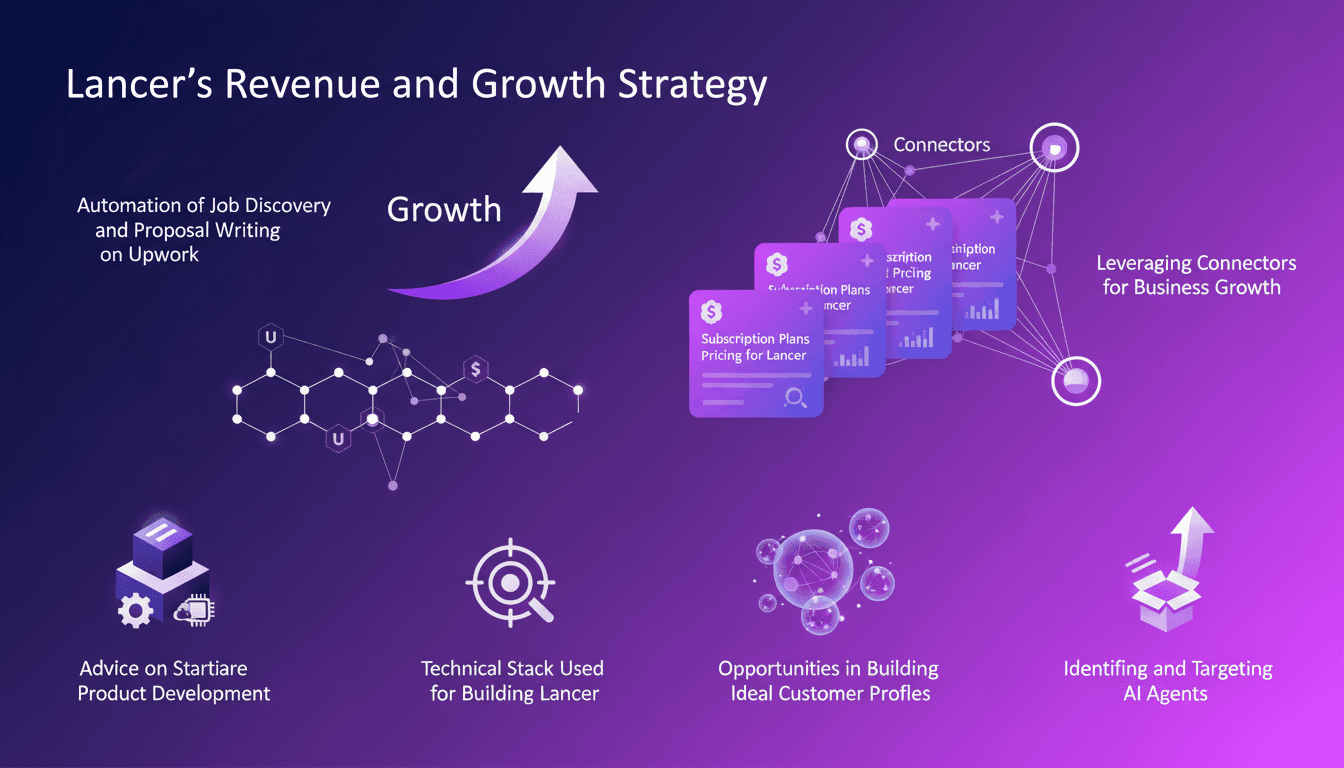
I built an AI agent that rakes in $10K a month without spending a dime on ads. Sounds crazy? Here’s how I did it. In a world where efficiency and automation are key, I developed Lancer, an AI agent that transforms how freelancers and agencies operate on platforms like Upwork. By automating job discovery and proposal writing, Lancer has revolutionized our approach. I share how I leveraged connectors for business growth, crafted subscription plans and pricing, and the opportunities I discovered in building AI agents. I'll also explain the mistakes I made, the tools I used, and how you can start your own software product development.
Google Shakes Up with 3 Free AI Tools
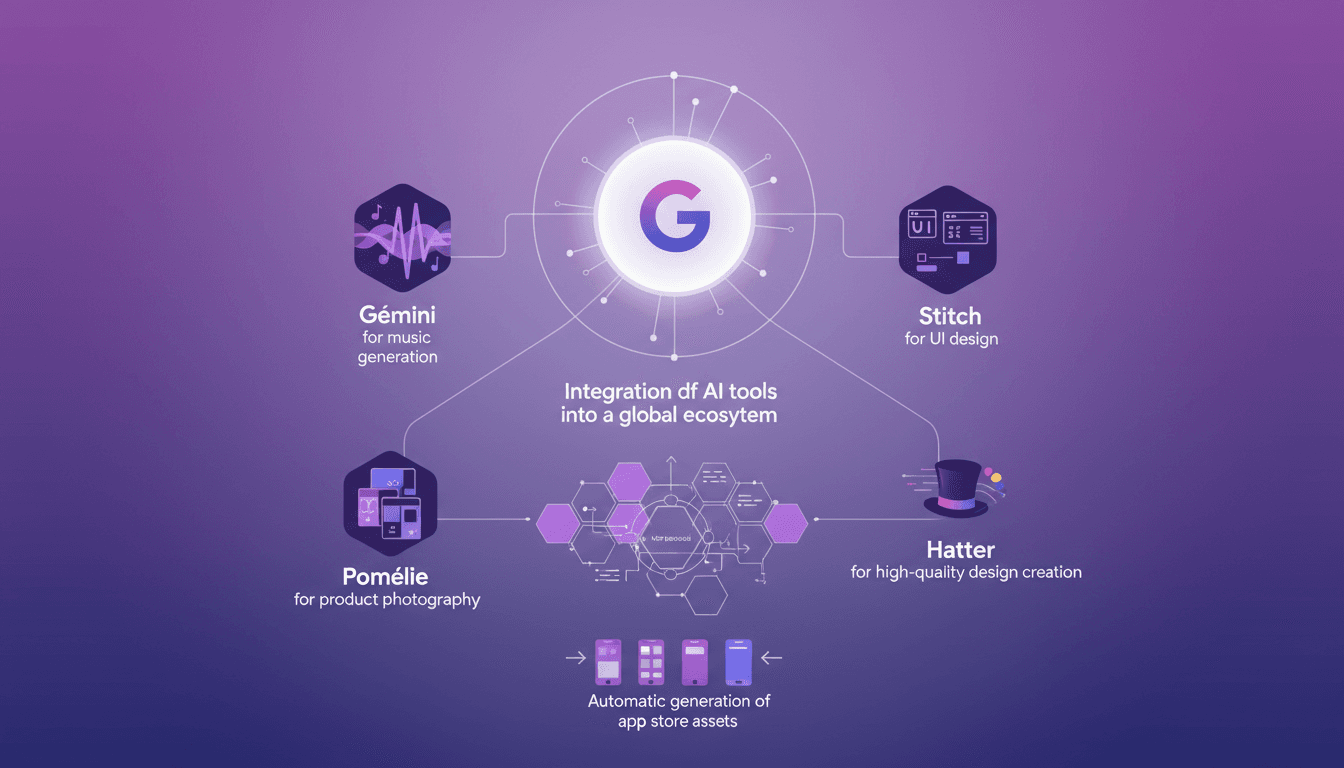
I've been diving into Google's latest AI releases, and these tools are true game changers. First, I connected Gémini for music into my existing setup, and the efficiency boost was immediate. But watch out, it's not all smooth sailing. Pomélie for product photography and Stitch for UI design have their own twists. Integration is seamless, but there are limits you can't ignore. If you don't keep an eye on things, you might end up juggling imported files that clog your resources. I'll walk you through how these tools integrate into a global ecosystem and why the MCP protocol and Hatter are your new best friends for creating high-quality designs.
Baguettotron: AI Integration on Zip Disk
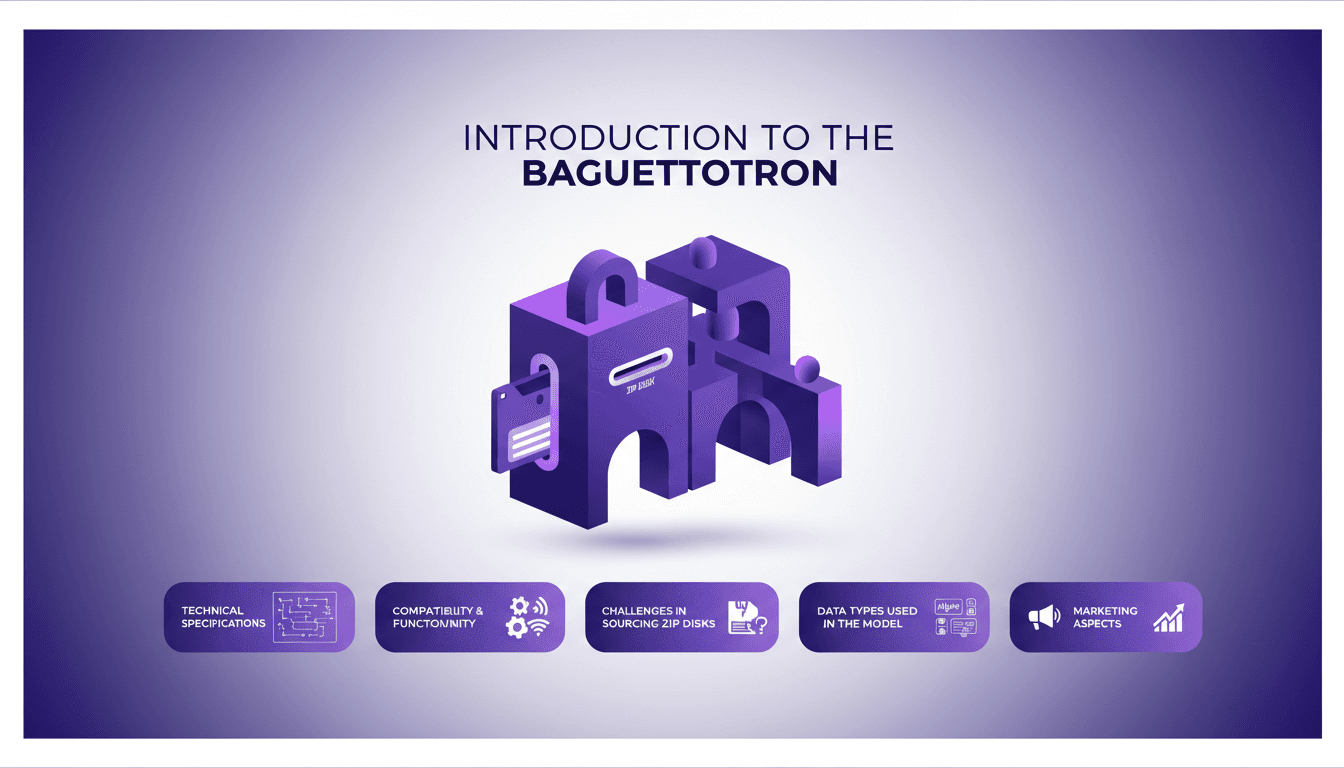
I still remember the first time I tried to fit an AI model onto a zip disk. It was like trying to squeeze a modern engine into a vintage car. But that's precisely the challenge the Baguettotron project threw at me, and here's how I tackled it. The Baguettotron is this fascinating mix of retro tech and cutting-edge AI. Picture running a 320 million parameter AI model on a tiny 900 MB disk. Sounds crazy, right? But it's doable. We're diving into this technical adventure, discussing specs, compatibility, and the hurdles like finding those elusive disks. Hang tight, because we'll also touch on the unique marketing aspects of this project.
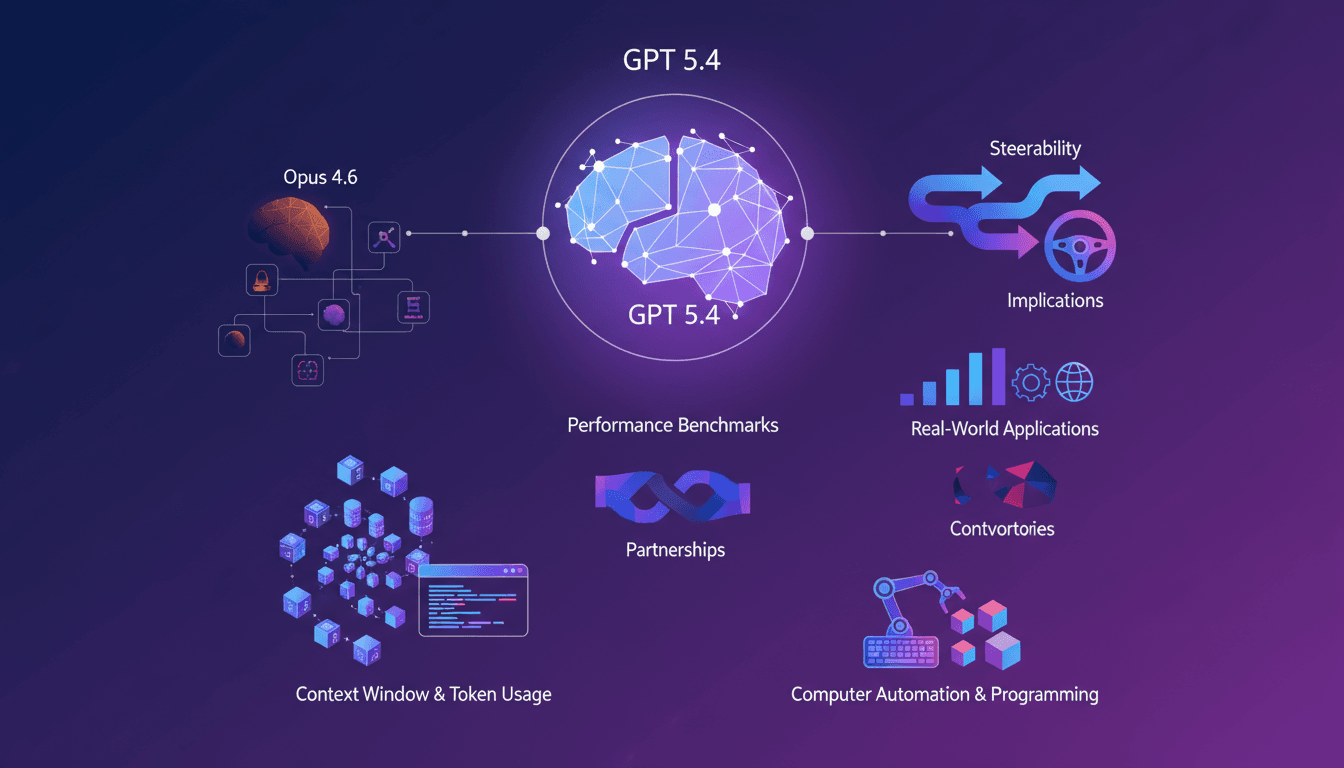
GPT 5.4 vs Opus 4.6: Killer or Just Hype?
I dove headfirst into GPT 5.4 to see if it could dethrone Opus 4.6. Having been burned by overhyped AI promises before, I wanted to separate the noise from the real game changers. GPT 5.4 boasts a massive context window of one million tokens and new steerability features. But is it truly a leap forward or just another iteration with flashy marketing? Let's compare it to Opus 4.6. GPT 5.4's performance in computer automation is impressive, with 90% accuracy. However, even with a score of 75% versus Opus 4.6's 72.7%, is that enough to claim victory? Let's dive into the technical advancements and real-world implications of these features.
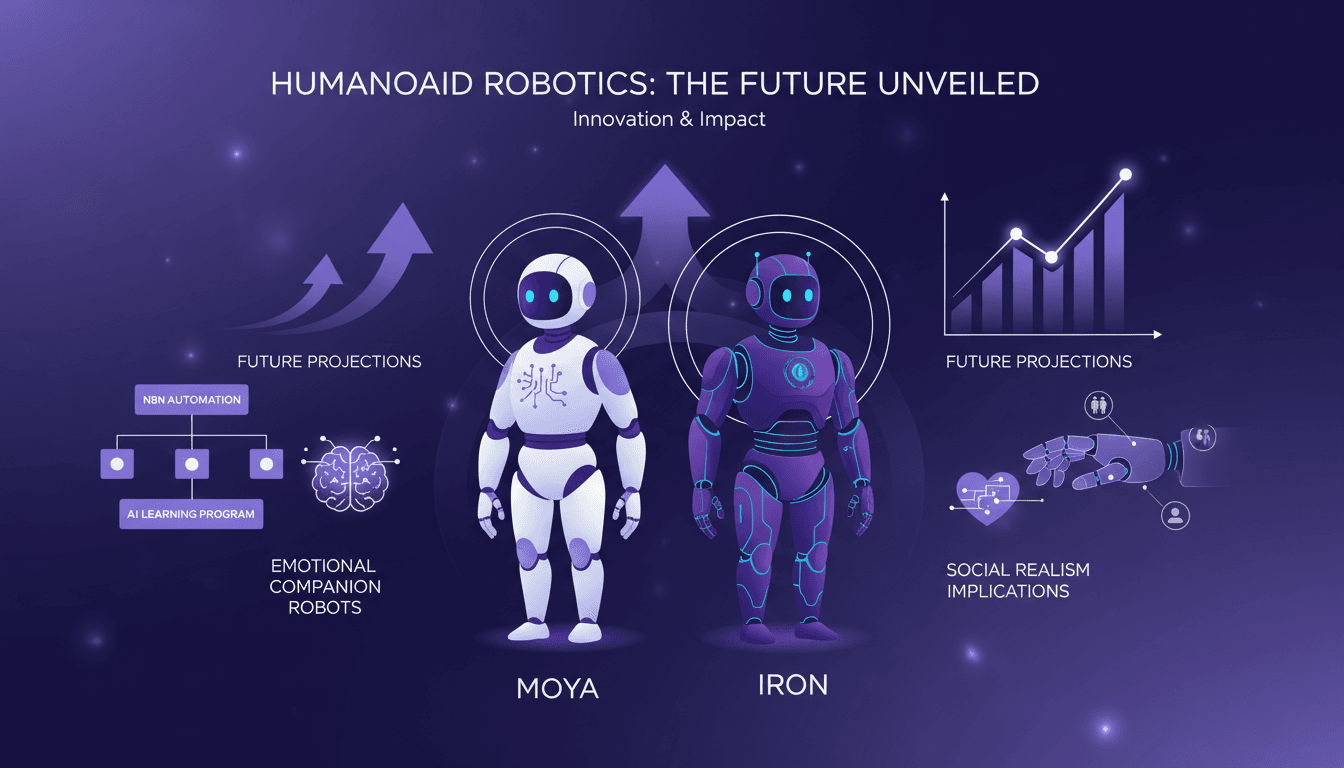
Humanoid Robots: Moya and Iron, Challenges Ahead
I shook Moya's hand, and the warmth was uncanny. It's not just about replicating human features; it's about pushing the boundaries of robotics. With the humanoid robotics market projected to grow rapidly, understanding the tech advancements and market dynamics is crucial. I dive into how humanoid robots like Moya and Iron are reshaping the field. From robot design to AI integration, and automation using N8N, these robots are redefining our relationship with technology. Watch out, Moya's skin reaches 36°C, eerily similar to a human's. Ready to dive into this fascinating world?