GPT 5.4 vs Opus 4.6: Killer or Just Hype?
I dove headfirst into GPT 5.4 to see if it could dethrone Opus 4.6. Having been burned by overhyped AI promises before, I wanted to separate the noise from the real game changers. GPT 5.4 boasts a massive context window of one million tokens and new steerability features. But is it truly a leap forward or just another iteration with flashy marketing? Let's compare it to Opus 4.6. GPT 5.4's performance in computer automation is impressive, with 90% accuracy. However, even with a score of 75% versus Opus 4.6's 72.7%, is that enough to claim victory? Let's dive into the technical advancements and real-world implications of these features.
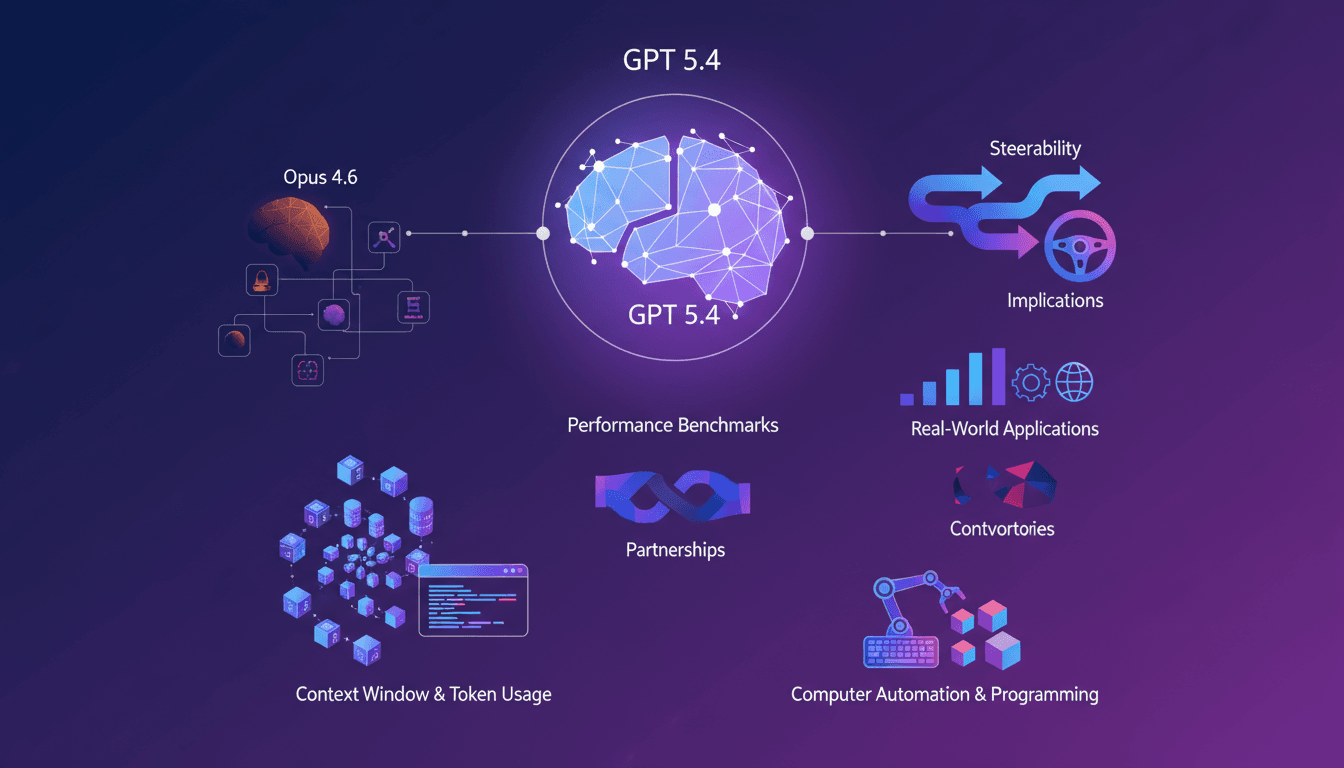
I dove headfirst into GPT 5.4 to see if it could truly dethrone Opus 4.6. Having been burned by overhyped AI promises before, I wanted to dissect the noise from the real game changers. First, GPT 5.4 hits us with a context window of one million tokens and enhanced steerability features. But does this translate into a real leap forward or just well-crafted marketing? I compared these two powerhouses, and from a practical standpoint, it's in computer automation where GPT 5.4 shines, boasting 90% accuracy. Even though it slightly edges out Opus 4.6 with a score of 75% to 72.7%, every percentage counts in such a fierce competition. Let's delve into the technical advancements and the real-world implications of these features. Does GPT 5.4 earn its 'killer' status or is it just hype? Let's break it down.
Exploring GPT 5.4's Context Window
OpenAI's release of GPT 5.4 marks a significant leap with its 1 million token context window. It's impressive on paper, but how does it translate into our daily workflows? I put it to the test for complex, multi-step tasks. First off, more tokens mean more processing time and potentially higher costs. In practice, for everyday tasks, context limits are less about size and more about how you slice your data. Watch out for token usage explosion—plan your architecture accordingly.
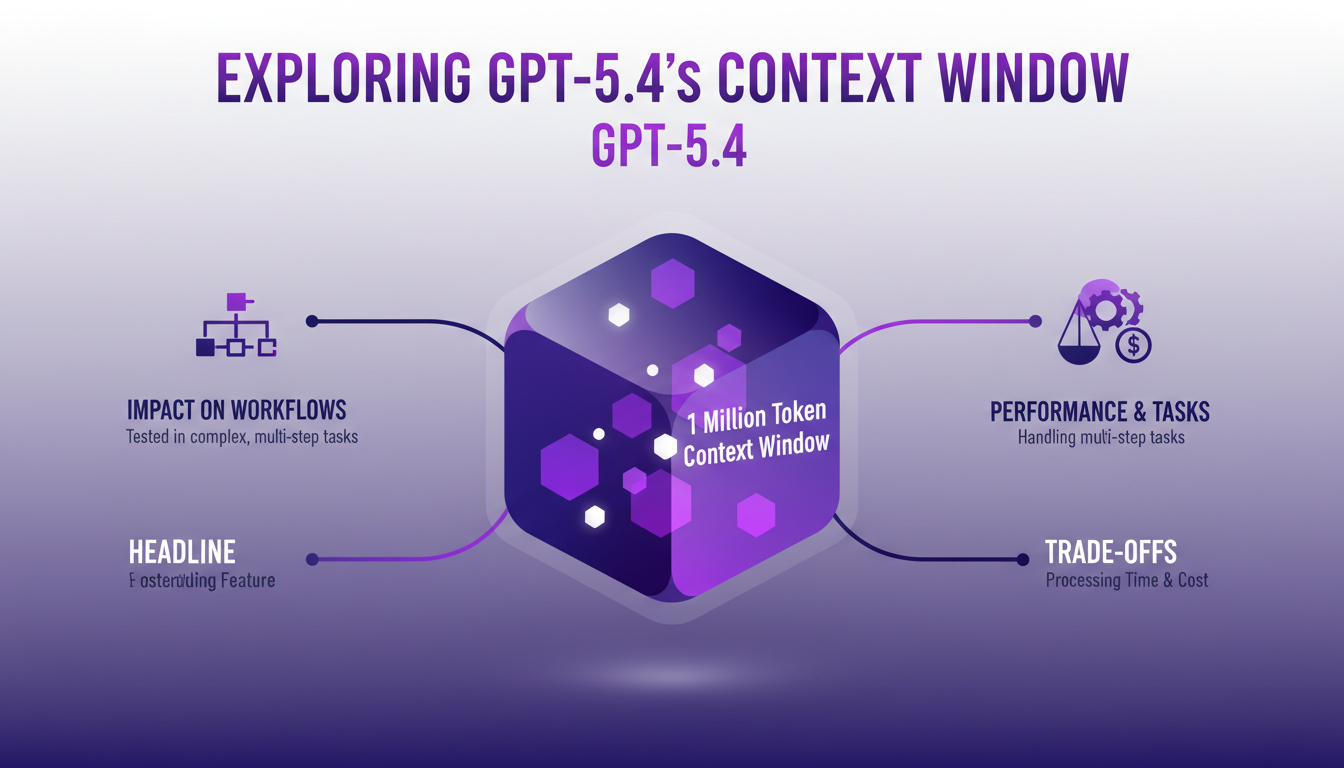
In my tests, this colossal window allowed for a deeper understanding of an entire open-source project. However, remember, this can lead to excessive token usage. It's crucial to plan your architecture to avoid falling into this trap.
Steerability: A Double-Edged Sword
Steerability is a major new feature that allows guiding the model's responses, but it comes with a learning curve. I found it useful for tailored content creation. But beware, over-steering can make interactions less natural. In real-world application, balancing user control with model autonomy is key. Yes, efficiency gains are real, but only if you master the steering inputs.

In practice, it's tempting to over-direct the model, but this can harm interactivity. I've found that a good balance leads to smoother, more effective interactions.
Performance Benchmarks: Numbers vs Reality
GPT 5.4 scores a 90% accuracy on vision tasks—impressive, but context matters. In computer use, it edges out Opus 4.6 with a 75% score. However, in web browsing, efficiency is slightly better than Opus, but not a landslide. In real-world task performance, 83% is great, but not always noticeable in small-scale operations. Benchmarks are useful, but always test in your own environment.
It's easy to get dazzled by numbers, but they don't tell the whole story. The key is to validate these promises in daily, concrete use.
Technical Advancements and Trade-offs
Token processing speed has improved, but watch out for hidden costs. The multimodal capabilities are exciting for automation tasks. I integrated it into a few workflows—some gains, some bottlenecks. Agentic tool use case offers potential for complex orchestration, but setup is critical. Plan for scalability to avoid getting locked into one solution.
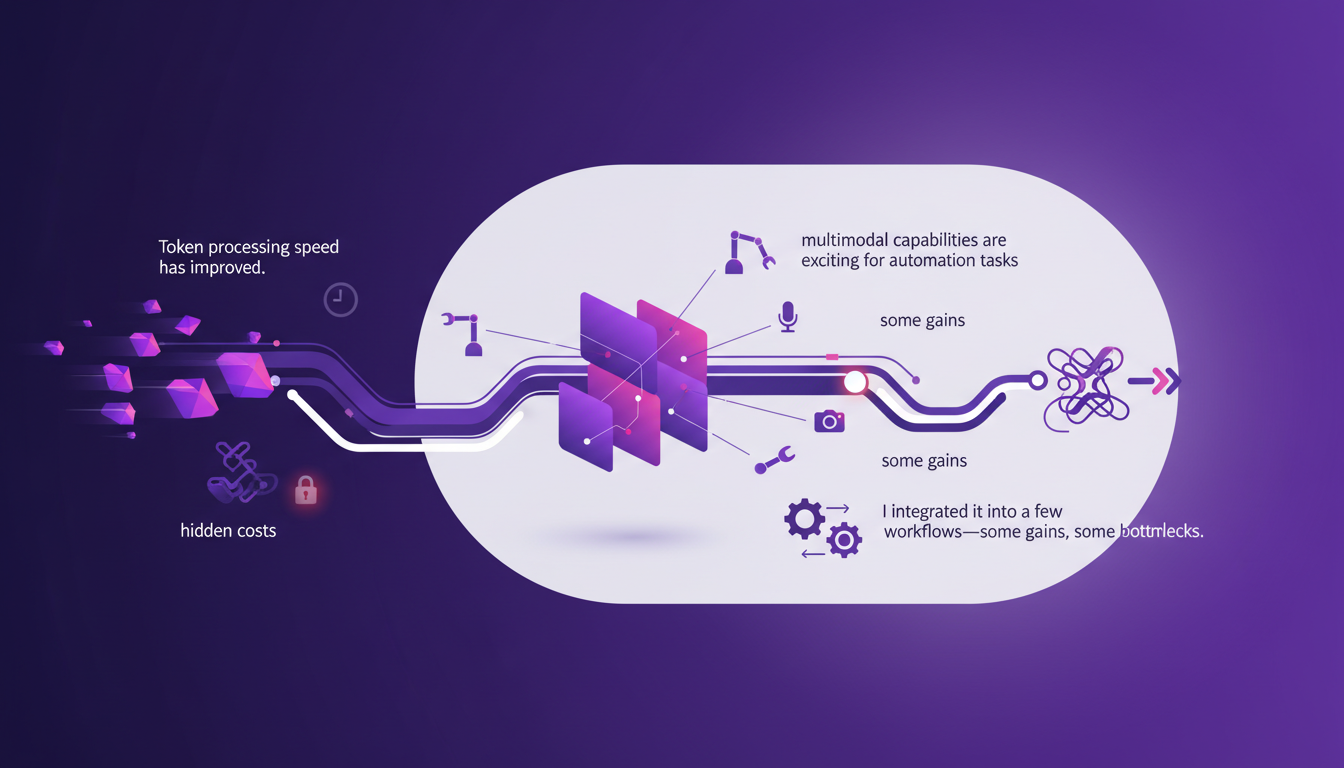
These new capabilities can transform automation, but they require thoughtful implementation and attention to detail.
Controversies and Partnerships: Navigating the Noise
OpenAI's partnerships are a hot topic—how do they affect you? Transparency issues can impact trust in the model's outputs. Consider the implications of using a model with such alliances. The noise can be distracting—focus on your specific use case. Partnerships might influence future updates and support.
OpenAI's partnership choices, though controversial, shouldn't distract you from the potential benefits in your specific context. The implications are many, and it's crucial to stay informed while keeping an eye on your own goals.
After putting GPT 5.4 through its paces, I've realized it's not a one-size-fits-all. But if you leverage its strengths while mitigating its weaknesses, it's a solid contender. First up, that one million context window size is massive and a game changer for data-heavy applications. With a 90% accuracy based on screenshots, it's ahead of Opus 4.6 which scores only 72.7%. But don't jump ship from Opus 4.6 just yet. Test extensively based on your specific needs and keep an eye on how these models evolve, because things change fast. For a deeper dive, check out the original video. It's worth it to truly understand how these models stack up against each other.
Frequently Asked Questions

Thibault Le Balier
Co-fondateur & CTO
Coming from the tech startup ecosystem, Thibault has developed expertise in AI solution architecture that he now puts at the service of large companies (Atos, BNP Paribas, beta.gouv). He works on two axes: mastering AI deployments (local LLMs, MCP security) and optimizing inference costs (offloading, compression, token management).
Related Articles
Discover more articles on similar topics
Quin 3.5: Cheaper and Better than GPT
I stumbled upon Quin 3.5 by Alibaba and, honestly, it blew my mind. Imagine an AI that's 17 times cheaper than GPT and outperforms it on multiple benchmarks. In the AI world, where cost and performance reign supreme, Quin 3.5 is changing the game. With 397 billion parameters, it offers efficiency and cost-effectiveness that its American counterparts struggle to match. We'll dive into its technical innovations, multimodal capabilities, and Quin 3.5's potential impact on the AI landscape. Intrigued? Let's explore how this technology might just shake things up.
OpenAI Acquires OpenClaw: What It Means for AI
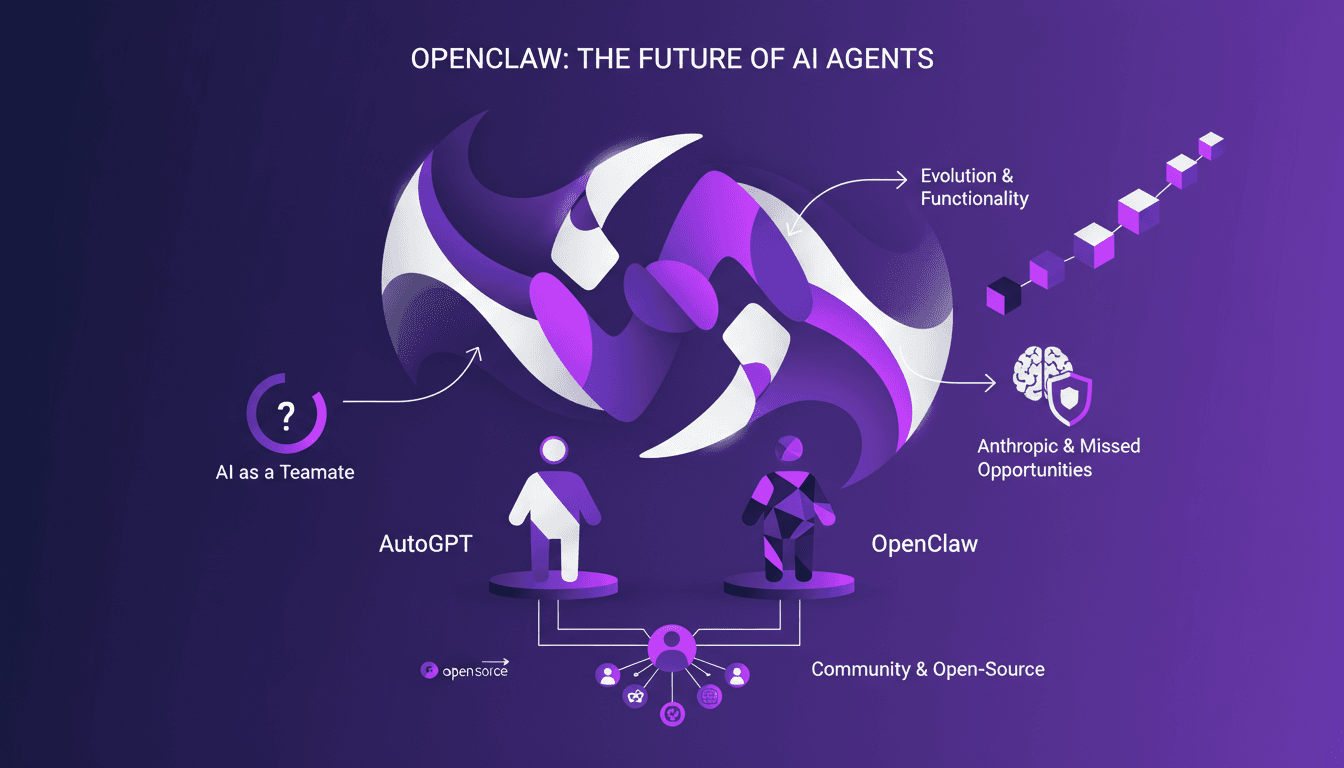
I was in the middle of orchestrating a multi-agent system when the news hit: OpenAI just bought OpenClaw. This isn't just another acquisition; it's a potential game changer for AI agents. OpenClaw, which evolved from Clawdbot to Moltbot, is set to redefine how we view AI as a teammate, not just a tool. With its persistent memory and sandbox environments, OpenClaw promises to transform our workflows. This acquisition could accelerate the integration of open-source AI agents and strengthen community collaboration. Let's dive into the details of what might be a pivotal moment for the future of AI agents.

Becoming a Principal: Publish Your Kids Book
I remember setting out to write a children's book. It wasn't just about words on paper; it was about sharing genuine ideas with young minds. The journey from aspiration to publication was tough, but Stand.store changed my game. In this article, I share my experience of writing and self-publishing, the value of genuine ideas, and how platforms like Stand.store can help monetize your creative work.
Kasparov and De Blue: AI's Chess Revolution
In 1999, I watched Kasparov reign supreme in chess with De Blue's assistance. Fast forward twenty years, and Magnus Carlsen achieves similar heights with Alpha Z0's help. AI has reshaped our understanding of chess strategy. I connect the dots between these developments and their direct impact on how modern players approach the game. Kasparov reached his peak, but the burning question is why he chose to retire just as AI was redefining the rules. These machines aren't just playing chess, they're rewriting the rules and influencing new generations. Let's unpack this paradigm shift and explore what it means for the future of the game.
Making Aisha's Dream a Reality: Stage Journey
I remember the first time I stepped on stage: a mix of adrenaline and sheer terror. Aisha had this experience too, but with one crucial difference. She had someone who believed in her enough to make her dream come true. It's not just about talent; it's about support, love, and seizing the moment. Aisha dreamed of shining on the West End, and thanks to her boyfriend's love, that dream became reality. He orchestrated a surprise performance at the London Blaze, acknowledging not only her talent but her kindness too. This is a lesson in the power of mutual support to achieve seemingly unreachable dreams.