Kasparov and De Blue: AI's Chess Revolution
In 1999, I watched Kasparov reign supreme in chess with De Blue's assistance. Fast forward twenty years, and Magnus Carlsen achieves similar heights with Alpha Z0's help. AI has reshaped our understanding of chess strategy. I connect the dots between these developments and their direct impact on how modern players approach the game. Kasparov reached his peak, but the burning question is why he chose to retire just as AI was redefining the rules. These machines aren't just playing chess, they're rewriting the rules and influencing new generations. Let's unpack this paradigm shift and explore what it means for the future of the game.
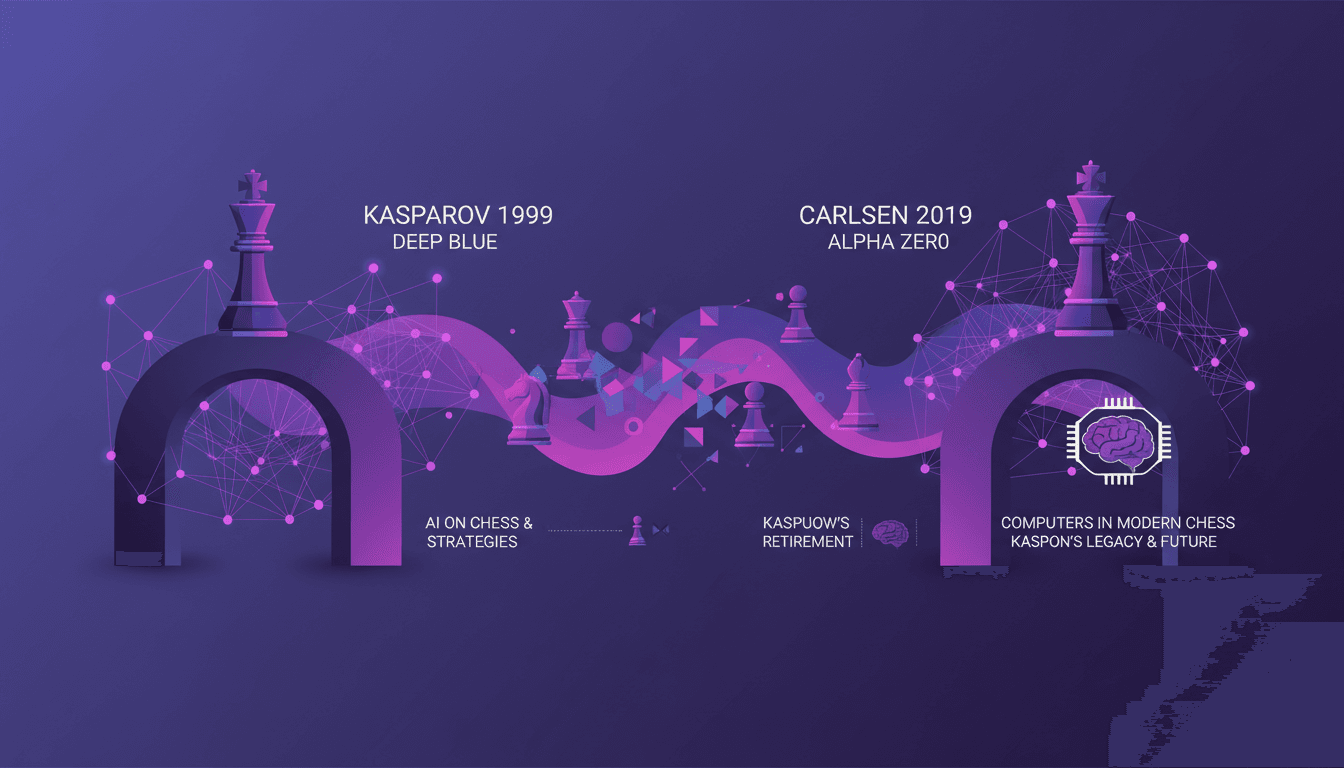
Back in 1999, I watched Kasparov hit his peak—an unforgettable moment for anyone who loves chess. With De Blue, he redefined what it meant to be a champion. Fast forward to 2019, and Magnus Carlsen is climbing to similar heights with Alpha Z0's help. I connect these eras and realize AI isn't just playing chess; it's changing the game entirely. Kasparov, at his peak, chose to retire, but why? Maybe AI revealed secrets even he couldn't ignore. I've witnessed these shifts and I'm here to break them down with you. Computers have infiltrated every aspect of the game, transforming strategy, training, and even Kasparov's legacy. So, what does this mean for future champions? Let's dive in and see how AI continues to shape the world of chess.
Kasparov's Peak and De Blue's Role
In 1999, Garry Kasparov reached the pinnacle of his career, two years after the introduction of De Blue. A fascinating moment in chess history. I remember observing firsthand how De Blue impacted Kasparov's strategy. It revolutionized chess analysis, converting hours of thought into seconds of computation. Kasparov integrated this technology, exploiting AI's power to refine his strategies. However, relying on AI comes at a cost. I've often seen players lose their creativity, leaning too heavily on computation.
This dependency on AI brings its own lessons: one must balance human intuition with algorithmic analysis. A piece of advice I'd give to any player is to not get blinded by technology. AI is a powerful tool, but it's not infallible.
- Practical impact: De Blue redefined chess strategy.
- Limits: Risk of excessive reliance on AI.
- Lesson: Balance creativity and computation.
Magnus Carlsen and Alpha Z0: A New Era
Fast forward to 2019, where Magnus Carlsen reached his peak two years after the arrival of Alpha Z0. Unlike De Blue, Alpha Z0 employed a unique approach, learning by playing millions of games without any historical data. It's like learning to cook without a recipe, a stunning feat! I've seen how Carlsen integrated these insights, balancing his natural intuition with AI's relentless precision.
But be cautious, balance is crucial. Relying too much on AI can erode human intuition, a component often underestimated in chess. Carlsen managed to leverage AI without becoming a slave to it, a model to follow in modern chess.
- Unique approach: Alpha Z0's self-taught learning.
- Successful integration: Carlsen combined intuition with AI precision.
- Caution: Do not neglect human intuition.
The Impact of AI on Modern Chess Strategies
AI has transformed chess strategies over the years, making the game faster and more complex. I've orchestrated several AI tools to prepare my games, and I can say the time savings are substantial. However, there are always limits. Sometimes, AI-driven strategies lack adaptability in real-world contexts, an important point to consider.
I've observed top players using AI to better prepare, but AI doesn't replace experience and flair. It's an orchestration tool, not a silver bullet.
- Evolution: AI has transformed chess strategies.
- Efficiency: Reduced preparation time thanks to AI.
- Limits: Lack of adaptability in certain contexts.
Kasparov's Retirement: A Strategic Decision
Kasparov retired in 2005, influenced by the rise of AI and the mastery of openings by his opponents. At that time, he had lost his world champion title but remained the world's number one. However, the advantage he had due to his experience eroded as his opponents mastered digital tools.
His transition from player to mentor marked a strategic turning point, reminding us that adaptation is essential in a constantly evolving world.
- Factors: AI progression and mastery of openings by opponents.
- Transition: From player to mentor.
- Lesson: Adapt to changes.
Kasparov's Legacy and the Future of Chess
Kasparov's impact on chess and AI integration is undeniable. He paved the way for future generations, teaching them to balance traditional skills and technological advancements. Looking to the future, I believe AI will play an even more central role in training talents.
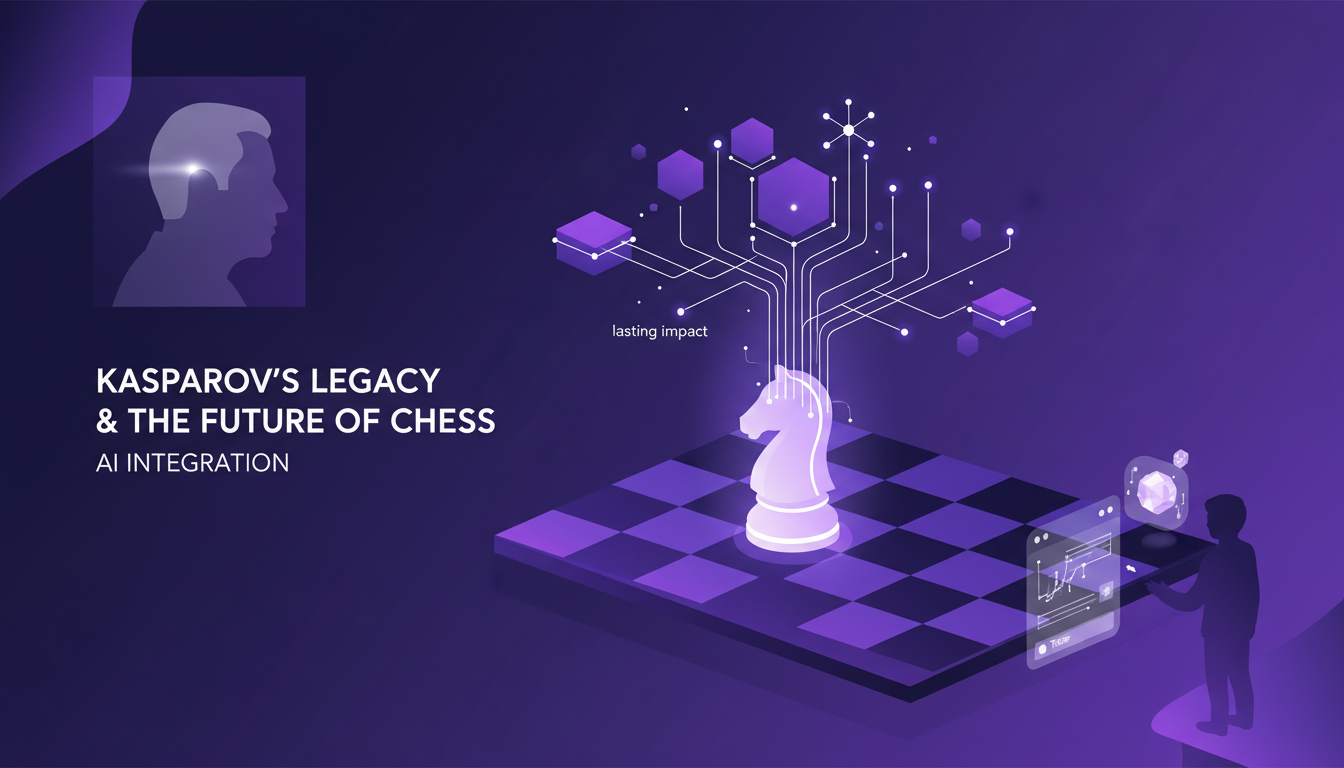
For future champions, the key will be to maintain a balance between technological innovation and traditional human skills. Only then can we continue to evolve this fascinating game.
- Lasting impact: Kasparov integrated AI into chess.
- Future training: AI will play a key role.
- Balance: Technological innovation and traditional skills.
For more on the evolution of chess strategies with AI, check out this article on AI's role in chess strategy development. To gain deeper insights into AI optimization, read our article on AI optimization.
So, what do we take away from all this? First, AI has totally transformed the chess world, from Kasparov's era with De Blue to Carlsen's peak with Alpha Z0. It's a real game changer, but let's not forget human intuition and creativity. Then, even if AI provides incredible insights, it's crucial to keep a balanced approach, relying on our adaptability and strategic foresight. Lastly, with the 2-year gap post-Alpha Z0, the impact is clear, but remember, machines will never fully replace the human touch. Looking forward, I’d say by constantly experimenting and learning, we push the boundaries of what's possible. So, if you're navigating AI and chess, go check out the video "L’IA a révélé le secret de Kasparov" on YouTube. It's worth a watch for a deeper perspective. [YouTube link: https://www.youtube.com/watch?v=C2sK9JXBZJw]
Frequently Asked Questions

Thibault Le Balier
Co-fondateur & CTO
Coming from the tech startup ecosystem, Thibault has developed expertise in AI solution architecture that he now puts at the service of large companies (Atos, BNP Paribas, beta.gouv). He works on two axes: mastering AI deployments (local LLMs, MCP security) and optimizing inference costs (offloading, compression, token management).
Related Articles
Discover more articles on similar topics
Chess AI: Strategies and Future
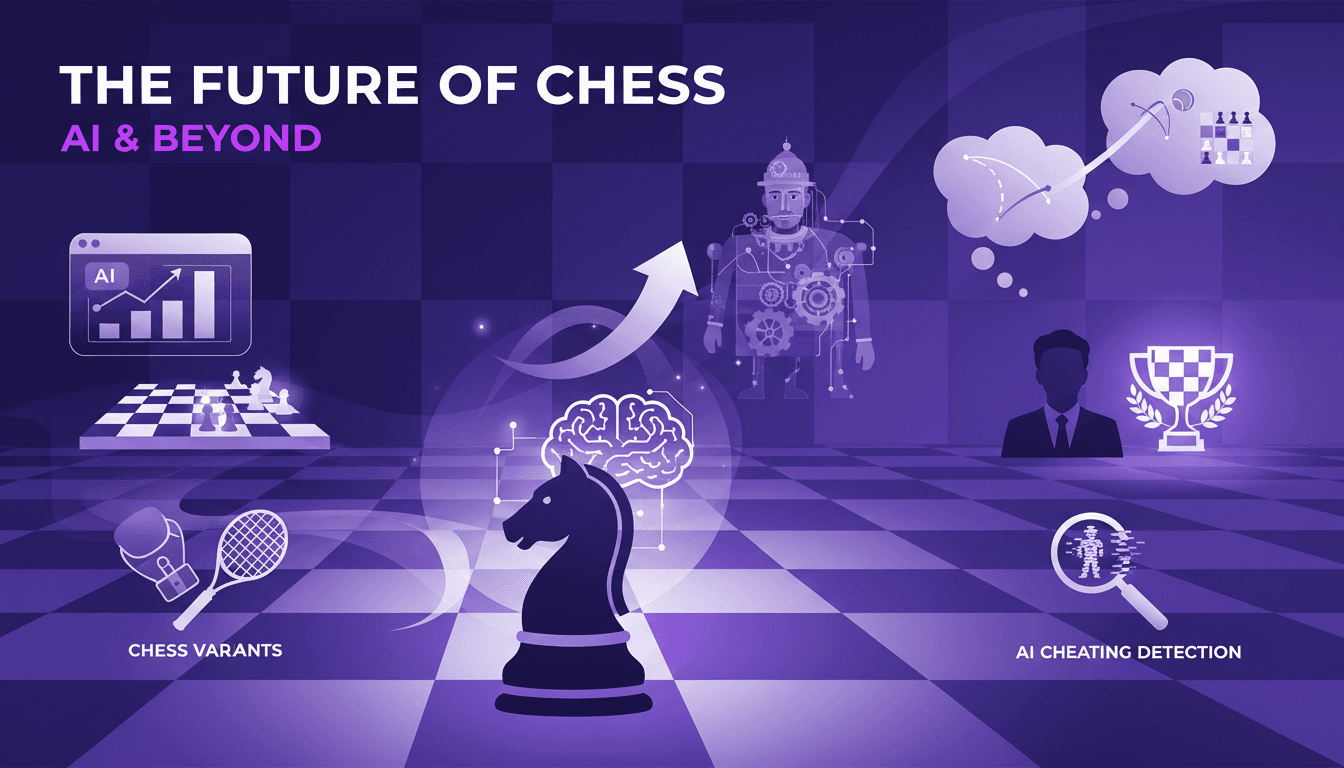
I remember my first encounter with a chess engine. It felt like playing against an invisible yet incredibly powerful mind. Since then, AI has transformed our ancient game, and I'm here to show you how. Chess has always been a battle of wits, but with AI's arrival, everything shifted. Take Magnus Carlsen, for instance, using these advancements to refine his strategies. In this episode, we'll dive into how AI has redefined the chess landscape, from detecting cheating to new variants like chess tennis. It's a fascinating journey through time and technology, and if you've ever been surprised by a 2800-rated opponent, you know exactly what I mean.
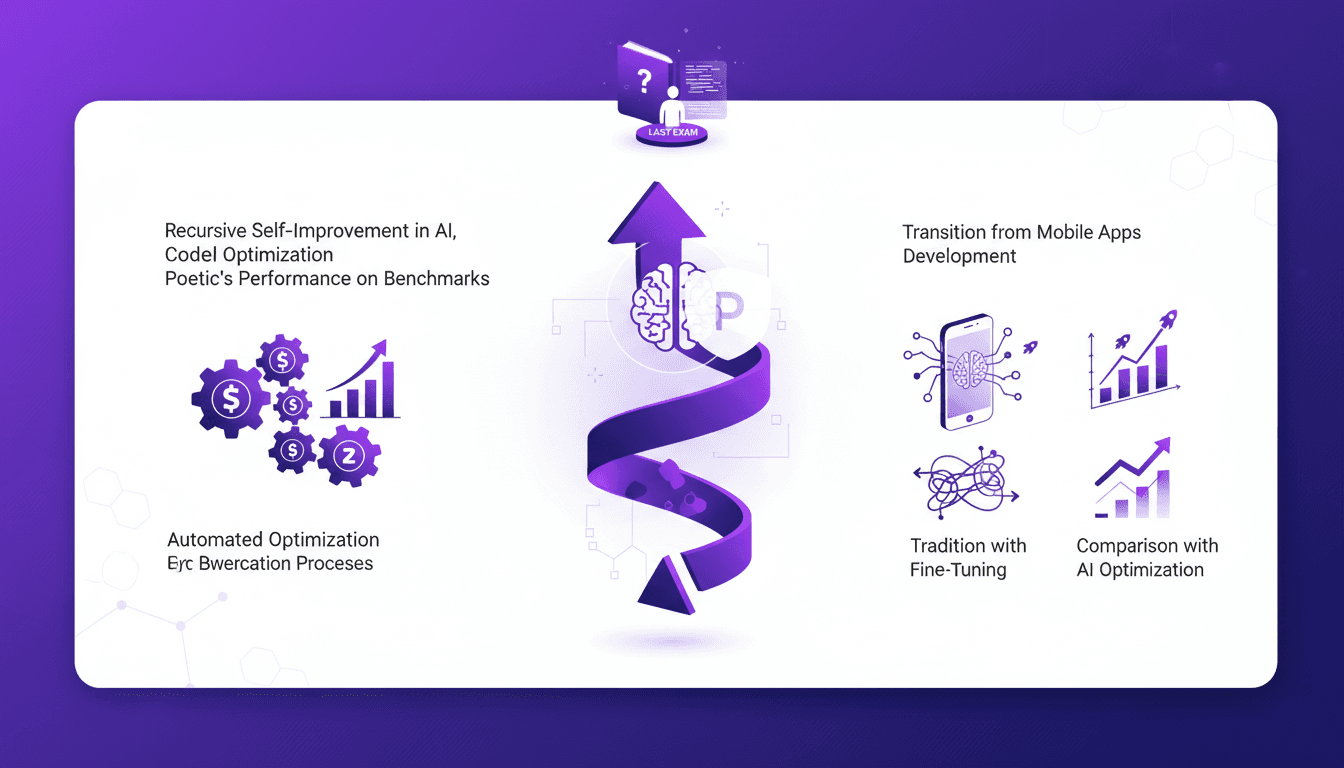
AI Optimization: Recursive Self-Improvement vs Fine-Tuning
I remember the first time I ditched fine-tuning for Poetic's recursive self-improvement. It was like trading a bicycle for a jet. The efficiency was mind-blowing, and the cost savings were immediate. In this article, I'll walk you through how this approach can change your AI game. We're diving into cost-effective AI model optimization, Poetic's standout benchmark performance, and the journey from mobile apps to AI. If you're tired of traditional fine-tuning, this is the read you need.
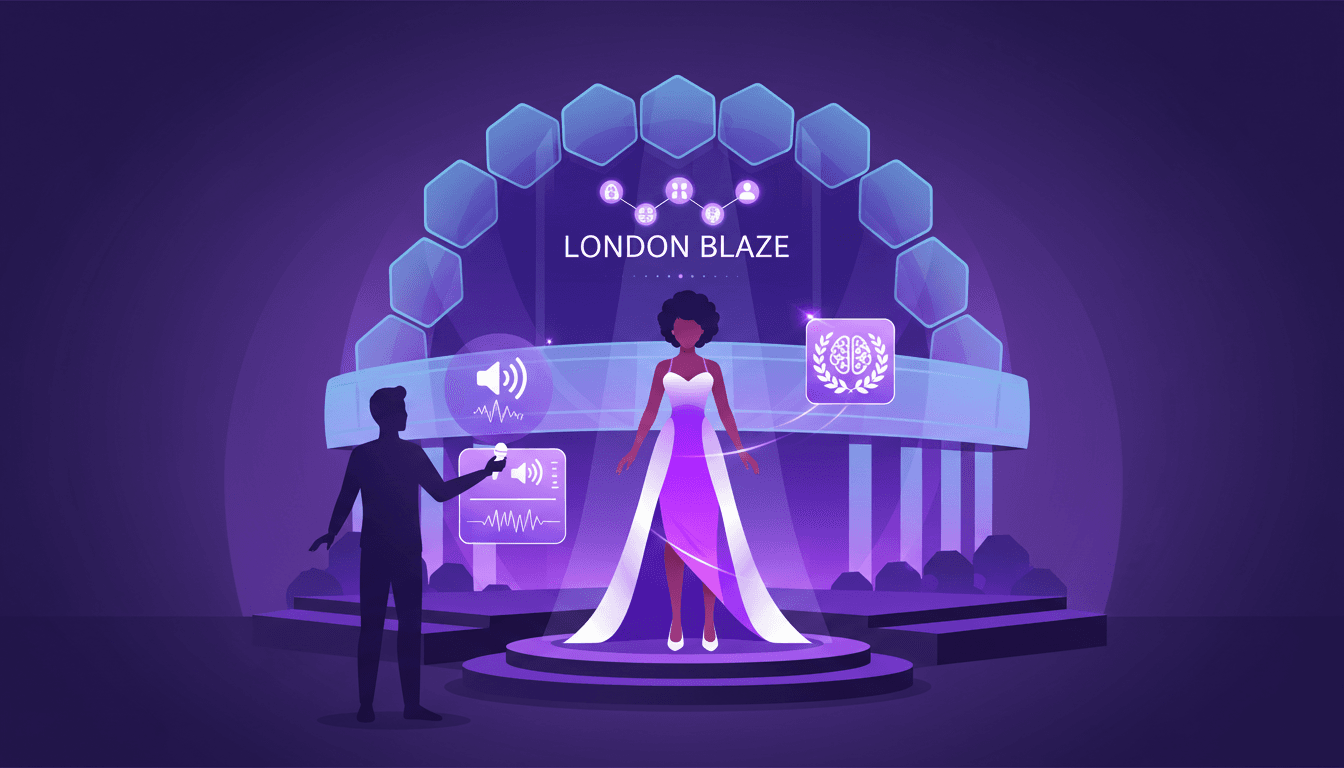
Making Aisha's Dream a Reality: Stage Journey
I remember the first time I stepped on stage: a mix of adrenaline and sheer terror. Aisha had this experience too, but with one crucial difference. She had someone who believed in her enough to make her dream come true. It's not just about talent; it's about support, love, and seizing the moment. Aisha dreamed of shining on the West End, and thanks to her boyfriend's love, that dream became reality. He orchestrated a surprise performance at the London Blaze, acknowledging not only her talent but her kindness too. This is a lesson in the power of mutual support to achieve seemingly unreachable dreams.
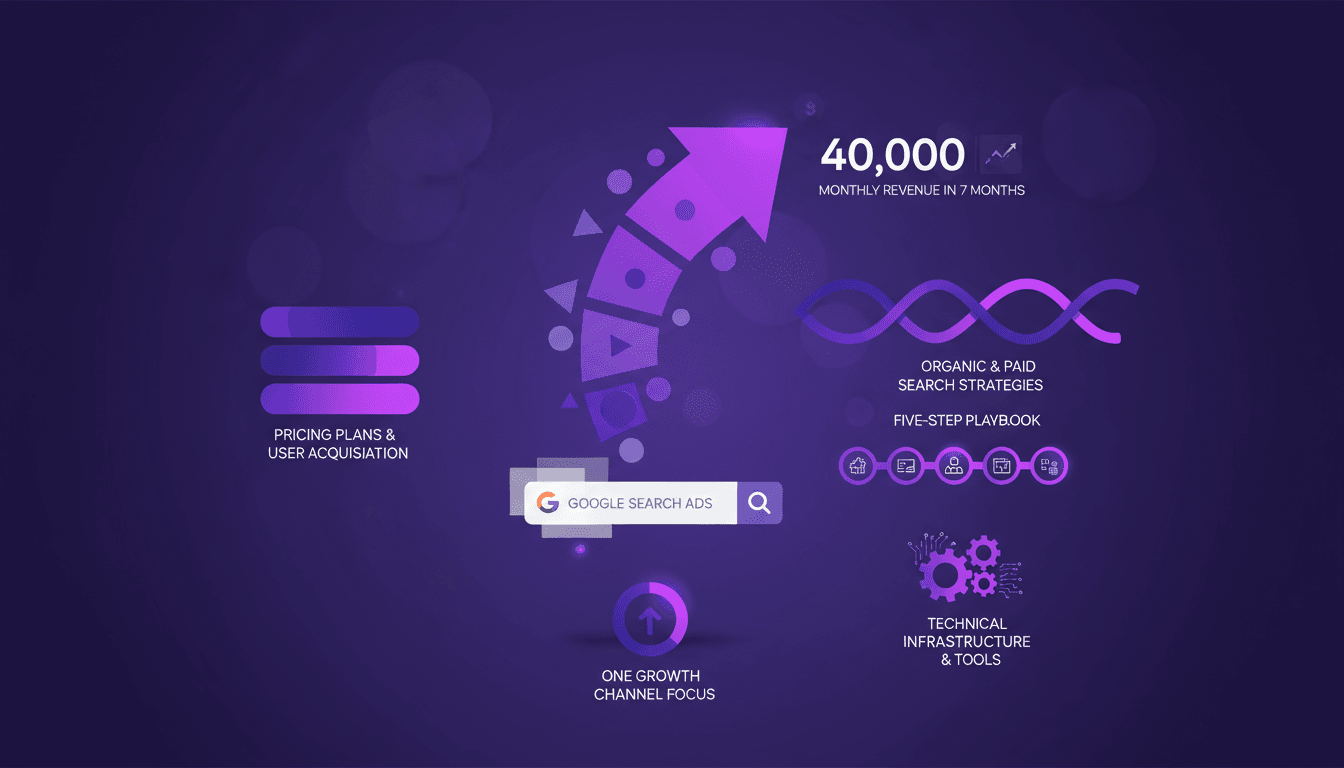
Reaching $40K/Month with Google Ads
I remember the day we hit $40,000 in monthly revenue. It wasn't by accident, and it sure wasn't overnight. In just 7 months, we orchestrated a strategy focusing solely on Google Search Ads. Without getting lost in the social media noise, we proved that a focused approach could turn our growth strategy into real results. Let me walk you through how we did it. I'll talk about pricing plans, user acquisition, and the technical tools we used. Get ready to uncover our five-step playbook for succeeding with Google.
Unite Humanity: Stop All Wars Now
Imagine for a moment: an alien invasion as the spark needed to unite humanity. I've pondered countless hours on how a common external threat could end all wars. This isn't just sci-fi, it's a real possibility for global peace. In this article, I take you through shifting from national borders to a unified human identity. It's about embracing collaboration against a shared threat and transforming our world from conflict to cooperation. The key here? Shift the focus from national identities to human unity, ensuring our planet remains habitable for everyone.