AI Optimization: Recursive Self-Improvement vs Fine-Tuning
I remember the first time I ditched fine-tuning for Poetic's recursive self-improvement. It was like trading a bicycle for a jet. The efficiency was mind-blowing, and the cost savings were immediate. In this article, I'll walk you through how this approach can change your AI game. We're diving into cost-effective AI model optimization, Poetic's standout benchmark performance, and the journey from mobile apps to AI. If you're tired of traditional fine-tuning, this is the read you need.
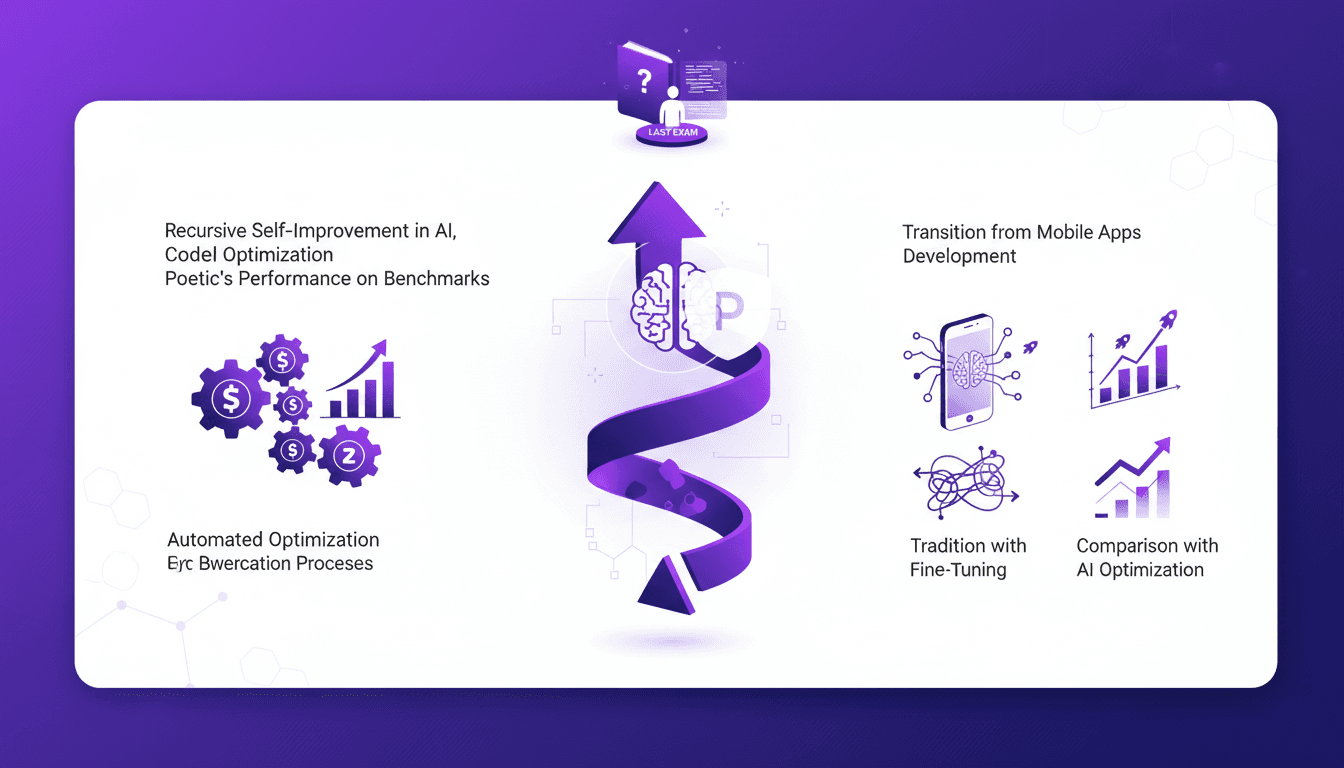
Eight months ago, I used GPT-5 to build an iPhone app after a decade away from the scene. It felt like stepping into the future. But what really blew my mind was Poetic's recursive self-improvement. Forget traditional fine-tuning; this is like strapping a rocket to your workflow. The efficiency and cost savings hit you right away. I'll take you through how this method transforms AI model optimization, with Poetic crushing benchmarks. And it's not going to break the bank—this approach is as cost-effective as it is powerful. We'll explore my journey from mobile apps to the impact of AI on startup development. Watch out for common pitfalls with fine-tuning, because Poetic is a game changer. But remember, understanding limits and piloting the process well is key to not getting burned.
Understanding Recursive Self-Improvement
When I first encountered the concept of recursive self-improvement in AI, it was like unlocking a new level of possibility. Unlike traditional fine-tuning of AI models, recursive self-improvement allows a system to continually re-engineer itself to become smarter without ongoing human intervention. This means continuous enhancement with fewer resources. Initially, I worked with traditional methods in my agency, but transitioning to recursive self-improvement was a game changer. First, I implemented language model harnesses to orchestrate these automatic improvements. But watch out, it's not always the right solution. For instance, if a model requires specific human oversight for unique use cases, recursive self-improvement might not suffice. In my experience, I've implemented systems that reduced costs while boosting performance, but it's crucial not to overuse this method, especially for highly specialized tasks.
Practical Implementation Examples
For a concrete example, at Poetic, they've managed to enhance a system beyond the capabilities of its underlying language model without the need for costly fine-tuning. This is impressive because it means lower costs—less than $100,000 compared to the hundreds of millions required for other methods. However, you need to be cautious of the underlying conditions and ensure recursive self-improvement is well-suited for the use context.
Cost-Effective Optimization with Poetic
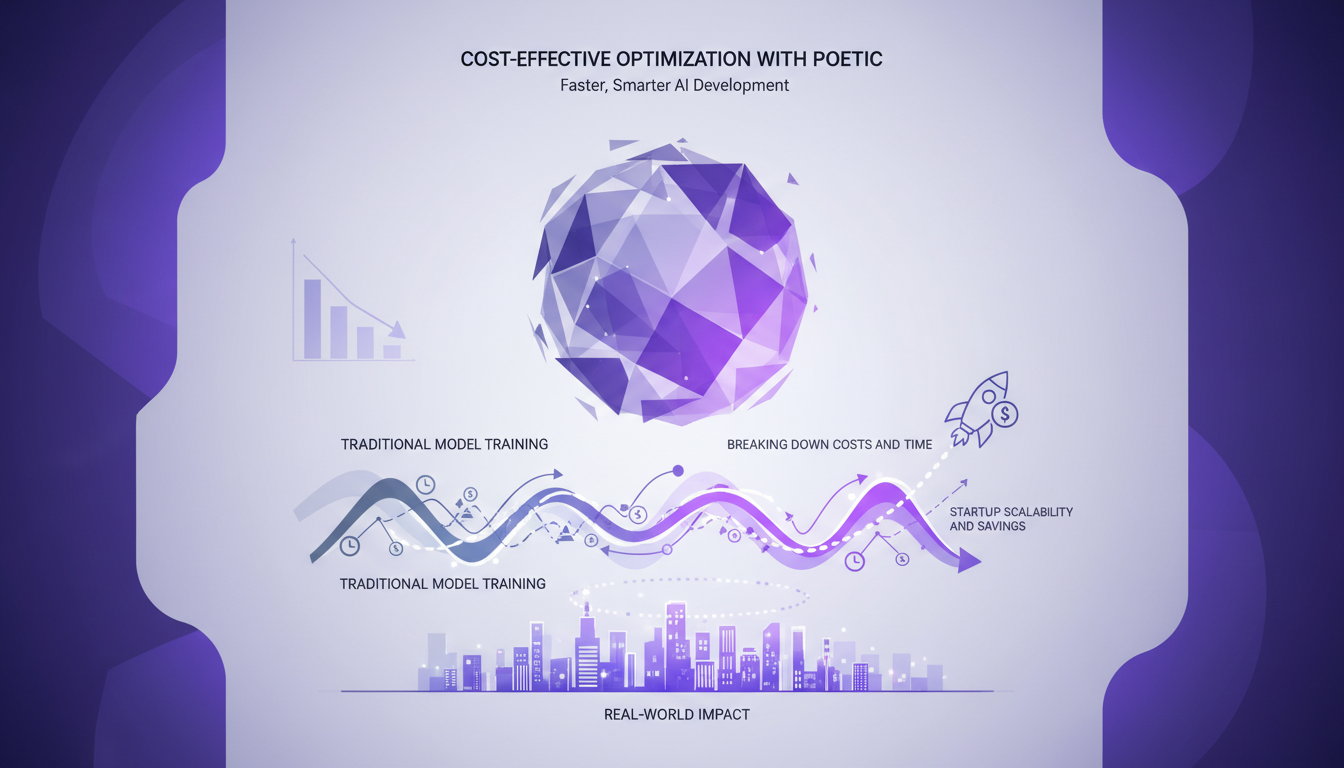
Now let's talk about cost and time efficiency with Poetic's system. For a startup, economic optimization is crucial, and this is where Poetic truly shines. Their systems significantly reduce development and scaling costs. Compared to traditional model training costs, Poetic offers a much more affordable solution. I've noticed that automating optimization processes saves valuable time, which is essential for small teams. But watch out for hidden costs, like integrating existing systems, which can sometimes require costly adjustments.
- Reduced training costs compared to traditional methods
- Time savings through automation
- Beware of costly integrations
Performance on Humanity's Last Exam
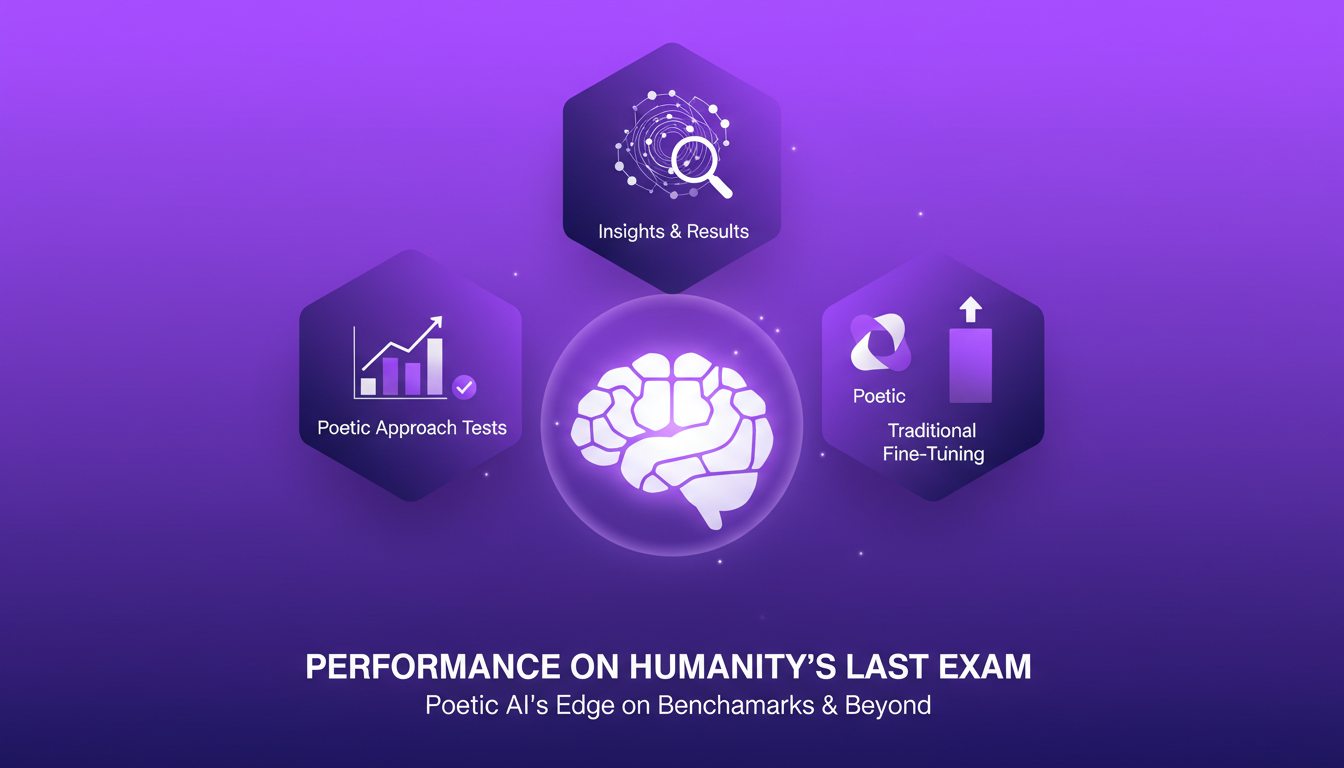
Poetic has proven its effectiveness by outperforming Anthropic on Humanity's Last Exam with a score of 55% compared to 53.1%. I've conducted several tests to verify these results, and indeed, Poetic's approach stands out by integrating reasoning strategies that significantly boost performance. What's important here is understanding that even though performance increases, there's always a balance to be struck with resource use. Systems need to be perfectly tailored to avoid wasting precious resources.
Transitioning from Mobile Apps to AI
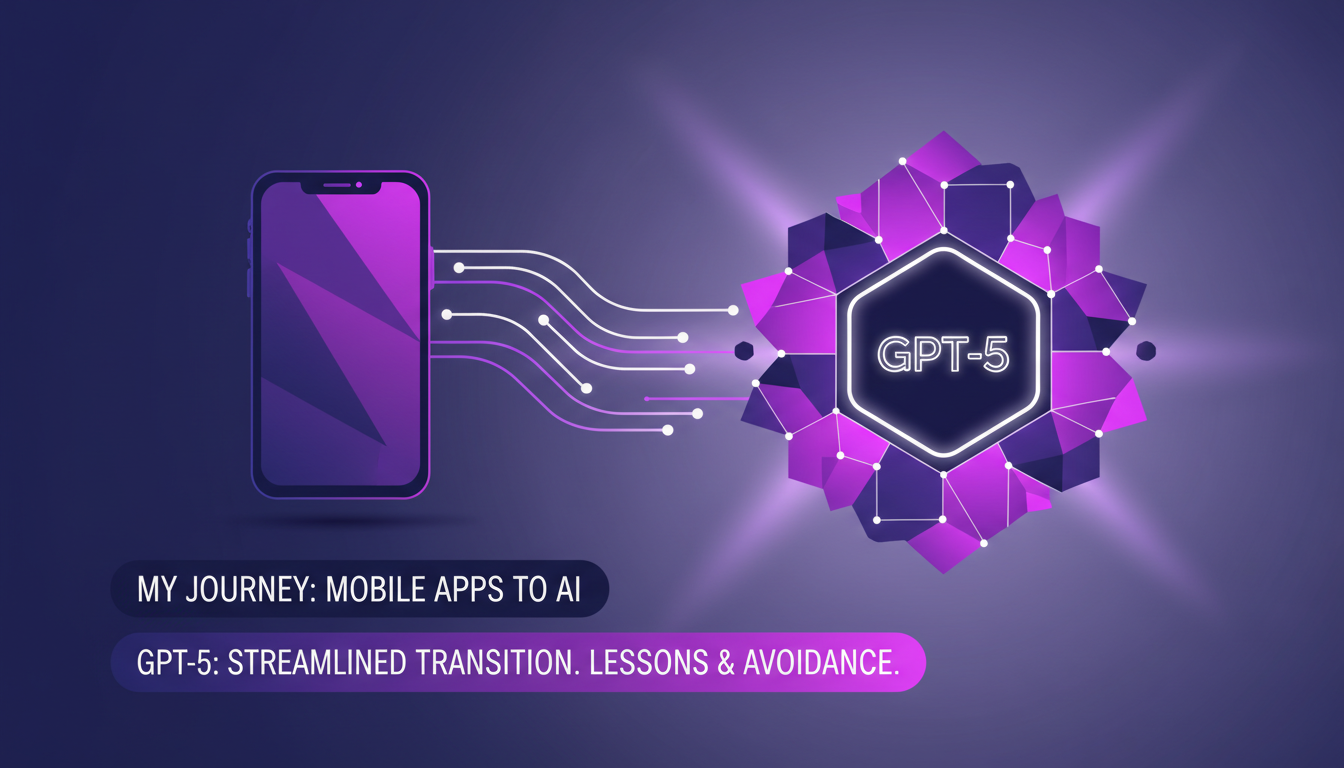
I spent a decade building mobile apps before diving into the AI realm. Using GPT-5 facilitated this transition. In just one weekend, I was able to develop an iPhone app after a ten-year hiatus in this field. That was eight months ago, and the tools have only improved since. The lessons I've learned are crucial for engineers considering a similar shift: never underestimate the power of current AI tools, but also be ready to face the challenges of integrating complex systems. AI now plays a central role in modern app development, and staying updated with the latest advancements is essential to remain competitive.
Advice for Engineers and Startups
For engineers and startups looking to implement recursive self-improvement, here are some practical tips. First, ensure you understand the capabilities and limits of your tools. Integrating AI into your startup development can be a major asset, but avoid common pitfalls, such as over-optimization, which can lead to subpar performance. Think about the future of AI development: innovation must always be balanced with practicality. Automated optimization can save you time and money, but it's essential to monitor results closely to avoid costly mistakes.
- Understand AI capabilities and limits
- Avoid over-optimization
- Balance innovation with practicality
Switching to recursive self-improvement with Poetic has totally reshaped how I optimize AI models. First, the cost savings and efficiency are undeniable, but watch out for the trade-offs. Sometimes performance limits can catch you off guard. Here's what I found:
- Recursive improvement automates model optimization, saving precious time.
- Poetic delivers impressive benchmark performance, but be ready to tweak as needed.
- With GPT5, I built an iPhone app after nearly a decade of not making one.
It's really a game changer for those looking to transform their AI workflow. But stay critical and weigh those pros and cons carefully. Ready to revolutionize your AI projects? Start experimenting with recursive self-improvement today!
For a deeper dive and to see how this can apply to your work, I recommend watching the full video. You won't regret it: The Powerful Alternative To Fine-Tuning.
Frequently Asked Questions

Thibault Le Balier
Co-fondateur & CTO
Coming from the tech startup ecosystem, Thibault has developed expertise in AI solution architecture that he now puts at the service of large companies (Atos, BNP Paribas, beta.gouv). He works on two axes: mastering AI deployments (local LLMs, MCP security) and optimizing inference costs (offloading, compression, token management).
Related Articles
Discover more articles on similar topics
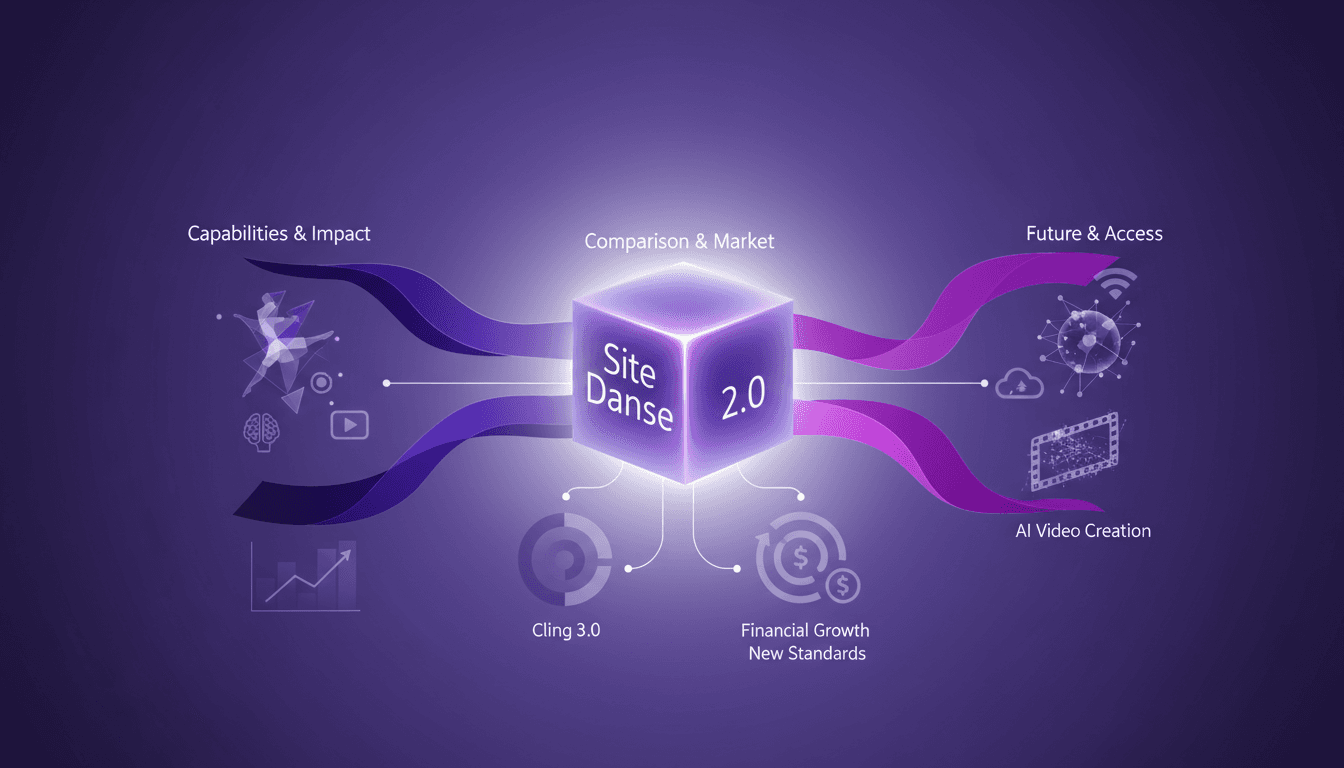
Seedance AI 2.0: Revolutionizing Video Creation
I dove into Seedance AI 2.0 expecting just another AI tool, but what I found was a game changer. This isn't just tech hype—it's a real shift in video creation. With Seedance AI 2.0, we're witnessing a revolution in leveraging AI for video content. It's not just about flashy features; it's about tangible impacts on production workflows. Compared with Cling 3.0 and other models, Seedance AI 2.0 stands out with its technical capabilities and market impact. Chinese companies saw their stocks rise by 10 to 20% in a single trading day. And that native 2048 x 1080 resolution, it's a game changer! I'm sharing how I've integrated it into my workflow and the financial implications to consider. Get ready to see how this technology might redefine the future of video content creation.
Tech Entrepreneurship: How I Drive the Revolution
I remember the first time I realized the sheer power of tech entrepreneurship. It was a game changer, watching companies evolve from garage startups to market giants. But how do we navigate this ever-evolving landscape? Today, tech entrepreneurs aren't just participants; they're leaders shaping the future. In this podcast, I dive into how we, as tech builders, can harness this power. I discuss the role of tech in major market capitalizations, challenges for tech CEOs, the impact of AI, and the French tech ecosystem. Ready to explore?
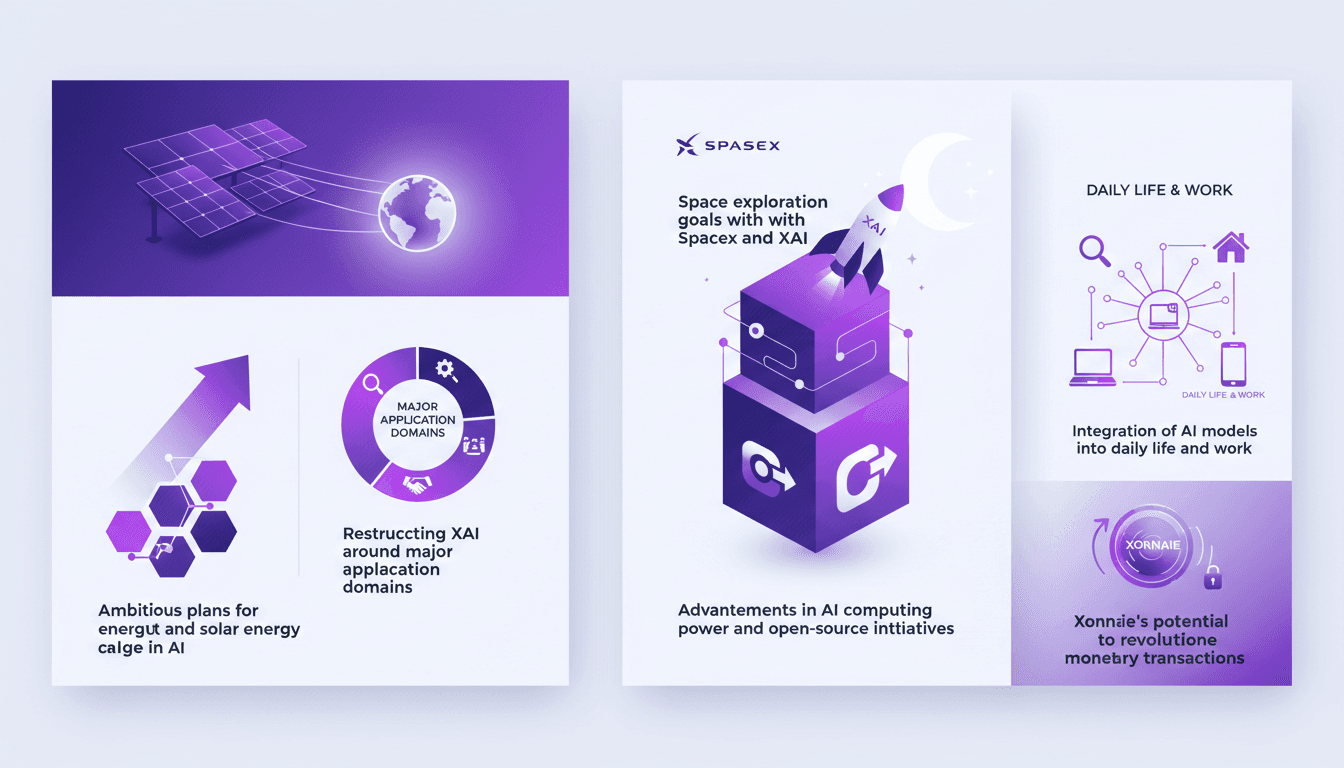
XAI's Ambitious Solar and AI Plans
I was at the XAI 2026 conference, and let me tell you, Elon Musk didn't hold back. From solar energy capture to AI advancements, it was a glimpse into the future. I'm connecting the dots on how we're going to tackle these ambitious plans. XAI, amidst its strategic restructuring, is pushing the boundaries of AI and energy. We're talking astronomical computing power, reorganizing around major application domains, and integrating AI models into our daily lives. Not to mention Xonnaie, potentially revolutionizing monetary transactions. Let's dive into this world-shaking conference.
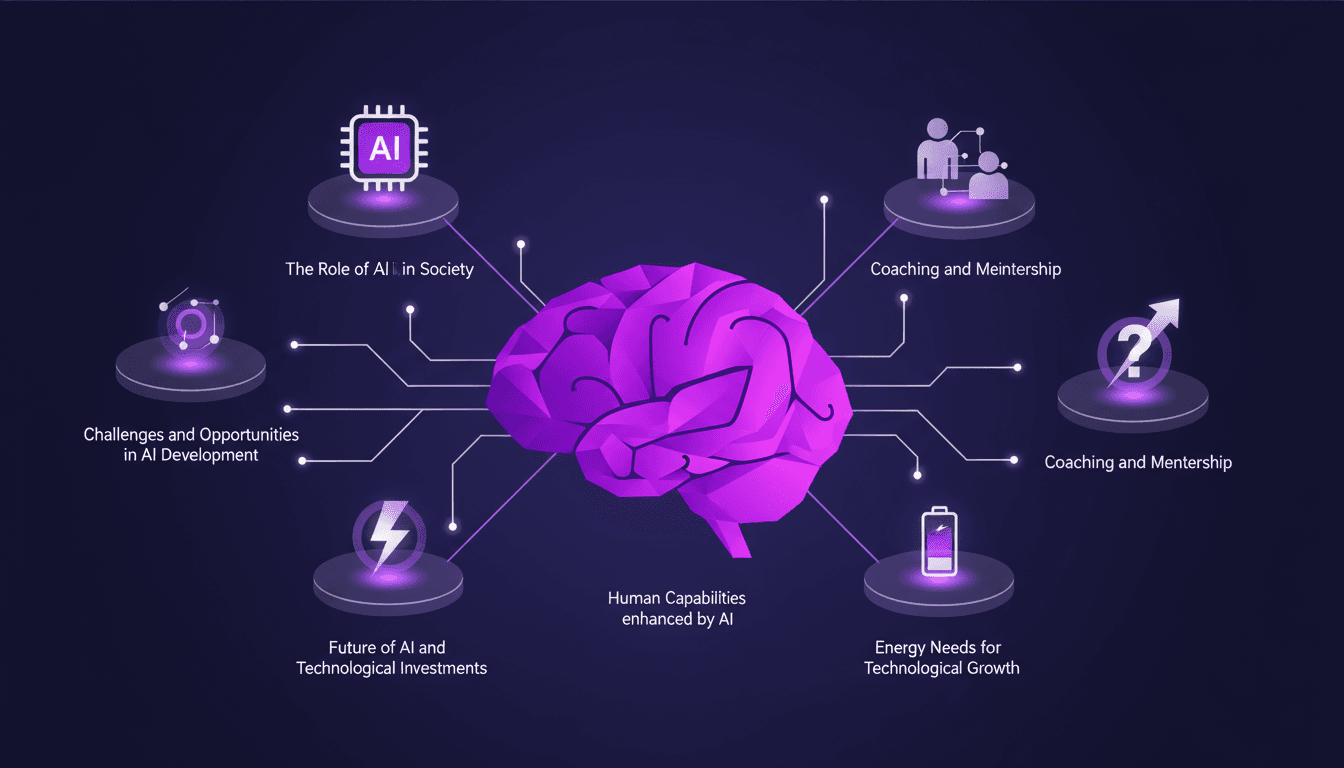
AI Leadership: Prepare for the Future
When Eric Schmidt, the former CEO of Google, talks about AI's future, I pay attention. I've been in the trenches of tech leadership, and his insights on small teams and mentorship are game-changers. He emphasized that a 10-person team can revolutionize a project and understanding AI's energy needs is crucial. With 6,000 to 7,000 people already engaged in AI learning, now's the time to adapt. This interview dives into how leadership and innovation intersect, and why AI is both a challenge and an opportunity. Get ready to incorporate these insights into your tech strategy.
Raising Entrepreneurs: Suan's Practical Guide
I never thought I'd be juggling a stethoscope and a spreadsheet, but that's exactly where I am today. As a doctor turned entrepreneur, I'm showing my sons the richness of diverse career paths. Instead of sticking to the traditional route, I want them to see the world as their playground. In this interview, I share how I incorporate entrepreneurship into their education while respecting every profession. I talk about the importance of showing them different career options and how this can shape their aspirations. Come and discover how I ensure they're not just following a set path, but creating their own road.