XAI's Ambitious Solar and AI Plans
I was at the XAI 2026 conference, and let me tell you, Elon Musk didn't hold back. From solar energy capture to AI advancements, it was a glimpse into the future. I'm connecting the dots on how we're going to tackle these ambitious plans. XAI, amidst its strategic restructuring, is pushing the boundaries of AI and energy. We're talking astronomical computing power, reorganizing around major application domains, and integrating AI models into our daily lives. Not to mention Xonnaie, potentially revolutionizing monetary transactions. Let's dive into this world-shaking conference.
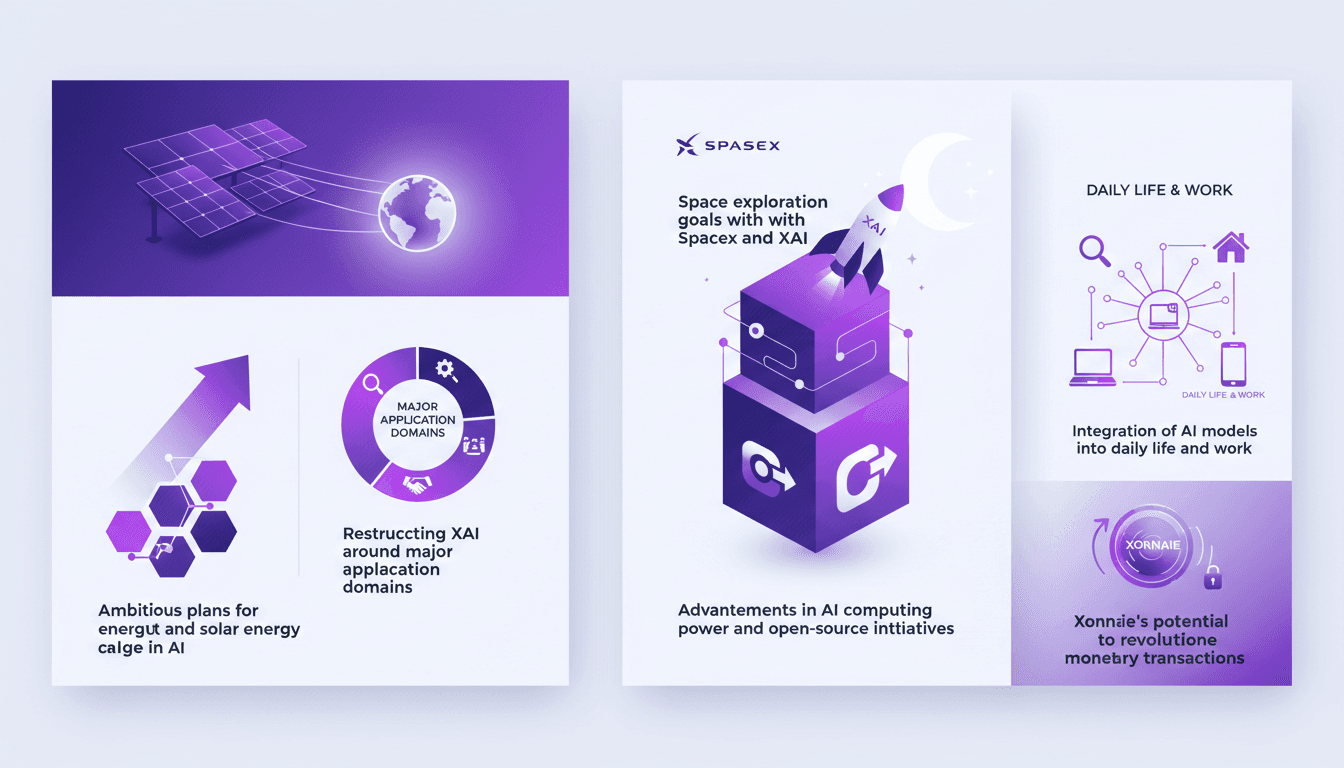
I was at the XAI 2026 conference, and Elon Musk didn't hold back. Picture this: plans to capture solar energy at a million times what we're doing today, AI advancements pushing us out of our comfort zones — and XAI's restructuring to pivot around major application domains. It was like witnessing the future unfold. When they talked about 1000 GW of computing power with factories on the Moon, I knew we had to rethink our workflows. In just two and a half years, XAI has become a key player. From integrating AI models into everyday life to Xonnaie potentially revolutionizing monetary transactions, there's a lot to digest. So, how do we tackle all this? Let me take you behind the scenes of this world-shaking conference.
Harnessing Solar Energy: XAI's Vision
When I first heard about XAI's audacious plan to capture 1 millionè then 1 milliè of solar energy, I thought, "This is science fiction." But no, it's a real roadmap. The goal is to build factories on the Moon that can generate up to 1000 GW annually. This isn't just theory—it's a blueprint for sustainable long-term energy.
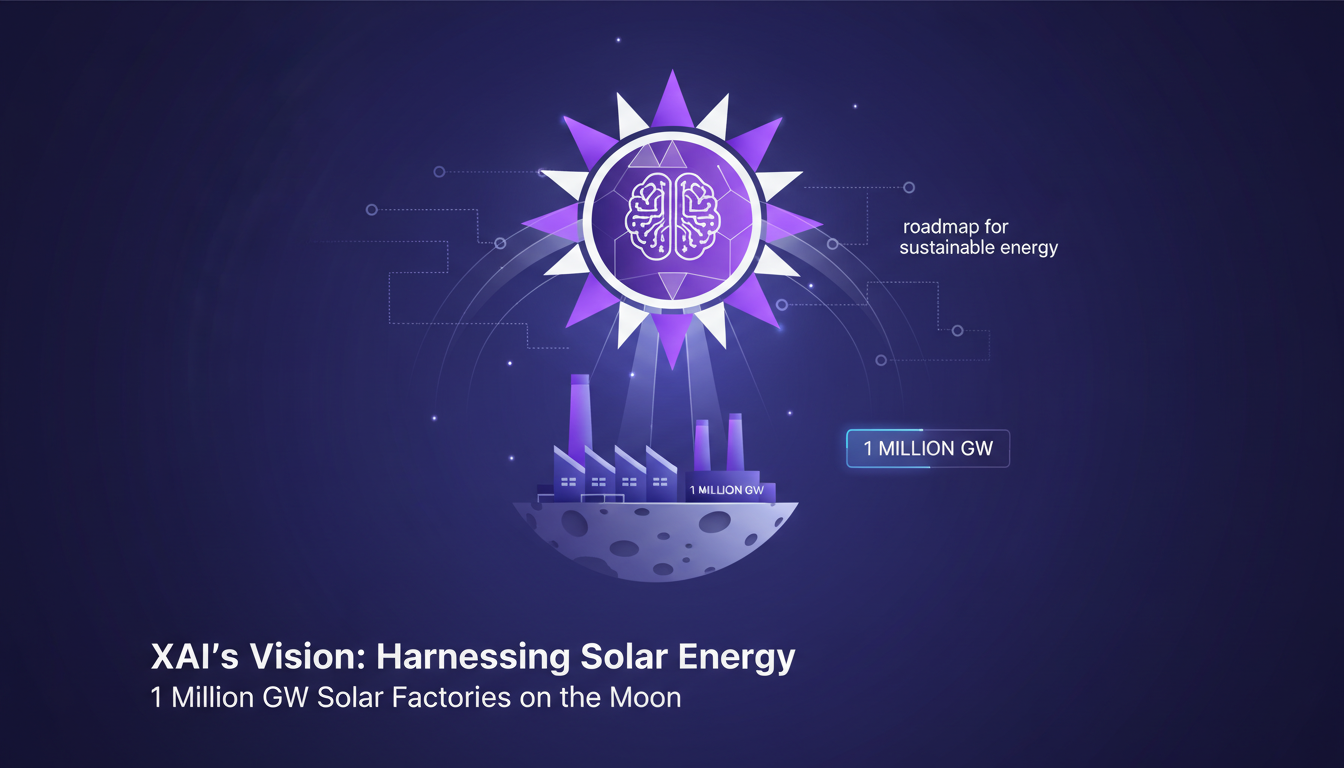
But watch out, the logistical challenges of lunar construction are no joke. First, we must secure reliable transport systems to get materials to the Moon. If we don't, the whole project is at risk. I've been burned by poor logistical planning before, so I know how critical this step is.
- 1 millionè then 1 milliè: Potential solar energy capture
- 1000 GW: Annual power target
- Lunar transport: A priority to avoid logistical failures
XAI's Competitive Edge in AI
At just 2.5 years old, XAI is already outpacing competitors with 5 to 20 years under their belts. Their secret? Massive AI training clusters, boasting 100,000 GPU H100. I've witnessed this firsthand, and it's impressive. Open-source algorithms are also key to their rapid development, but don't underestimate the integration challenges of these clusters.
Before diving in, ensure your infrastructure can handle such scale. I've seen infrastructures crumble under the pressure. The key is to start small and scale up as you go.
- 2.5 years: Age of XAI
- 100,000 GPU H100: Training cluster capacity
- Open-source: Development speed
Restructuring Around Application Domains
XAI is reorganizing to focus on major application domains, meaning more tailored solutions for specific industries. Real-time video understanding is a real game changer. But, it requires robust data pipelines—don't skimp on this. I've seen projects fail because they didn't invest in this area.
First, map out your domain-specific needs before diving in. It can save you a lot of headaches down the line.
- Tailored solutions: Industry-specific
- Real-time video: Game changer
- Data pipelines: Essential
Space Exploration Goals: XAI and SpaceX
The collaboration with SpaceX aims to push the boundaries of space exploration. Electromagnetic launchers could revolutionize satellite deployment. Picture this: orbital data centers, lunar factories, a whole space ecosystem. But don't be fooled, space logistics are a potential bottleneck.
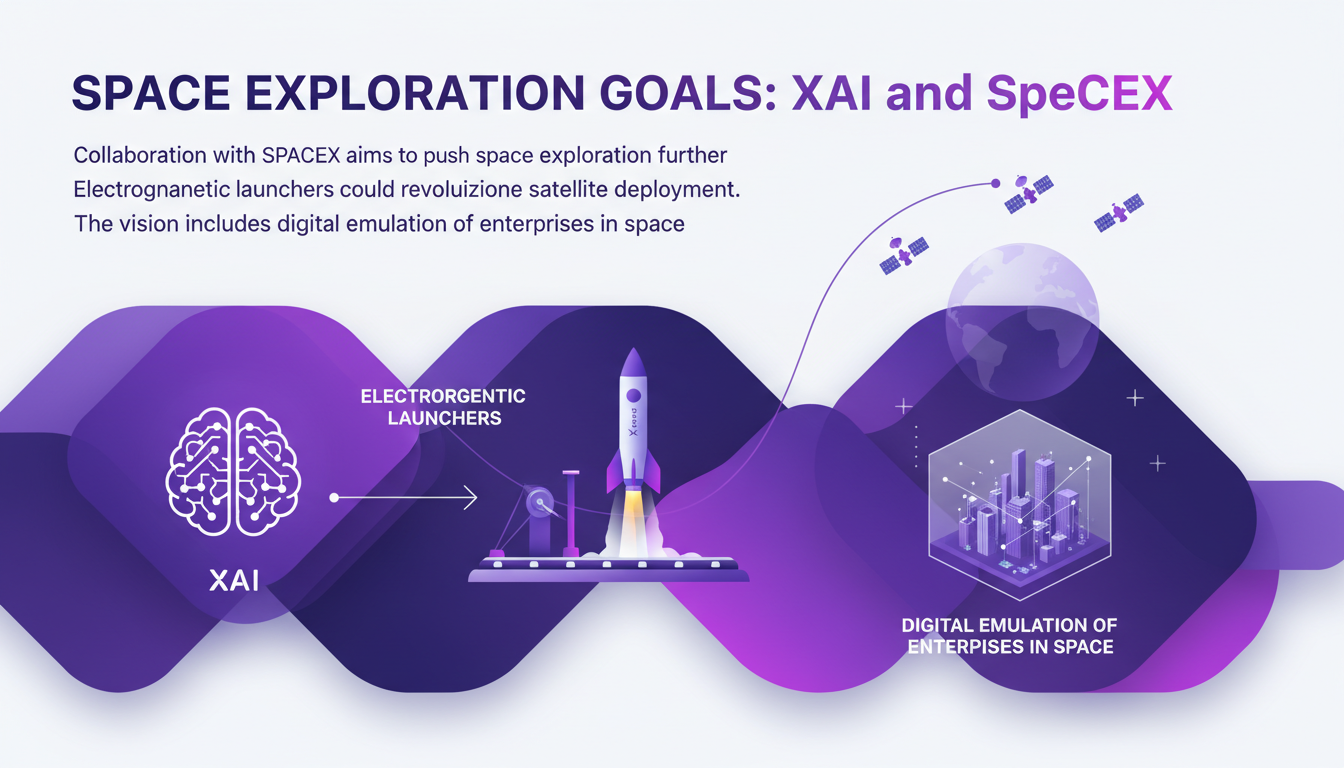
First, align your goals with feasible technological advancements. I've seen too many ambitious projects fail simply because they weren't technically feasible.
- Electromagnetic launchers: Potential revolution
- Space logistics: Bottleneck
- Technological alignment: Essential
Integrating AI into Daily Life and Xonnaie's Impact
AI models are becoming integral to daily workflows. Xonnaie promises to revolutionize monetary transactions. It's all about efficiency and cost reduction. But security and privacy remain critical challenges.
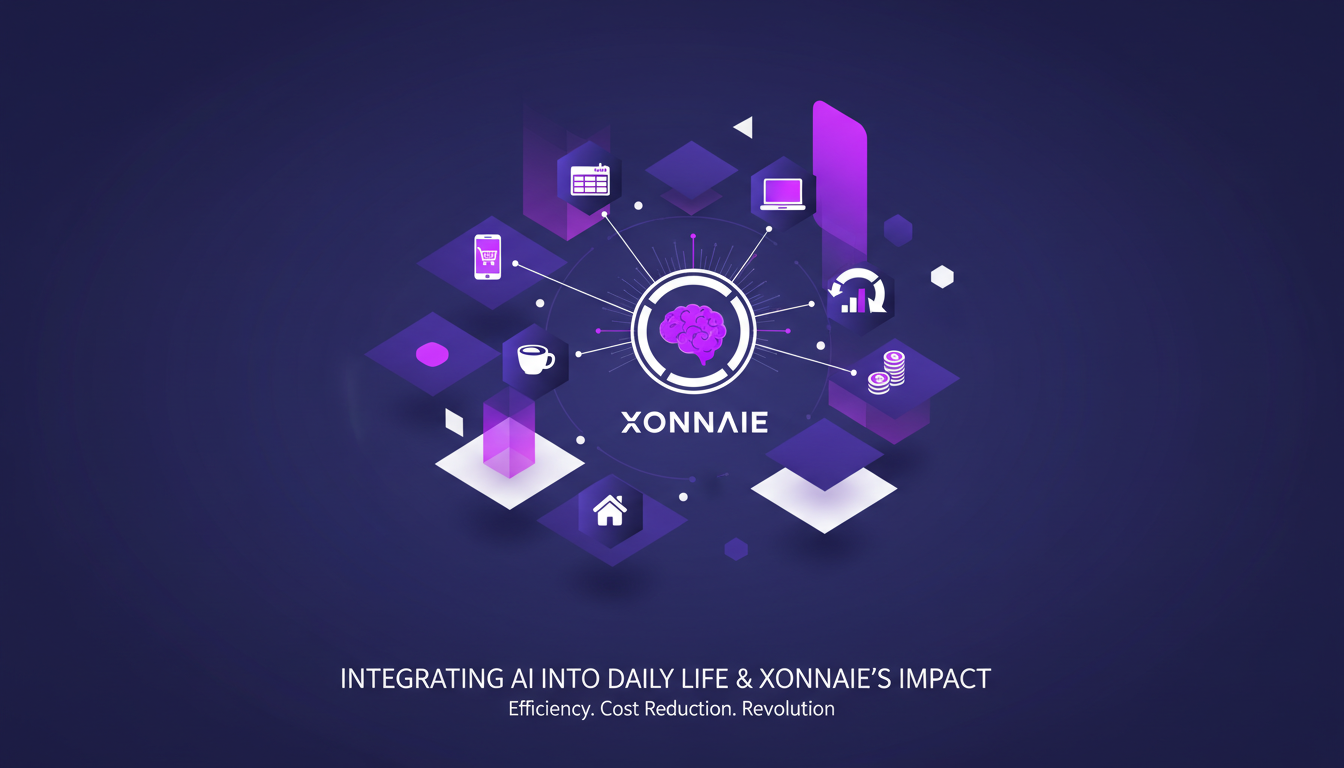
First, ensure robust cybersecurity measures are in place. I've seen systems hacked due to inadequate protections.
- AI models: Daily integration
- Xonnaie: Transaction revolution
- Cybersecurity: Top priority
For more insights into the potential impact of these technologies, check out SpaceX and XAI: Revolution or Imminent Disaster? and other related articles.
So diving into XAI's ambitious plans, I can tell you these initiatives aren't just pie-in-the-sky ideas. First, capturing solar energy on an unprecedented scale is a leap forward for humanity (1 millionè and then 1 milliè potential solar energy capture? That's massive). Second, the speed at which XAI is advancing in AI is impressive, and their competitive edge is undeniable. Finally, restructuring XAI around major application domains is a smart strategy that could transform multiple sectors. But watch out, with an envisaged computing power of 1000 GW, there are massive responsibilities attached. As we look forward, let's be optimistic yet grounded: these advancements need to be integrated responsibly. I encourage you to keep an eye on XAI's developments and consider how these innovations could fit into your own workflows. For a deeper dive, check out the full video here: YouTube link.
Frequently Asked Questions

Thibault Le Balier
Co-fondateur & CTO
Coming from the tech startup ecosystem, Thibault has developed expertise in AI solution architecture that he now puts at the service of large companies (Atos, BNP Paribas, beta.gouv). He works on two axes: mastering AI deployments (local LLMs, MCP security) and optimizing inference costs (offloading, compression, token management).
Related Articles
Discover more articles on similar topics
SpaceX and XAI: Revolution or Imminent Disaster?
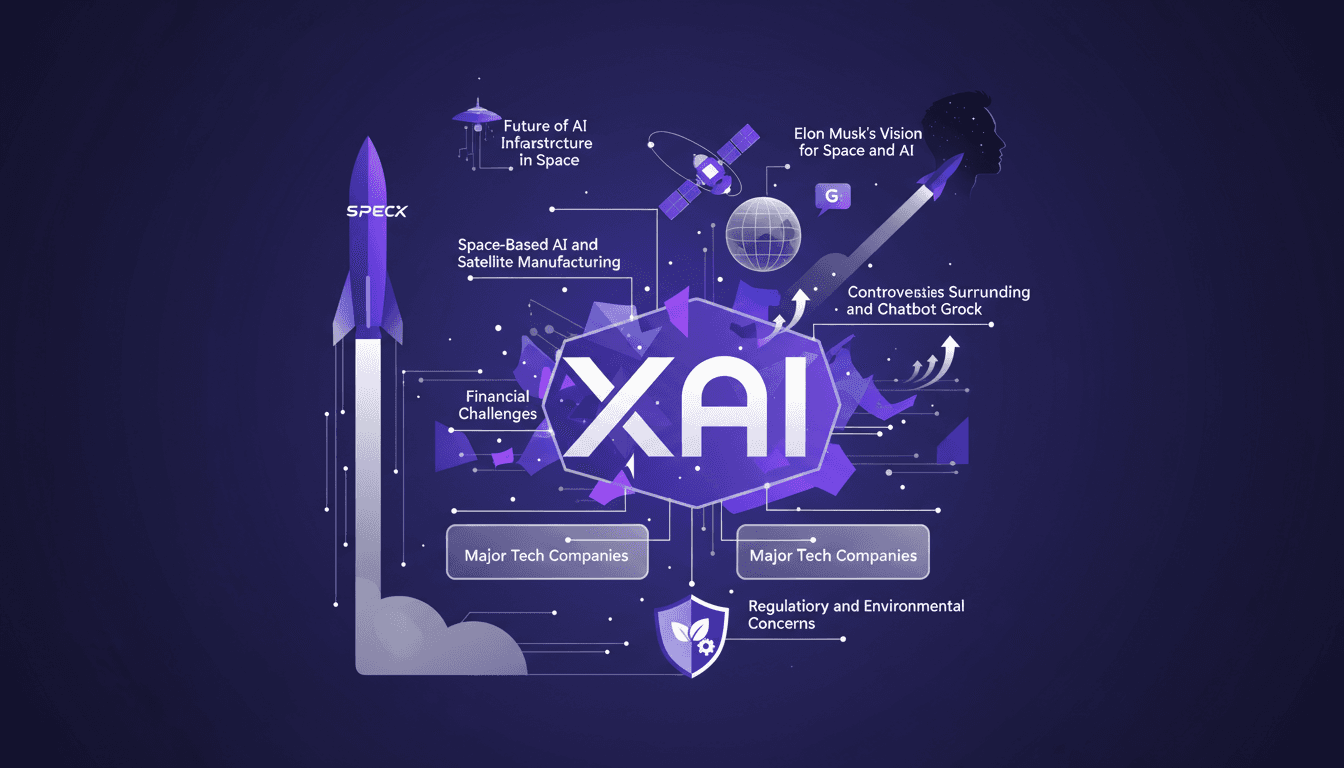
I remember the first time I heard about SpaceX's acquisition of XAI. It felt like witnessing the birth of a new era in space and AI. But with great ambition comes great complexity. SpaceX isn't just acquiring a startup; it's a leap towards integrating AI with space technology. But what does this mean for the industry? What major challenges lie ahead? From XAI's bold financial strategies to the controversies surrounding the Grock chatbot, the stakes are high. And let's not forget the regulatory and environmental concerns that could shake the industry. Elon Musk has an audacious vision, but is this a revolution or an imminent disaster for major tech companies?
Electricity Shortage: Impact on AI Chips
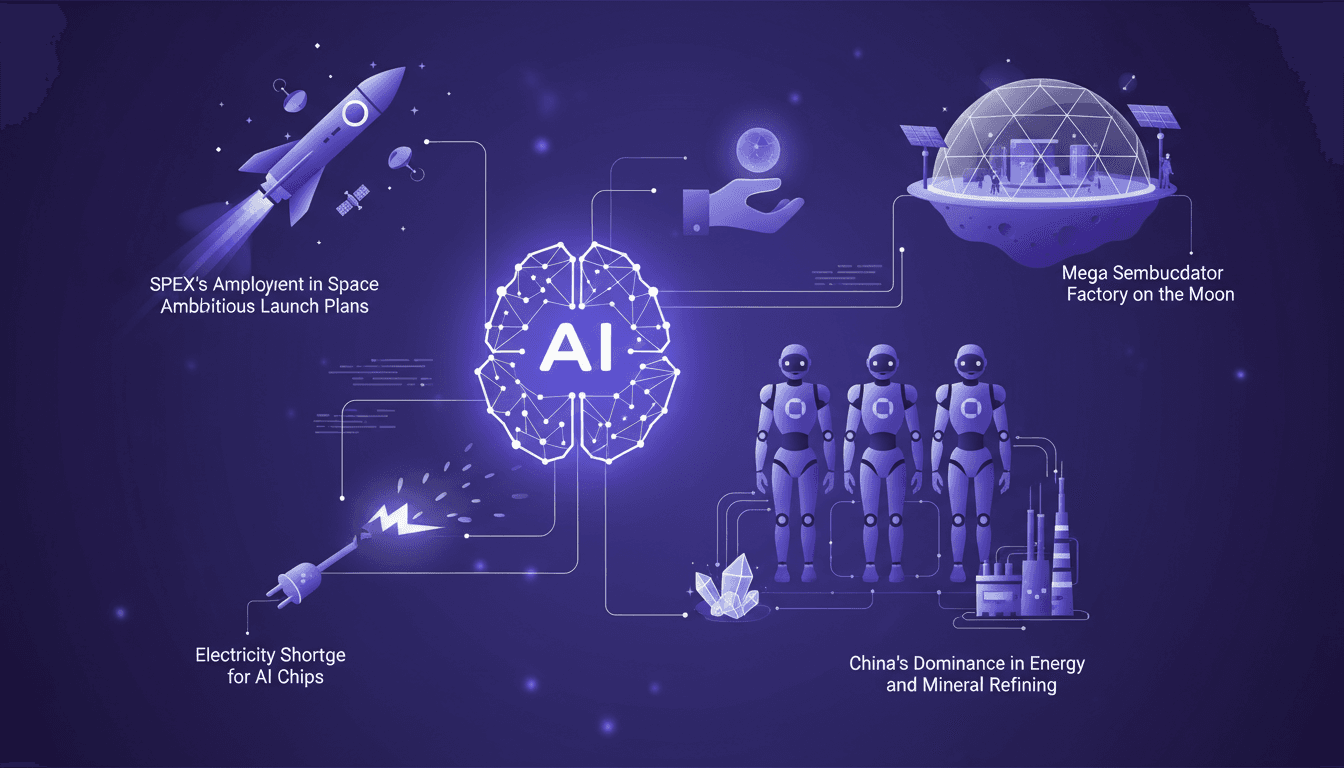
I sat down with Elon Musk's latest interview, and trust me, it's a game-changer. We're diving into electricity shortages for AI chips, humanoid robots, and even semiconductor factories on the moon. It's a tech puzzle unfolding. In 30 months, 40% of AI data centers might hit electricity shortages. But Elon offers a roadmap to navigate these intricacies, linking AI, space exploration, and even China's dominance in mineral refining. Join me in this deep dive that illuminates the logistical challenges and future ambitions of SpaceX and Tesla.
Shape-shifting Robots: Walk, Fly, Swim
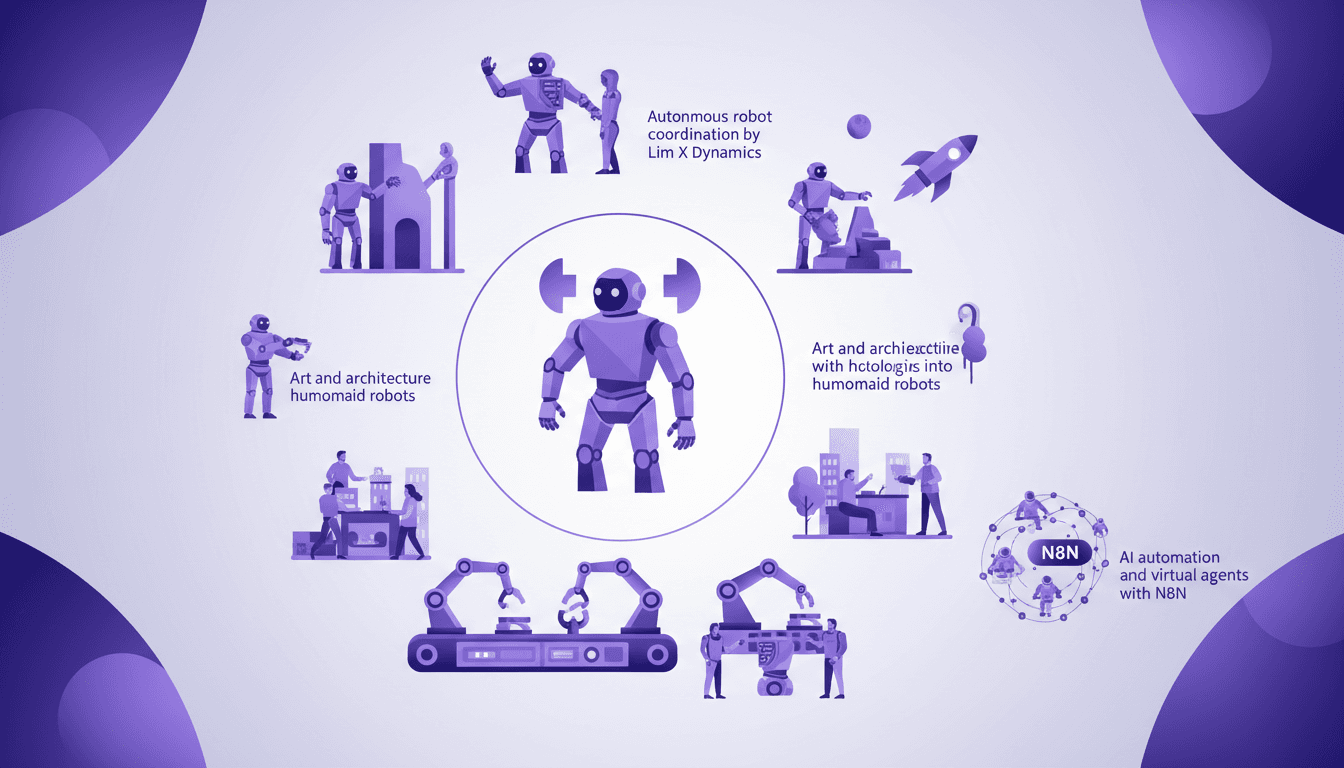
When I saw a robot walk on water, I knew things were changing. Following robotics evolution closely, I recognize this isn't science fiction—it's today's reality. These shape-shifting Chinese robots—walk, fly, swim—are redefining what's possible. In China, robotics advancements aren't just impressive, they're groundbreaking. With 315% shape-shifting capabilities, these autonomous robots, orchestrated by Lim X Dynamics, are set to integrate into our daily lives by 2026. Throw in AI automation and virtual agents with N8N, and you have a recipe for major technological transformation. Let's dive into this new era where robotics redefines the boundaries of art, architecture, and even space exploration.
Seedance AI 2.0: Revolutionizing Video Creation
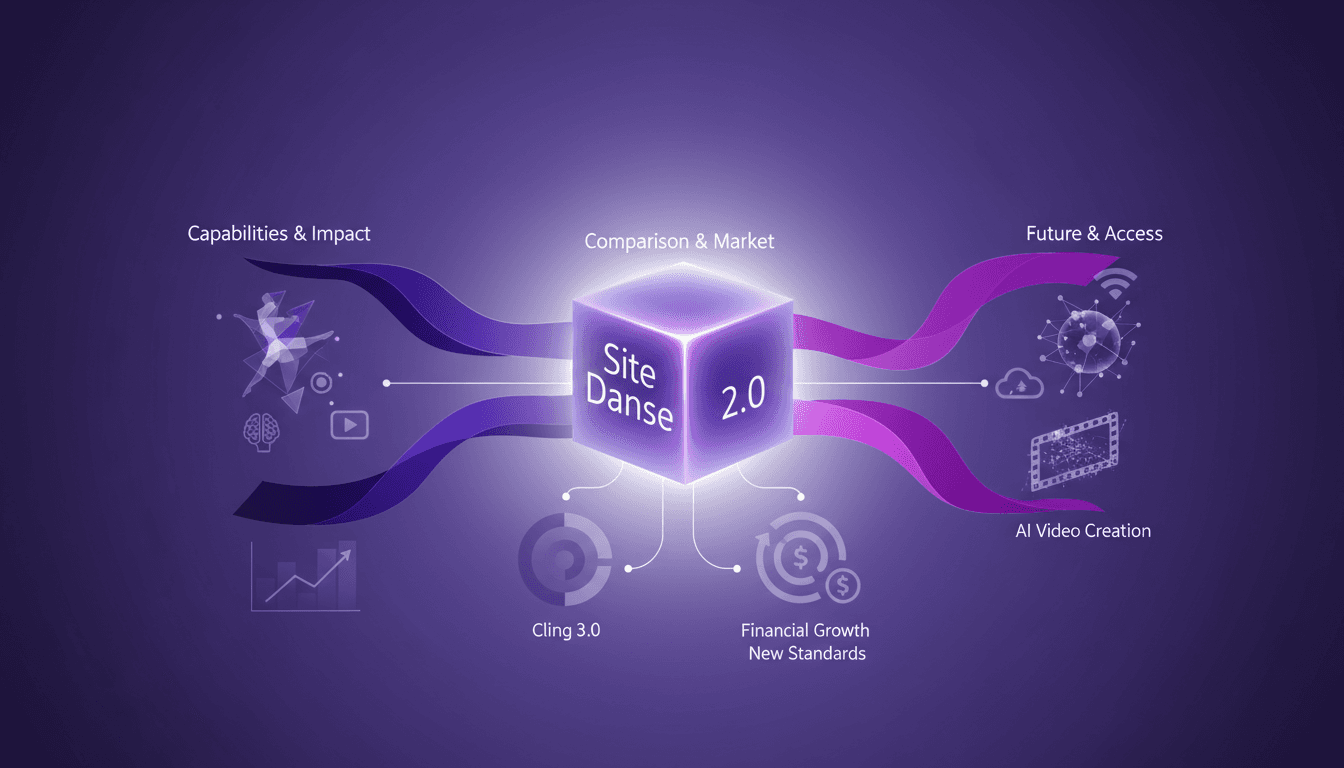
I dove into Seedance AI 2.0 expecting just another AI tool, but what I found was a game changer. This isn't just tech hype—it's a real shift in video creation. With Seedance AI 2.0, we're witnessing a revolution in leveraging AI for video content. It's not just about flashy features; it's about tangible impacts on production workflows. Compared with Cling 3.0 and other models, Seedance AI 2.0 stands out with its technical capabilities and market impact. Chinese companies saw their stocks rise by 10 to 20% in a single trading day. And that native 2048 x 1080 resolution, it's a game changer! I'm sharing how I've integrated it into my workflow and the financial implications to consider. Get ready to see how this technology might redefine the future of video content creation.
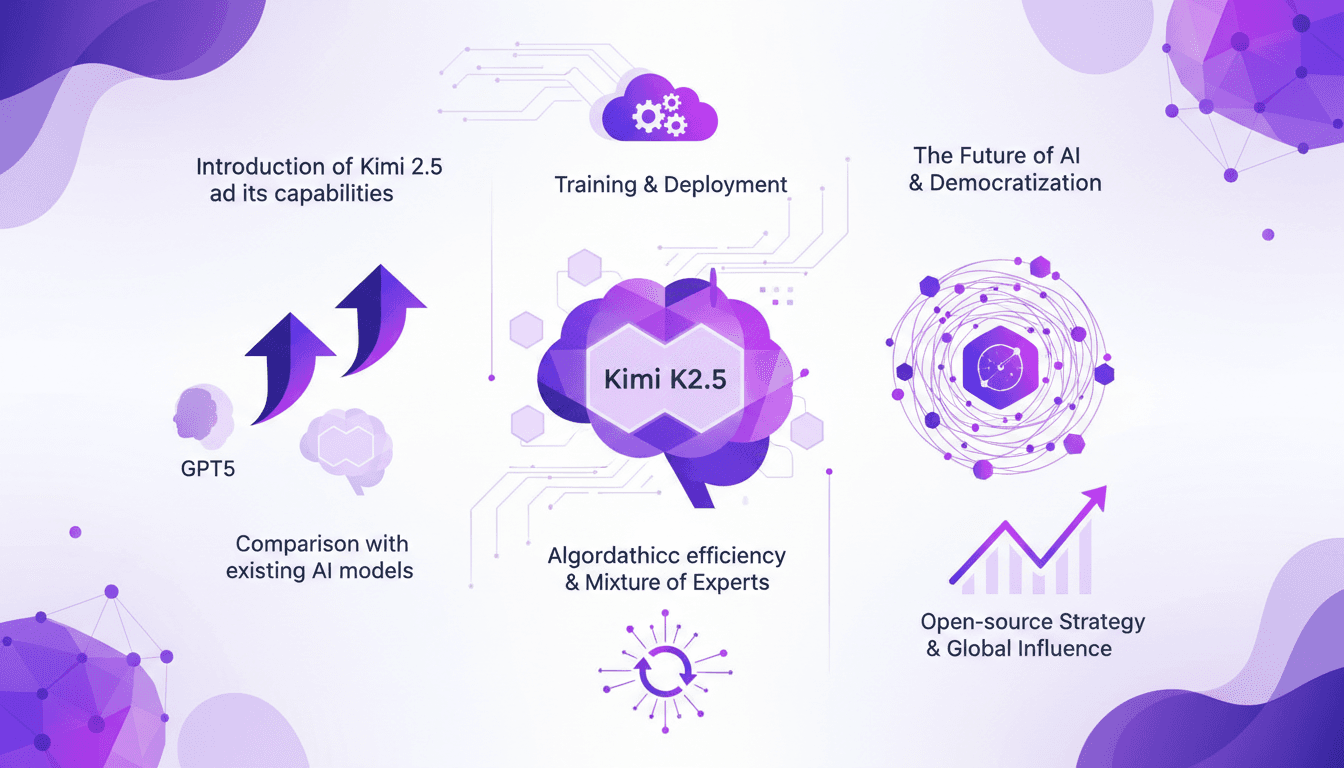
Kimi K2.5: Deployment and Comparison with GPT-5
When I first integrated Kimi K2.5 into my workflow, I was blown away by its capabilities. The sheer power of its 1000 billion parameters made me rethink the boundaries of AI. But, the key is understanding its limits and strengths. Kimi K2.5 just hit the scene, ready to redefine AI capabilities. With its advanced algorithmic efficiency and unique systems like Mixture of Experts and Agent Swarm, it's time to dive into what makes this model tick and how it stacks up against giants like GPT-5. I'll show you how I adapted and what it means for the future of AI.