Electricity Shortage: Impact on AI Chips
I sat down with Elon Musk's latest interview, and trust me, it's a game-changer. We're diving into electricity shortages for AI chips, humanoid robots, and even semiconductor factories on the moon. It's a tech puzzle unfolding. In 30 months, 40% of AI data centers might hit electricity shortages. But Elon offers a roadmap to navigate these intricacies, linking AI, space exploration, and even China's dominance in mineral refining. Join me in this deep dive that illuminates the logistical challenges and future ambitions of SpaceX and Tesla.
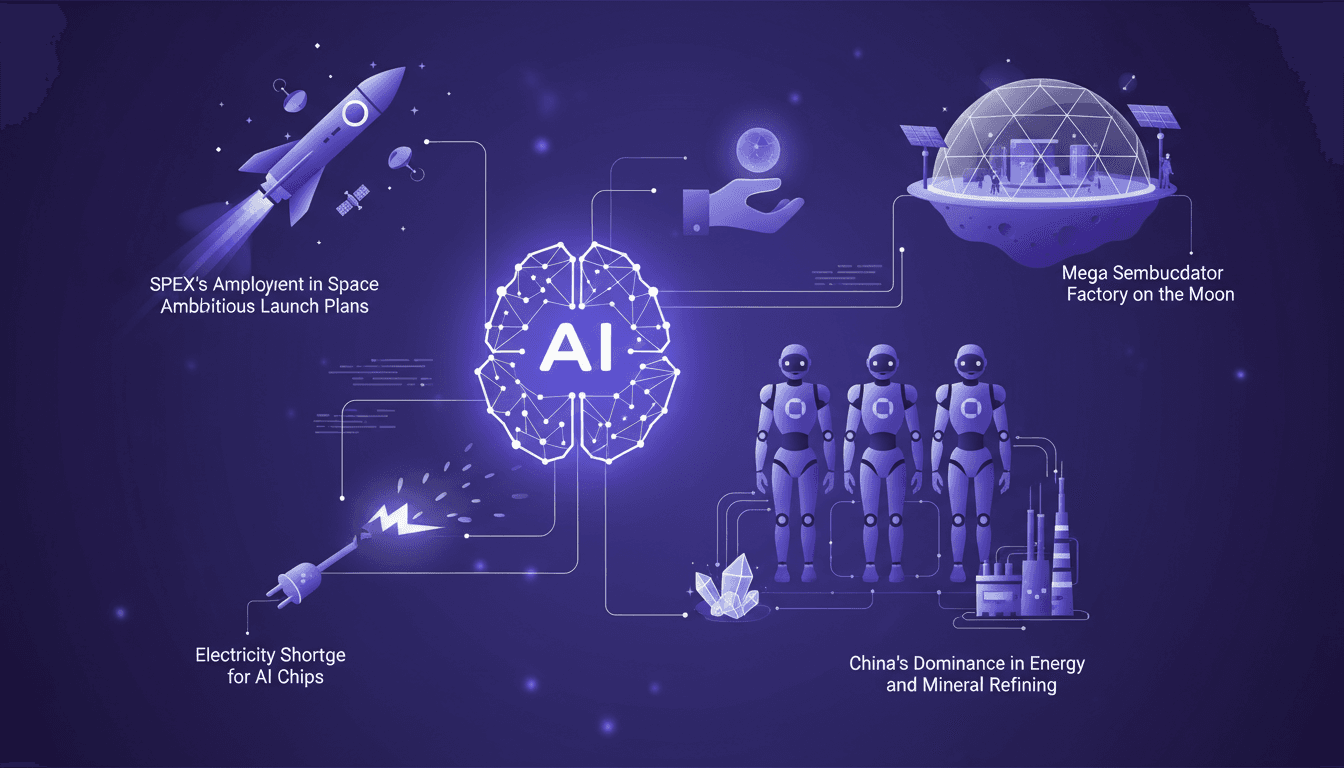
I dove into Elon Musk's latest interview, and let me tell you, it's intense. We're talking about electricity shortages that could throttle 40% of AI data centers by 2027. And that's just the start. Elon Musk takes us on a tech odyssey where humanoid robots become reality, where semiconductor factories might one day bloom on the moon, and where China reigns supreme in refining essential minerals. I've connected it all: AI, space, energy—and how it's all interwoven to shape our tech future. With SpaceX planning ambitious launches and Tesla training a new generation through its Optimus Academy, Musk provides a glimpse into what's ahead. You know, sometimes it's in the details that we find the keys to navigate this complex universe. Buckle up; we're in for a ride that challenges conventional thinking.
Electricity Shortage for AI Chips: A Looming Crisis
If you've ever set foot in a data center, you know these infrastructures are real energy guzzlers. Projections suggest that the electricity demand of AI data centers could reach 106 GW by 2035. That's more than the total electricity consumption of some countries like France. 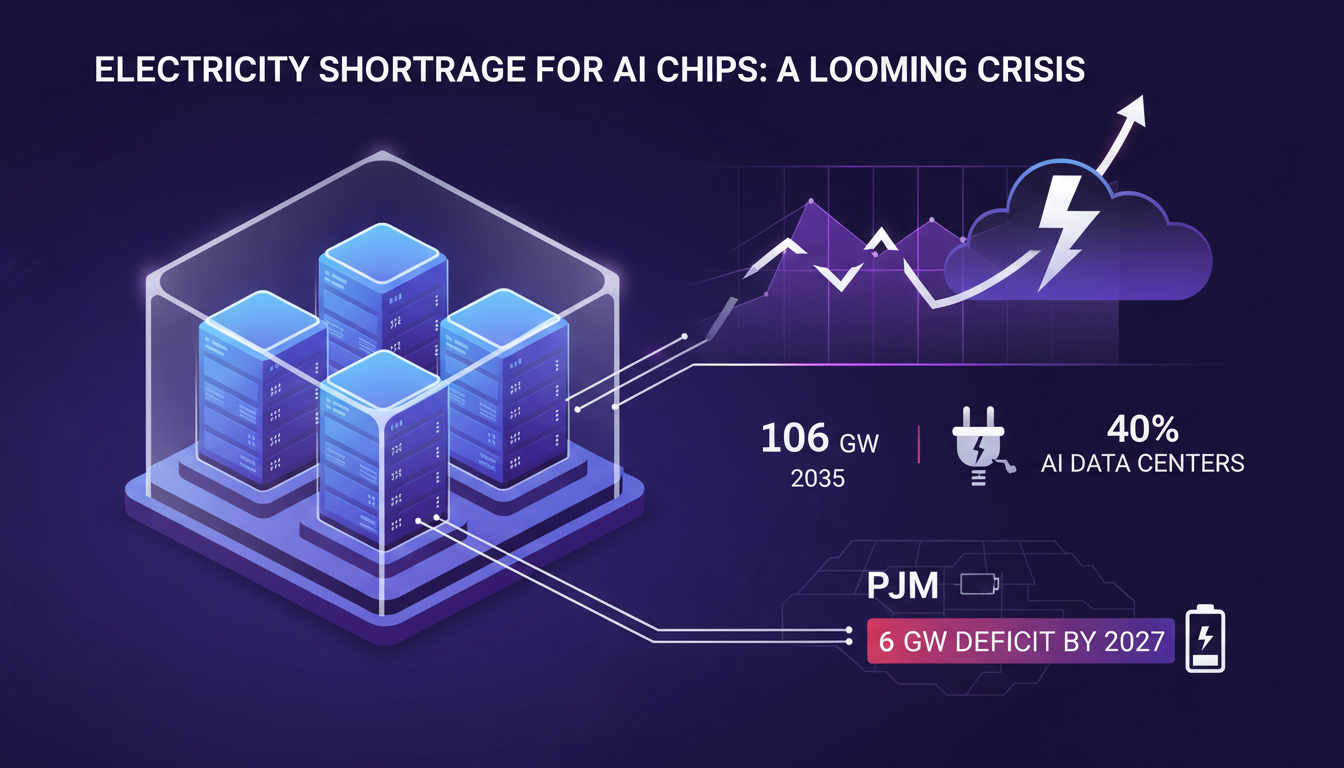
The first step to avoiding this crisis is to audit your energy consumption. Then, optimize AI workloads. Every watt counts, and the smallest waste can cost millions. I've been burned more than once on this front, and trust me, prevention is better than cure.
AI in Space: Deployment Strategies and Challenges
Deploying AI in space is like sending a gift through a minefield. Between radiation and latency, the challenges are numerous. That said, AI can significantly optimize satellite operations and space station logistics.
First, assess mission requirements. Then, integrate AI systems while planning for robust communication protocols and fail-safes. Musk plans to place AI in space within the next 30 months for more efficient energy use. Why space? Because solar panels there are five times more effective. No clouds, no night, no atmosphere absorbing energy.
- Plan robust communication protocols.
- Integrate reliable fail-safes.
- Assess energy and logistical needs.
Mass Production of Humanoid Robots: The Next Frontier
Mass-producing humanoid robots is like turning a sci-fi idea into a tangible reality. With its Optimus Academy, Tesla has already started mass-producing robots named Optimus Gen 3, aiming for 1 million units per year at a cost of $20,000 to $30,000 each. 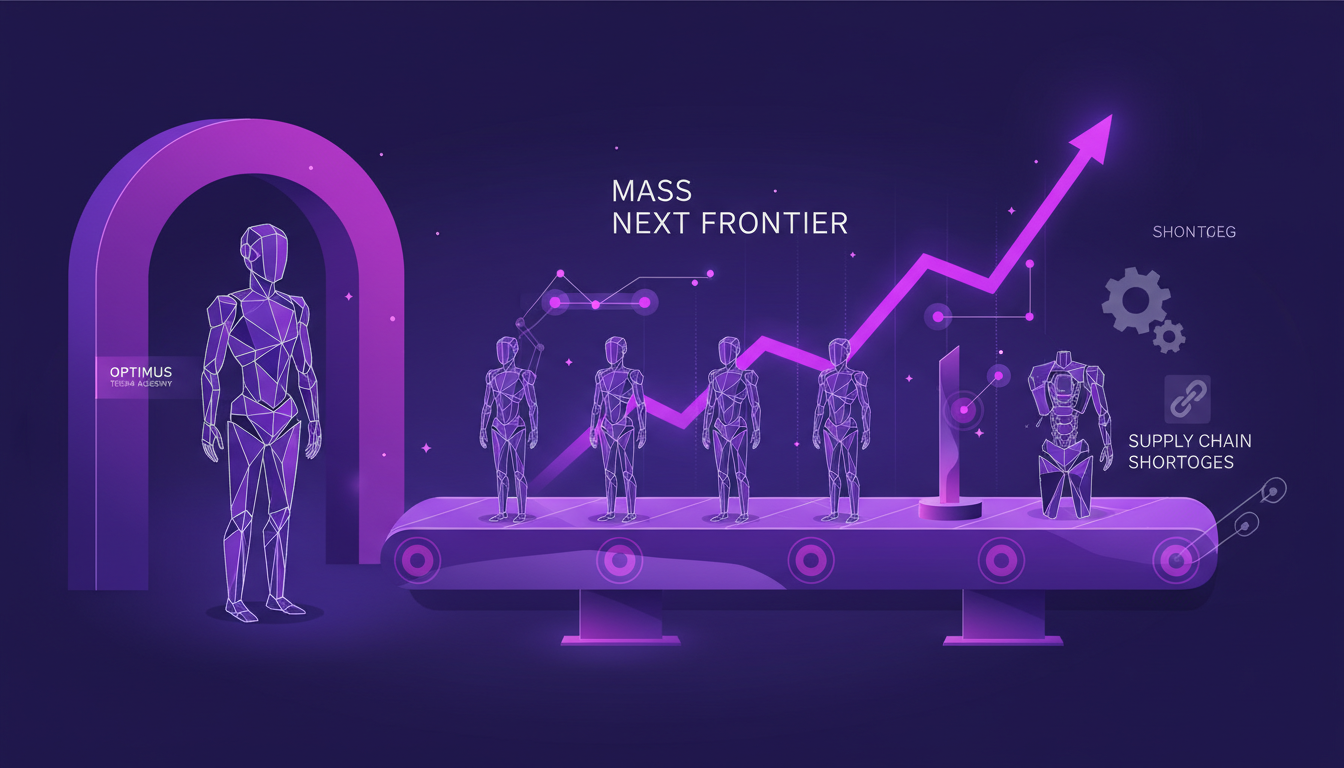
But watch out, supply chain bottlenecks and component shortages are not myths. If you don't anticipate them, you risk slowing down your ambitions. It's a challenge I encountered when moving from prototypes to the assembly line, and it's better to plan for it.
China's Dominance in Energy and Mineral Refining: Implications
China holds significant control over global energy and mineral refining, handling 98% of global gallium refining, essential for semiconductors. Diversifying supply chains is critical to mitigate geopolitical risks. First, identify alternative suppliers, then secure long-term contracts.
It's also wise to consider strategic reserves for critical materials. In the current context, ignoring this dimension could be costly for businesses.
Moon-Based Semiconductor Factory: SpaceX's Vision
Building a mega semiconductor factory on the moon is ambitious but not unrealistic. SpaceX plans to use a mass driver for material transport. 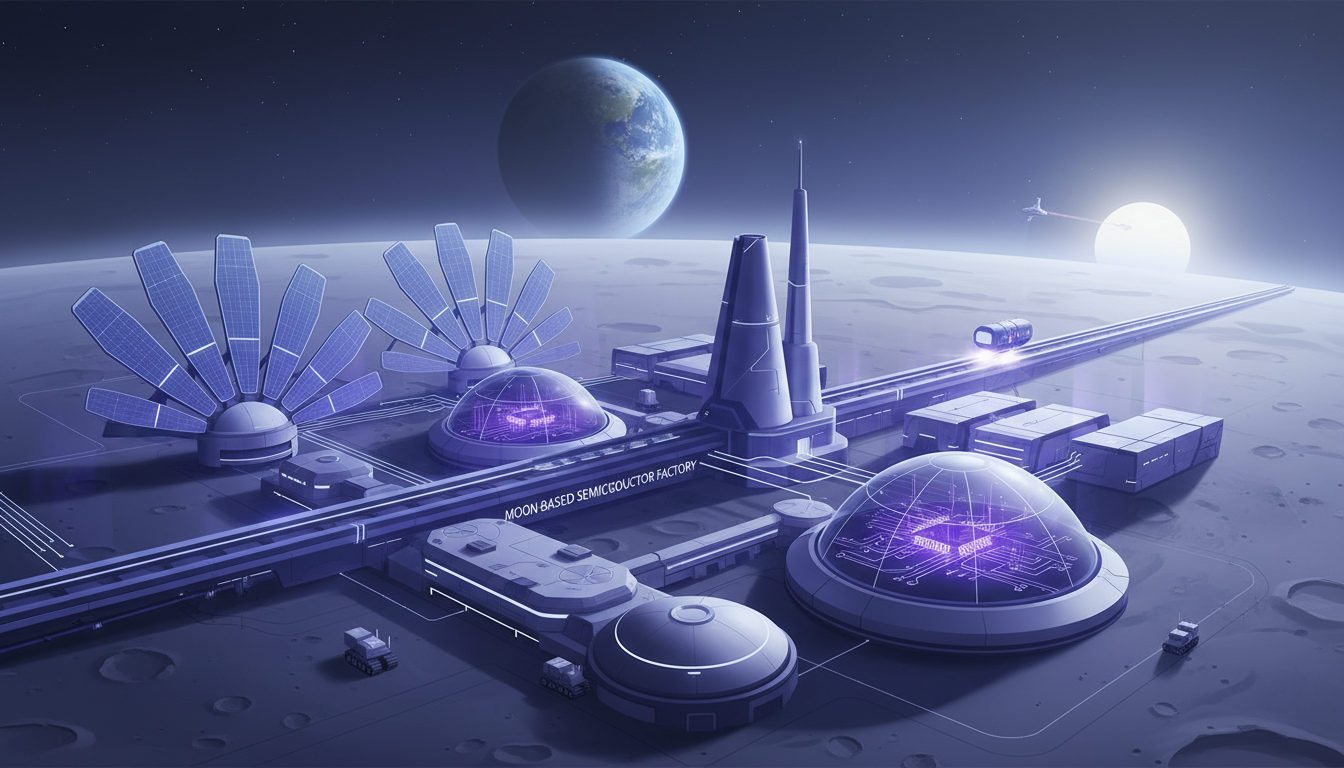
This project could redefine semiconductor manufacturing and supply chains. However, watch out for transport costs and the complexity of lunar operations.
So, Musk is steering us into a future where AI, humanoid robots, and space exploration intersect. But let's not overlook the hurdles. Here's my breakdown:
- In the next 30 months, we could see the mass production of humanoid robots, but don't underestimate the manufacturing challenges that come with scaling up.
- By 2027, 40% of AI Data Centers might hit a wall due to electricity shortages. That's a real headache for strategic planning.
- China's lead in energy and mineral refining is a huge lever in the tech race.
What's clear is that understanding these dynamics now gives you a head start. It's a real game changer, but you need to navigate carefully between opportunities and challenges. I recommend diving into the full interview to explore these fascinating topics. It's worth your time. Watch the full video here.
Frequently Asked Questions

Thibault Le Balier
Co-fondateur & CTO
Coming from the tech startup ecosystem, Thibault has developed expertise in AI solution architecture that he now puts at the service of large companies (Atos, BNP Paribas, beta.gouv). He works on two axes: mastering AI deployments (local LLMs, MCP security) and optimizing inference costs (offloading, compression, token management).
Related Articles
Discover more articles on similar topics
SpaceX and XAI: Revolution or Imminent Disaster?
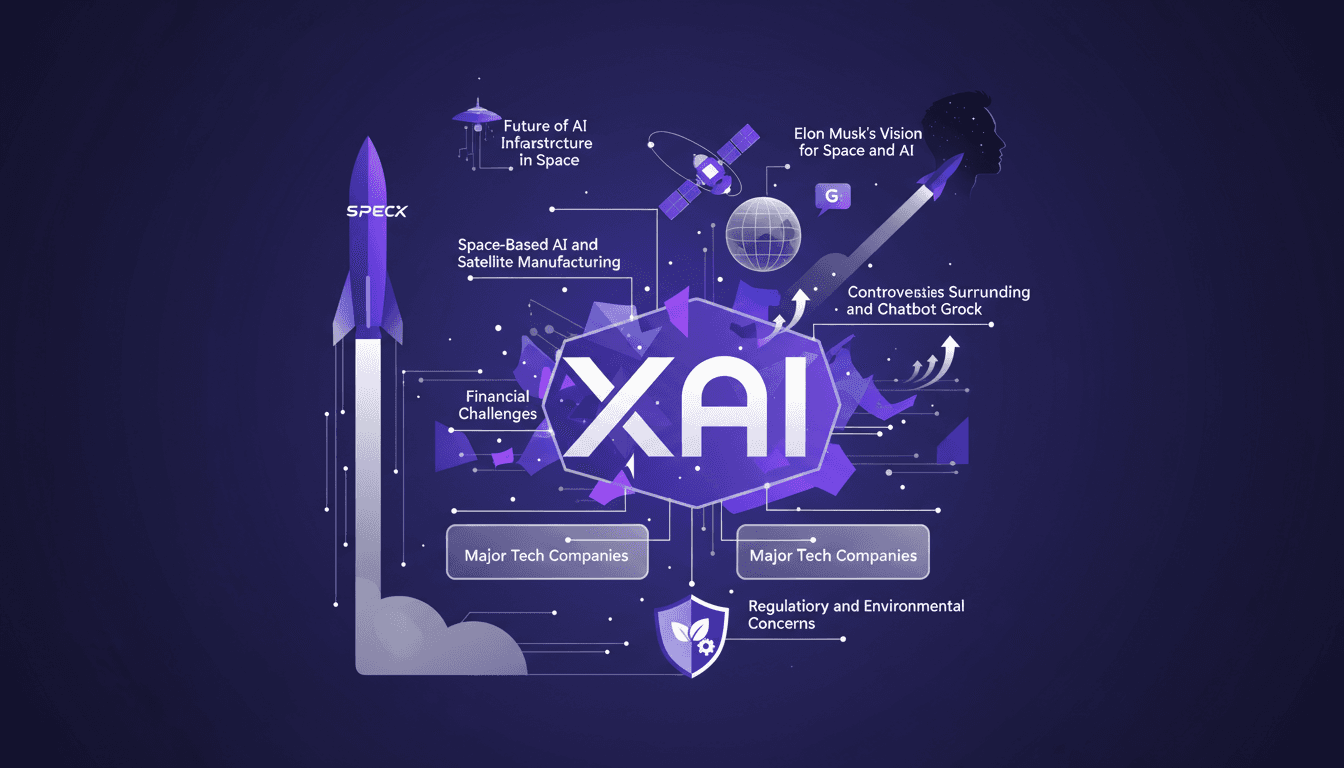
I remember the first time I heard about SpaceX's acquisition of XAI. It felt like witnessing the birth of a new era in space and AI. But with great ambition comes great complexity. SpaceX isn't just acquiring a startup; it's a leap towards integrating AI with space technology. But what does this mean for the industry? What major challenges lie ahead? From XAI's bold financial strategies to the controversies surrounding the Grock chatbot, the stakes are high. And let's not forget the regulatory and environmental concerns that could shake the industry. Elon Musk has an audacious vision, but is this a revolution or an imminent disaster for major tech companies?
Shape-shifting Robots: Walk, Fly, Swim
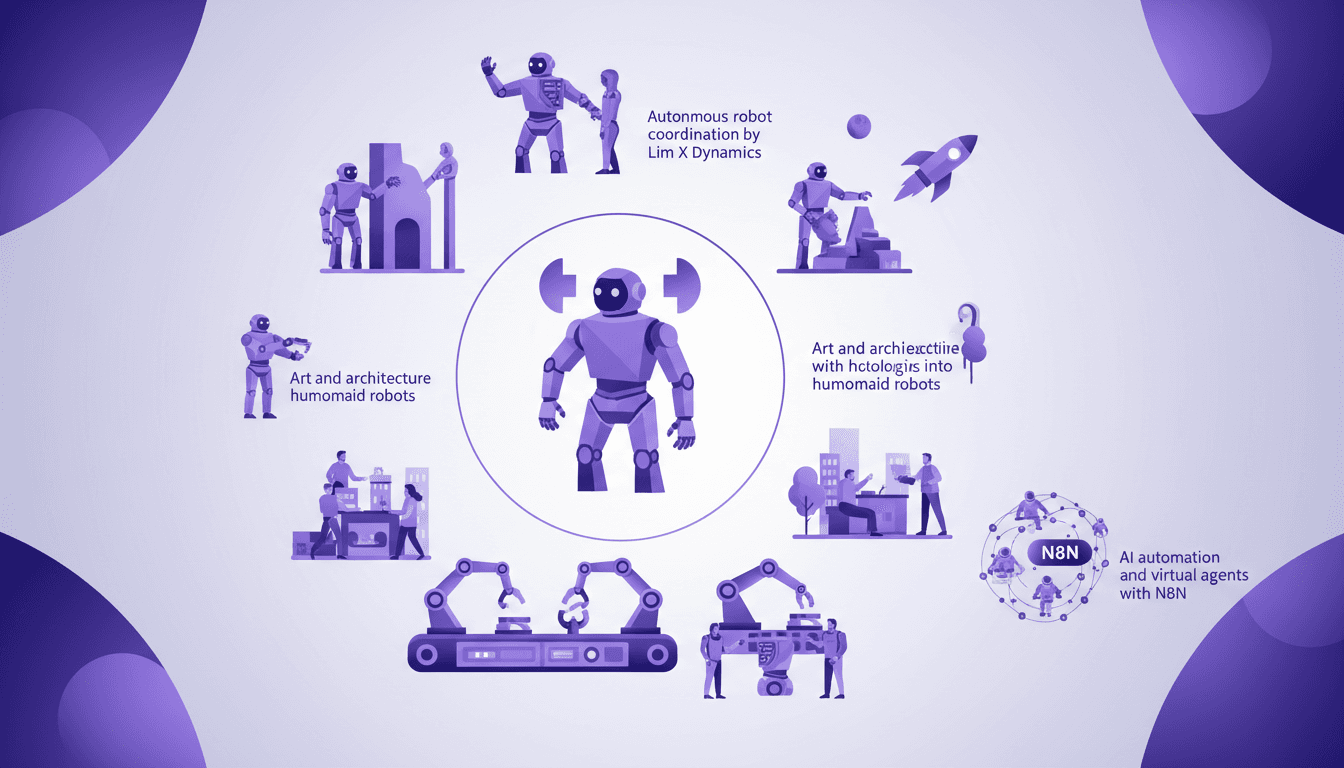
When I saw a robot walk on water, I knew things were changing. Following robotics evolution closely, I recognize this isn't science fiction—it's today's reality. These shape-shifting Chinese robots—walk, fly, swim—are redefining what's possible. In China, robotics advancements aren't just impressive, they're groundbreaking. With 315% shape-shifting capabilities, these autonomous robots, orchestrated by Lim X Dynamics, are set to integrate into our daily lives by 2026. Throw in AI automation and virtual agents with N8N, and you have a recipe for major technological transformation. Let's dive into this new era where robotics redefines the boundaries of art, architecture, and even space exploration.
Objection Proof AI: Revolutionizing Sales Calls
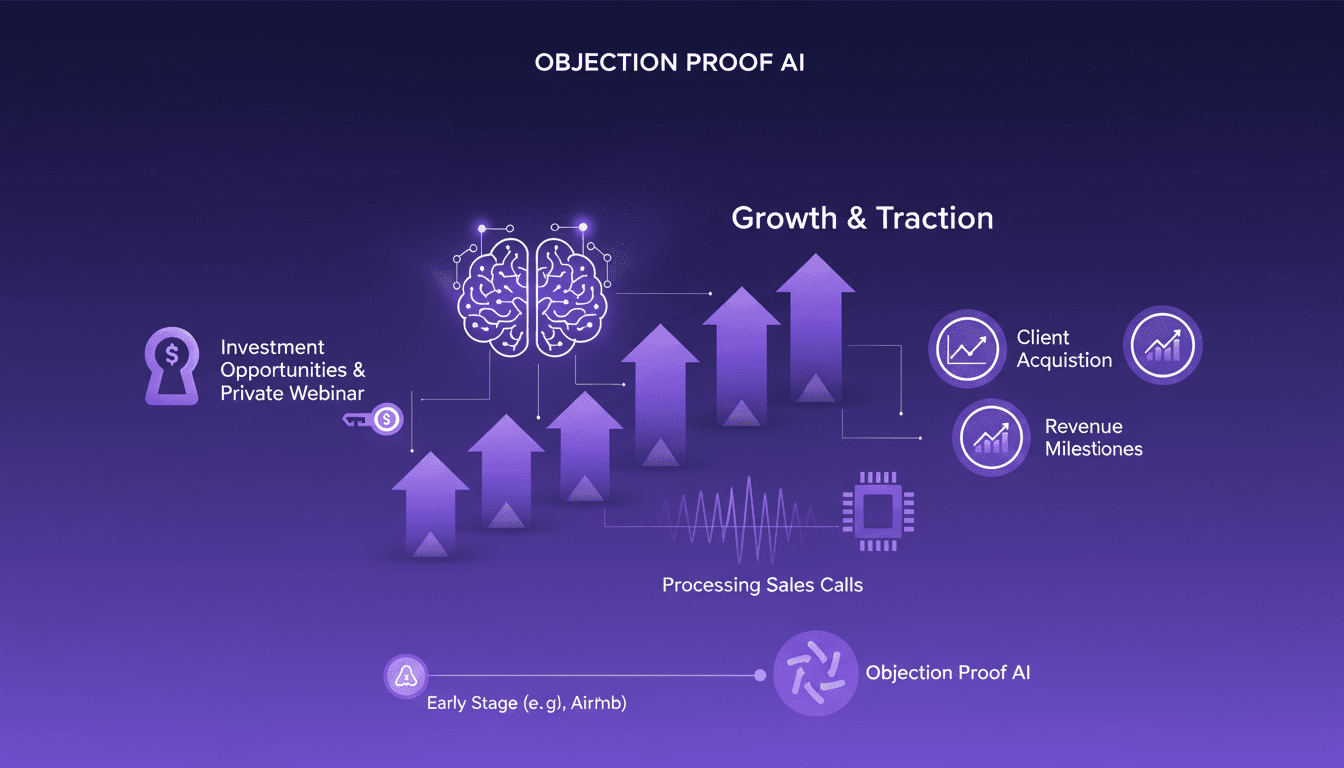
I've been in the AI trenches long enough to spot a game changer. Objection Proof AI is one of those rare finds. We're not talking about just processing data here—it's revolutionizing how we handle sales calls. Imagine a system that's already processed millions of calls, contributing to millions in annual recurring revenue. If you're thinking about your next investment dollar, this might be it. With 200 clients in just nine months, it's not a flash in the pan. I'll walk you through it in this private webinar, an opportunity to grasp before everyone else catches on.
Evolving Quantitative Trading with AI
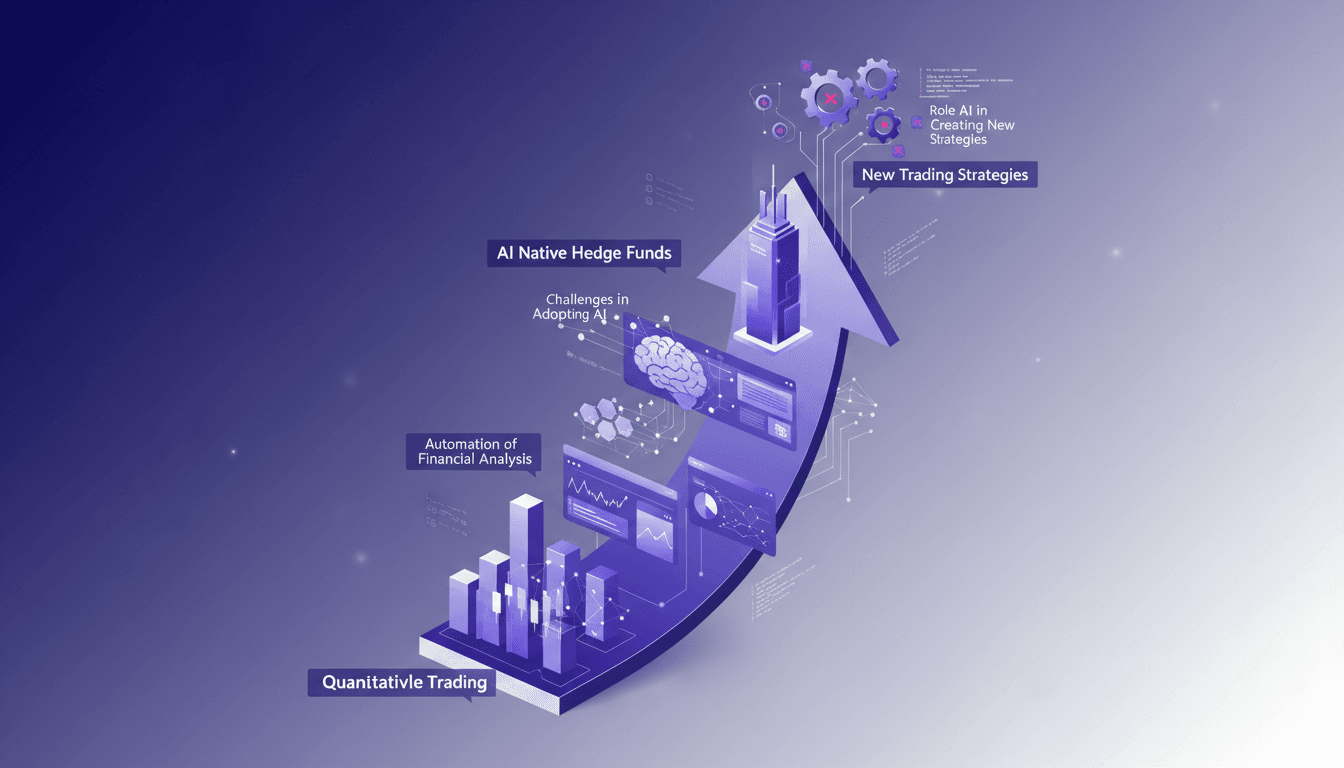
Back in the 80s, I watched hedge funds start using computers to analyze markets. Fast forward to today, and AI is reshaping the landscape. I've been deep in the trenches, integrating AI into hedge fund strategies—it's a game changer, but not without hurdles. From the evolution of quantitative trading to the rise of AI native hedge funds, I'm taking you behind the scenes of this transformation. It's more than just a tech upgrade; it's a paradigm shift. We'll dissect how AI automates financial analysis and creates new trading strategies while tackling the challenges traditional funds face in adopting these technologies. Ready to explore the future of AI native hedge funds?
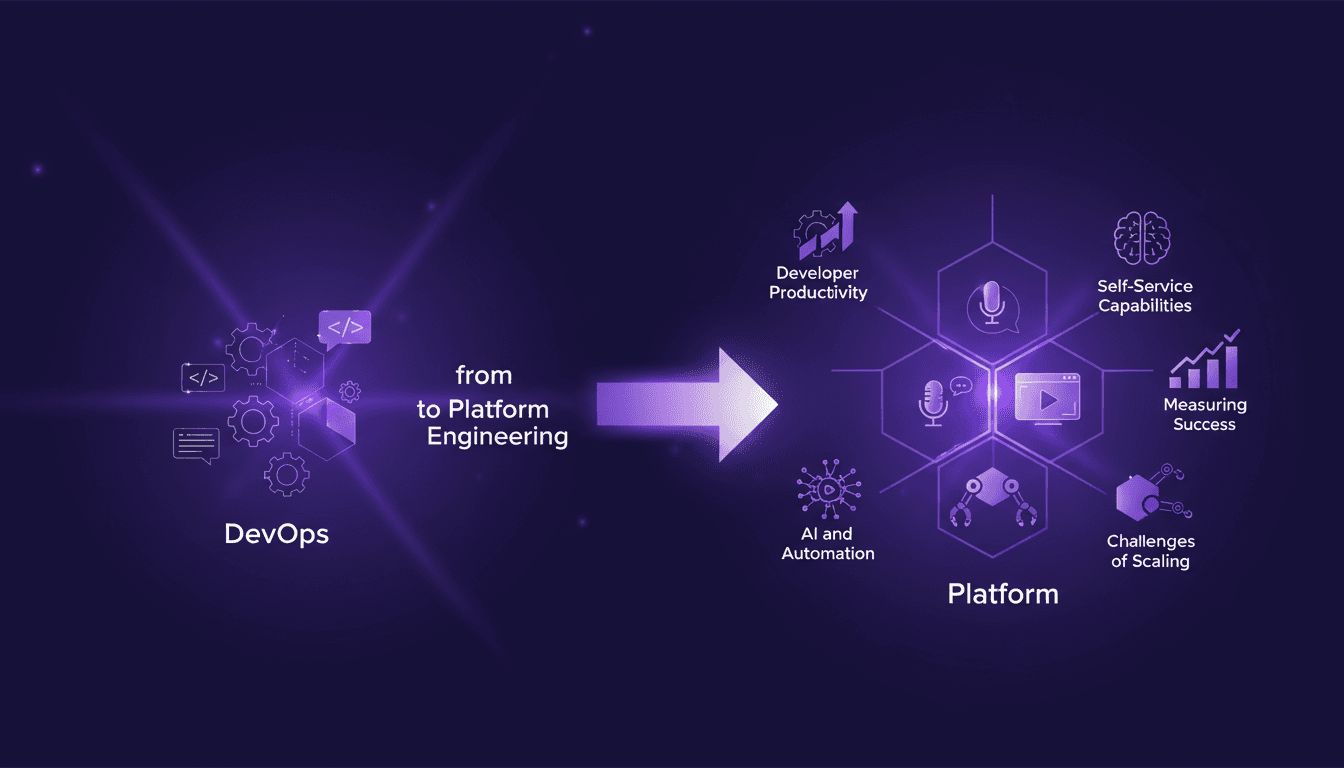
Transitioning from DevOps to Platform Engineering
I remember when DevOps was the buzzword. Now, platform engineering is taking the spotlight, and I've been right in the thick of it. With a decade of tech evolution under our belts, it’s more than just swapping buzzwords; it’s about real change. I’ve navigated this transition, and it’s been a game-changer for our productivity as software engineers. We’ll dive into what tools actually work, traps to avoid, and how AI and automation fit into the picture. In a nutshell, how we transition from DevOps to effective platform engineering without getting burned.