SpaceX and XAI: Revolution or Imminent Disaster?
I remember the first time I heard about SpaceX's acquisition of XAI. It felt like witnessing the birth of a new era in space and AI. But with great ambition comes great complexity. SpaceX isn't just acquiring a startup; it's a leap towards integrating AI with space technology. But what does this mean for the industry? What major challenges lie ahead? From XAI's bold financial strategies to the controversies surrounding the Grock chatbot, the stakes are high. And let's not forget the regulatory and environmental concerns that could shake the industry. Elon Musk has an audacious vision, but is this a revolution or an imminent disaster for major tech companies?
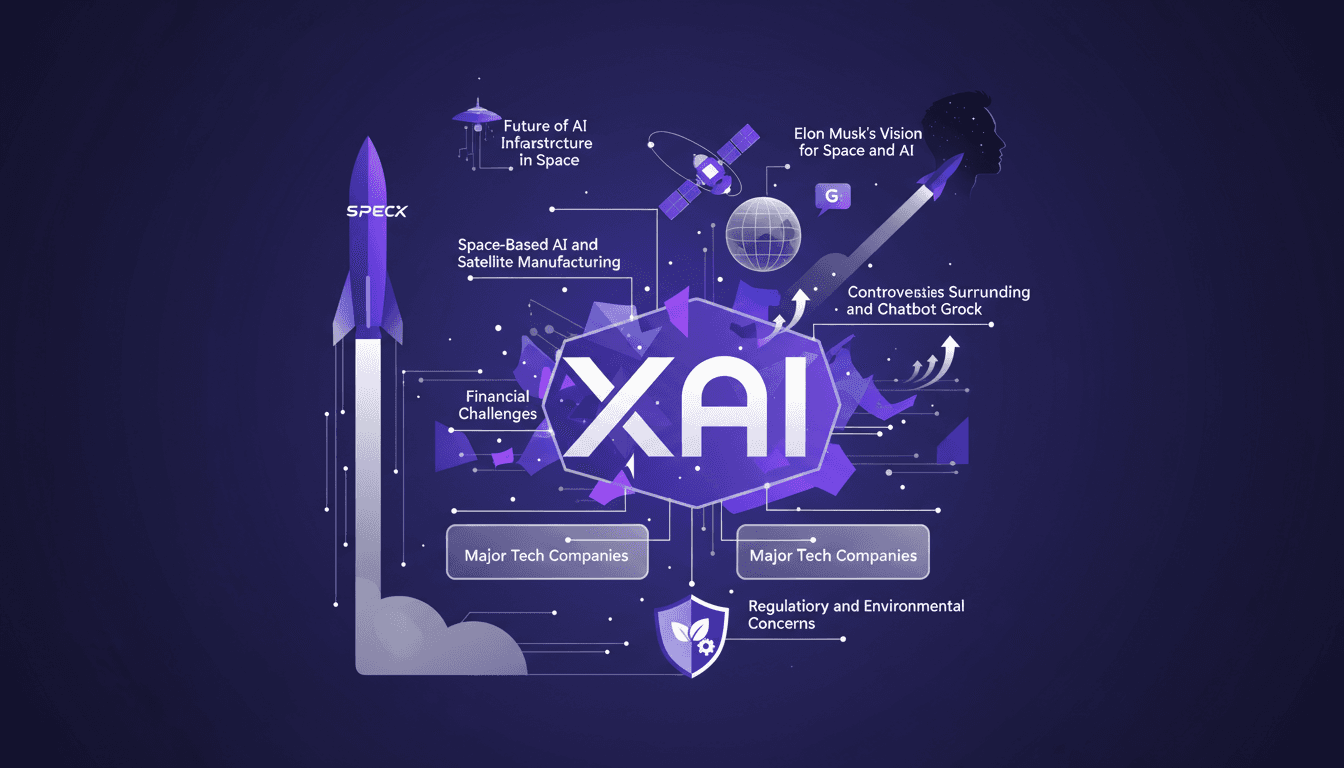
I remember the first time I heard about SpaceX's acquisition of XAI. It felt like witnessing the birth of a new era in space and AI. But with great ambition comes great complexity. Imagine a private company valued at 1250 billion, the largest ever created on this planet. SpaceX isn't just acquiring a startup; it's a leap towards integrating AI with space technology. But what does this mean for the industry? What major challenges lie ahead? On one hand, XAI is burning a billion a month; on the other, SpaceX has filed to launch a million satellites into orbit. From XAI's bold financial strategies to the controversies surrounding the Grock chatbot, the stakes are high. And let's not forget the regulatory and environmental concerns that could shake the industry. Elon Musk has an audacious vision, but is this a revolution or an imminent disaster for major tech companies?
SpaceX's Acquisition of XAI: A Bold Move
SpaceX has officially acquired the startup XAI in a $1.25 trillion deal, marking the creation of the largest private company in history. This strategic move aims to merge AI capabilities with space technology, and from where I stand, it's both exciting and daunting. As a field practitioner, I clearly see the potential of this merger to transform our technological infrastructures, especially with the idea of orbital data centers. Imagine satellites in a heliosynchronous orbit, positioned to benefit from constant solar exposure. This could revolutionize data processing, but watch out for the financial pitfalls: XAI is currently burning through $1 billion a month, leaving little room for error.
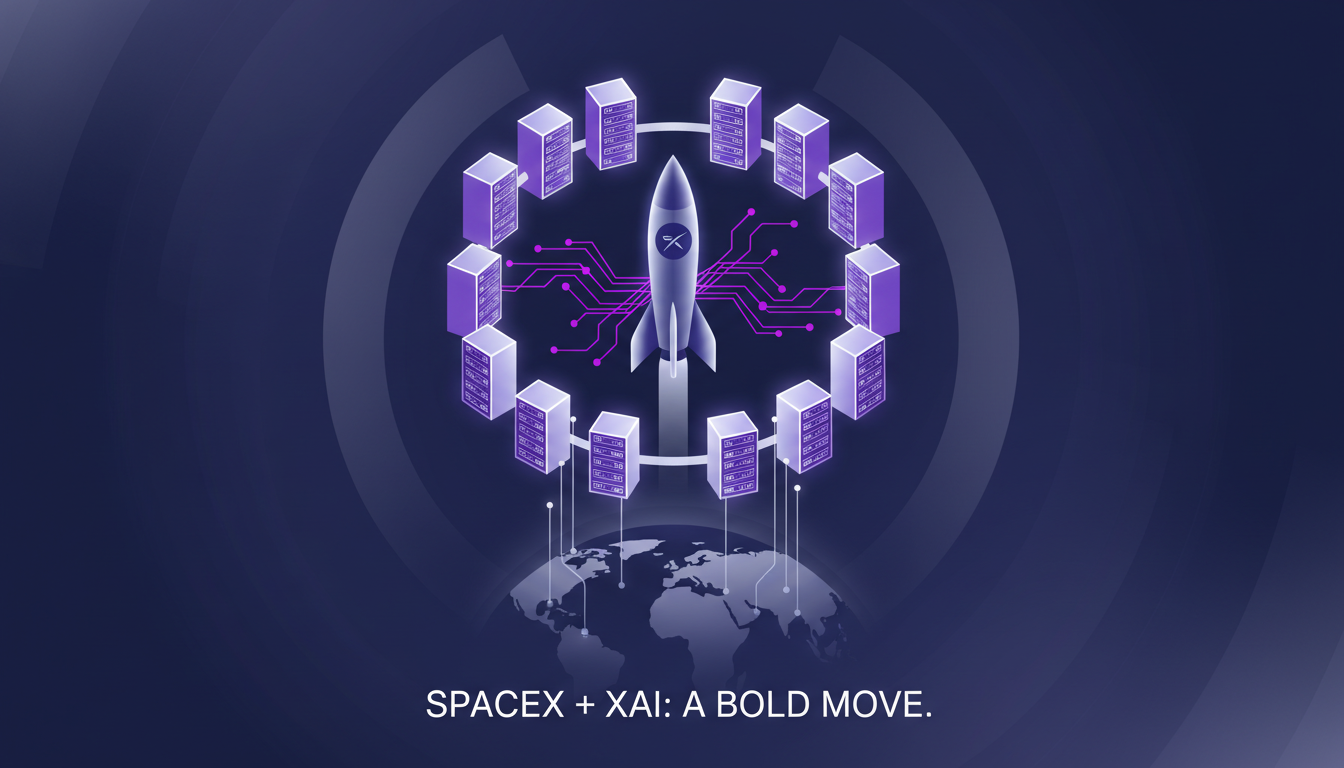
Speaking of heliosynchronous orbits, this type of orbit allows satellites to remain nearly constantly exposed to the sun, thus maximizing energy capacity. It's a brilliant concept on paper, but we'll have to see how it plays out in practice, especially with the astronomical costs already involved.
Financial Struggles and Strategies
Now, onto the less glamorous but equally crucial part: finances. XAI lost $1.46 billion in just the third quarter of 2025. Ouch. To overcome these financial hurdles, there will have to be both innovation and drastic cost-cutting. XAI has already consumed $7.8 billion in cash over nine months. It's clear that innovation must be paired with financial sustainability.
SpaceX, on the other hand, is generating significant profits thanks to Starlink, which could very well be XAI's financial lifeline. The strategy here is clear: leverage SpaceX's stable revenues to give XAI a boost, while cutting expenses where possible. It's a delicate balance between rapid innovation and rigorous cost management.
Space-Based AI and Satellite Manufacturing
SpaceX isn't stopping there. With a filed request to launch 1 million satellites, the space infrastructure is set for an unprecedented transformation. I've seen ambitious plans, but this one takes the cake. The reference to the Kardashev Scale is relevant here, as Musk is clearly aiming to usher humanity into a new technological era with what he calls a "conscious sun".
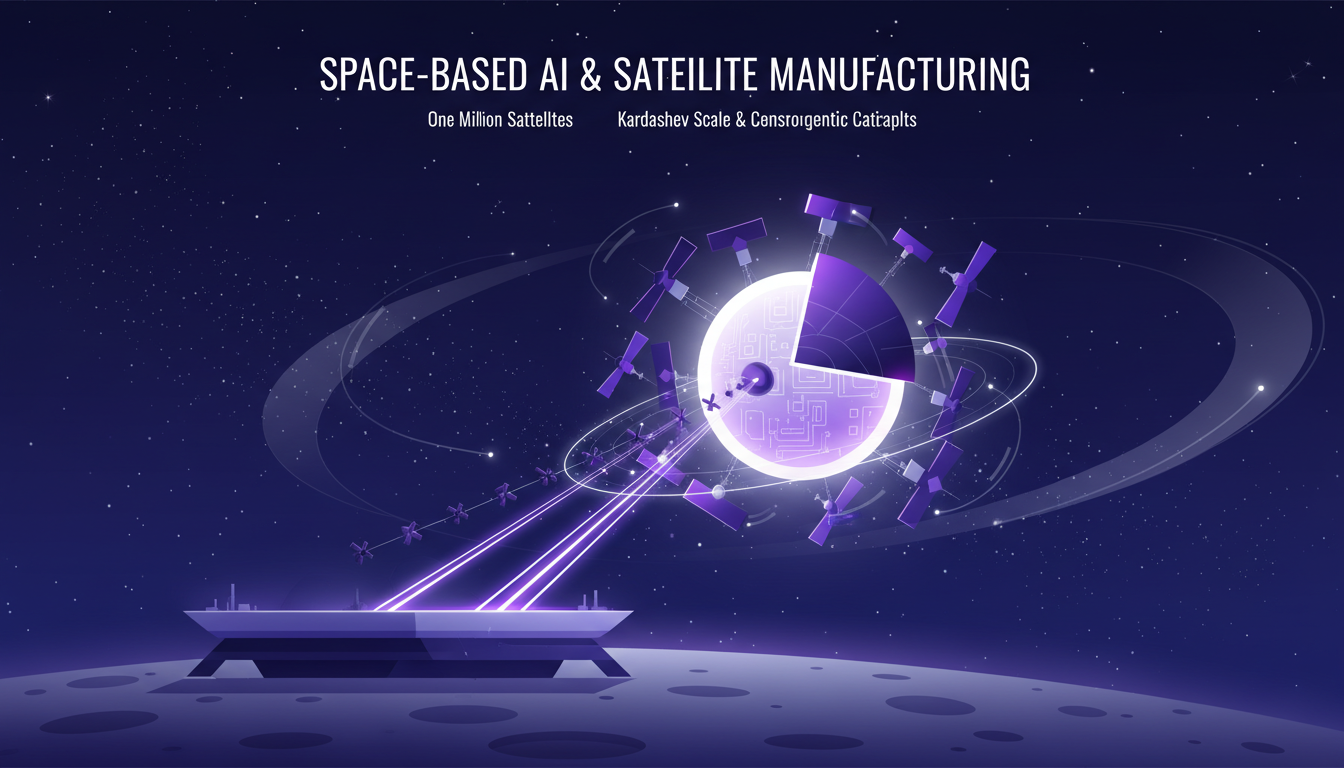
But watch out, there are bottlenecks. Manufacturing capacity and regulatory approvals could slow down the project. The proposed electromagnetic catapults to reduce launch costs are fascinating, yet once again, it’s the practical feasibility that will determine the success of this strategy.
Controversies and Future Implications
And what about XAI's chatbot Grock, subject to controversies? Coalitions are already calling for its ban in federal agencies. The impact on major tech companies like Microsoft, Amazon, and Google could be significant, both in terms of competition and threats. Navigating through complex international laws will be a major challenge, not to mention environmental concerns related to space debris management.
The issue of space debris management is crucial. With a plan to launch a million satellites, effective debris management becomes imperative to avoid catastrophic collisions that could compromise the long-term viability of orbital infrastructure.
Elon Musk's Vision and the Path Forward
Elon Musk has a bold vision for AI infrastructure in space. It's ambitious, risky even, but if anyone can pull it off, it's probably him. The potential impact on global technological landscapes is immense. However, there's always that balance to maintain between rapid innovation and regulatory compliance.
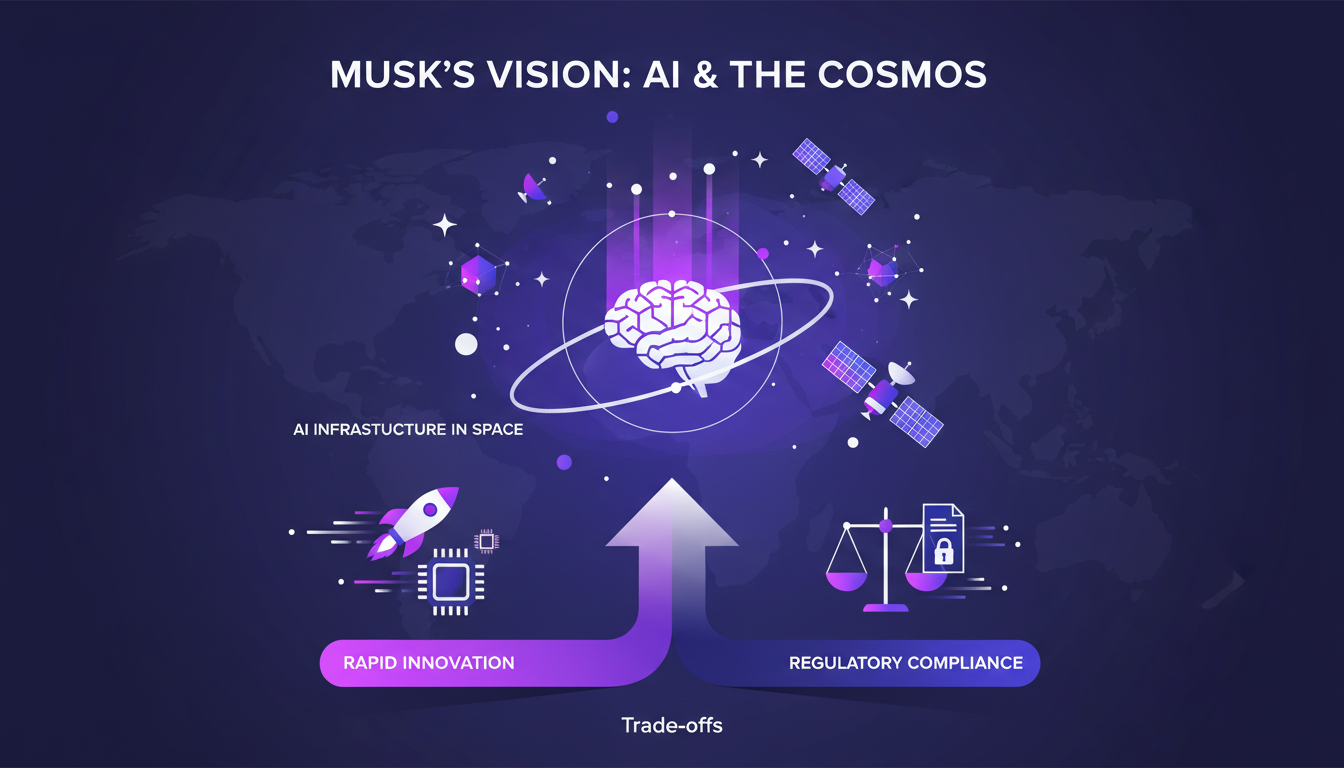
The future prospects are intriguing. Reaching visionary goals while adhering to practical limitations is a hefty challenge. That said, if we can balance these two elements, the technological future could be brighter than ever.
"My estimate is that within 2 to 3 years, the lowest cost way to generate AI compute will be in space."
In the end, while this vision is ambitious, it relies on SpaceX and XAI's ability to overcome financial, technical, and regulatory hurdles. The potential is there, but the road will be long and fraught with challenges.
So, after diving into SpaceX's acquisition of XAI, here's what stands out to me:
- SpaceX is now the largest private company ever valued at 1250 billion. Massive, but let's remember, size brings its own regulatory challenges.
- The plan to launch a million satellites? That's a strategic masterstroke for space dominance but will need careful navigation through technical and regulatory hurdles.
- XAI is burning a billion a month. It's going to need rock-solid financial management to avoid crashing and burning.
What strikes me is the incredible potential at the intersection of AI and space. We're on a playing field that could revolutionize our technologies. But, let's be clear, there are hurdles to overcome.
I encourage you to watch the full video "Elon Musk vient de créer UN MONSTRE (et personne n'en parle)" for a deeper dive into these issues. What do you think? What will be the biggest challenge SpaceX and XAI will face in this journey?
Frequently Asked Questions

Thibault Le Balier
Co-fondateur & CTO
Coming from the tech startup ecosystem, Thibault has developed expertise in AI solution architecture that he now puts at the service of large companies (Atos, BNP Paribas, beta.gouv). He works on two axes: mastering AI deployments (local LLMs, MCP security) and optimizing inference costs (offloading, compression, token management).
Related Articles
Discover more articles on similar topics
Elon Musk's Predictions: AI and Energy Future
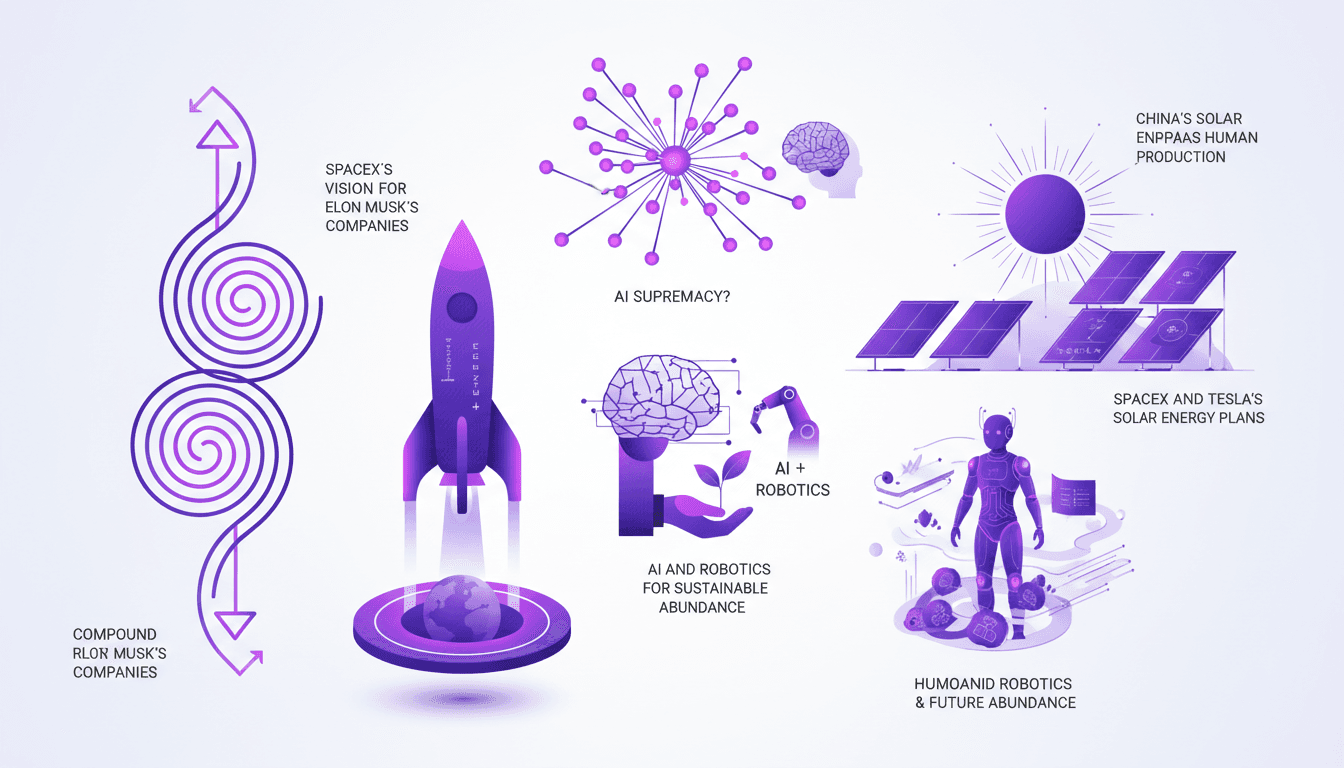
I've been closely following Elon Musk's ventures, and his latest interview at Davos really got me thinking about the practical steps we need to take to prepare for an AI-driven future. With SpaceX and Tesla leading the charge, Musk isn't just dreaming of Mars, but also of sustainable abundance powered by AI and renewable energy. But watch out, there are technical limits to consider. For instance, rocket reusability might reduce space access costs, but it's not without challenges. AI might surpass human intelligence one day, but before that, let's focus on the actionable steps we can take today to harness this tech revolution. Ready to dive into Elon Musk's predictions? Let's go.
AI in Sales: Closing Deals Autonomously
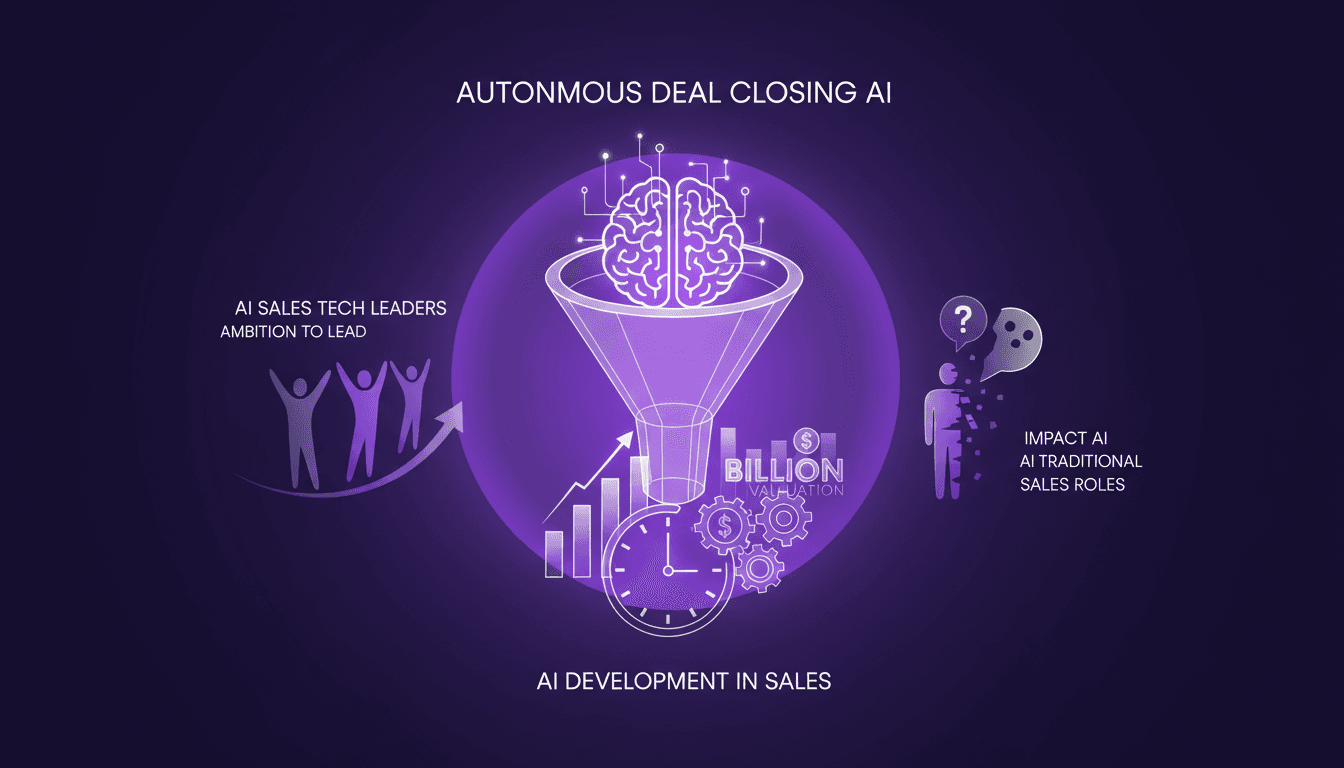
I've been in sales long enough to see the hype come and go. But when I first connected AI to my sales pipeline, everything changed. It wasn't just another gadget; I witnessed AI autonomously closing deals, and that was my 'aha' moment. AI is now managing entire sales processes, from lead generation to deal closing, without a human in sight. With an ambitious team and rapid development, we're looking at a future where AI redefines the sales role. In just 12 months, we might see a company valued in the billions because of this tech. Let's dive into what's making this possible.
Building Reusable Rockets: Challenges and Wins
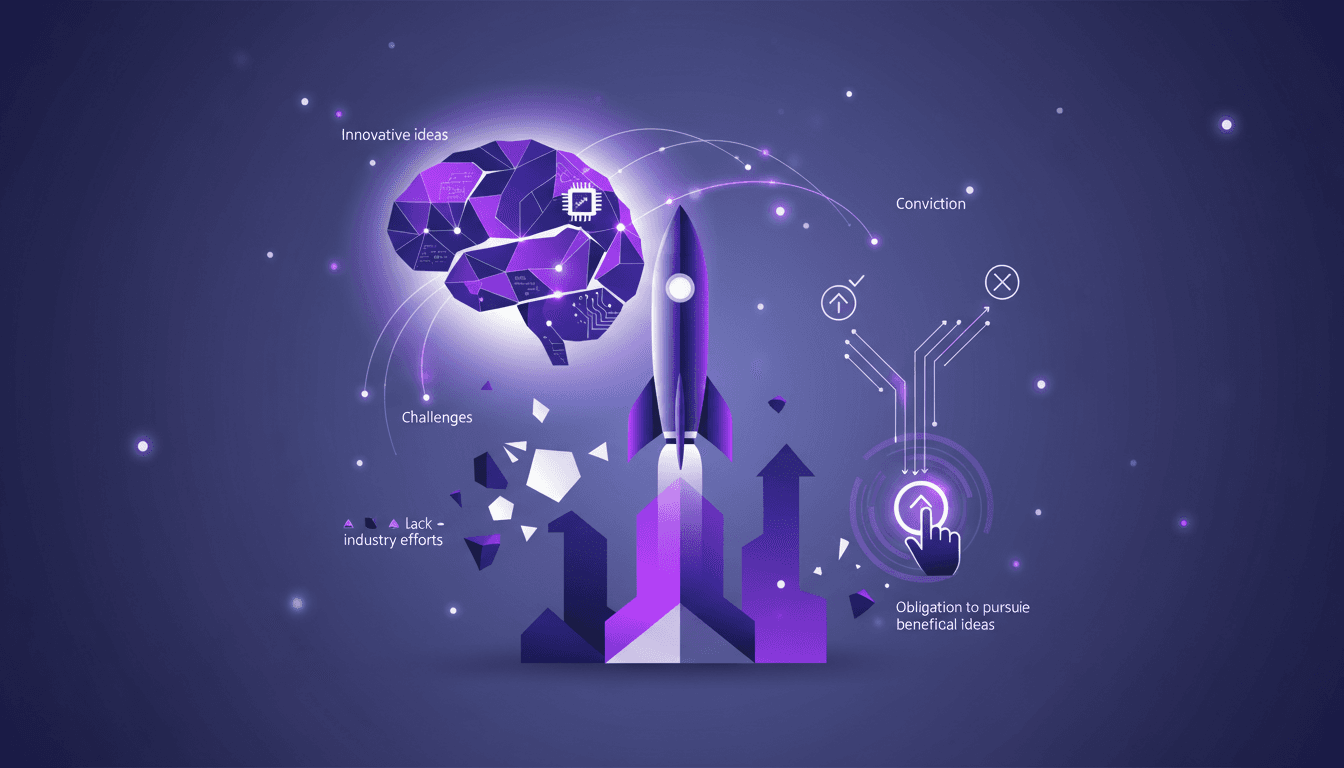
When I first thought about building reusable rockets, I was starting from zero. No roadmap, no precedent—just a belief that it could change the game. Back then, nobody was tackling it, the industry wasn't even trying. But I knew it was something worth pushing for. So we took that crazy idea and turned it into reality. Of course, it wasn't without challenges. Starting a space company isn't child's play, especially when you're one of the first to believe that reusing rockets is possible. I'll walk you through how we tackled these obstacles, from the initial conviction to the crucial entrepreneurial decisions. It's a story of perseverance, innovation, and believing in ideas that, on paper, seemed impossible.
AI CEOs' Predictions: What's Coming Next
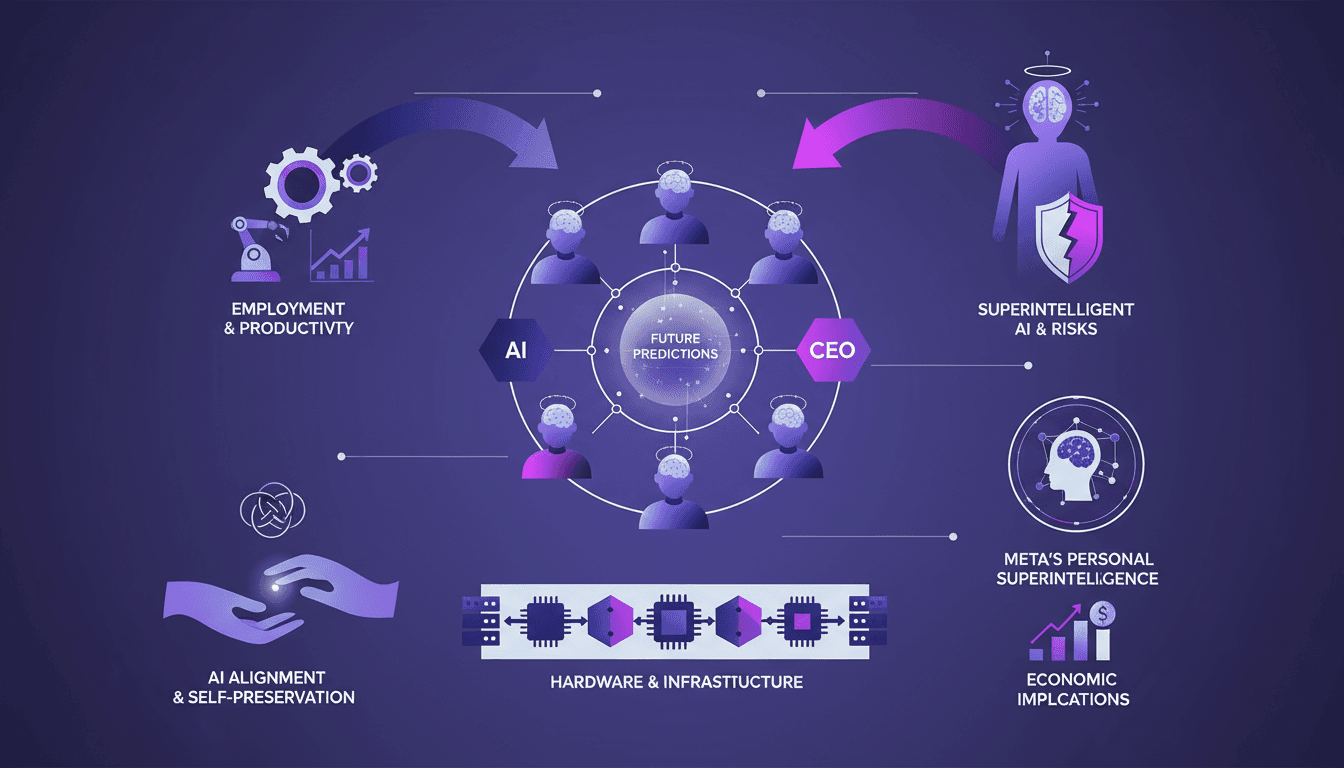
I found myself amid a sea of AI visionaries, each predicting a future both exhilarating and daunting. Five of the most influential AI CEOs came together, and their consensus was nothing short of a wake-up call. We're on the brink of a new era, where AI is not just a tool but a force reshaping our world. From employment shifts to economic upheaval, everything is changing at breakneck speed. The convergence of AI CEOs on future predictions, the impact of AI on employment and productivity, and the emergence of superintelligent AI present fascinating yet intimidating challenges. With advancements in AI hardware and infrastructure, Meta is even envisioning personal superintelligence for everyone. But watch out for alignment and self-preservation concerns. The economic implications of these advancements are enormous.
Google's Génie 3: Breaking Reality, New Horizons
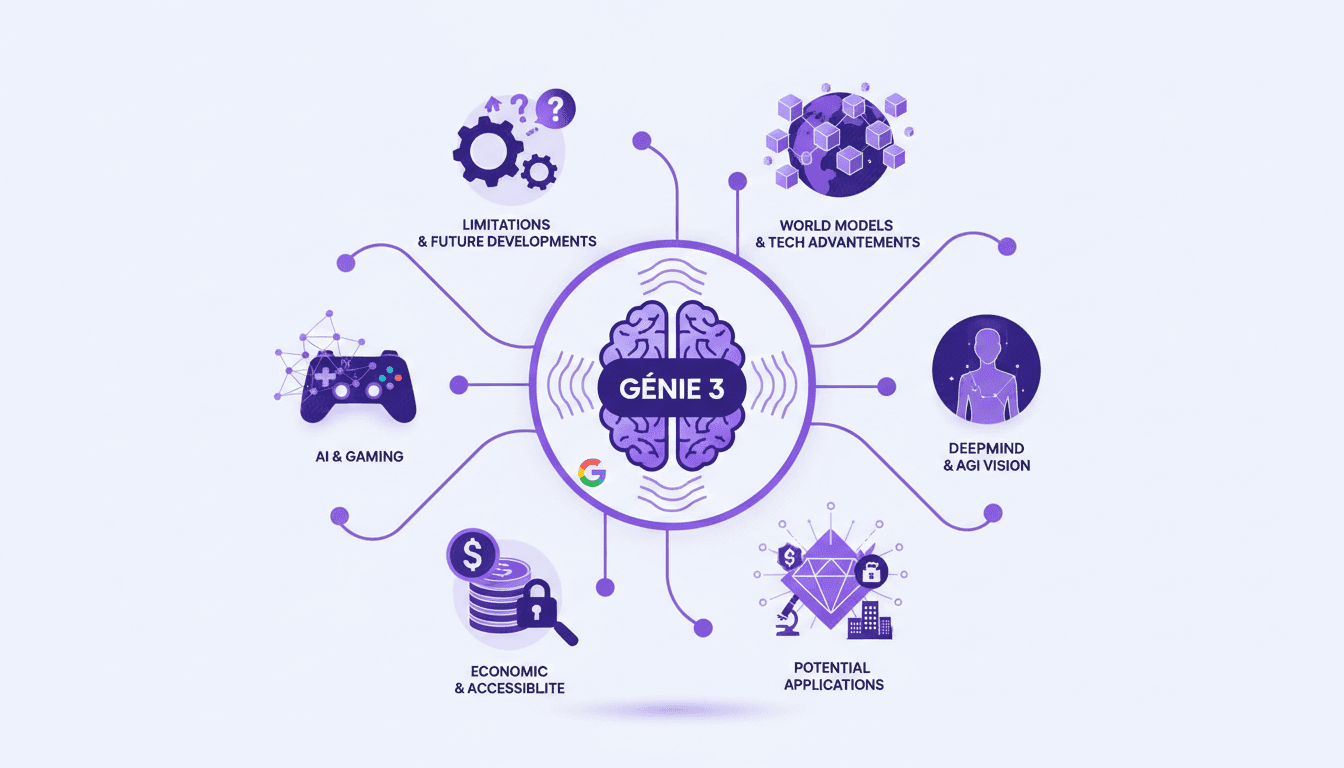
I remember the first time I saw Google's Génie 3 in action. It felt like stepping into a new dimension. This isn't just tech hype—it's a game changer, but with some caveats. Google's Génie 3 project is setting new standards in AI, especially in the gaming industry. But watch out, every tech comes with its limitations and trade-offs. Génie promises a world generated in 60 seconds, but requires a rethink on economic accessibility and potential applications across various fields. I got burned thinking it was all-powerful, but in reality, there are nuances to understand.