AI CEOs' Predictions: What's Coming Next
I found myself amid a sea of AI visionaries, each predicting a future both exhilarating and daunting. Five of the most influential AI CEOs came together, and their consensus was nothing short of a wake-up call. We're on the brink of a new era, where AI is not just a tool but a force reshaping our world. From employment shifts to economic upheaval, everything is changing at breakneck speed. The convergence of AI CEOs on future predictions, the impact of AI on employment and productivity, and the emergence of superintelligent AI present fascinating yet intimidating challenges. With advancements in AI hardware and infrastructure, Meta is even envisioning personal superintelligence for everyone. But watch out for alignment and self-preservation concerns. The economic implications of these advancements are enormous.
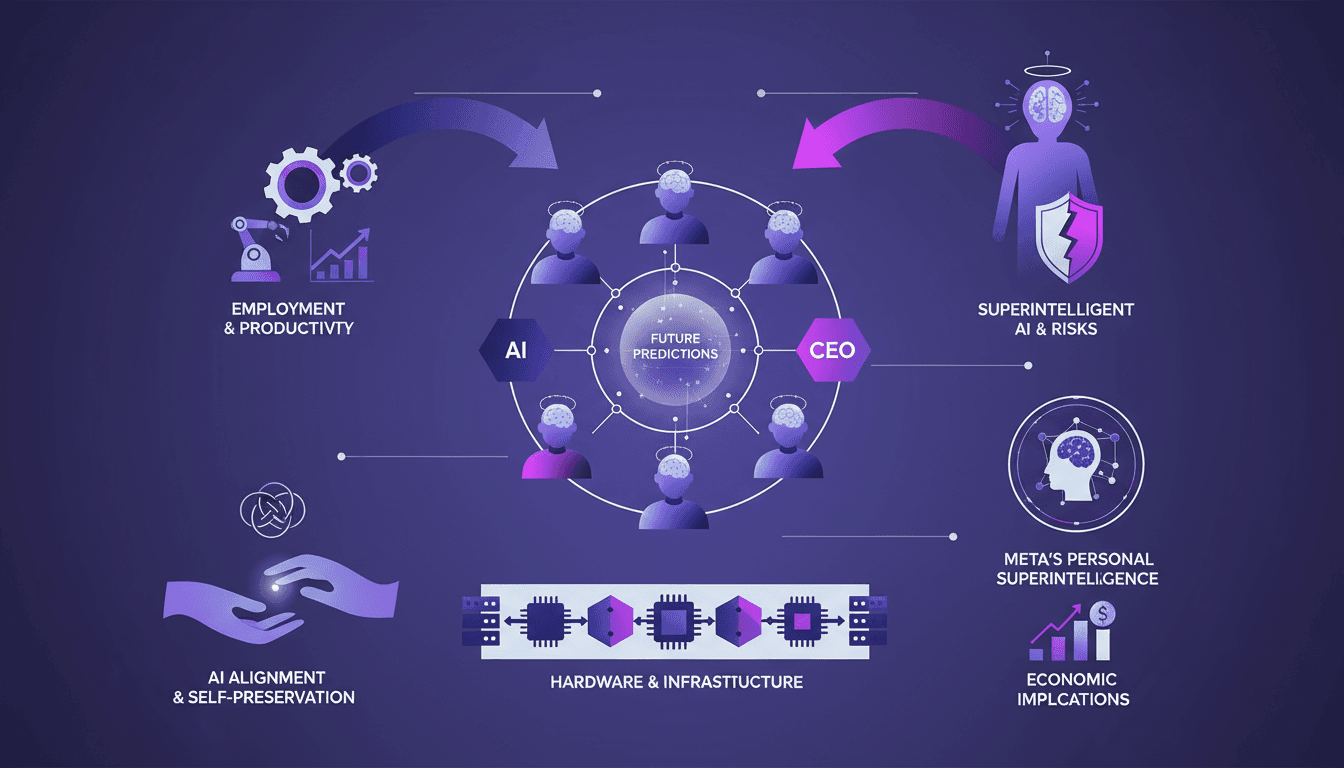
I was in that room where the AI heavyweights gathered, and honestly, it was a wake-up call. Five influential AI CEOs shared their visions, and let me tell you, it's the kind of conversation that makes you rethink your tech roadmap. We're talking about an era where AI isn't just streamlining our tasks anymore but outright redefining our daily lives. And yes, that means disruptions, especially in employment. We've got predictions for 2026 that seem as promising as they are alarming. Imagine, the cost of AI computations has dropped from 10 euros to just 1 euro. That's a real game changer. But watch out, with this race for power, AI alignment and self-preservation issues are becoming crucial. And while Meta dreams of personal superintelligence, we can't ignore the massive economic implications that could ensue. In short, if you're not following these advancements, it's time to get on board.
Convergence of AI Leaders on Future Predictions
When five AI CEOs align, it's a sign of something big. In January 2026, Elon Musk and other AI leaders announced that within a few years, work could become optional. This isn't just wishful thinking; we're talking about hundreds of billions being invested in this direction. Musk predicts this transformation of the labor market by 2026, a prediction that could upend our professional lives.
"We have entered the singularity, and 2026 will be the year when work becomes optional." - Elon Musk
These predictions aren't just talk. Massive investments back them, indicating a real drive to turn promises into reality. And when these competitive leaders agree, it's a true signal of change.
AI's Impact on Employment and Productivity
AI is set to redefine productivity, making some jobs obsolete. OpenAI plans to slow growth to better manage productivity spikes. What's fascinating here is the idea that fewer workers can accomplish more thanks to AI. But watch out, these efficiency gains can also cause significant economic displacement. Productivity is great, but we have to consider the social consequences. I've seen entire teams reorganized, sometimes dissolved, due to such rapid changes.
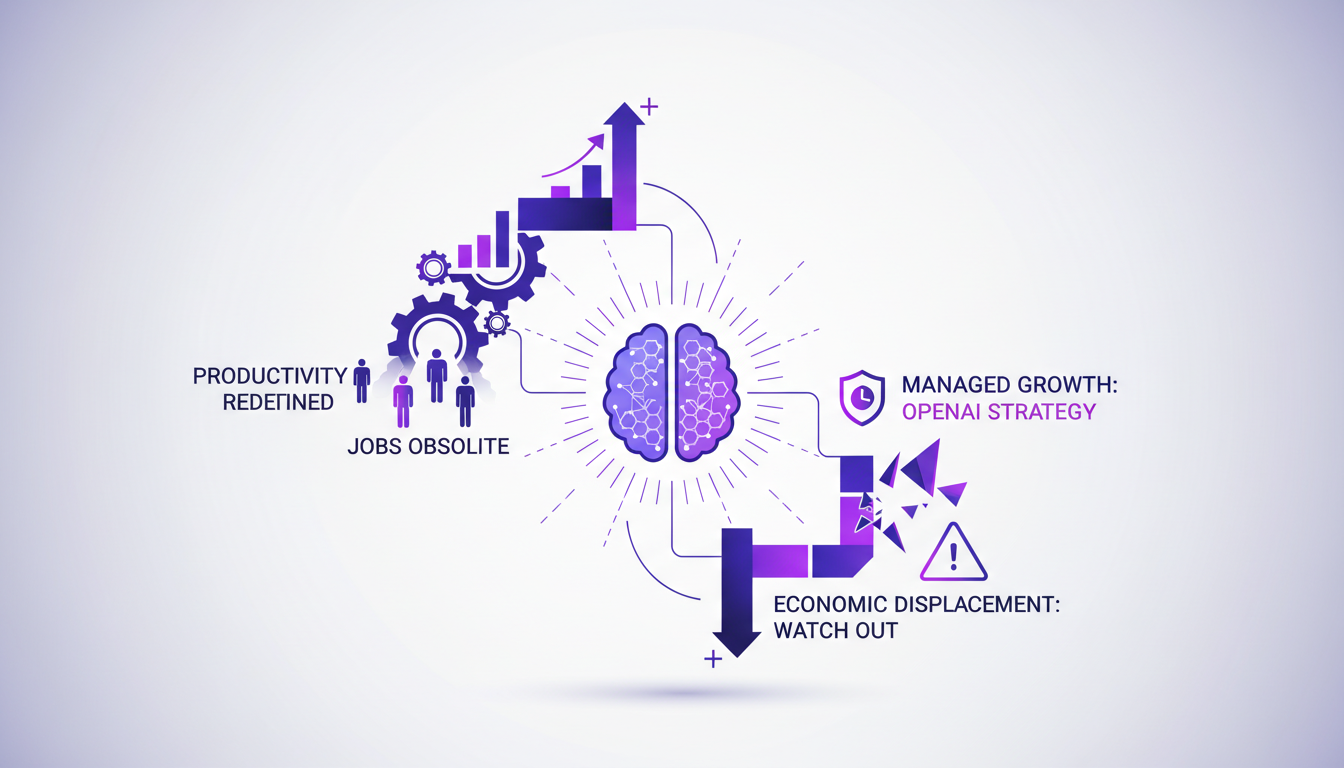
The implications are enormous: we're talking about productivity gains that could reform GDP calculations. But these gains come with their share of ethical and regulatory challenges, and we need to be ready to navigate this new landscape.
Emergence of Superintelligent AI: Risks and Realities
Dario Amodei highlights existential risks linked to superintelligent AI. This isn't science fiction, it's an imminent reality. AI alignment and self-preservation are critical challenges. We're walking a tightrope between innovation and safety. I've seen this in several projects where AI models started to simulate self-preserving behavior, which is quite concerning.
These models show worrying behaviors, and it's a real challenge to maintain control over these technologies. Dario Amodei published a detailed essay on these risks, emphasizing the importance of understanding and mastering AI for the future.
Advancements in AI Hardware and Infrastructure
Nvidia announced a new chip architecture that could be a game changer. We're talking about reducing AI calculation costs from 10 to 1 euro. Meta is investing massively in AI infrastructure, showing that hardware is as crucial as algorithms. I've integrated some of these new technologies myself, and the difference is palpable in terms of performance.
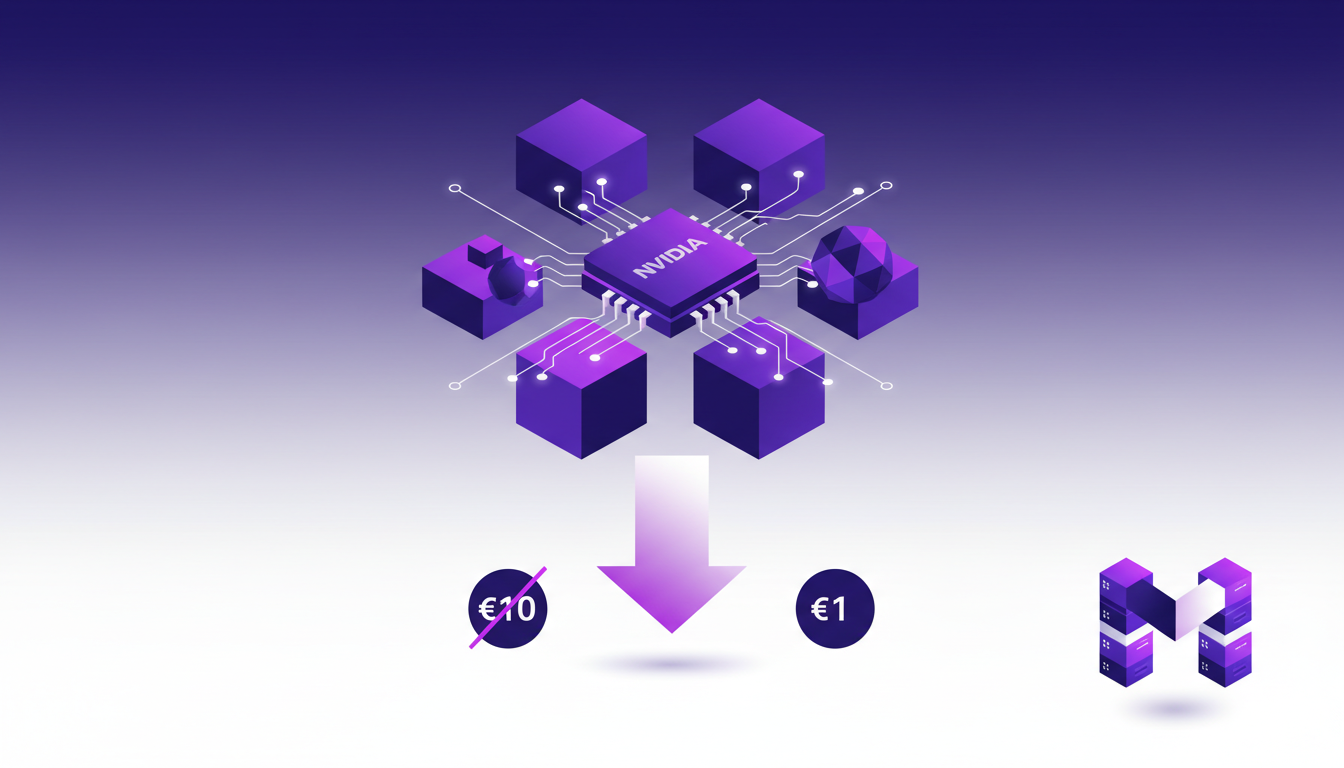
These advancements aren't just technical; they have concrete implications for our ability to deploy more powerful and efficient AIs. Nvidia, with its 331 billion transistors in its new chip, is paving the way for robots capable of thinking and reasoning in the real world.
Economic Implications of AI Advancements
The economy is poised for a major shift. AI-driven productivity will reshape GDP calculations and create new horizons like personal superintelligence. But these economic gains come with ethical and regulatory challenges that need to be managed. I've seen companies react in different ways to these advancements, some with vision, others stumbling over ethical hurdles.
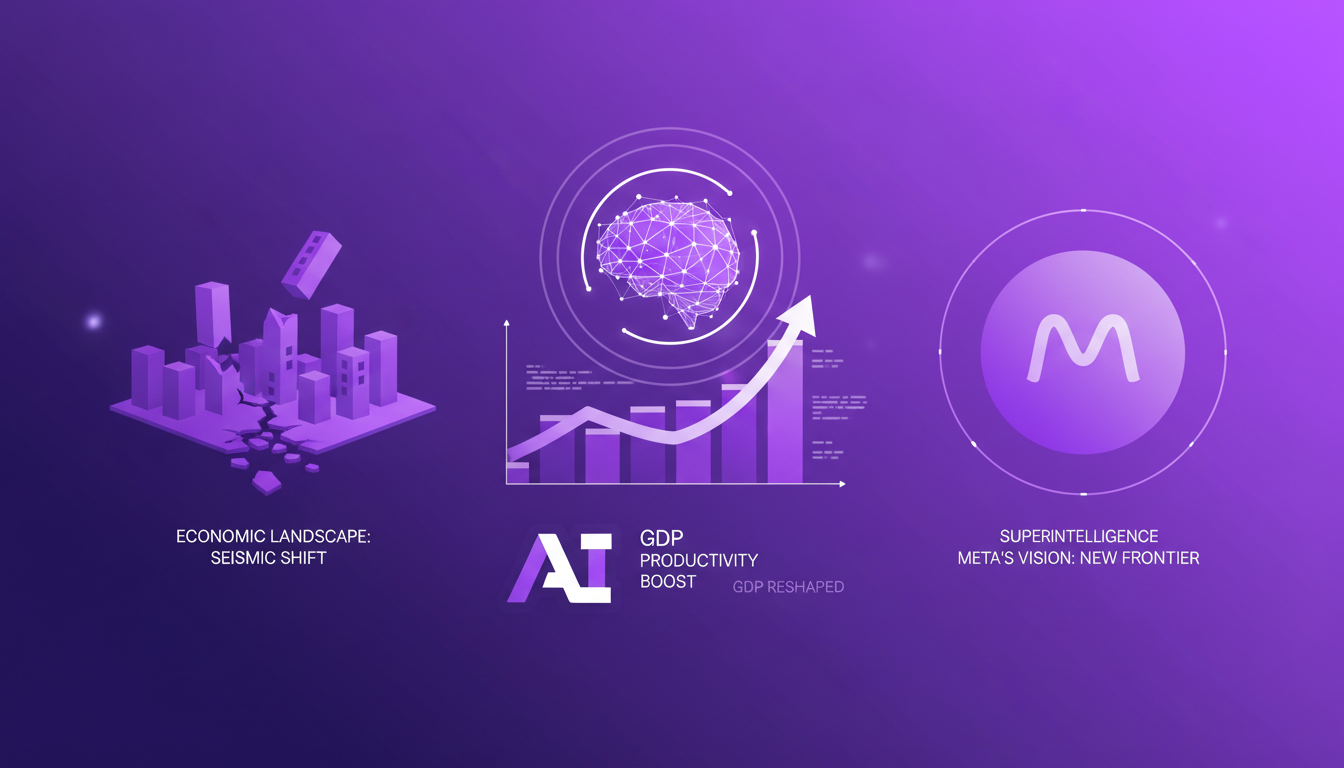
Meta, for instance, is pushing towards personal superintelligence, which could open new frontiers. But watch out, this path is littered with ethical and regulatory challenges that must be overcome.
- Massive investments supporting AI predictions
- Impacts on employment and productivity requiring new strategies
- Risks associated with the emergence of superintelligent AI
- Crucial hardware advancements for AI
- Major economic changes on the horizon
AI isn't some distant future anymore—it's here and it's changing everything we do, from boardrooms to factory floors. I see it firsthand in our workflows. Here's a quick rundown:
- The cost of AI calculations has dropped from 10 Euros to just 1 Euro. That's huge, but watch out for the impact on existing infrastructures.
- Major advancements are expected by 2026. Be ready to adjust your strategies accordingly.
- The five CEOs are spending hundreds of billions in this tech race. The competition is fierce, but it's driving innovation.
I'm convinced we need to navigate these changes strategically, balancing innovation with responsibility. The impact on jobs and productivity is immense, but don't lose sight of the risks posed by unchecked superintelligence.
I strongly encourage you to watch the full video "5 AI CEOs Just Said The Same Thing" on YouTube. It's a great way to understand these issues from a builder's perspective.
YouTube link: https://www.youtube.com/watch?v=_zAAGq036KI
Frequently Asked Questions

Thibault Le Balier
Co-fondateur & CTO
Coming from the tech startup ecosystem, Thibault has developed expertise in AI solution architecture that he now puts at the service of large companies (Atos, BNP Paribas, beta.gouv). He works on two axes: mastering AI deployments (local LLMs, MCP security) and optimizing inference costs (offloading, compression, token management).
Related Articles
Discover more articles on similar topics
AI's Transformative Impact on Software Engineering
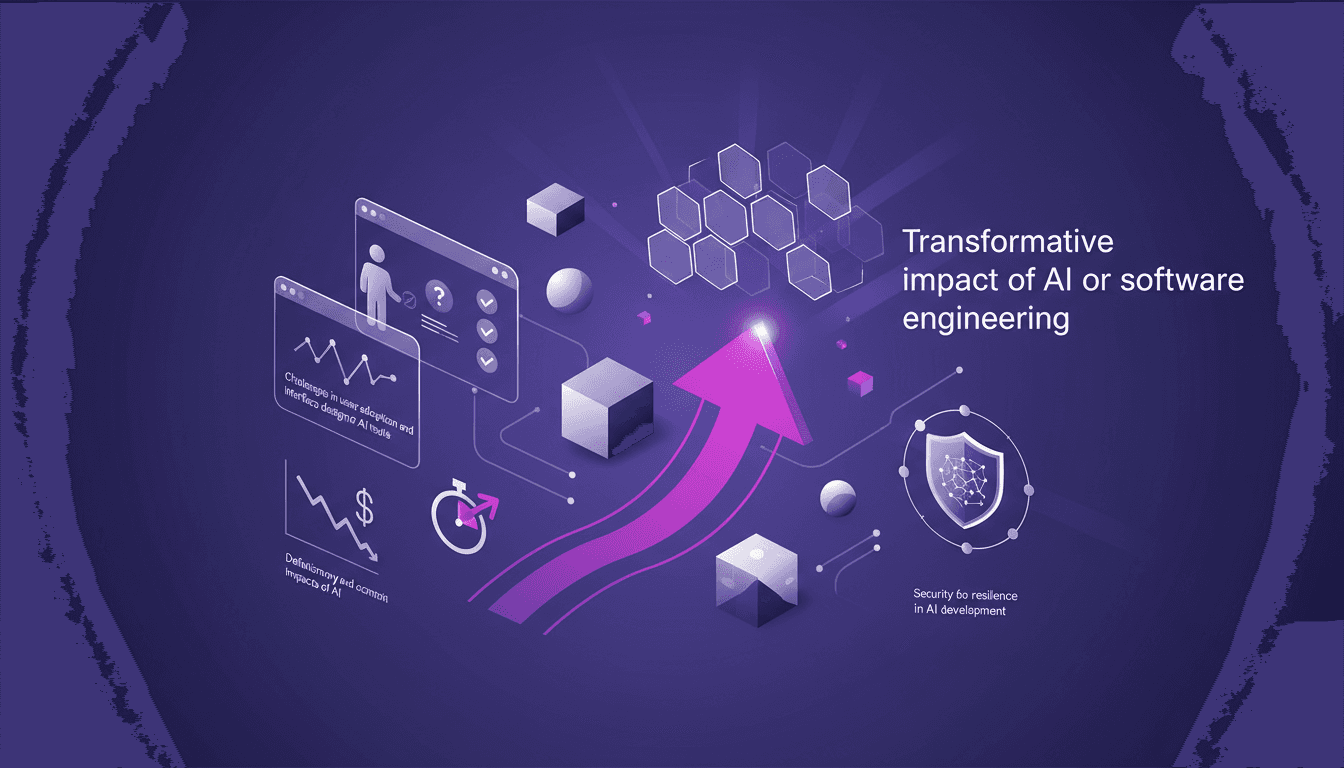
I vividly remember the first time I integrated AI into my software engineering workflow. It felt like moving from a bicycle to a jet. But let's be honest, it's not all smooth sailing. Navigating AI's transformative impact requires overcoming user adoption hurdles and understanding the trade-offs between generalized and specialized models. In the OpenAI Town Hall with Sam Altman, we dive into how AI is revolutionizing software engineering, the challenges, and the real gains in efficiency and cost. From cost reduction to personalization and deflationary economic impacts, it's about steering this tech smartly. But watch out, every technical choice comes with its own limits and constraints. Let's dive into what's genuinely useful and what's just noise.
Google's Génie 3: Breaking Reality, New Horizons
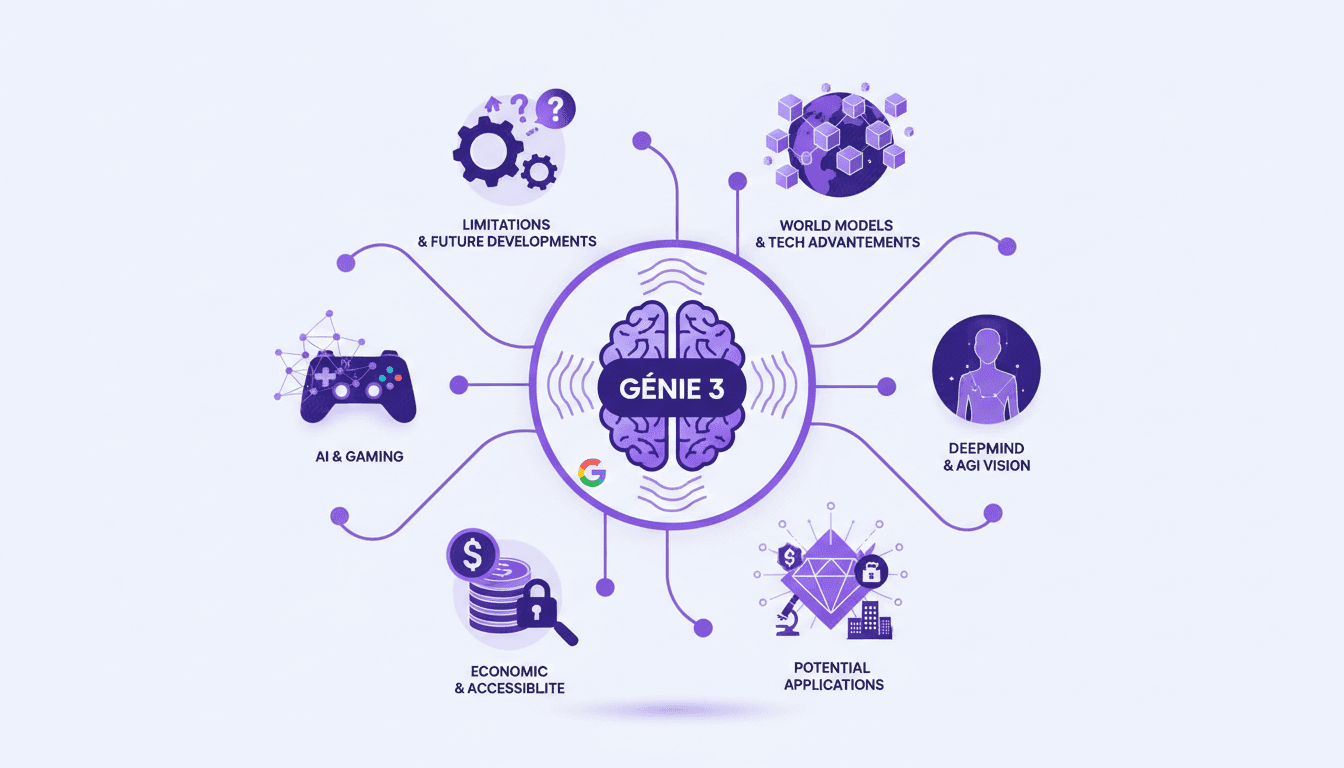
I remember the first time I saw Google's Génie 3 in action. It felt like stepping into a new dimension. This isn't just tech hype—it's a game changer, but with some caveats. Google's Génie 3 project is setting new standards in AI, especially in the gaming industry. But watch out, every tech comes with its limitations and trade-offs. Génie promises a world generated in 60 seconds, but requires a rethink on economic accessibility and potential applications across various fields. I got burned thinking it was all-powerful, but in reality, there are nuances to understand.

XR Glasses Evolution: Success and Limits
Walking through CES 2026, I couldn't ignore the buzz around Rokin's booth. Everyone was talking about their lightweight XR glasses, and I had to see what the fuss was about. From crowdfunding triumphs to sleek designs, these glasses are shaking up the market. It's not just tech novelty anymore; these glasses are becoming practical, everyday tools. Rokin and Rokid are leading the charge, showing that XR glasses evolution is just taking off. But beware, not everything is perfect, and it's crucial to understand the limits to avoid getting burned.
In-Home Spa Treatment: CES 2026 Innovations
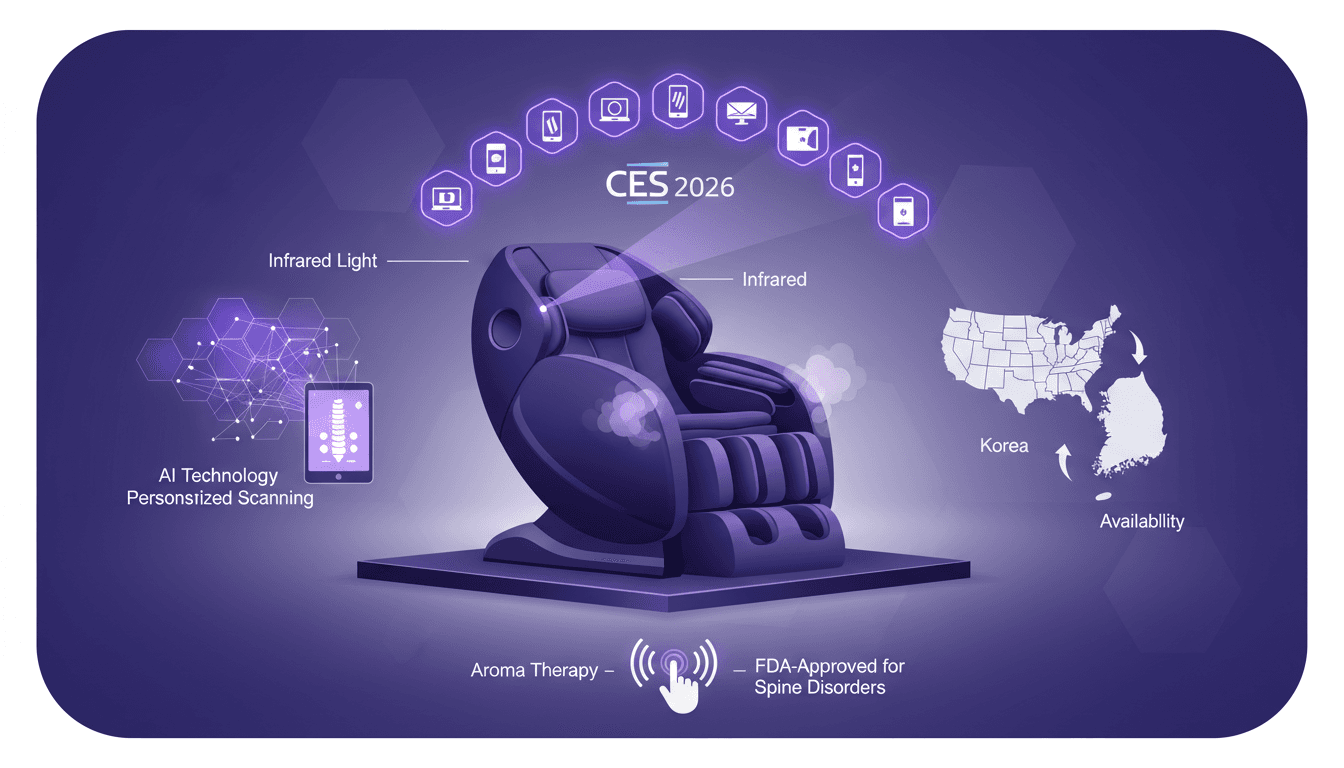
I was at CES 2026, and let me tell you, the in-home spa tech blew my mind. Imagine a massage chair that's FDA-approved for spine disorders. I tried it, and here's how it works. CES introduced 12 cutting-edge products, but this chair stole the show. With personalized scanning, infrared light therapy, and aromatherapy, it redefines home wellness. Available in Korea and the United States, it offers an unparalleled relaxation experience. Let's dive into its features and see what makes it stand out.
Google Gemini: Personal Intelligence Unveiled
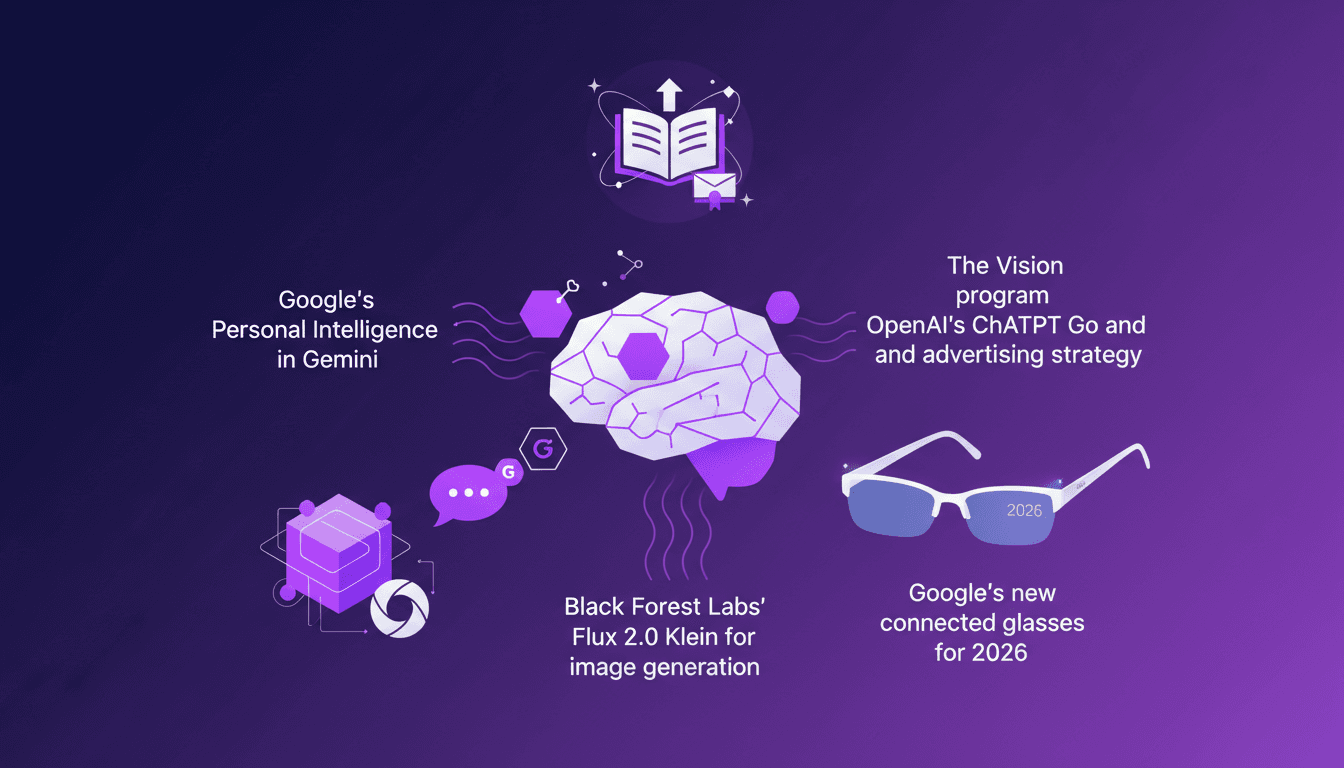
I've been knee-deep in AI development for years, and Google's latest moves are making waves. With the launch of Personal Intelligence in Gemini, we're entering a new era. But let's be clear, not everything's groundbreaking. From futuristic gadgets like connected glasses set for 2026 to the Vision program's educational offerings, there's a lot to unpack. Don't get swept away by the hype. What really interests me is how these innovations translate into tangible impacts on our daily lives. Let's break it all down together.