Google Gemini: Personal Intelligence Unveiled
I've been knee-deep in AI development for years, and Google's latest moves are making waves. With the launch of Personal Intelligence in Gemini, we're entering a new era. But let's be clear, not everything's groundbreaking. From futuristic gadgets like connected glasses set for 2026 to the Vision program's educational offerings, there's a lot to unpack. Don't get swept away by the hype. What really interests me is how these innovations translate into tangible impacts on our daily lives. Let's break it all down together.
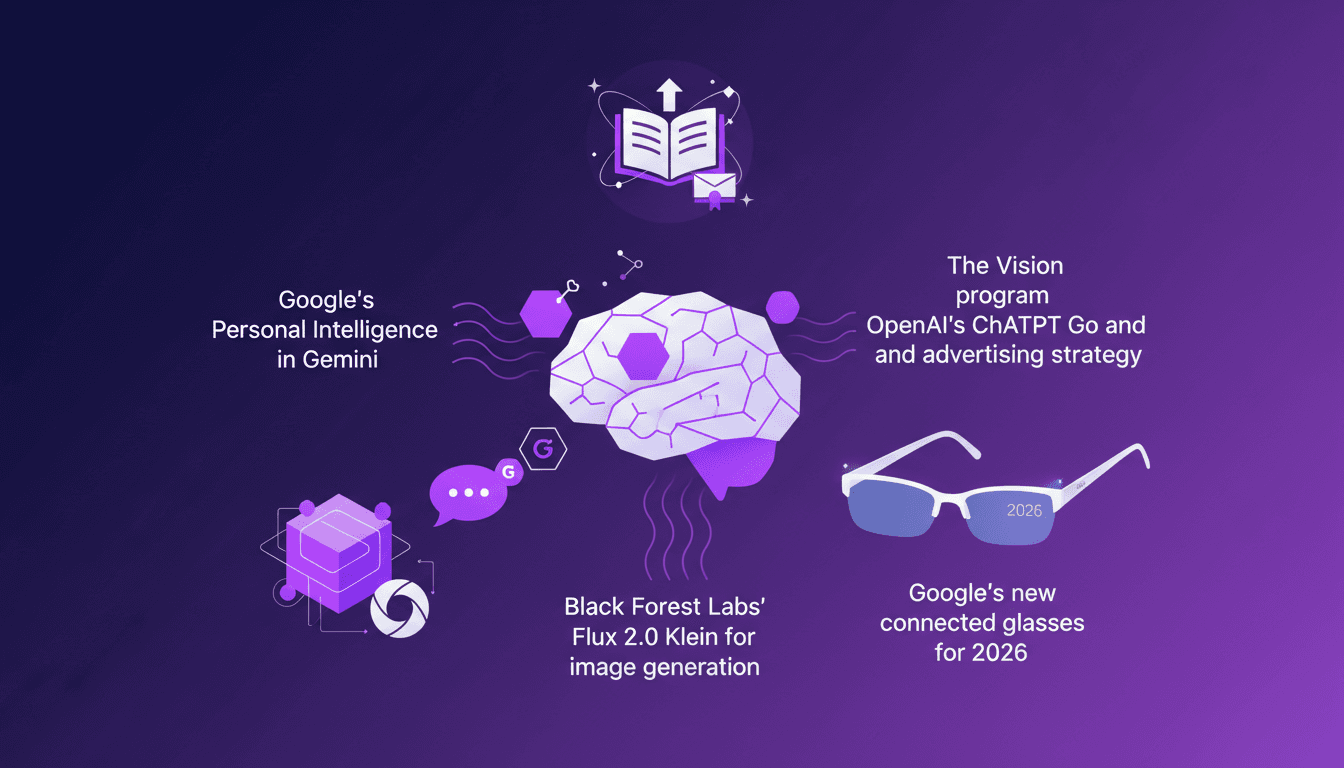
I've been knee-deep in AI development for years, and Google's latest moves are making waves. Their announcement of Personal Intelligence with Gemini is big news. But before we get carried away, let's set things straight. I've learned the hard way that not everything that glitters is gold. Take the new connected glasses slated for 2026; they promise a lot, but what about their real impact? And what about Google's Vision program for education? What intrigues me is how this translates into real-world applications. I connect the dots between technology and its real impact, and I'm here to help you sift through what's hype and what's going to genuinely change our everyday lives.
Google Gemini: Personal Intelligence in Action
Diving into Google Gemini's personal intelligence was like opening a door to the future. It's not just a buzzword; it's about anticipating user needs before they're even expressed. Intriguing, right? But setting up Gemini requires a deep understanding of user data, and that's where privacy concerns leap to the forefront.
First, you configure user profiles, then integrate Gemini with existing systems. The promise? A stunning efficiency with response times under 0.5 seconds. But make no mistake, there are trade-offs: balancing personalization with data security is key. It's fantastic but potentially risky.
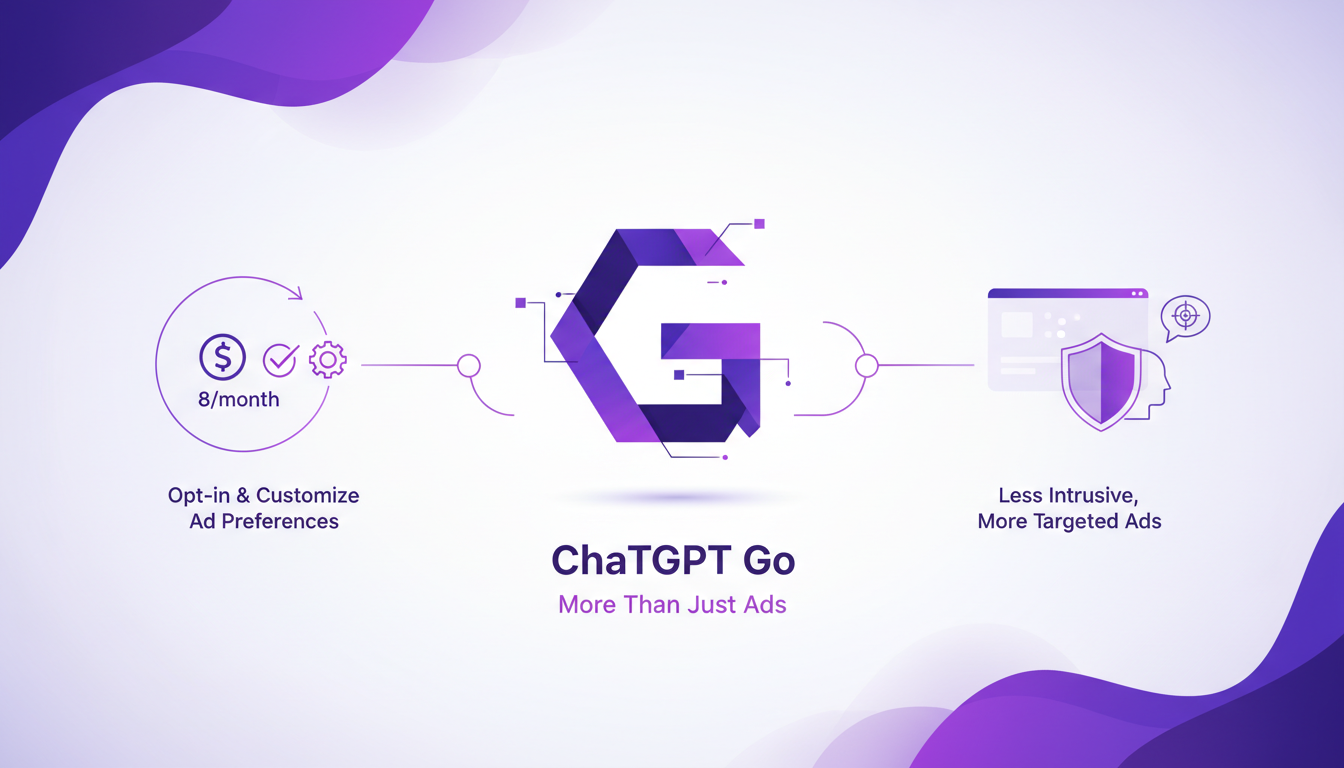
OpenAI's Chat GPT Go: More Than Just Ads
Now, let's talk about OpenAI and its Chat GPT Go. Their $8/month advertising strategy in the US is a real game changer. First, you opt in, then customize your ad preferences. I tested it, and the ads are less intrusive but much more targeted. But watch out for subscription fatigue; not everyone wants another monthly bill.
The impact on AI interaction is tangible: responses are more context-aware. But like all good things, there's a caveat.
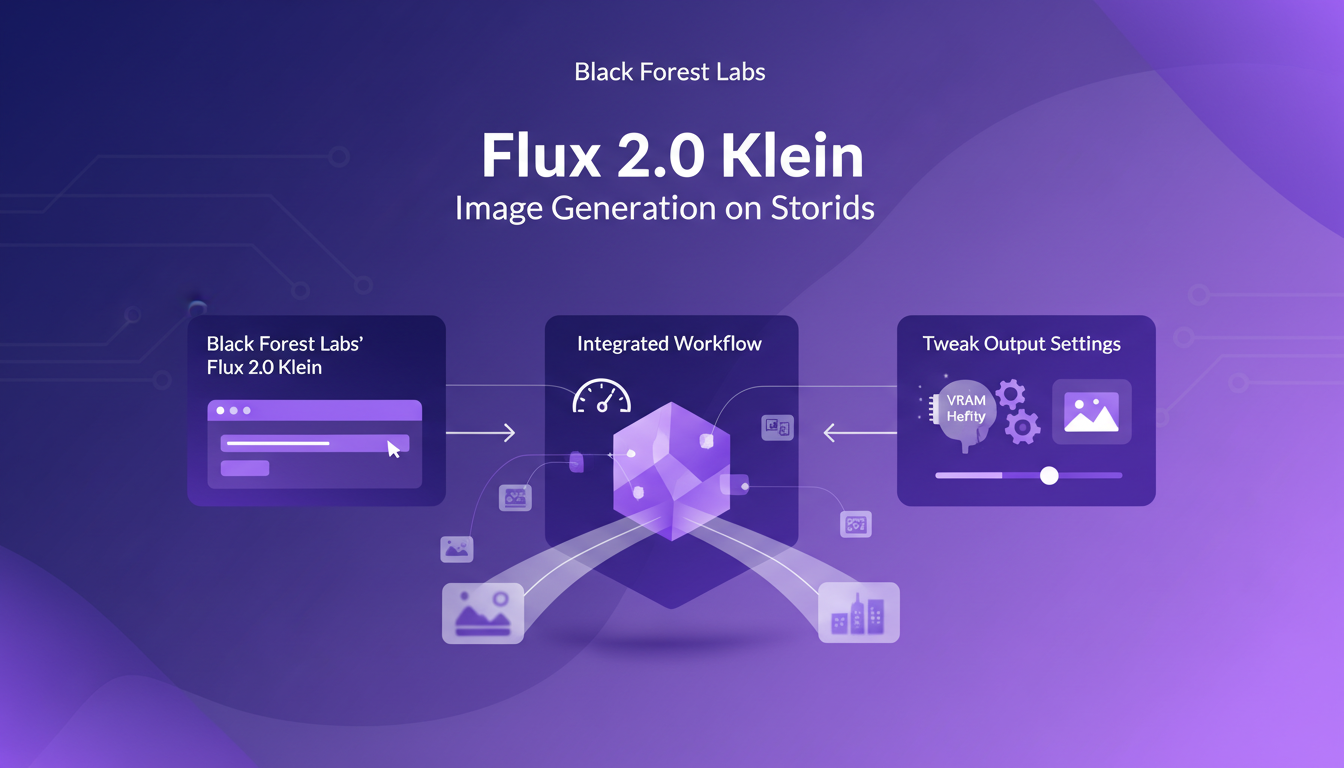
Flux 2.0 Klein: Image Generation on Steroids
Moving on to Flux 2.0 Klein by Black Forest Labs. This is text-to-image generation on steroids. I integrated it into my workflow, and the speed is impressive, but beware, VRAM usage is hefty.
First, set up your prompts, then tweak output settings. Efficiency is there: images generated in seconds. But watch out for VRAM limits. Again, it's a juggling act between quality and resource consumption.
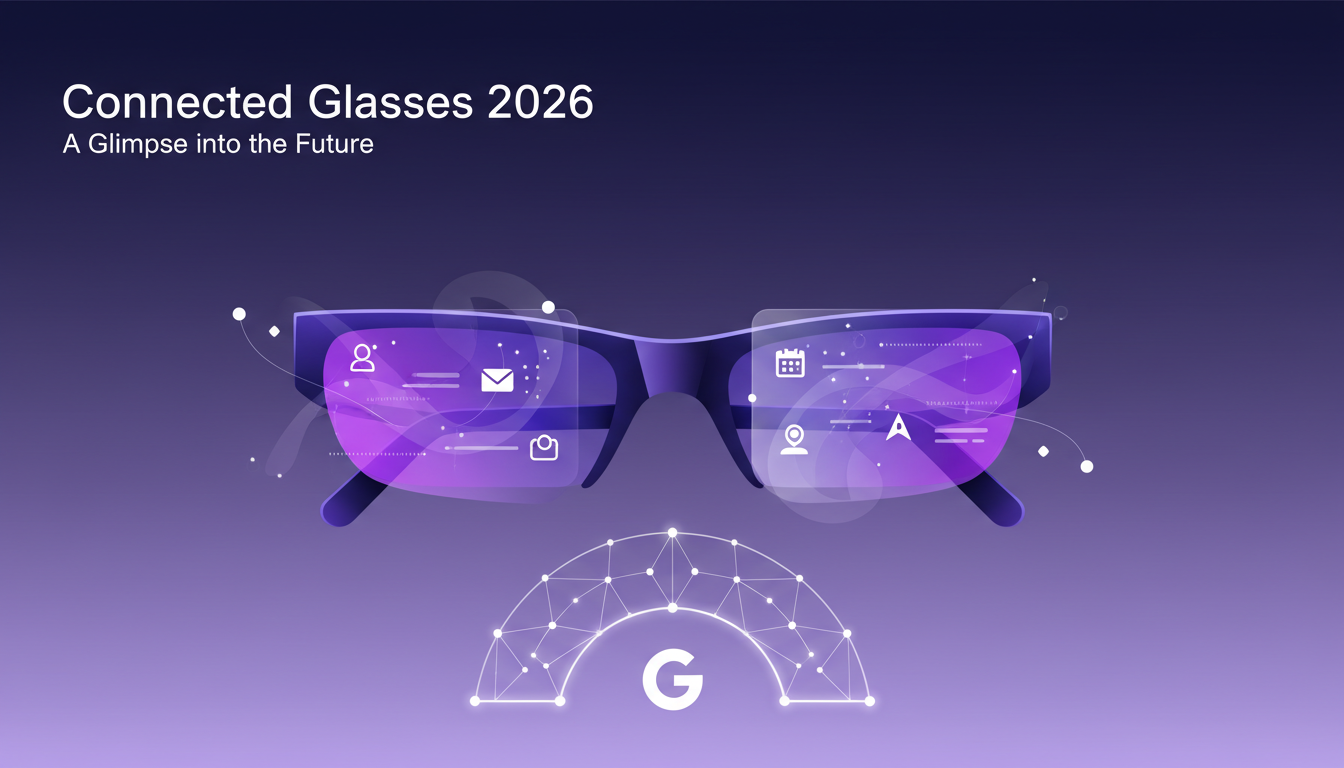
Connected Glasses 2026: A Glimpse into the Future
Google's back in the game with its Connected Glasses for 2026. More than just eyewear, they integrate XR technology. I got a sneak peek, and the excitement is real, but the practical use is still in question.
First impressions: integration with daily tasks could be seamless. Challenges remain: battery life and user interface need refinement. If Google gets it right, these glasses could redefine mobile computing.
The Vision Program: Educational Revolution or Not?
Finally, the Vision Program promises to revolutionize learning with AI. I explored its offerings and customized learning paths are a highlight. First, assess learning needs, then apply AI tools for tailored education.
Efficiency is undeniable: less time spent on irrelevant content. But watch out, reliance on technology for education is a concern.
- Google Gemini: response in under 0.5 seconds, but mind data privacy.
- Chat GPT Go: $8 subscriptions, better-targeted ads, but potential subscription fatigue.
- Flux 2.0 Klein: fast image generation, but heavy on VRAM.
- Connected Glasses: huge potential, but technological challenges ahead.
- Vision Program: personalized learning, but technology dependence.
Diving into these new technologies, I've found tools that are real game changers, but with some caveats to watch for. First up, Google's Personal Intelligence in Gemini learns from us in under 0.5 seconds, but data privacy is a big consideration. Then, OpenAI's Chat GPT Go is bold with its $8/month subscription in the US since January 14th, but the freemium model can hit limits for some users. Moving to Black Forest Labs' Flux 2.0 Klein, it generates fascinating images, yet precision heavily depends on input quality. Finally, Google's new connected glasses slated for 2026 promise full immersion, but we're still waiting on details about ergonomics and durability.
Looking forward, these technologies are weaving more into our daily lives, and experimenting is key to finding what truly optimizes our workflow. Dive into these innovations, test them, and see what fits best. For a deeper dive, check out the full video and let's discuss the practical implications of these tools. Watch the video here.
Frequently Asked Questions

Thibault Le Balier
Co-fondateur & CTO
Coming from the tech startup ecosystem, Thibault has developed expertise in AI solution architecture that he now puts at the service of large companies (Atos, BNP Paribas, beta.gouv). He works on two axes: mastering AI deployments (local LLMs, MCP security) and optimizing inference costs (offloading, compression, token management).
Related Articles
Discover more articles on similar topics
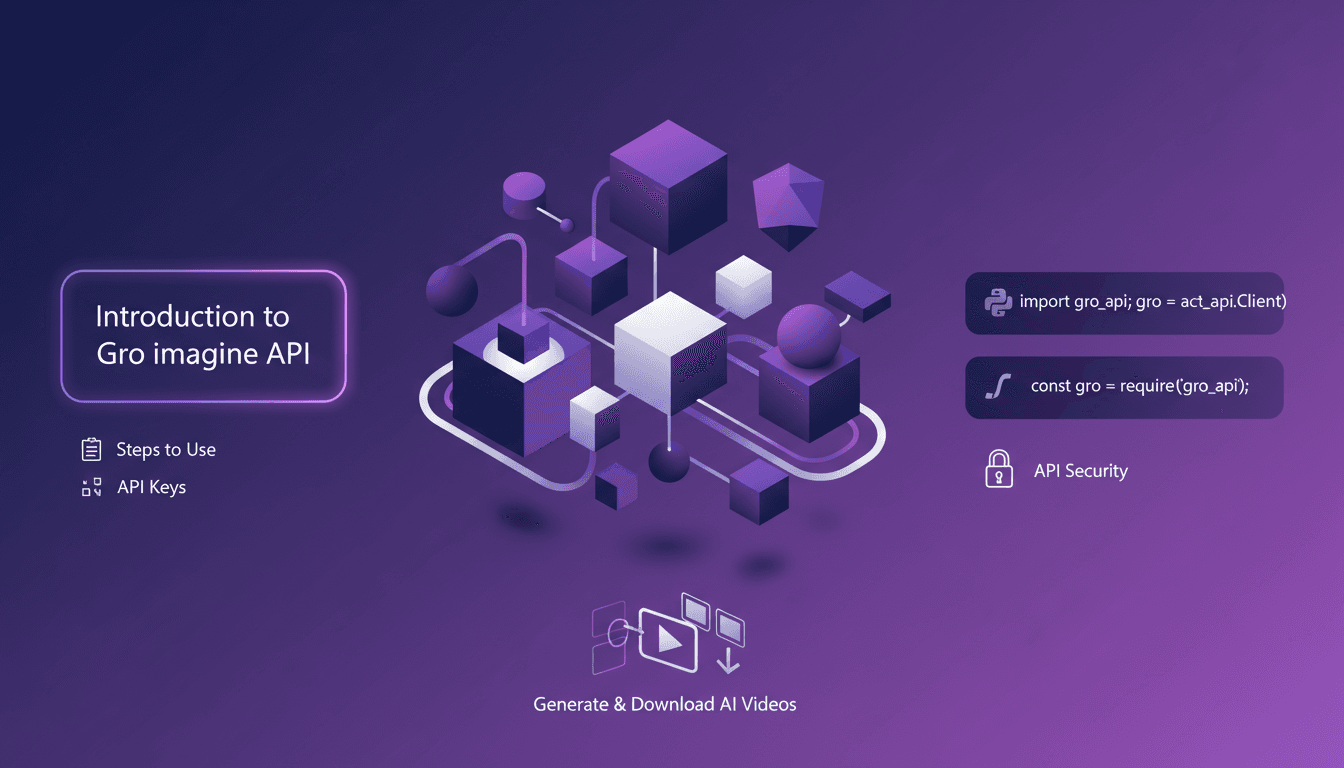
Gro Imagine API: Use Effectively
I dove straight into the Gro Imagine API and found it surprisingly straightforward once I got my hands dirty. This API turns text into video, and it’s truly a game changer. But watch out for the quirks: over 15 seconds and you're in trouble. Let me walk you through how I set it up, step by step, with Python and JavaScript snippets for interaction. Securing your API keys is essential, and I’ll guide you on generating and downloading your AI-generated videos without a hitch.
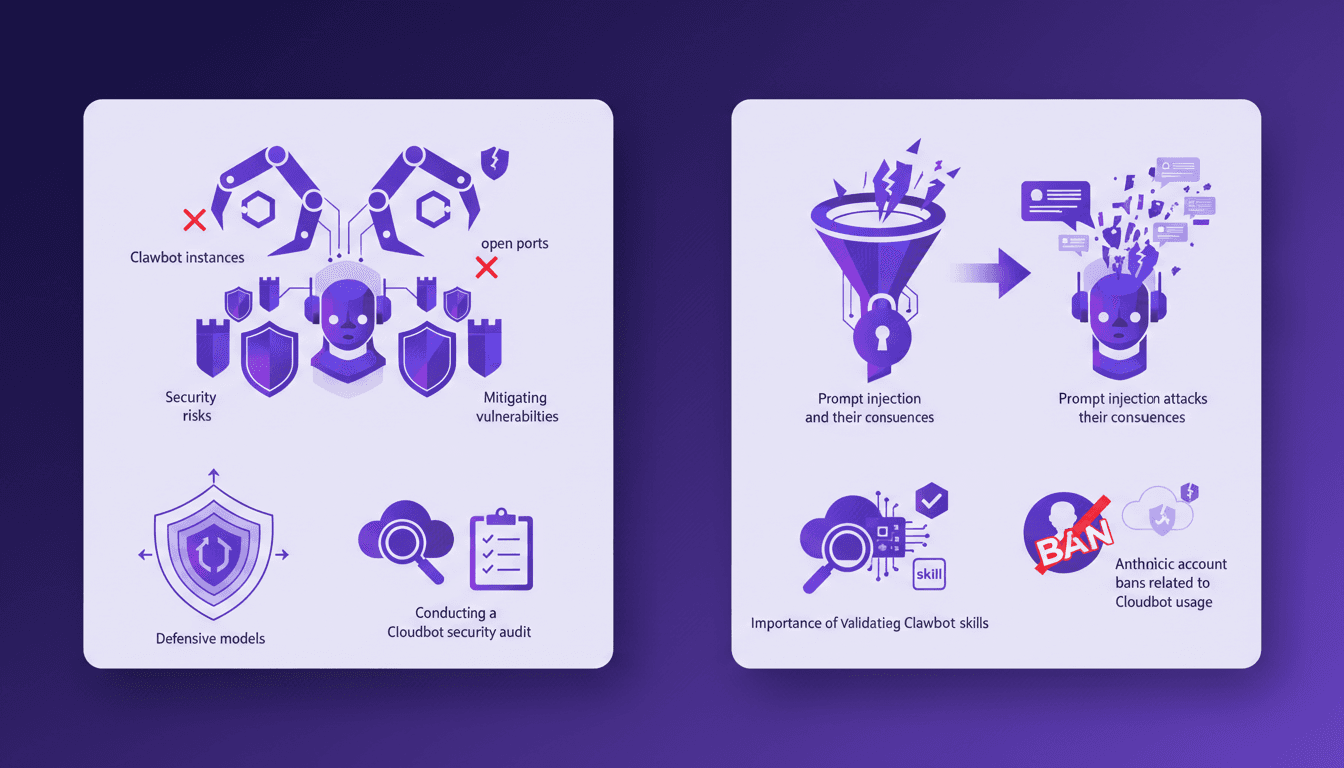
Securing Clawbot: Protect Your Open Ports
I've been there—staring at a Clawbot instance with ports wide open, feeling the chill of potential security breaches. So, how did I secure my setup and avoid costly mistakes? Let's dive into Clawbot vulnerabilities, from prompt injections to weak skill validations. First, I shut those darn open ports. Then, I beef up skill validations to prevent Clawbot from doing things it shouldn't. But watch out for prompt injection attacks—they're sneaky and Anthropic isn't shy about banning accounts. I share my steps to audit your Clawbot system's security and protect your digital assets efficiently.
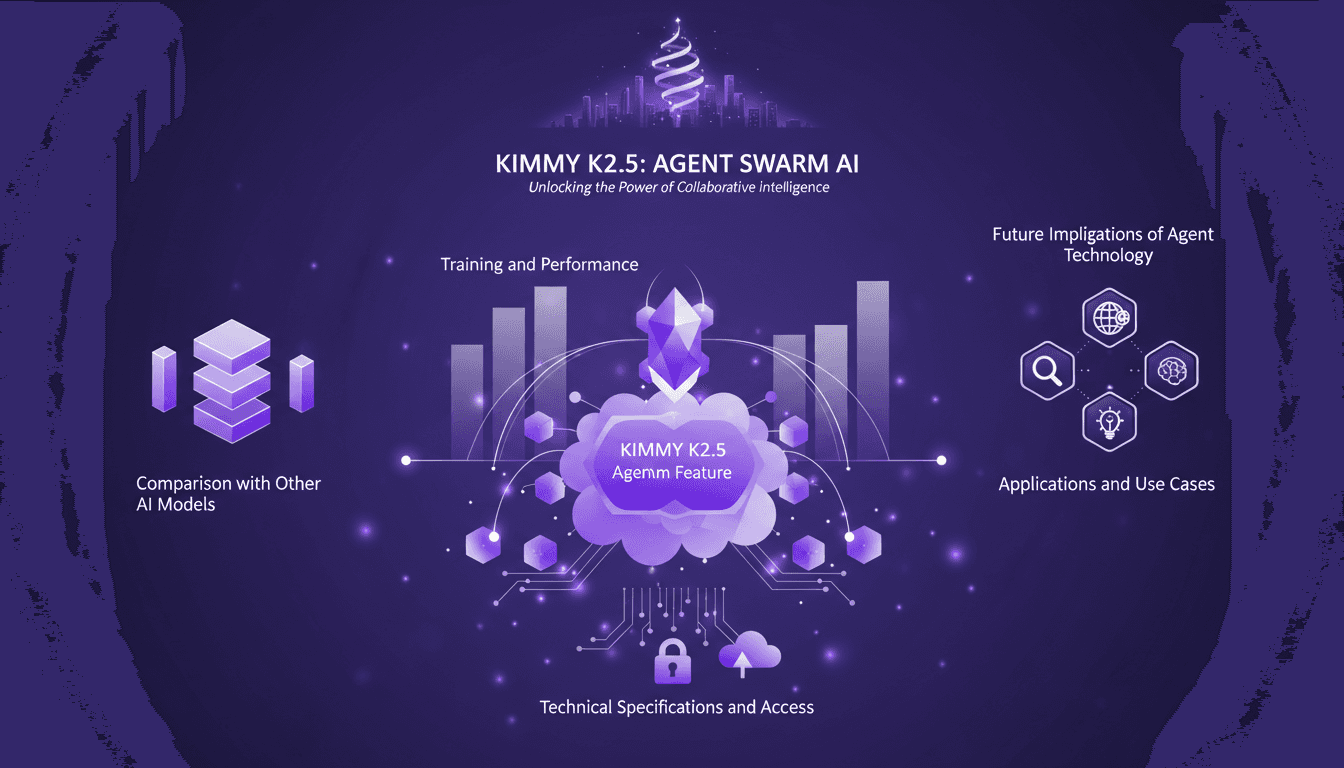
Kimmy K2.5: Mastering the Agent Swarm
I remember the first time I dove into the Kimmy K2.5 model. It was like stepping into a new AI era, where the Agent Swarm feature promised to revolutionize parallel task handling. I've spent countless hours tweaking, testing, and pushing this model to its limits. Let me tell you, if you know how to leverage it, it's a game-changer. With 15 trillion tokens and the ability to manage 500 coordinated steps, it's an undisputed champion. But watch out, there are pitfalls. Let me walk you through harnessing this powerful tool, its applications, and future implications.
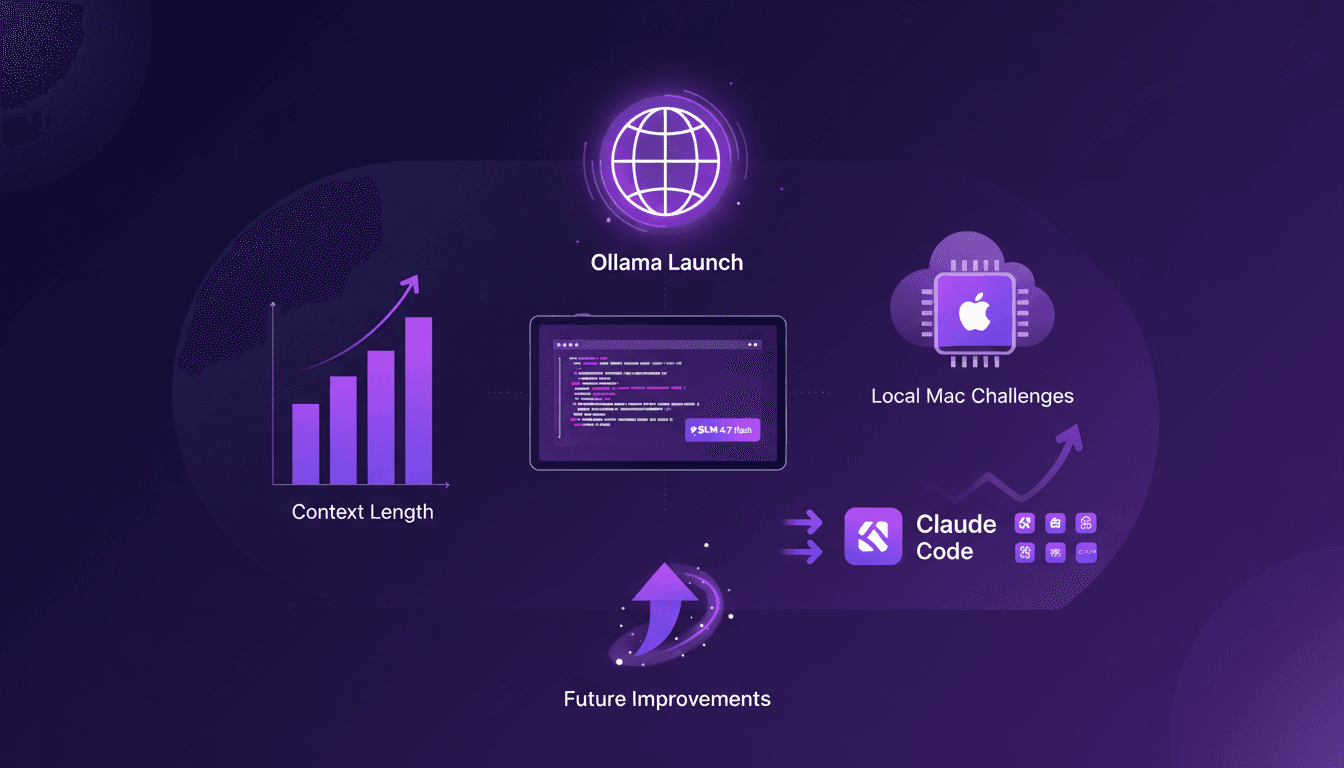
Ollama Launch: Tackling Mac Challenges
I remember the first time I fired up Ollama Launch on my Mac. It was like opening a new toolbox, gleaming with tools I was eager to try out. But the real question is how these models actually perform. In this article, we'll dive into Ollama Launch features, put the GLM 4.7 flash model through its paces, and see how Claude Code stacks up. We'll also tackle the challenges of running these models locally on a Mac and discuss potential improvements. If you've ever tried running a 30-billion parameter model with a 64K context length, you know what I'm talking about. So, ready to tackle the challenge?
Clone Any Voice for Free: Qwen TTS Revolutionizes
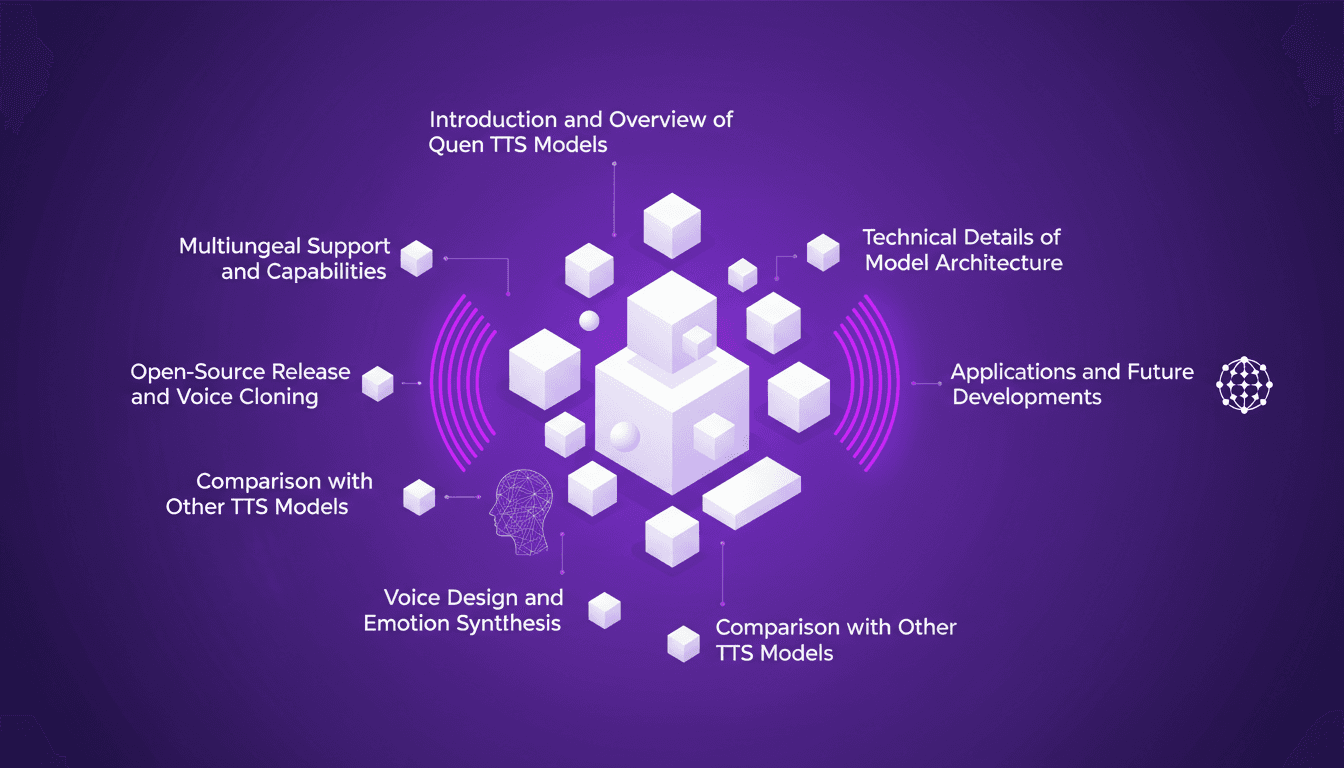
I remember the first time I cloned a voice with Qwen TTS—it was like stepping into the future. Imagine having such a powerful tool, and it's open source, right at your fingertips. This isn't just theory; it's about real-world application today. Last June, Qwen announced their TTS models, and by September, the Quen 3 TTS Flash with multilingual support was ready. For anyone interested in voice cloning and multilingual speech generation, this is a true game changer. With models ranging from 0.6 billion to 1.7 billion parameters, the possibilities are vast. But watch out, there are technical limits to be mindful of. In this article, I'll guide you through multilingual capabilities, open-source release, and emotion synthesis. Get ready to explore how you can leverage this tech today.