AI Leadership: Prepare for the Future
When Eric Schmidt, the former CEO of Google, talks about AI's future, I pay attention. I've been in the trenches of tech leadership, and his insights on small teams and mentorship are game-changers. He emphasized that a 10-person team can revolutionize a project and understanding AI's energy needs is crucial. With 6,000 to 7,000 people already engaged in AI learning, now's the time to adapt. This interview dives into how leadership and innovation intersect, and why AI is both a challenge and an opportunity. Get ready to incorporate these insights into your tech strategy.
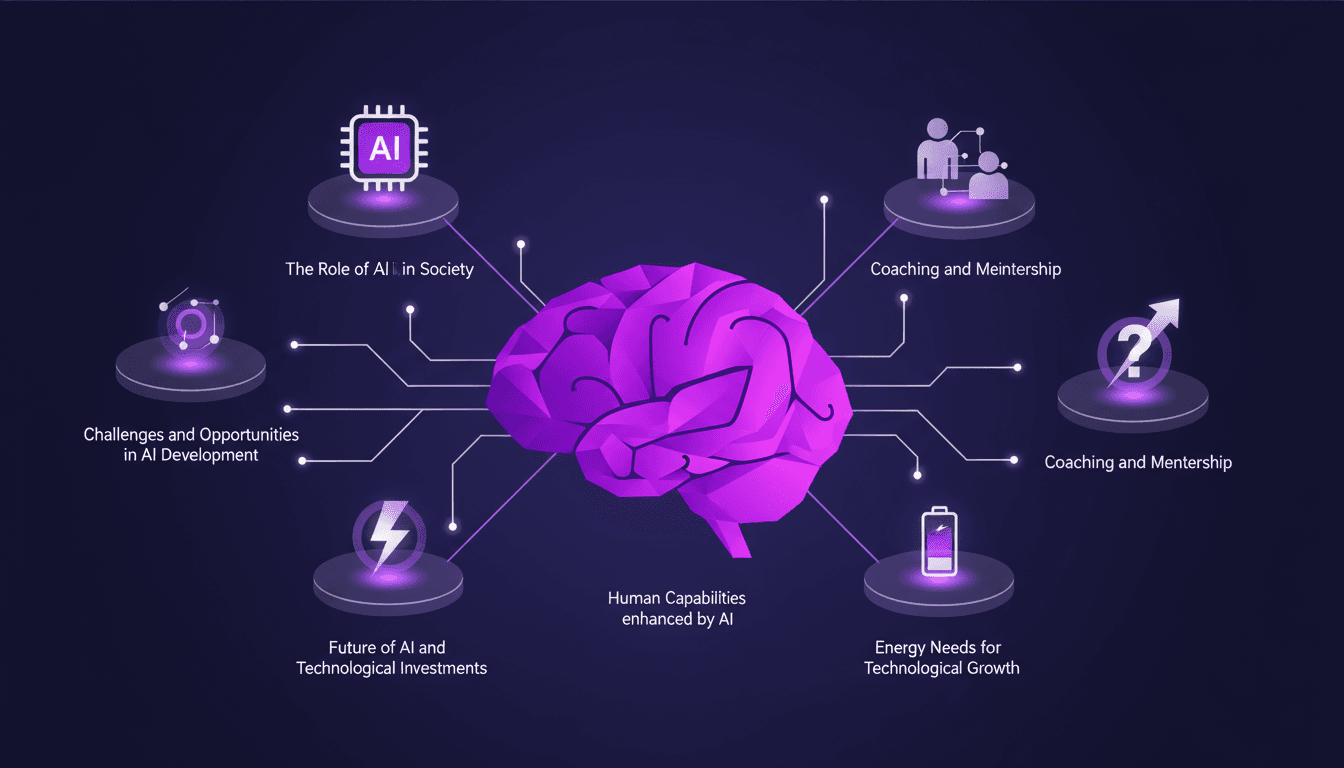
I've been in the trenches of tech leadership, and when Eric Schmidt, the former CEO of Google, talks about the future of AI, I listen closely. Why? Because he has a clear vision of how small teams and effective mentorship can transform the AI landscape. Picture this: a team of ten can change the game for a project. He also highlights a crucial point: understanding AI's energy requirements. It's not just about infrastructure; it's a strategic issue. With 6,000 to 7,000 people already engaged in AI learning programs, we can see the wave coming. In this interview, Schmidt also delves into the role of leadership and innovation. He urges us to see AI not just as a challenge, but as an opportunity. So, if you're ready to evolve your tech strategy, now's the time to listen and act.
Leading Small Teams for Big Innovations
Let's get straight to it: small teams, typically fewer than 10 people, are my go-to for driving innovative projects. Why? Because agility beats size. I've seen this proven time and time again. Take Miami, for instance. Under Mayor Francis Suarez's leadership, the city has become a tech hub. This success was built with small, dynamic teams. Innovation isn't about quantity; it's about quality and speed of execution.
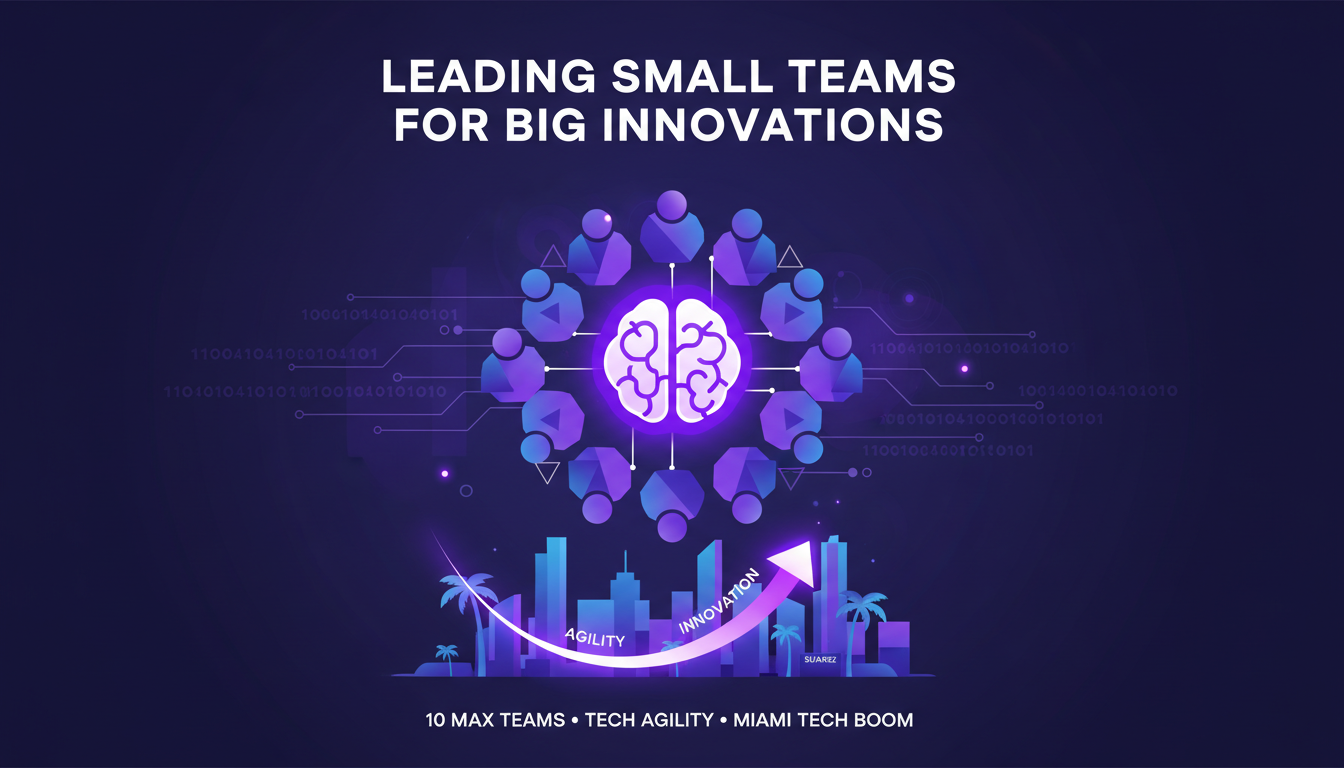
First, you need to set clear, actionable goals. This focuses efforts and prevents getting lost in abstract ideas. Innovation must juggle practical constraints. Sometimes, it's better to do less but better. A simple approach, yet often overlooked. But watch out: don't underestimate the resources required to turn an idea into reality.
AI's Potential: Risks and Opportunities
AI is a bit like playing with fire. On one side, it offers immense potential; on the other, it poses inherent risks. Understanding recursive self-improvement in AI is crucial. This is the idea that AIs can improve themselves exponentially. I've often seen how mishandling this capability can lead to unpredictable outcomes. It's vital to implement practical steps to mitigate these risks.
Eric Schmidt, former CEO of Google, has a clear vision of AI's role in society. He emphasizes balancing innovation with ethical considerations. This means developing algorithms that align human and technological values. It sounds obvious, but in practice, it's a significant challenge.
Coaching and Mentorship: Building Future Leaders
I've always believed that mentorship is a cornerstone of tech leadership. When I coach my teams, I often draw from Eric Schmidt's practical coaching techniques. He insists on the importance of managing a team rather than individuals. It's what I call the 1000 to 3 effect: three people are needed to invent something new, but a thousand to finish it.
Integrating coaching into corporate culture isn't always straightforward. It requires a mindset shift, but the results are worth it. With over 6000 people trained in AI programs, the impact is tangible. It's proof that mentorship can truly scale innovation.
Energy Needs for Technological Growth
An often underestimated aspect of AI development is its energy consumption. Energy efficiency is crucial for sustainable growth. I've frequently had to recalibrate my projects based on energy needs. And it's not always simple. Eric Schmidt highlights energy deficits in the tech sector, a problem I encounter regularly.
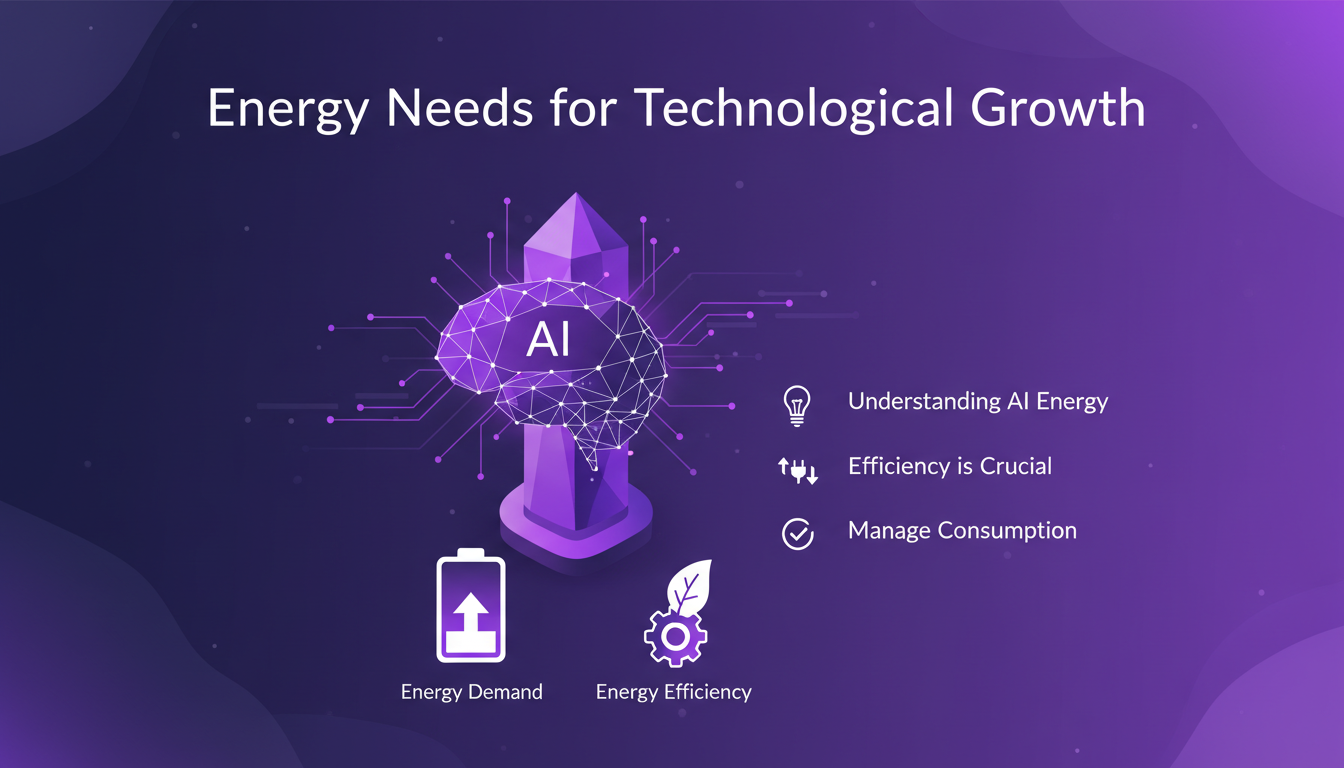
It's often quicker to manage energy consumption upfront rather than correct course once the project is underway. This requires meticulous planning and rigorous execution.
AI's Impact on Human Capabilities
Finally, AI has the potential to significantly enhance human capabilities. I see it in my daily workflows: automation frees up time for human creativity. But don't overuse it. You must always find the right balance between automation and creativity.
Eric Schmidt predicts that AI will transform job markets. Preparing for a future where AI and humans coexist harmoniously is both a challenge and an opportunity. And this is where the real challenge lies: preparing a workforce augmented by AI.
- Small teams foster quick and effective innovation.
- AI offers potential benefits but also significant risks.
- Mentorship is crucial for developing future leaders.
- Energy consumption must be managed for sustainable growth.
- AI can enhance human capabilities if used correctly.
From what I've gathered, Eric Schmidt provides a practical roadmap for leveraging AI while managing its risks. Here's what I took away:
- Small Teams: Keeping new projects to 10 people max boosts efficiency and creativity. It sounds simple, but we often get lost in the complexity of large teams.
- Targeted Mentorship: Coaching isn't optional, it's essential — it's a fundamental lever to capture and amplify innovation.
- Energy Efficiency: While we talk about growth, let's not forget the environmental impact. It's a balance I have to manage daily.
What excites me is that these strategies aren't just theoretical concepts but practical levers to navigate the future of AI. For me, it's a game changer, but watch out for pitfalls if we forget the human aspect.
Ready to implement these strategies? Start by reassessing your team's structure and energy usage today. To dive deeper, I highly recommend watching Eric Schmidt's full interview on YouTube. It's a goldmine for those ready to take action: Nouvelle interview CHOC de l'ex-PDG de Google.
Frequently Asked Questions

Thibault Le Balier
Co-fondateur & CTO
Coming from the tech startup ecosystem, Thibault has developed expertise in AI solution architecture that he now puts at the service of large companies (Atos, BNP Paribas, beta.gouv). He works on two axes: mastering AI deployments (local LLMs, MCP security) and optimizing inference costs (offloading, compression, token management).
Related Articles
Discover more articles on similar topics
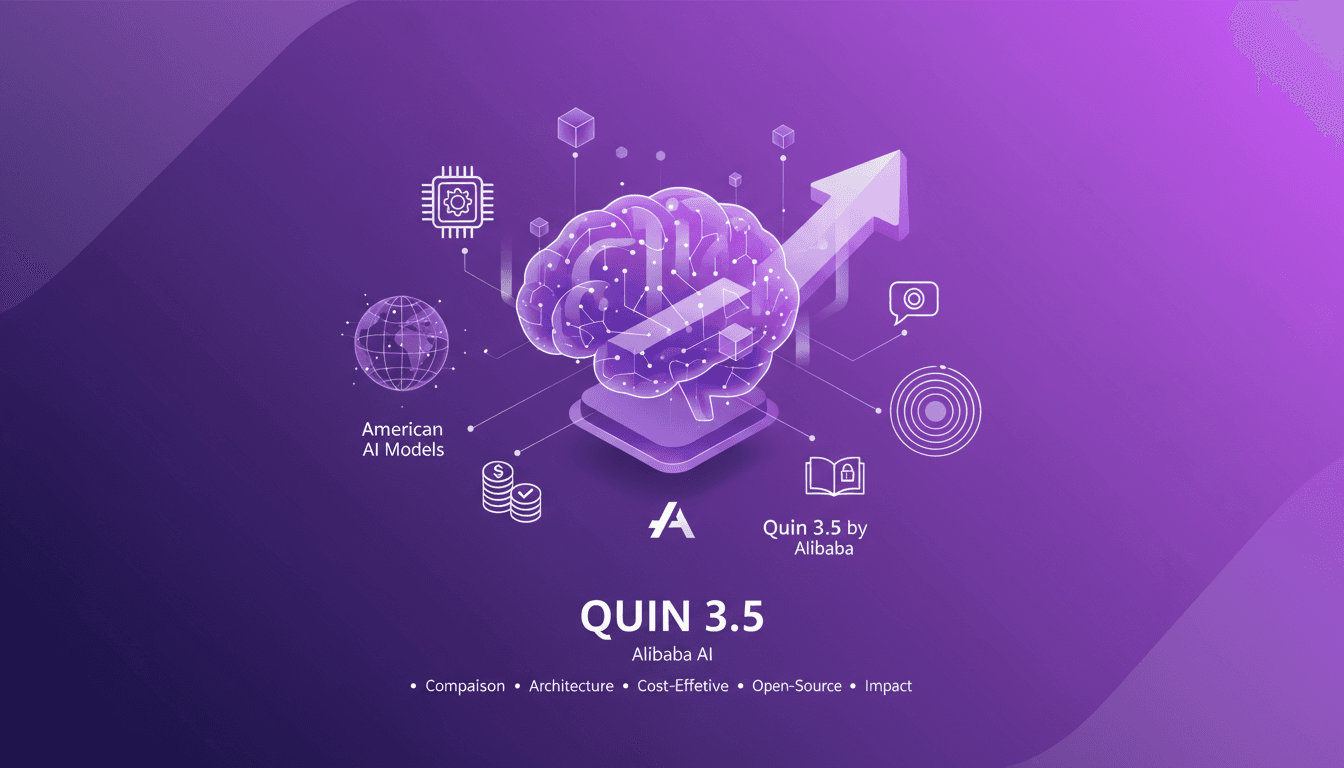
Quin 3.5: Cheaper and Better than GPT
I stumbled upon Quin 3.5 by Alibaba and, honestly, it blew my mind. Imagine an AI that's 17 times cheaper than GPT and outperforms it on multiple benchmarks. In the AI world, where cost and performance reign supreme, Quin 3.5 is changing the game. With 397 billion parameters, it offers efficiency and cost-effectiveness that its American counterparts struggle to match. We'll dive into its technical innovations, multimodal capabilities, and Quin 3.5's potential impact on the AI landscape. Intrigued? Let's explore how this technology might just shake things up.
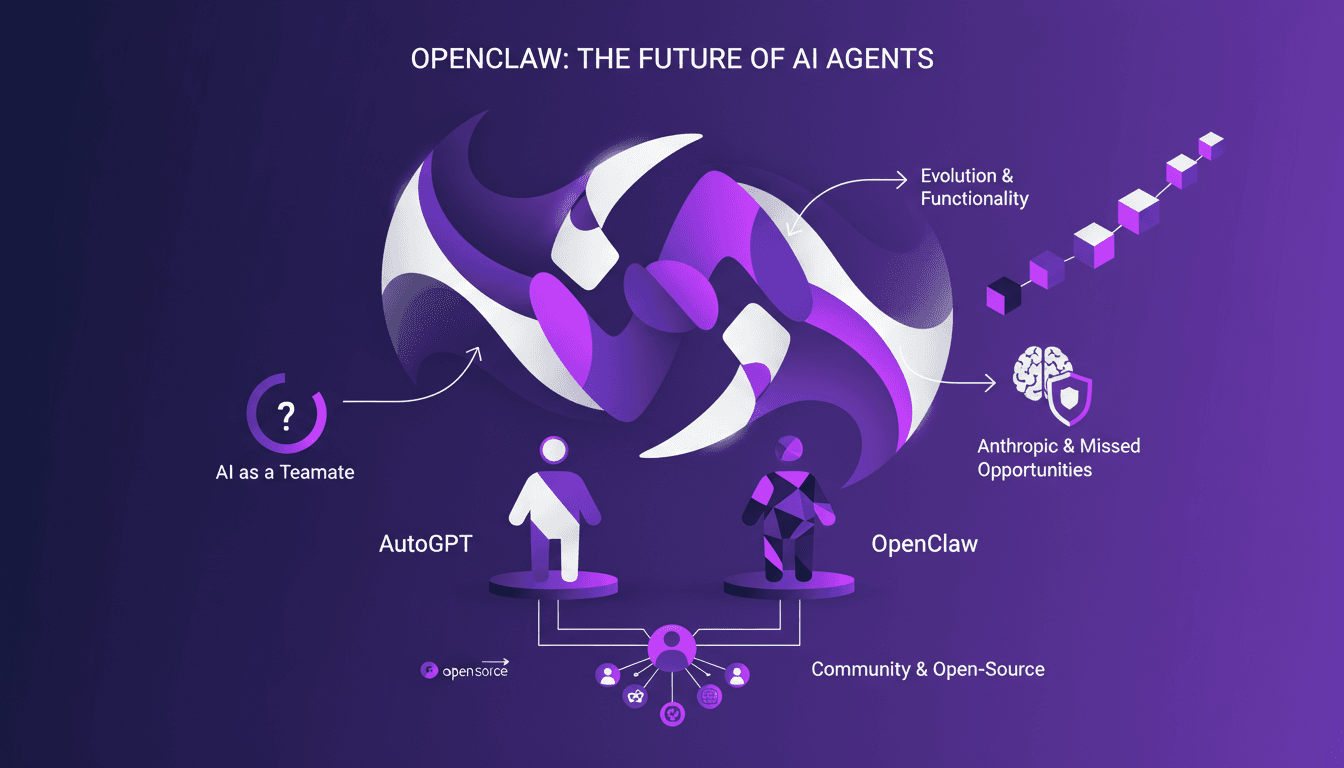
OpenAI Acquires OpenClaw: What It Means for AI
I was in the middle of orchestrating a multi-agent system when the news hit: OpenAI just bought OpenClaw. This isn't just another acquisition; it's a potential game changer for AI agents. OpenClaw, which evolved from Clawdbot to Moltbot, is set to redefine how we view AI as a teammate, not just a tool. With its persistent memory and sandbox environments, OpenClaw promises to transform our workflows. This acquisition could accelerate the integration of open-source AI agents and strengthen community collaboration. Let's dive into the details of what might be a pivotal moment for the future of AI agents.
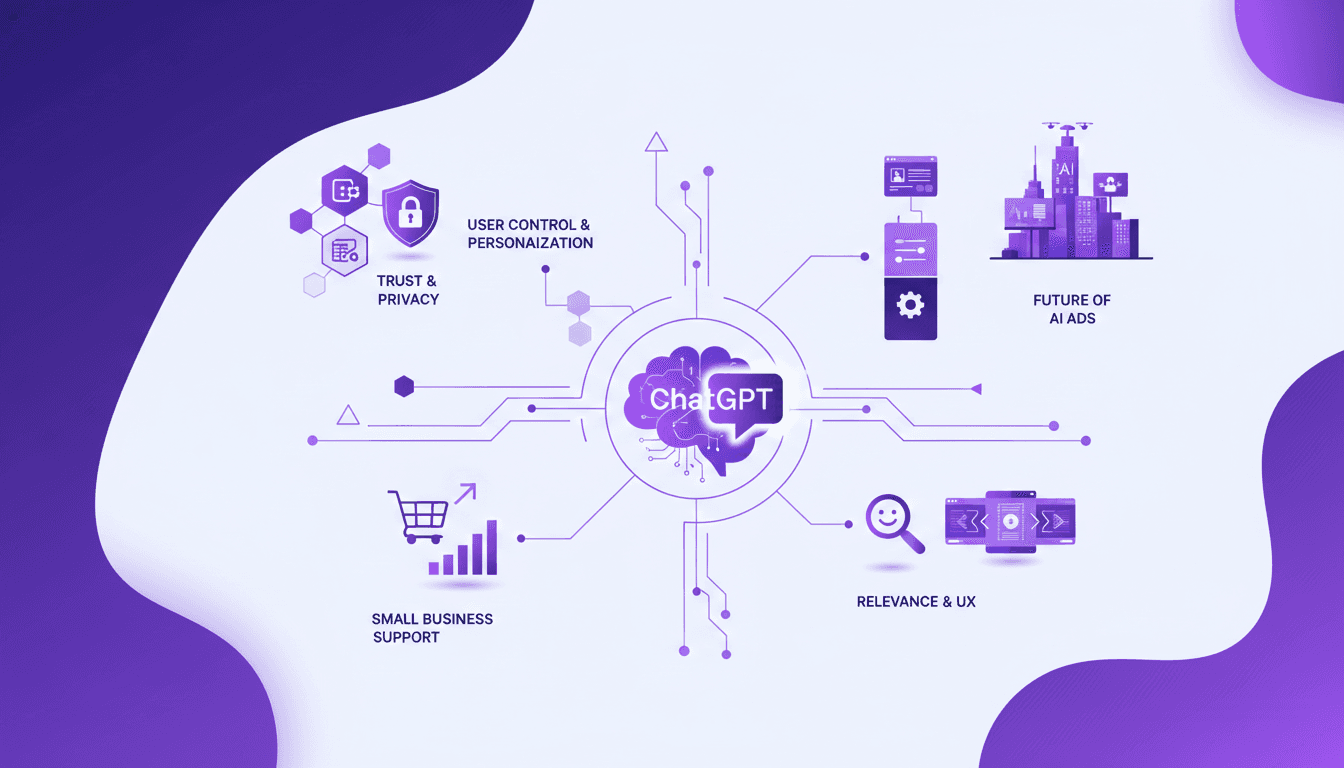
Ads in ChatGPT: Design and Impact
I remember when ads in ChatGPT were just a sketch on a page. Fast forward, and it's our daily reality. As a practitioner, I've been in the trenches, balancing user trust with ad efficiency. In this episode, I'm pulling back the curtain on the nuts and bolts of ad integration: from principles of trust and privacy to what this really means for users and businesses. We're talking everything from user-tier differentiation to the future of AI-driven ads. And heads up—this isn't abstract theory; it's what truly works on the ground. Let's dive into how these innovations are reshaping our relationship with online advertising.
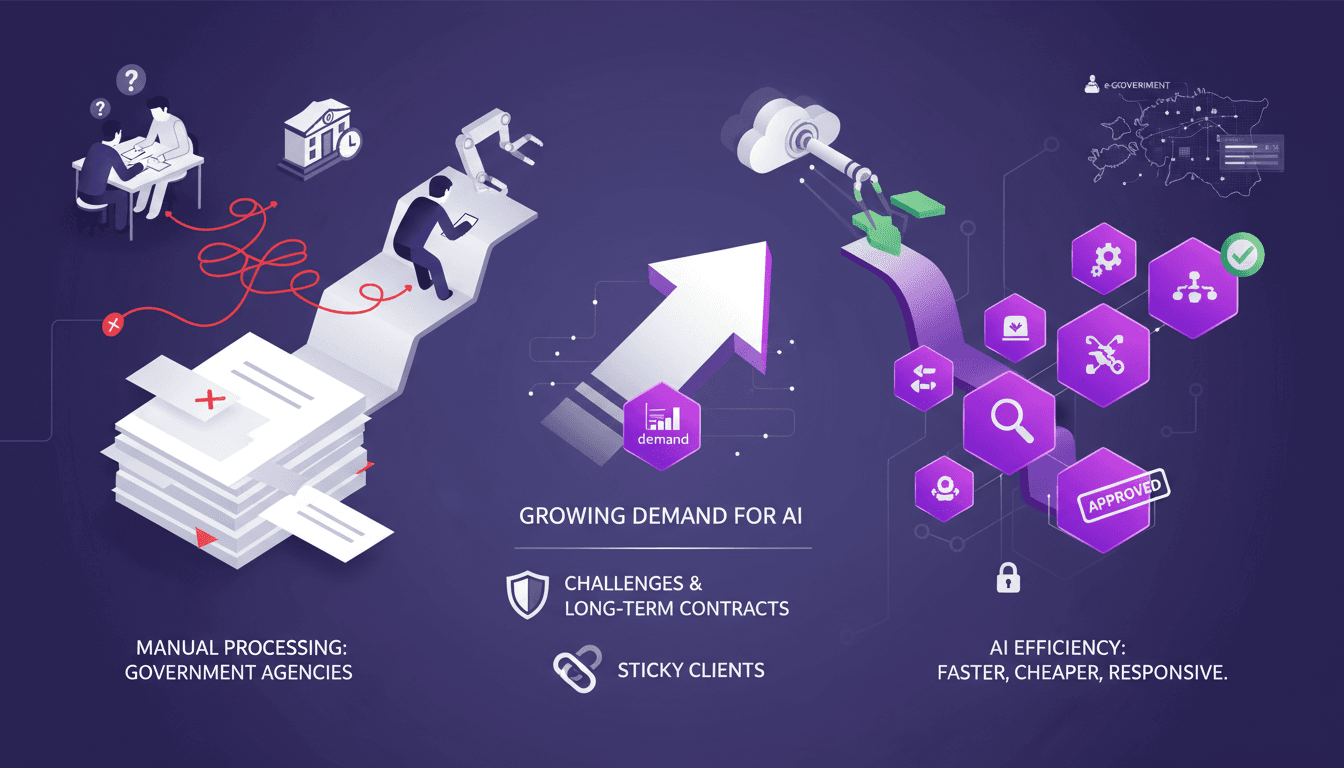
AI Efficiency in Government Processes
I remember the first time I saw AI transform a government form process. It was like watching a slow-moving train suddenly leap onto a high-speed rail. First, I connect the dots between AI and administrative forms, saving enormous time and cutting costs while improving accuracy. But watch out, selling AI to governments isn't without its challenges. Between inspiring examples like Estonia and long-term government contracts, there's much to learn to ensure AI isn't just another empty promise. I'll guide you through the real solutions I've piloted and how they've directly impacted the speed and accuracy of administrative processes.
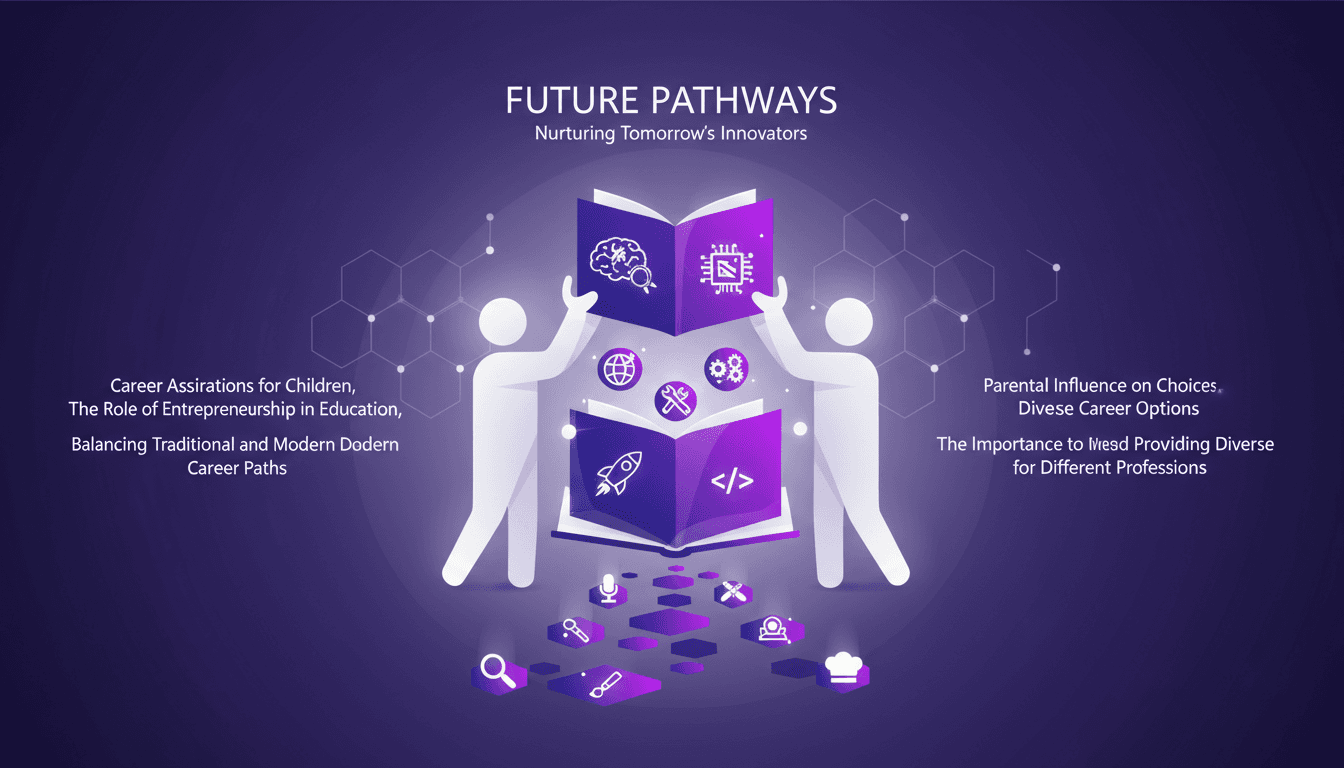
Raising Entrepreneurs: Suan's Practical Guide
I never thought I'd be juggling a stethoscope and a spreadsheet, but that's exactly where I am today. As a doctor turned entrepreneur, I'm showing my sons the richness of diverse career paths. Instead of sticking to the traditional route, I want them to see the world as their playground. In this interview, I share how I incorporate entrepreneurship into their education while respecting every profession. I talk about the importance of showing them different career options and how this can shape their aspirations. Come and discover how I ensure they're not just following a set path, but creating their own road.