Quin 3.5: Cheaper and Better than GPT
I stumbled upon Quin 3.5 by Alibaba and, honestly, it blew my mind. Imagine an AI that's 17 times cheaper than GPT and outperforms it on multiple benchmarks. In the AI world, where cost and performance reign supreme, Quin 3.5 is changing the game. With 397 billion parameters, it offers efficiency and cost-effectiveness that its American counterparts struggle to match. We'll dive into its technical innovations, multimodal capabilities, and Quin 3.5's potential impact on the AI landscape. Intrigued? Let's explore how this technology might just shake things up.

I stumbled across Quin 3.5 by Alibaba almost by accident, and let me tell you, it was an eye-opener. Picture an AI that's 17 times cheaper than GPT and outperforms it on several benchmarks. Yes, you heard that right, 17 times cheaper! In a field where cost and performance are everything, Quin 3.5 is redefining the rules. With its 397 billion parameters, it delivers efficiency and cost-effectiveness that its American counterparts struggle to match. I've dug into its innovative technical architecture, multimodal capabilities, and the implications of its open-source licensing. And watch out—this isn't just about numbers; it's a potential game-changer for the AI industry. So, how might this technology reshape the current landscape? We're about to find out together.
Introducing Quin 3.5: A New Contender
Let's talk numbers first: Quin 3.5 boasts a staggering 397 billion parameters. Yes, you read that right. This model, released by Alibaba, claims to outperform American models like GPT and Claude on 80% of evaluated benchmarks. For those of us keeping a close eye on AI evolution, that's quite impressive, though I can already hear the skepticism: "Another model claiming to revolutionize everything." However, the figure that truly excites me is the 17-fold cost reduction compared to its competitors.
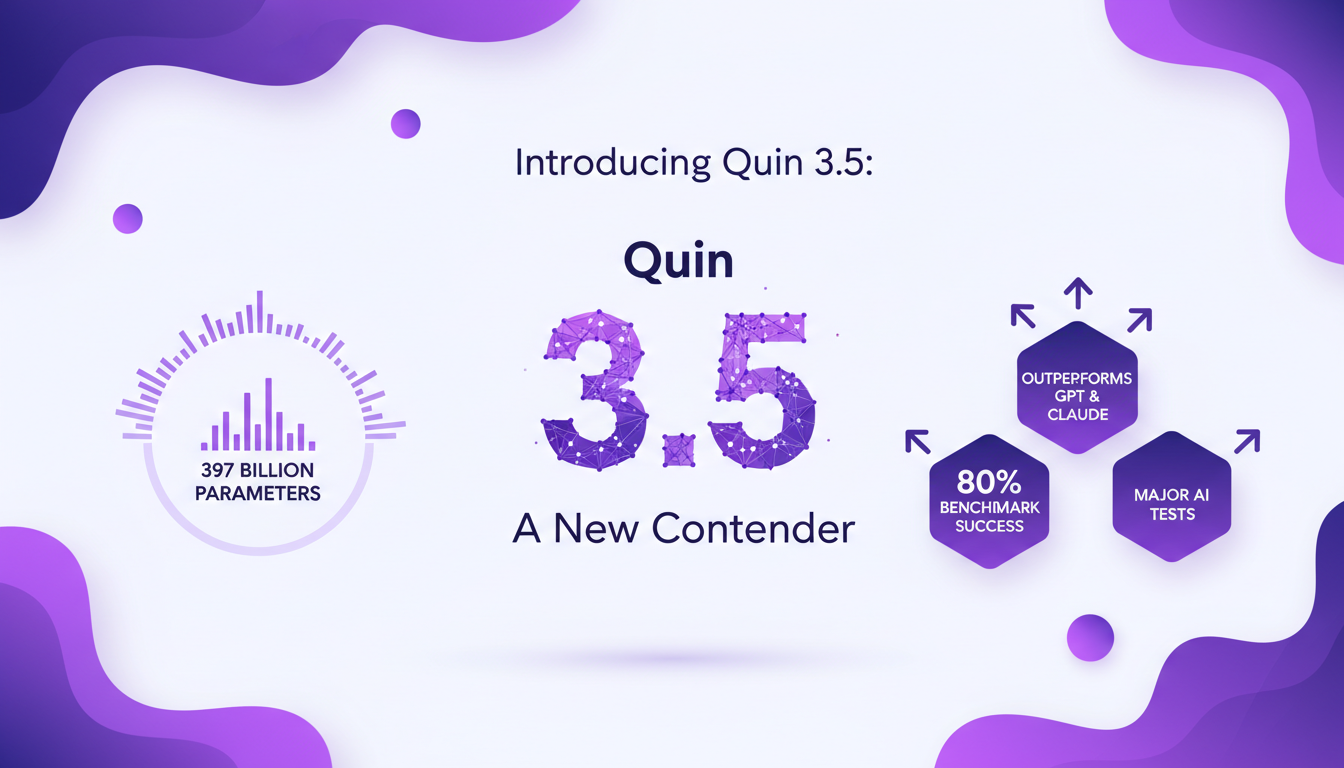
Quin 3.5 isn't just about size. It's designed to be a specialized model, not a universal champion. With 397 billion parameters, it activates only 17 billion per token, which means it’s remarkably efficient.
Technical Architecture: Gated Delta Networks
Now, about the tech. Quin 3.5's core relies on a Gated Delta Networks architecture, replacing classical attention in 75% of cases. In practice, this means the computational cost increases linearly, unlike traditional architectures where it explodes quadratically. In AI jargon, this is called a Mixture of Experts (MoE) architecture, with up to 512 experts as per press notes.
This architecture not only boosts performance but also reduces costs. But beware, it’s not all sunshine and rainbows. Implementing this complexity can sometimes pose scalability issues.
Cost-Effectiveness: A Game-Changer
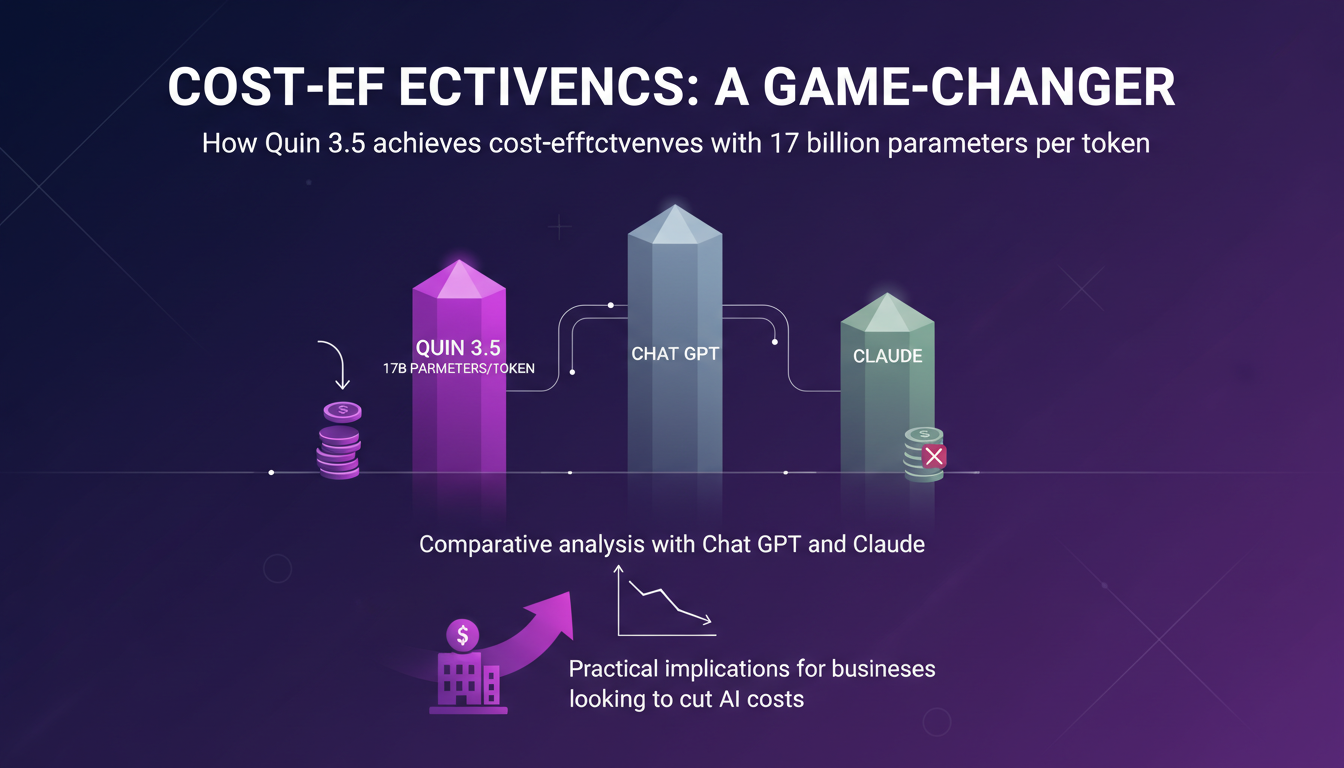
What's striking about Quin 3.5 is its cost-effectiveness. Imagine: 17 billion parameters per token, making it 10 to 17 times cheaper than Cloud or Chat GPT. For businesses, this translates to significant savings, especially for those deploying AI at scale. But don't be fooled, just because it's cheaper doesn't mean it should be adopted blindly.
Multimodal Capabilities and Language Support
Another asset of Quin 3.5 is its multimodal capability. It handles text, images, and even video. With support for 2011 languages and dialects, it goes far beyond the previous generation's 119 languages. This versatility is crucial for global applications, but watch out for linguistic and cultural nuances. I've seen AIs trip over this before.
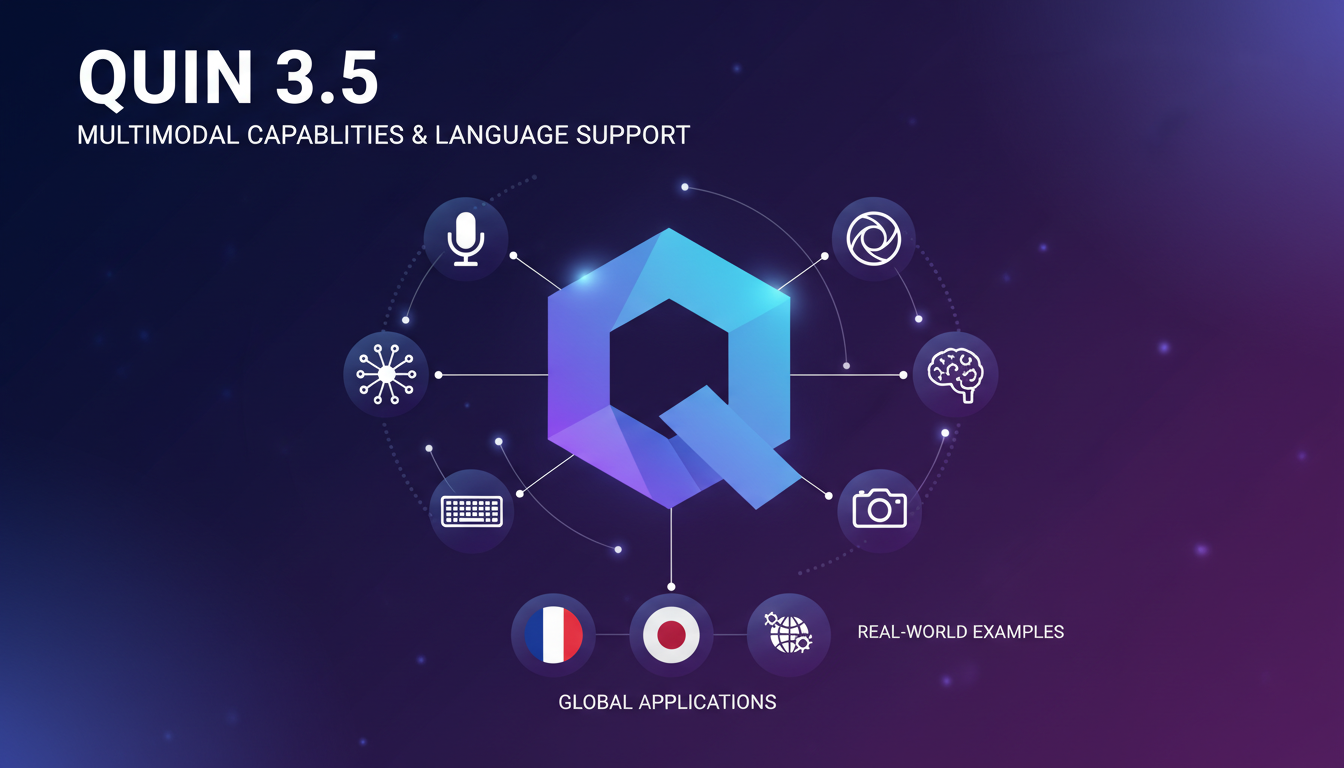
Practically speaking, I've observed that Quin 3.5 reduces the necessary tokens by 15 to 40% depending on the language, speeding up responses and cutting costs.
Open-Source Licensing and Industry Impact
Finally, the Quin 3.5 model is open source, which changes the game for developers. Against proprietary models, it offers an interesting alternative. That said, it's not a model to adopt lightly, especially if you're not ready to handle the challenges of open source.
Alibaba's strategy with this model could well redefine the AI landscape. With such open access, we could see new innovations and applications emerge that were previously limited by the barriers of proprietary models.
In conclusion, Quin 3.5, with its 397 billion parameters and innovative architecture, is not just another model. It's a powerful tool that, if used correctly, can offer cutting-edge performance at a reduced cost. But, as always in technology, you need to know where you're stepping.
Quin 3.5 isn't just another AI model; it's a true disruptor. With its 397 billion parameters, it outclasses American alternatives in capability and costs 17 times less than GPT or Claude. I've explored its advanced architecture and efficiency firsthand, and it's a game changer, but watch out for the trade-offs: integrating and tailoring it to your needs might take some effort.
- Cost: 17 times cheaper, that's a big deal.
- Capacity: 397 billion parameters, that's massive.
- Open-source: Real flexibility for developers.
If you're looking to leverage cutting-edge AI without breaking the bank, Quin 3.5 deserves a closer look. Dive into the details, test it out, and see how it can transform your AI strategy. For a deeper understanding, I highly recommend checking out the original video: This Chinese AI is 17x cheaper than GPT and Claude... and it BEATS them?.
Frequently Asked Questions

Thibault Le Balier
Co-fondateur & CTO
Coming from the tech startup ecosystem, Thibault has developed expertise in AI solution architecture that he now puts at the service of large companies (Atos, BNP Paribas, beta.gouv). He works on two axes: mastering AI deployments (local LLMs, MCP security) and optimizing inference costs (offloading, compression, token management).
Related Articles
Discover more articles on similar topics
XAI's Ambitious Solar and AI Plans
I was at the XAI 2026 conference, and let me tell you, Elon Musk didn't hold back. From solar energy capture to AI advancements, it was a glimpse into the future. I'm connecting the dots on how we're going to tackle these ambitious plans. XAI, amidst its strategic restructuring, is pushing the boundaries of AI and energy. We're talking astronomical computing power, reorganizing around major application domains, and integrating AI models into our daily lives. Not to mention Xonnaie, potentially revolutionizing monetary transactions. Let's dive into this world-shaking conference.
Google's Data Collection: What You Don't Know
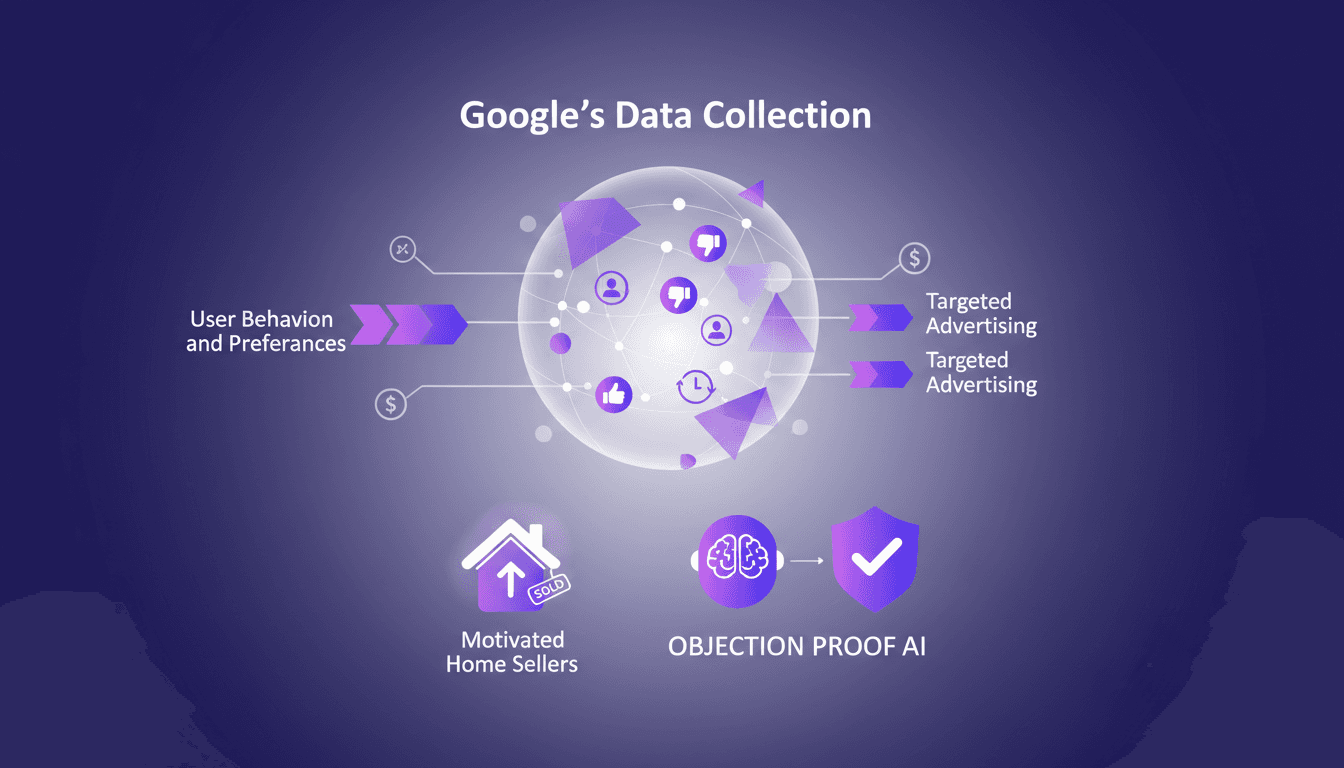
I remember the first time I truly grasped how much Google knew about me. I was setting up a marketing campaign and the targeting options were eerily precise. It was like having a secret marketing assistant who knew my clients better than I did. Google doesn't just track your search history. It's a complex web of user behavior, preferences, and more. Are you leveraging this in your strategies yet? Let's dive into how Google collects and uses this data to fuel its advertising machine, and how you can take advantage of it.
Building a Niche App to $9K MRR: Strategies & Tools
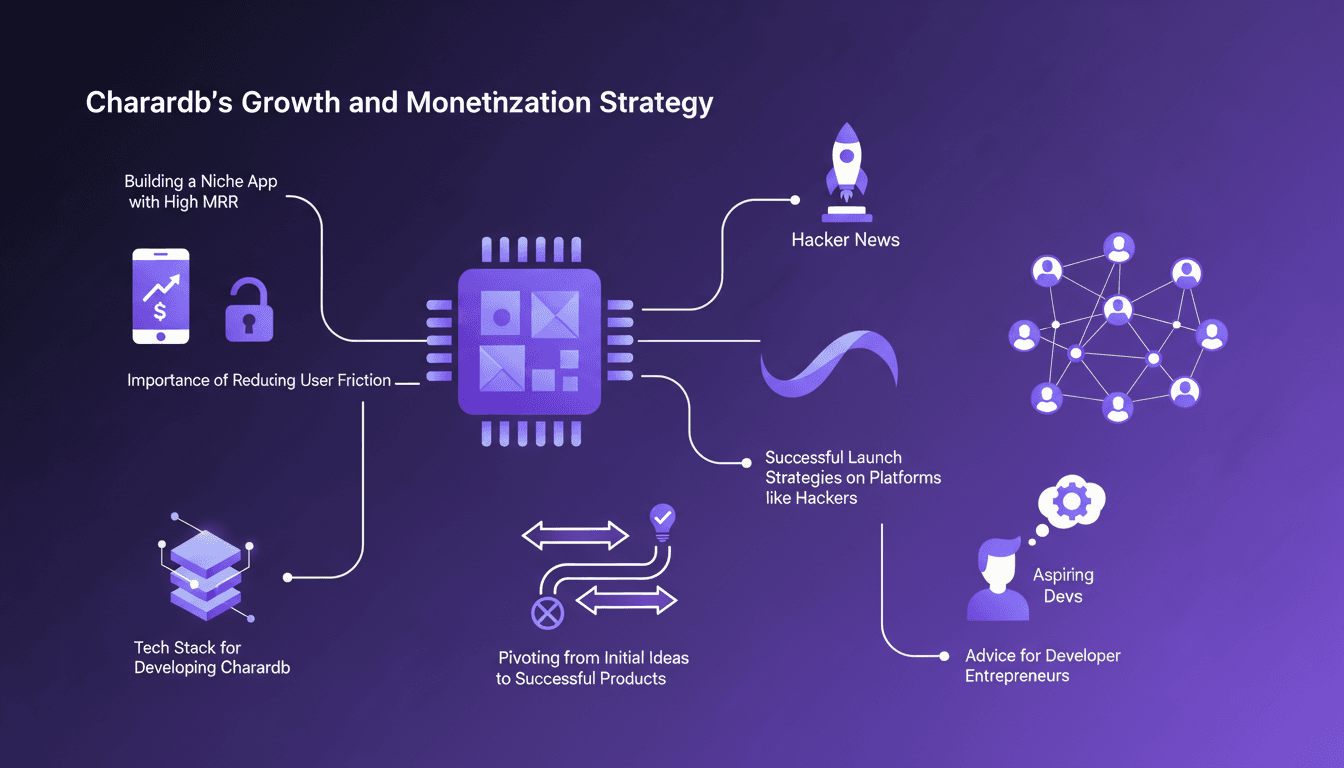
I built Charardb, a niche app that hit $9K MRR. No small feat—and here's how I navigated the challenges, leveraged platforms like Hacker News, and orchestrated a tech stack that scales. In a world flooded with apps, standing out and hitting significant MRR is more than just luck. Charardb isn't a fluke; it's the result of well-thought-out strategies and precise technical execution. I'll share how I reduced user friction, optimized the launch, and pivoted from initial ideas to transform a concept into a tangible success.
Launching a Clothing Brand on the Spot
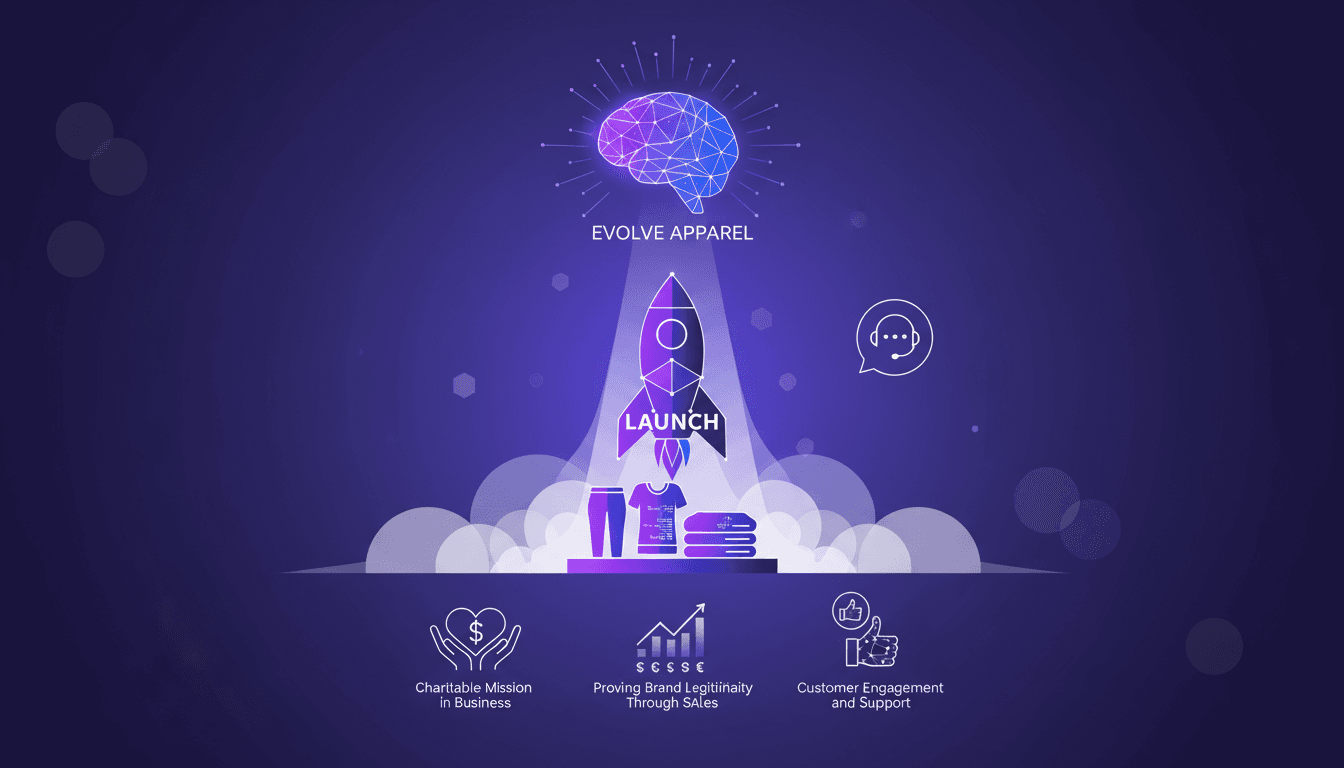
Launching a clothing brand out of thin air feels like catching smoke with your bare hands, right? But that's exactly what we did, and I'm going to show you how. In an interview setting, we took a wild bet to turn a dream into a reality with a clothing brand carrying a charitable mission. Picture this: buy a tank top to fund a gym membership for someone in need. We orchestrated everything, from choosing the brand name to proving legitimacy through sales. Between athletic trends and customer engagement, we explored innovative business models. I'm telling you everything, no holds barred.

Becoming a Famous Artist: Strategies and Challenges
I remember the first time someone called me an 'artist'. Back then, it was all about the joy of creation, not fame or money. But as I stepped deeper into the art world, I realized that making a living required more than just passion—I needed a solid plan. If you've got the talent and the drive but are looking for real steps to turn your artistic dreams into reality, let's dive in. I'll break down the journey from heart to fame, covering strategies and challenges. We'll discuss how to build a supportive fan base, why acknowledging your own talent is key, and which strategies can truly elevate your visibility.