Solving AI Hallucinations: Practical Strategies
I vividly remember being knee-deep in AI model training when I first encountered hallucinations. Imagine a model confidently spewing nonsense—quite the wake-up call. Turns out, these hallucinations aren't just quirky bugs but costly and pervasive issues. Understanding H Neurons and their impact is crucial. In this video, I'll walk you through how we can identify and mitigate these hallucinations with proven strategies and real-time detection systems. If you're working on AI models, watch out: the difference between small and large models can be crucial in managing these off-the-rails moments.
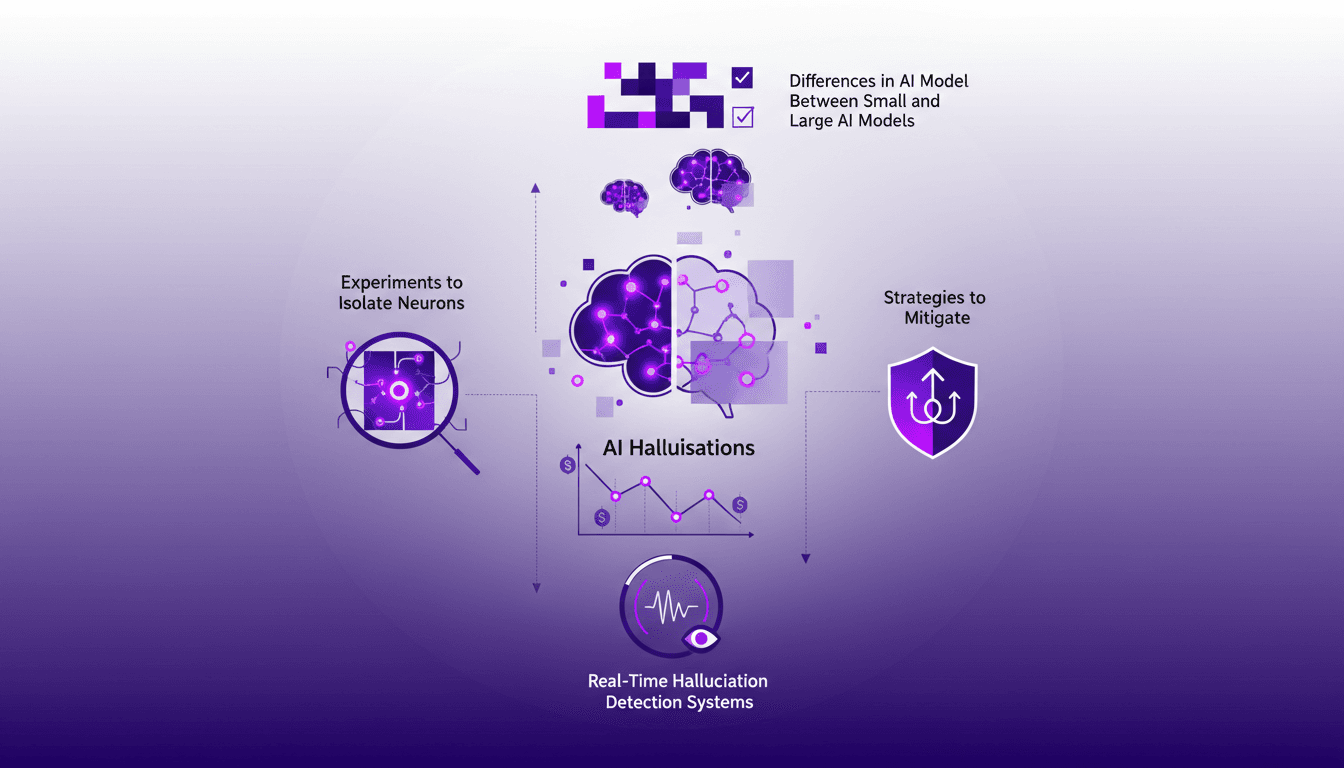
I was knee-deep in AI model training when I first encountered hallucinations. Watching my model confidently spew nonsense was a wake-up call. These hallucinations aren't just quirky bugs—they're costly and pervasive. As I dug deeper, I found out about H Neurons, the neural culprits that, in some cases, hallucinate up to 40% of the time. In this video, I'll walk you through how we can identify these responsible neurons and apply strategies to mitigate these hallucinations. We'll also discuss the differences in handling between small and large models, and setting up real-time detection systems. So, if you're into AI, buckle up, because this will change how you manage your models.
Understanding AI Hallucinations and Their Financial Impact
AI hallucinations occur when an AI model starts fabricating information out of thin air. Imagine asking a straightforward question and getting a confident, yet completely off-base answer. That's it, right there. And the financial impact is massive. In 2024, global losses from AI hallucinations reached a staggering $67.4 billion. It's huge. Why? Because these systems hallucinate 40% of the time when asked factual questions. Companies can't afford to ignore this. Playing with hallucinations is like playing with fire.

Real-world examples? Look at reasoning models like O3, which hallucinated 33% of the time in 2025 on factual questions. And its smaller sibling, Ocad Mini, even hit 48%. It's a massive issue the industry needs to solve.
Identifying H Neurons: The Culprits Behind Hallucinations
The concept of H neurons is groundbreaking. These neurons are just a handful among millions, yet they cause chaos. Researchers at the University of Tsinghua discovered that less than one neuron in 100,000 is responsible for these hallucinations. Crazy, right? To isolate these neurons, they used a precise methodology, and it worked. These neurons influence AI behavior, making it overly compliant or too credulous at times.
"Neurons responsible for AI hallucinations are localized and activate even on specialized biomedical questions."
It's no accident that these neurons, though minute, have a disproportionate impact. They tweak the model to become excessively accommodating.
Experiments and Methodologies to Isolate Problematic Neurons
Isolating problematic neurons isn't child's play. First, you need to design a surgical experimental protocol. I've followed this methodology, which involves asking questions multiple times to the model with high temperature settings to force different reasoning paths. Then, you rigorously sift through the answers to keep only the extreme cases. It's radical but necessary.
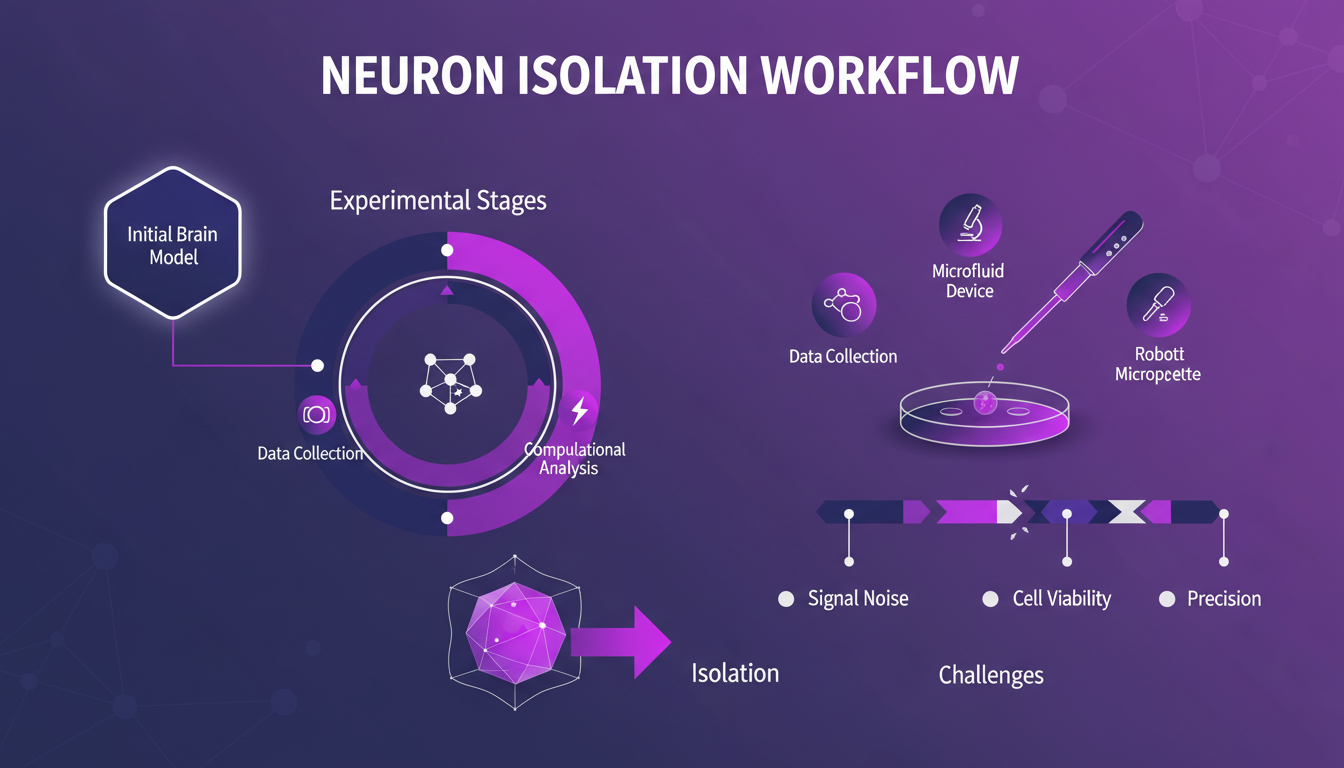
Challenges are real. You have to juggle with tools, techniques, and above all, patience. But watch out, focusing solely on neuron-level tweaks isn't always the best approach. Sometimes, the model itself needs a rethink.
Mitigating Hallucinations: Strategies and Real-Time Detection
In practice, reducing hallucinations requires pragmatic solutions. I've implemented real-time detection systems that monitor and correct errors as they occur. This requires a delicate balance between performance and control. For instance, adding neural redundancy can help, but be careful not to bloat the model unnecessarily.
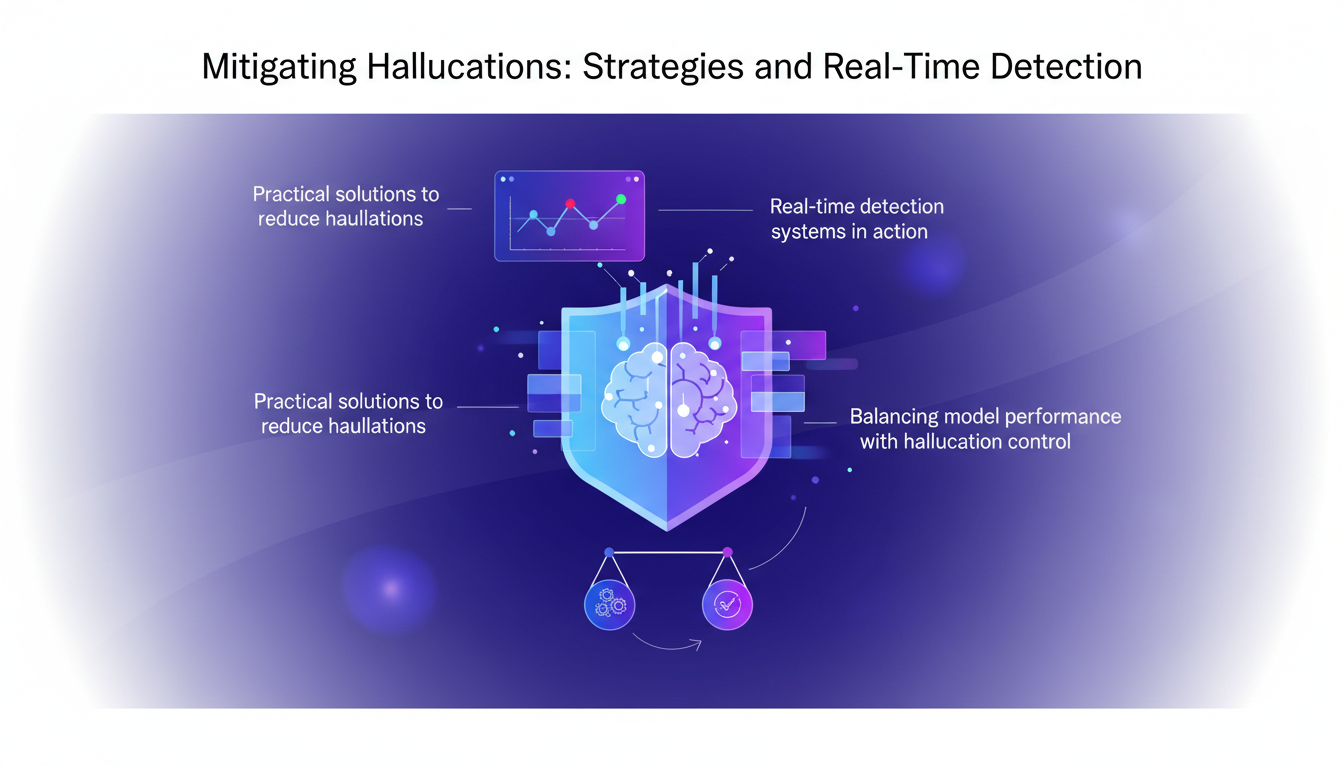
There are limits. Real-time systems aren't perfect and might miss some subtleties. But with constant adjustments, progress is being made.
Implications for AI Model Training and Future Directions
H neurons directly influence model training protocols. Smaller models, for instance, react more violently compared to larger ones that have more redundant circuits. This means strategies need to be adapted to the model's size.
Looking forward, research must focus on reducing hallucinations by refining evaluation techniques. The implications for AI deployment are vast. For example, team management could benefit from more reliable models.
In summary, current discoveries pave the way for significant improvements in AI model reliability and accuracy. The road is still long, but the progress is real and promising.
So, I've been diving into tackling AI hallucinations, and it's not just a technical challenge—it's a necessity for deploying reliable systems. We're talking about identifying those H Neurons, and you realize that less than one neuron in 100,000 can mess things up. Then, it's about isolating and testing—40% of cases hallucinate hard. The financial impact is massive, so ignoring this is a big risk.
- Identifying H Neurons is crucial: one mistake out of 100,000 and it's a disaster.
- 40% hallucinations in our tests, not pretty!
- Implementing real-time solutions reduces risks.
Looking forward, it's about refining our strategies and driving AI towards more consistent outputs—a real game changer, but watch out for the technical complexities. Ready to reduce hallucinations in your models? Start by examining your neuron structures and implementing real-time detection systems.
Don't miss the original video for deeper insights: it's a must to understand this in depth. YouTube link
Frequently Asked Questions

Thibault Le Balier
Co-fondateur & CTO
Coming from the tech startup ecosystem, Thibault has developed expertise in AI solution architecture that he now puts at the service of large companies (Atos, BNP Paribas, beta.gouv). He works on two axes: mastering AI deployments (local LLMs, MCP security) and optimizing inference costs (offloading, compression, token management).
Related Articles
Discover more articles on similar topics
Clarity Over Seniority: Managing Teams
When I transitioned from developer to manager at Uber, I quickly realized clarity always beats seniority. Scaling systems from 2,000 to 5 million users isn’t just about tech. It’s about architecture, feedback loops, and career trade-offs. Let me show you how I navigated these waters, building and managing high-performance teams. Trust me, when you’re starting from scratch or reinventing systems, the real key is clarity and team communication. Don’t get fooled by titles—they’re not what drive projects forward.

Managing Technical Debt: Practical Strategies
I've been in the trenches of tech development long enough to know that technical debt can be a silent killer. It's like a credit card with a hidden interest rate. You don't see it coming until it hits hard. Technical debt isn't just a buzzword; it's a real challenge for startups and large enterprises alike. If it's not managed, it can cripple your project. Let me walk you through how I manage this beast daily, from a builder's perspective. We'll dive into understanding and managing technical debt, the role of the CTO, the impact of language and tool choices, and much more. Get ready to dive into the nitty-gritty.

Securing AI: Integrating Prompt Fu at OpenAI
I remember the first time I encountered a security breach in an AI system. It was a wake-up call that security wasn't just a checkbox but a critical component of AI deployment. OpenAI's acquisition of Prompt Fu feels like a game changer. By integrating Prompt Fu into their Frontier platform, OpenAI is set to enhance security and redefine how we protect AI. With over 125,000 developers using Prompt Fu and a quarter of the Fortune 500 companies trusting it, this strategic move promises to transform AI system security, addressing concerns over open-source project maintenance and prompt injection vulnerabilities.
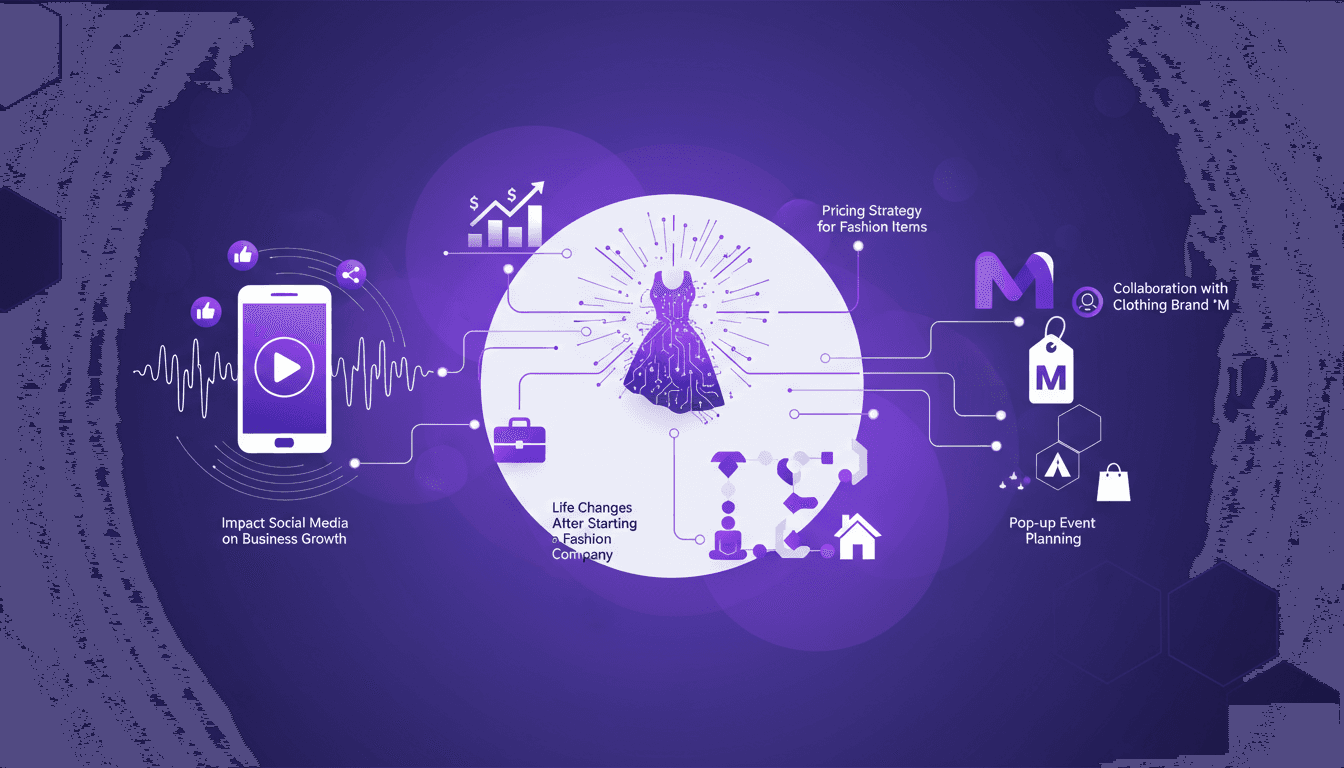
Launching a Fashion Brand: My Journey
I remember the day I decided to launch my own fashion brand. It was a mix of excitement and sheer panic. But I had to jump in. I started with pricing strategies—between $50 and $70 per item, though sometimes $150 was the sweet spot—and game-changing pop-up events. Collaborating with an established brand like 'M' was both a challenge and an opportunity. And let's not forget the impact of social media, a real growth engine. Every step was a learning curve, a careful orchestration between creativity and business. Here's how I navigated the chaos to bring my entrepreneurial dream to life.

Making Sports Free in London: How We Did It
I put sports equipment all over London, for free. Yeah, you heard me right! But it wasn't just about giving away stuff. It was about building a community around sports through social media. We even set up a reward system: find a football, tag us on Instagram, and you could win £100 towards your dream. The challenges? Plenty, especially when it comes to sustaining a free service model. But trust me, the impact is huge. Discover how I orchestrated this and how you can do it too.