Anthropic Surpasses OpenAI: Insights and Impacts
I was knee-deep in optimizing our AI workflows when the buzz hit: Anthropic's revenue just surpassed OpenAI's. This wasn't just a headline; it was a seismic shift in the AI landscape. How did this happen, and more importantly, what does it mean for us in the trenches? From Sonnet 4.6 models to Claude Code, and key partnerships with Google and Broadcom, it's crucial to understand what's driving these numbers. And most importantly, what it means for our daily work. Let's break it all down together.
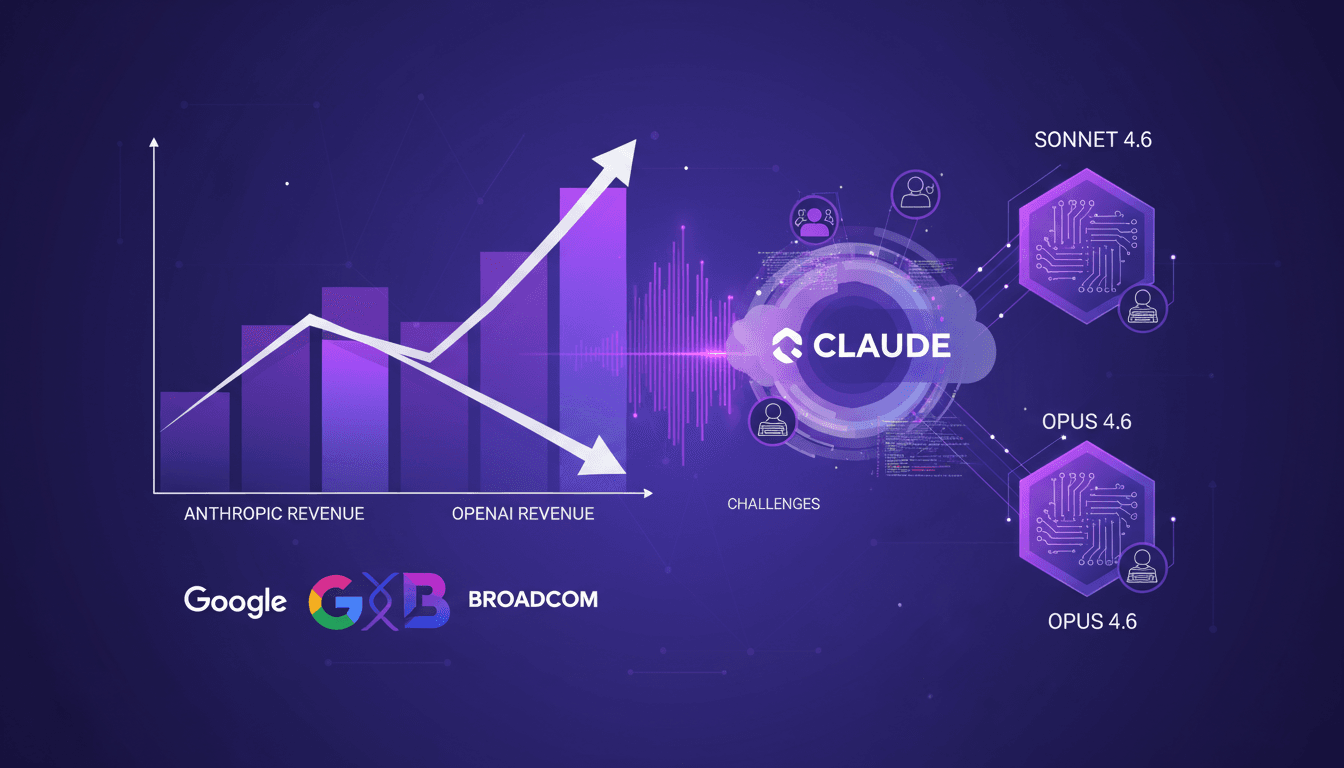
I was deep in the weeds, optimizing our AI workflows, when the buzz hit: Anthropic's revenue just overtook OpenAI's. This isn't just a headline; it's a tectonic shift in our field. As someone in the trenches, I can't help but dig into how this came to be, and more importantly, what it means for us who work hands-on with these technologies every day. We're talking about Sonnet 4.6 and Opus 4.6 making waves, Claude Code becoming the go-to tool for developers, and strategic partnerships with Google and Broadcom reshaping the landscape. This is tangible and changes the game in our projects. But watch out, OpenAI is not going to sit back without a fight. Let's break down these strategies and see how they apply to our day-to-day reality.
Anthropic's Revenue Leap: A Closer Look
For the very first time, Anthropic's annual run rate revenue has crossed OpenAI's. This is a major shift for those of us relying on AI services daily. Why? Because it potentially means lower costs for us—developers and businesses using these technologies to automate tasks, improve products, and frankly, survive in this hyper-competitive market.
The secret to this success lies in their efficient training and inference services. They've optimized their infrastructure to offer fast and affordable solutions. If you're like me, always looking to cut costs without sacrificing quality, this is exciting news.
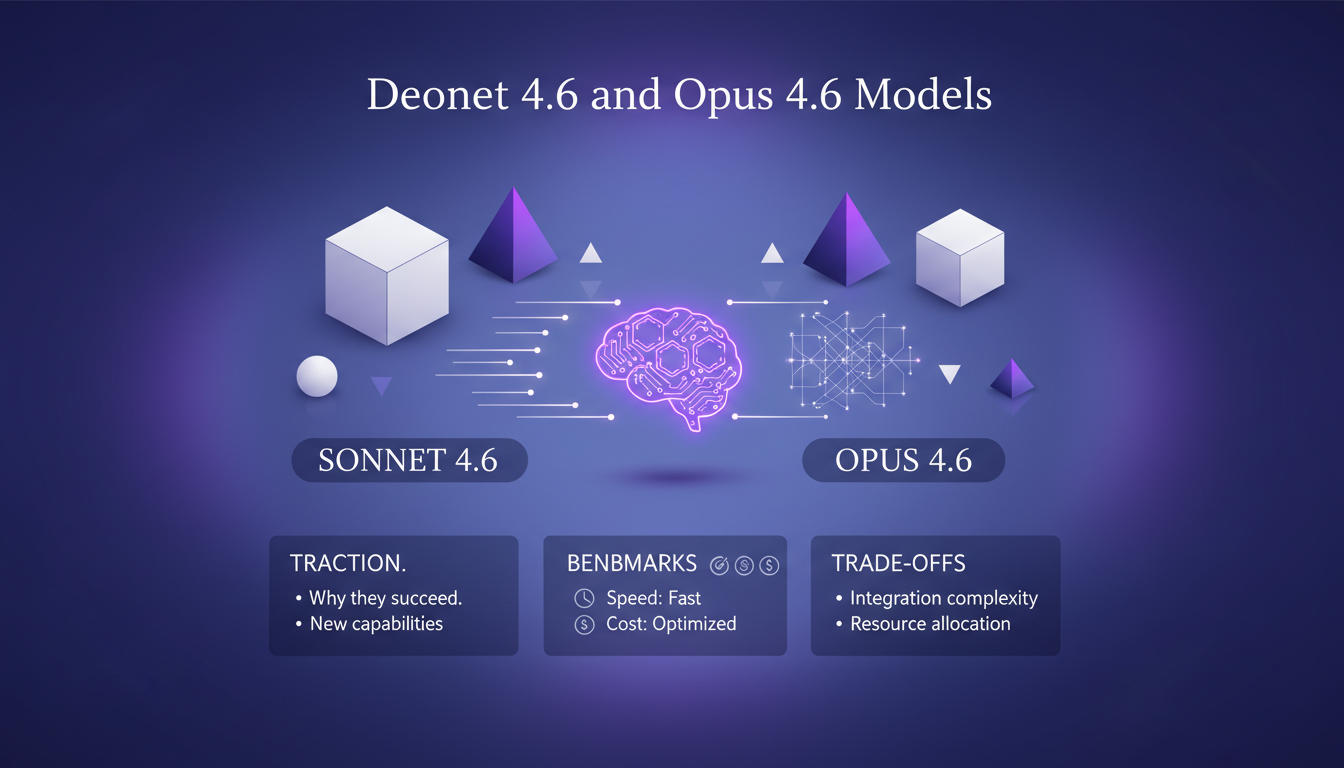
In terms of pricing strategy, Anthropic is playing it smart. Their cost model is more competitive than OpenAI's, which might just push OpenAI to adjust their own pricing. A more accessible market means more innovation and opportunities for us.
- Annual run rate revenue: Anthropic surpasses OpenAI for the first time
- Efficiency of training and inference services
- More aggressive pricing strategy
Decoding Sonnet 4.6 and Opus 4.6 Models
Anthropic's models Sonnet 4.6 and Opus 4.6 have really made waves. I've integrated Sonnet 4.6 into several projects, and the difference is noticeable: speed, accuracy, it's all there. According to published performances, Opus 4.6 outperforms many competing models, and at a much lower cost.
But watch out, it's not all sunshine. When integrating these models into existing systems, you sometimes need to rethink architecture. I've had to adapt some pipelines to prevent bottlenecks. From my experience, what works well is testing in parallel before fully migrating.
- Performance: speed and accuracy
- Lower cost than competitors
- Adapt architecture for smooth integration
The Rise of Claude Code Among Developers
Anthropic's product Claude Code has become a favorite among us developers. Why? Because it saves us precious time. Its efficiency features are a real game changer, especially when deadlines are tight.
I've integrated Claude Code into my workflows, and the integration was painless. It's smooth, adapts well to our needs, and reduces time spent on repetitive tasks. Moreover, feedback from the community echoes this sentiment.
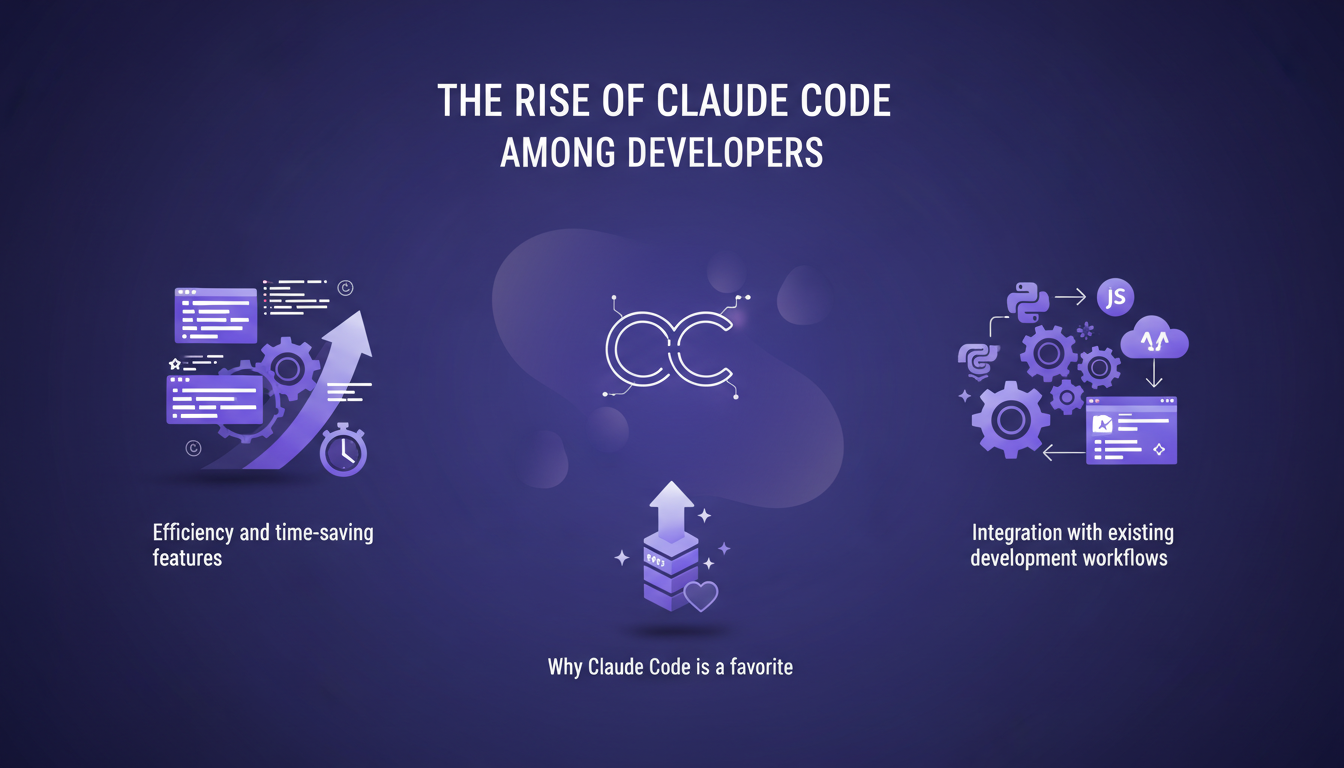
- Efficiency: significant time savings
- Seamless integration with existing workflows
- Positive feedback from the developer community
Strategic Partnerships: Google and Broadcom
Anthropic has announced multi-year partnerships with Google and Broadcom, and this could redefine the rules of the game. These collaborations will enhance Anthropic's capabilities, especially in training and inference. It's a significant strategic advantage.
For Google and Broadcom, it's an opportunity to position themselves as key players in the AI ecosystem. But watch out, these alliances aren't without challenges. Maintaining and leveraging these partnerships will require careful orchestration.
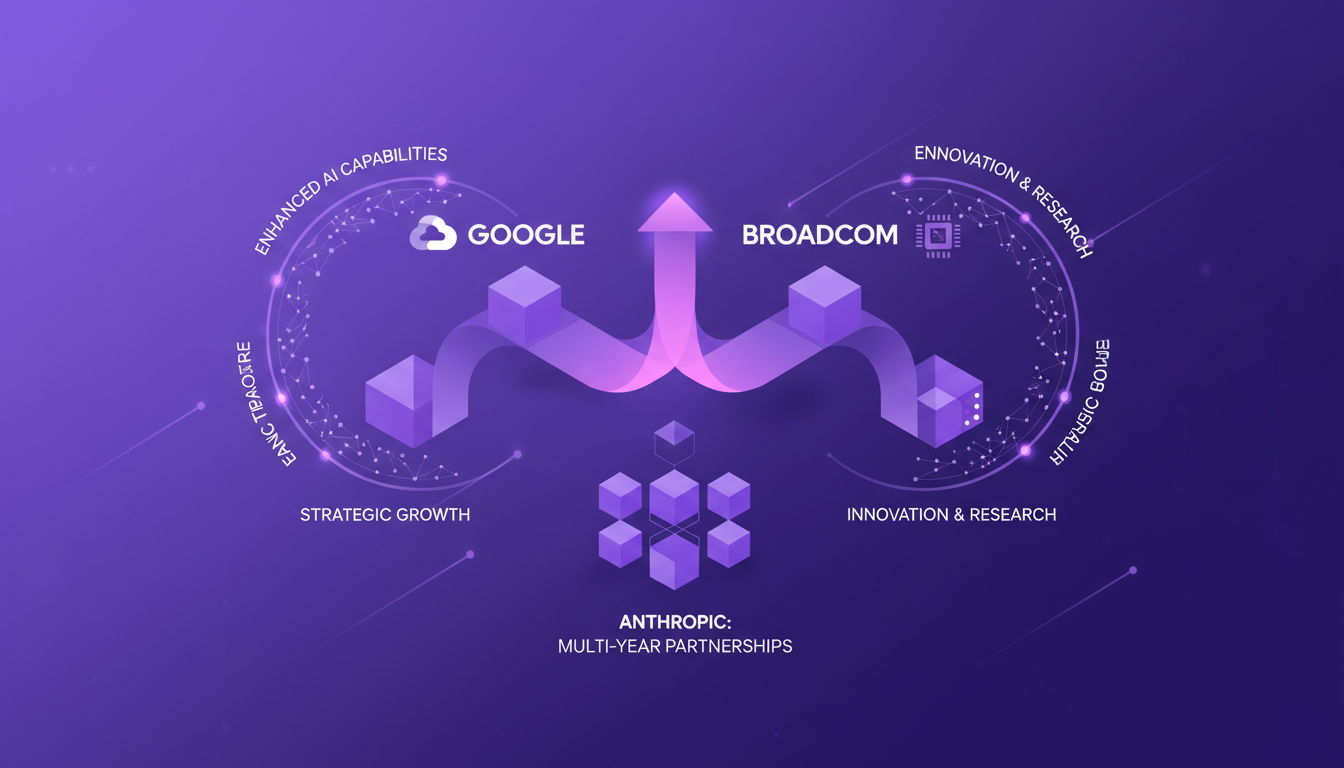
- Enhancement of Anthropic's capabilities
- Strategic positioning for Google and Broadcom
- Partnership orchestration challenges
OpenAI's Challenges in the Face of Anthropic's Rise
The competition between OpenAI and Anthropic is heating up. OpenAI must react to Anthropic's advancements, which could redefine market dynamics. Innovation will need to be at the core of their strategy to maintain their position.
OpenAI faces major challenges, particularly in costs and accessibility. However, this competition could also pave the way for interesting collaborations or new directions for innovation. But let's be clear, the path won't be without hurdles.
- Intense competition between OpenAI and Anthropic
- Need for continuous innovation
- Possibility of collaborations or new innovations
First off, I noticed that Anthropic's rise over OpenAI isn't just about revenue—it's about smart model development. Their Sonnet 4.6 and Opus 4.6 models are more than impressive, and Claude Code is becoming a developer favorite. Then, I looked at their partnerships with Google and Broadcom—these aren't just marketing stunts but actual levers for innovation. But, watch out, these successes also hinge on a developer-centric approach, not always easy to replicate elsewhere.
Looking forward, I believe Anthropic's strategies can really inspire our next AI integration. It's a real game changer, but always keep an eye on the limits of such strategies. So, I encourage you to keep an eye on these developments. And if you want to dive deeper, watch the full video: it offers valuable insights.
Let's stay ahead together in this evolving landscape. Watch the full video here
Frequently Asked Questions

Thibault Le Balier
Co-fondateur & CTO
Coming from the tech startup ecosystem, Thibault has developed expertise in AI solution architecture that he now puts at the service of large companies (Atos, BNP Paribas, beta.gouv). He works on two axes: mastering AI deployments (local LLMs, MCP security) and optimizing inference costs (offloading, compression, token management).
Related Articles
Discover more articles on similar topics
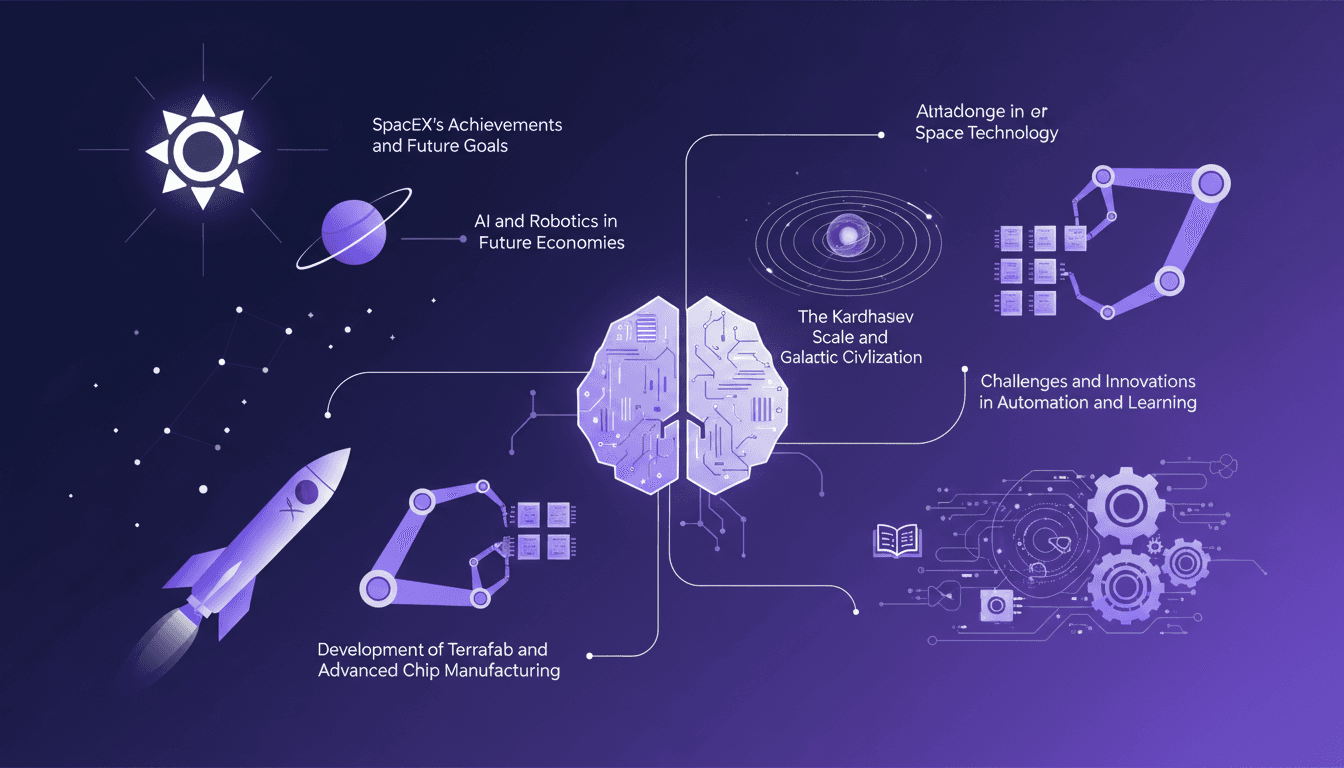
Harnessing Solar Energy for Space Exploration
I was there at the TERAFAB conference when Elon Musk went beyond the limits. Picture this: harnessing solar energy in space—it's not just sci-fi anymore. We're talking about 1 TW of potential energy, a figure that could redefine our future. But watch out, the technological challenges are immense, from advanced chip manufacturing to AI-driven automation. SpaceX isn't just dreaming; they're doing it. Our task is to understand how these innovations integrate into our daily lives. This is a future where an AI-based economy could multiply our current world. Buckle up, we're exploring the next frontier.
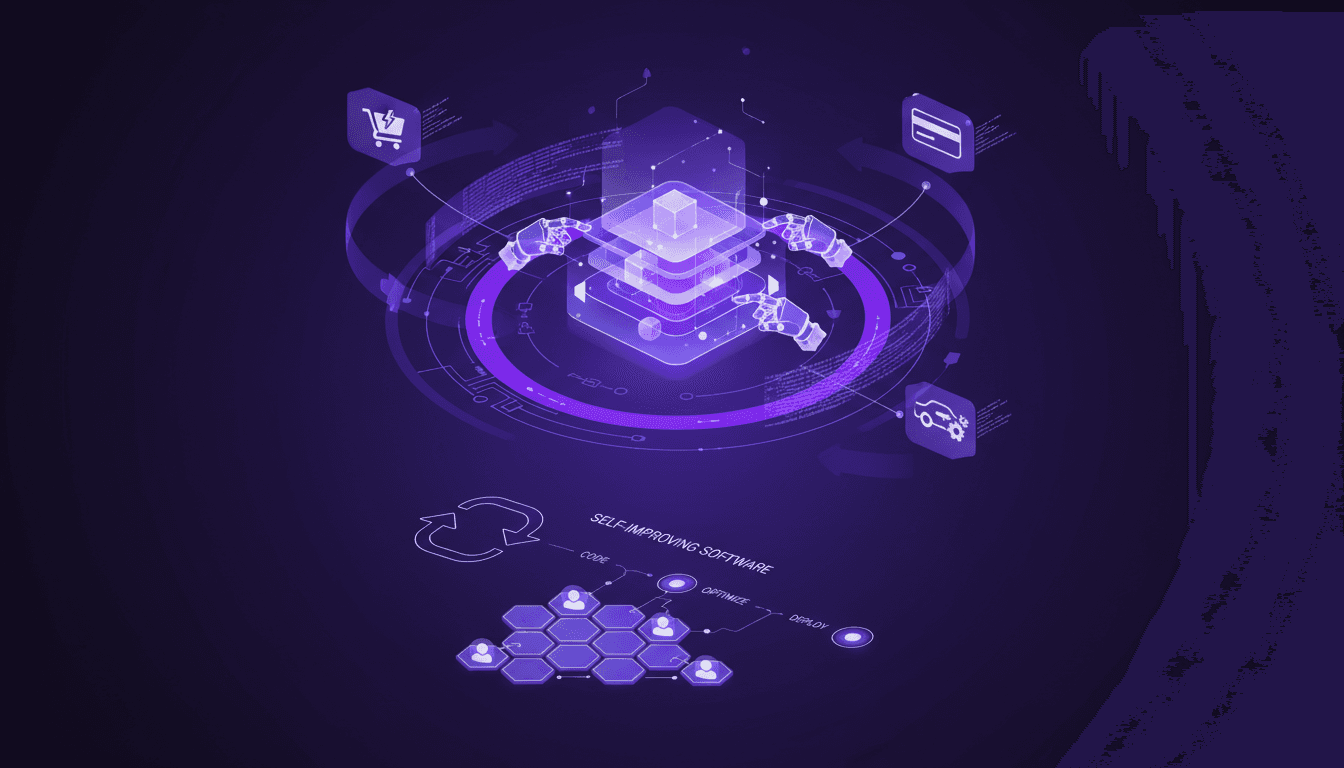
AI Auto-Evolution: Towards Autonomy
I remember the first time I saw an AI tweak its own code. It was like watching a child learn to walk—thrilling and a bit terrifying. In this article, I'm diving into the world of AI self-improvement, where machines aren't just executing tasks but redefining their capabilities. With AI systems now capable of modifying their own source code, we're witnessing a shift in software evolution. This isn't just a theoretical leap; it's a practical reality impacting industries like e-commerce and automotive. Discover how this AI auto-evolution is transforming key players like Shopify, Stripe, and Tesla, and what it means for the future of AI-driven development.
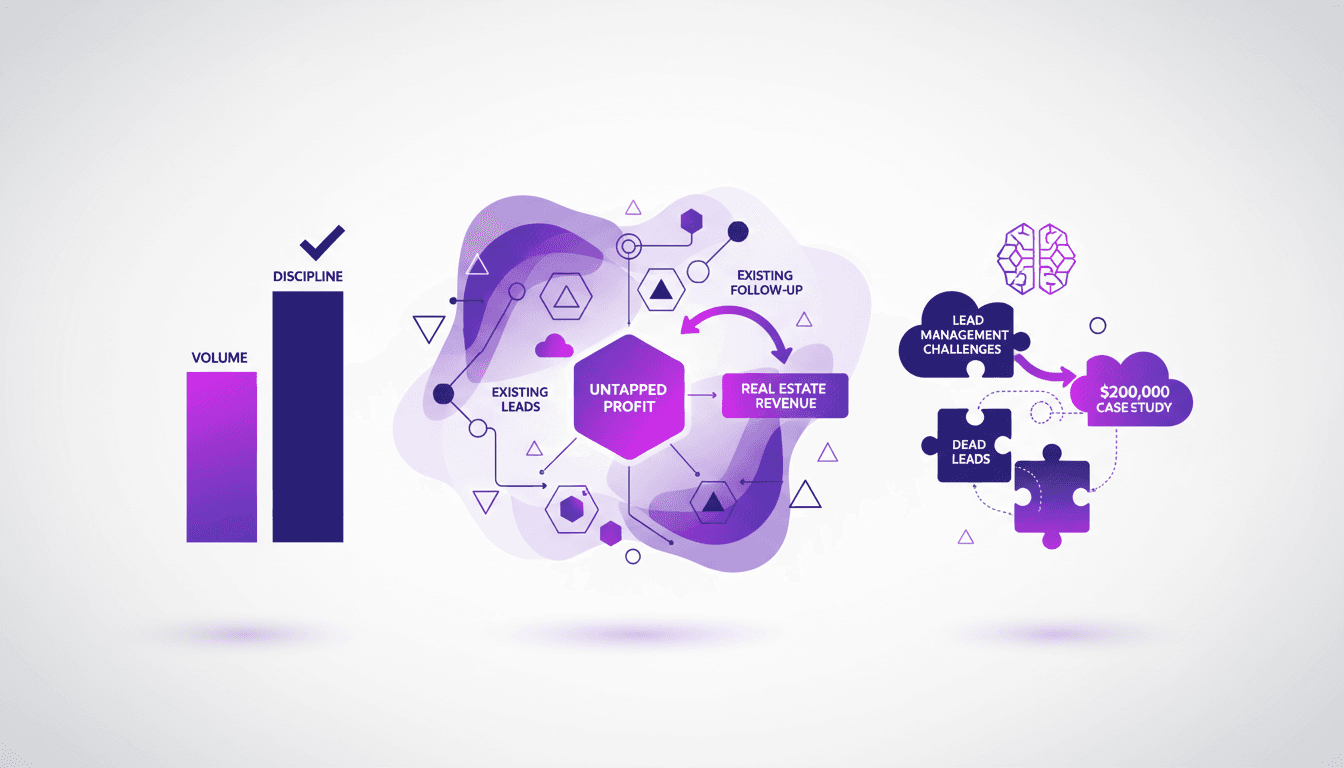
Harnessing CRM: $200K from Dead Real Estate Leads
I plugged my supposedly dead real estate leads into an AI-driven CRM and walked away with $200K. Here's how I did it. In real estate, we often chase new leads while ignoring the goldmine sitting in our CRM. Let's talk about how follow-up can transform 'dead' leads into significant revenue. From my experience, 70% of deals come from follow-up. So I thought, why not revisit those forgotten leads? The result: $200,000 generated. It's not rocket science, but it requires discipline and a rigorous follow-up strategy. Want to know how to harness this untapped potential? Join me in this case study.
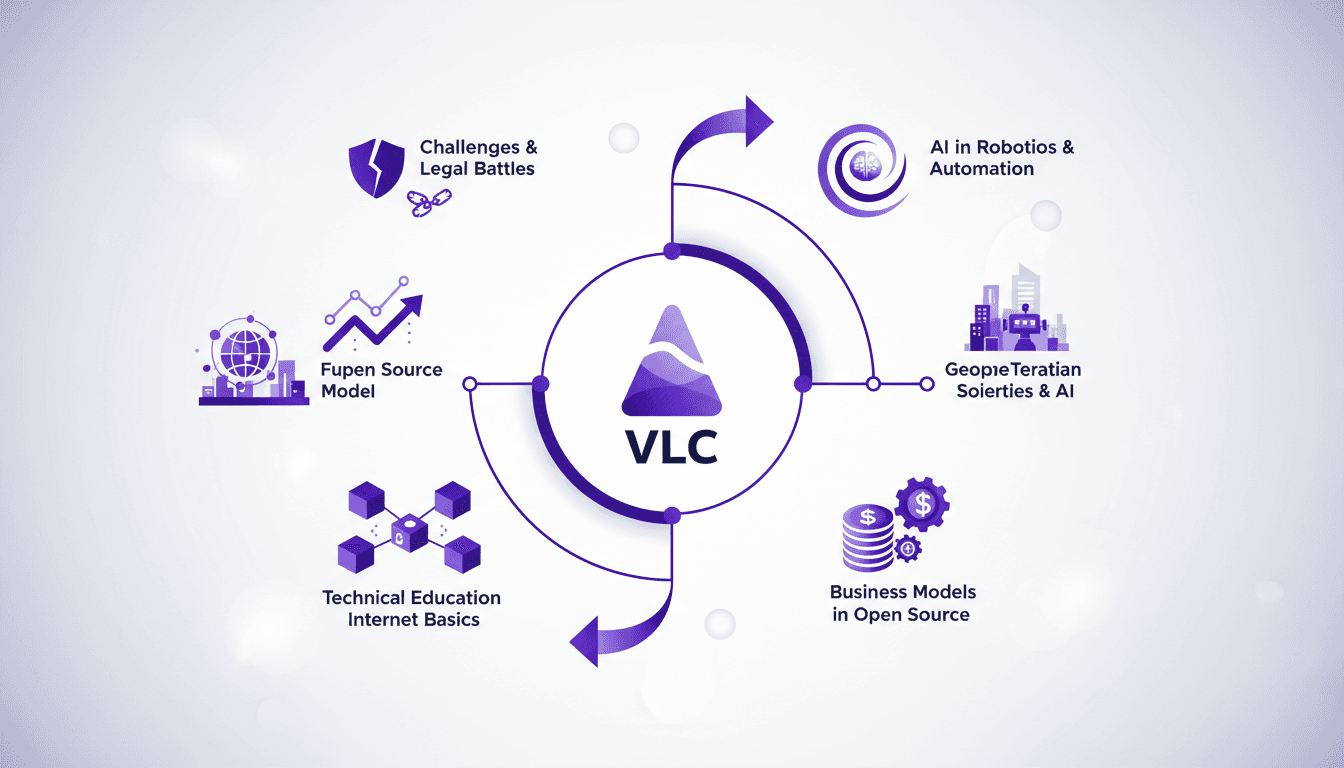
Building an App Downloaded 7 Billion Times
I remember the first time I saw the download numbers for VLC skyrocket. It was a real game changer, but it wasn't all smooth sailing. This is where you realize that behind every phenomenal success, there are mountains of challenges to overcome. Between legal battles and the implications of open source, VLC's journey is anything but ordinary. As a developer, we often think the hardest part is coding, but sustaining and growing an app downloaded 7 billion times is a whole different ball game. Let's dive into the story of VLC, an adventure where technology and perseverance are tightly intertwined.
Reviving Dead Leads: AI in Real Estate
I remember staring at a list of 'dead leads', convinced they were a lost cause. Then it hit me: what if I could automate a follow-up system with AI? I dove in, connected our CRM to an AI model, orchestrated the whole thing, and boom, $200K in revenue. Think your dead leads are hopeless? Think again. In real estate, follow-up is often the game changer. With AI, I transformed forgotten contacts into a goldmine. We often underestimate the hidden potential in our databases. Don't just watch your prospects fade away. Revive them, reinvent your strategy with AI, and watch the magic happen.