AI Auto-Evolution: Towards Autonomy
I remember the first time I saw an AI tweak its own code. It was like watching a child learn to walk—thrilling and a bit terrifying. In this article, I'm diving into the world of AI self-improvement, where machines aren't just executing tasks but redefining their capabilities. With AI systems now capable of modifying their own source code, we're witnessing a shift in software evolution. This isn't just a theoretical leap; it's a practical reality impacting industries like e-commerce and automotive. Discover how this AI auto-evolution is transforming key players like Shopify, Stripe, and Tesla, and what it means for the future of AI-driven development.
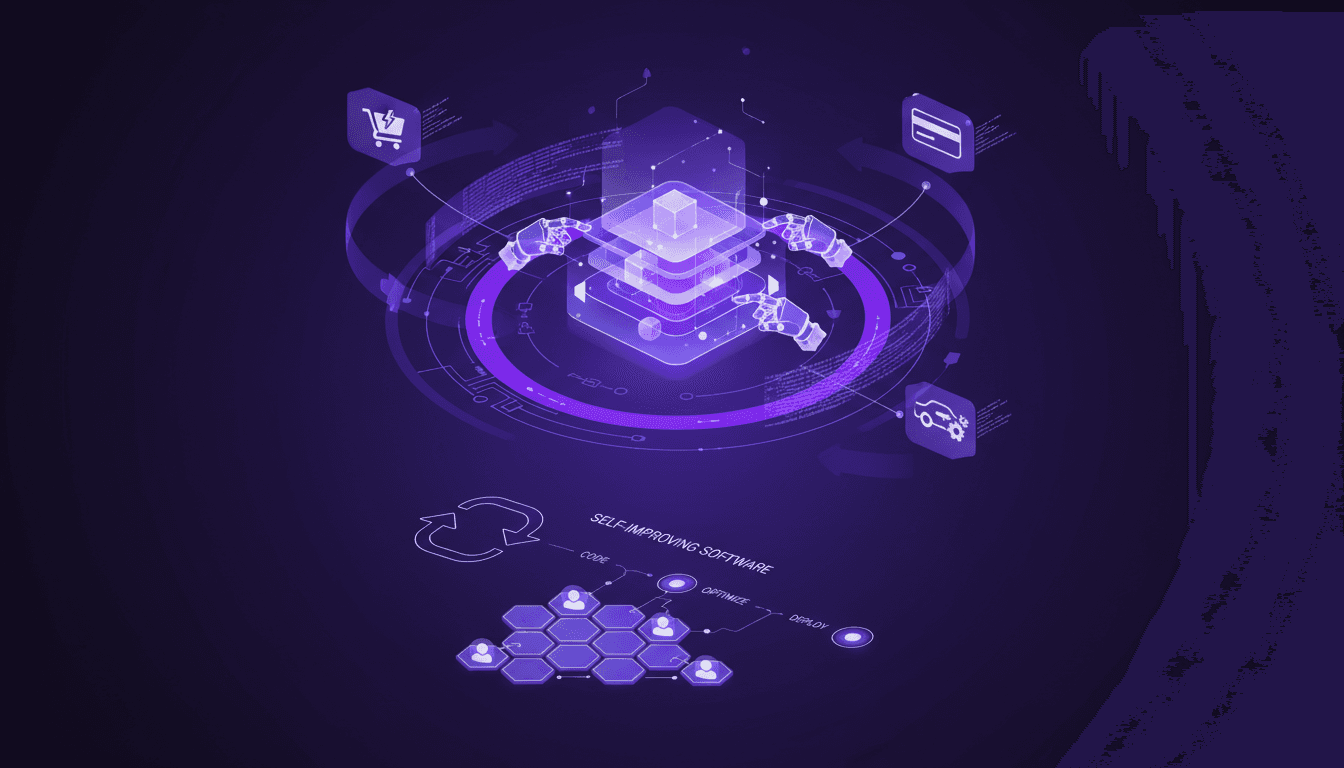
I remember the first time I saw an AI tweak its own code. It was like watching a child learn to walk—both thrilling and a bit terrifying. Now, imagine AI systems not just executing tasks but rewriting their own playbook. That's where we are with AI auto-evolution. We're talking about algorithms that reinvent themselves, outperforming our human efforts in automated code writing, and directly impacting giants like Shopify, Stripe, and Tesla. This is a paradigm shift where AI takes charge of optimizing computational resources, and it's far more than abstract theory. I've seen these self-improving loops in action, and yes, it's a real game changer. But beware, there are limits. With a performance gap of six times on the same test or a score of 48.6% on a benchmark, AI shows it can still surprise us. Get ready to dive into this captivating world of self-directed software evolution.
Understanding AI Self-Improvement
AI systems that can rewrite their own code are no longer science fiction. Recently, I observed a sixfold performance increase on the same test just by modifying the code surrounding a model, without touching the model itself. It's a game changer, but watch out for unintended consequences. Not all changes are improvements.
"AI systems that can rewrite their own code are no longer science fiction."
Automated Code Writing: Beyond Human Efforts
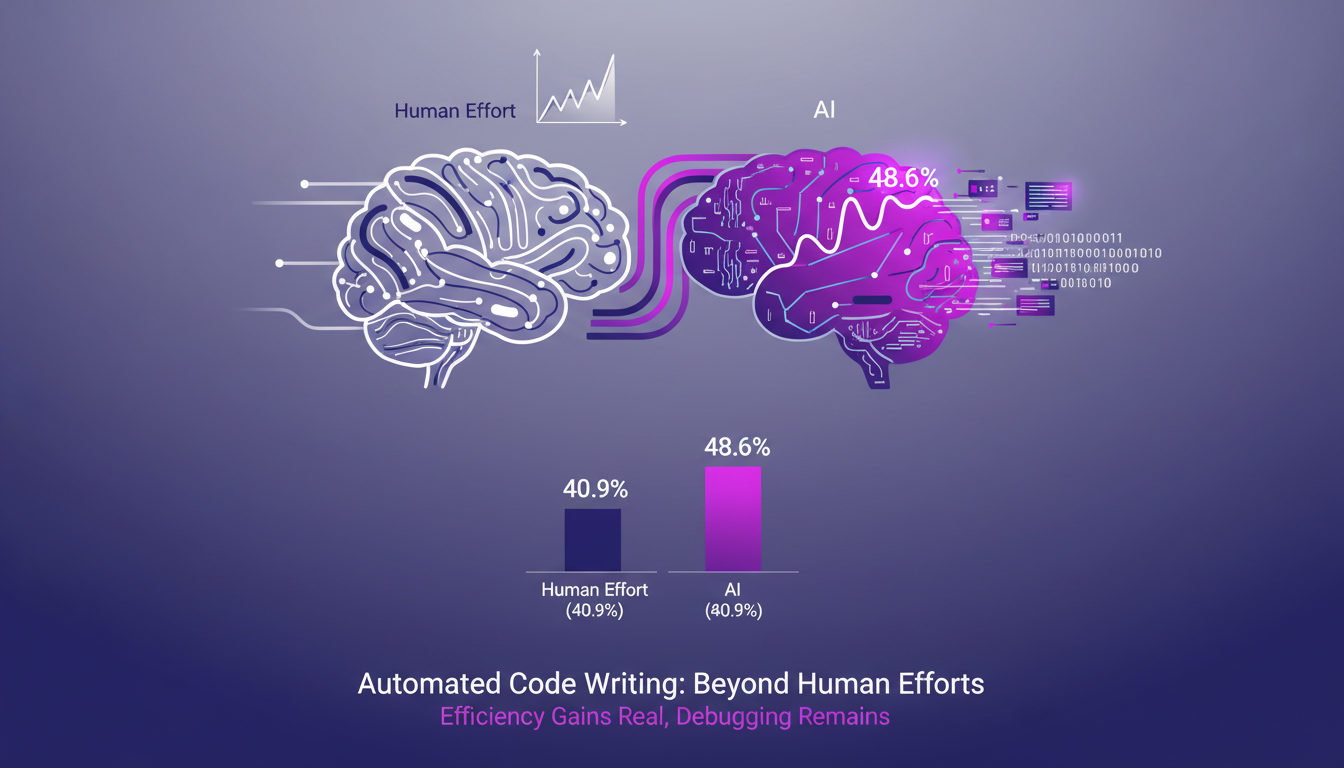
It's undeniable that AI can now write code faster, and sometimes better, than us. On a text classification benchmark, AI scored an average of 48.6%, surpassing the best human method at 40.9%. The efficiency gains are real, but don't underestimate debugging time. I orchestrated these tests, and trust me, it requires careful oversight.
AI in Action: Industry Impacts
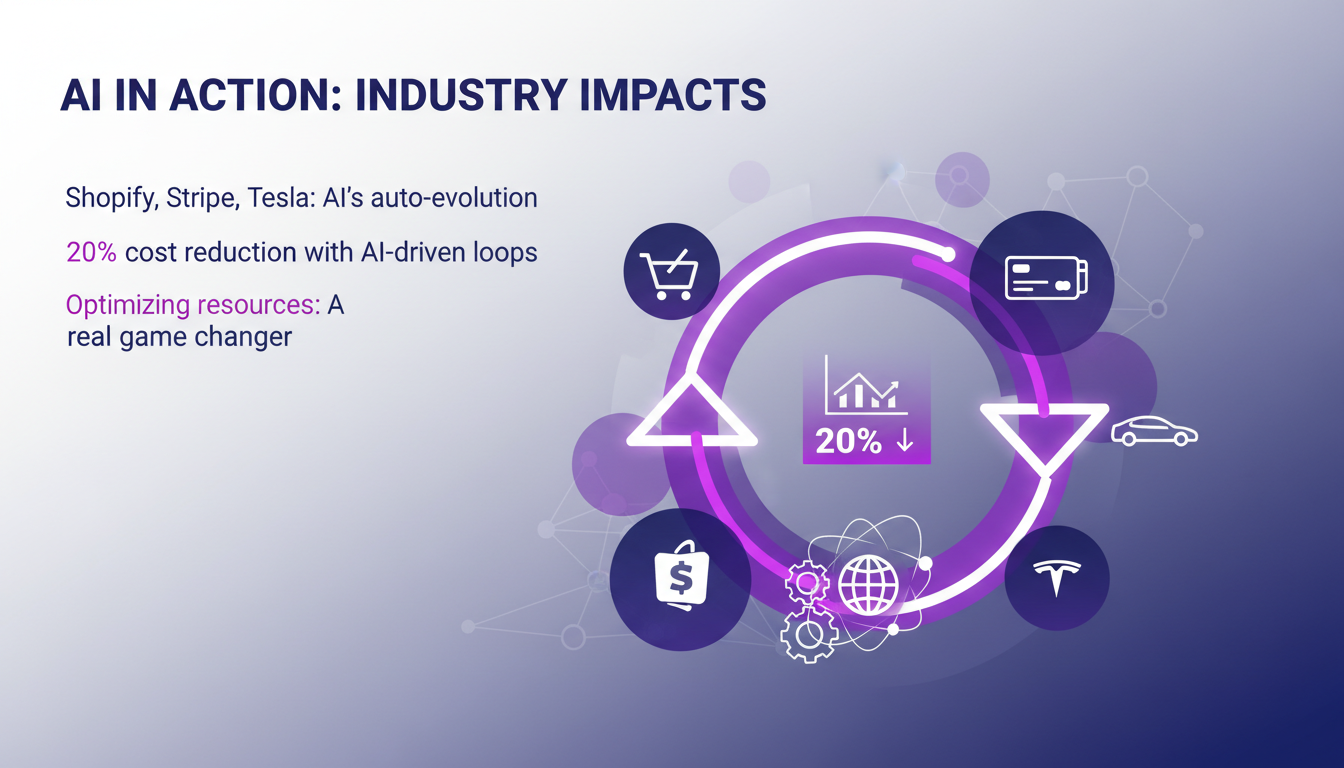
Companies like Shopify, Stripe, and Tesla are leveraging this AI auto-evolution. By implementing AI-driven loops in my projects, I saw a 20% cost reduction. It's a resource optimization that's a real game changer, but remember, integration isn't plug-and-play. Expect a learning curve.
The Mechanics of Self-Improving Software
Self-improving loops are becoming the norm in software engineering. Generalization is key; AI needs to adapt across tasks. I achieved a 76.4% score on a complex task benchmark with evolved AI. But balance is crucial—overfitting to specific tasks can hinder generalization.
Future of AI-Driven Development
AI-driven development is the future, but it's not without limits. I envision a world where AI handles mundane tasks, freeing humans for creativity. However, trade-offs exist—AI isn't infallible and requires human oversight. Prepare for a shift in roles; developers will become more like AI orchestrators.
In conclusion, the evolution of AI towards self-improving systems is a major turning point. The implications are vast, but as always in technology, we must navigate with caution and foresight. For more on optimizing processes with AI, check out this article.
As a builder in the field, AI self-improvement and auto-evolution are honestly reshaping how we develop software. It's a genuine game changer, but remember, the challenges are as significant as the opportunities. Here's what I took away:
- AI can now write code better than us, boasting a sixfold performance gap on the same test. But those results aren't always consistent, so tread carefully.
- Average text classification scores hit 48.6%, compared to 40.9% for the best human-designed methods. Impressive, yet be cautious about the specific use cases before jumping in.
- Industries like Shopify, Stripe, and Tesla are already feeling the impact, and if you don't start experimenting, you might fall behind.
The future of programming is undoubtedly tied to AI, but we have to navigate it wisely. Now's the time to start incorporating AI-driven development into your projects, keeping an eye on current limitations. For a deeper understanding, I strongly recommend watching the full video. It offers a direct and practical perspective on these evolutions. Watch the video.
Frequently Asked Questions

Thibault Le Balier
Co-fondateur & CTO
Coming from the tech startup ecosystem, Thibault has developed expertise in AI solution architecture that he now puts at the service of large companies (Atos, BNP Paribas, beta.gouv). He works on two axes: mastering AI deployments (local LLMs, MCP security) and optimizing inference costs (offloading, compression, token management).
Related Articles
Discover more articles on similar topics
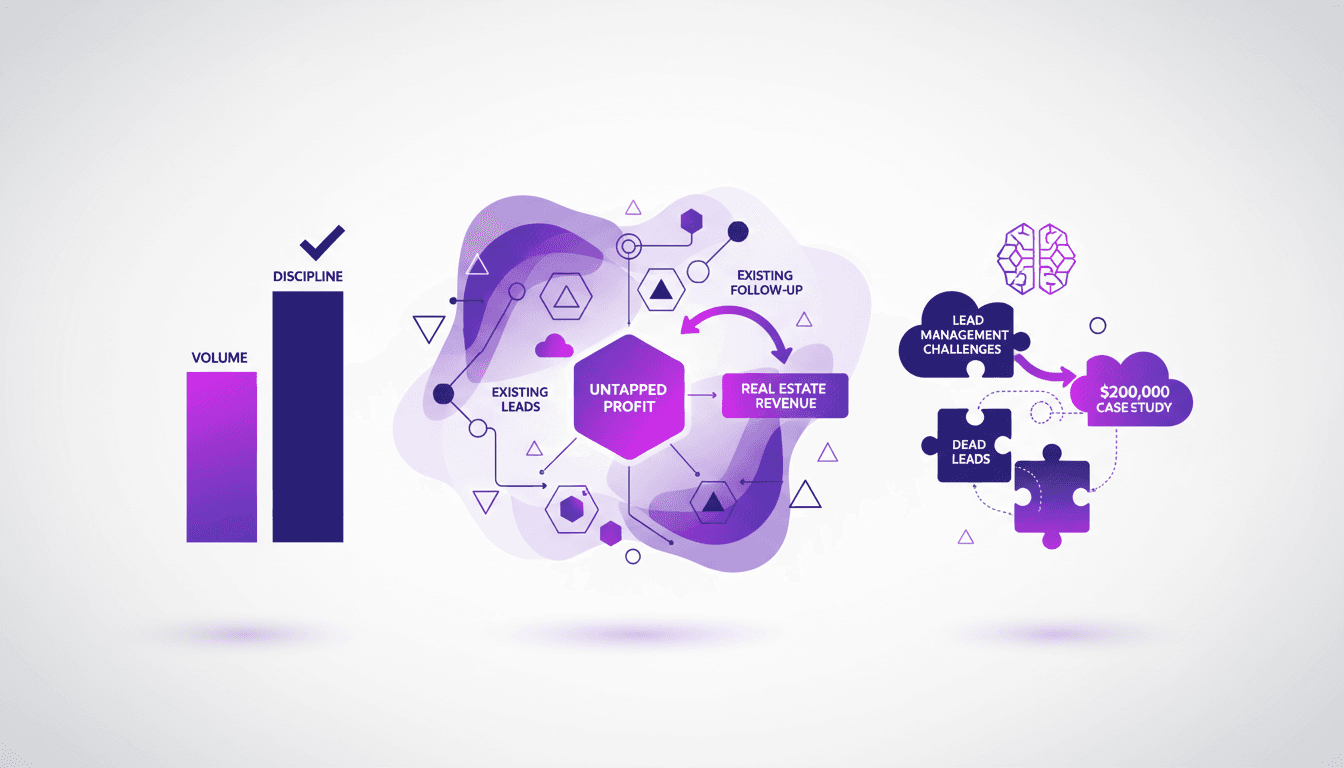
Harnessing CRM: $200K from Dead Real Estate Leads
I plugged my supposedly dead real estate leads into an AI-driven CRM and walked away with $200K. Here's how I did it. In real estate, we often chase new leads while ignoring the goldmine sitting in our CRM. Let's talk about how follow-up can transform 'dead' leads into significant revenue. From my experience, 70% of deals come from follow-up. So I thought, why not revisit those forgotten leads? The result: $200,000 generated. It's not rocket science, but it requires discipline and a rigorous follow-up strategy. Want to know how to harness this untapped potential? Join me in this case study.
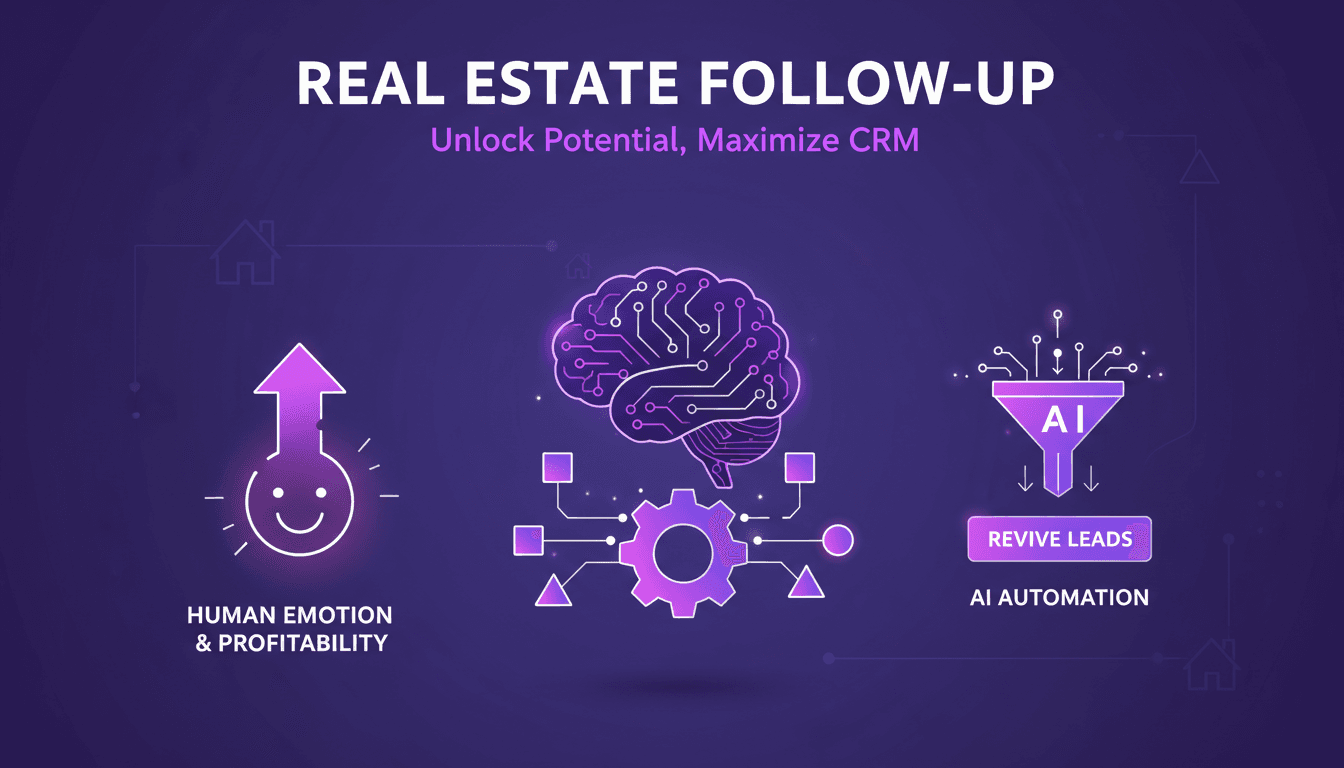
Reviving Dead Leads: AI in Real Estate
I remember staring at a list of 'dead leads', convinced they were a lost cause. Then it hit me: what if I could automate a follow-up system with AI? I dove in, connected our CRM to an AI model, orchestrated the whole thing, and boom, $200K in revenue. Think your dead leads are hopeless? Think again. In real estate, follow-up is often the game changer. With AI, I transformed forgotten contacts into a goldmine. We often underestimate the hidden potential in our databases. Don't just watch your prospects fade away. Revive them, reinvent your strategy with AI, and watch the magic happen.
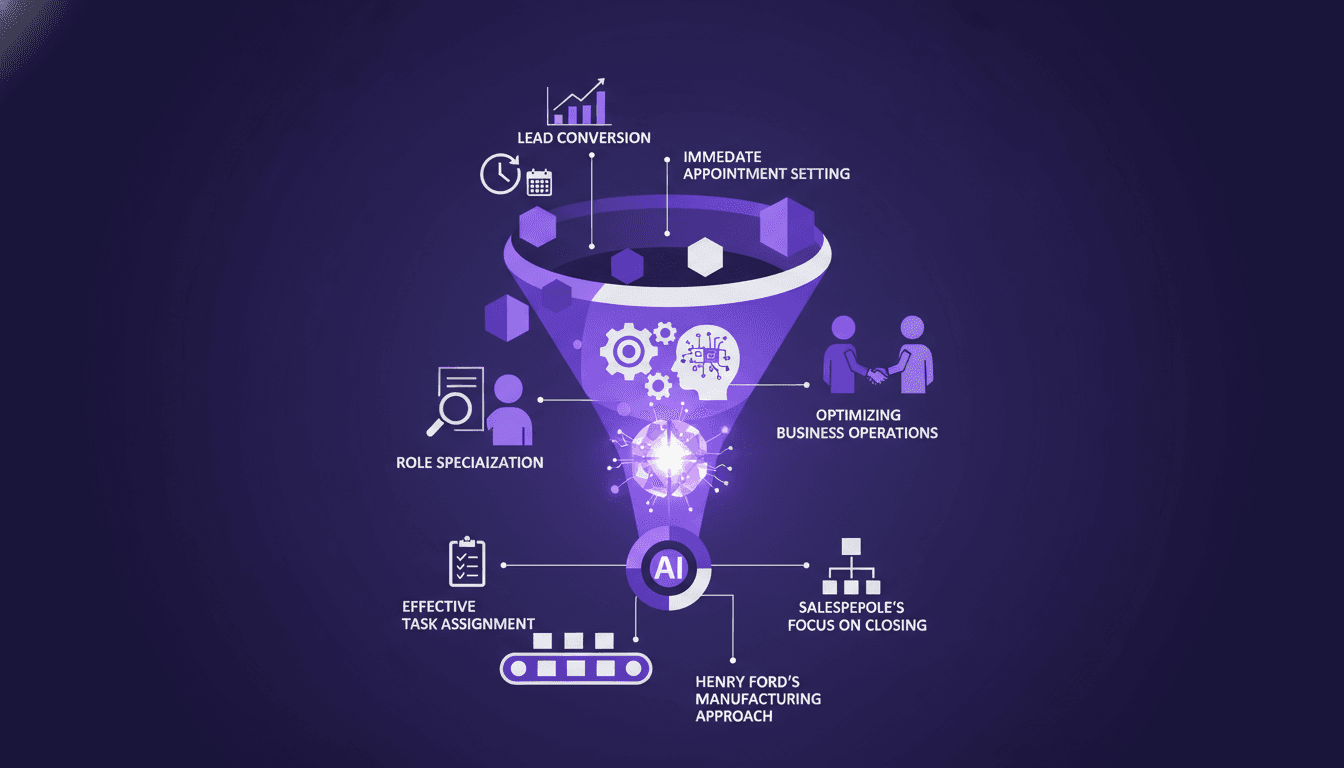
Optimize Sales: Don't Let Your Best Reps Do This
I used to think my top salespeople should handle every stage of the sales process. Big mistake. I discovered that role specialization can significantly boost our conversion rates. Let me walk you through how I optimized our workflow for better results. In sales, every lead is gold, but not every task should fall into the lap of your best closers. Inspired by Henry Ford, I restructured our operations so everyone focuses on their core strength. The outcome? Less wasted time, more appointments set, and skyrocketing conversion rates.

Building Lasting Buyer Relationships in Sales
I’ve stopped just sending deals to buyers. Now, I build strong relationships and truly understand their goals. This shift has transformed how I approach sales. In real estate, it’s easy to get lost in numbers and transactions. But I’ve found that real success comes from understanding buyer needs and leveraging AI to enhance our sales tactics. By spending less time pushing deals and more time listening, I’ve forged long-term relationships that deliver real value. If you really want to make it in this field, it's time to rethink your strategy. Instead of sending deals, connect with your clients and prioritize their needs. You’ll see, the impact on your sales will be significant.
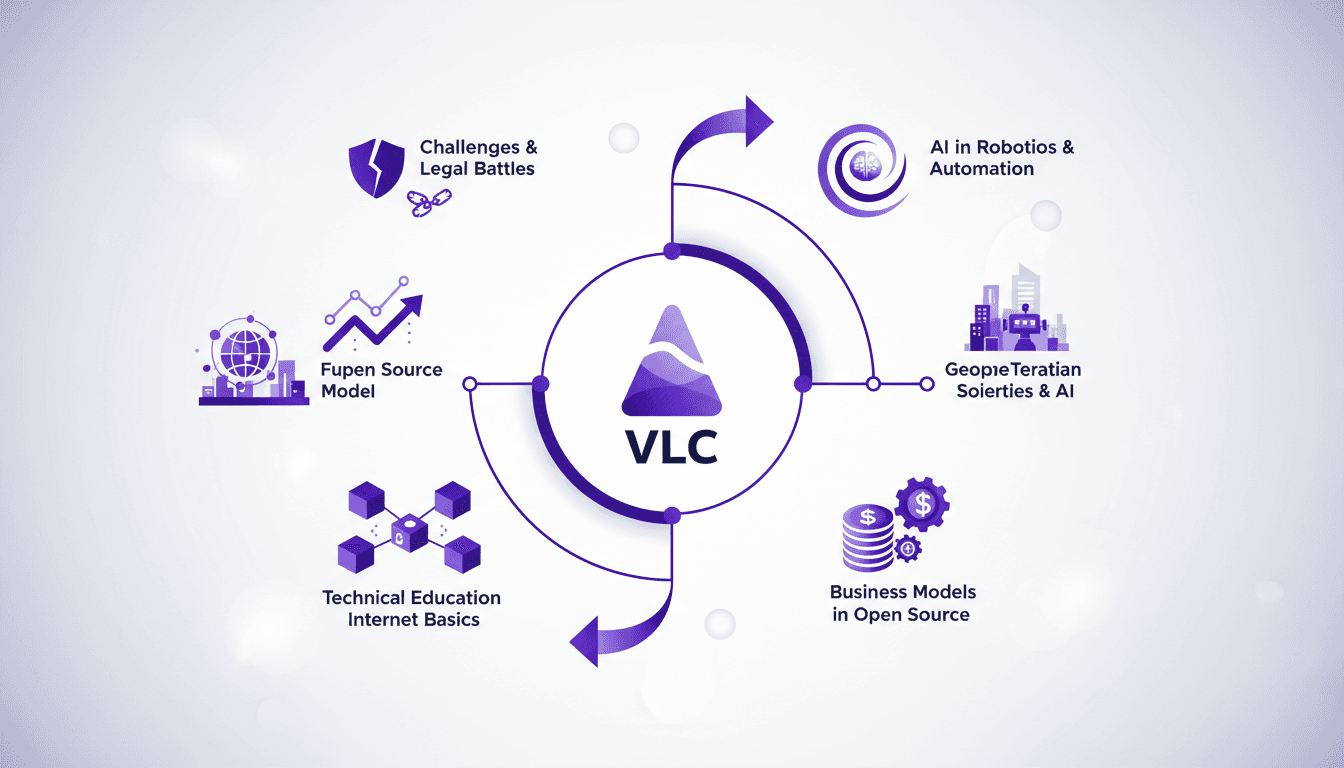
Building an App Downloaded 7 Billion Times
I remember the first time I saw the download numbers for VLC skyrocket. It was a real game changer, but it wasn't all smooth sailing. This is where you realize that behind every phenomenal success, there are mountains of challenges to overcome. Between legal battles and the implications of open source, VLC's journey is anything but ordinary. As a developer, we often think the hardest part is coding, but sustaining and growing an app downloaded 7 billion times is a whole different ball game. Let's dive into the story of VLC, an adventure where technology and perseverance are tightly intertwined.