Harnessing Solar Energy for Space Exploration
I was there at the TERAFAB conference when Elon Musk went beyond the limits. Picture this: harnessing solar energy in space—it's not just sci-fi anymore. We're talking about 1 TW of potential energy, a figure that could redefine our future. But watch out, the technological challenges are immense, from advanced chip manufacturing to AI-driven automation. SpaceX isn't just dreaming; they're doing it. Our task is to understand how these innovations integrate into our daily lives. This is a future where an AI-based economy could multiply our current world. Buckle up, we're exploring the next frontier.
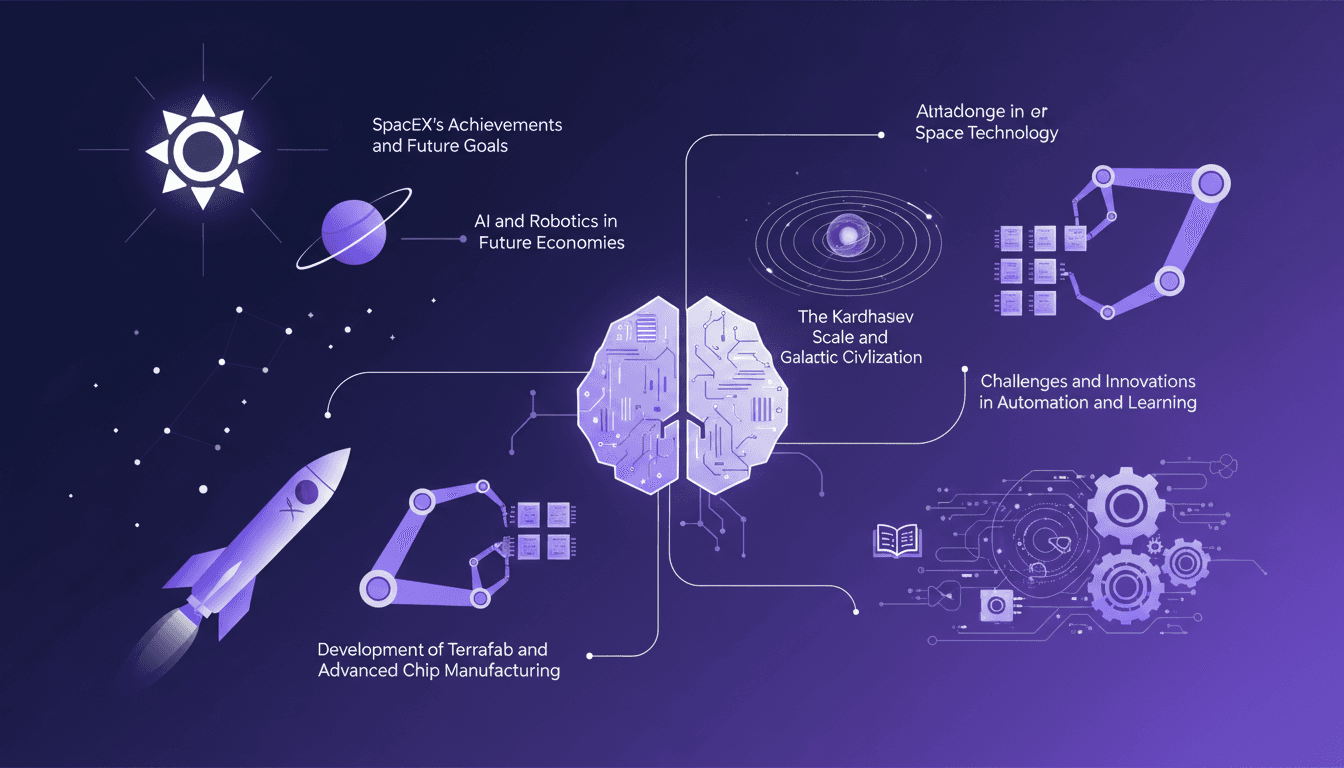
I found myself at the TERAFAB conference, and let me tell you, Elon Musk really pushed the boundaries. We're not just talking rockets anymore; we're talking about harnessing solar energy from space. Yes, you heard that right, it's not sci-fi anymore. Picture this: 1 TW of potential energy, a figure that could literally transform our future. But don't get it twisted, the challenges are real. From advanced chip manufacturing to AI-driven automation, there's work to be done. SpaceX isn't dreaming; they're doing. And we need to understand how these innovations integrate practically into our daily lives. We're also talking about the Kardashev Scale, a concept that could someday be our reality. This is a future where an AI and robotics-based economy could be a million times the size of today's global economy. Buckle up, because we're exploring the next frontier.
Harnessing Solar Energy for Space Exploration
When it comes to exploring space, tapping into the sun's immense power is unavoidable. The sun makes up 99.8% of the solar system's mass, yet Earth only captures a tiny fraction—about one five-billionth of this energy. So, how do we leverage this colossal resource for space missions?
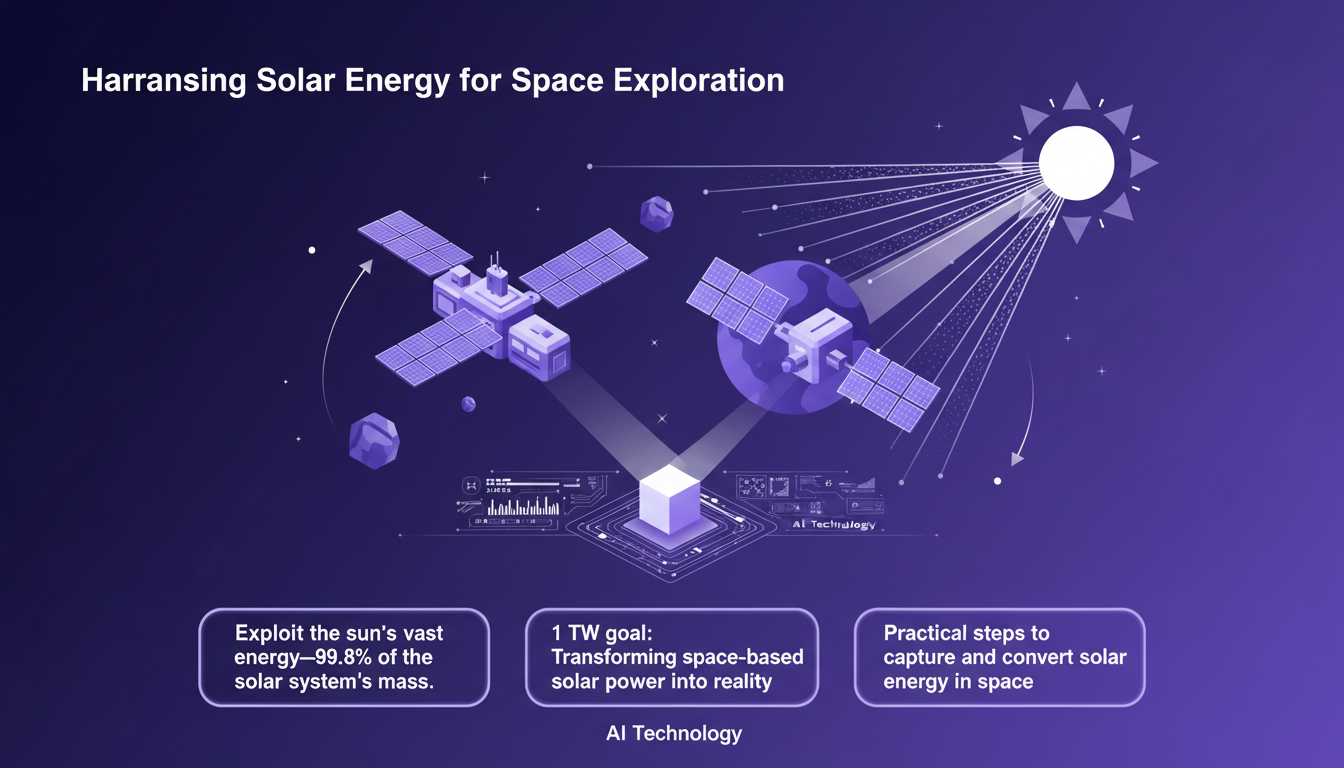
I start by assessing the energy needs of missions. To convert solar energy into usable electricity, we often talk about space-based solar panels. These panels can capture up to five times more energy than those on Earth, a real boon for our projects.
But watch out, installing these infrastructures isn't without cost. We aim to reach at least 1 TW of production per year in space, with costs that can skyrocket if not carefully planned. It's a delicate balance between expenses and the potentially recoverable energy.
Real-World Impact: Revolutionizing Space Missions
Ultimately, the impact on space missions is monumental. With abundant and continuous solar energy, we can envision longer and more ambitious missions, reducing our dependence on Earth-based resources. It's a true game changer for space exploration.
- Increased capacity for long-duration missions
- Reduced dependency on Earth-based resources
- Possibility to power bases on other celestial bodies
SpaceX's Achievements and Future Goals
SpaceX has already made history with over 500 successful rocket landings. But this is just the beginning. SpaceX's ultimate goal is the colonization of Mars. And for that, every step is crucial.
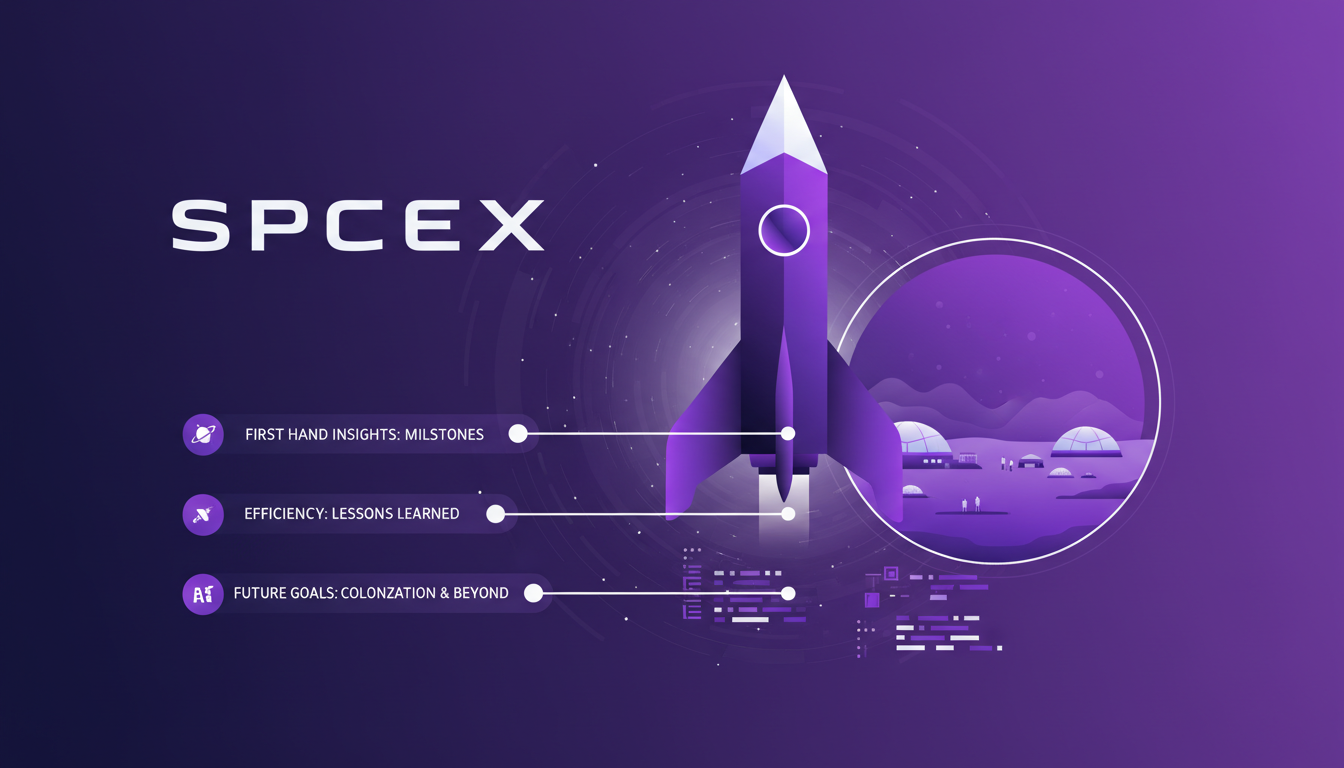
I've learned firsthand the importance of efficiency in rocket technology. The Starship V3 can carry 200 tons into orbit, with the V4 set to expand this capacity. But beware, while reusable rockets are economically viable, they demand constant innovation and risk management.
Looking ahead, the vision is clear: to send up to 10 million tons into orbit per year. This means launch costs must continue to decrease while increasing capabilities. Each technological advance is one step closer to Mars.
- Martian colonization as a long-term goal
- Continuous optimization to reduce costs
- Increased payload capacity
AI and Robotics in Future Economies
I've often wondered how AI will transform our economy. An economy based on AI and robotics could be nearly a million times larger than today's global economy. The implications are enormous.
The practical applications of AI and humanoid robots are already visible. We talk about producing between 1 and 10 billion units of robots per year. However, this automation also presents challenges for human labor.
I see AI optimizing operations in incredible ways. But don't underestimate the challenges: we must balance technology and employment to avoid major economic disruptions.
- Optimization of industrial processes
- Challenges related to workforce automation
- Preparation for an AI-dominated economy
Development of Terrafab and Advanced Chip Manufacturing
With Terrafab, we're talking about revolutionizing chip manufacturing to meet space energy demands. The goal is to produce up to 1 TW of chips for space.
But it's a real dilemma: how to balance production speed with chip quality? Every decision can have a significant impact on costs.
I've seen firsthand how technologies can transform entire industries. Terrafab could reduce production costs and enable faster innovation in the tech sector.
- Increased chip production capacity
- Cost reduction through innovative production methods
- Potential impact on the global tech industry
The Kardashev Scale and Galactic Civilization
Understanding the Kardashev Scale helps us evaluate our position as a civilization. Currently, we're not even a Type I, but the goal is to progress toward a galactic civilization.
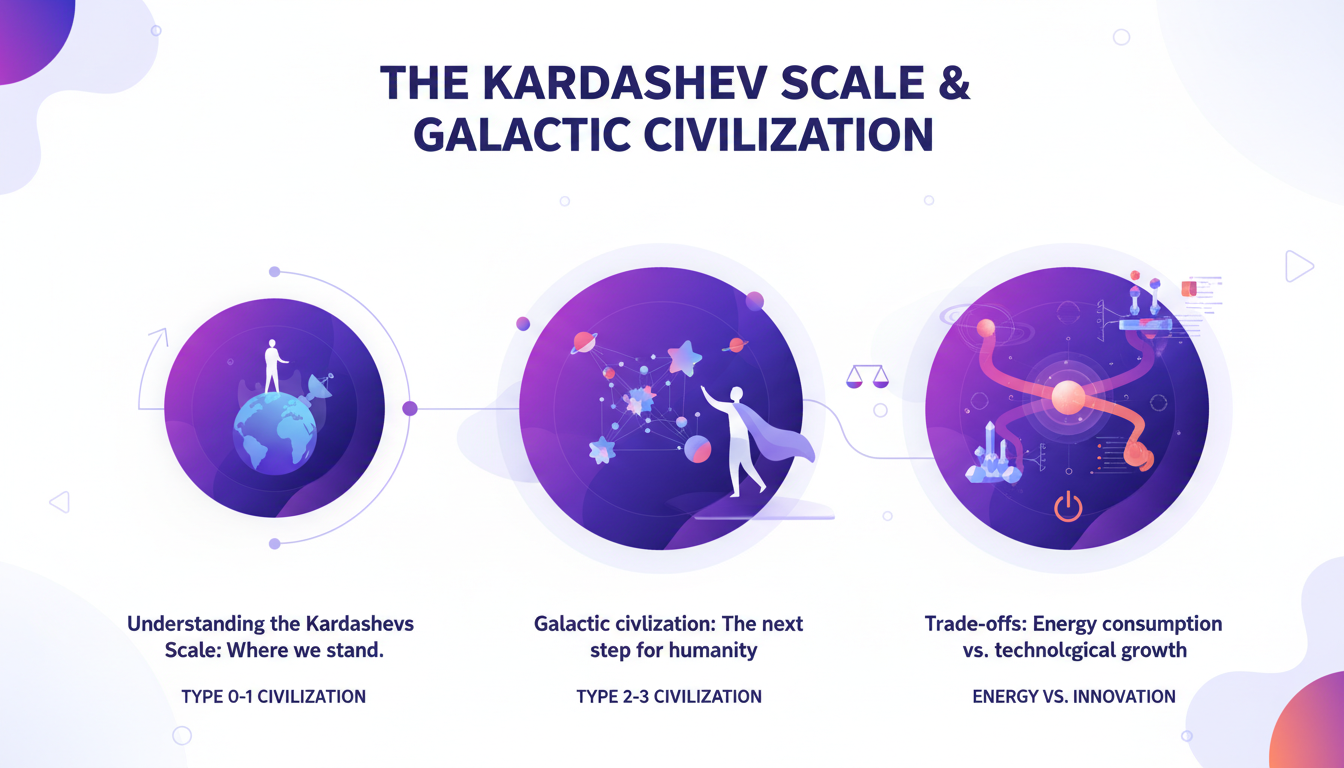
To advance, we must consume more energy while innovating technologically. But watch out, this advance must be sustainable to avoid depleting our resources.
I dream of a future where humanity expands across the galaxy. For this, we must start by maximizing our use of solar energy and developing our technological capabilities.
- Advancement toward a Type I civilization
- Maximization of capturable solar energy
- Preparation for interstellar expansion
I walked away from this conference knowing we're on the brink of something truly remarkable. In concrete terms, here's what stood out to me:
- Space Exploration: Solar energy could power our space endeavors with a punch of 1 TW, a game-changer in our approach.
- AI and Robotics Economy: Picture an economy potentially a million times the size of today's, driven by AI and robotics. It's no small feat, but the scale of opportunity is mind-blowing.
- Terrafab and Advanced Manufacturing: The development of Terrafab could be the next leap in chip manufacturing, both on Earth and in space.
With all this in mind, I'm excited to see how we practically integrate these technologies into our operations. Challenges exist, but it's an exhilarating time to be in the field. For a deeper dive and to fully grasp the scope of what was discussed, I highly recommend watching the full video here. Let's gear up to build this future together.
Frequently Asked Questions

Thibault Le Balier
Co-fondateur & CTO
Coming from the tech startup ecosystem, Thibault has developed expertise in AI solution architecture that he now puts at the service of large companies (Atos, BNP Paribas, beta.gouv). He works on two axes: mastering AI deployments (local LLMs, MCP security) and optimizing inference costs (offloading, compression, token management).
Related Articles
Discover more articles on similar topics
AI Lead Calls in 8 Seconds: Advantage or Disaster?
I remember the first time I set up an AI to call leads. It was a game changer—calls made in 8 seconds flat. But not everyone was thrilled. The catch? Speed isn't always the hero in sales. In a world where responsiveness is key, AI promises to revolutionize lead engagement. However, this rapidity can also backfire. As a practitioner, I've found that clients often want to tweak this speed to better match their specific needs. Let's dive into the world of AI calls: the competitive edge, client reactions to blistering speed, and how to balance responsiveness with client satisfaction.
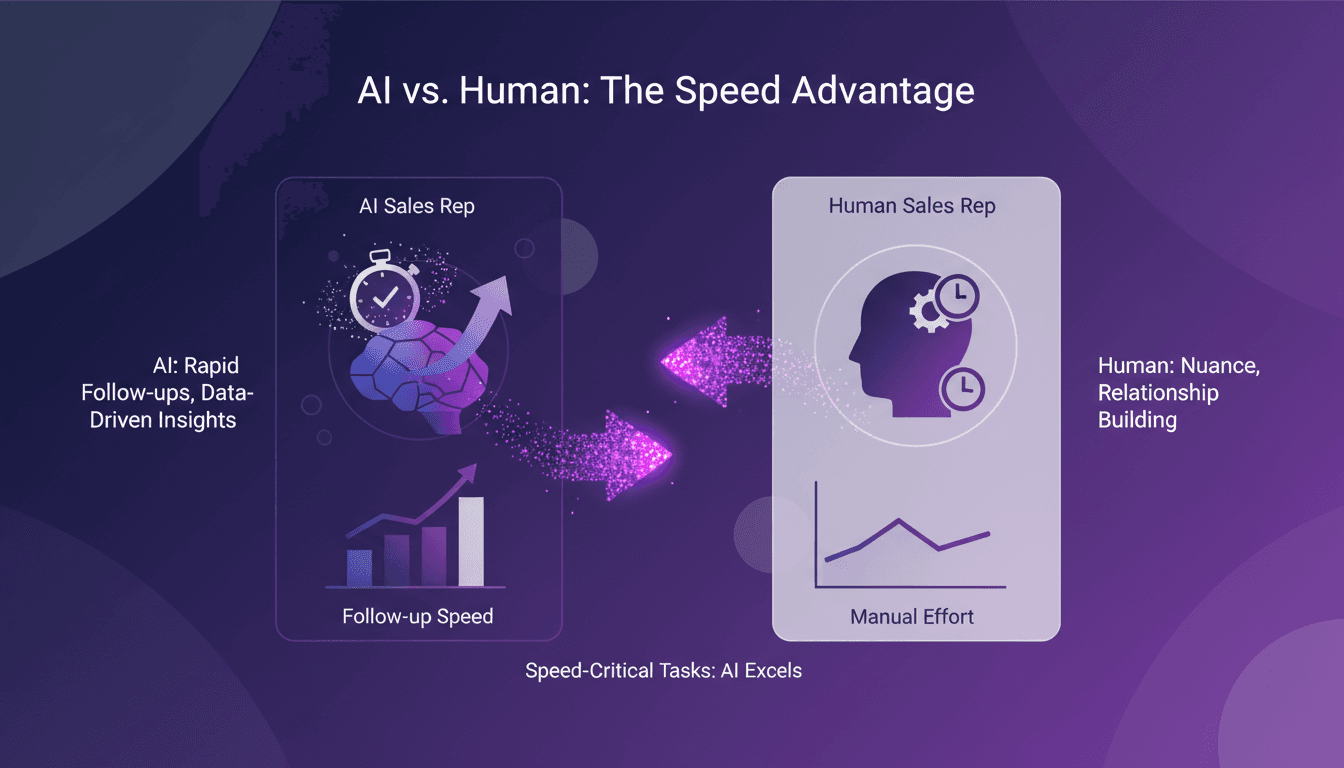
AI in Sales: Can It Outsell Humans?
I remember the first time I let AI handle my sales follow-ups. I was skeptical, but the speed was undeniable. In today's sales environment, where speed and efficiency are crucial, AI promises to revolutionize how we manage sales tasks. But can it truly outperform a human sales rep? In this podcast, I delve into AI's speed advantage in sales tasks, its ability to outdo humans in follow-ups, and the nuances between AI and human capabilities. Watch out for the limits of human effort in speed-critical tasks. We compare AI and human reps to see who's really on top.
AI in Sales: Replacing the Sales Rep
I've been in the real estate game long enough to spot a true game changer when it comes along. Initially, when I integrated AI into my sales process, I was skeptical. But let me tell you, it's not just hype. This AI caller didn't just assist; it replaced a sales rep and sold a property at 123 Main Street faster than I thought possible. In a real estate world where efficiency and speed are everything, AI is no longer just a theory; it's a reality that's changing the game. Let's explore how AI is redefining property sales, tackling financial hurdles, and what it means for us in the field.

EVO 2: AI Revolutionizing DNA Analysis
I've always been fascinated by the idea that AI could one day write the language of life itself. With EVO 2, we're no longer in the realm of science fiction, but in a reality that's transforming synthetic biology. I connect the dots between genetic mutation predictions and the fight against antibiotic resistance, showing you how this tool is revolutionizing DNA analysis. EVO 2 is not just an AI model; it's a revolution in our understanding of the human genome. But beware, this power comes with its risks. How do we balance innovation and ethics? What are the future impacts? I share the mistakes I've made and how I've integrated EVO 2 into my workflows to maximize its potential without falling into its traps.
How AI Booked $1.2M: My Revenue Journey
I was pretty skeptical at first. But when AI booked $1.2 million in revenue for us, I knew we hit on something big. This isn't just about automating tasks; it's about transforming our sales approach. AI in appointment scheduling has redefined efficiency and effectiveness in sales processes. Imagine thousands of closings in just a few weeks, with revenue pouring in. In this article, I'll take you behind the scenes of this digital revolution, sharing client success stories and objection-proof strategies. Don't get lost in the buzz; dive into the concrete.