Acquisitions vs. Dispositions: Real Estate Approach
When I first dove into real estate, I thought acquisitions and dispositions were just two sides of the same coin. Rookie mistake. With each deal I closed, I realized just how fundamentally different these two key stages are. Today, I'm taking you through my journey where aligning goals, leveraging AI, and focusing on what truly matters became essential for success. You'll see how in real estate, understanding these nuances can completely transform your strategy. This isn't just theory—it's lived experience. We'll talk about the importance of goal alignment, the role of AI in enhancing sales tactics, and why setting future goals, like those for 2026, is critical. Come along and find out how to avoid the costly mistakes I made.
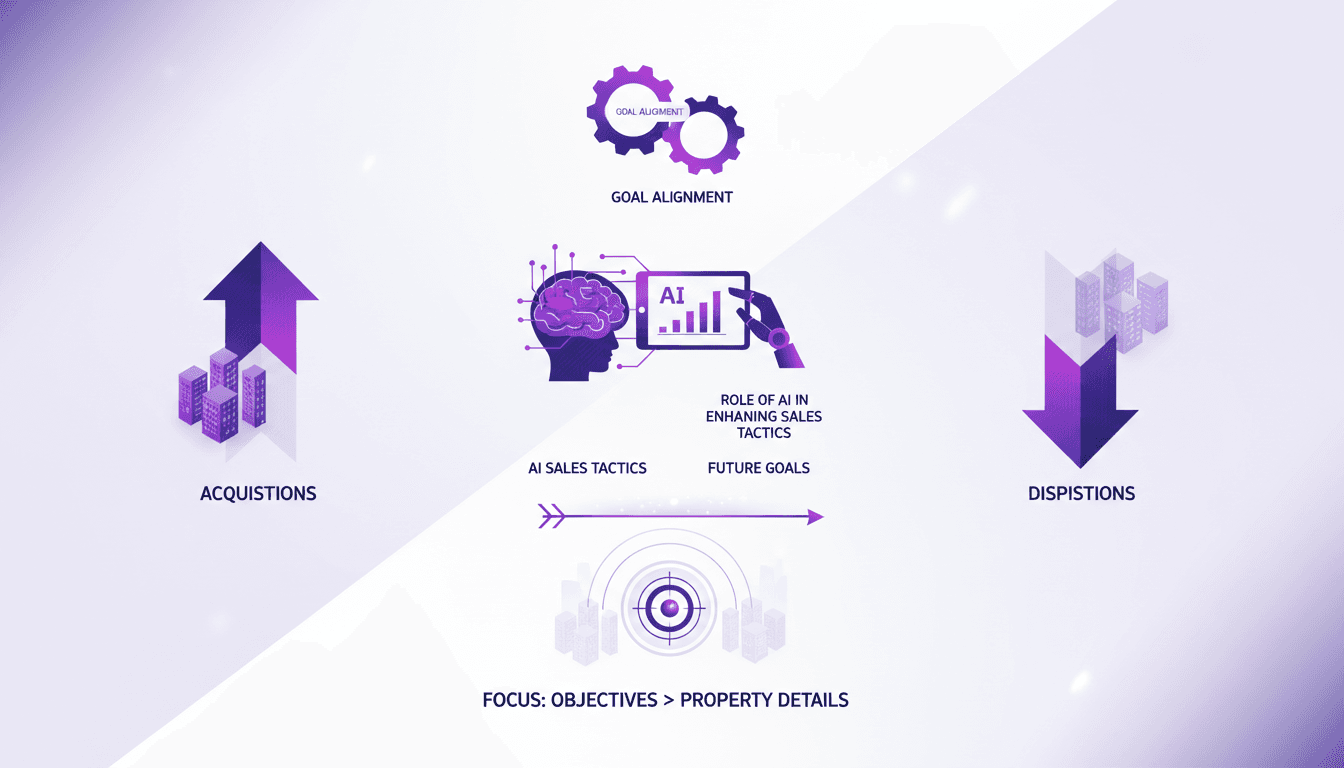
When I first stepped into the real estate arena, I naively thought that acquisitions and dispositions were just two sides of the same coin. Well, I got burned pretty quickly. With each deal, I realized how fundamentally different these two stages are. Where acquisitions are about gut feeling and projection, dispositions require strategy and precision. But hold on, this isn't just theory—it's based on what I've learned in the trenches, sometimes the hard way. In this article, I'll show you how to align your goals, leverage AI to boost your sales tactics, and why focusing on future goals, like those set for 2026, is crucial. We're also diving into the importance of focusing on objectives rather than property details. So if you want to avoid getting burned like I did, come along on this journey through the subtleties of real estate.
Understanding Acquisitions and Dispositions
In real estate, acquisitions and dispositions are terms that often get oversimplified. Acquisitions involve buying properties with a strategic intent, often to help a homeowner out of a tough spot. For example, I've bought a home to prevent a foreclosure, turning a potential loss into a win-win. Dispositions, on the other hand, are about selling properties to optimize a portfolio and help individuals achieve their goals. I've facilitated sales for clients to fund their dreams, like planning a world tour by 2026.
"Acquiring a house is about getting a homeowner out of a situation; disposition is about helping achieve a dream."
Common misconceptions abound. People often think acquisitions are simple purchases and dispositions are just basic sales. The reality is that both processes require a deep understanding of context and timing. I once misjudged a disposition, assuming market conditions were favorable. I got burned, learning the hard way that timing is everything.
Aligning Goals in Real Estate Deals
Aligning real estate deals with long-term goals is crucial. I always keep an eye on 2026 as a benchmark for my personal and professional objectives. It's easy to get lost in the property's specifics, but fixating on these can make you lose sight of the bigger picture. So, I start by setting clear goals and adjust my strategies as needed.
- Set clear objectives for 2026
- Adopt a flexible and adaptable approach
- Avoid getting lost in property details
I've seen colleagues focus too much on the color of the paint or the condition of the floors, forgetting the importance of goal alignment. In my workflow, I establish goals first, then ensure each transaction contributes to achieving them.
Leveraging AI to Enhance Sales Tactics
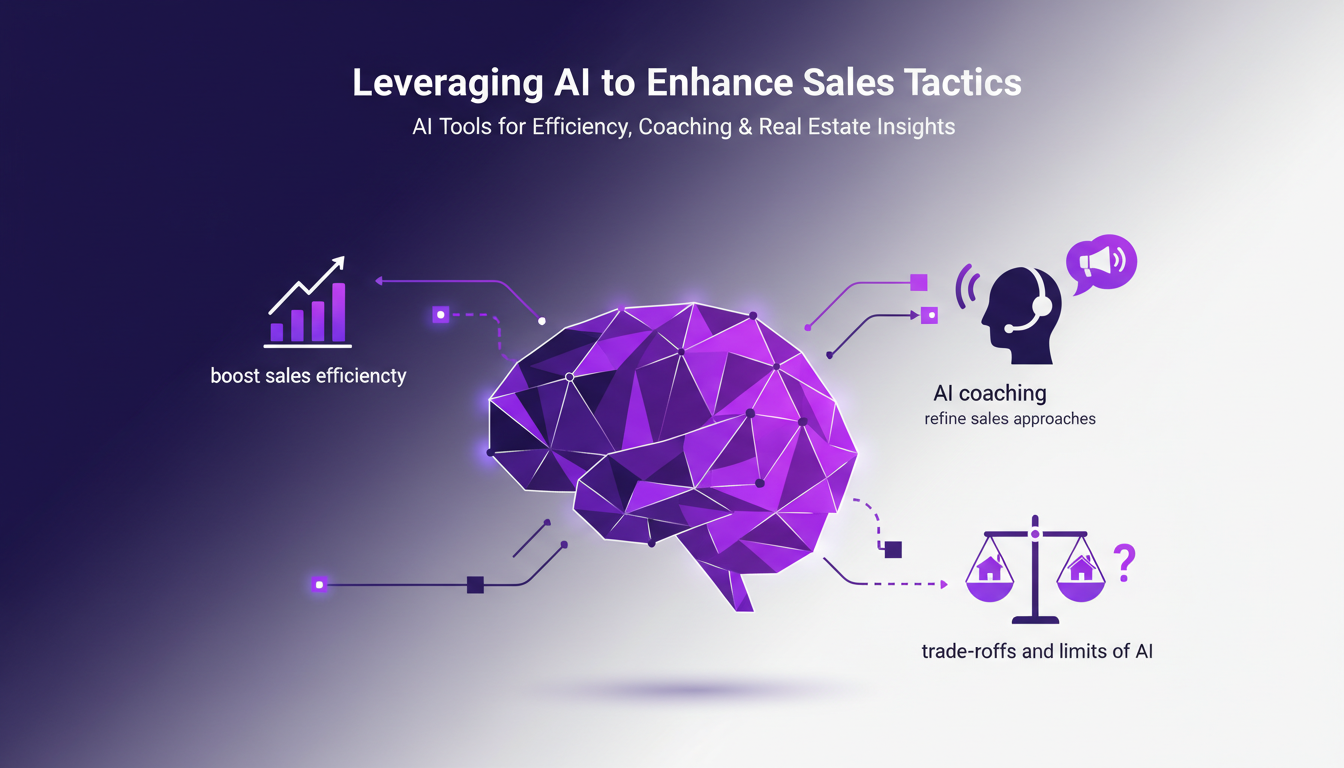
I've integrated AI tools to boost sales efficiency. AI can coach and refine approaches after each appointment. But beware, there are limits. AI doesn't replace human intuition. Once, AI insights guided me to a successful acquisition, but without my final judgment, it could have failed.
The benefits of AI: reducing analysis time and providing personalized advice, but it shouldn't be overused. AI can be a game changer, but always remember the context limits.
Future Goal Setting: Beyond 2026
Thinking beyond 2026 is critical. I've implemented strategies to future-proof my investments, considering market trends and economic indicators. For instance, I keep an eye on interest rates and inflation to adjust my investments accordingly.
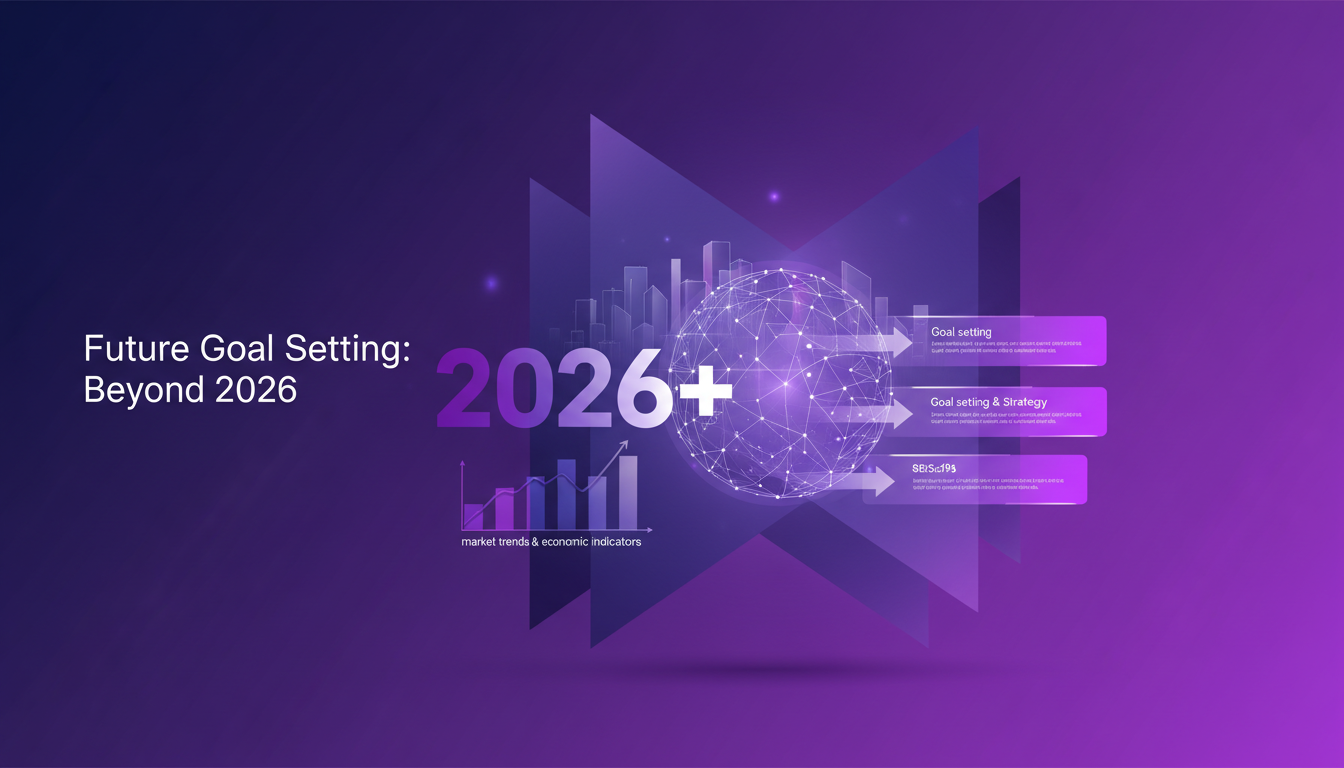
Risks exist, of course. But by diversifying my assets and staying informed, I can mitigate these risks. Future thinking also means adapting to unforeseen changes.
Focusing on Objectives Over Property Details
Objectives should always drive real estate decisions. I've often seen opportunities missed due to over-focus on details. Once, I nearly lost a sale because I couldn't get past a property's minor imperfections.
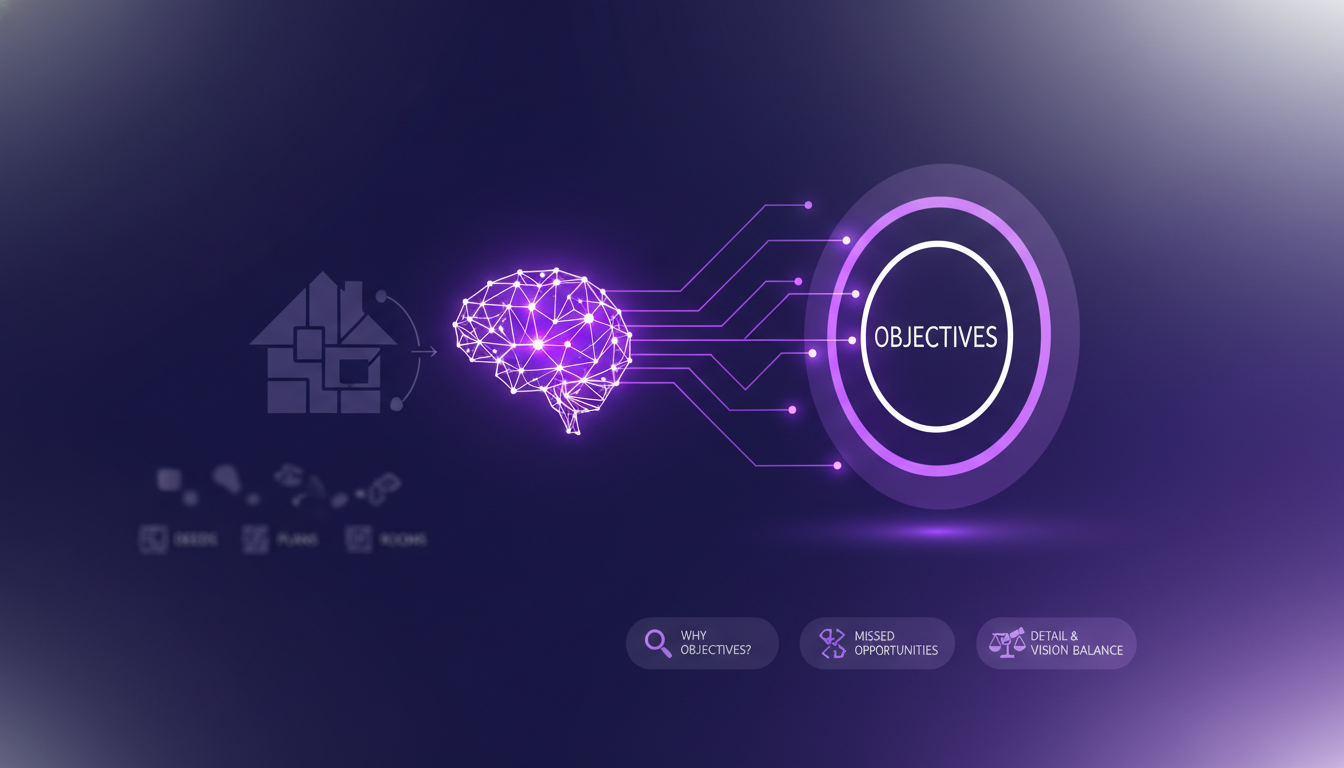
To maintain this balance, team alignment is crucial. I ensure constant communication so everyone stays focused on the overarching goals. Here are some tips:
- Prioritize overarching objectives
- Ensure clear team communication
- Stay flexible and ready to adapt
In real estate, it's not just about buying and selling. It's a strategic dance where aligning your goals and leveraging the right tools can be a real game changer. Here's what I've taken away:
- First, understanding the distinct roles of acquisitions and dispositions is crucial. It allows you to align your goals more effectively.
- Next, goal alignment isn't just a buzzword. It's the key to maximizing your sales and acquisitions.
- AI, when integrated well, can truly transform your sales tactics. It enables you to make informed decisions and optimize your outcomes.
Looking towards 2026, think about how these strategies can shape your real estate portfolio. Start assessing your current strategy and see where AI and goal alignment can enhance your real estate journey. Watch the original video to deepen your understanding and leverage these insights in your own practice.
Frequently Asked Questions

Thibault Le Balier
Co-fondateur & CTO
Coming from the tech startup ecosystem, Thibault has developed expertise in AI solution architecture that he now puts at the service of large companies (Atos, BNP Paribas, beta.gouv). He works on two axes: mastering AI deployments (local LLMs, MCP security) and optimizing inference costs (offloading, compression, token management).
Related Articles
Discover more articles on similar topics
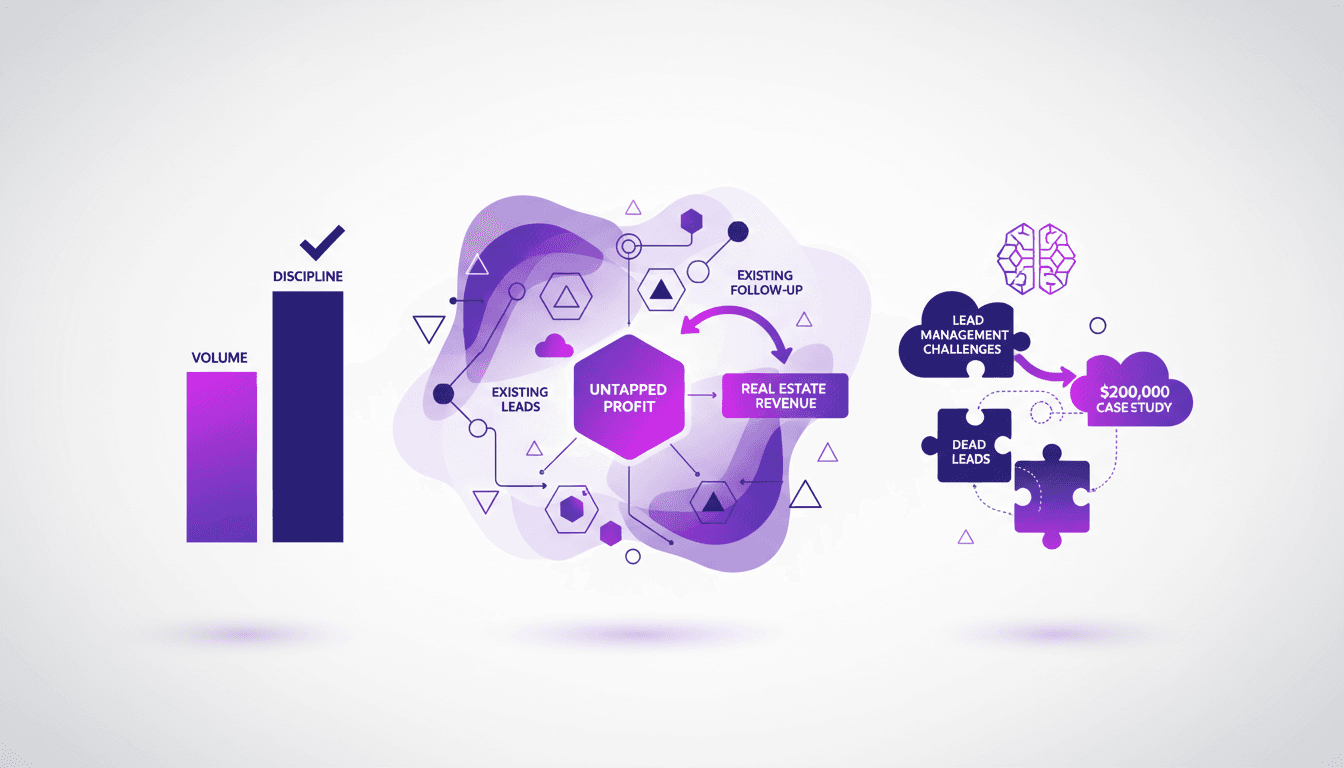
Harnessing CRM: $200K from Dead Real Estate Leads
I plugged my supposedly dead real estate leads into an AI-driven CRM and walked away with $200K. Here's how I did it. In real estate, we often chase new leads while ignoring the goldmine sitting in our CRM. Let's talk about how follow-up can transform 'dead' leads into significant revenue. From my experience, 70% of deals come from follow-up. So I thought, why not revisit those forgotten leads? The result: $200,000 generated. It's not rocket science, but it requires discipline and a rigorous follow-up strategy. Want to know how to harness this untapped potential? Join me in this case study.
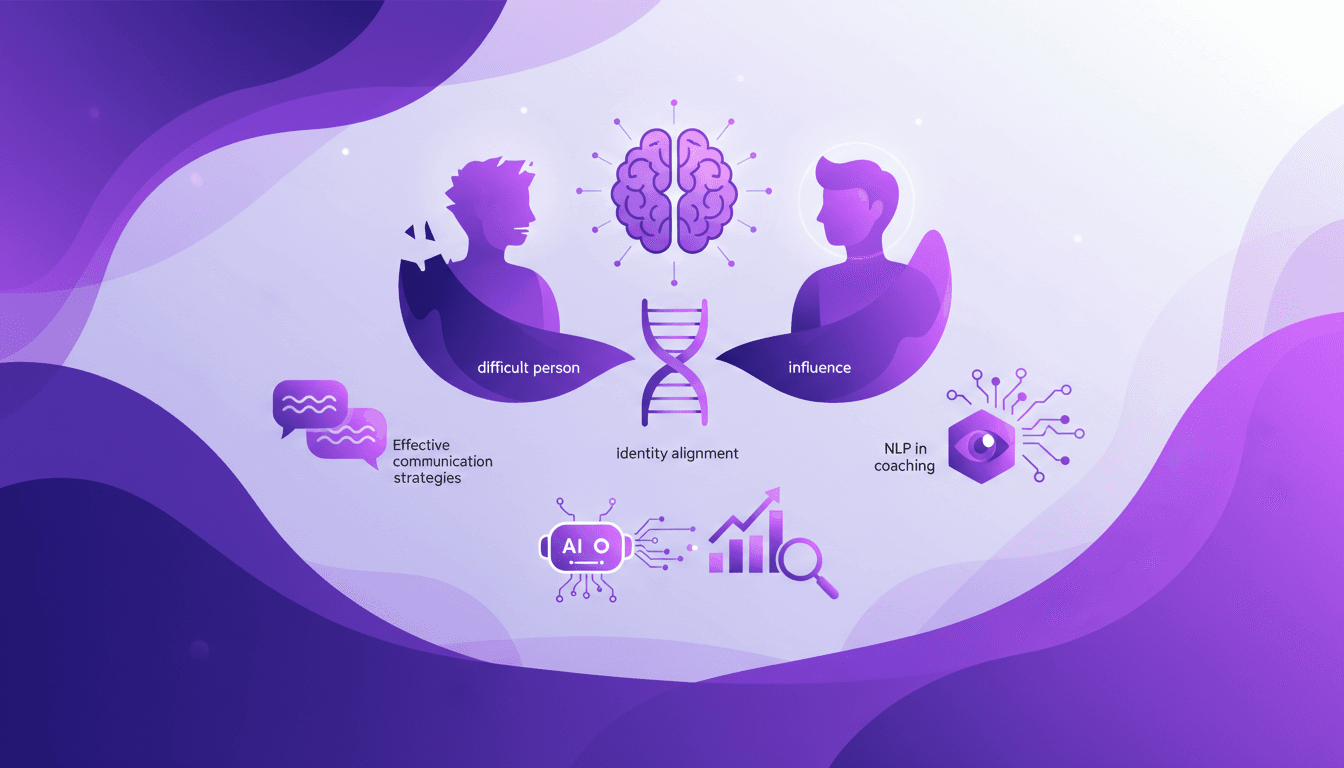
Influencing Difficult People: Practical Techniques
I've been there—staring down a negotiation with someone who just won't budge. It's frustrating, but here's what I've learned: it’s all about aligning their identity with the task at hand. Let me walk you through how I orchestrate this using insights from Tony Robbins and a bit of AI magic. When dealing with difficult people, it often feels like you're speaking different languages. But by aligning actions with identity and leveraging tools like NLP and AI bots, you can turn the tide in your favor.

AI Auto-Evolution: Towards Autonomy
I remember the first time I saw an AI tweak its own code. It was like watching a child learn to walk—thrilling and a bit terrifying. In this article, I'm diving into the world of AI self-improvement, where machines aren't just executing tasks but redefining their capabilities. With AI systems now capable of modifying their own source code, we're witnessing a shift in software evolution. This isn't just a theoretical leap; it's a practical reality impacting industries like e-commerce and automotive. Discover how this AI auto-evolution is transforming key players like Shopify, Stripe, and Tesla, and what it means for the future of AI-driven development.
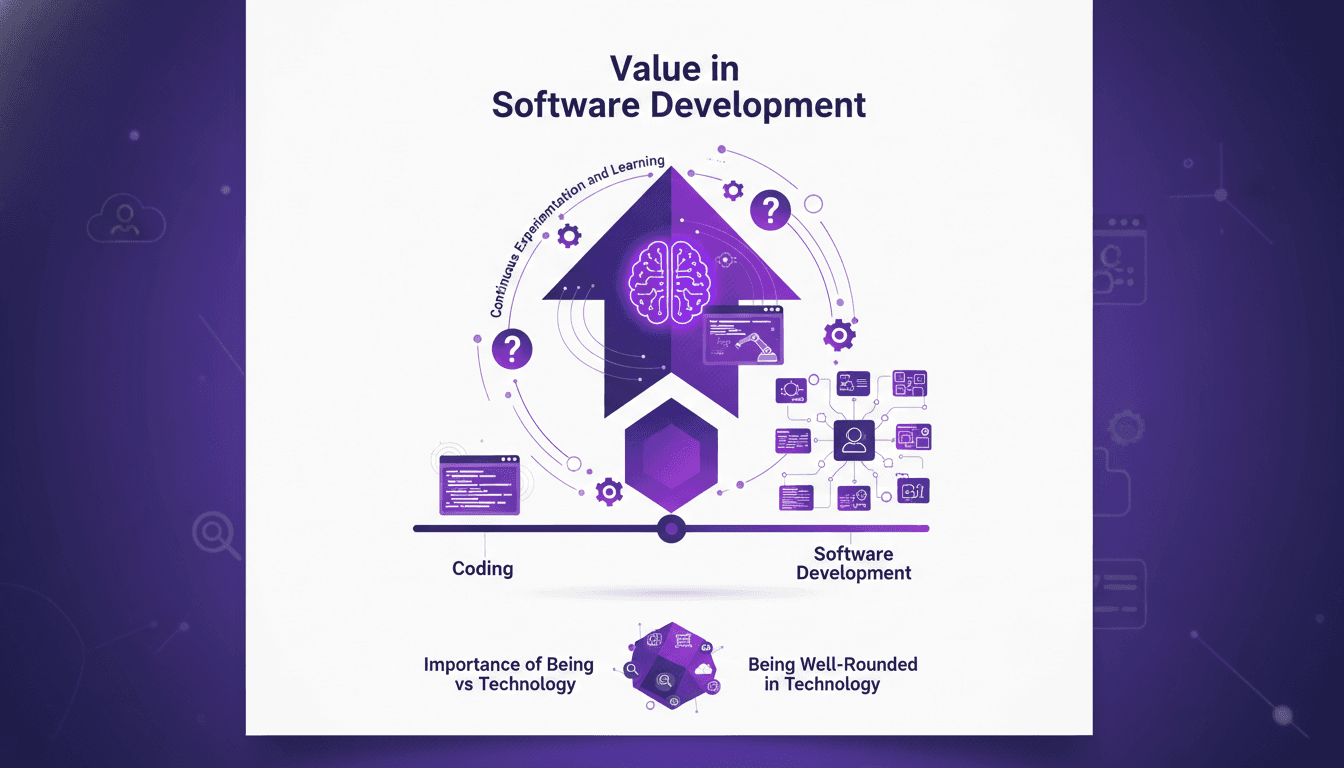
Software Development: Fast Coding, But at What Cost?
I've been coding at breakneck speed, but over time, I learned that the real cost isn't just about how fast you type. Software development is a whole different game. You can code 55 times faster, but if you're not careful, costs can skyrocket. Let's dive into why coding is cheap, but software is expensive. We'll explore the importance of being well-rounded, the role of junior engineers and AI, and why continuous experimentation is key. It's in understanding the value beyond mere lines of code that successful projects are distinguished from costly failures.
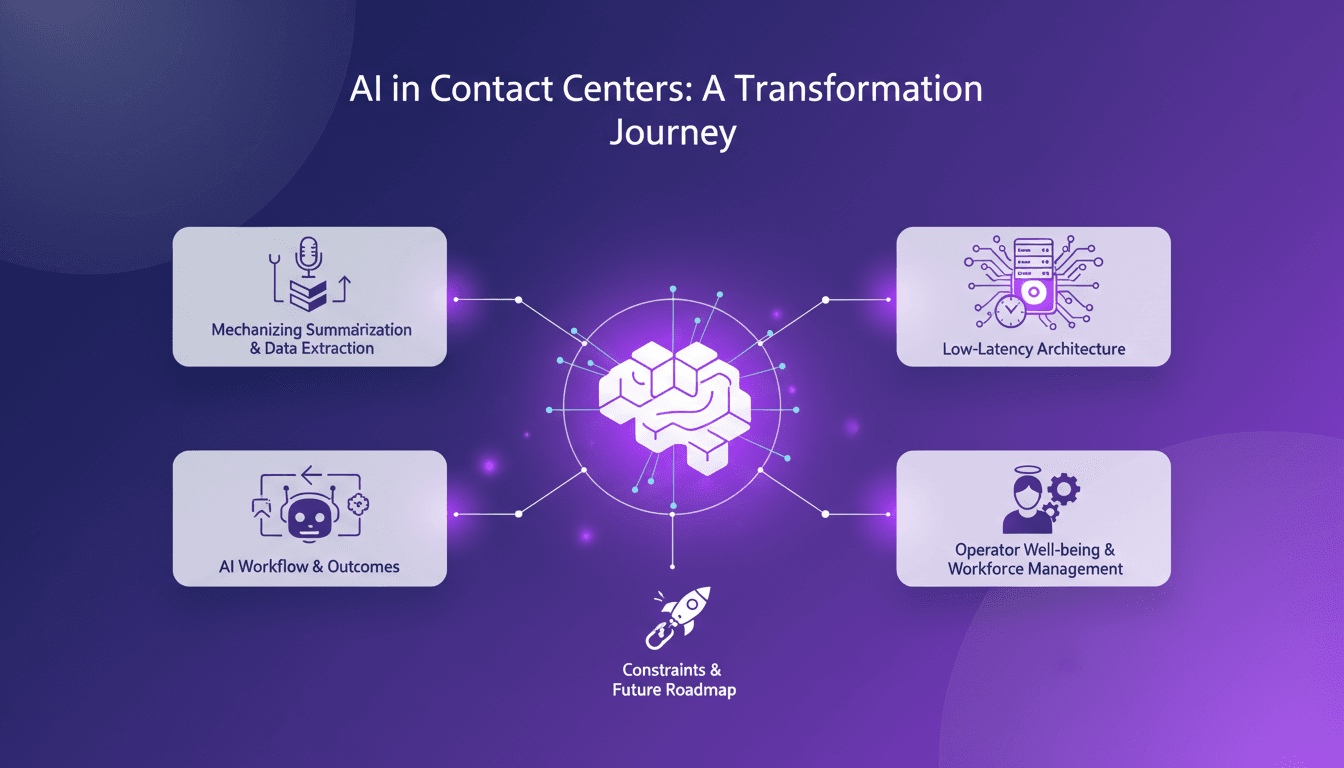
Low-Latency Audio Intelligence: AI Workflow Insights
I've spent countless hours in the trenches of contact centers, where every minute counts. When I decided to tackle low-latency intelligence extraction from messy audio streams, I knew I was up against a giant. But I figured out how to mechanize the process to save time and boost efficiency. Contact centers, the backbone of customer interaction, face major hurdles: hiring, training, productivity. AI can change the game, especially in summarizing and extracting data from audio. Let's dive into the workflow, the technical architecture, and the outcomes.