How I Became an Actor: My Journey
I always knew I had a knack for acting. One day I'm making people laugh, the next I'm crying. But identifying as an actor? That took some encouragement. In this article, I'll take you through how my passion turned into my profession. I'll show you the journey from my first steps to landing a paid role. You'll see how I created and posted my first skit, and I'll share some insights on scriptwriting. If you're thinking of diving in or just looking for inspiration, join me on this adventure. You'll find the path is full of surprises, but also great achievements.
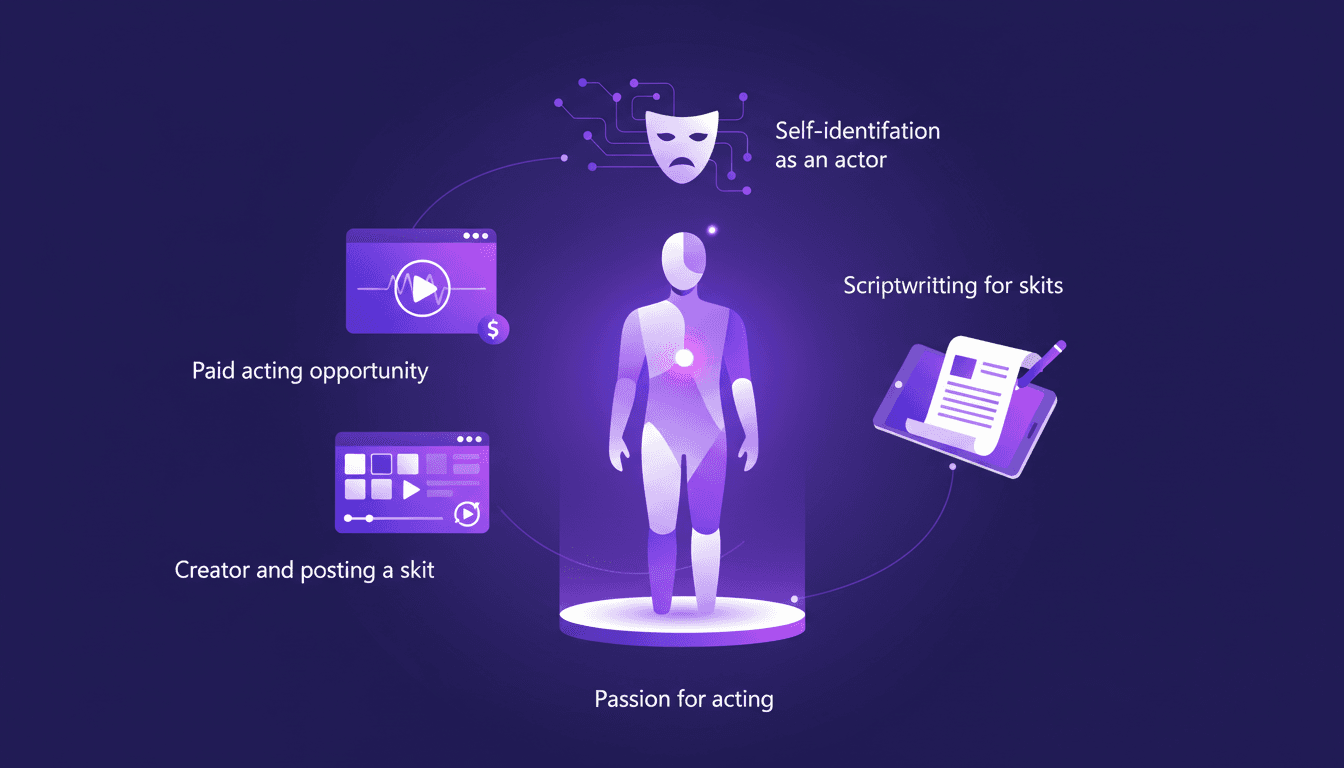
I always knew I had a knack for acting. One day I'm making people laugh, the next I'm crying. But identifying as an actor? That took some time and, frankly, a bit of encouragement. In this article, I'm going to walk you through how my passion turned into my profession. I'll show you my journey, from performing just for fun to landing my first paid acting gig. I'll dive into creating my first skit, how I posted it, and share some tips on scriptwriting. For those of you looking to jump in or just seeking a bit of inspiration, this adventure is for you. You’ll see, the path is full of ups and downs, but the successes are there, clear as day. So, are you ready to see how I turned my passion into a career?
Embracing My Identity as an Actor
Realizing I was an actor was a pivotal moment in my career. I always had this passion for acting, but the day I stopped saying "I want to be an actor" and started affirming "I am an actor" was transformative. It's like stepping out of the shadows into the light.
External support was crucial here. Without the encouragement from peers, who insisted I was already an actor, I might never have dared. I realized that self-belief and external support are essential pillars. As for versatility, it's the key to the profession. One day I'm funny, the next I'm crying, and this adaptability is what makes the job so dynamic.
"Stop saying you want to be an actor. You are an actor."
- Self-belief and external encouragement are crucial
- Versatility needed for diverse roles
Landing My First Paid Acting Opportunity
When I was offered my first paid role, it was like hitting the jackpot. Someone offered to pay me to act on my own channel. It was an incredible moment of validation. The first step was negotiating the role. I wanted to ensure this opportunity reflected not only my skills but also my aspirations.
Accepting this role was a significant boost to my self-esteem. Not only did it give me confidence, but it also legitimized my career choice. Seeing my passion rewarded financially was a game changer.
- Integrating skills and aspirations in negotiation
- Personal and professional validation through payment
The Art of Creating and Posting a Skit
Creating a skit is an art in itself. It all starts with an idea, which I develop into a script. Then I move to the filming stage, where every detail counts. For posting, I use platforms like YouTube and Instagram, which are my main showcases. But watch out, you need to juggle creativity with practical constraints.
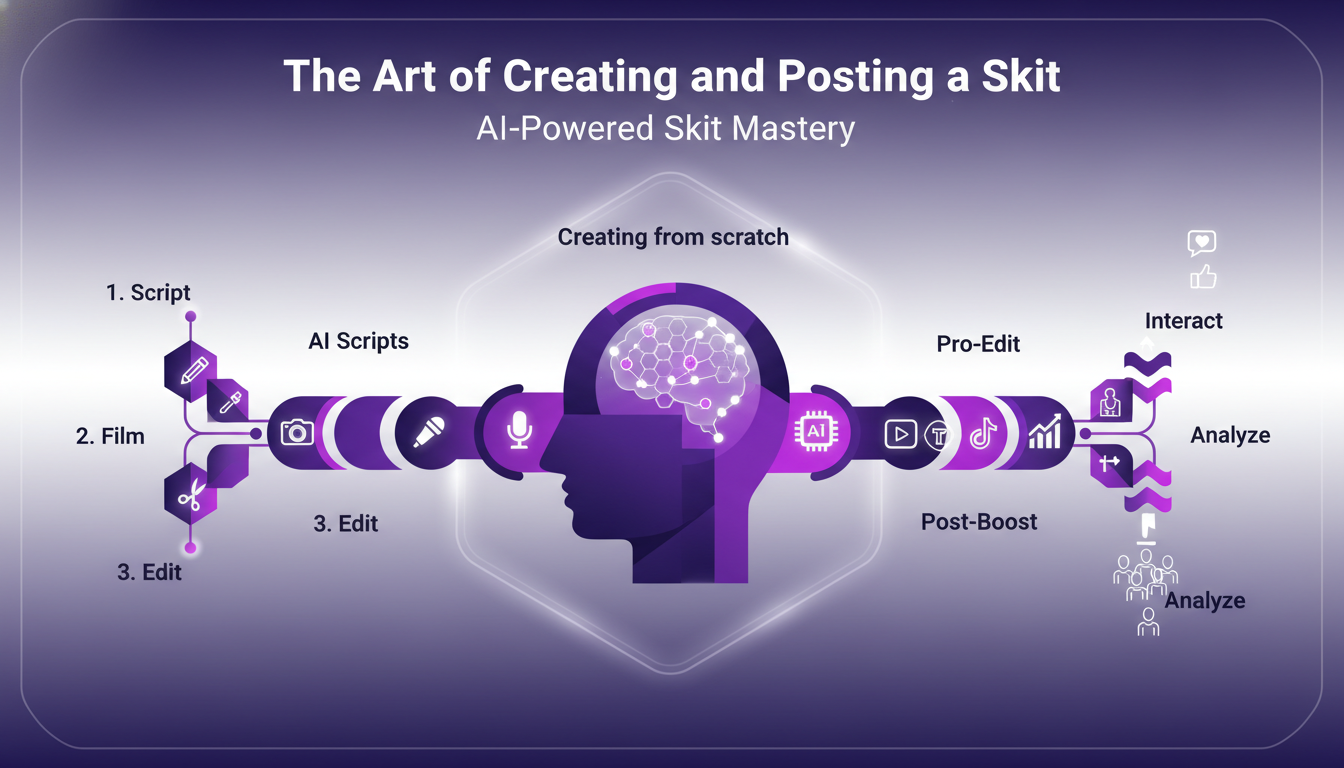
To engage an audience, authenticity is key. I make sure to interact with my audience, especially through comments and polls. It's a delicate balance between innovation and staying true to oneself.
- Using platforms like YouTube and Instagram
- Interactivity and authenticity to engage the audience
- Balancing creativity with practical constraints
Scriptwriting: From Concept to Execution
Scriptwriting for a skit is a crucial step. I've learned to avoid common pitfalls, such as ignoring narrative structure. Each script is an iterative process, where I constantly refine dialogue and action. Feedback is vital, whether from peers or my audience.
The biggest trap is getting lost in details and losing sight of the core message. That's why I always stay focused on the story's heart.
- Importance of narrative structure
- Iterative process and essential feedback
- Avoiding getting lost in details
Lessons Learned and Future Aspirations
My journey as an actor has taught me valuable lessons. Perseverance is indispensable, as is embracing constructive criticism. Challenges are plentiful, but they forge character.

For the future, I aim for more varied roles and wish to develop my own series. To those starting out, I say: believe in yourself and seize every opportunity.
- Perseverance and embracing criticism
- Explore varied roles and personal projects
- Advice to aspiring actors: self-belief and opportunities
Reflecting on my acting journey, it's a mix of passion, challenges, and triumphs. First, embrace your identity as an actor. This path is like a rollercoaster—one day I'm funny, the next day I'm crying. Then, seize every opportunity, even the small ones. Lastly, keep refining your craft; it's built in the daily grind. Eventually, a paid opportunity will come your way, but only if you're prepared. Looking forward, the world of acting can be a real game changer for those who persist, but beware of the ups and downs. So, are you ready to start your own journey? Grab a script, create a skit, and put yourself out there. The stage is yours! For a deeper dive into my experience, watch the full video 'His friend has his back 🫡' on YouTube. It's a treasure trove for those who really want to understand what this path entails.
Frequently Asked Questions

Thibault Le Balier
Co-fondateur & CTO
Coming from the tech startup ecosystem, Thibault has developed expertise in AI solution architecture that he now puts at the service of large companies (Atos, BNP Paribas, beta.gouv). He works on two axes: mastering AI deployments (local LLMs, MCP security) and optimizing inference costs (offloading, compression, token management).
Related Articles
Discover more articles on similar topics
Acquisitions vs. Dispositions: Real Estate Approach
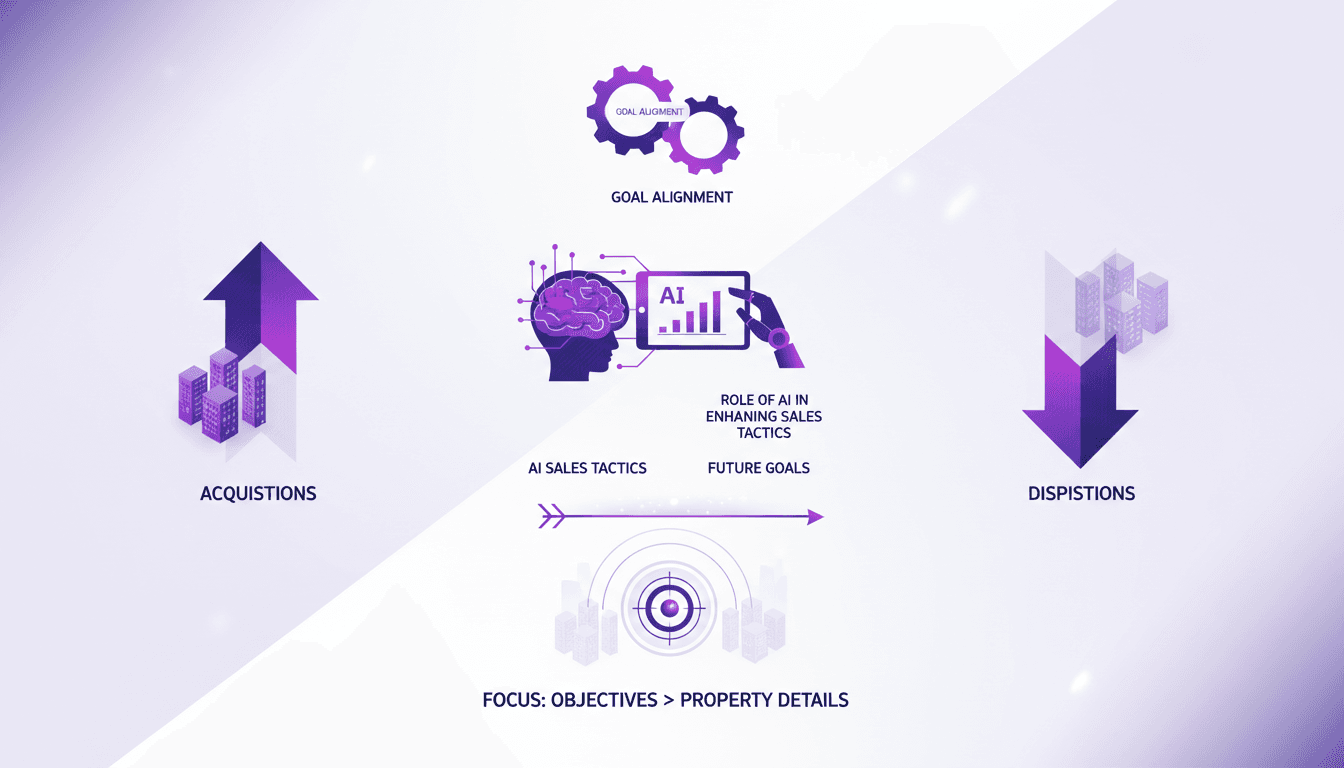
When I first dove into real estate, I thought acquisitions and dispositions were just two sides of the same coin. Rookie mistake. With each deal I closed, I realized just how fundamentally different these two key stages are. Today, I'm taking you through my journey where aligning goals, leveraging AI, and focusing on what truly matters became essential for success. You'll see how in real estate, understanding these nuances can completely transform your strategy. This isn't just theory—it's lived experience. We'll talk about the importance of goal alignment, the role of AI in enhancing sales tactics, and why setting future goals, like those for 2026, is critical. Come along and find out how to avoid the costly mistakes I made.

Influencing Difficult People: Practical Techniques
I've been there—staring down a negotiation with someone who just won't budge. It's frustrating, but here's what I've learned: it’s all about aligning their identity with the task at hand. Let me walk you through how I orchestrate this using insights from Tony Robbins and a bit of AI magic. When dealing with difficult people, it often feels like you're speaking different languages. But by aligning actions with identity and leveraging tools like NLP and AI bots, you can turn the tide in your favor.
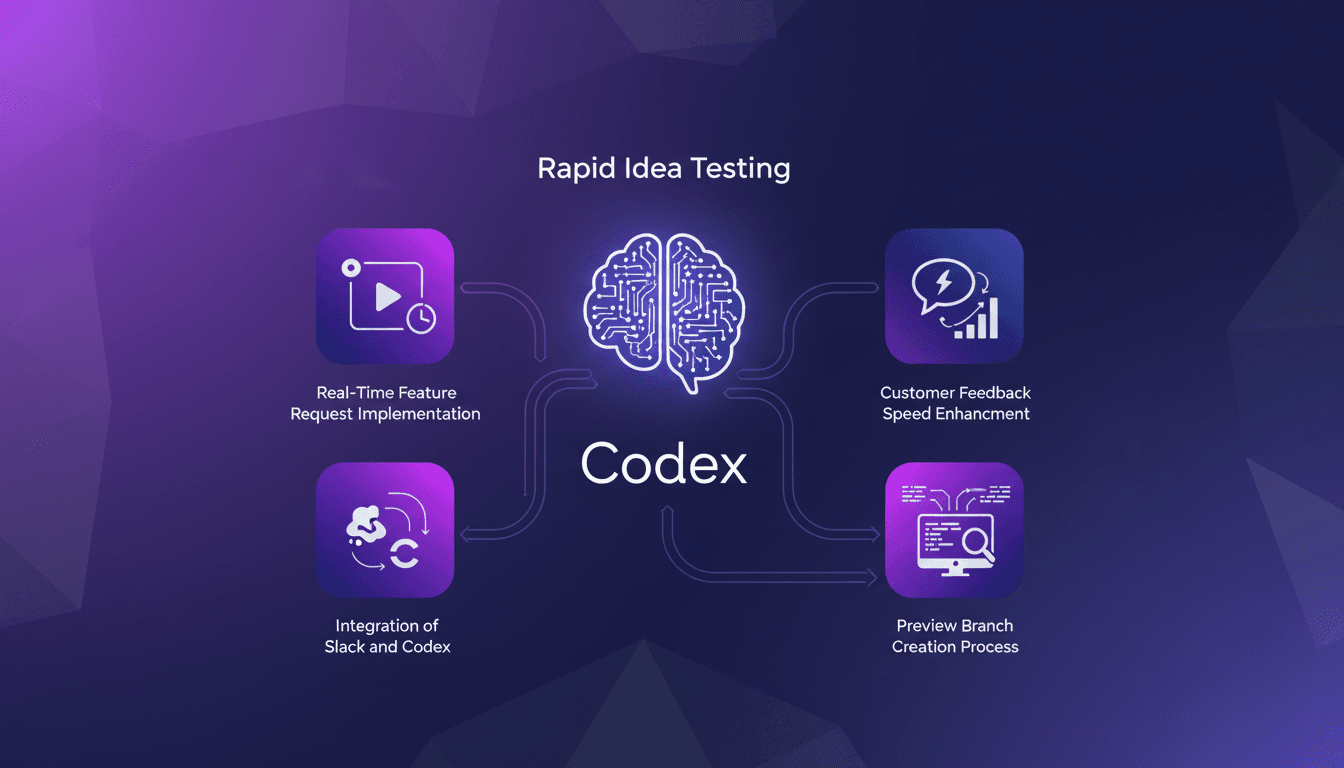
Rapid Idea Testing with Codex
I remember the first time I integrated Codex into our workflow. It was like flipping a switch on our idea testing process. What used to take days could now be done in hours. Codex isn't just a tool; it's a game changer for any team looking to speed up their development cycle. In this article, I'll show you how I orchestrated the integration of Codex with Slack to enhance customer feedback speed and create preview branches in the blink of an eye. Whether it's for rapid idea testing or real-time feature request implementation, Codex has transformed the way we work.
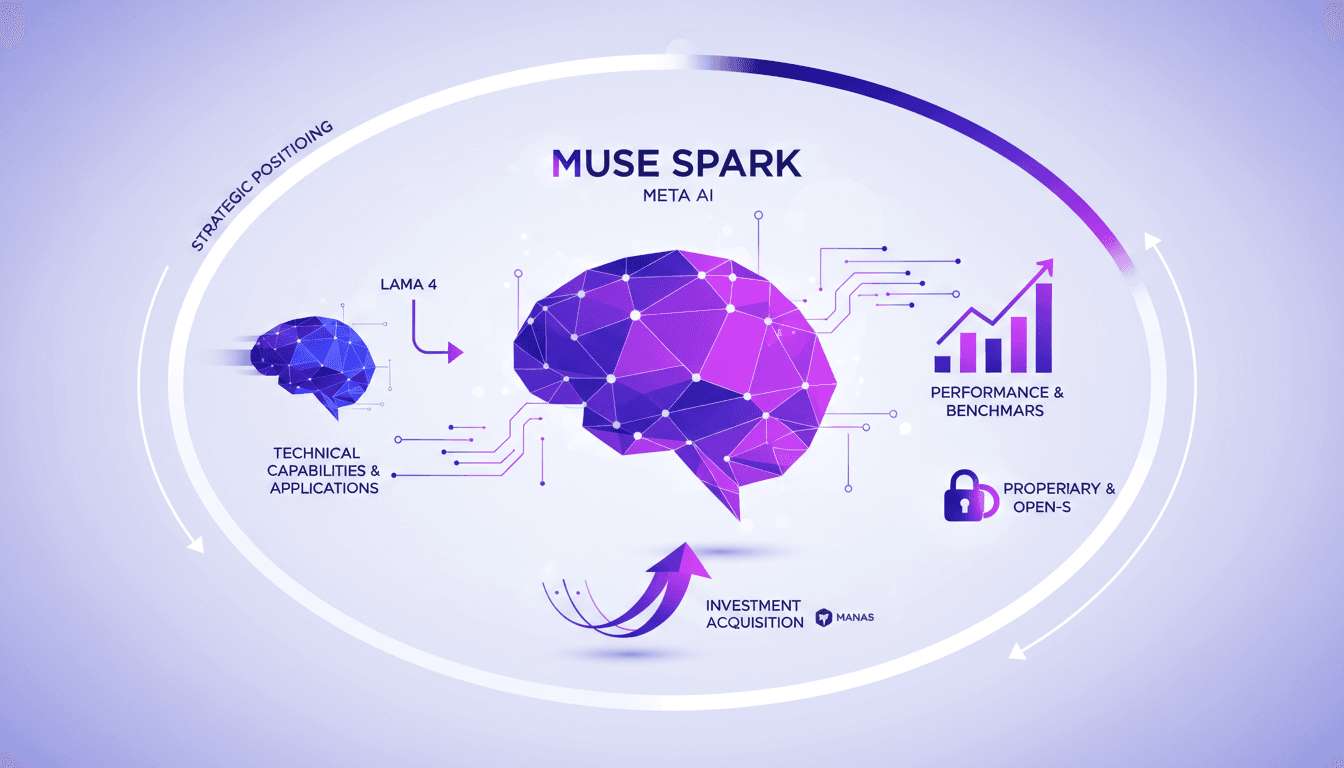
Meta's Muse Spark: The Lama 4 Successor
I was knee-deep in AI model development when Meta dropped Muse Spark. This new model isn't just the next step after Lama 4—it's a real leap forward. We're breaking down what sets it apart, from its performance to its future open-sourcing plans. Meta's hefty investment, including the acquisition of Manas, shows they're serious, and Muse Spark is proof of that. It's a powerhouse tool, but watch out for proprietary limits. Stick with me, I'll walk you through it all.
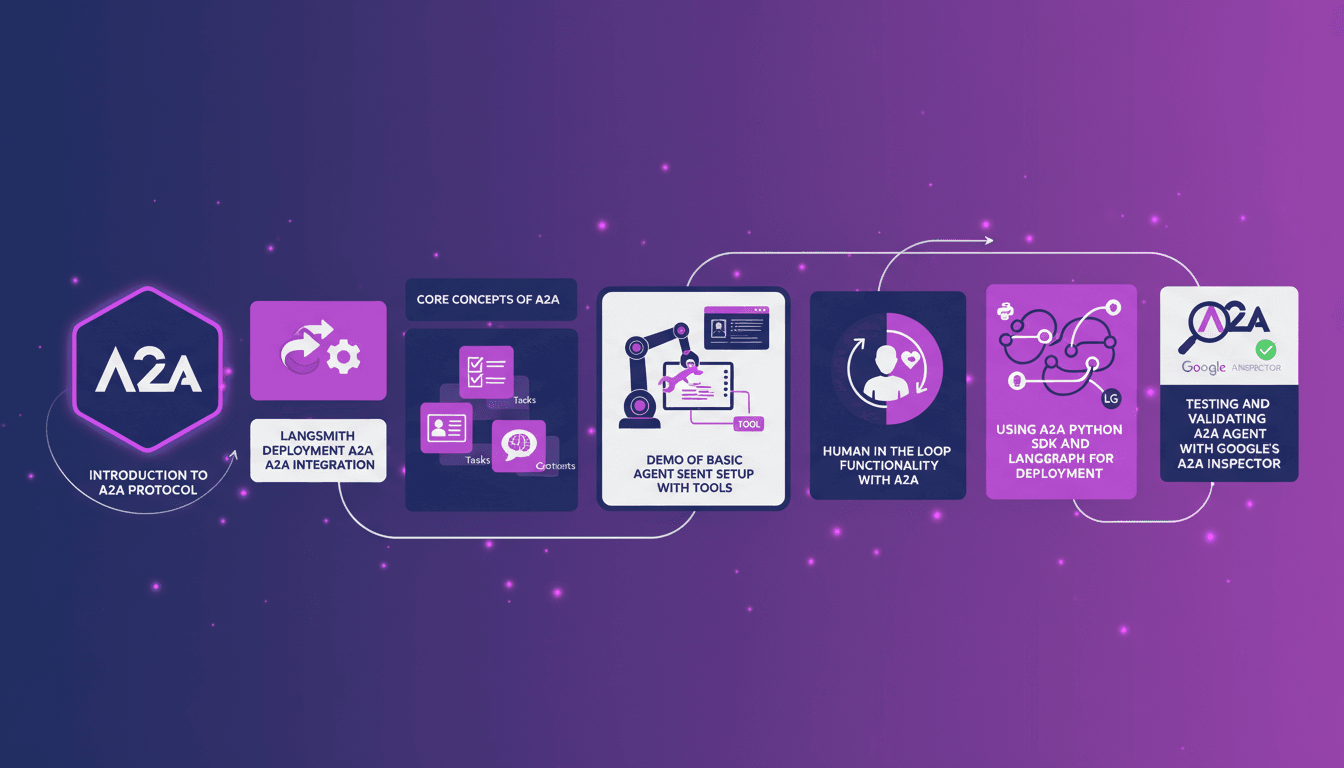
Deploy Agents with A2A on LangSmith
Ever tried deploying agents with the A2A protocol on LangSmith? I did, and it changed my workflow. When Google released A2A in 2024, I was intrigued. Integrating it with LangSmith has honestly streamlined everything, saving time and resources. I'll walk you through how I set it up, the pitfalls I avoided, and how I used LangGraph and the Python SDK to orchestrate it all. We're talking agent cards, tasks, contexts, and of course, testing with Google's inspector. It's powerful stuff, but watch out for limits, especially when you go beyond 100K tokens.