Meta's Muse Spark: The Lama 4 Successor
I was knee-deep in AI model development when Meta dropped Muse Spark. This new model isn't just the next step after Lama 4—it's a real leap forward. We're breaking down what sets it apart, from its performance to its future open-sourcing plans. Meta's hefty investment, including the acquisition of Manas, shows they're serious, and Muse Spark is proof of that. It's a powerhouse tool, but watch out for proprietary limits. Stick with me, I'll walk you through it all.
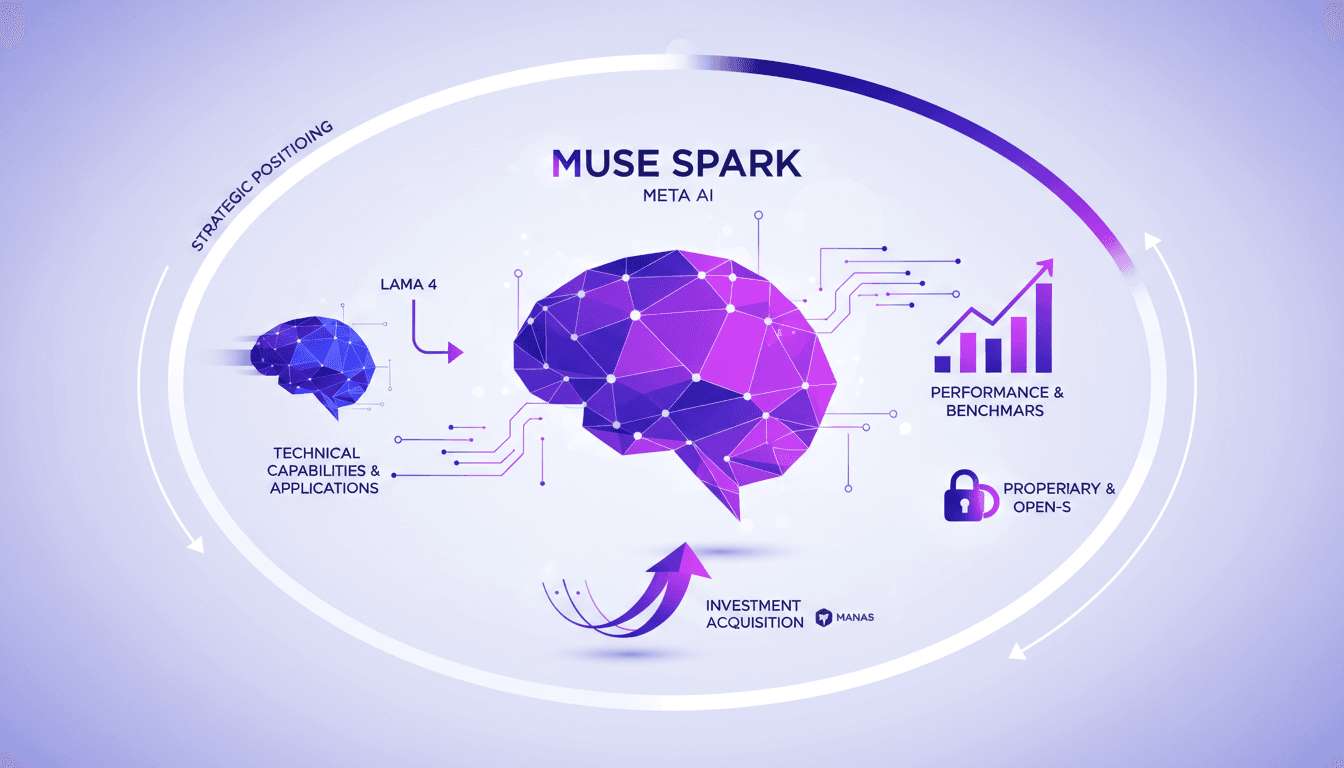
I was knee-deep in AI model development when Meta dropped Muse Spark. A real game-changer. It's not just an evolution of Lama 4; it's a revolution. When I started digging into this new beast, the differences were clear. Muse Spark operates in two modes: instant and thinking. It's a significant leap, but there are traps to avoid. Meta's heavy investment, including acquiring Manas, is evident in performance metrics. But watch out—it's still largely proprietary. I'll show you how it stacks up against Lama 4 and where it's taking us. With benchmarks, technical capabilities, and future open-sourcing plans, there's plenty to discuss. For those of us in the field, it's a real game-changer. Let's dive into what it means for the future of AI.
Introduction to Muse Spark: A New Era
The launch of Muse Spark by Meta marks a significant shift in AI modeling. Following the underwhelming release of Lama 4, Meta has reinvented itself by heavily investing in its AI capabilities. By acquiring Manas to enhance their multi-user agent systems, Meta is showing its determination to dominate the AI market. Muse Spark operates in two distinct modes: instant and thinking, promising diverse and optimized applications.
Meta’s commitment to AI isn't just about money. With over $14 billion invested, top-tier talent acquisition, and a new strategic direction, they aim to reboot their AI division. Muse Spark is the culmination of this hard work, and it's expected to be a game changer in the AI field.
Muse Spark vs Lama 4: A Comparative Analysis
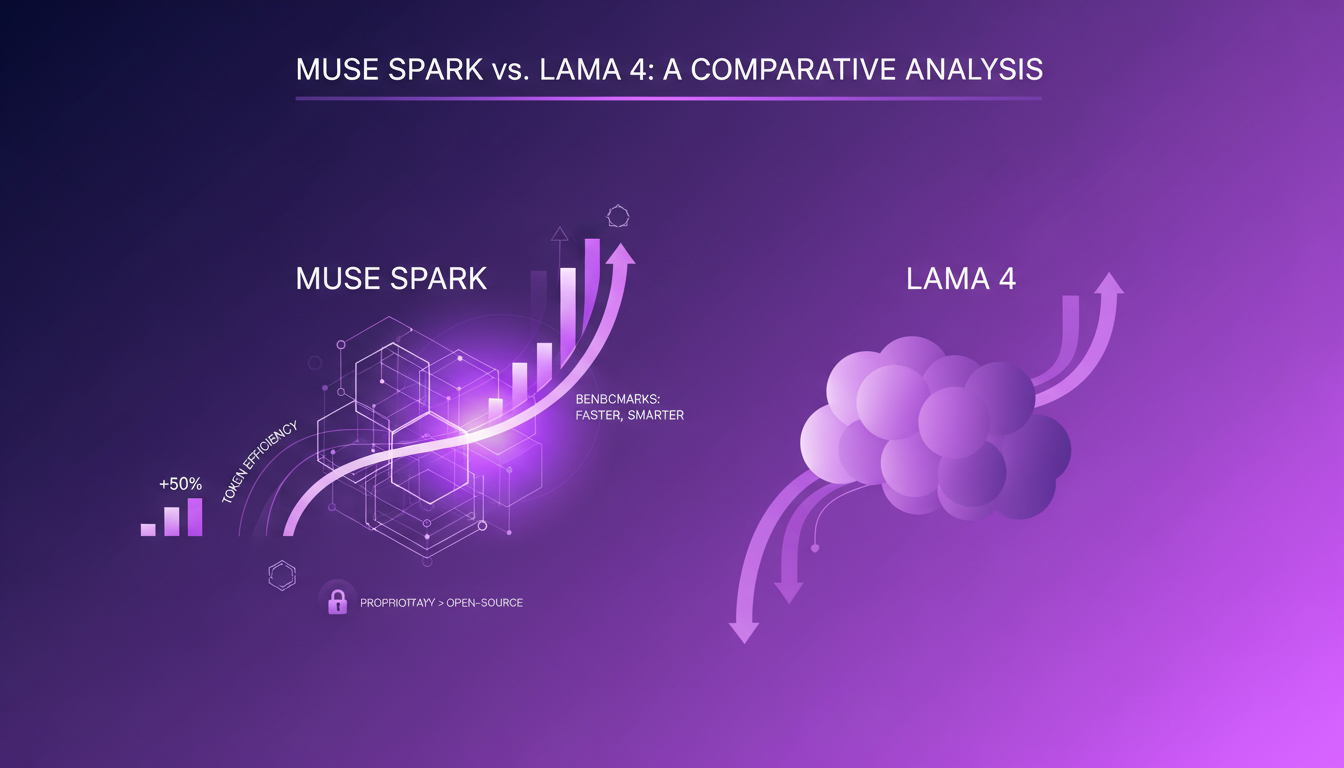
Compared to Lama 4, Muse Spark performs significantly better on several benchmarks. The model has drastically improved token efficiency, which was a major weakness of Lama 4. Although Muse Spark is a proprietary model, Meta plans to open-source it in the future, which could change the landscape. The two operating modes, instant and thinking, offer intriguing trade-offs. Instant is perfect for quick tasks, while thinking allows for more complex analyses.
In terms of benchmarks, Muse Spark ranks among the top five models. It’s not the best, but far from bad. Its ability to efficiently manage tokens makes it especially appealing for applications requiring refined vision. However, watch out for performance limits in the thinking mode, which can be resource-intensive.
Meta's Investment and Strategic Moves
With an investment of approximately $14 billion, Meta isn't doing things halfway. The acquisition of Manas for $1 to $2 billion demonstrates their commitment to strengthening their multi-user agent systems. These investments directly translate into the development of Muse Spark, enhancing its capability to meet the needs of Facebook users and other platforms.
Meta is strategically positioning itself in the AI landscape, competing with giants like OpenAI and Google. The Muse Spark model, while proprietary, is a significant asset in their arsenal and could well allow them to gain a technological edge.
Technical Capabilities and Applications
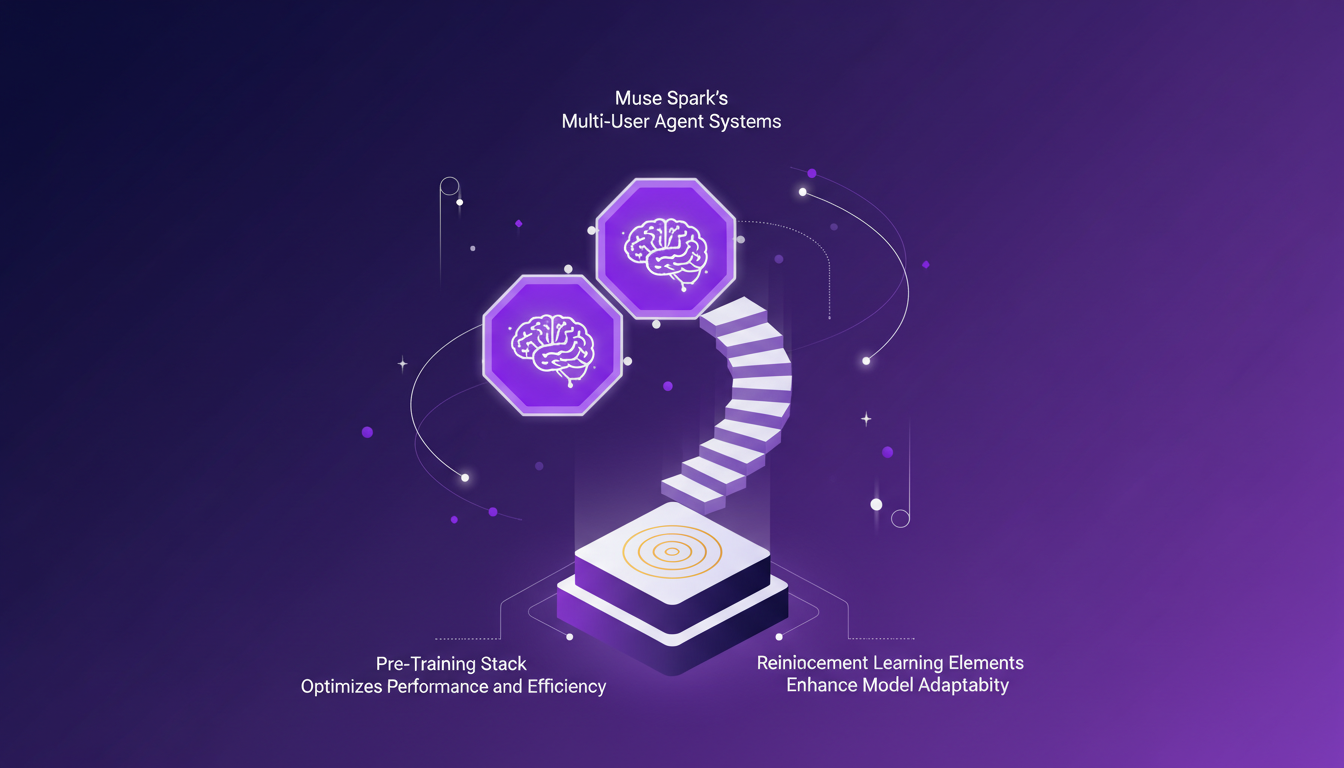
Muse Spark isn't just a high-performing model; it also integrates multi-user agent systems and reinforcement learning elements that enhance its adaptability. Its pre-training stack has been completely rebuilt over the past nine months, optimizing its performance and efficiency.
The potential applications of Muse Spark are vast, ranging from personal assistants on Facebook to content management systems. Thanks to its token efficiency and ability to handle complex tasks, it is well-positioned to transform various industries.
Future Developments and Industry Implications
Meta plans to open-source Muse Spark in the future, which could have major implications for the entire AI sector. While the model is robust, it does have some limitations, particularly in the thinking mode, which could be costly in terms of resources.
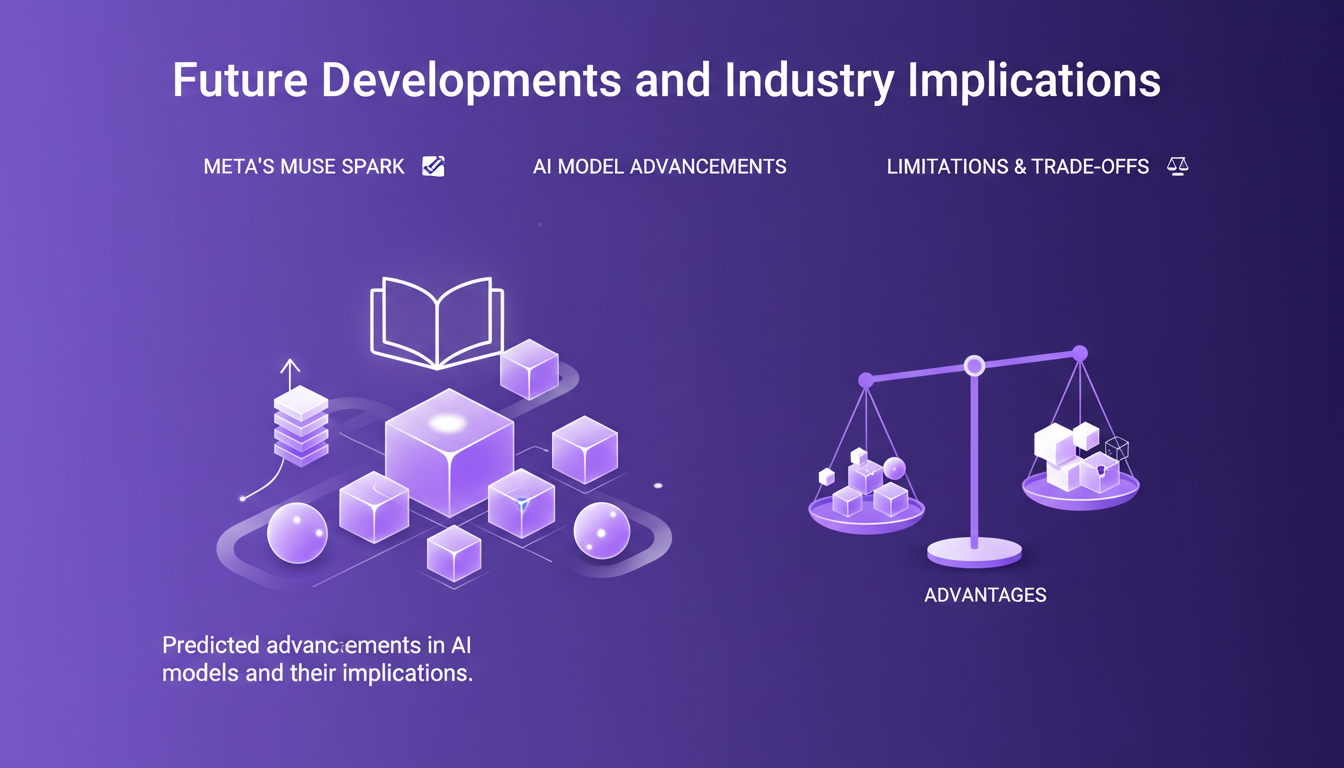
With Muse Spark, Meta plays a key role in shaping AI development trends. The anticipated advancements in AI models and their implications could very well redefine the technological landscape in the coming years.
I've plugged Muse Spark into my workflows, and let me tell you, it's not just another AI model. It's Meta's proof of commitment to pushing boundaries. Here are the key takeaways:
- Muse Spark is a powerhouse, but knowing its limits is crucial to harness its full potential. It runs in two modes: instant and thinking.
- Compared to Lama 4, Muse Spark delivers enhanced performance, a result of 9 months of dedicated work by the team.
- Meta isn't just building models; acquiring Manas highlights their strategic foresight in the AI landscape.
Looking ahead, Muse Spark could redefine how we approach AI models, but we need to stay aware of its limitations.
I highly recommend watching the video "Meta's NEW Llama Replacement - Muse Spark" to dive deeper. You'll catch the nuances that might change how you work with AI. YouTube link
Frequently Asked Questions

Thibault Le Balier
Co-fondateur & CTO
Coming from the tech startup ecosystem, Thibault has developed expertise in AI solution architecture that he now puts at the service of large companies (Atos, BNP Paribas, beta.gouv). He works on two axes: mastering AI deployments (local LLMs, MCP security) and optimizing inference costs (offloading, compression, token management).
Related Articles
Discover more articles on similar topics

AI Auto-Evolution: Towards Autonomy
I remember the first time I saw an AI tweak its own code. It was like watching a child learn to walk—thrilling and a bit terrifying. In this article, I'm diving into the world of AI self-improvement, where machines aren't just executing tasks but redefining their capabilities. With AI systems now capable of modifying their own source code, we're witnessing a shift in software evolution. This isn't just a theoretical leap; it's a practical reality impacting industries like e-commerce and automotive. Discover how this AI auto-evolution is transforming key players like Shopify, Stripe, and Tesla, and what it means for the future of AI-driven development.
Agentic Engineering: Collaborate with AI
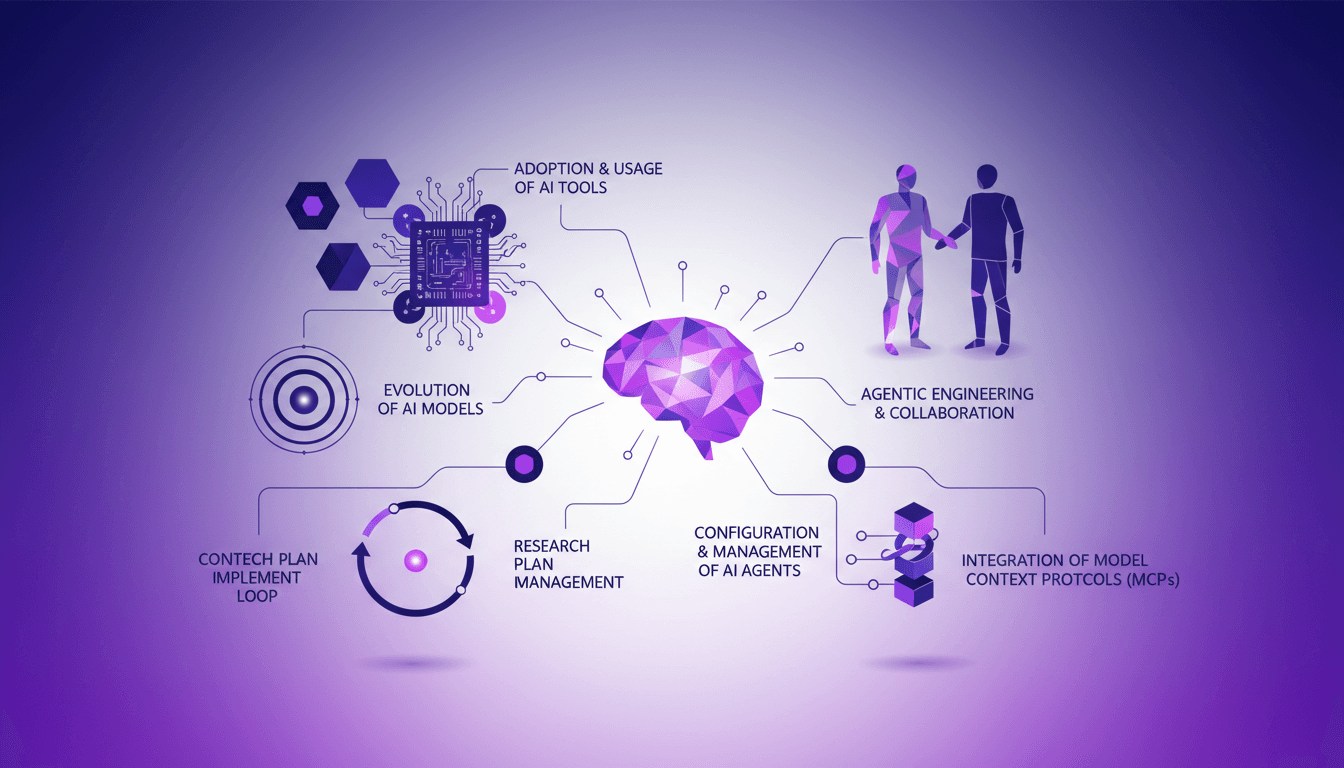
I remember when I first started integrating AI tools into my workflow. It was like discovering a new continent. But the trick wasn't just using AI; it was working with it. That's where agentic engineering comes into play. Today, collaborating with AI goes beyond automation. It's about forging a true partnership with technology. In this article, I'll share how I and other engineers are making this shift—integrating AI models into our development processes, managing context effectively, and configuring AI agents that adapt to our needs. We're no longer passive users; we're active orchestrators. Ready to explore this new frontier?
Accelerating AI: Building a Superintelligent Future
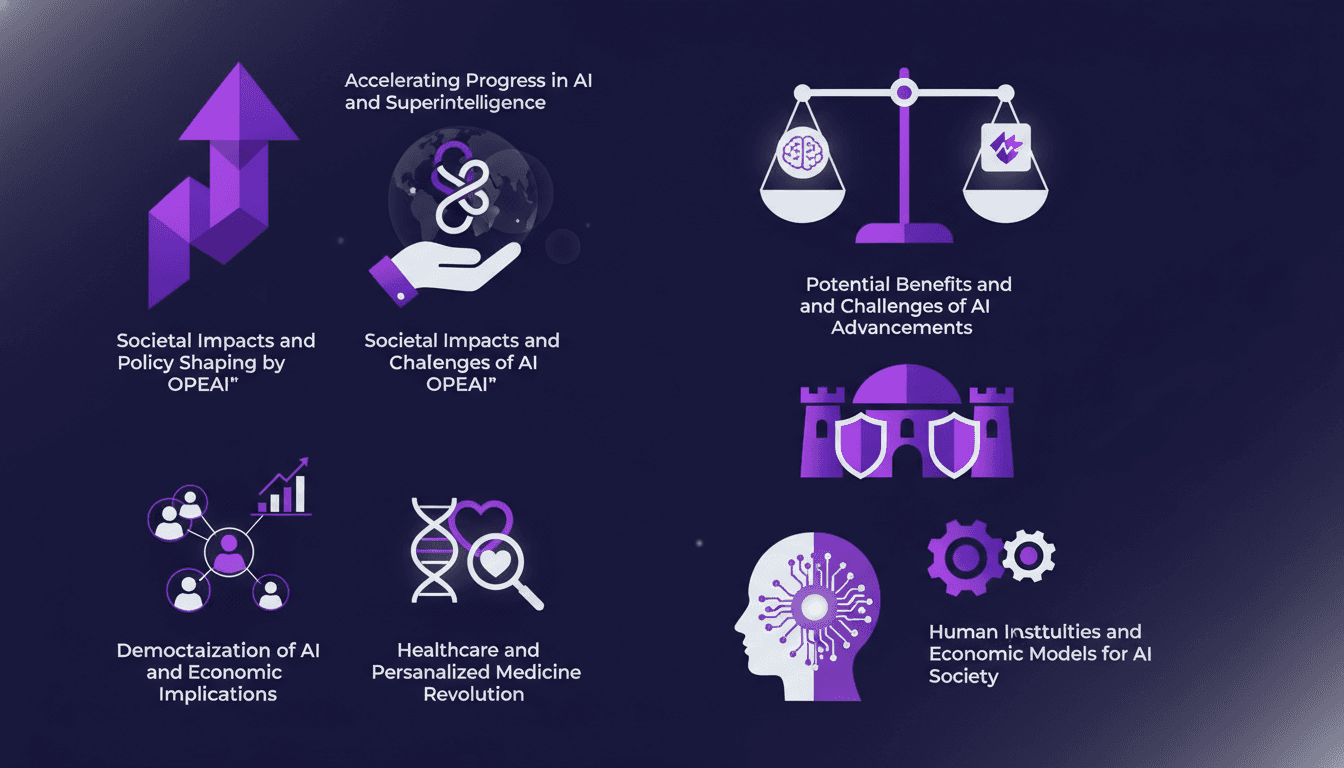
I've spent countless hours building AI systems that push boundaries. Imagine accelerating a decade of scientific progress in just one year. That's what Sam Altman and his OpenAI team are showcasing in their talk on the future of AI. We're diving into real-world applications, tangible challenges, and the potential societal impact. From AI democratization to personalized medicine and resilience against threats, the AI era is here. But watch out, there are challenges to tackle. Join me in exploring how we're shaping policies and economic models to integrate AI into our daily lives.
Deploy Agents with A2A on LangSmith
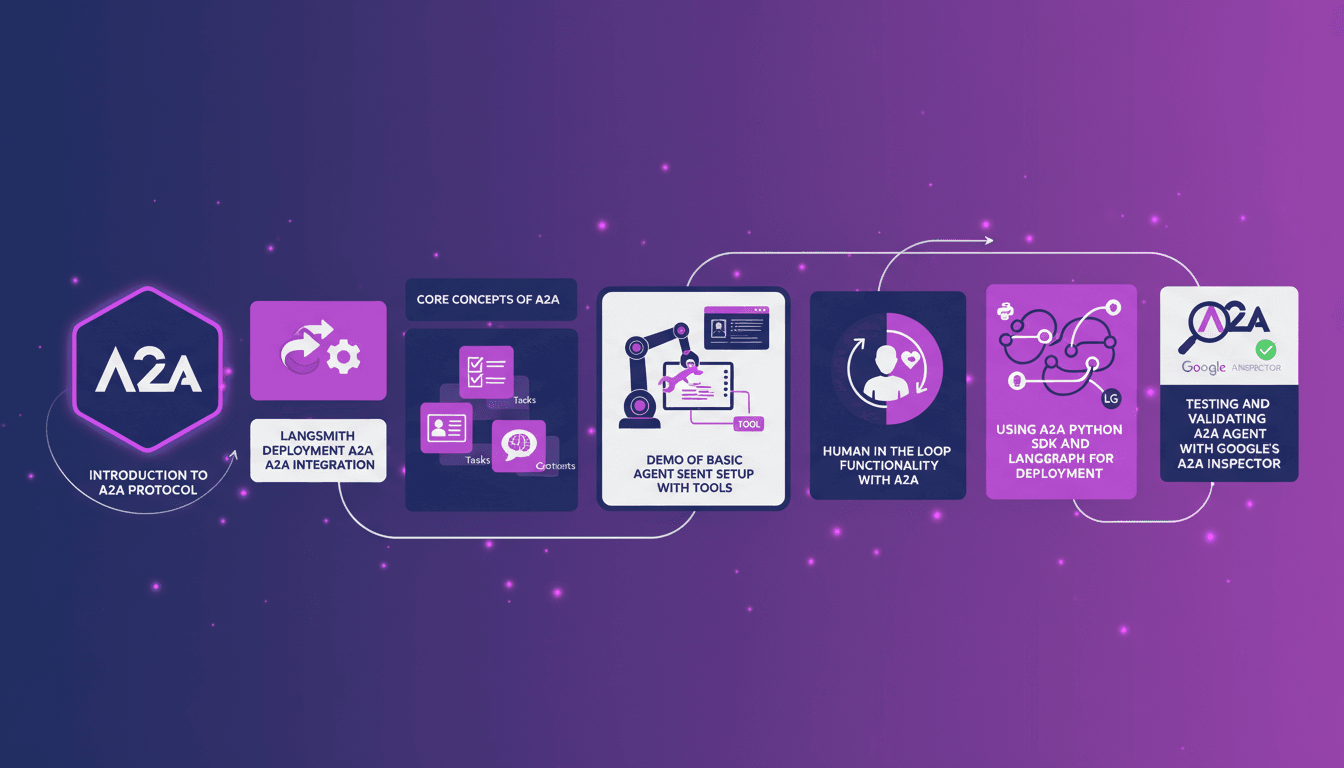
Ever tried deploying agents with the A2A protocol on LangSmith? I did, and it changed my workflow. When Google released A2A in 2024, I was intrigued. Integrating it with LangSmith has honestly streamlined everything, saving time and resources. I'll walk you through how I set it up, the pitfalls I avoided, and how I used LangGraph and the Python SDK to orchestrate it all. We're talking agent cards, tasks, contexts, and of course, testing with Google's inspector. It's powerful stuff, but watch out for limits, especially when you go beyond 100K tokens.
Handling Sales Objections: Practical Techniques
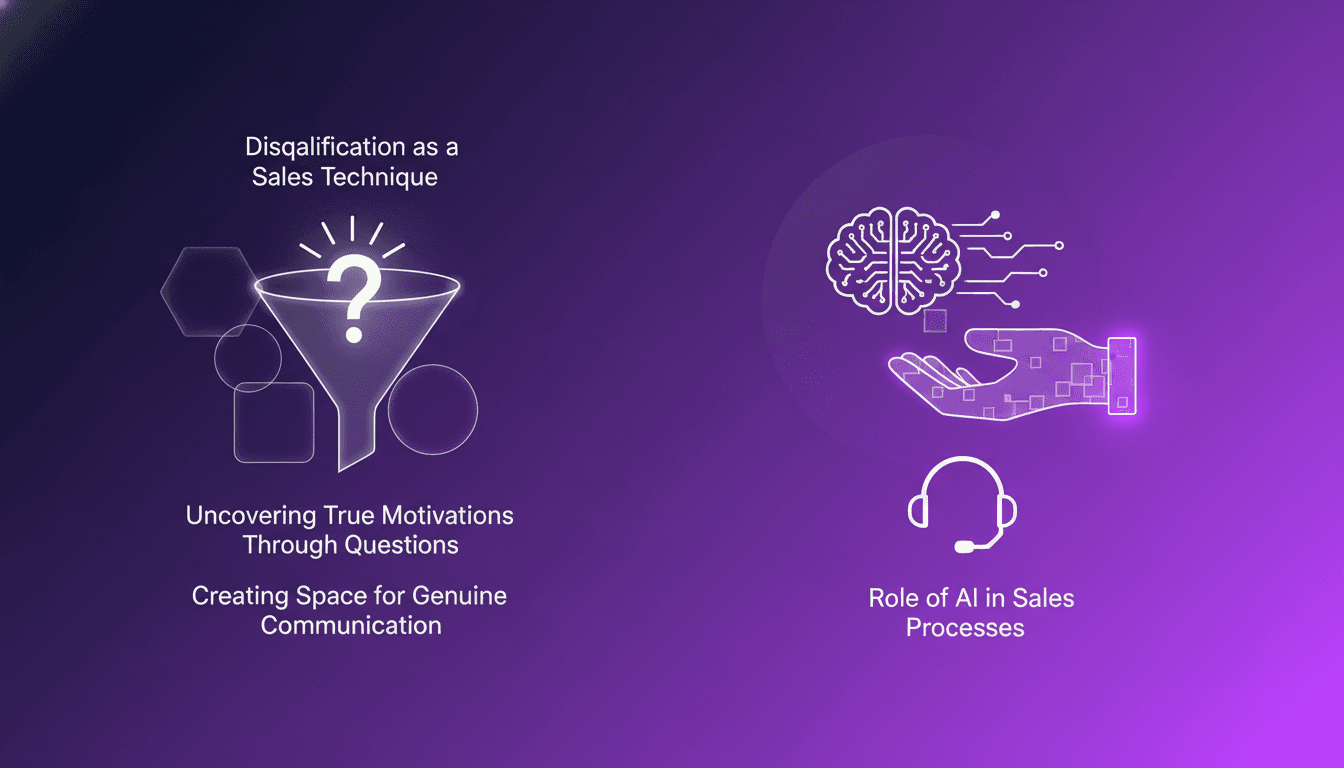
Ever been in a sales meeting where you couldn't quite read the room? I've been there, and here’s how I handle it when objections seem invisible. In sales, recognizing objections—or their absence—is crucial. I'm not talking theory, but real-world scenarios. How can AI lend a hand? I'll share how I uncover hidden motivations through precise questioning and create space for genuine communication. It's not about overusing AI, but integrating it smartly into the sales process. Let’s dive into this tutorial with practical techniques that I use daily to navigate these tricky waters.