Rapid Idea Testing with Codex
I remember the first time I integrated Codex into our workflow. It was like flipping a switch on our idea testing process. What used to take days could now be done in hours. Codex isn't just a tool; it's a game changer for any team looking to speed up their development cycle. In this article, I'll show you how I orchestrated the integration of Codex with Slack to enhance customer feedback speed and create preview branches in the blink of an eye. Whether it's for rapid idea testing or real-time feature request implementation, Codex has transformed the way we work.
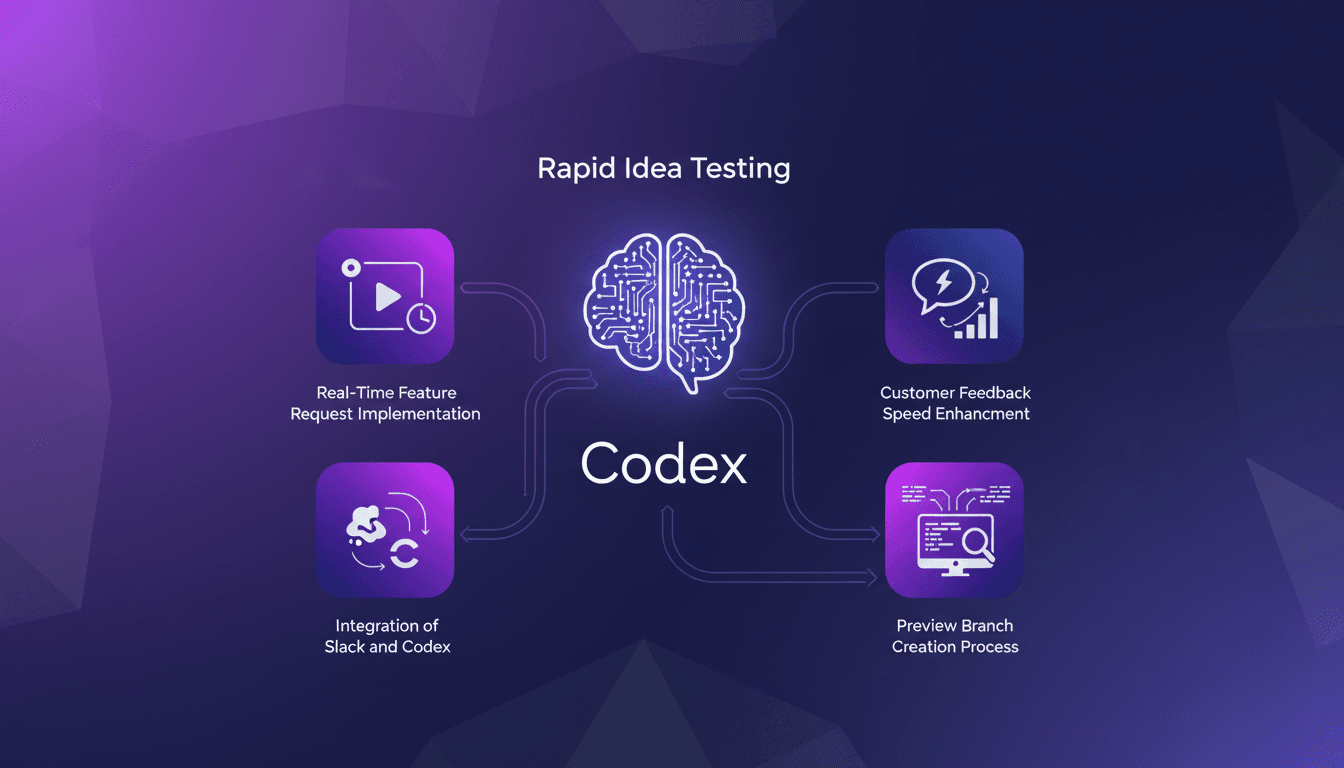
I remember the first time I integrated Codex into our workflow. It was like flipping a switch on our idea testing process. Suddenly, what used to take days could be done in hours. I connect Codex to our tools and steer our workflow in a way that maximizes efficiency. Codex isn't just a tool; it's a game changer for teams wanting to speed up their development cycle. In this article, I'll take you behind the scenes of our Codex integration. Whether it's for rapid idea testing, real-time feature request implementation, or optimizing customer feedback through a Slack integration, Codex has transformed the way we work. And I'm not even talking about creating preview branches in the blink of an eye. So, ready to discover how all this actually works in the field?
Understanding Codex and Its Capabilities
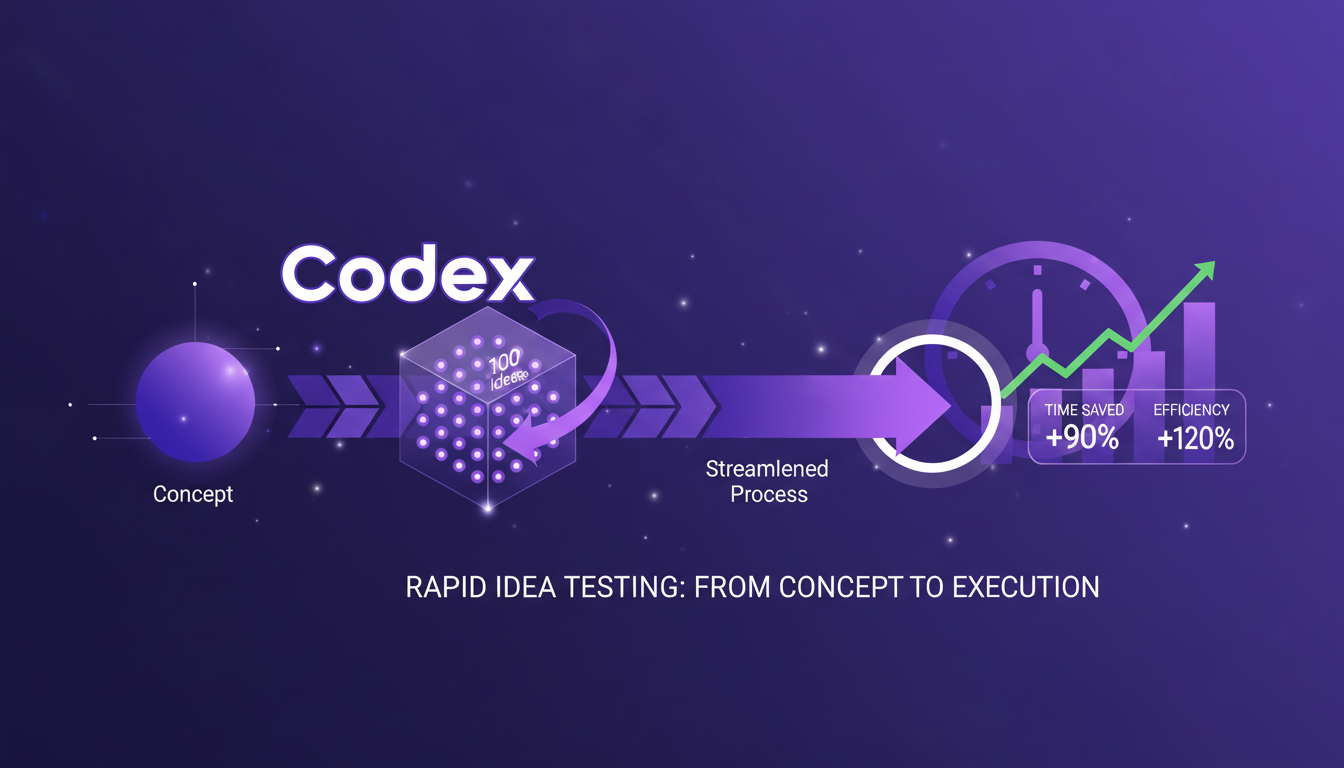
Codex is like having an intelligent coding assistant at your fingertips. What makes it indispensable is its ability to transform an idea into a working prototype in record time. When I say record time, I'm talking about testing a hundred ideas with an efficiency I hadn't seen before. First, this changed how I work with idea testing cycles. Instead of spending weeks developing an idea, I can now test it in a few days, even hours.
Initially, I had some hesitations. Would this require a tech guru's level? But in reality, Codex is designed to integrate into existing workflows, making the process rather intuitive. The first steps are crucial: understanding its capabilities, testing its limits, and integrating it into daily processes. What I thought would be a challenge turned out to be a solution that adapts and molds to my needs.
Rapid Idea Testing: From Concept to Execution
When I started testing 100 ideas with Codex, it was a real revolution. I start by defining a concept, then move to execution using rapid iteration loops. The key here is not to get attached to one idea but to explore them all quickly. Codex allowed me to drastically reduce the time to validate an idea.
To streamline the process, I've set up simple steps:
- Clearly define the objective of each test.
- Use Codex to quickly generate prototypes.
- Analyze results and adjust swiftly.
The efficiency gains are immense. Where I used to waste time, I now gain in reactivity. Challenges are, of course, not lacking. Sometimes, the results don't meet expectations, but that's where rapid iteration comes into play. Don't get stuck, move forward, that's the essence of rapid innovation.
Real-Time Feature Request Implementation
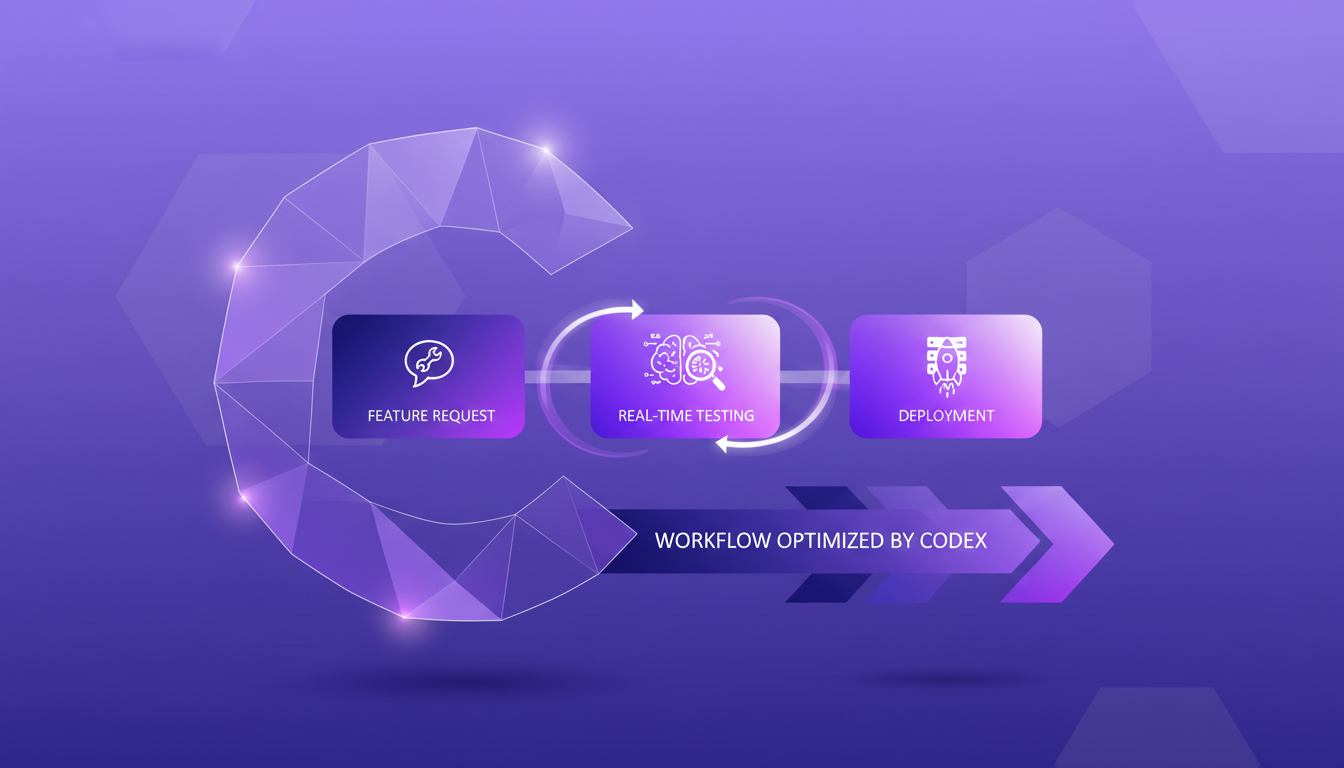
Moving from a request to a deployed feature is a bit like the Holy Grail of development. My workflow starts by receiving the request, often via Slack, then integrating it into Codex for real-time testing. The time gain is phenomenal. Instead of spending hours on a request, I can test it and even deploy it in real-time.
There are trade-offs to consider. Speed can sometimes compromise quality, so it's essential to maintain rigor in testing. I ensure that each feature is verified before showing it to the client. And that's where Codex shines: by facilitating tests and allowing for quick reviews.
Integrating Slack and Codex for Seamless Operations
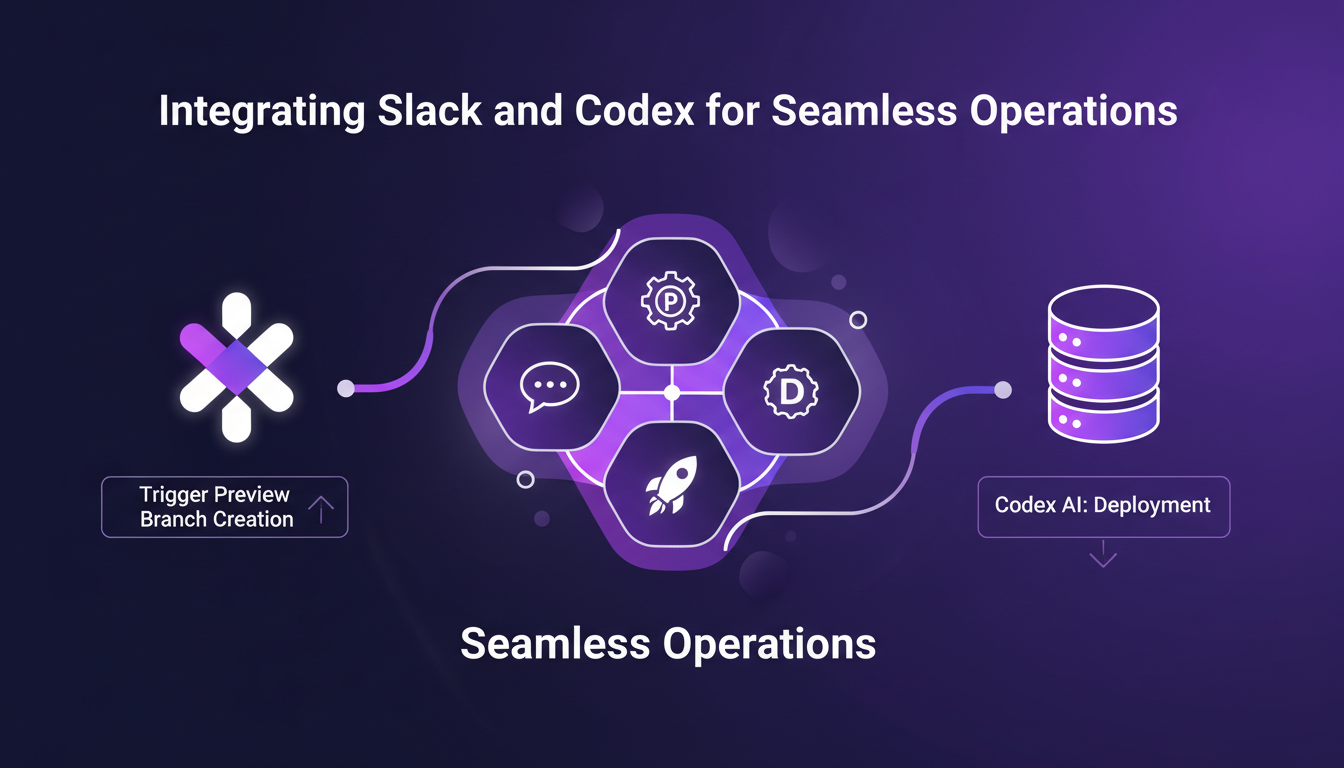
To further improve efficiency, I've integrated Slack with Codex. This allows for creating preview branches from a simple Slack message. The integration was done in a few simple steps:
- Configure Slack webhooks to interact with Codex.
- Define triggers for automatic branch creation.
- Ensure smooth communication between teams via Slack.
The benefits are clear: improved communication and faster deployment. Technical challenges were present, but by tackling them step by step, I overcame the obstacles. This setup has not only improved team collaboration but also accelerated the development process.
Delivering Feature Requests to Customers in 10 Minutes
Delivering a feature to a customer in just 10 minutes seemed unreal. But with Codex, it's become an attainable goal. The process is simple: a request comes in, it's processed through Codex, and in less time than it takes to say it, it's in the hands of the customer.
Customer feedback has been spectacular. Not only have delivery times been reduced, but customer satisfaction has skyrocketed. This translates directly into improved business metrics. However, watch out for potential pitfalls: it's crucial to maintain quality despite the speed. Verification and validation remain key.
In conclusion, integrating Codex has transformed my way of working. The gains in efficiency and speed are undeniable, and the results speak for themselves. For those looking to optimize their workflow, I highly recommend exploring efficient idea exploration with Codex and considering its integration with Slack for seamless collaboration.
Integrating Codex into our workflow has truly been a game changer. I've managed to test 100 ideas rapidly and cut down the time to implement feature requests to just 10 days to showcase them to customers. It's not just about speed; it's about quality delivered at a pace that meets modern demands.
- Rapid Idea Testing: With Codex, I move from idea to prototype in record time.
- Real-Time Feature Requests: I implement feature requests in real-time, enhancing customer experience.
- Slack and Codex Integration: Combining these tools makes communication and implementation seamless.
But watch out, it's crucial to manage implementation wisely to avoid overwhelming the team with too many changes at once.
Ready to take your development process to the next level? Start experimenting with Codex today and see the difference. For a deeper dive, I recommend checking out the original video: "What Codex Unlocks for Braintrust".
Frequently Asked Questions

Thibault Le Balier
Co-fondateur & CTO
Coming from the tech startup ecosystem, Thibault has developed expertise in AI solution architecture that he now puts at the service of large companies (Atos, BNP Paribas, beta.gouv). He works on two axes: mastering AI deployments (local LLMs, MCP security) and optimizing inference costs (offloading, compression, token management).
Related Articles
Discover more articles on similar topics
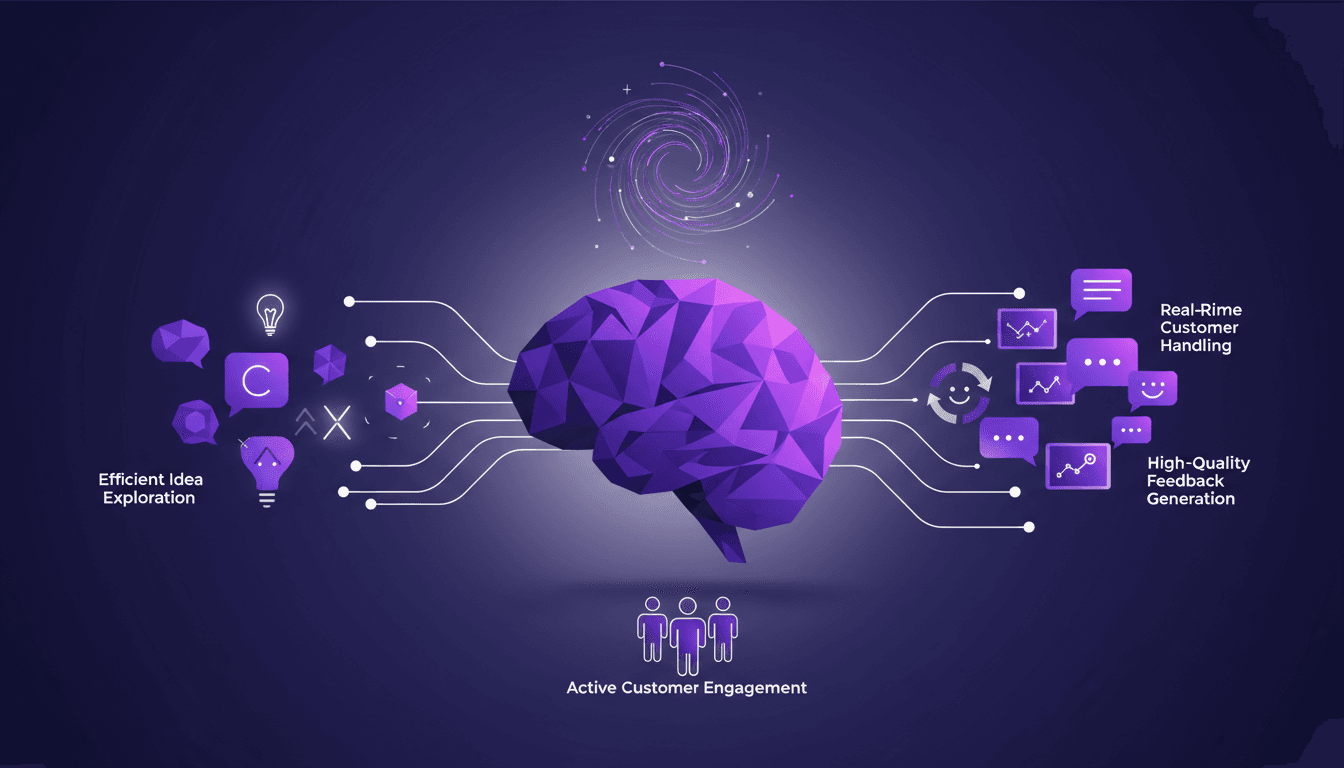
Efficient Idea Exploration with Codex
I still remember the first time I integrated Codex into our workflow at Braintrust. It was like flipping a switch on our innovation process. Ideas that were previously just floating around transformed into concrete prototypes we could test and iterate in real time. In this article, I'll walk you through how Codex has revolutionized our approach to handling customer feedback and innovation. We're talking ultra-efficient idea exploration, real-time feedback handling, and a shortened feedback loop. With Codex, we actively engage our customers and generate high-quality feedback.
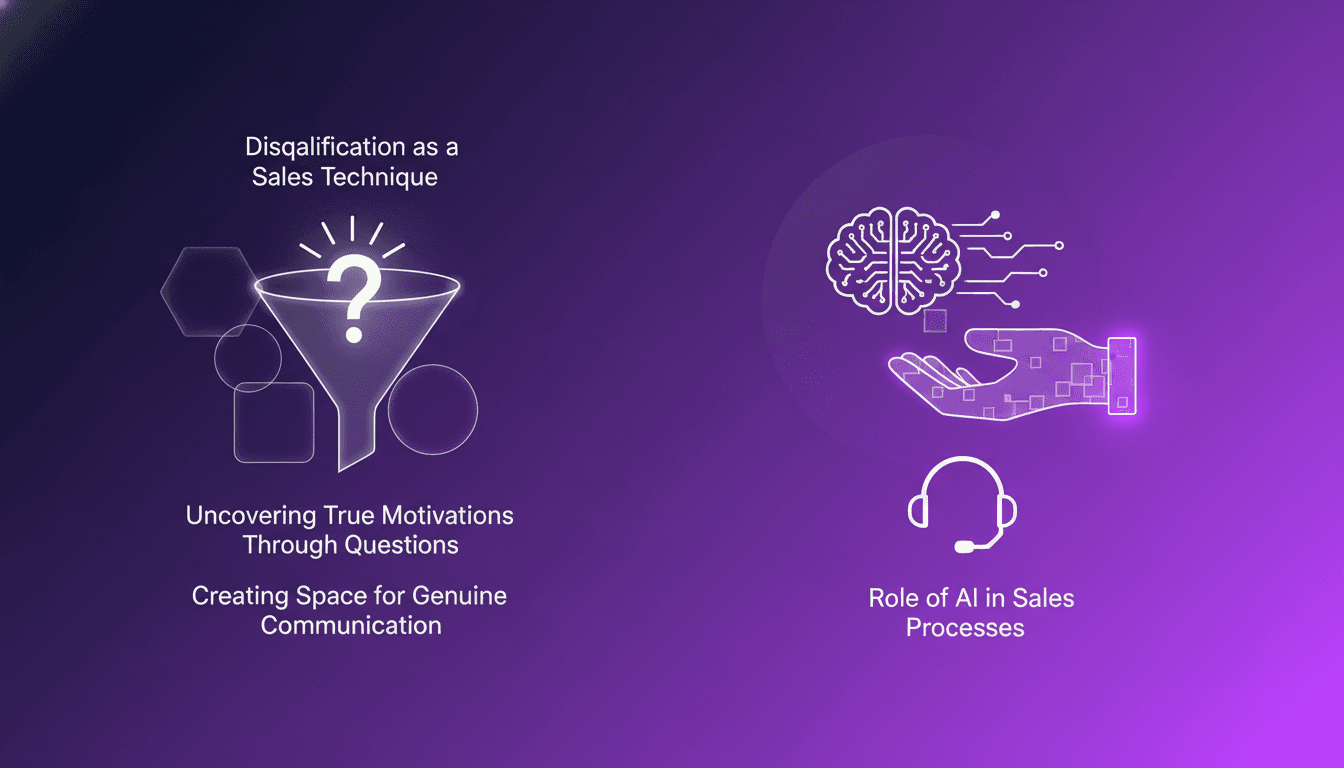
Handling Sales Objections: Practical Techniques
Ever been in a sales meeting where you couldn't quite read the room? I've been there, and here’s how I handle it when objections seem invisible. In sales, recognizing objections—or their absence—is crucial. I'm not talking theory, but real-world scenarios. How can AI lend a hand? I'll share how I uncover hidden motivations through precise questioning and create space for genuine communication. It's not about overusing AI, but integrating it smartly into the sales process. Let’s dive into this tutorial with practical techniques that I use daily to navigate these tricky waters.
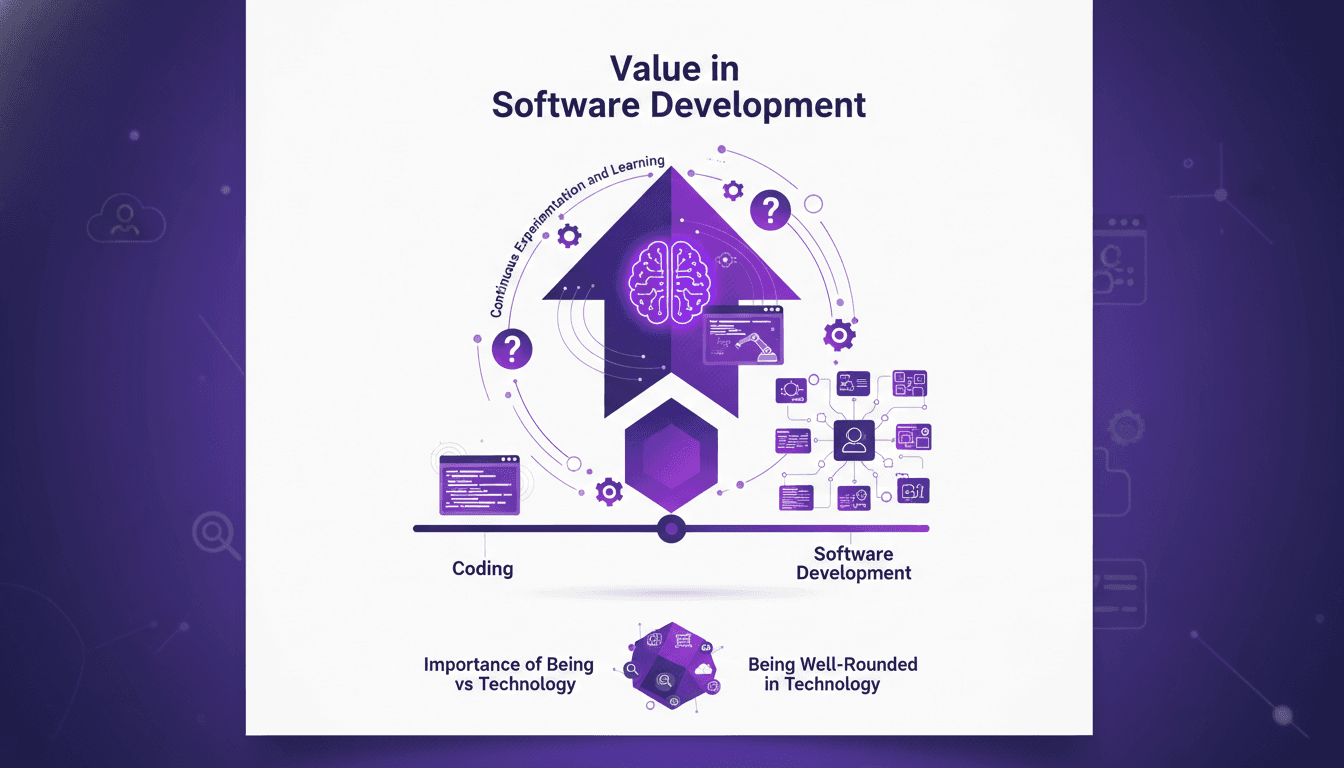
Software Development: Fast Coding, But at What Cost?
I've been coding at breakneck speed, but over time, I learned that the real cost isn't just about how fast you type. Software development is a whole different game. You can code 55 times faster, but if you're not careful, costs can skyrocket. Let's dive into why coding is cheap, but software is expensive. We'll explore the importance of being well-rounded, the role of junior engineers and AI, and why continuous experimentation is key. It's in understanding the value beyond mere lines of code that successful projects are distinguished from costly failures.
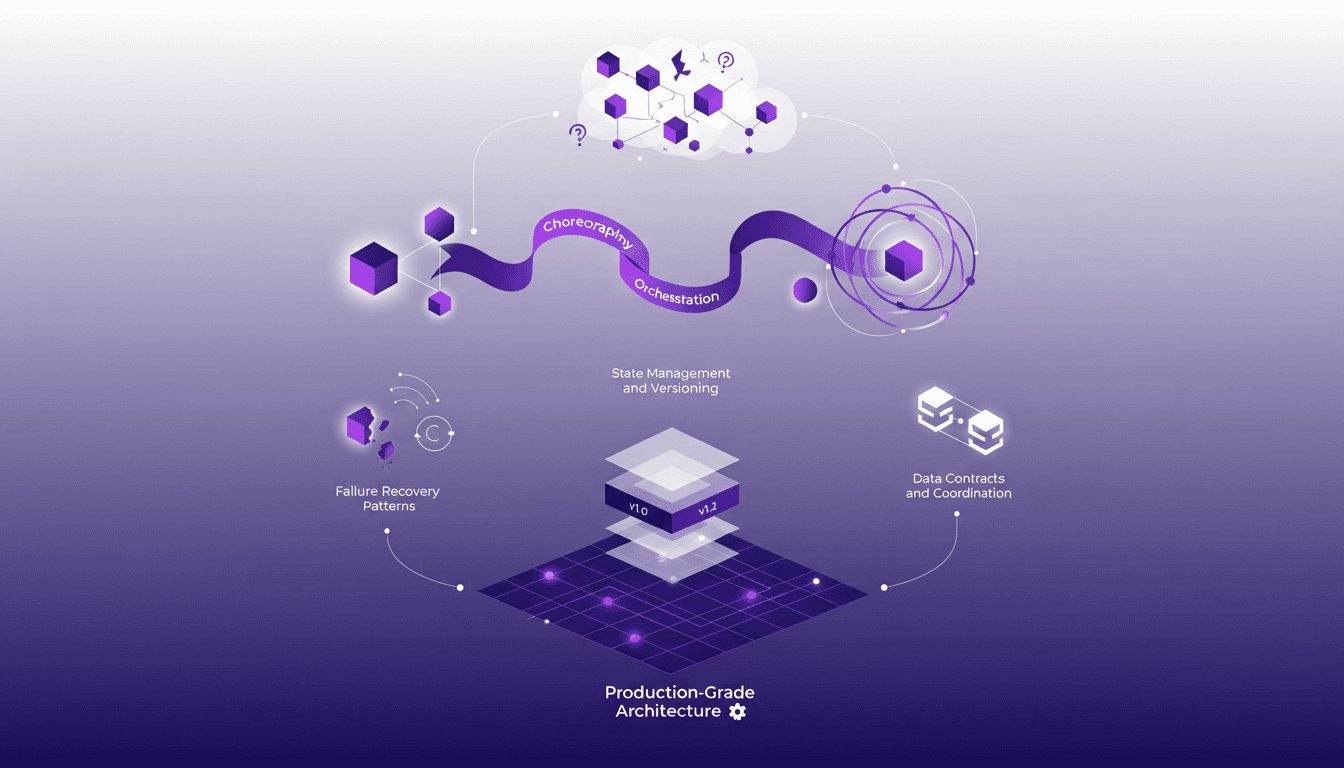
Multi-Agent Orchestration: Patterns That Work
Having spent 18 years building data systems, I've learned that chaos isn't just possible—it's inevitable without the right orchestration. In distributed systems, juggling multiple agents can quickly become a nightmare. But with the right multi-agent orchestration patterns, I've turned this complexity into a well-oiled machine. Dive into the real-world strategies that work: from state management to data contracts, and failure recovery. If you've ever seen two agents calculate different credit scores for the same customer (750 vs. 680), you know what I'm talking about. Welcome to the world of production-grade multi-agent architecture, where every decision impacts efficiency, cost, and reliability.
Building an App Downloaded 7 Billion Times
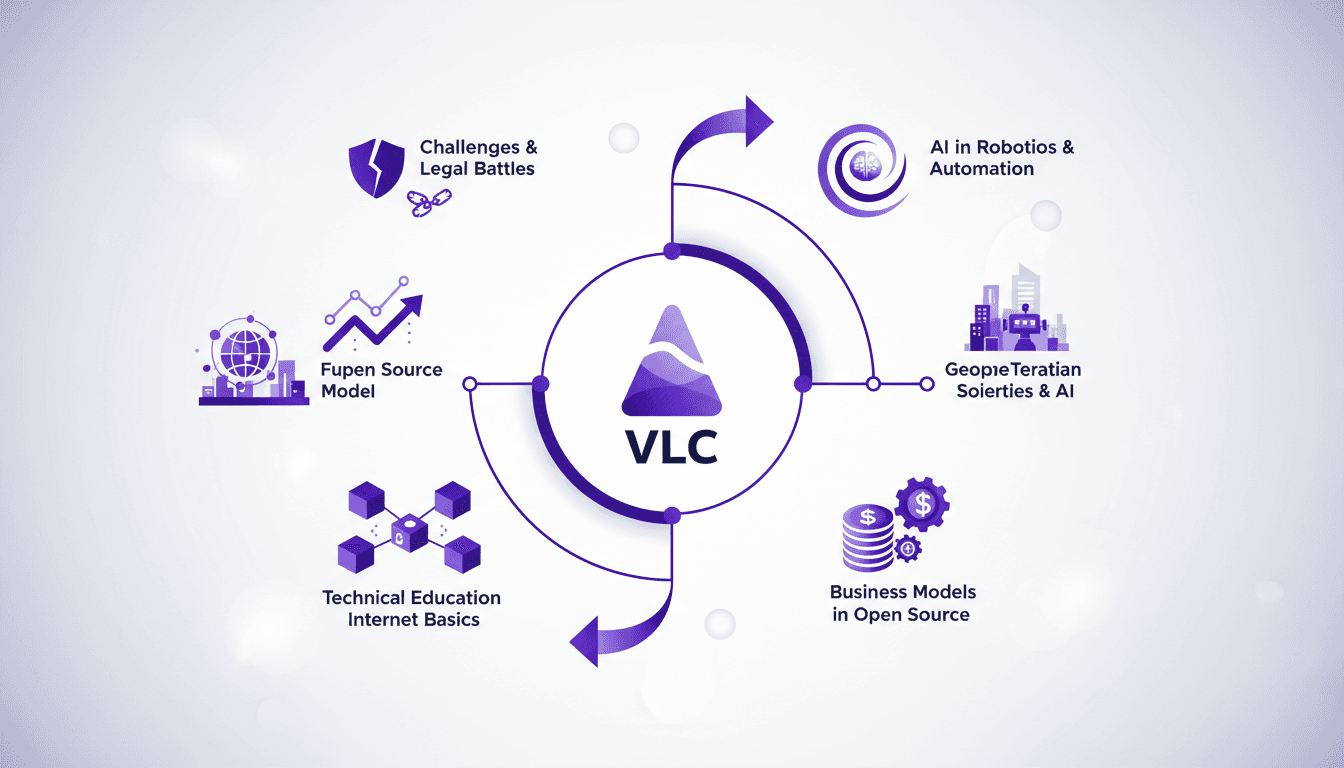
I remember the first time I saw the download numbers for VLC skyrocket. It was a real game changer, but it wasn't all smooth sailing. This is where you realize that behind every phenomenal success, there are mountains of challenges to overcome. Between legal battles and the implications of open source, VLC's journey is anything but ordinary. As a developer, we often think the hardest part is coding, but sustaining and growing an app downloaded 7 billion times is a whole different ball game. Let's dive into the story of VLC, an adventure where technology and perseverance are tightly intertwined.