Efficient Idea Exploration with Codex
I still remember the first time I integrated Codex into our workflow at Braintrust. It was like flipping a switch on our innovation process. Ideas that were previously just floating around transformed into concrete prototypes we could test and iterate in real time. In this article, I'll walk you through how Codex has revolutionized our approach to handling customer feedback and innovation. We're talking ultra-efficient idea exploration, real-time feedback handling, and a shortened feedback loop. With Codex, we actively engage our customers and generate high-quality feedback.

I remember the first time I integrated Codex into our workflow at Braintrust. It was like flipping a switch on our innovation process. Ideas weren't just floating around anymore—they were concrete concepts being tested and validated in real time. I orchestrated a system where our feedback loop is so short, we can go from a feature request to showing it to a customer in just 10 minutes. Imagine the potential! In this article, I'll walk you through how Codex has transformed our approach to handling customer feedback. We're talking about ultra-efficient idea exploration, real-time feedback handling, and a shortened feedback loop. I'll share how we actively engage our customers and generate high-quality feedback, while also pointing out the pitfalls that could slow you down. Don't get burned like I did; follow along to make the most of Codex.
Getting Started with Codex
When I first set up Codex in our system, it was anything but smooth sailing. I connected our repo, configured the preview branches, and bam, the first hurdles appeared. But that's where you really get good, by overcoming those small roadblocks. Initially, the learning curve is steep (to put it mildly), but once you get past that, Codex's key features really stand out.
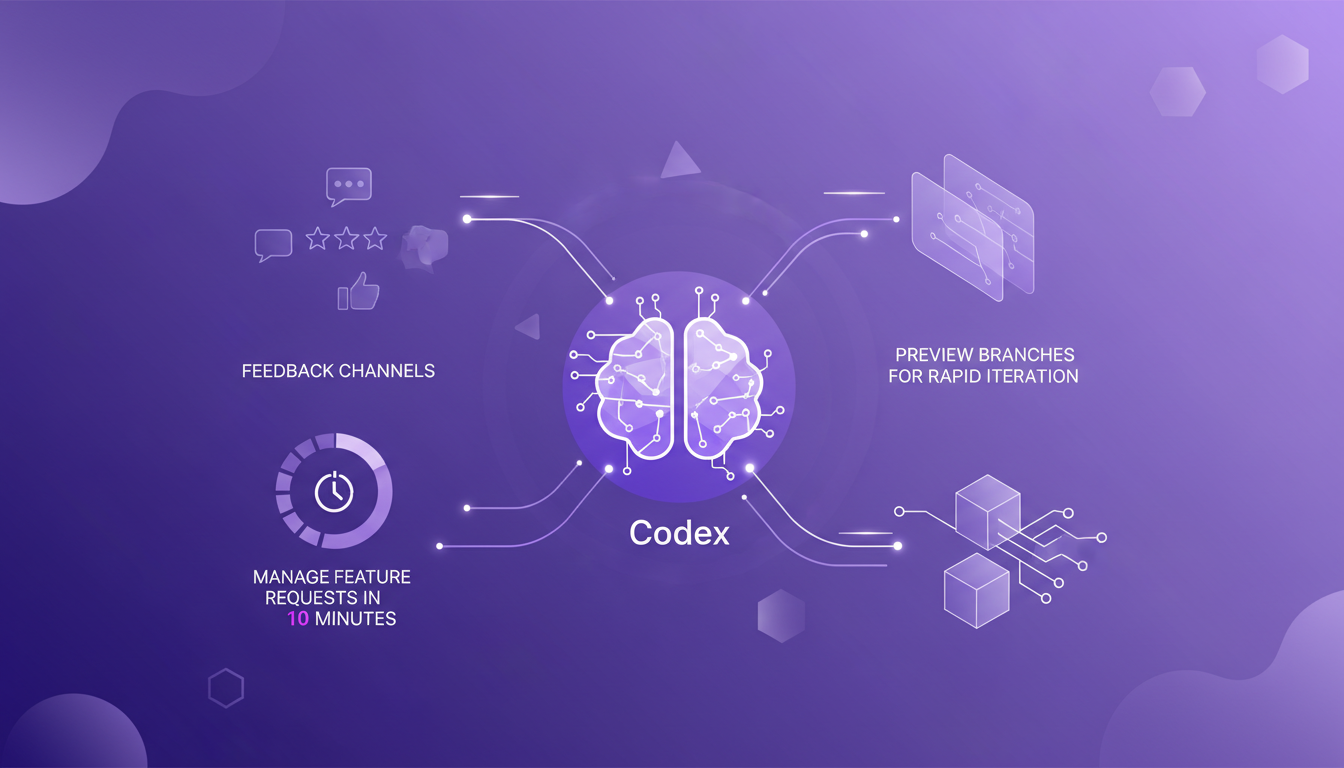
What really blew me away was its ability to let us test hundreds of ideas. Yes, hundred ideas to be precise. But beware, don't get overwhelmed by this sea of possibilities. You need a strategy to navigate effectively. In the end, Codex allowed us to iterate on customer feature requests in real-time, which was a real game changer for us.
Real-time Customer Feedback Handling
Once Codex was properly set up, I managed to connect our feedback channels. It was a real challenge, but also a revelation. Using Codex, I could show a feature request to a customer in just 10 minutes. It's truly incredible when you think about it. But don't get burned: you need to balance speed and feedback quality.
With preview branches, I could iterate quickly while maintaining a certain level of quality. This is where the real magic happens. But you have to be vigilant. Real-time processing has its limits, especially in terms of performance. Sometimes, it's faster to roll back to a previous version than to stubbornly iterate.
Shortening the Feedback Loop
One of the first things I did with Codex was to integrate a system to shorten our feedback loop. The results were spectacular. Where before we talked about weeks to integrate feedback, now we're down to a few minutes. It's not just a time saver, it's a paradigm shift. Imagine every customer feedback being integrated almost instantaneously. That's the direct impact of a shortened feedback loop.
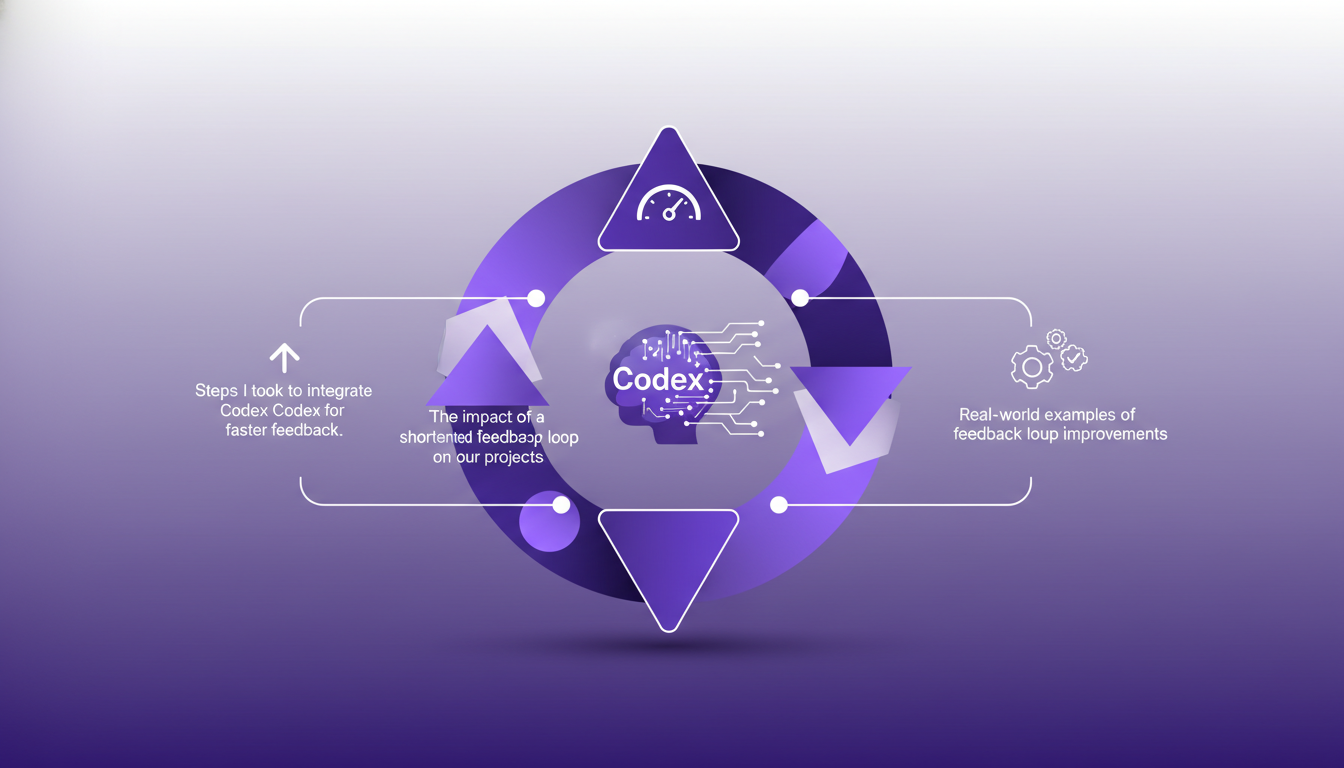
But watch out, not everything is rosy. Accelerating things sometimes means sacrificing depth of analysis. Sometimes, it's more efficient to go back than to persist in a wrong direction. It's a delicate balance to maintain. In the end, speed is an asset, but not at the expense of quality.
Active Customer Engagement
With Codex, customer engagement has reached another level. Through real-time iterations, I was able to involve customers in the creation process, thus generating high-quality feedback. But again, there's a trap to avoid: maintaining this engagement over time.
It's crucial not to overwhelm customers with incessant feedback requests. You need to find a balance between their contributions and our internal priorities. Indeed, high-quality customer engagement comes from effective feedback management.
Iterating and Ideating in Real-time
The process of real-time iteration with Codex is like a dance, a well-orchestrated choreography. With each new idea, you take a step, pivot, adapt. But watch out for missteps! The pitfalls are numerous. For example, it's easy to get bogged down in an endless loop of iterations, without ever achieving a concrete result.
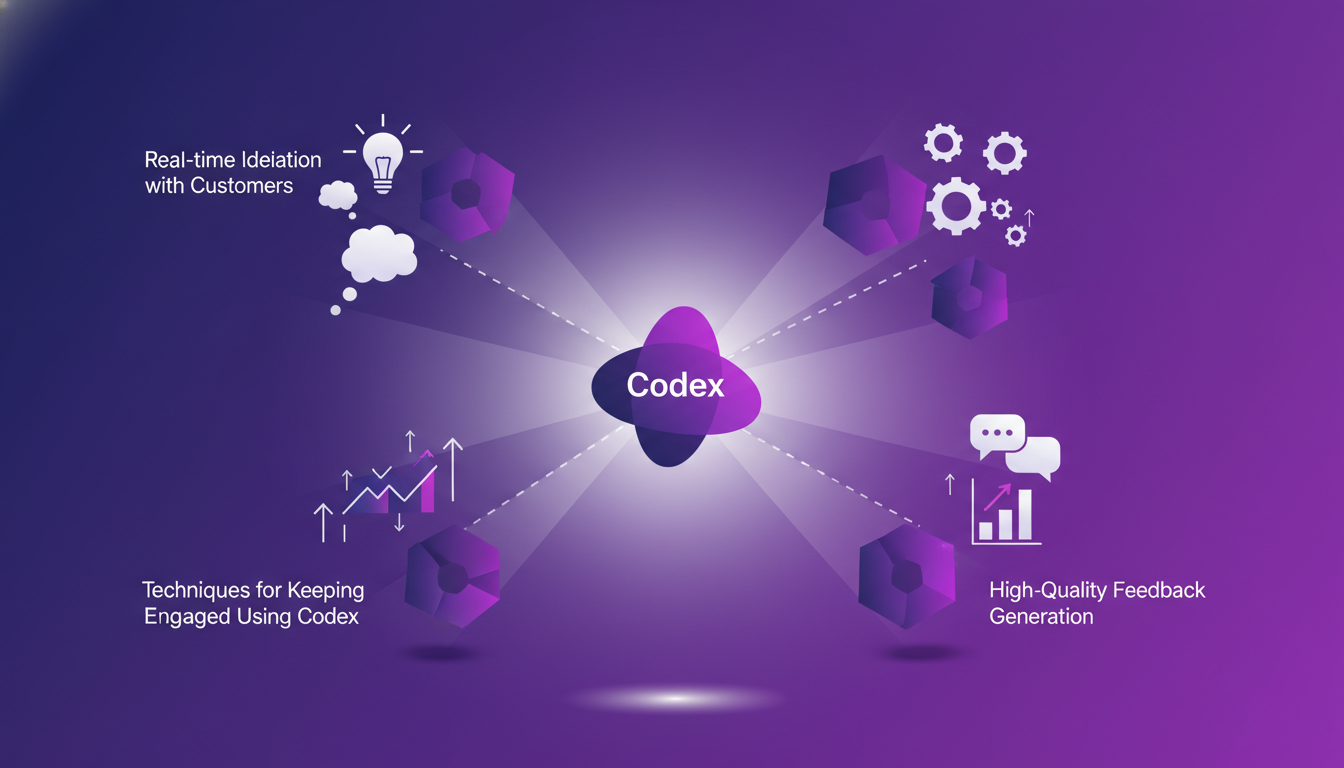
Codex is a formidable engine of innovation, but it has its limits. Sometimes, the simplest solution is to take a step back, evaluate, and readjust. Ultimately, the important thing is knowing when to iterate and when to stop.
- Integrate Codex to explore multiple ideas quickly.
- Use preview branches for rapid and effective iterations.
- Beware of the initial learning curve.
- Don't sacrifice quality for speed.
- Maintain a balance between customer engagement and internal priorities.
To learn more about multi-agent orchestration strategies that work, check out this article.
At Braintrust, integrating Codex has truly transformed our workflow. First, we've been able to try out hundreds of ideas quickly, moving from theory to implementation in record time. Then, showing a feature request to a customer in just 10 minutes is a real game changer for customer engagement. But watch out, managing real-time feedback effectively is crucial to avoid endless iterations. And remember, there are context limits; beyond a certain point, efficiency might drop. Now, if you're looking to streamline your feedback loop and engage customers more effectively, Codex is definitely worth considering. For a deeper dive into how we did this, I highly recommend watching the full video 'What Codex Unlocks for Braintrust'. You'll find concrete details that could reshape your workflow just as they did ours.
Frequently Asked Questions

Thibault Le Balier
Co-fondateur & CTO
Coming from the tech startup ecosystem, Thibault has developed expertise in AI solution architecture that he now puts at the service of large companies (Atos, BNP Paribas, beta.gouv). He works on two axes: mastering AI deployments (local LLMs, MCP security) and optimizing inference costs (offloading, compression, token management).
Related Articles
Discover more articles on similar topics
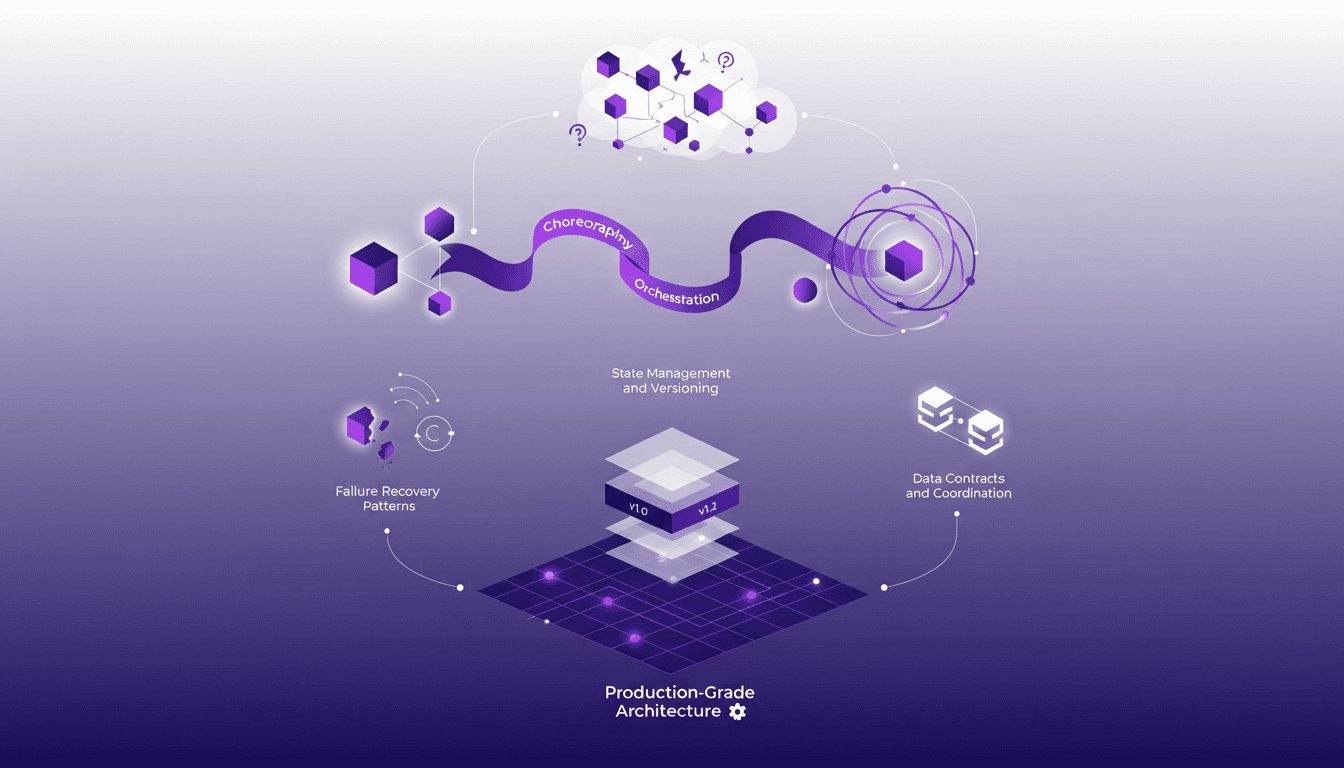
Multi-Agent Orchestration: Patterns That Work
Having spent 18 years building data systems, I've learned that chaos isn't just possible—it's inevitable without the right orchestration. In distributed systems, juggling multiple agents can quickly become a nightmare. But with the right multi-agent orchestration patterns, I've turned this complexity into a well-oiled machine. Dive into the real-world strategies that work: from state management to data contracts, and failure recovery. If you've ever seen two agents calculate different credit scores for the same customer (750 vs. 680), you know what I'm talking about. Welcome to the world of production-grade multi-agent architecture, where every decision impacts efficiency, cost, and reliability.

CES 2026: NEURA Robotics' Winning Strategies
I’ve just stepped out of CES 2026, where I've been closely following NEURA Robotics. Let me tell you, it’s not just another tech show. It's where innovation meets opportunity, but only if you play your cards right. Beyond the flashy booths and tech demos, there’s a strategic dance of branding, networking, and partnerships. I’ve seen firsthand how NEURA Robotics orchestrated all of this, and trust me, it’s a masterclass in strategy. I learned that CES isn't just a place to showcase your tech; it’s where you build your brand and meet the key decision-makers who can tilt the scales.
Unitree at CES: Boosting Innovation
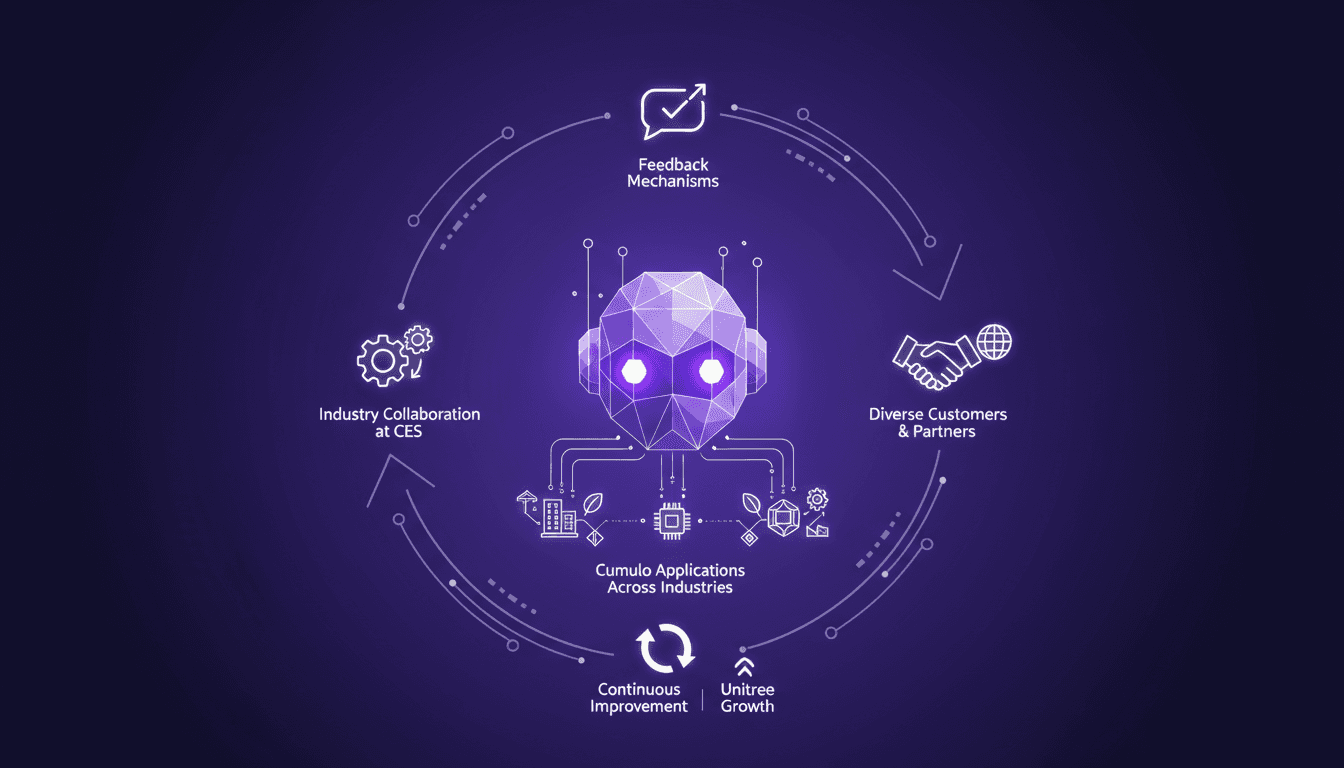
I've been to CES more times than I can count, but this year with Unitree felt different. Our Cumulo robot stole the spotlight on the main stage, and I saw firsthand how CES is more than a showcase—it's a catalyst for genuine innovation. I orchestrated demos, gathered invaluable feedback, and connected with partners from around the globe. The insights we gained there? Absolutely crucial for refining our applications across various industries. Ultimately, CES was a launchpad for Unitree, showing that innovation thrives on listening and adapting.

How AI Handles Every Sales Objection
I've been in sales long enough to know that objections are inevitable. But when AI stepped into the game, I realized we could tackle these hurdles more efficiently. Let me walk you through how AI learned to navigate the tricky waters of sales objections. We're not talking theory here—this is practical, field-tested strategy. With AI, we can dissect objections into manageable layers and address them systematically. It's a real game changer, but watch out for the limits, especially when it comes to understanding prospects' motivations. I'll show you how we move from 'Let me think about it' to closing a deal.
Handling Sales Objections: Practical Techniques
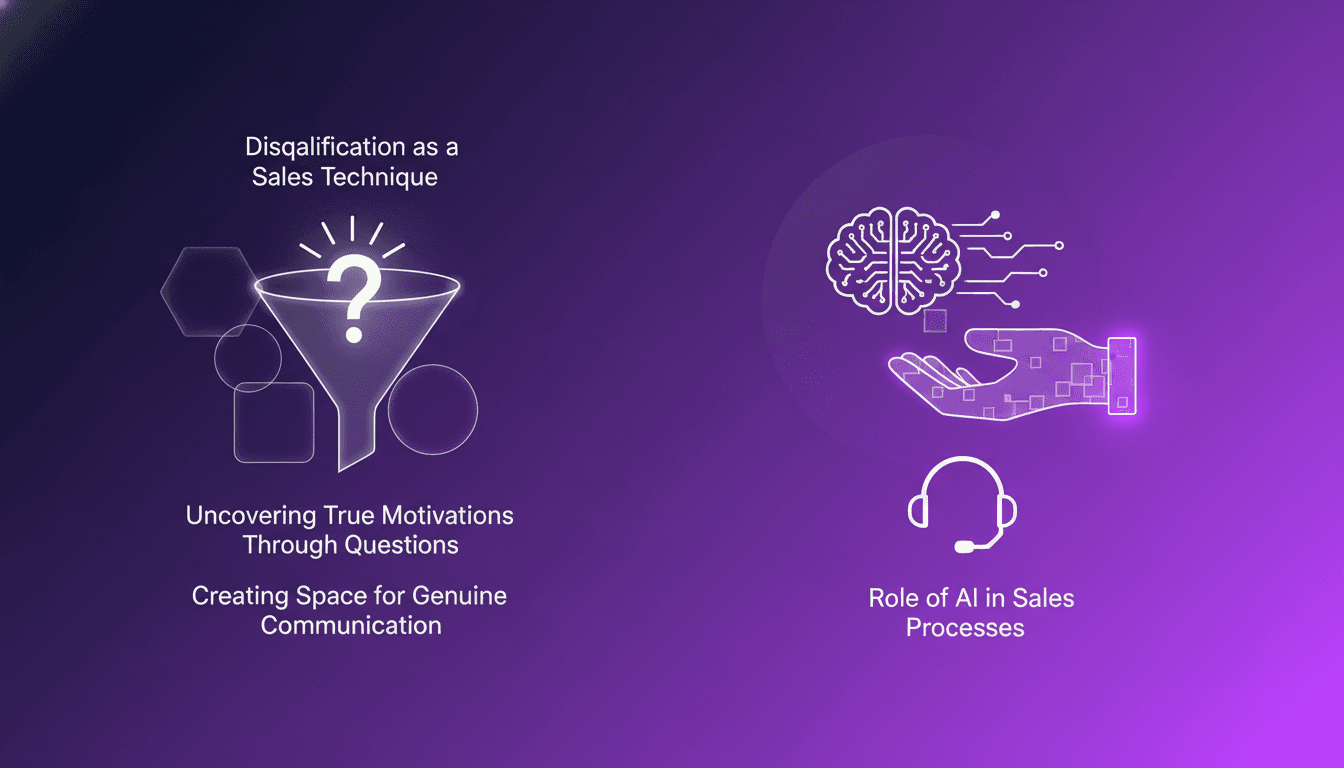
Ever been in a sales meeting where you couldn't quite read the room? I've been there, and here’s how I handle it when objections seem invisible. In sales, recognizing objections—or their absence—is crucial. I'm not talking theory, but real-world scenarios. How can AI lend a hand? I'll share how I uncover hidden motivations through precise questioning and create space for genuine communication. It's not about overusing AI, but integrating it smartly into the sales process. Let’s dive into this tutorial with practical techniques that I use daily to navigate these tricky waters.