Vibe Coding 2026: AI Tools for Optimization
I remember the first time I heard about vibe coding. It was 2026, and the coding landscape was shifting at breakneck speed. AI tools were no longer just assistants; they were turning into indispensable colleagues. But beware, with this power comes increased complexity. Navigating these waters wasn't just about understanding the tools, but mastering them. In this article, I share my field experiences and insights from industry leaders. We'll dive into the real-world implications of vibe coding, the technical trade-offs, and how to optimize your workflow with these tools. Vibe coding in 2026 is a world where manual coding becomes the exception, and optimizing with AI is the norm.
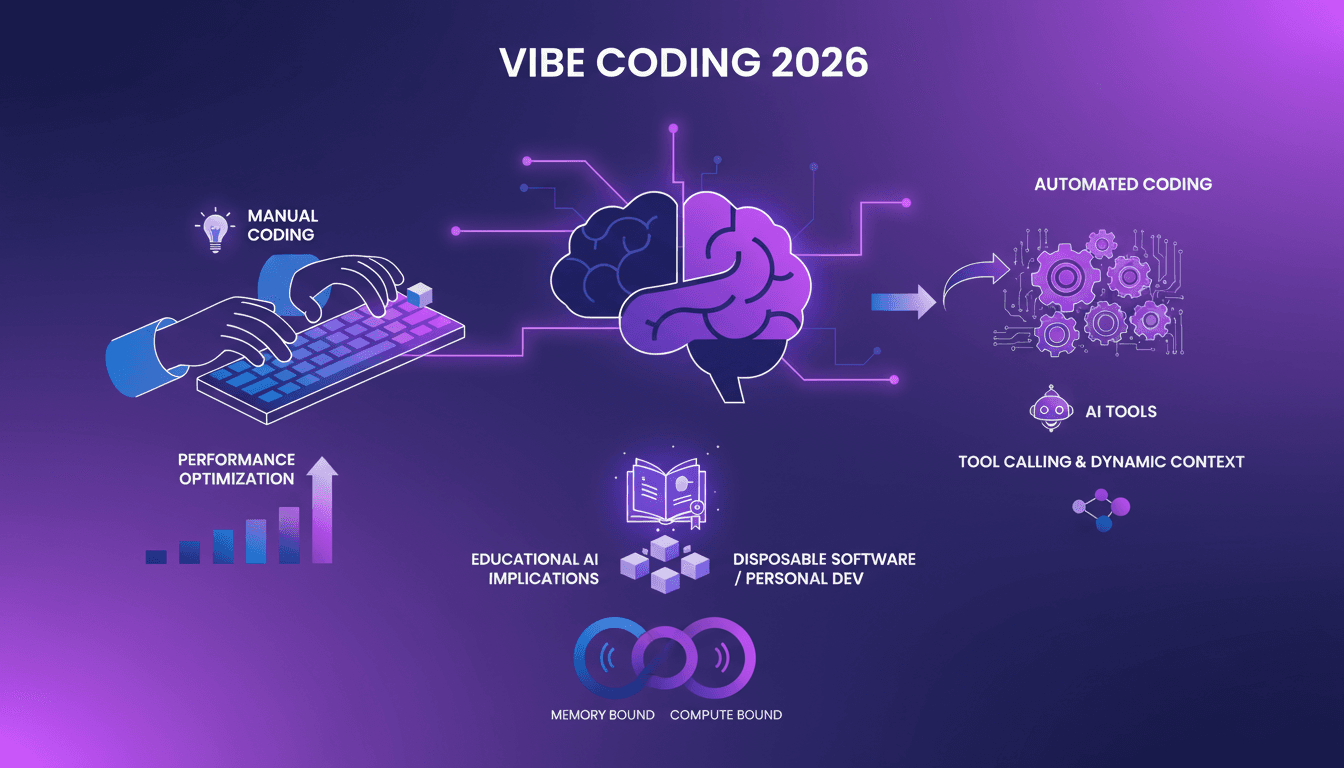
I still remember the day I first heard about vibe coding. It was 2026, and the coding landscape was evolving at a mind-boggling pace. AI tools were no longer just assistants; they were becoming indispensable colleagues. But with this power comes greater complexity. Navigating these waters wasn't just about understanding the tools; it was about mastering them. I spent three months coding manually before realizing I needed to delegate some tasks to AI. In this article, I'll walk you through the real-world implications of vibe coding and AI tools, drawing from my own experiences and insights shared by industry leaders. We'll dive into the practical aspects of using these tools, the trade-offs, and how to make them work for you. In 2026, coding without AI assistance is like trying to build with one hand tied behind your back. It's a world where optimizing with AI is the norm, and manual coding the exception.
Understanding Vibe Coding and AI Tools
In 2026, vibe coding is the buzzword among developers. Why? Because it integrates artificial intelligence to enhance coding efficiency. I've adopted this approach myself to cut down development time from months to just a few days. But watch out, don't get caught up in the hype around AI. These tools aren't just for automation; they're designed to collaborate with you. First, you need to set up your environment to accommodate these AI tools. Trust me, it's an investment worth making.
During my first trial with V0 by Versel, I was amazed. I could generate a complete website in an hour, a task that would have taken weeks before. But, like any technology, there are limits. Don't overestimate these tools—they will never replace well-established human expertise. The ultimate goal is to reduce manual coding time, but keep an eye on the quality of the code produced.
Vibe Coding vs Traditional Coding
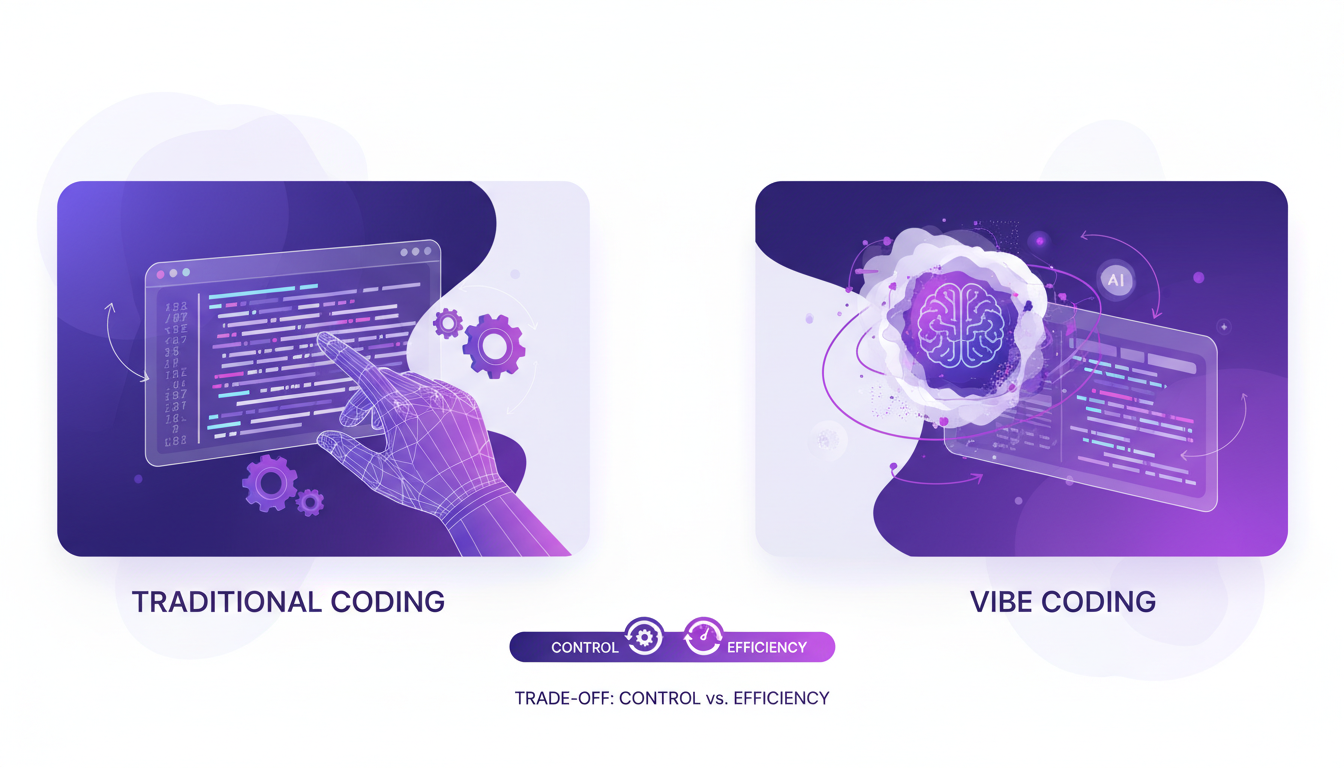
Traditional coding, as we know, relies heavily on manual input. Every line needs to be thought out, written, and checked. With vibe coding, AI steps in to dynamically retrieve context. It's like having an assistant who understands what you want to do. However, there's a trade-off: less control but more efficiency.
I've seen projects shift from three months of manual development to just a few weeks using vibe coding. But watch out, you need to know when to use it. Sometimes, performance can suffer if you don't pay attention to bottlenecks. For example, in a recent project, over-reliance on AI slowed down the process instead of speeding it up.
Performance and Optimization in Coding
Performance optimization is crucial in AI-assisted coding. I've learned this the hard way. Tool calling can either enhance or hinder performance. Memory and compute-bound processes need careful management. One day, I left a tool running without optimization, and it cost me dearly in time and resources.
The key is finding a balance between manual and automated optimization. While AI can do a lot, it doesn't replace the eye of an experienced developer. For instance, I was able to improve performance by 10 to 100 times by moving from C to assembly code in a project.
Tool Calling and Dynamic Context Retrieval
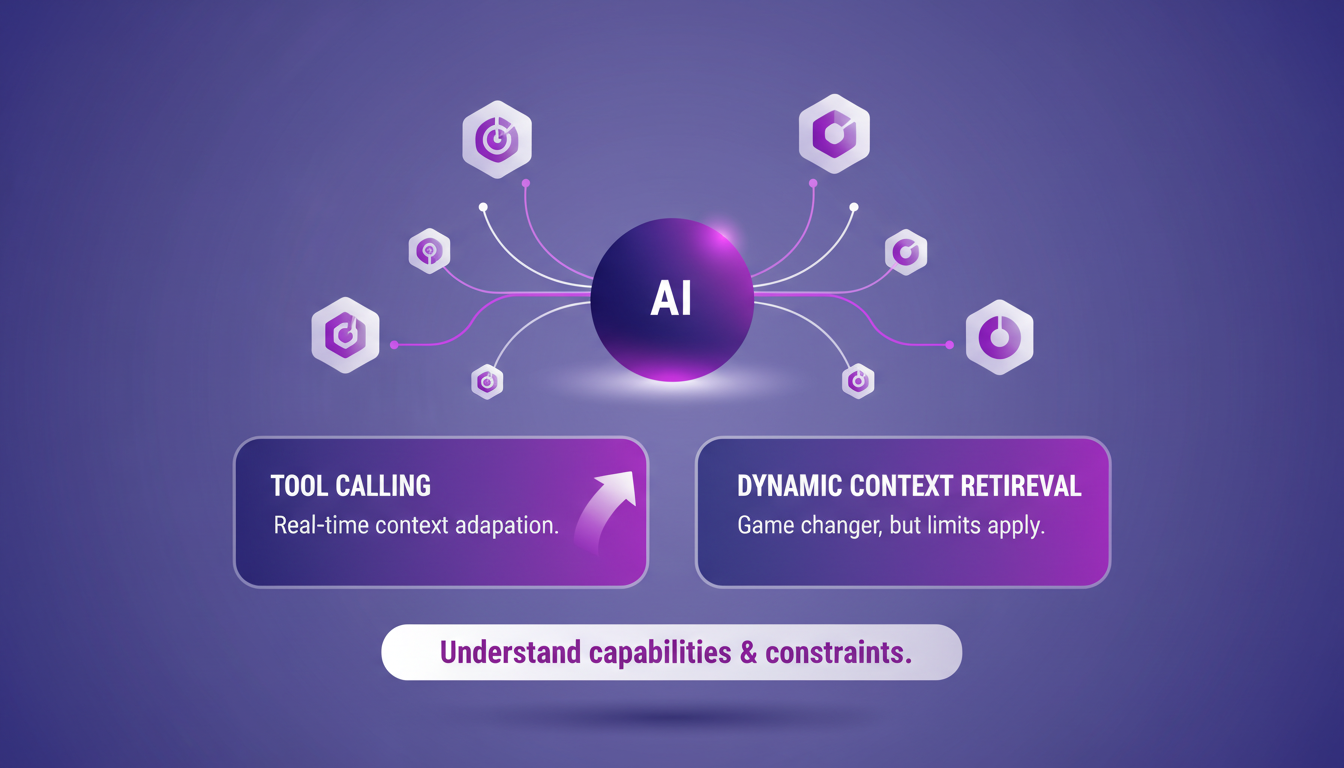
Tool calling allows for real-time context adaptation. Dynamic context retrieval is a game changer but has its limits. First, you need to understand your tool's capabilities and constraints. Sometimes, static context is faster to execute than dynamic. I learned this while optimizing tool usage to avoid unnecessary compute costs.
It's crucial not to over-rely on dynamic retrieval. I've seen cases where it slowed down development instead of speeding it up. That said, in 2026, the ability of models to retrieve context dynamically has made a leap forward, notably with Claude Sonel's advancements in version 3.5.
Educational Implications and Personal Development
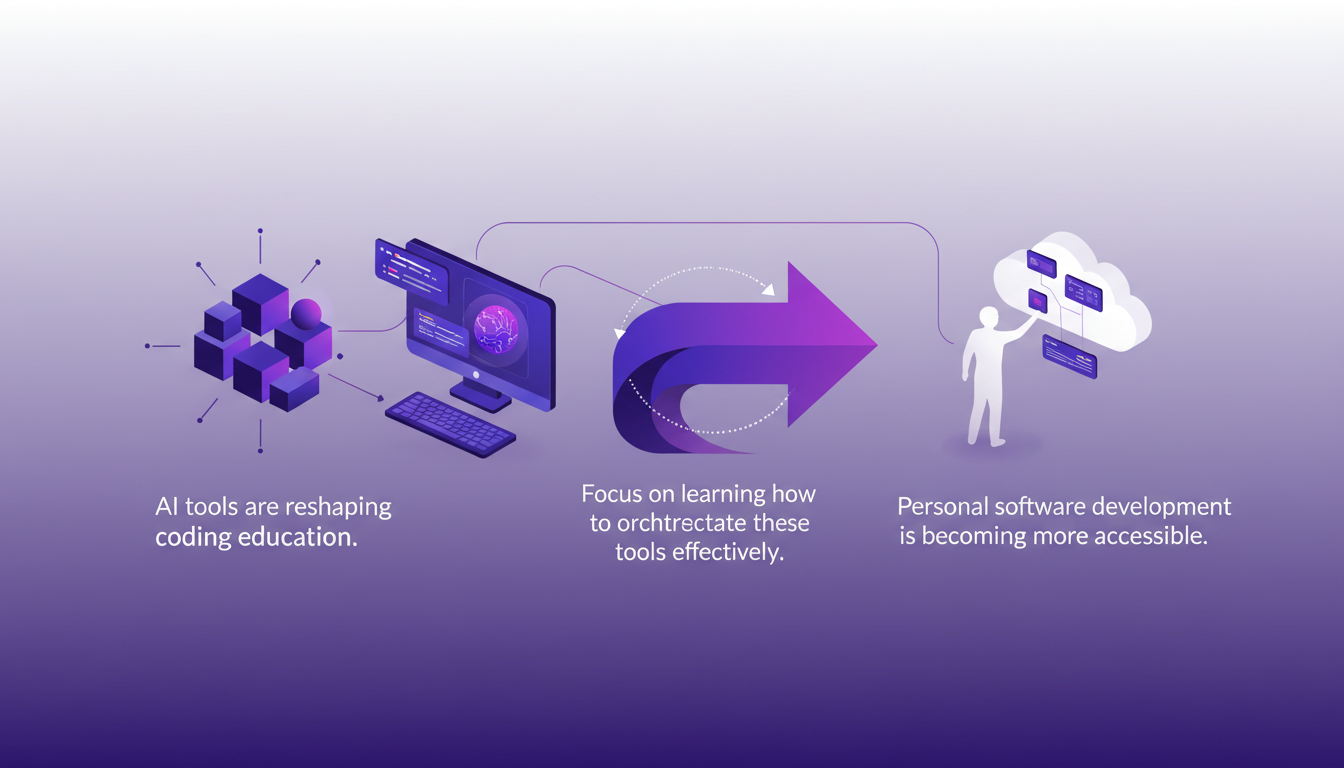
AI tools are reshaping coding education. Today, the focus is on learning how to orchestrate these tools effectively. Personal software development has become more accessible. For example, building applications in ChatGPT is now within everyone's reach.
With disposable software, rapid prototyping is possible, but you need to watch for quality. I foresee that in the next 20 years, we will shift from CPU to I/O limitations, a change to anticipate. The important thing is to prepare for these evolutions and not to rely solely on AI for coding.
So, in the coding world of 2026, we're deep into vibe coding and AI tools. I've dived into it, and honestly, it's a real game changer, but with its limits. First takeaway: understand that AI won't replace our brains, but it can definitely boost our efficiency. Then, manual vs automated isn't a binary choice. I worked manually for three months before delegating to AI, and it transformed my coding approach. But watch out, we quickly become limited by IO instead of CPU power, so optimize like crazy. Finally, remember it's not just about the tools, it's about how we use them to innovate. I encourage you to start integrating AI tools into your workflow today and see how they can genuinely transform your coding practices. Share your experiences, let's learn together. For a deeper dive, check out the original video: Surveiller le stagiaire IA: The real job of 2026.
Frequently Asked Questions

Thibault Le Balier
Co-fondateur & CTO
Coming from the tech startup ecosystem, Thibault has developed expertise in AI solution architecture that he now puts at the service of large companies (Atos, BNP Paribas, beta.gouv). He works on two axes: mastering AI deployments (local LLMs, MCP security) and optimizing inference costs (offloading, compression, token management).
Related Articles
Discover more articles on similar topics
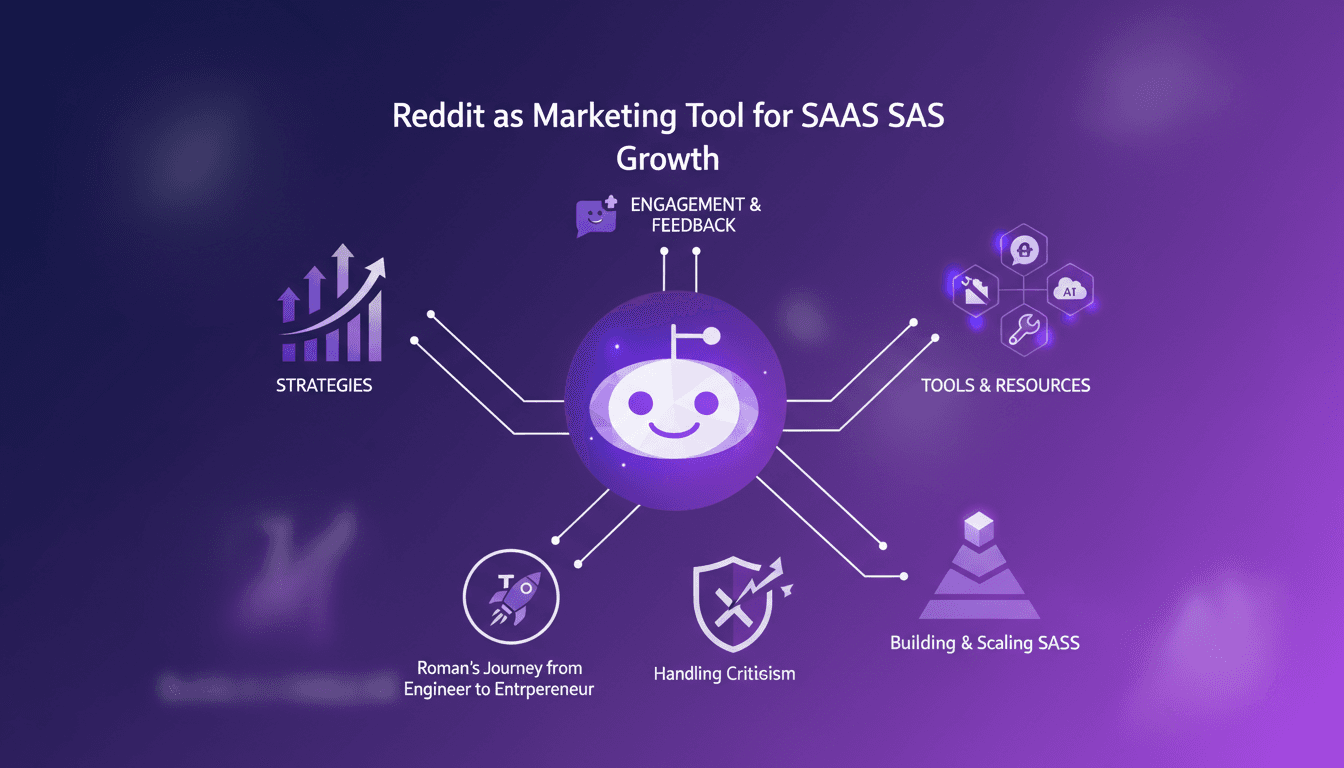
How Reddit Grew My SaaS to $34K/Month
I transitioned from being a mechanical engineer to running a SaaS pulling in $34K a month. My secret weapon? Reddit. I remember those late nights diving into threads, asking questions, and engaging with a community that gave me raw, unfiltered feedback. With Reddit, I tested ideas, refined my product, and turned criticism into growth levers. In this article, I share my strategies for leveraging Reddit as a powerful marketing tool to boost your SaaS. But beware, navigating between positive comments and trolls requires skill. My journey proves that even without prior marketing experience, success is possible through the power of a well-leveraged community.
Optimizing Media with LangSmith Agent Builder
I fired up the LangSmith Agent Builder out of curiosity, and it was a revelation. 'Heat' isn't just a buzzword; it's a powerful tool. When harnessed correctly, it transforms how we interact with media. I'll show you how I leveraged it to enhance audio intensity and repetition. LangSmith offers a new way to think about content creation. We often talk about creating immersive experiences, but with this tool, we take it to the next level. It's really a new way to think and orchestrate our media projects.
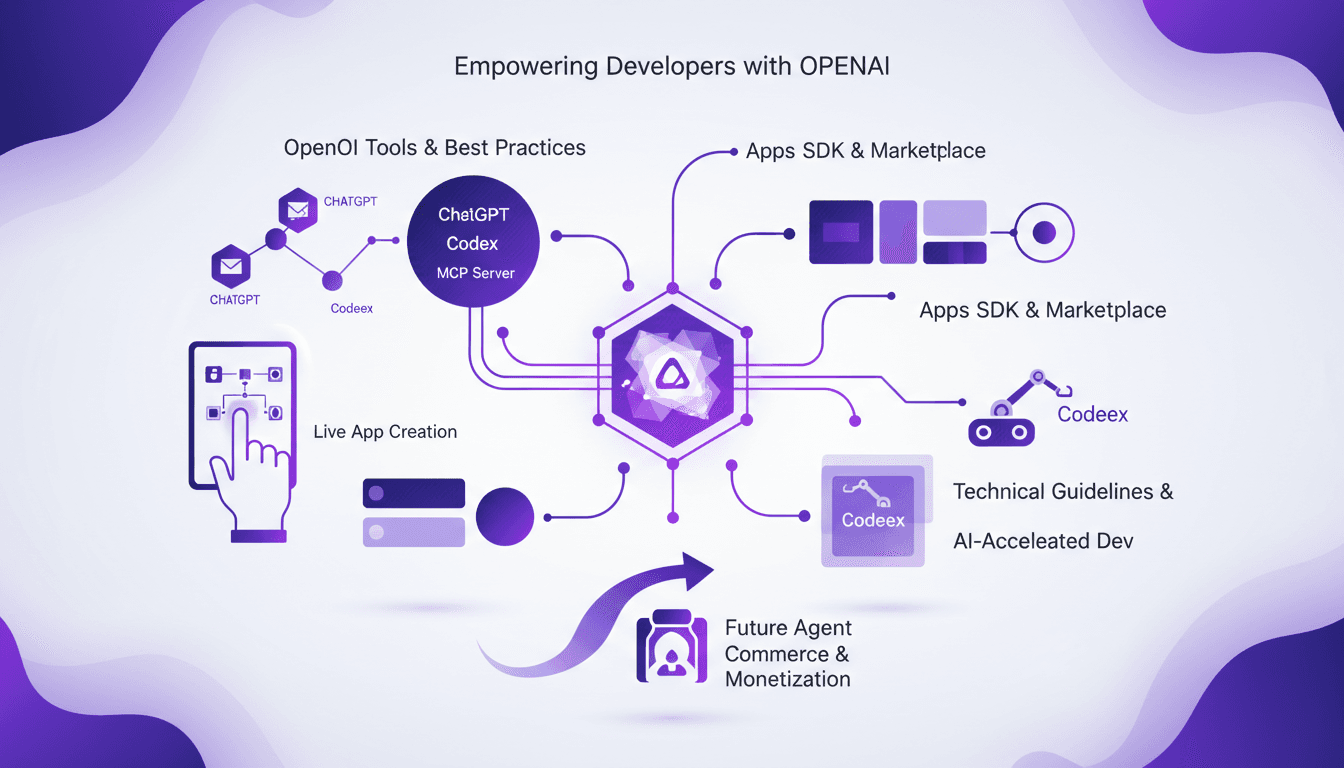
Building Apps in ChatGPT: A Practical Guide
I’ve been knee-deep in the OpenAI ecosystem, and building apps in ChatGPT is like crafting a dynamic espresso shot—fast, efficient, and incredibly rewarding. With Codeex and MCP, I streamline the entire process. OpenAI's tools are game changers for developers eager to integrate AI into their apps. After hours in the trenches, today I'm sharing my workflow that makes app building not just feasible but efficient. From leveraging the OpenAI SDK to a live app creation demo, we’ll cover it all. I promise you, in two minutes, Codeex will already give you a starting scaffold.
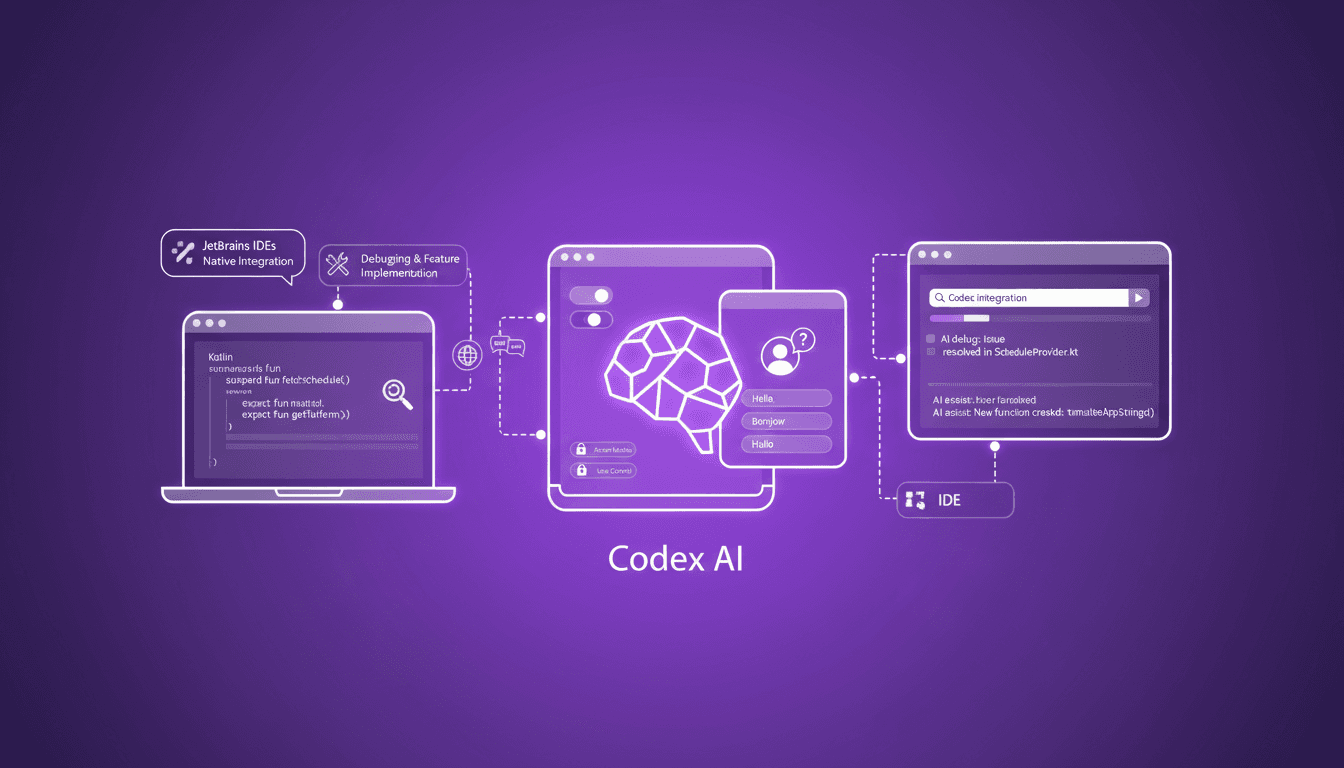
Codex Integration in JetBrains IDEs
I've been knee-deep in JetBrains IDEs, and integrating Codex has been a game changer for my Kotlin projects. Here's the thing: first, I'll walk you through the setup process, then we'll dive into how it has streamlined my workflow. Whether you're debugging or implementing new features, Codex is here to help. For a multi-platform conference app that runs on mobile, web, and desktop, Codex makes life easier. I'll also show you how we handle localization tasks and how Codex integrates natively with JetBrains products. Simply put, if you haven't yet explored how Codex can boost your productivity, now's the time to dive in.
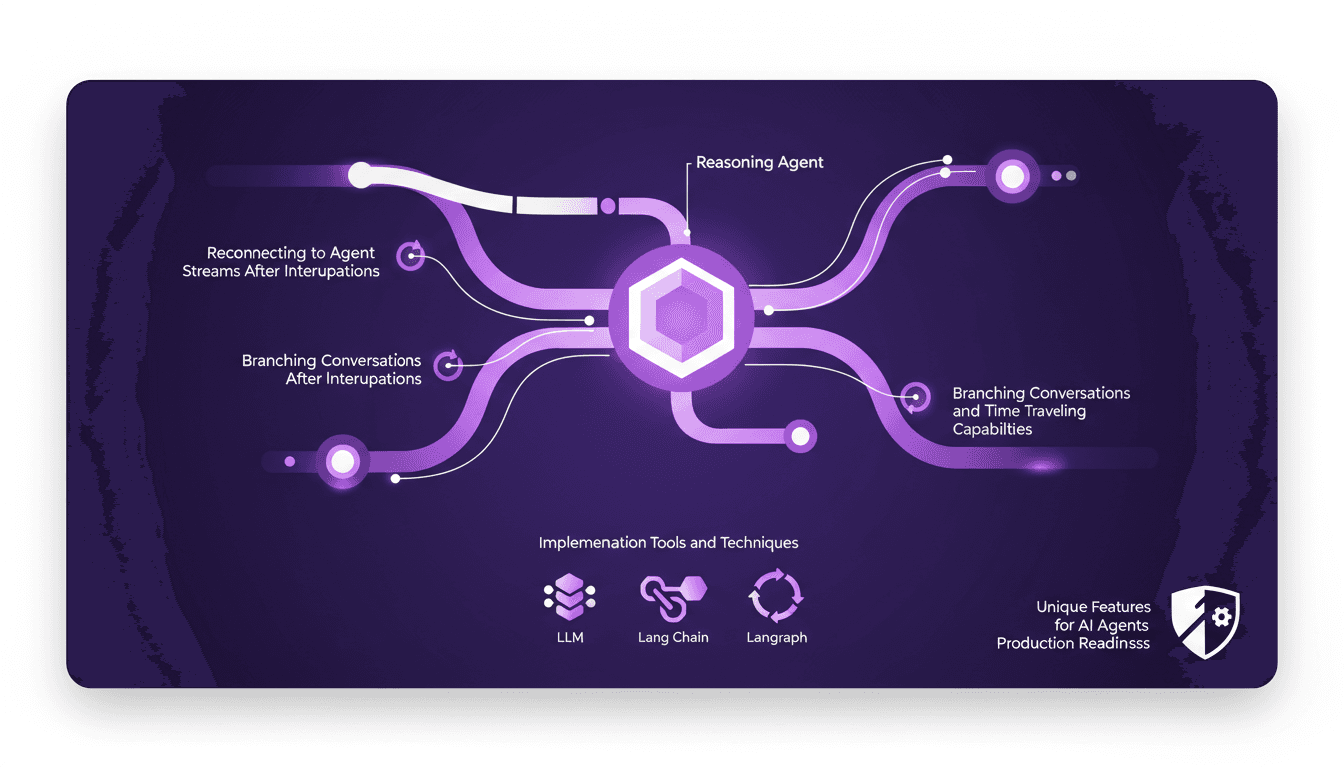
Hidden Features Making AI Agents Production-Ready
I've spent countless hours in the trenches, fine-tuning AI agents that aren't just smart but truly production-ready. Let's dive into three hidden features that have been game changers in my workflow. You know, AI agents are evolving fast, but making them robust for real-world applications requires digging deeper into lesser-known features. Here's how I leverage these capabilities to enhance efficiency and reliability. We're talking about how I use reasoning agents and streaming thought processes, reconnecting to agent streams after interruptions, and branching conversations with time-traveling capabilities. If you're looking to make your AI agents production-ready, these unique features are indispensable.