Building Apps in ChatGPT: A Practical Guide
I’ve been knee-deep in the OpenAI ecosystem, and building apps in ChatGPT is like crafting a dynamic espresso shot—fast, efficient, and incredibly rewarding. With Codeex and MCP, I streamline the entire process. OpenAI's tools are game changers for developers eager to integrate AI into their apps. After hours in the trenches, today I'm sharing my workflow that makes app building not just feasible but efficient. From leveraging the OpenAI SDK to a live app creation demo, we’ll cover it all. I promise you, in two minutes, Codeex will already give you a starting scaffold.
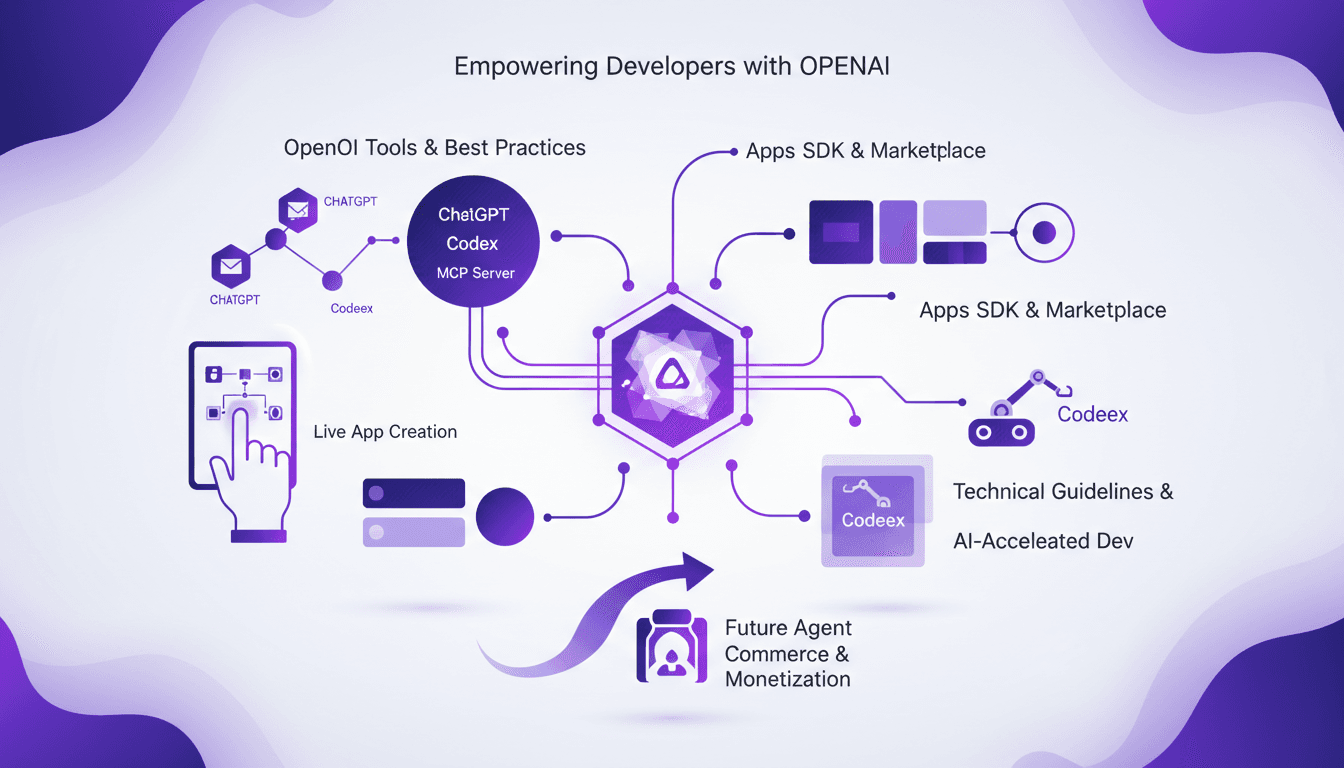
I've been knee-deep in the OpenAI ecosystem, and let me tell you, building apps in ChatGPT is like crafting a dynamic espresso shot—fast, efficient, and incredibly rewarding. With tools like Codeex and the MCP server, I've streamlined the process from start to finish. OpenAI's ecosystem is a game changer for developers looking to integrate AI into their applications. Today, I'll share my workflow that makes app creation not just feasible, but efficient. From leveraging OpenAI's SDK to a live demo of app creation, we’ll cover all the essential parts. In just two minutes, Codeex provides you with initial scaffolding, letting you focus on what truly matters. And remember, on January 24th, a builder event in San Francisco will give us a chance to dive deeper into these topics.
Getting Started with OpenAI's Apps Platform
Diving into app development with OpenAI feels like stepping into a new world of possibilities. The Apps Platform provides a wealth of resources like the Apps SDK, an apps documentation site, and even a public app submission flow. When I began, I connected my Supabase repo and explored these tools. But watch out, understanding the SDK is crucial. Without it, you risk going around in circles.
To set up my development environment, I first installed the Apps SDK via npm. It was quick, but the real challenge lies in understanding the SDK's primitives. I spent time reading the documentation, which helped me grasp how to inject UI widgets and manage user state. The initial challenges were numerous, especially handling permissions and user authentication. I had to experiment with several configurations before finding the right one.
Leveraging Codeex for Rapid Development
Codeex was a real lifesaver for me. This powerful tool accelerates the scaffolding process impressively. Imagine reducing initial setup time to just 2-3 minutes. It's a breeze with Codeex. I integrated it into my existing workflows for time savings and efficiency.
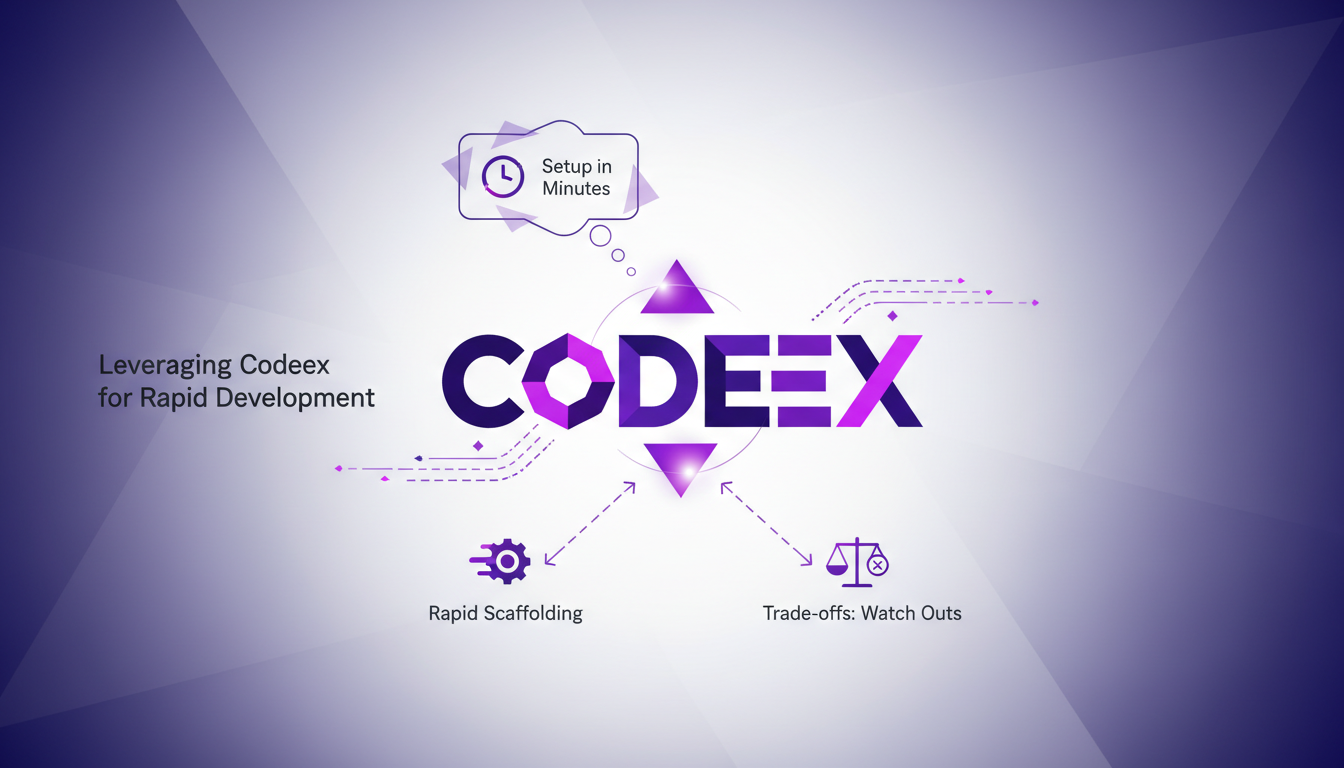
But beware, using Codeex isn't without trade-offs. You must be careful not to rely too heavily on its automated features, or you risk losing control over critical aspects of your app. I found that thoughtful integration with my existing workflows helped avoid these pitfalls.
Exploring the MCP Server Capabilities
The MCP server is a real boon for developers. It allows AI clients to interact with tools, actions, and resources seamlessly. Building a multiplayer ping pong app, I realized how the MCP server simplifies the development of interactive apps. Understanding MCP server concepts is essential to leverage its capabilities.
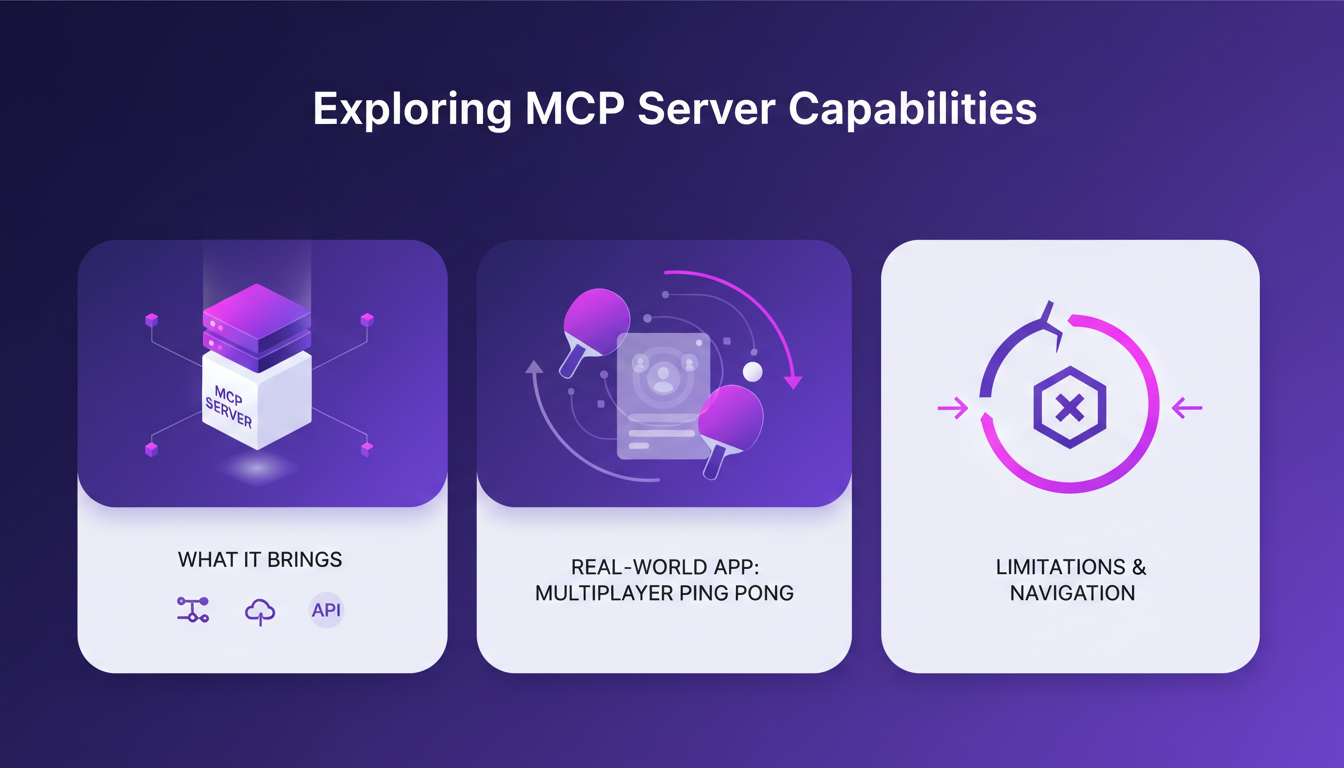
However, it doesn't come without limitations. Watch out for context overload, as beyond 100,000 tokens, it gets tricky. But with proper orchestration, you can navigate these limits and maximize the potential for future agent commerce protocol.
Best Practices for UI/UX and App Submission
Creating a seamless user experience is crucial. I've often seen apps fail due to poor design decisions. My advice: follow the ChatGPT app submission guidelines. I've developed a personal checklist for app submission, including rigorous testing and peer review.
Avoid common pitfalls like confusing navigation or information overload. Balancing creativity with technical constraints is key. I've learned to incorporate UI components from OpenAI's library to maintain visual coherence.
Live Demonstration and Dynamic Content Rendering
Conducting a live demo is always challenging. During a session, I showcased how to create a quiz app with dynamic content rendering. What works: using proper data structures to generate content without storing backend data. But beware, dynamic rendering can be tricky if not well orchestrated.
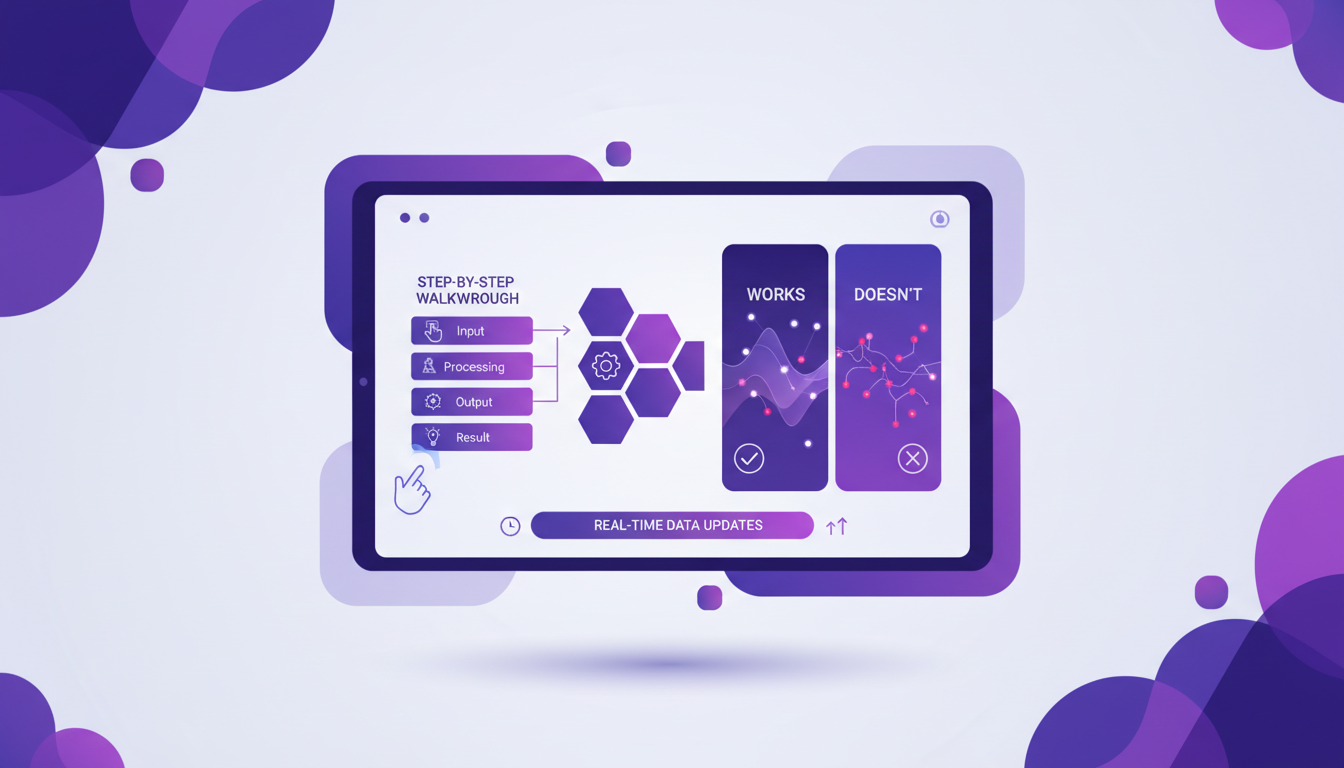
Handling real-time data updates requires a solid strategy. I've often had to adjust my approaches following audience feedback. The key is to learn from every demo to continuously improve the user experience.
Building apps in ChatGPT using OpenAI tools like Codeex and MCP has truly revamped my development workflow. Key takeaways include:
- Quick scaffolding: Codeex gets the initial setup done in 2-3 minutes, which is a major time-saver.
- Enhanced efficiency: MCP integration means I boost efficiency without sacrificing quality.
- OpenAI ecosystem: Leveraging OpenAI's SDK and marketplace has been a game changer for app creation, but watch out for resource limits based on project scale.
Looking ahead, these tools are poised to revolutionize app development, but you need to set your expectations and be aware of the constraints.
Ready to start building? Dive into the OpenAI ecosystem and see how these tools can revolutionize your app development. Don't forget to share your experiences and improvements! For a deeper understanding, I highly recommend checking out the "Build Hour: Apps in ChatGPT" video on YouTube: link.
Frequently Asked Questions

Thibault Le Balier
Co-fondateur & CTO
Coming from the tech startup ecosystem, Thibault has developed expertise in AI solution architecture that he now puts at the service of large companies (Atos, BNP Paribas, beta.gouv). He works on two axes: mastering AI deployments (local LLMs, MCP security) and optimizing inference costs (offloading, compression, token management).
Related Articles
Discover more articles on similar topics
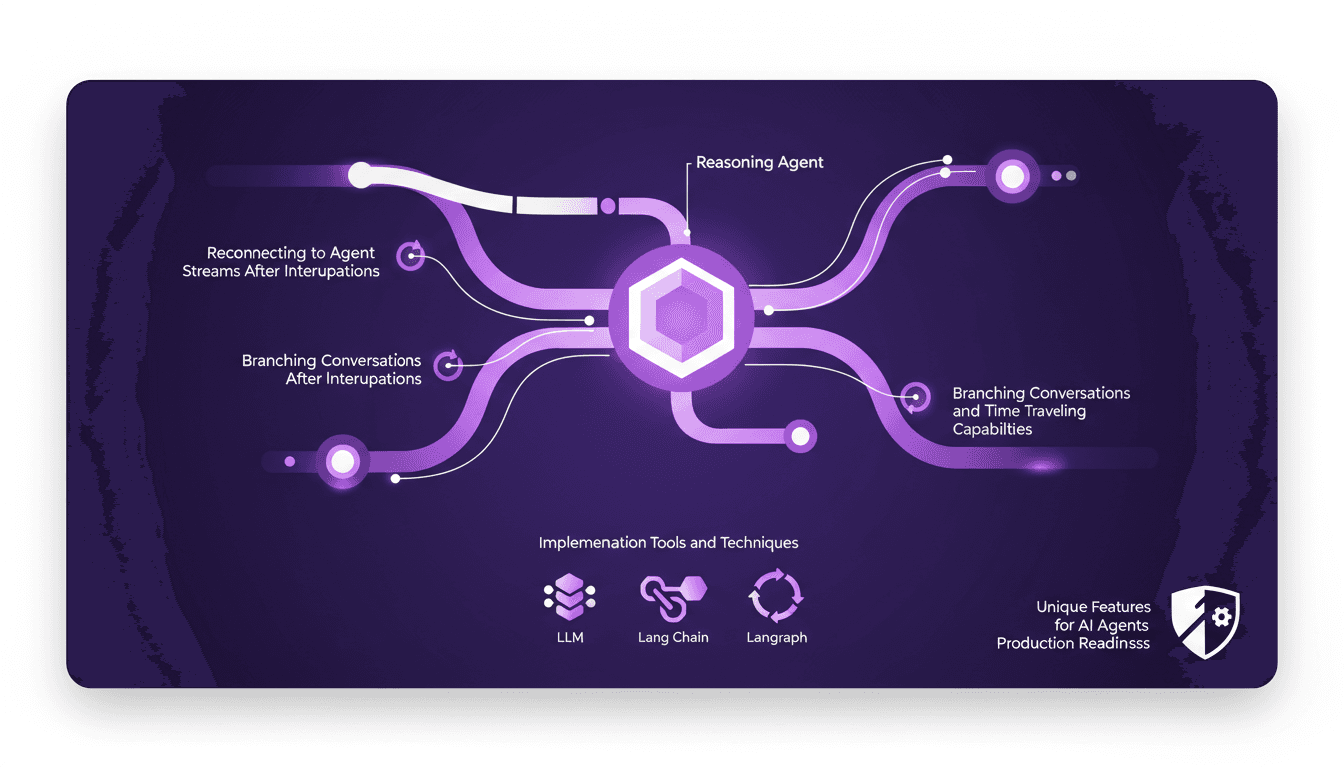
Hidden Features Making AI Agents Production-Ready
I've spent countless hours in the trenches, fine-tuning AI agents that aren't just smart but truly production-ready. Let's dive into three hidden features that have been game changers in my workflow. You know, AI agents are evolving fast, but making them robust for real-world applications requires digging deeper into lesser-known features. Here's how I leverage these capabilities to enhance efficiency and reliability. We're talking about how I use reasoning agents and streaming thought processes, reconnecting to agent streams after interruptions, and branching conversations with time-traveling capabilities. If you're looking to make your AI agents production-ready, these unique features are indispensable.
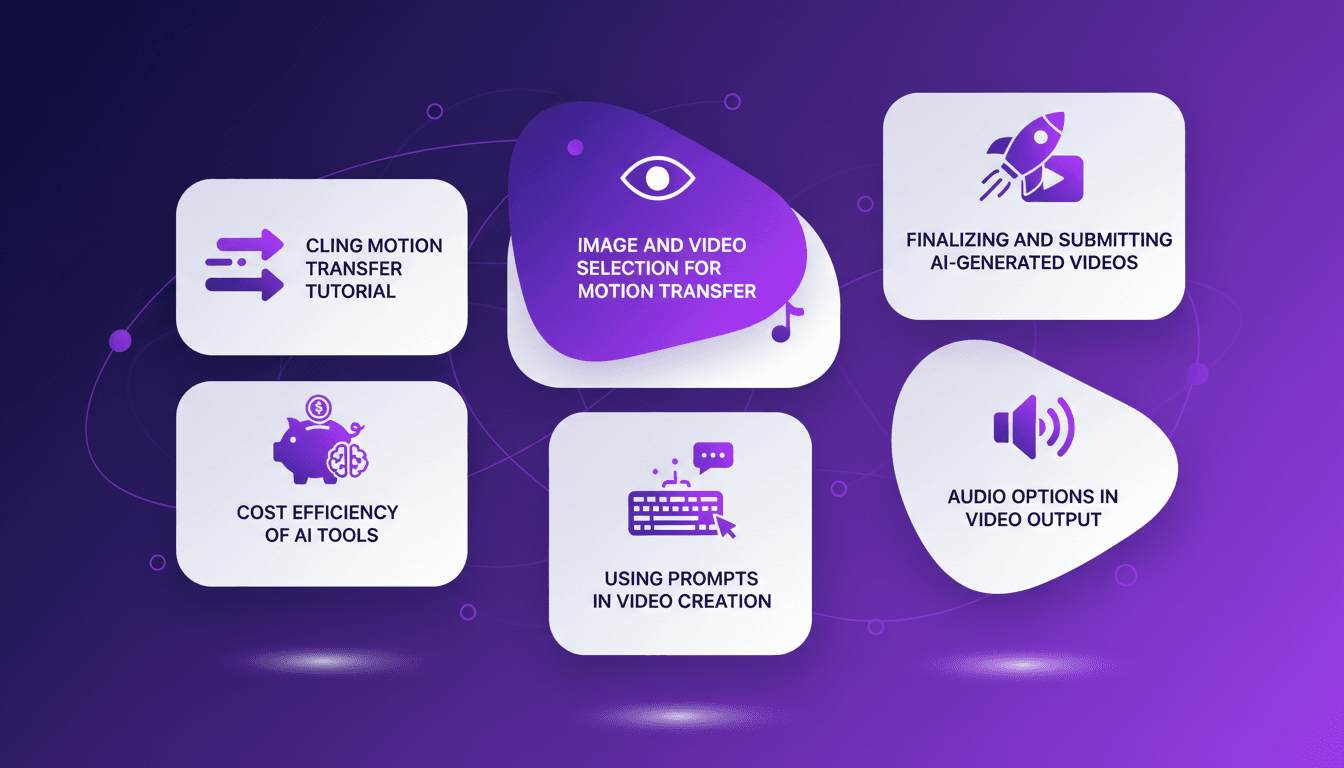
Mastering Cling Motion Transfer: A Cost-Effective Guide
I still remember the first time I tried Cling Motion Transfer. It was a game-changer. For less than a dollar, I turned a simple video into viral content. In this article, I'll walk you through how I did it, step by step. Cling Motion Transfer is an affordable AI tool that stands out in the realm of video creation, especially for platforms like TikTok. But watch out, like any tool, it has its quirks and limits. I'll guide you through image and video selection, using prompts, and how to finalize and submit your AI-generated content. Let's get started.
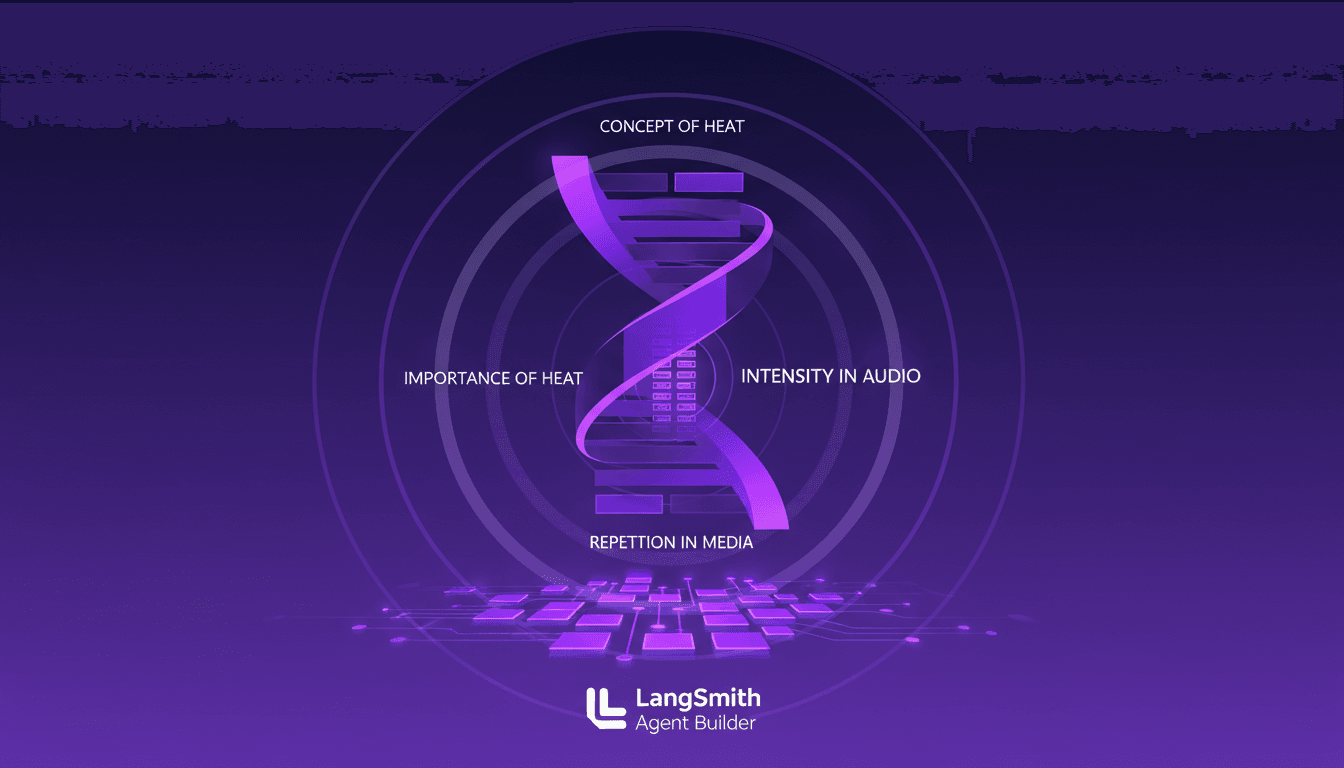
Optimizing Media with LangSmith Agent Builder
I fired up the LangSmith Agent Builder out of curiosity, and it was a revelation. 'Heat' isn't just a buzzword; it's a powerful tool. When harnessed correctly, it transforms how we interact with media. I'll show you how I leveraged it to enhance audio intensity and repetition. LangSmith offers a new way to think about content creation. We often talk about creating immersive experiences, but with this tool, we take it to the next level. It's really a new way to think and orchestrate our media projects.
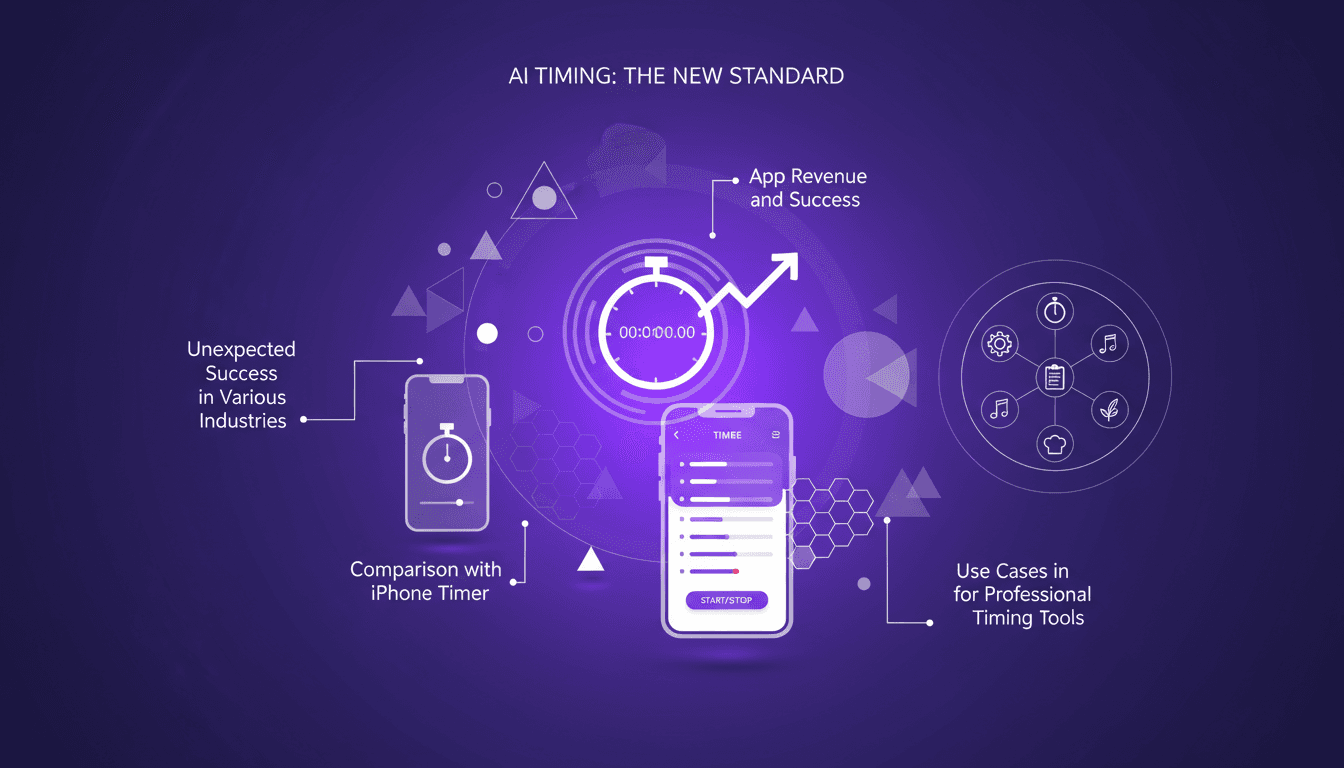
Generating $25K/Month with a Timing App
I laughed when I first saw this timing app. It seemed way too simple to be anything more than a side hustle. But then the developer hit me with the revenue numbers: $25,000 a month. That's when I stopped laughing and started listening. This seemingly basic app turned out to be a game-changer across various industries. Let's break down how such a simple idea could transform into a lucrative tool. Get ready to explore how a timing feature, which could have easily been overshadowed by the iPhone timer, made its mark thanks to an unexpected demand for precise timing tools.
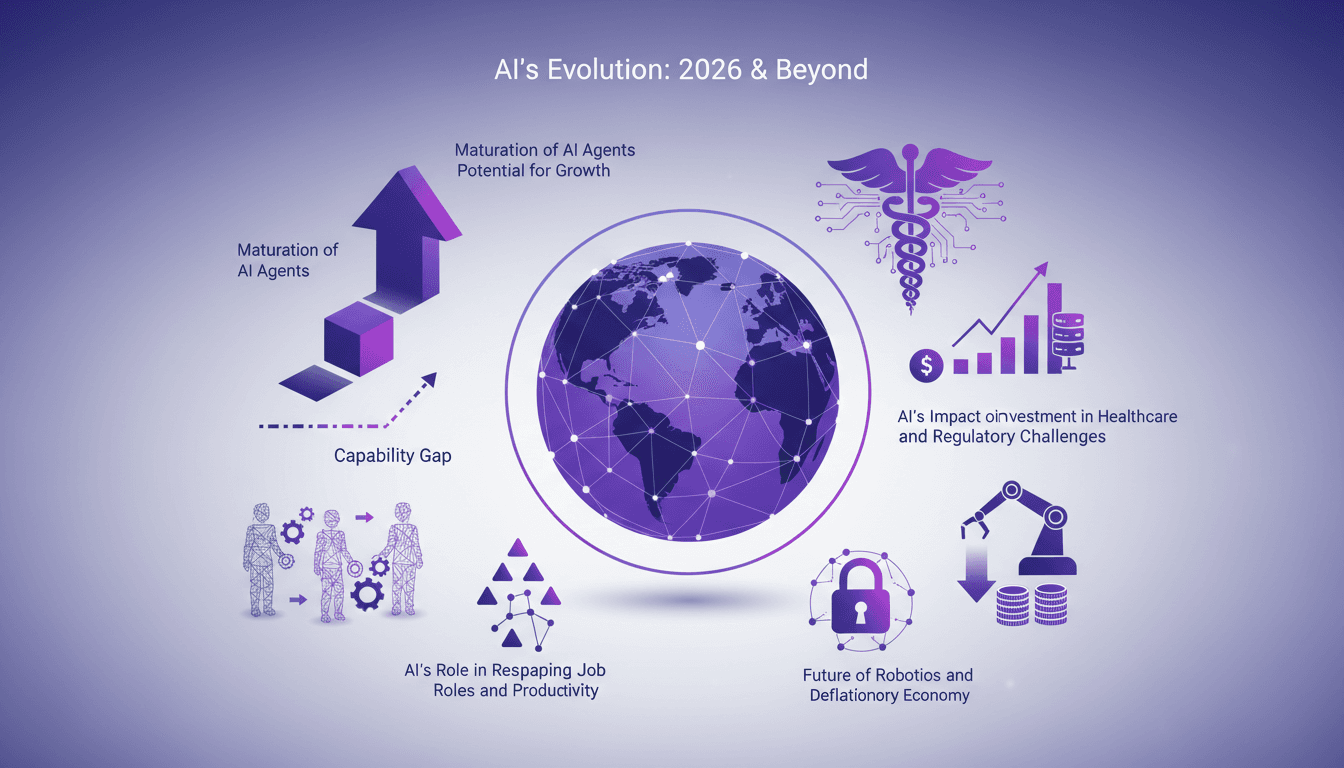
Maturing AI Agents and Systems by 2026
I've watched AI grow from simple scripts to complex systems, often finding myself orchestrating solutions with agents that, let's be honest, sometimes fell short. But we're talking about 2026 now, and I can sense something big is brewing. Multi-agent systems are getting refined, impacting real-world sectors like healthcare and startups. We have to discuss OpenAI's massive investments in compute power and the regulatory challenges ahead. As a builder, I see opportunities for us, especially for startups looking to carve out a spot in this rapidly evolving ecosystem. Buckle up, because AI agents are coming with a punch that will redefine productivity and job roles.