Optimizing Media with LangSmith Agent Builder
I fired up the LangSmith Agent Builder out of curiosity, and it was a revelation. 'Heat' isn't just a buzzword; it's a powerful tool. When harnessed correctly, it transforms how we interact with media. I'll show you how I leveraged it to enhance audio intensity and repetition. LangSmith offers a new way to think about content creation. We often talk about creating immersive experiences, but with this tool, we take it to the next level. It's really a new way to think and orchestrate our media projects.
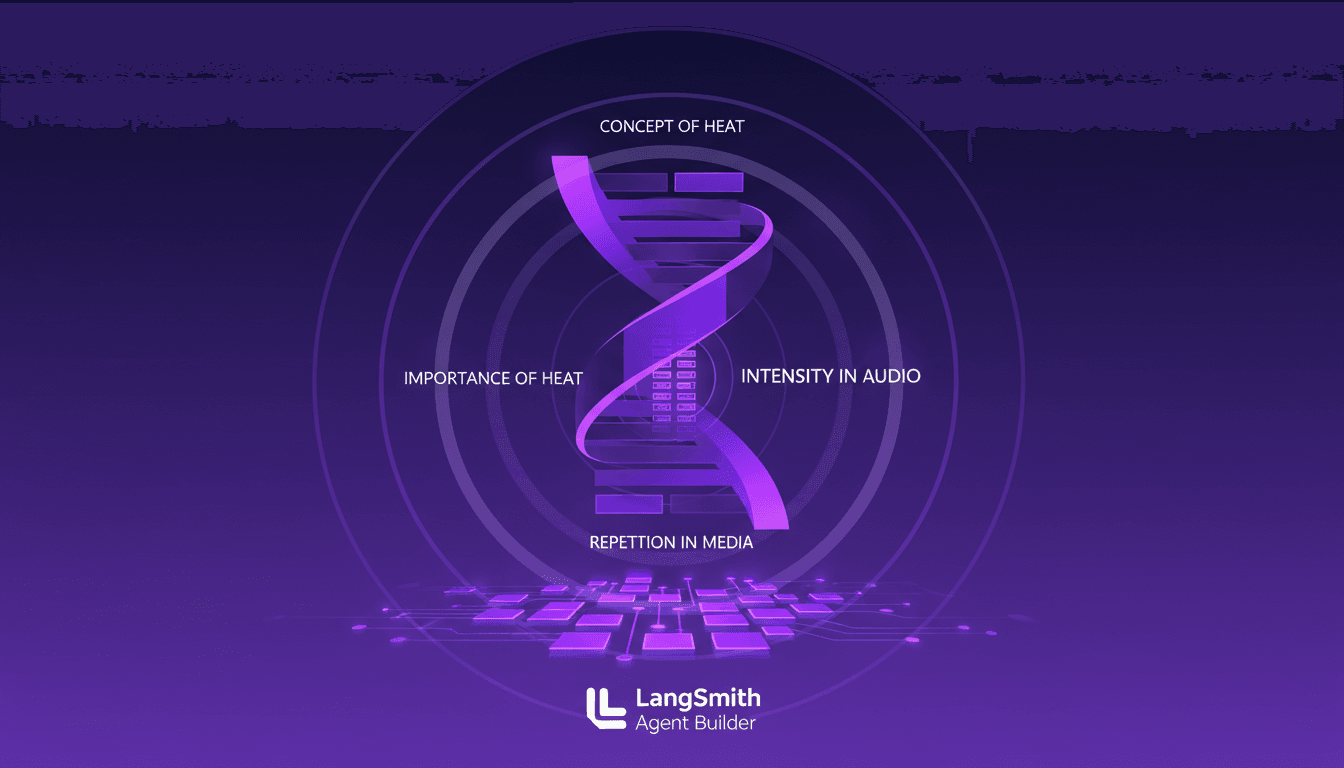
I first fired up the LangSmith Agent Builder out of curiosity, but what I discovered was a game changer. The concept of 'Heat' isn't just a buzzword; it's a powerful tool that, when harnessed correctly, transforms how we interact with media. Imagine orchestrating audio intensity in a way that instantly grabs attention, or using repetition to create experiences that really hit home. With LangSmith, we're not just talking about enhancing our projects, but transcending them. And here, as builders, we have a real lever to orchestrate significantly superior outcomes. By exploring this idea of 'Heat', I'm taking you on a practical journey to understand how this tool can allow us to master intensity and repetition in our creations. It's not just theoretical; it's tangible, and I'll show you how I've integrated it into my daily workflows to really make the most of it.
Understanding 'Heat' in Media
'Heat' isn't just a concept; it's the driving force behind engaging content. When I first explored how 'Heat' influences audience engagement, it became clear that it's all about balance. The intensity and repetition are crucial for maintaining interest, but watch out for overuse, as too much 'Heat' can overwhelm and deter users. What I've found is that strategic application of 'Heat' can significantly enhance media consumption.

- 'Heat' is essential for captivating an audience.
- Balance of intensity and repetition is necessary to maintain interest.
- Excessive 'Heat' can discourage users.
- Strategic application improves consumption.
Integrating Audio Intensity
Audio intensity is about creating an immersive experience that goes beyond just sound. I adjusted audio levels to match the desired 'Heat' intensity. First, I tested various audio settings to find the optimal balance. But beware of distortion—too much intensity can degrade audio quality. What I learned is that subtle audio shifts can significantly impact user retention.
- Audio intensity creates an immersive experience.
- Test audio settings for optimal balance.
- Beware of audio distortion.
- Subtle adjustments improve retention.
Harnessing Repetition Effectively
Repetition in media can reinforce key messages and themes. I used LangSmith to automate and fine-tune repetition strategies. First, identify the core message that benefits from repetition. Too much repetition can lead to fatigue—balance is key. I found that controlled repetition boosts recall and engagement.
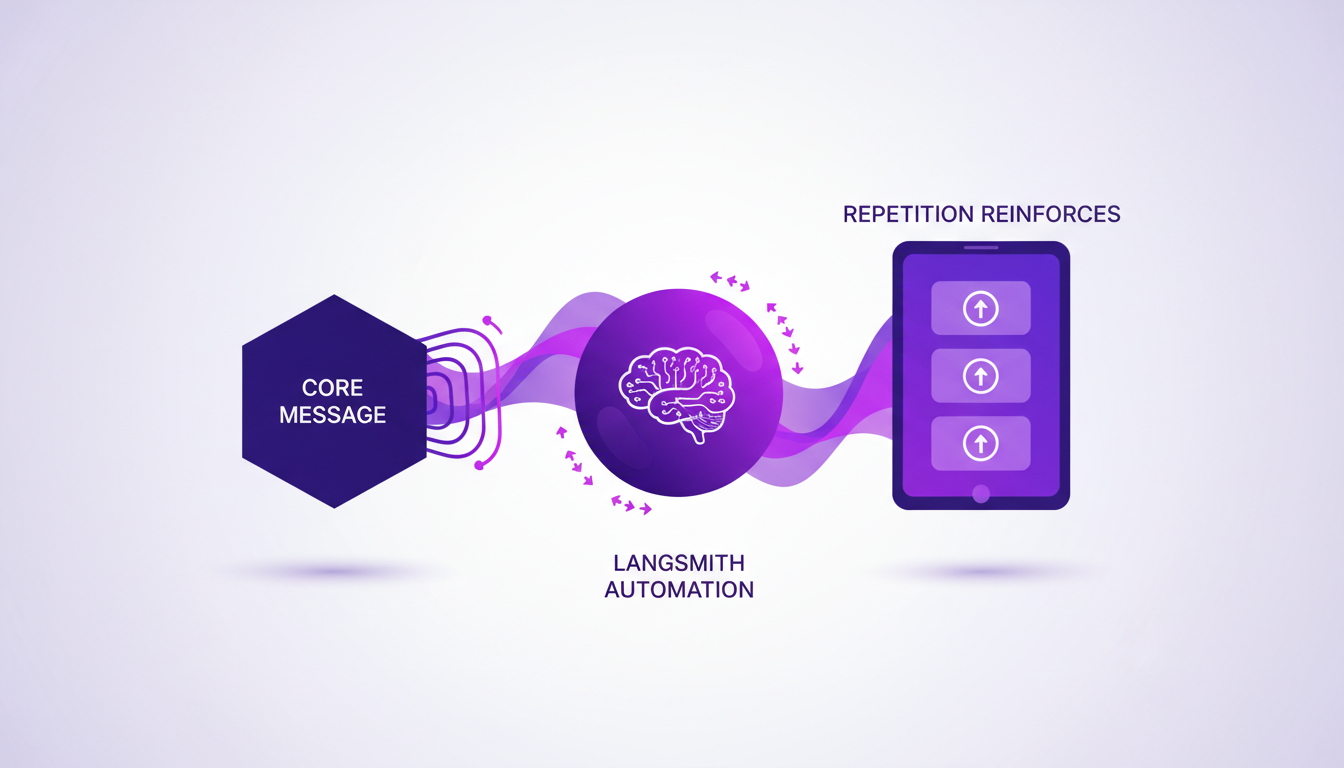
- Reinforce messages through repetition.
- Use LangSmith to automate strategies.
- Identify messages that benefit from repetition.
- Avoid fatigue with proper balance.
Building with LangSmith Agent Builder
LangSmith simplifies the process of integrating 'Heat' into media. I started by mapping out my content strategy within LangSmith. The platform's tools allowed for seamless orchestration of elements. Don't overlook the analytics—data insights are crucial for refinement. I optimized media output by iterating based on real-time feedback.

- LangSmith facilitates 'Heat' integration.
- Map out content strategy.
- Use tools for seamless orchestration.
- Data insights for refinement.
Trade-offs and Limits of Using 'Heat'
While 'Heat' is powerful, it requires careful calibration. I encountered challenges balancing intensity with user comfort. First, I set parameters to prevent over-intensification. Understanding user feedback helped refine the application of 'Heat'. Sometimes, less is more—strategic restraint can enhance impact.
- Careful calibration is necessary.
- Balance intensity with user comfort.
- Set parameters to prevent over-intensification.
- User feedback for refinement.
For more details on building with LangSmith, check out key technical highlights or explore how to build no-code agents with LangSmith. If you're looking to transform your workflow, explore our article on 4D Imaging.
To delve deeper into understanding repetition in music and its impact on intensity, check out the article on how repetition defines music or explore the concept on Wikipedia.
First, using LangSmith Agent Builder, I realized that 'Heat' isn't just about cranking up audio intensity; it's about orchestrating a balance that hooks your audience. Then, strategically repeating key elements in your content can make a real impact, but don't overdo it or you'll exhaust your listeners. Finally, constant iteration is key – every project is a chance to tweak and improve. It's a real game changer for media projects, but remember, the devil's in the details. For me, it's all about experimenting, testing, and refining continuously. So why not dive into LangSmith Agent Builder and start experimenting with 'Heat' today? Your media projects will thank you. For a deeper understanding, I recommend you check out the original video here: YouTube link.
Frequently Asked Questions

Thibault Le Balier
Co-fondateur & CTO
Coming from the tech startup ecosystem, Thibault has developed expertise in AI solution architecture that he now puts at the service of large companies (Atos, BNP Paribas, beta.gouv). He works on two axes: mastering AI deployments (local LLMs, MCP security) and optimizing inference costs (offloading, compression, token management).
Related Articles
Discover more articles on similar topics

Building with LangSmith: Key Technical Highlights
I dove into the LangSmith Agent Builder, and right away, 'Heat' kept popping up. It wasn't just noise; it was a game-changer. Let me walk you through how I harnessed 'Heat' to streamline my workflows. Understanding this feature is crucial for making the most out of LangSmith. My approach, what worked, and what didn't are all laid out here. If you're like me, always chasing efficiency and time savings, this practical dive into 'Heat' might just be a game-changer for you too.
Build No-Code Agents with LangSmith Agent Builder
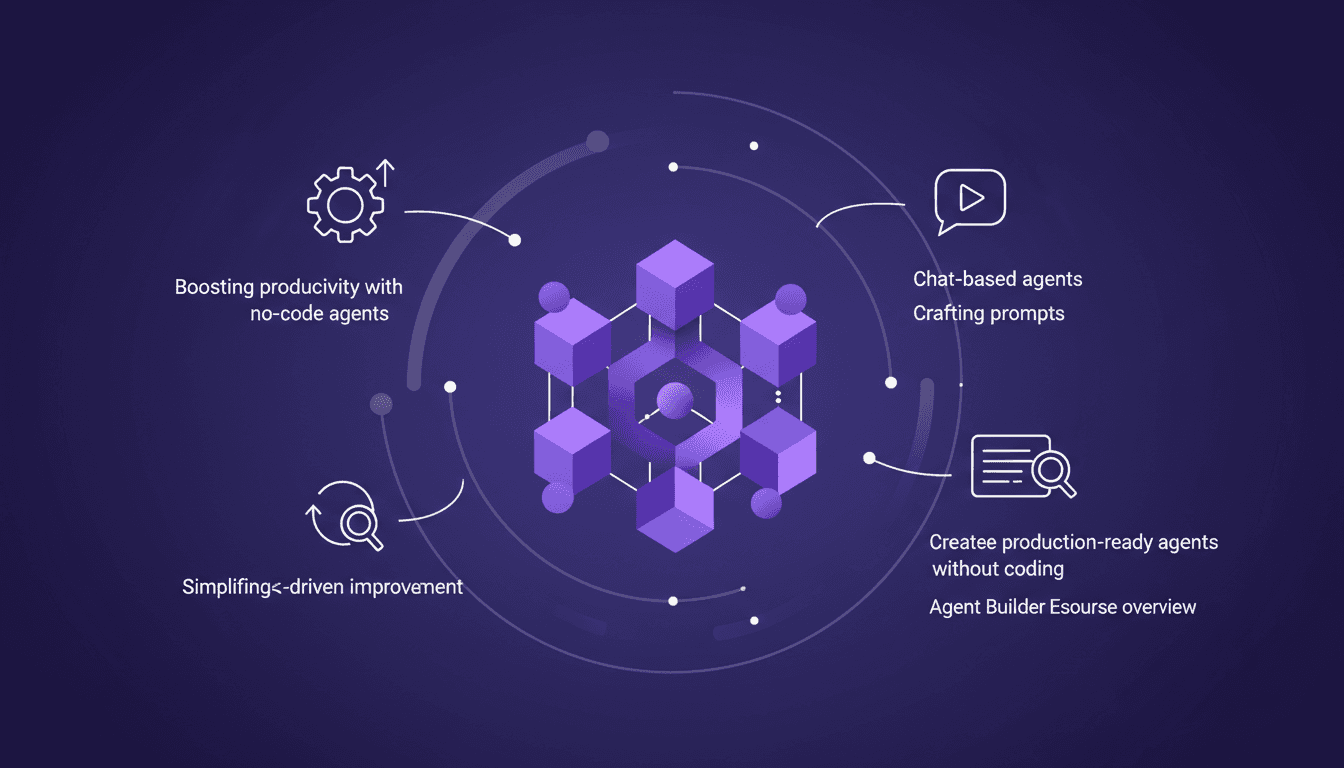
I dove into LangSmith Agent Builder expecting a complex setup. Instead, I found a streamlined approach to creating production-ready agents without writing a single line of code. LangChain Academy's new course, Agent Builder Essentials, is a game changer for anyone looking to automate tasks efficiently. We’re talking real-time reasoning and decision-making with no-code agents. Let me walk you through how it works and how it can boost your productivity.
Building an AI Email Assistant with LangSmith
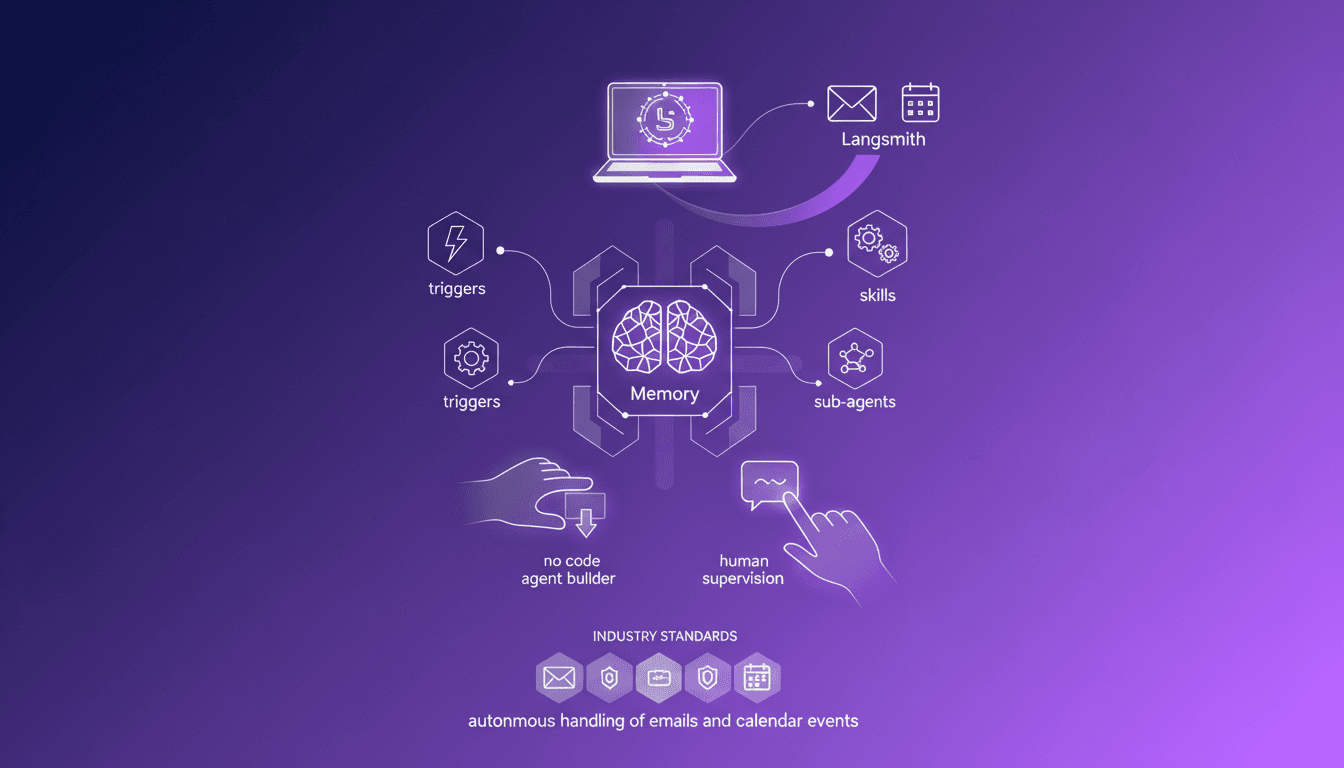
Ever felt like your inbox was a beast you couldn't tame? I did, until I built an AI email assistant using LangSmith's new Agent Builder. No code, just pure automation magic. I turned chaos into order with an assistant that handles my emails and syncs with my calendar, all with human oversight and customization. In this article, I show you how I leveraged this no-code platform to lighten my daily workload and optimize efficiency. If you're looking to tame your email flow, look no further.
Hidden Features Making AI Agents Production-Ready
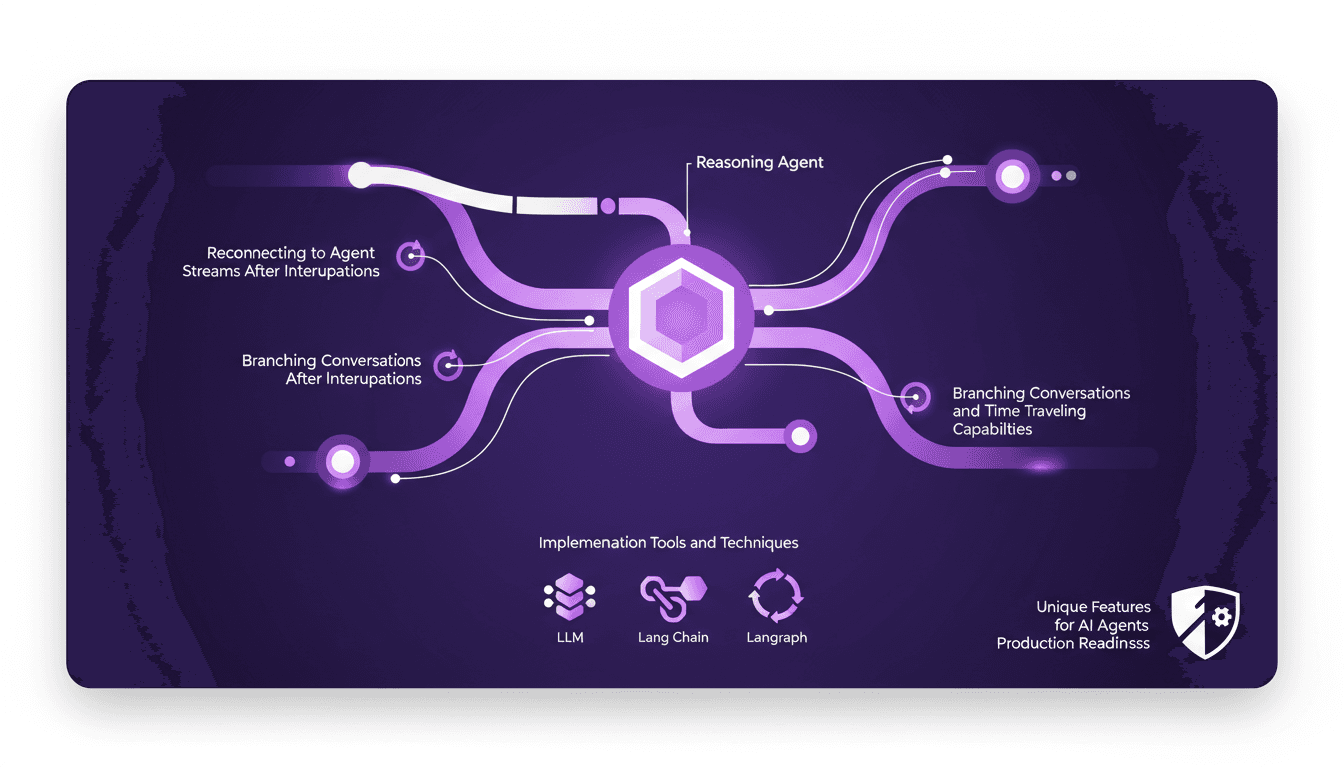
I've spent countless hours in the trenches, fine-tuning AI agents that aren't just smart but truly production-ready. Let's dive into three hidden features that have been game changers in my workflow. You know, AI agents are evolving fast, but making them robust for real-world applications requires digging deeper into lesser-known features. Here's how I leverage these capabilities to enhance efficiency and reliability. We're talking about how I use reasoning agents and streaming thought processes, reconnecting to agent streams after interruptions, and branching conversations with time-traveling capabilities. If you're looking to make your AI agents production-ready, these unique features are indispensable.
4D Imaging: Transform Your Workflow
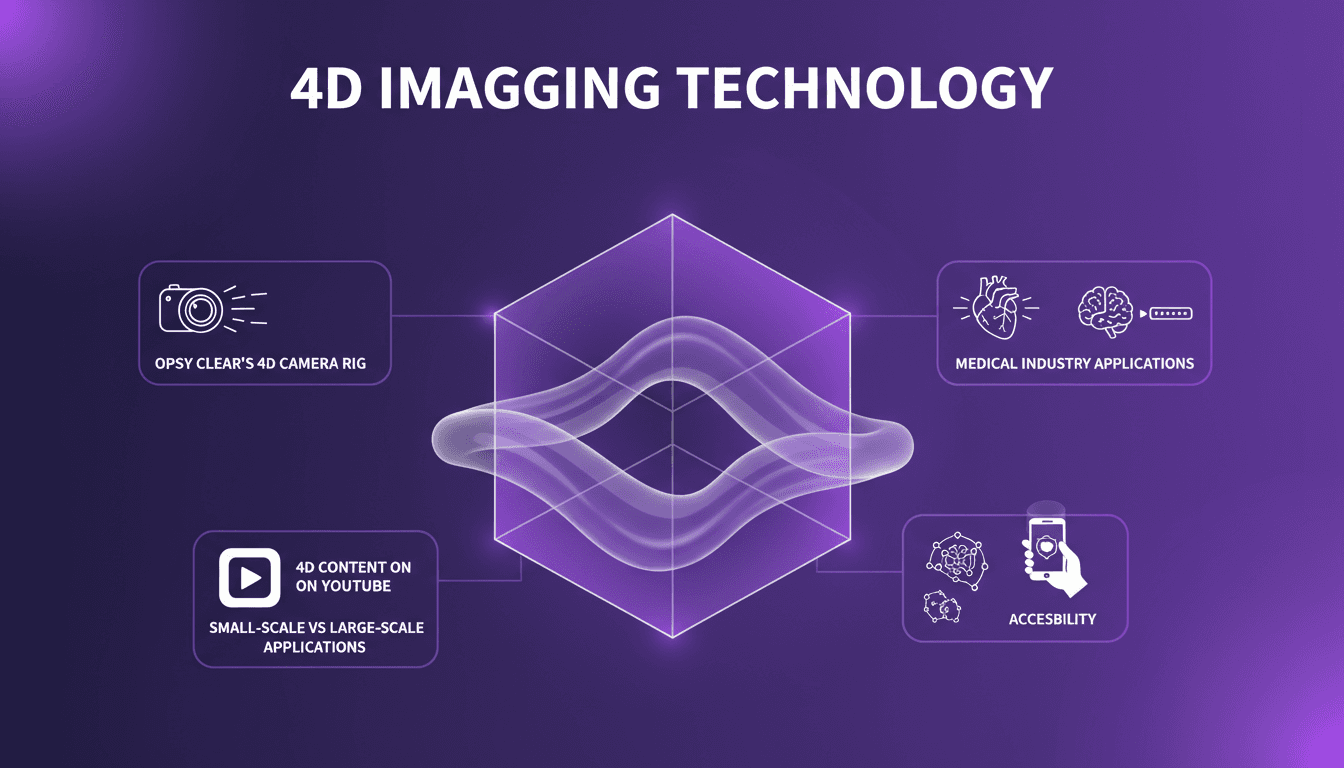
I remember the first time I saw a 4D render—it felt like stepping into the future. But the real game changer was when I got my hands on Opsy Clear's 4D camera rig. This isn't sci-fi anymore, it's here, ready to revolutionize your workflow. Whether you're in the medical field or a YouTube content creator, mastering 4D imaging can truly set you apart. Let me walk you through this tech, from its medical applications to its potential on YouTube, and how it's accessible to everyone, regardless of your project's scale.