Build No-Code Agents with LangSmith Agent Builder
I dove into LangSmith Agent Builder expecting a complex setup. Instead, I found a streamlined approach to creating production-ready agents without writing a single line of code. LangChain Academy's new course, Agent Builder Essentials, is a game changer for anyone looking to automate tasks efficiently. We’re talking real-time reasoning and decision-making with no-code agents. Let me walk you through how it works and how it can boost your productivity.
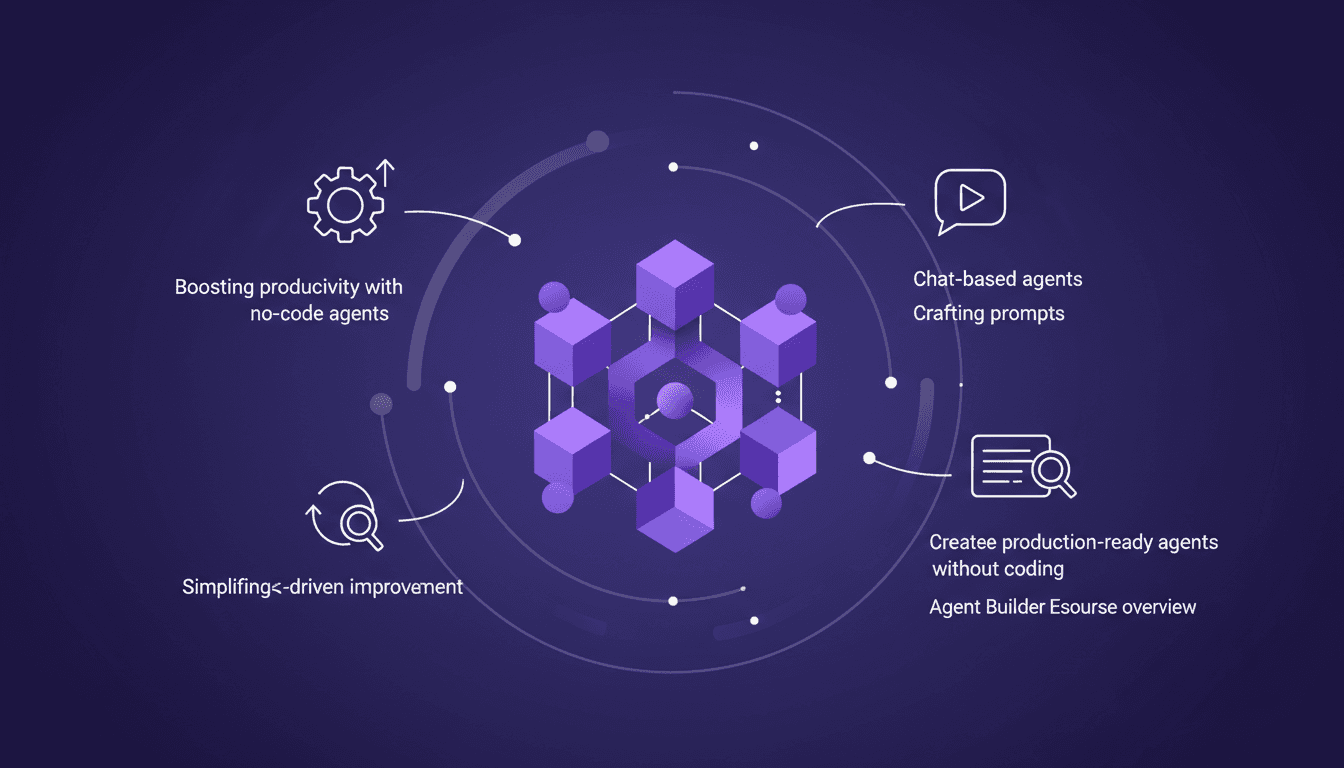
I dove into the LangSmith Agent Builder expecting a complex setup. Instead, I found a streamlined approach to creating production-ready agents without writing a single line of code. LangChain Academy's new course, Agent Builder Essentials, is a game changer for anyone looking to automate tasks efficiently. We’re talking real-time reasoning and decision-making with no-code agents. First, I set up my prompts and pick the tools these agents will use. Then, I watch how these agents automate tasks through chat interfaces. The best part? The ongoing improvement of these agents based on feedback. You don't need to be a coding expert; this course is perfect for both beginners and intermediates. Let me show you how to boost your productivity with these no-code agents.
Understanding No-Code Development
No-code platforms have democratized agent creation, making it accessible to everyone, regardless of coding skills. This is where the LangSmith Agent Builder shines, simplifying the process with intuitive interfaces. I remember the days when I spent countless hours debugging code. Now, with these tools, I can focus on what truly matters: automating tasks.
The ability of agents to reason in real-time is a game-changer. They can adapt and make decisions on-the-fly, revolutionizing how we manage processes. However, it's crucial to monitor context limits, as an overload of data can slow processing. Ultimately, balancing real-time capabilities with system resources is key.
Agent Builder Essentials: Course Overview
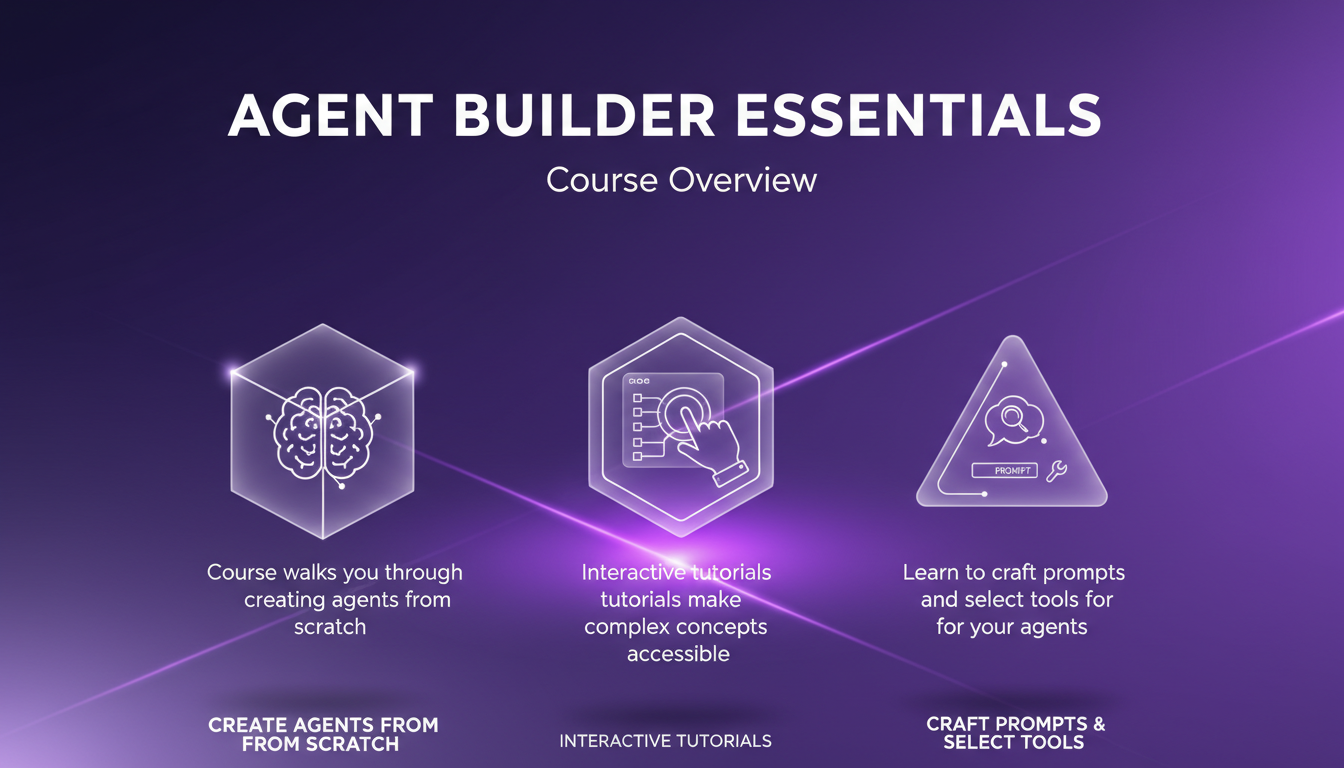
The course Agent Builder Essentials guides you through creating agents from scratch. Interactive tutorials make complex concepts accessible, even for beginners. For instance, I learned to craft effective prompts and choose the right tools for my agents. Real-world examples illustrate practical applications, such as automating email responses or managing administrative tasks.
This isn't just theory. The course incorporates real case studies, which allowed me to experiment and understand the nuances of agent development. What's fascinating is how these agents can effectively automate repetitive tasks, freeing us up for more strategic initiatives.
Building Agents with Chat Interfaces
Chat-based interfaces make agent setup intuitive and user-friendly. I remember my first time using this approach: it was like chatting with a colleague, not programming a bot. No-code agents can handle complex tasks through simple interactions, which is a real game changer.
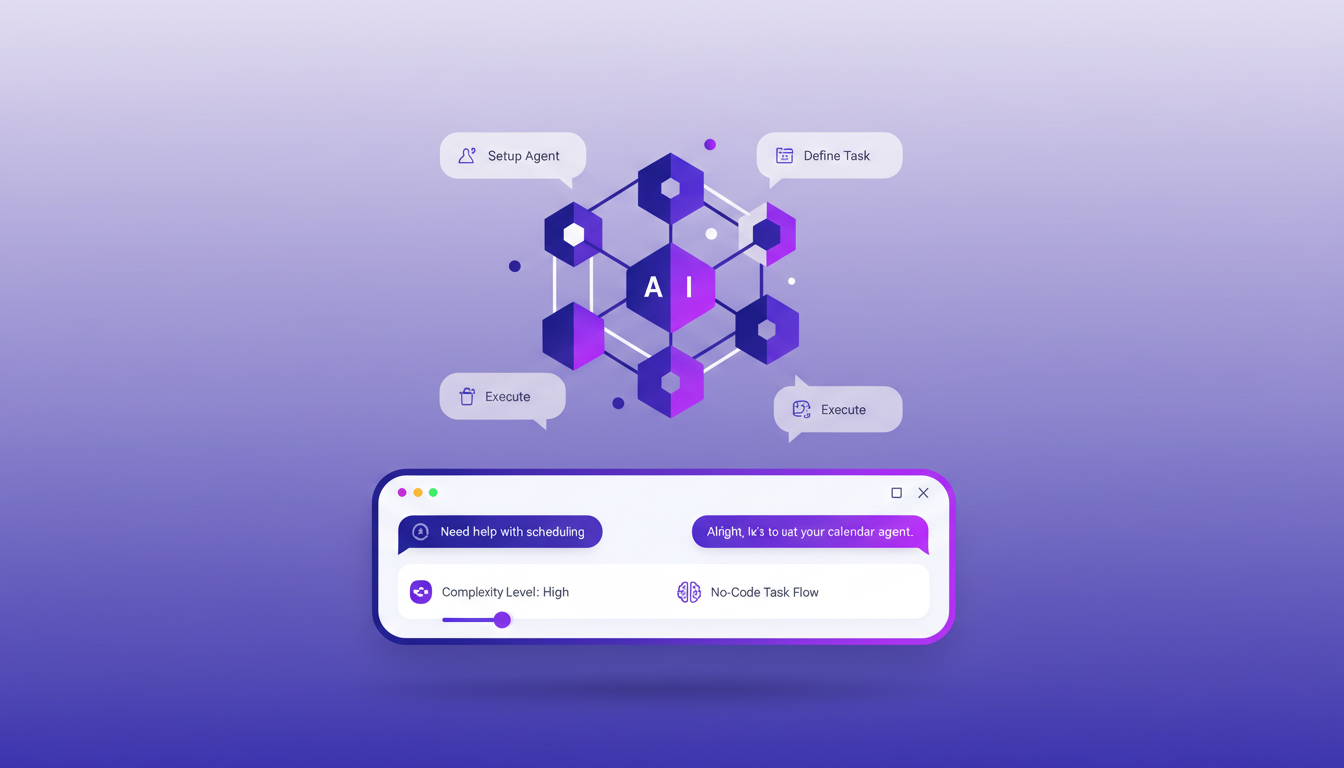
Using chat to guide agent behavior and task execution can genuinely boost productivity. Repetitive tasks are automated, leaving more time for creative initiatives. However, be careful not to overload your agents. When they are overwhelmed, their performance suffers.
Real-Time Reasoning and Adaptation
Agents make decisions in real-time, adapting to new data with increased efficiency. This not only enhances task efficiency but also accuracy. I've seen cases where agents have transformed complex project management with their adaptability.
But watch out, real-time reasoning requires careful management of system resources. Too much data can slow down the process, turning an asset into a liability. The key is finding that delicate balance between performance and adaptability.
Feedback-Driven Improvement of Agents
Continuous feedback loops refine agent performance. Real-world testing reveals practical limitations and strengths of agents. I've iterated on these feedbacks to enhance my agents' capabilities, ensuring they remain flexible and adaptable.
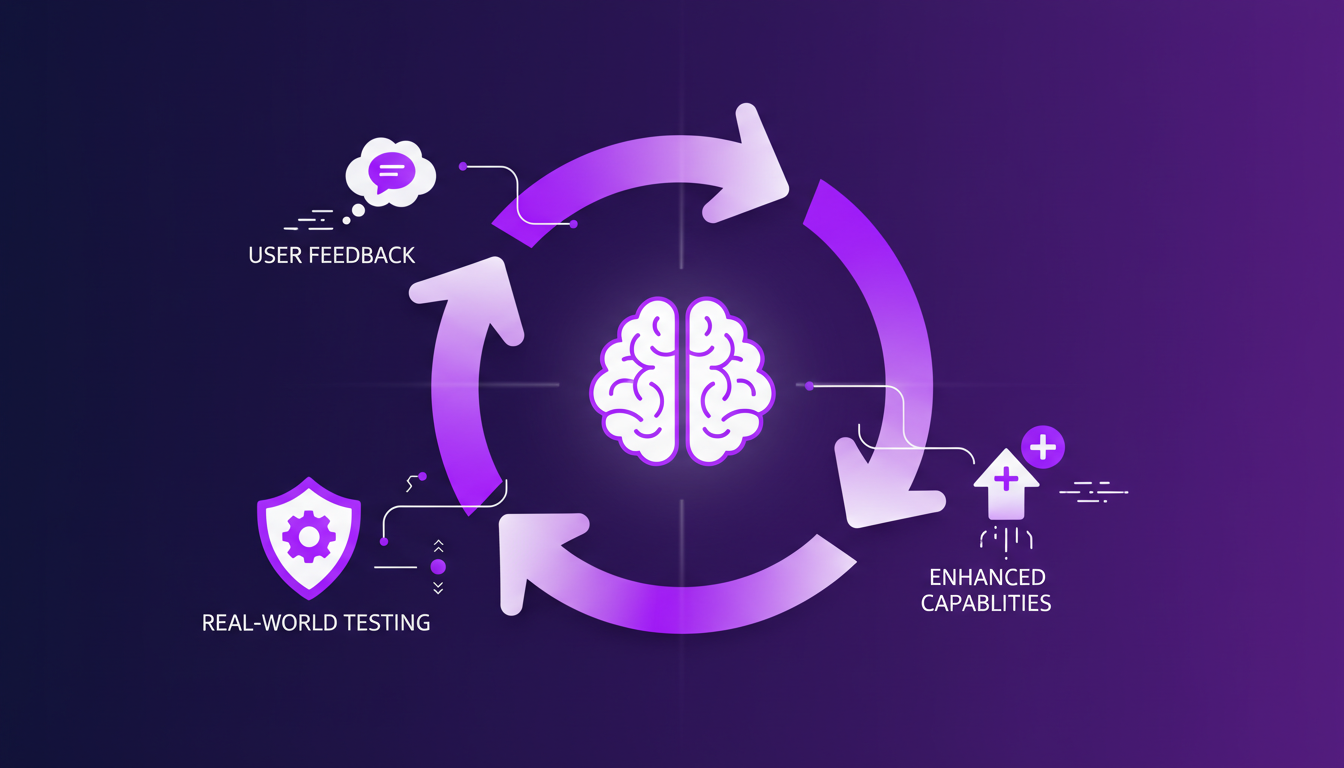
Avoid overfitting. Make sure your agents do not become too specialized at the risk of losing their flexibility. It's a trap I've fallen into more than once. Now, I ensure my agents can adapt to different scenarios, preserving their long-term utility.
For more insights on building AI agents, check out our article on "Building AI Agents: Challenges and Solutions".
This journey is enriched by external resources such as this practical guide on creating no-code AI agents, offering a complementary perspective to our approach.
With LangSmith Agent Builder, I found a really robust platform for creating agents without any coding. Here’s what stood out to me:
- Production-ready without code: You can create production-ready agents without writing a single line of code. It's a real time-saver for busy developers.
- Real-time reasoning and adaptation: Agents can reason and adapt in real-time, making them truly effective for automating complex tasks.
- Agent Builder Essentials: The LangChain Academy course gives us all the tools we need to master this tool without the headaches.
This is a game changer for anyone looking to boost productivity without diving into coding. But watch out, understanding the limits of real-time agents is crucial, especially for highly specific tasks.
Ready to simplify your automation processes? Dive into the LangChain Academy course and start building your own agents today. For a deeper understanding, I recommend checking out the full video: LangChain Academy New Course: LangSmith Agent Builder.
Frequently Asked Questions

Thibault Le Balier
Co-fondateur & CTO
Coming from the tech startup ecosystem, Thibault has developed expertise in AI solution architecture that he now puts at the service of large companies (Atos, BNP Paribas, beta.gouv). He works on two axes: mastering AI deployments (local LLMs, MCP security) and optimizing inference costs (offloading, compression, token management).
Related Articles
Discover more articles on similar topics
Building AI Agents: Challenges and Solutions
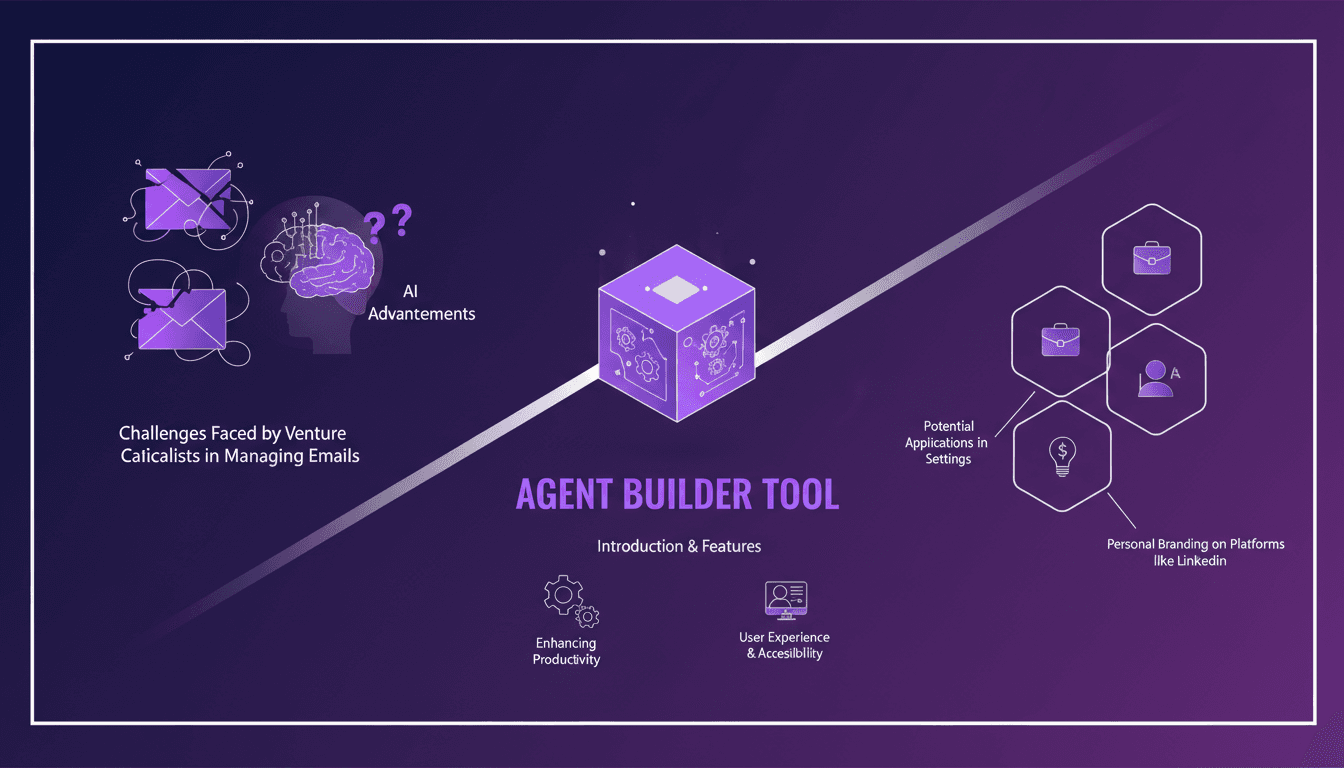
Knee-deep in the venture capital world, my inbox is a nightmare of endless emails. Seriously, it's brutal. Then I stumbled upon the LangSmith Agent Builder, and it's been a game changer. Picture a tool that automates and streamlines your daily tasks, freeing up time for what truly matters. But watch out, don't get too carried away; there are limits you need to know. For instance, beyond 100K tokens, things get tricky. Still, amidst the daily grind, this tool is a breath of fresh air. It not only boosts your productivity but also strengthens your LinkedIn presence. In short, it's a must-have for us venture capital professionals.
Building with LangSmith: Key Technical Highlights
I dove into the LangSmith Agent Builder, and right away, 'Heat' kept popping up. It wasn't just noise; it was a game-changer. Let me walk you through how I harnessed 'Heat' to streamline my workflows. Understanding this feature is crucial for making the most out of LangSmith. My approach, what worked, and what didn't are all laid out here. If you're like me, always chasing efficiency and time savings, this practical dive into 'Heat' might just be a game-changer for you too.
Building an AI Email Assistant with LangSmith
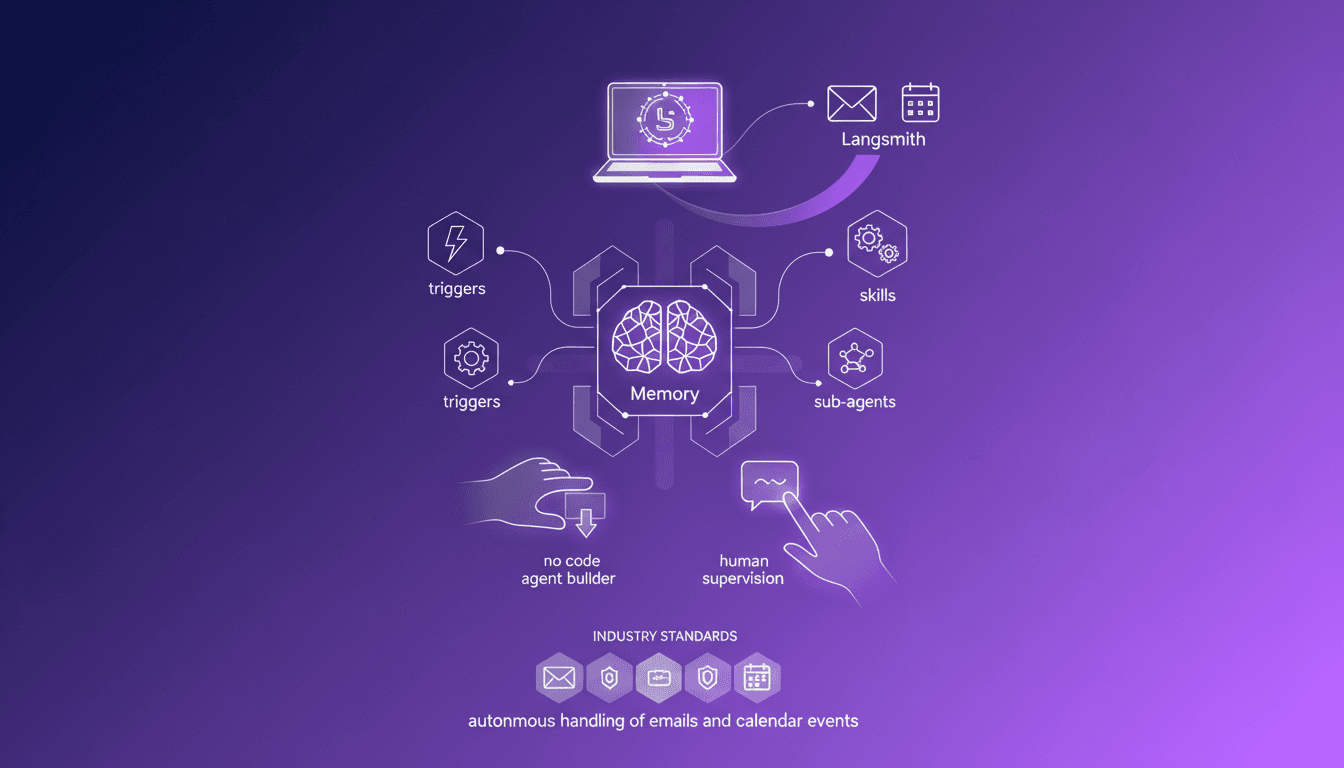
Ever felt like your inbox was a beast you couldn't tame? I did, until I built an AI email assistant using LangSmith's new Agent Builder. No code, just pure automation magic. I turned chaos into order with an assistant that handles my emails and syncs with my calendar, all with human oversight and customization. In this article, I show you how I leveraged this no-code platform to lighten my daily workload and optimize efficiency. If you're looking to tame your email flow, look no further.
Automating Large-Scale Refactors with Agents
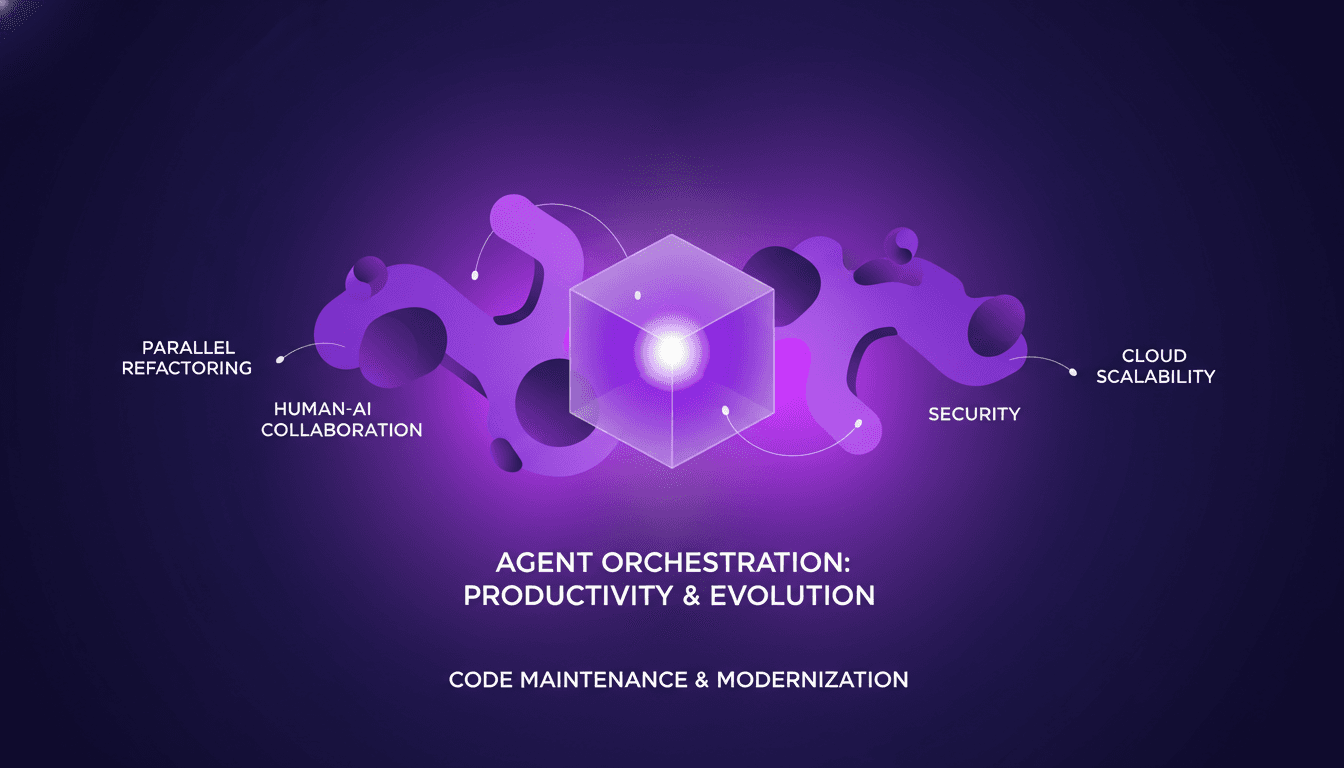
I've been knee-deep in code refactoring for over a decade, and let me tell you, automating this beast with parallel agents is a game changer. We're talking about an orchestration that can revolutionize your workflow. First, I set up my agents, then orchestrate them to maximize productivity impact. This is where the evolution of coding agents comes into play, having real impacts on software development. But watch out, it's not challenge-free. Security and scalability of cloud environments for agent execution are critical. Dive in to discover how to effectively collaborate with AI in software engineering.
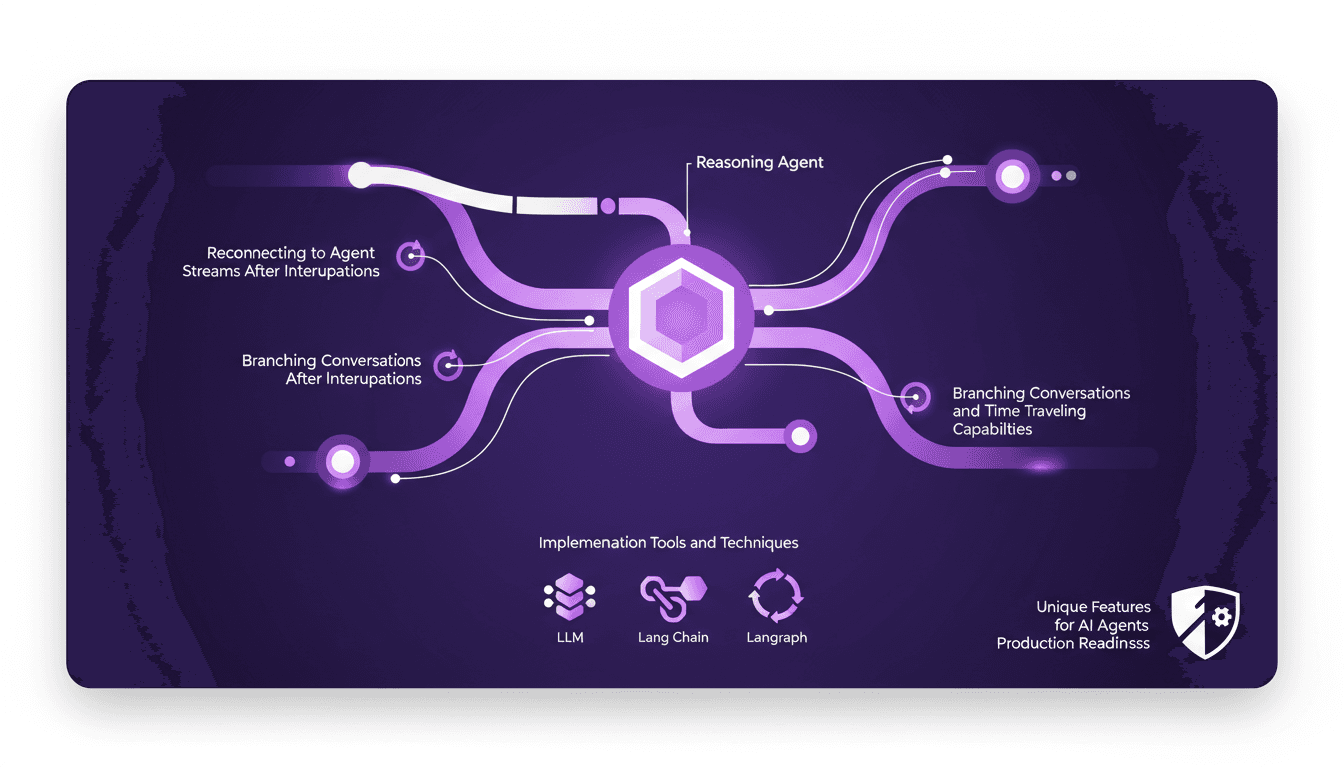
Hidden Features Making AI Agents Production-Ready
I've spent countless hours in the trenches, fine-tuning AI agents that aren't just smart but truly production-ready. Let's dive into three hidden features that have been game changers in my workflow. You know, AI agents are evolving fast, but making them robust for real-world applications requires digging deeper into lesser-known features. Here's how I leverage these capabilities to enhance efficiency and reliability. We're talking about how I use reasoning agents and streaming thought processes, reconnecting to agent streams after interruptions, and branching conversations with time-traveling capabilities. If you're looking to make your AI agents production-ready, these unique features are indispensable.