4D Imaging: Transform Your Workflow
I remember the first time I saw a 4D render—it felt like stepping into the future. But the real game changer was when I got my hands on Opsy Clear's 4D camera rig. This isn't sci-fi anymore, it's here, ready to revolutionize your workflow. Whether you're in the medical field or a YouTube content creator, mastering 4D imaging can truly set you apart. Let me walk you through this tech, from its medical applications to its potential on YouTube, and how it's accessible to everyone, regardless of your project's scale.
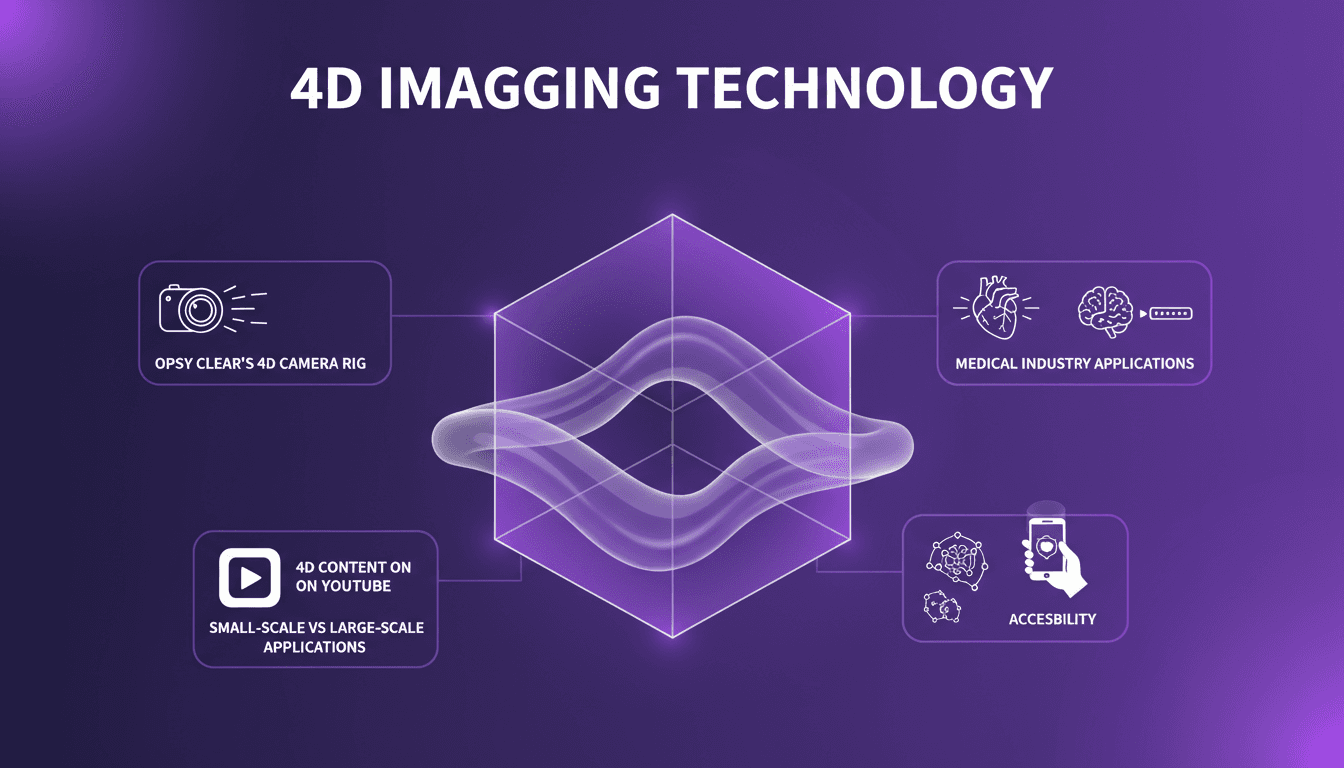
I remember the first time I saw a 4D render. It was like stepping into the future. But the real game changer was when I got my hands on Opsy Clear's 4D camera rig. Let me walk you through how this tech can revolutionize your workflow. 4D imaging technology is no longer just a concept for sci-fi movies. It's here, and it's accessible. Whether you're in the medical field or a content creator on YouTube, understanding how to leverage 4D imaging can set you apart. First, I connect the rig to my current setup and discover incredible applications in the medical industry, with real-time visualizations that are truly groundbreaking. Then, I dive into its huge potential for YouTube content. But watch out—there are limits not to overstep, especially regarding cost and technical complexity. Ultimately, whether for small-scale or large-scale applications, 4D imaging is ready to transform the way you work.
Introduction to 4D Imaging Technology
When we talk about 4D imaging, it can be a bit confusing. So, what does it really mean? Unlike 3D, which focuses on capturing depth, 4D adds the element of time. Imagine observing an object not just in space, but also in its temporal evolution. It's like watching a scene unfold in real-time, with all the details moving and transforming. To capture these images, I start by setting up my equipment, particularly the cameras that capture different perspectives. Then, I move on to 4D rendering, which is a complex but essential process to bring these images to life. Understanding 4D is crucial in many industries like cinema, medicine, and even real estate. Simply put, 4D allows us to capture and visualize data in an additional dimension, revolutionizing how we perceive and interact with the world.
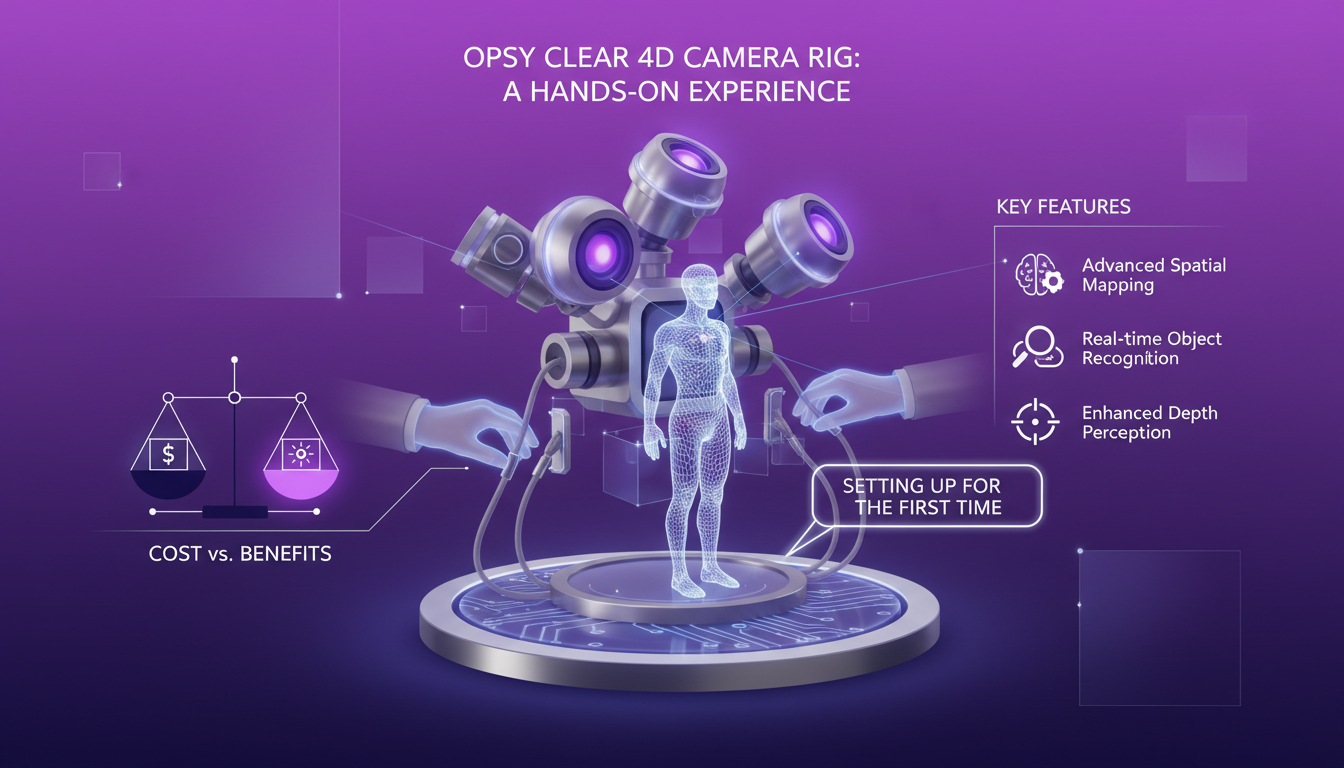
Opsy Clear's 4D Camera Rig: A Hands-On Experience
Setting up the Opsy Clear 4D rig for the first time, I quickly realized how powerful this technology can be. The rig is designed to capture high-quality images in 4D, and its main features include an intuitive setup and cameras capable of capturing every angle. However, investing in 4D can be costly. So, what's the trade-off? The benefit of capturing dynamic, real-time images often justifies the expense, especially when you consider the efficiency gains. But watch out for common setup mistakes: always check power supply and synchronize your cameras well to avoid lag. It's easy to get burned, but with practice, the technology becomes a major asset.
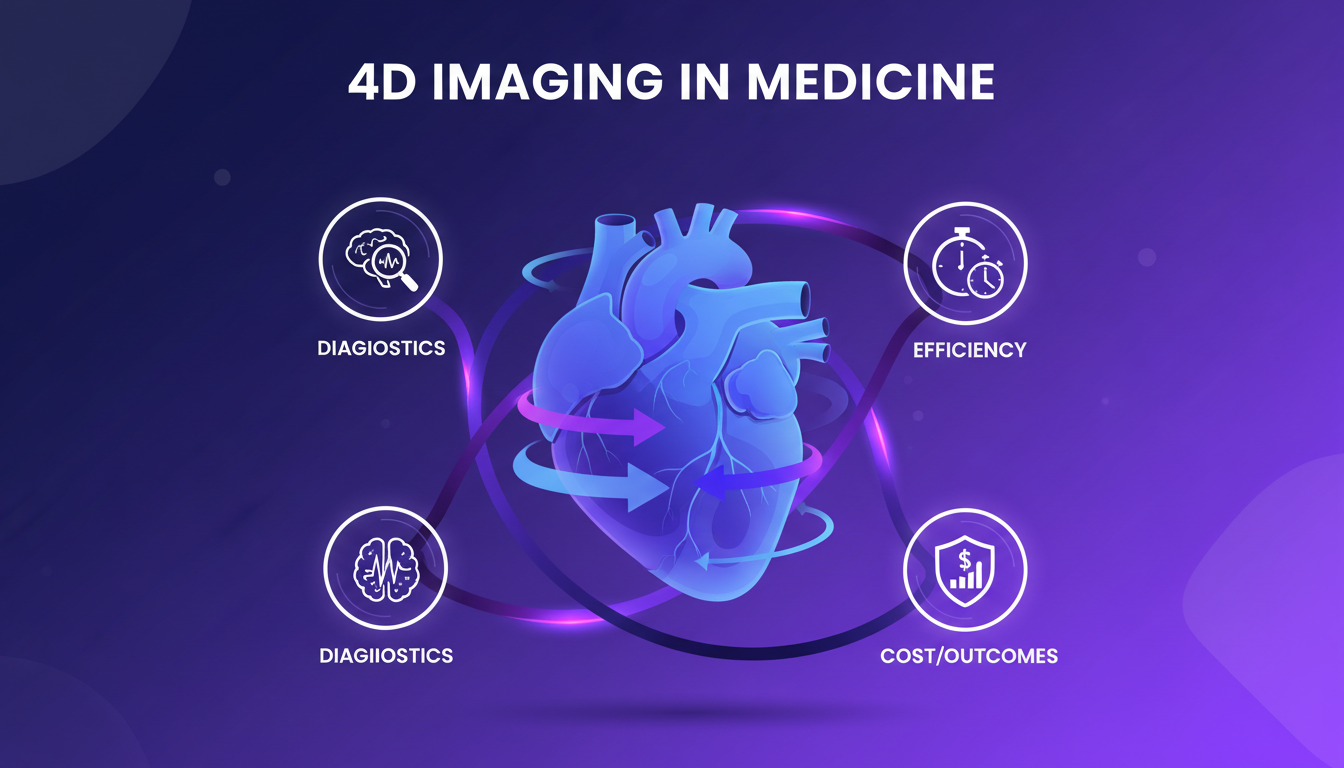
Applications of 4D Imaging in the Medical Industry
4D imaging has fascinating applications in the medical field. For instance, it allows real-time diagnosis of complex conditions by visualizing physiological processes. This dramatically reduces the time needed for patient assessments, which is crucial in emergencies. Initial costs might seem high, but the benefits in terms of improved outcomes and faster diagnostics far outweigh them. However, ethical considerations, like patient data protection, must be considered. It's a delicate balance, but with the rise of artificial intelligence in 4D imaging, the opportunities are immense.
4D Content Creation for YouTube and Beyond
Integrating 4D content into my YouTube channel was quite a challenge. On one hand, immersive 4D videos capture audience attention spectacularly. But watch out, rendering and uploading 4D content are technically demanding. Files are large and require significant processing. And I've learned the hard way: too much 4D content can overwhelm the audience. It's about finding the right moment to use it; otherwise, it can become more of a gimmick than a useful tool. The key is knowing when 4D truly adds value to your content.
Small-Scale vs. Large-Scale 4D Applications
4D applications vary significantly based on scale. For instance, for an unboxing, a small rig suffices and is more cost-effective. In contrast, full body scans require larger equipment. Efficiency and cost depend on the context. Sometimes, it's more practical to start small and gradually scale up. However, always keep in mind the trade-offs between quality and resource availability. Ultimately, 4D offers endless possibilities, but it's crucial to balance ambitions with means.
"4D technology is truly an asset, but watch out for context limits—beyond a certain scale, it gets complex."
Diving into 4D imaging technology, I've seen firsthand that it's not just buzz—it can redefine how we capture and interpret our world. Here are the key takeaways:
- The Opsy Clear's 4D camera rig is a game changer, but watch out for resource demands; they can skyrocket fast.
- In the medical field, 4D imaging offers clarity that can transform diagnostics, but be ready to invest in the necessary infrastructure.
- For content creators, imagine the impact of 4D renders on YouTube. It can really set you apart, but you need to master the tool.
Looking ahead, I see this technology weaving more into our workflows, but take it step by step. Start experimenting with small-scale projects to really get the hang of it. Ready to dive into 4D imaging? Check out the original video "4D Imaging at Your Fingertips" for deeper insights: YouTube link. It's like chatting with an experienced colleague who's sharing their direct experience.
Frequently Asked Questions

Thibault Le Balier
Co-fondateur & CTO
Coming from the tech startup ecosystem, Thibault has developed expertise in AI solution architecture that he now puts at the service of large companies (Atos, BNP Paribas, beta.gouv). He works on two axes: mastering AI deployments (local LLMs, MCP security) and optimizing inference costs (offloading, compression, token management).
Related Articles
Discover more articles on similar topics
Rapid Adoption of Cloud Code: Why It Changes Everything
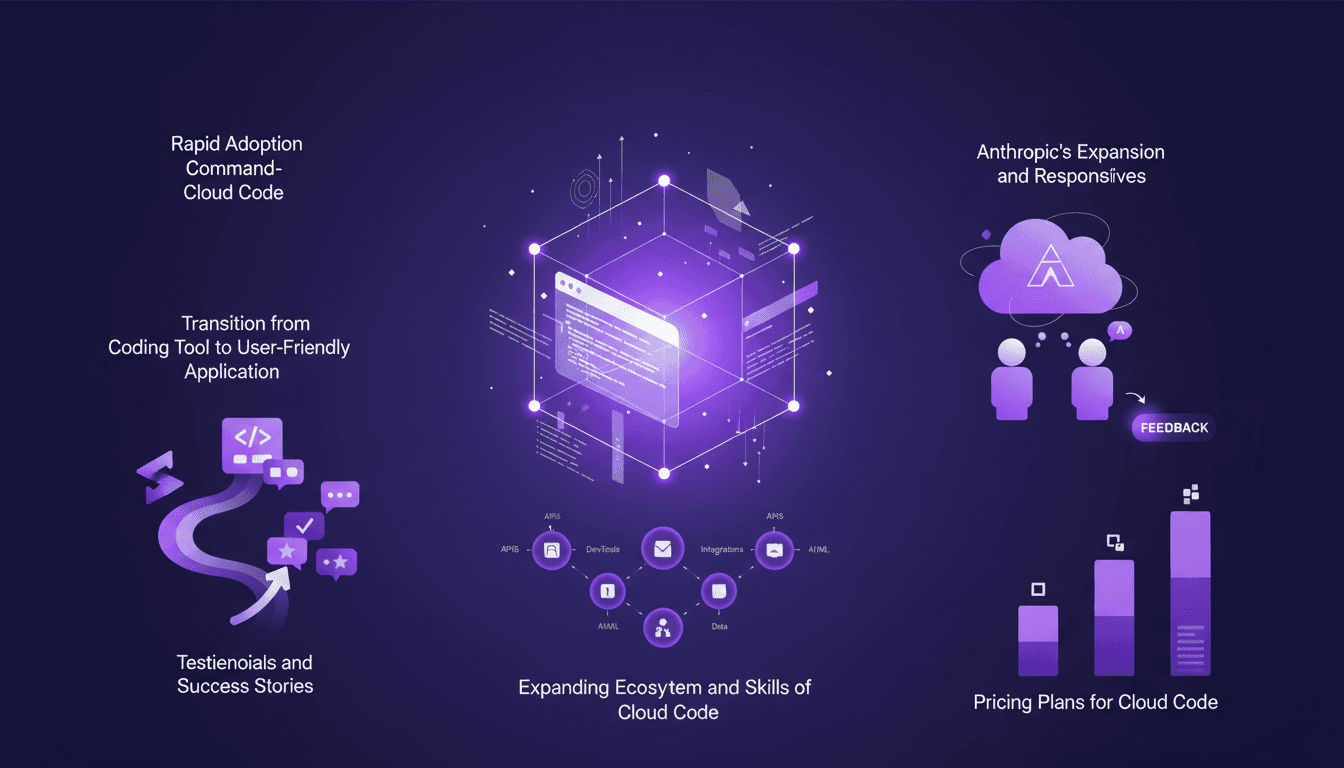
I started using Cloud Code back in 2026, and let me tell you, it’s been a game-changer. At first, I was skeptical—another tool promising to revolutionize coding. But then, I saw the command-level interface in action, and things clicked. Cloud Code is quickly becoming the go-to tool for developers. It's not just about writing code; it's about transforming how we approach development. In this article, I'll dive into why so many people are making the switch and how you can harness its power. We’ll cover the rapid adoption of Cloud Code, its unique interface, and how the ecosystem is expanding. Don't miss this if you want to stay ahead of the curve!

Heat and Physical AI: Revolutionizing Robotics
The first time I realized that heat wasn't just a byproduct in robotics but a central theme, it was a game changer. I understood that heat is a tool, a lever to be exploited. In this article, I'll show you how we harness heat in Physical AI, integrate music for engagement, and why energy concepts are critical in modern robotics. We're talking about a true revolution with Physical AI at the core of our robots, and believe me, managing heat is an art. You'll discover how these often overlooked creative approaches are transforming the way we design robotics.
LEGO-Lucasfilm Partnership: Smart Brick Revolution
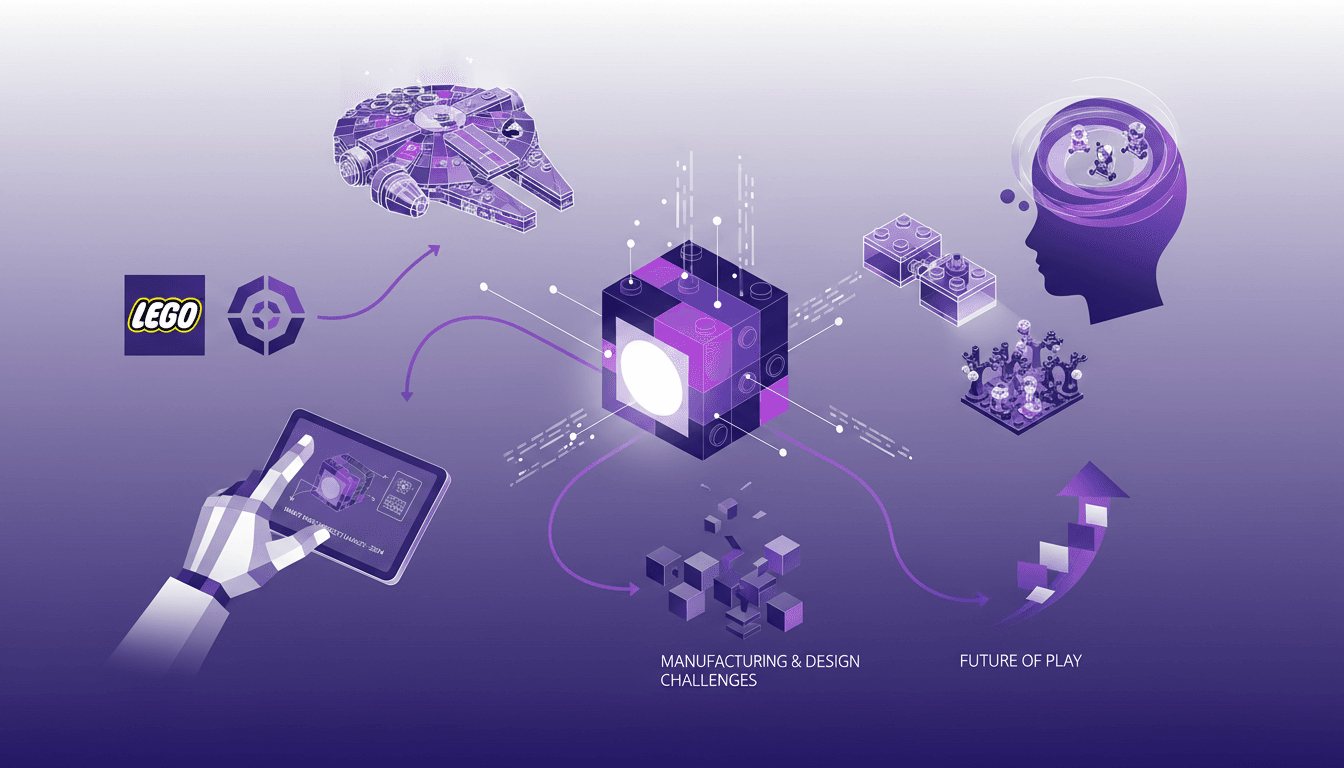
I still remember the jolt I felt when I first heard about the LEGO and Lucasfilm partnership. Two worlds colliding in the best possible way. Fast forward to today, and we're talking about the Smart Brick—a real game changer in imaginative play. Over the past eight years, the concept has evolved, and it's no longer just about bricks, but storytelling without screens. A technological challenge, but above all, a promise of a future where stories come to life in the hands of children. Let me show you how this all came together.
Practical AI Applications at CES 2026
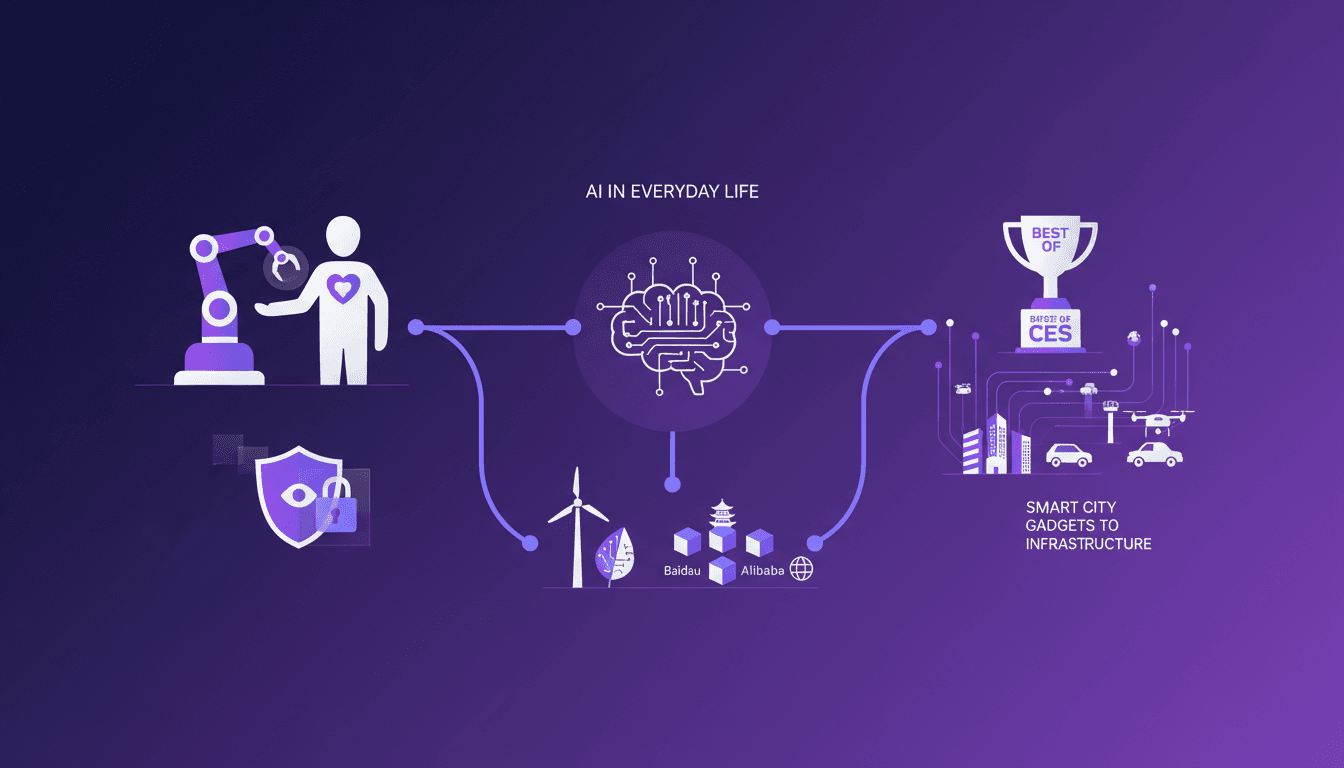
I've been attending CES for years, but 2026 was a game changer. This year, it was all about practical tech applications that actually improve daily life. Imagine AI that doesn't just respond to commands but anticipates your needs. And those robots pushing the boundaries in healthcare? They were there too. I also saw how Chinese tech giants are reshaping the landscape. But watch out, these advances bring privacy concerns and environmental challenges. Let's dive into what really stood out and why it matters.
CES 2026: Innovation Unveiled at the Global Stage
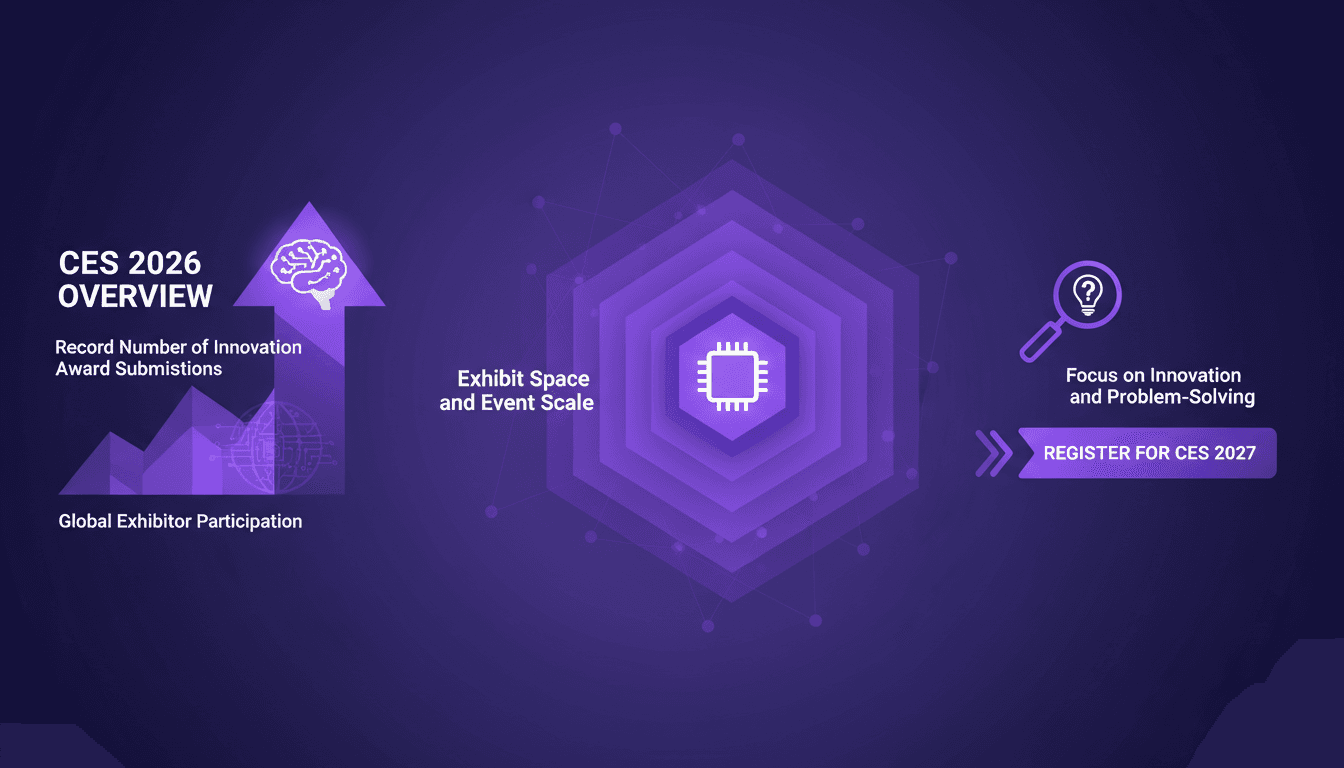
I walked into CES 2026 expecting the usual tech fanfare, but what I found was way more than just another show—it was a transformative experience redefining innovation. With a record number of Innovation Award submissions and a global exhibitor presence, this year's CES was truly a game-changer. Imagine thousands of exhibitors from around the world, all gathered to showcase how technology can solve real-world problems. And it's not just marketing hype. It's the reality of what I witnessed. If you haven't marked your calendar for CES 2027 yet, you're missing out on something potentially groundbreaking.