Heat and Physical AI: Revolutionizing Robotics
The first time I realized that heat wasn't just a byproduct in robotics but a central theme, it was a game changer. I understood that heat is a tool, a lever to be exploited. In this article, I'll show you how we harness heat in Physical AI, integrate music for engagement, and why energy concepts are critical in modern robotics. We're talking about a true revolution with Physical AI at the core of our robots, and believe me, managing heat is an art. You'll discover how these often overlooked creative approaches are transforming the way we design robotics.
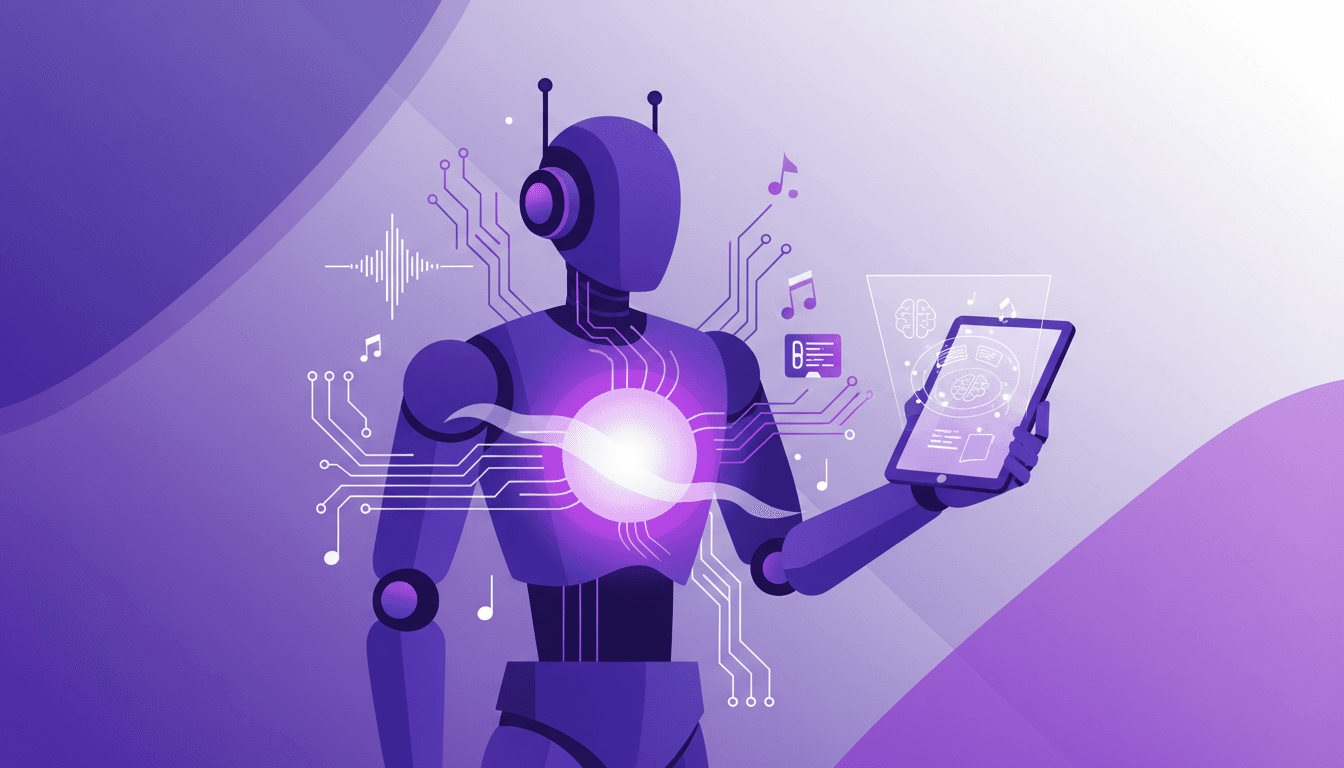
I remember the first time I realized that heat wasn't just a byproduct in robotics but a central theme. It was a game changer for me. Heat is not just waste. It's a tool, a lever to be exploited. In this video, I'll walk you through how I harness heat in Physical AI, integrate music for engagement, and why energy concepts are critical in modern robotics. Robotics is evolving, with Physical AI at its core. We're talking heat management but also creative educational approaches using music. These often overlooked concepts are transforming how we design robots. It's a true revolution, and I invite you to discover how these ideas, which I apply daily, are changing the game. If you've ever been frustrated by overheating robots or ones that lack educational appeal, stay tuned, because these approaches are as practical as they are innovative.
Understanding Physical AI: Beyond the Basics
Physical AI feels like merging Iron Man with artificial intelligence. I dove into this by focusing on actuator design first. The magic happens when you blend AI with physical systems, a dance between hardware and software. But watch out, heat is a constant guest at this party. It's not just a challenge, it can become a source of energy.
But don't get carried away. Overheating is a real danger. It can degrade your system's performance. I learned the hard way that effective thermal management is crucial. Check out Robotics and Physical AI: Revolutionizing the Field for more insights.
Harnessing Heat in Robotics
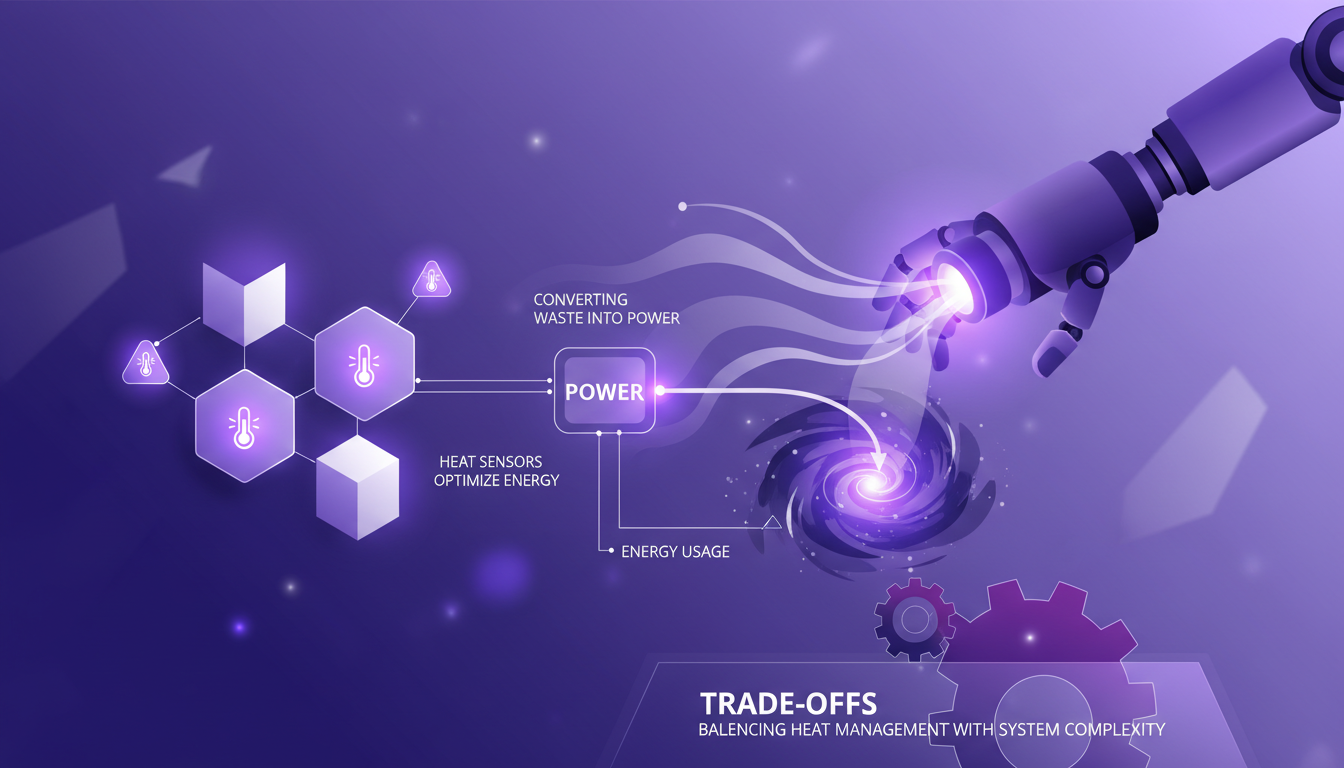
Let's talk about heat as an energy source. In my projects, I've implemented heat sensors to convert waste heat into power. It's fascinating to see how you can recycle lost heat into usable energy. But there are trade-offs. Managing heat adds complexity to the system.
- Simpler thermal designs can be more cost-effective.
- Sometimes it's faster to opt for more straightforward solutions.
- The balance between heat management and complexity is vital.
For me, this often meant reevaluating my design choices for better efficiency. The article Physical Artificial Intelligence for Powering the Next Revolution in Robotics delves into these concepts deeply.
Energy Concepts: The Backbone of Robotics
Everything starts with mapping out energy flow. In my setup, I found that energy efficiency is crucial for long-term sustainability. Integrating renewable energy sources is a way to cut costs. But be cautious, energy loss during transmission can occur, so optimizing pathways is essential.
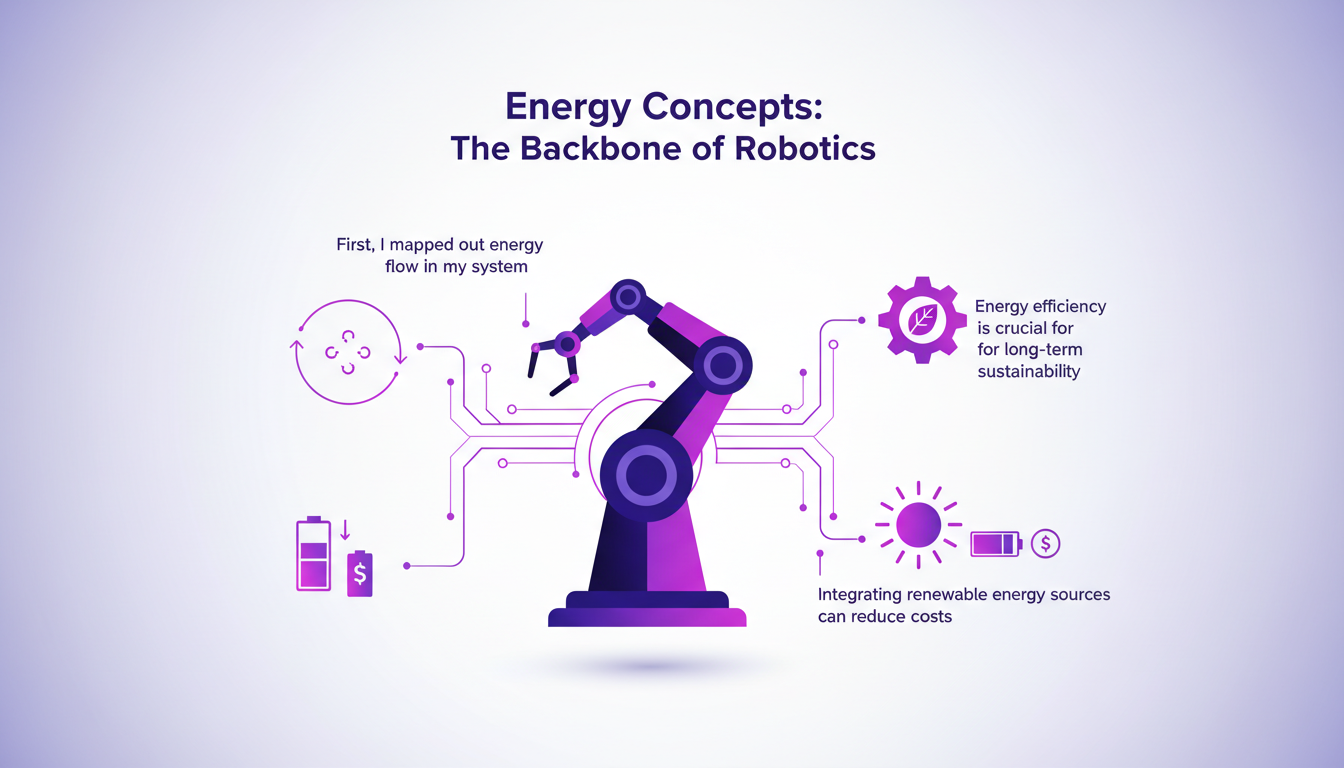
In my experience, poor optimization can drive costs up and reduce overall efficiency. Energy and AI provides useful insights on this topic.
Creative Engagement: Music in Educational Robotics
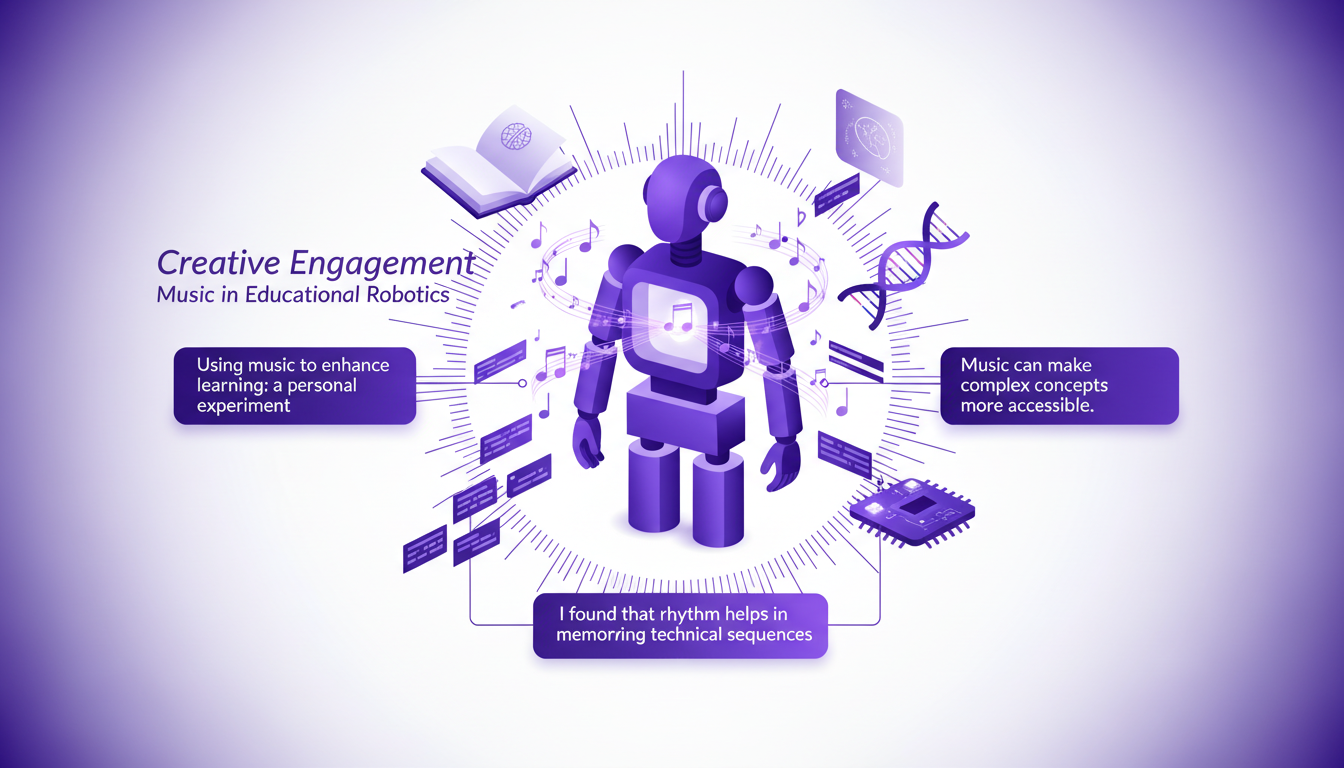
Using music to enhance learning was a personal experiment of mine. Music makes complex concepts more accessible. I found that rhythm helps in memorizing technical sequences. But don't overuse it, as it can distract from core content.
Practical Takeaways and Future Directions
For me, efficiency in robotics is about smart energy use and good design. Physical AI opens new avenues for innovation. Creative approaches like music can enhance education. Future trends point towards more integration of AI in physical systems.
In conclusion, whether you're optimizing thermal systems or experimenting with music in educational robotics, the key is to keep an eye on efficiency and innovation. Check out the articles on Caterpillar's AI Integration and Atlas Robot for more.
The possibilities are endless, but as always, stay critical and informed.
So, after digging into these concepts, I really saw heat as a central theme in robotics projects. First, incorporating heat helps us better understand energy management in robotic systems. Then, using creative methods like music to teach physical AI concepts makes learning more engaging and concrete. It's clear that Physical AI isn't just a trend; it's a true game changer for more efficient robotic systems. But watch out, you need to grasp the limits, especially in terms of thermal dissipation and the complexity of integrating music.
I'm convinced these approaches will transform our robotics projects into something much more captivating and performant. Don't just stand still, start experimenting with these ideas in your own projects. Embrace the challenges, innovate, and see where it leads you.
To dive deeper and really grasp the full potential, watch the full video 'Robotics in a New Era: Powered by Physical AI'. It's a must-see resource for anyone wanting to be at the forefront of robotics.
Frequently Asked Questions

Thibault Le Balier
Co-fondateur & CTO
Coming from the tech startup ecosystem, Thibault has developed expertise in AI solution architecture that he now puts at the service of large companies (Atos, BNP Paribas, beta.gouv). He works on two axes: mastering AI deployments (local LLMs, MCP security) and optimizing inference costs (offloading, compression, token management).
Related Articles
Discover more articles on similar topics
Robotics and Physical AI: Revolutionizing the Field
I've been building robots for years, but integrating Physical AI has been a game changer. It's not just about making them smarter; it's about giving them a sense of the physical world. Imagine a robot that perceives heat and reacts accordingly. That's exactly what I've managed to orchestrate in my projects. Join me as I walk you through this journey where Physical AI is redefining how we design robots, making them truly interactive with their surroundings.
Caterpillar's AI Integration: 100 Years of Innovation
I remember the first time I saw a Caterpillar machine in action—it was a game changer in construction. Fast forward to CES 2026, and we're now discussing AI-driven innovations that could redefine the entire industry. As Caterpillar celebrates its centennial, they're pushing boundaries with machine learning, in partnership with Nvidia. We're not just talking about autonomous systems in mining and construction, but a whole ecosystem of autonomy and connectivity. And watch out, with the introduction of their CAT AI Assistant, there's a clear promise to transform how we approach workforce development and the future of autonomy in this sector. No empty promises here, just concrete solutions aiming to make a real impact.
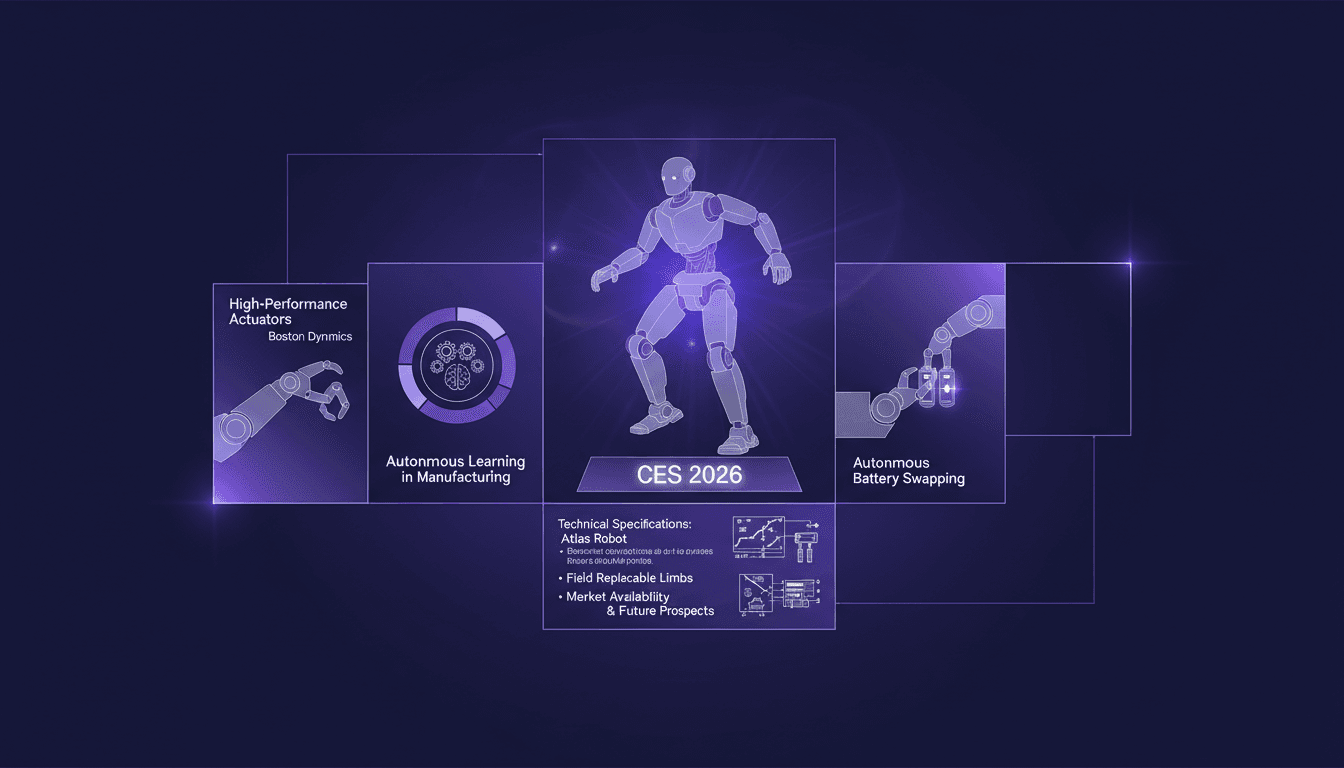
Atlas Robot: Revolutionizing Manufacturing
I was at CES 2026 when I first saw the Atlas Robot by Boston Dynamics in action, and let me tell you, it’s far more than just a tech marvel. Picture a robot that learns autonomously and manipulates with human-like dexterity. This is a real game changer for manufacturing. With its three nimble fingers, high-performance actuators, and autonomous battery swapping, Atlas is poised to revolutionize how we work. Let me walk you through how this robot could transform our production lines and why it’s already on every major industry player’s radar.
Slate Switch Launch: Turn Off Lights Remotely
I was skeptical about smart home tech until I met the Slate Switch by Zunzun B. Imagine controlling your lights from anywhere, without the usual setup headaches. We've all heard the promise of smart homes, but too often it turns into a maze of complex configurations. With devices like Alexa or Google Home, you expect seamless integration, but reality often disappoints. The Slate Switch is a game changer in accessibility and functionality. Let me walk you through my experience—where I finally found a product that delivers. Let's dive into the nitty-gritty.
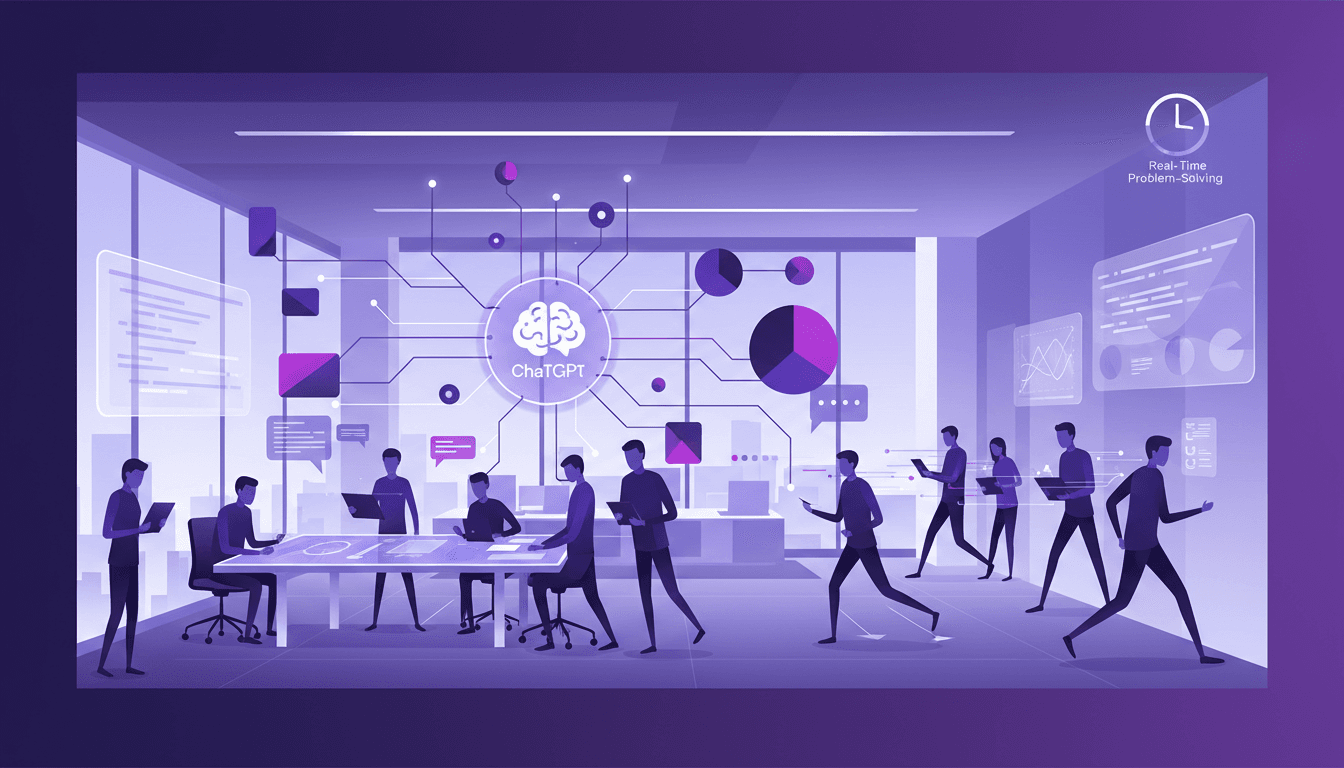
Using ChatGPT in Teams: Efficiency and Urgency
I remember the first time I brought ChatGPT into our team meeting. We were scrambling to solve a problem in real-time, and the clock was ticking. That's when ChatGPT stepped in, transforming our approach to communication and decision-making. In this article, I share how I've integrated ChatGPT into our daily operations, especially in collaborative and high-pressure situations. You'll discover how this tool has reshaped our team dynamics and our approach to real-time problem-solving.