Robotics and Physical AI: Revolutionizing the Field
I've been building robots for years, but integrating Physical AI has been a game changer. It's not just about making them smarter; it's about giving them a sense of the physical world. Imagine a robot that perceives heat and reacts accordingly. That's exactly what I've managed to orchestrate in my projects. Join me as I walk you through this journey where Physical AI is redefining how we design robots, making them truly interactive with their surroundings.
I've been building robots for years, but integrating Physical AI? That’s a real game changer. It's not just about raw intelligence; it's about giving these machines a sense of the physical world. The first milestone: when I got them to perceive heat and react, it opened up new vistas. Let me take you on a dive into this new era of robotics, where Physical AI is turning concepts into reality. I'll walk you through how I've incorporated these technologies into my projects, blending traditional robotics with an AI that understands and interacts with its environment. This isn't just theory; it's hands-on stuff (and trust me, I've made my share of mistakes to get here). A fascinating mix of technology and art, where even music plays a role. So, are you ready to see how Physical AI is revolutionizing the way we design and use robots?
Understanding Physical AI: Beyond the Basics
When I first delved into Physical AI, I quickly realized it's not just about fancy algorithms. No, it's far more intricate. It's about integrating sensory data to enhance how robots interact with their environment. Imagine a robot that doesn't just execute commands but "feels" its surroundings through sensors. This changes everything.
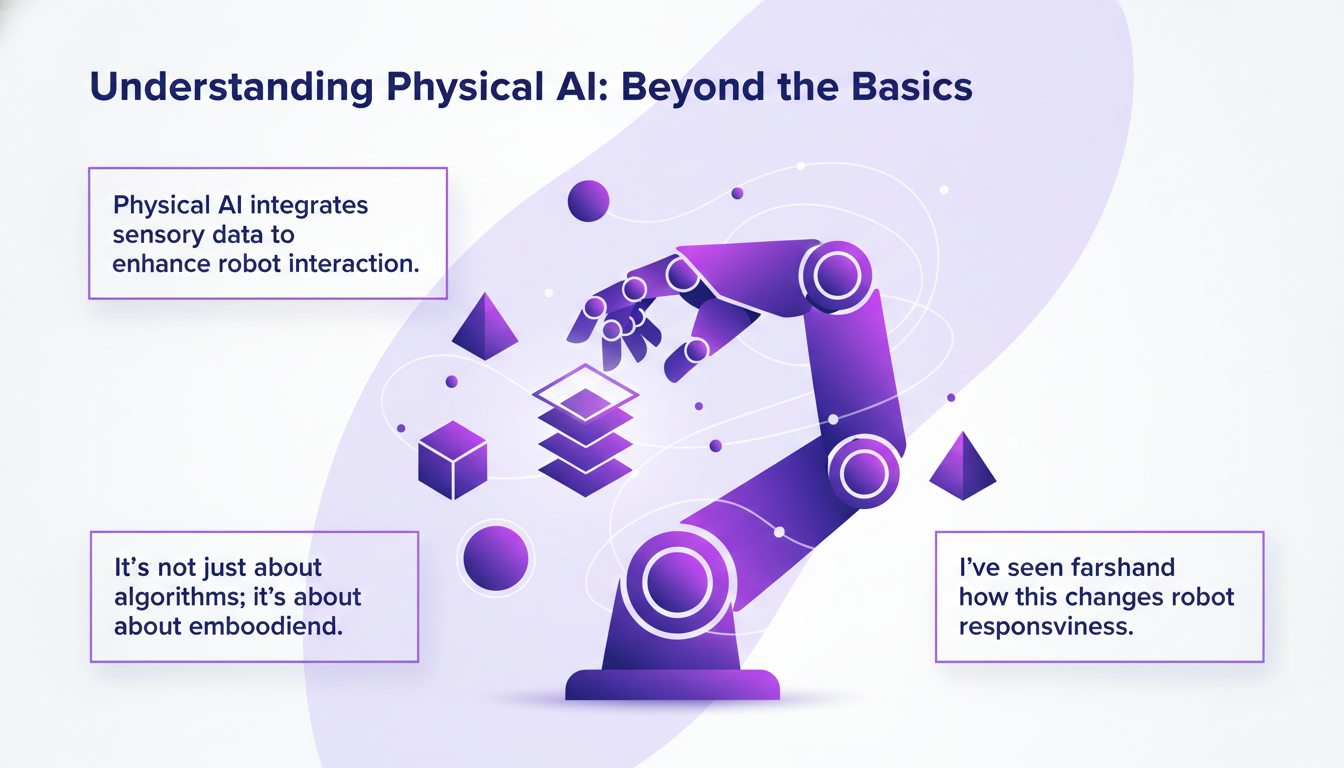
I've seen firsthand how this can transform robot responsiveness. Whether it's manufacturing or healthcare, the practical applications are endless. These robots can, for instance, adjust their grip strength based on the fragility of the object they're handling. Caterpillar's AI integration is a perfect example. But beware not to get lost in complexity; embodiment (this physical link with the real world) is essential.
- Physical AI enhances robot-human interaction.
- It's applicable in both manufacturing and healthcare.
- Watch out for unnecessary complexity.
Harnessing Heat: The Hidden Power in Robotics
Heat management is the elephant in the room when it comes to robotics. I make sure to optimize heat distribution to prevent overloads. A robot overheating is a robot slowing down, or worse, stopping altogether. And in my daily work, every second counts.
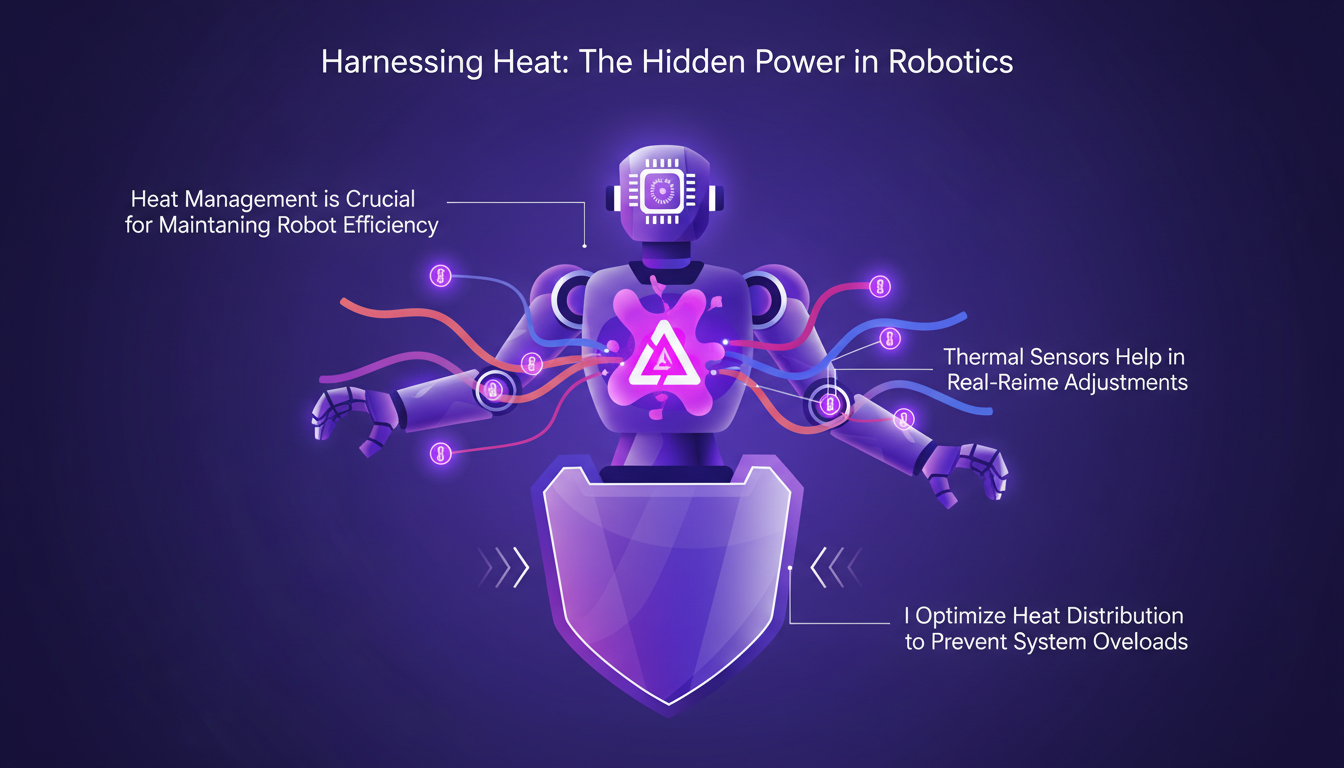
Thermal sensors are our allies. They allow for real-time adjustments, and believe me, that changes everything. But be cautious, overheating is a silent performance killer. I've witnessed a robot simply stop due to excess heat during a demo. Since then, I take this very seriously.
- Heat management is crucial for efficiency.
- Thermal sensors offer real-time adjustments.
- Never underestimate the risk of overheating.
The Intersection of Robotics and AI: A Seamless Blend
Where robotics meets AI, it's a symphony of possibilities. AI algorithms enhance decision-making, allowing for increased task accuracy. I integrate AI models to refine task accuracy in robots. However, balancing AI complexity with operational speed is key.
This is where the challenge lies. Too much complexity and you slow down the entire process. I've learned this the hard way. Sometimes, simplicity is the key. An overly complex AI model can be counterproductive. It's like adding too many features to software: you end up not understanding anything.
- AI algorithms enhance decision-making.
- Balancing complexity and speed is essential.
- Simplicity can be more powerful than complexity.
Creative Engagement: Music as a Tool in Robotics
Who would have thought that music could be a tool in robotics? I've used sound patterns to guide robot behavior. This opens up fascinating and new avenues for creative robotic applications. The innovations showcased at CES 2026 clearly demonstrated this.
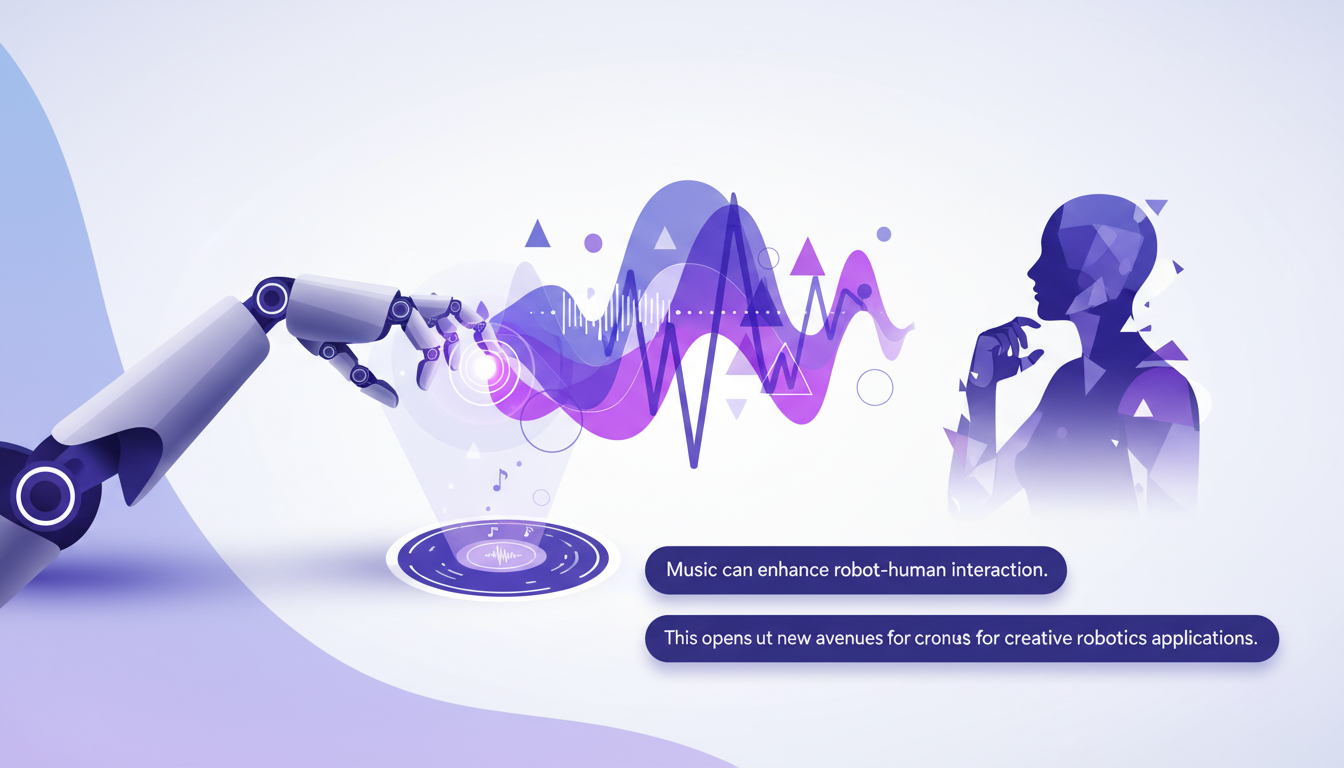
However, before diving in, it's important to consider the cost-benefit of adding audio systems. It's an investment, and it needs to be worthwhile. But in the right conditions, it's a real asset.
- Music can guide robot behavior.
- It offers new creative opportunities.
- Evaluating the cost-benefit of audio systems is crucial.
In conclusion, the era of Physical AI holds great promise. The era of intelligent robots is upon us, and it is redefining what is possible in our interaction with machines. But as always, the key to success lies in the details. Navigating between innovation and pragmatism is essential.
Integrating Physical AI into robotics isn't just a technological upgrade—it's a paradigm shift. First, understanding heat management is crucial for creating more responsive and efficient robots. Then, by leveraging AI, I can transform these machines to react in a more human-like manner. And don't underestimate the power of creative tools like music to unleash new possibilities.
Looking ahead, I see a world where robotics and Physical AI harmonize to create robust and innovative solutions. Yes, challenges like thermal management complexity exist, but the opportunities are massive.
Ready to transform your robotics projects? Dive into Physical AI and start experimenting today. For a deeper understanding, I recommend watching the original video: YouTube link.
Frequently Asked Questions

Thibault Le Balier
Co-fondateur & CTO
Coming from the tech startup ecosystem, Thibault has developed expertise in AI solution architecture that he now puts at the service of large companies (Atos, BNP Paribas, beta.gouv). He works on two axes: mastering AI deployments (local LLMs, MCP security) and optimizing inference costs (offloading, compression, token management).
Related Articles
Discover more articles on similar topics
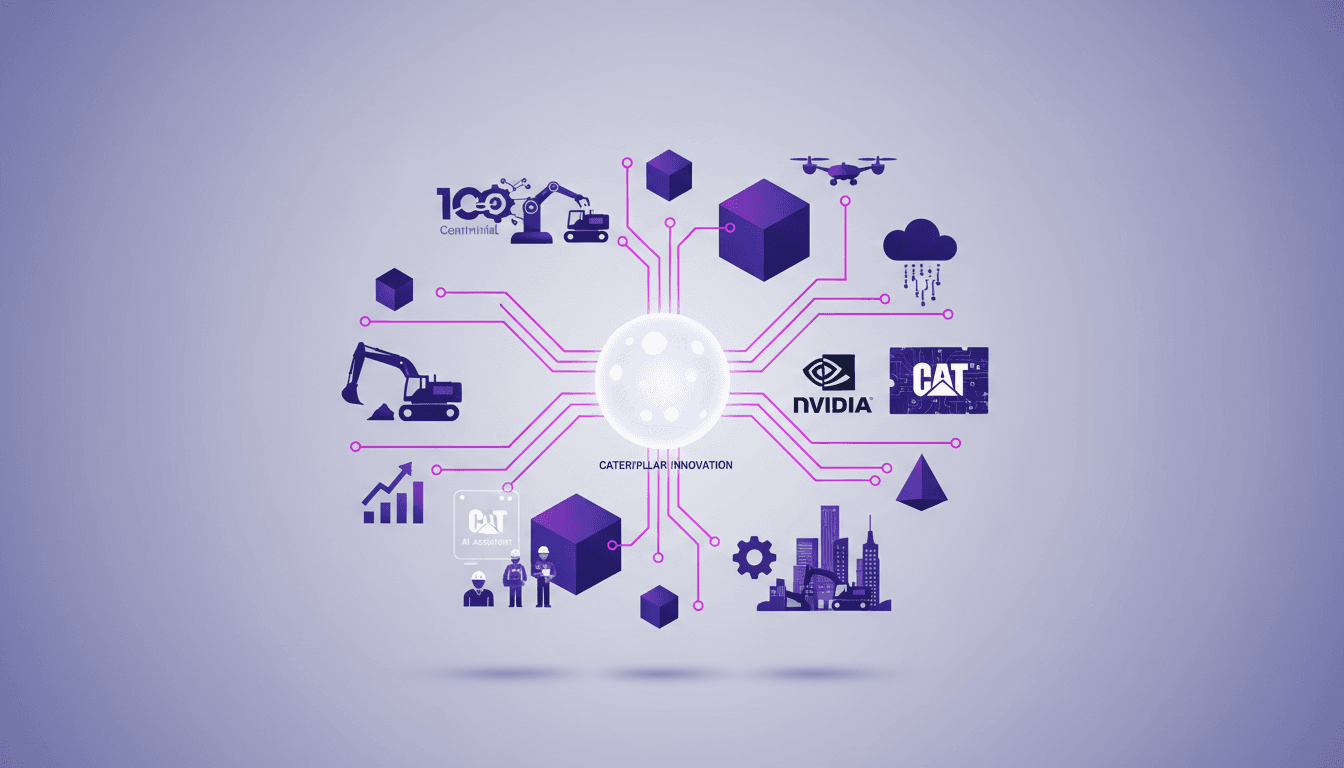
Caterpillar's AI Integration: 100 Years of Innovation
I remember the first time I saw a Caterpillar machine in action—it was a game changer in construction. Fast forward to CES 2026, and we're now discussing AI-driven innovations that could redefine the entire industry. As Caterpillar celebrates its centennial, they're pushing boundaries with machine learning, in partnership with Nvidia. We're not just talking about autonomous systems in mining and construction, but a whole ecosystem of autonomy and connectivity. And watch out, with the introduction of their CAT AI Assistant, there's a clear promise to transform how we approach workforce development and the future of autonomy in this sector. No empty promises here, just concrete solutions aiming to make a real impact.
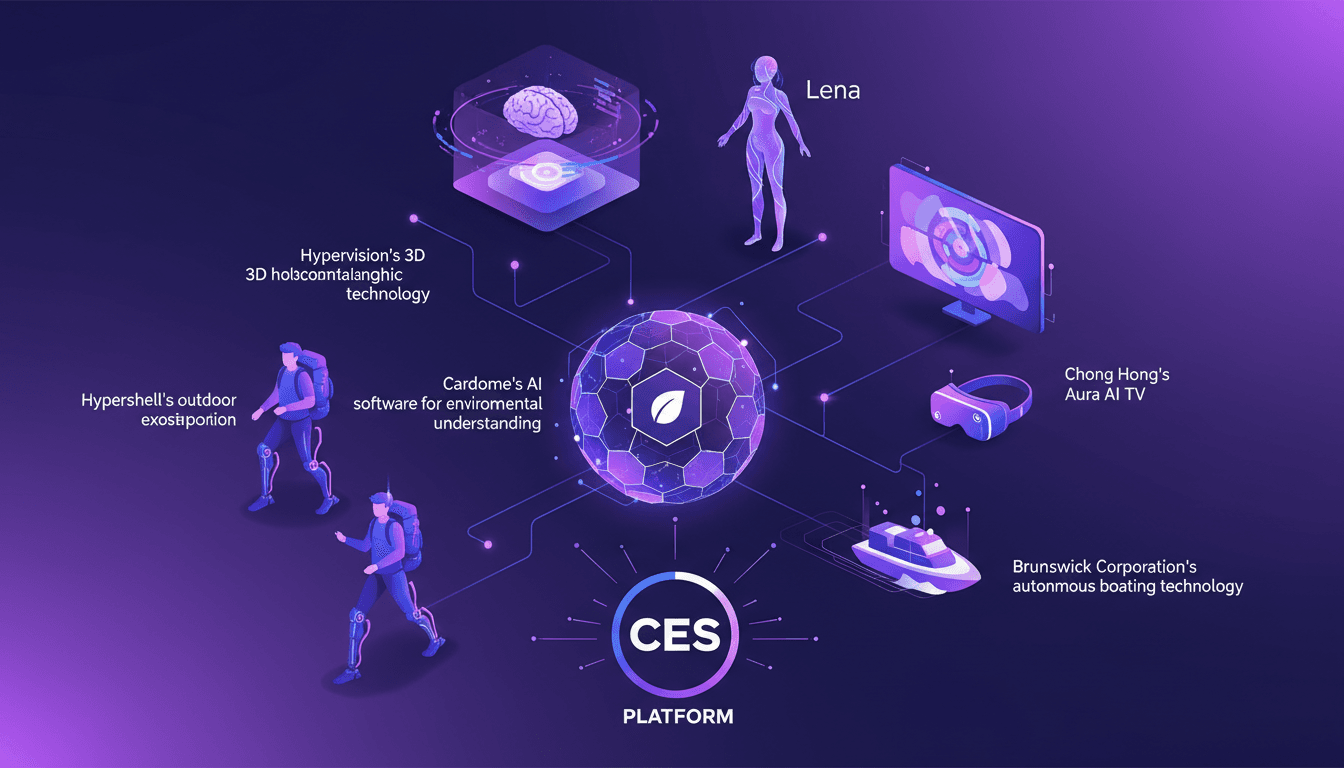
CES 2026's Coolest Tech: My Hands-On Experience
I walked into CES 2026 expecting the usual tech fanfare, but what I encountered was a display of innovations ready to redefine our daily lives. Cardome's AI software for environmental understanding, Hypervision's 3D holographic technology with AI assistant Lena—this isn't science fiction. Chong Hong immerses us in a new dimension with its Aura AI TV and VR experiences, while Hypershell introduces an outdoor exoskeleton for adventure. And let's not forget Brunswick Corporation, taking autonomous boating to a whole new level. CES is the stage where these technologies aren't just concepts but disruptions ready to make their mark.
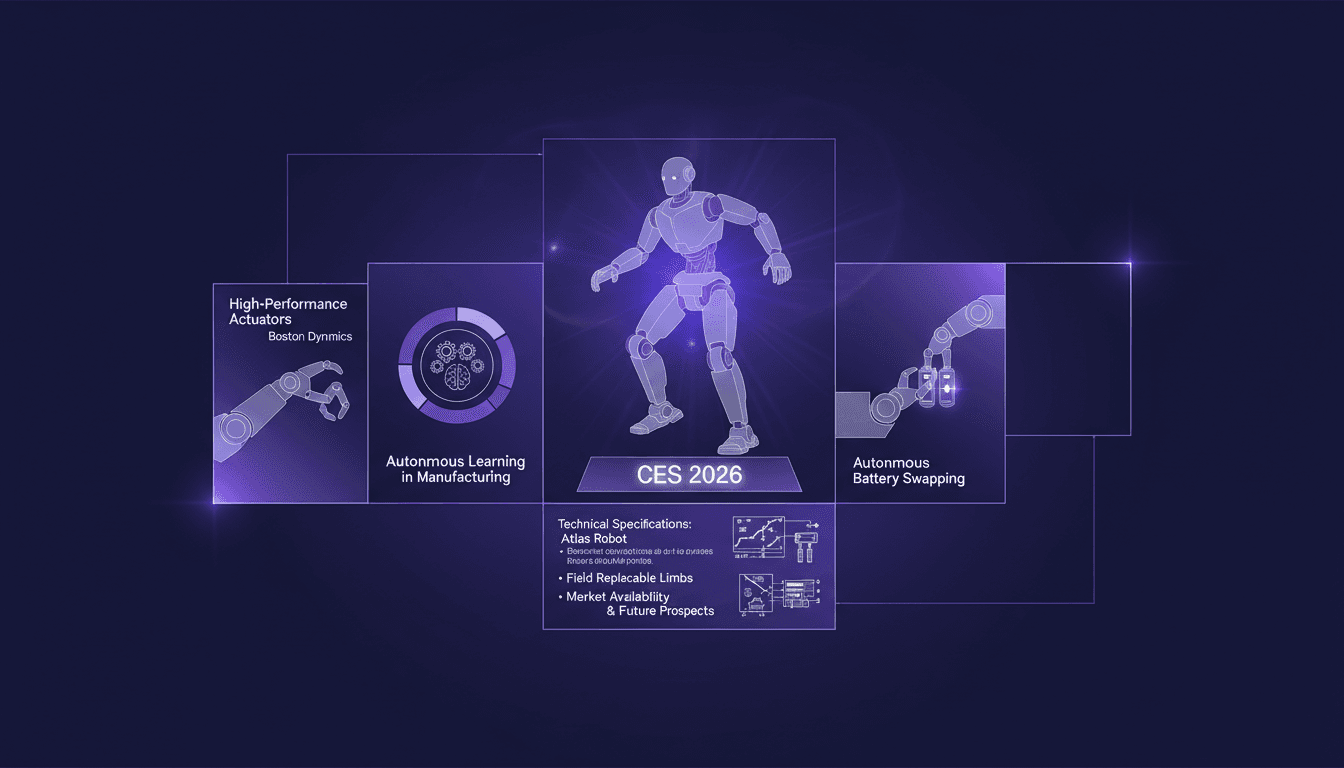
Atlas Robot: Revolutionizing Manufacturing
I was at CES 2026 when I first saw the Atlas Robot by Boston Dynamics in action, and let me tell you, it’s far more than just a tech marvel. Picture a robot that learns autonomously and manipulates with human-like dexterity. This is a real game changer for manufacturing. With its three nimble fingers, high-performance actuators, and autonomous battery swapping, Atlas is poised to revolutionize how we work. Let me walk you through how this robot could transform our production lines and why it’s already on every major industry player’s radar.
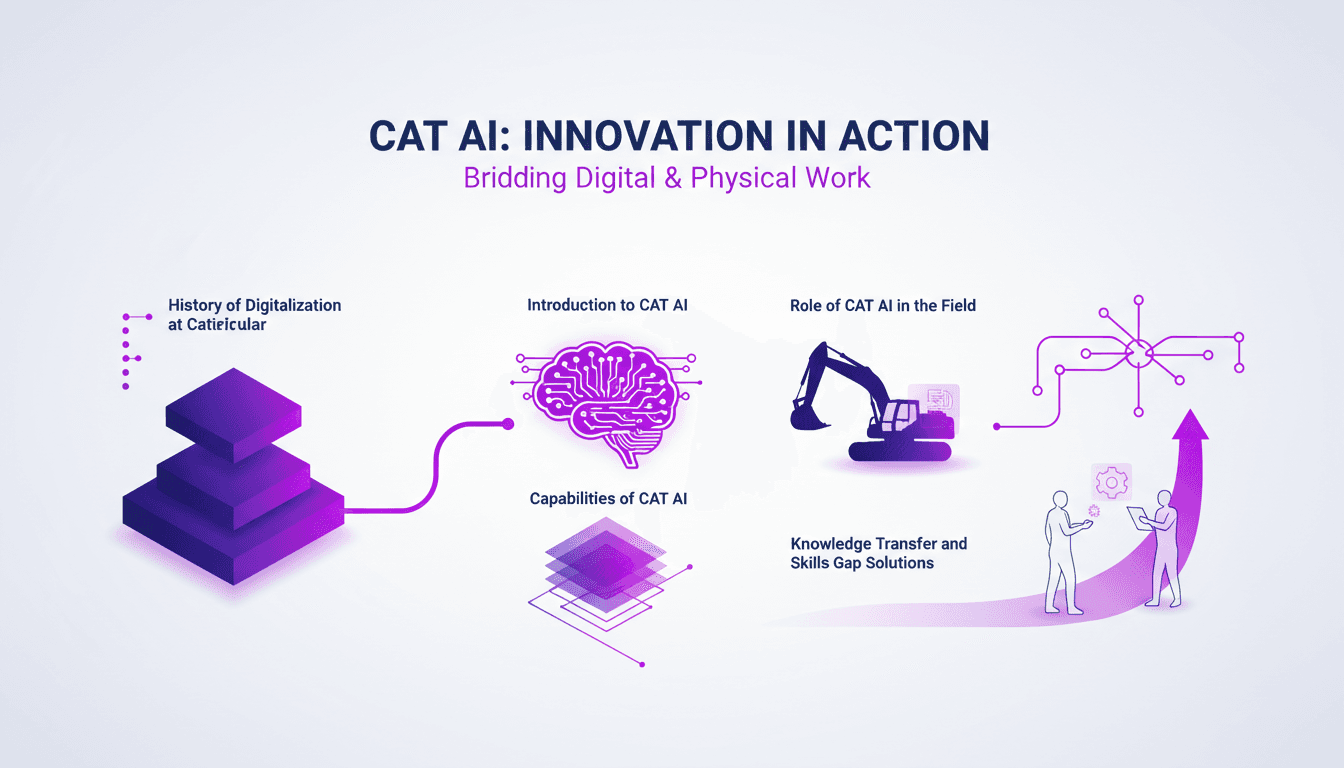
Digitalization at Caterpillar: Revolutionizing the Jobsite
I've been on the jobsite long enough to see the shifts that digitalization brings. When Caterpillar started integrating AI, I was skeptical. But after witnessing CAT AI in action, it’s clear how it bridges knowledge and execution. This revolution isn't just about new tech; it reshapes how we work. Let’s dive into the history of digitalization at Caterpillar, explore CAT AI, its capabilities, and its role in the field. Most importantly, we'll see how it merges digital and physical work environments and tackles the challenges of knowledge transfer and skills gaps.
Xperi's Role in Future Immersive Entertainment
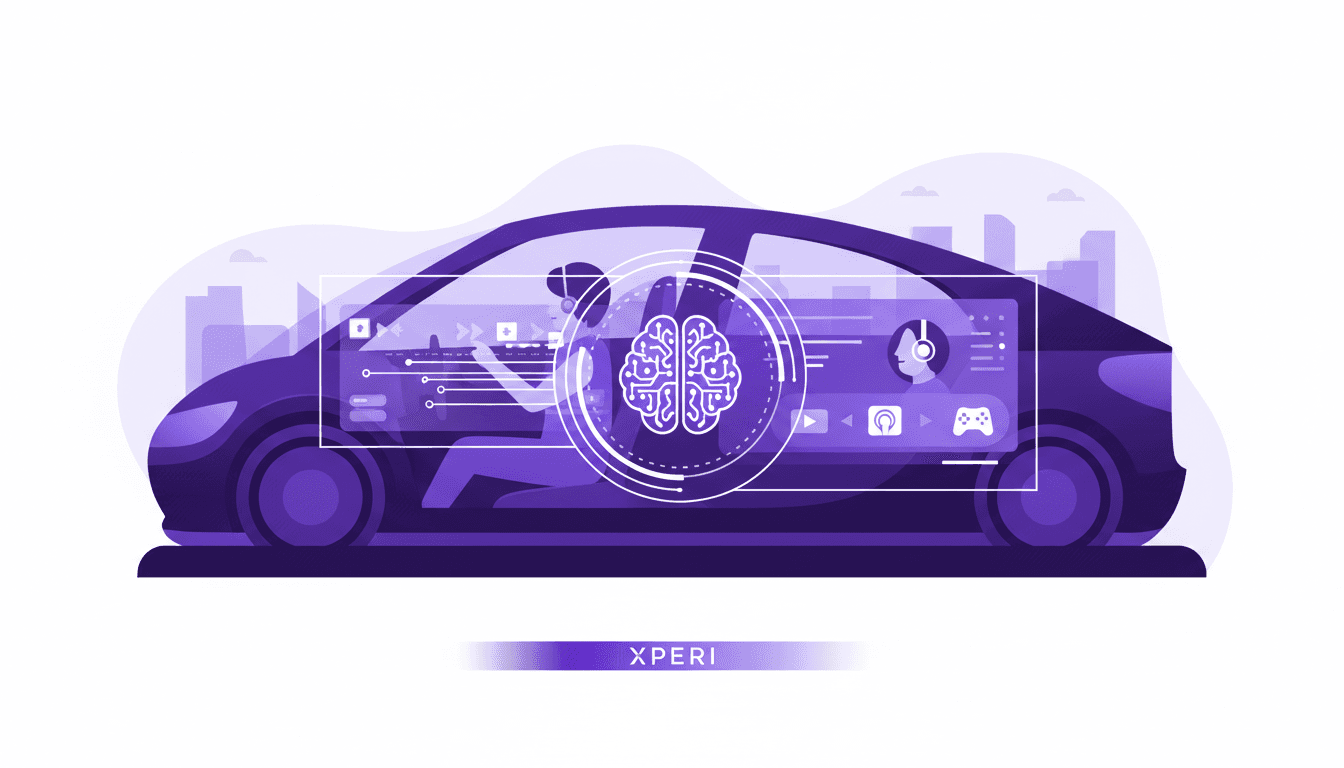
I've been in the tech trenches long enough to spot a seismic shift, and Xperi's work in immersive entertainment is exactly that. They're reshaping in-car experiences with AI and sound that genuinely surpasses the usual hype. In this article, I'll guide you through how Xperi is integrating entertainment across connected platforms, with a spotlight on their vehicle innovations. From Jeff Jury's insights to the future of ride sharing, we'll explore how AI is central to these advancements. Don't miss this dive into the future of automotive entertainment.