CES 2026's Coolest Tech: My Hands-On Experience
I walked into CES 2026 expecting the usual tech fanfare, but what I encountered was a display of innovations ready to redefine our daily lives. Cardome's AI software for environmental understanding, Hypervision's 3D holographic technology with AI assistant Lena—this isn't science fiction. Chong Hong immerses us in a new dimension with its Aura AI TV and VR experiences, while Hypershell introduces an outdoor exoskeleton for adventure. And let's not forget Brunswick Corporation, taking autonomous boating to a whole new level. CES is the stage where these technologies aren't just concepts but disruptions ready to make their mark.
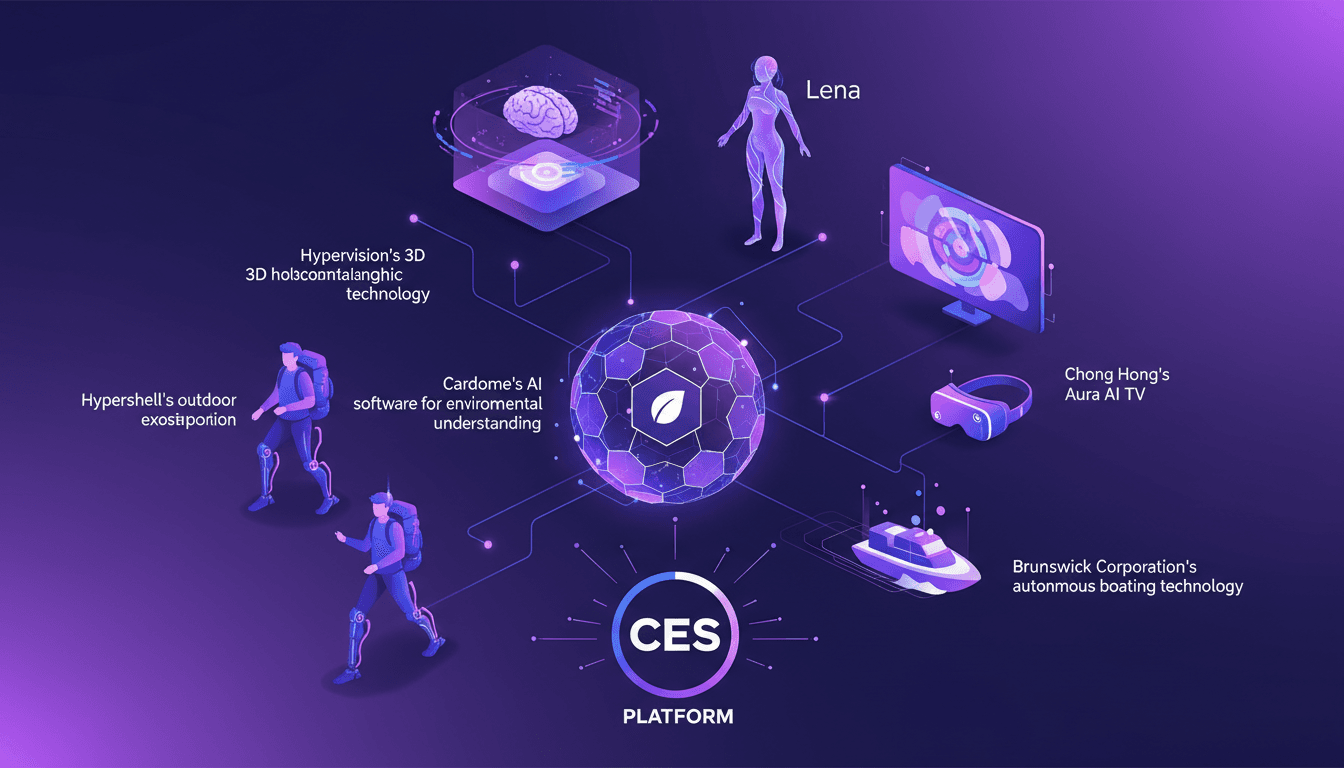
I walked into CES 2026 expecting the usual tech spectacle, but what I found was far beyond the ordinary. Right in front of me, Cardome showcased an AI software for environmental understanding, and I thought: this could genuinely transform our daily lives. Then there was Hypervision with its 3D holographic technology paired with AI assistant Lena—a breakthrough that feels ripped from a sci-fi movie. Chong Hong offered its Aura AI TV and VR experiences, plunging us into a new dimension. Hypershell brought an outdoor exoskeleton for adventurers, and I thought: finally, something practical for those pushing physical boundaries. Lastly, Brunswick Corporation redefined autonomous boating. CES 2026 wasn't just about showcasing—it was a demonstration of what these technologies can achieve. Hold on, because these innovations aren't just concepts; they're ready to disrupt our everyday reality.
Cardome's AI: Environmental Understanding in Action
When I first encountered Cardome, it was clear that their AI approach was unique. Their software uses edge computing to interpret environmental data, significantly reducing latency. Unlike cloud computing, which relies on fast but often unpredictable network connections, Cardome's approach allows for real-time analysis directly on the device. This is a real game changer for applications like smart cities and environmental monitoring.
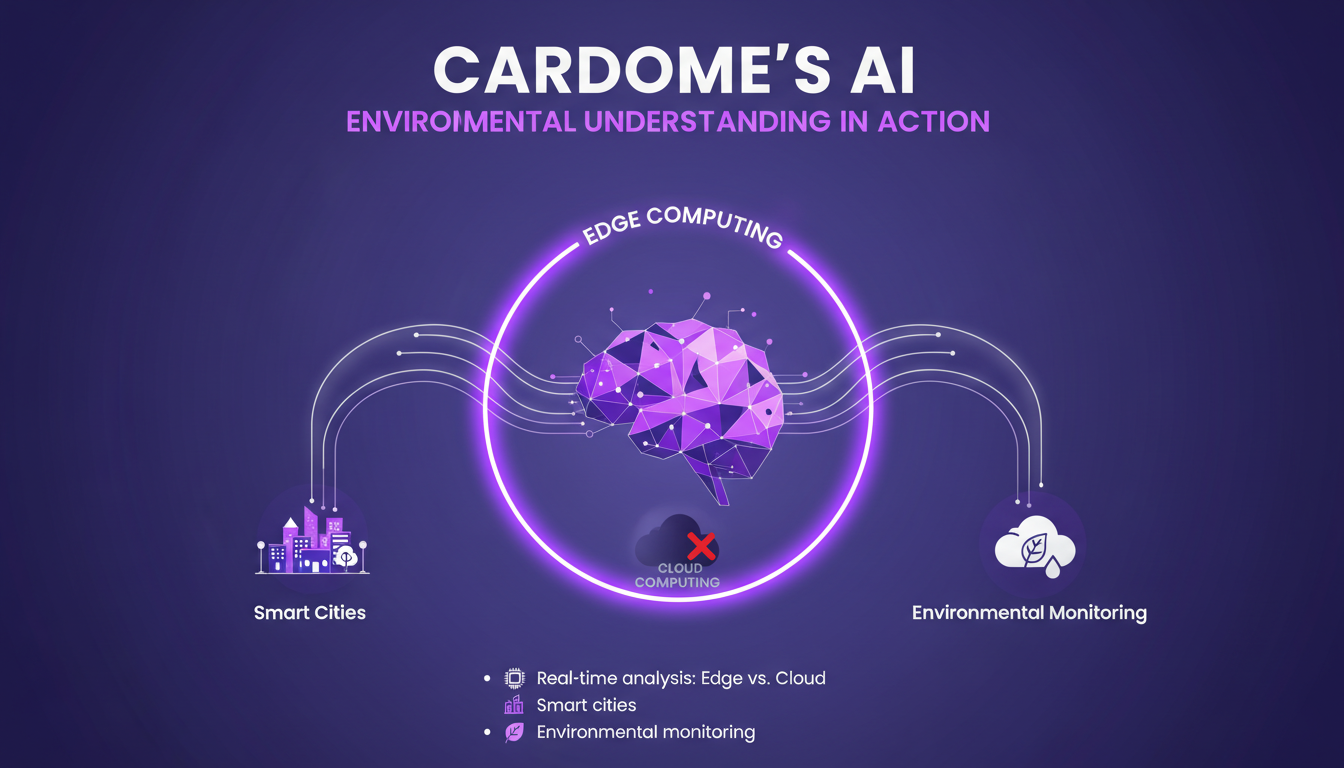
But watch out, edge computing has its limits. Devices often have to juggle with limited storage and processing capabilities. I've found that sometimes it's faster to process massive data volumes on the cloud, especially when local computing power falls short. It's a constant trade-off between speed and capacity.
- Reduced latency through edge computing.
- Practical applications: smart cities, environmental monitoring.
- Limitations in storage and processing power.
Hypervision's 3D Holograms: A New Dimension
Since 2014, Hypervision has been shaking things up with its 3D holographic technology. Imagine projecting images so real that you could almost touch them. Their AI assistant, Lena, makes interacting with these holograms even smoother. Whether it's education, remote work, or entertainment, the applications are vast.
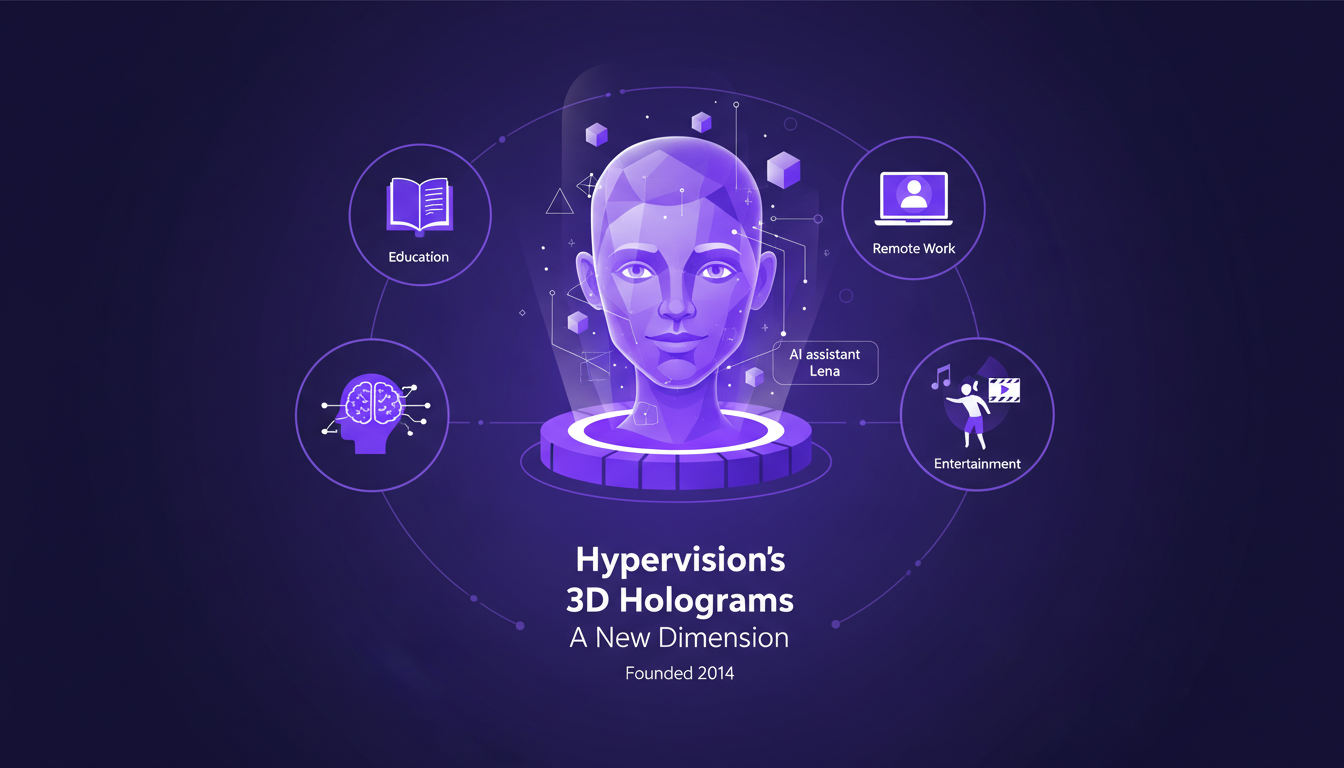
However, I've quickly realized this technology isn't without its challenges. It consumes a lot of power and setting it up can be complex. Every time I've dabbled with it, the initial setup took more time than expected. But with such immense potential, especially in education and entertainment, it's worth a look.
- 3D holographic technology since 2014.
- AI assistant Lena for enhanced interactions.
- Challenges: energy consumption, setup complexity.
Chong Hong's Aura AI TV and VR: Immersive Experiences
Chong Hong's Aura AI TV is a revolution for our living rooms. It combines traditional viewing with interactive VR experiences, a first I've tested from home. Imagine virtually exploring faraway places from your couch. But VR integration also poses challenges, particularly regarding user comfort. I've had to adjust settings multiple times to avoid headaches after prolonged sessions.
This technology, showcased at CES with its 100-inch model, demonstrates incredible potential to bridge the gap between digital and physical experiences. For virtual travel enthusiasts, it's a huge leap.
- Combines traditional TV and interactive VR.
- Applications: home entertainment, virtual tourism.
- Integration challenges: user comfort and immersion.
Hypershell's Exoskeleton: Outdoor Adventures Enhanced
I had the chance to test Hypershell's exoskeleton, designed for outdoor adventures. This device literally lightens your load, reducing oxygen consumption by 20%. The user experience is astounding: more mobility, more endurance.
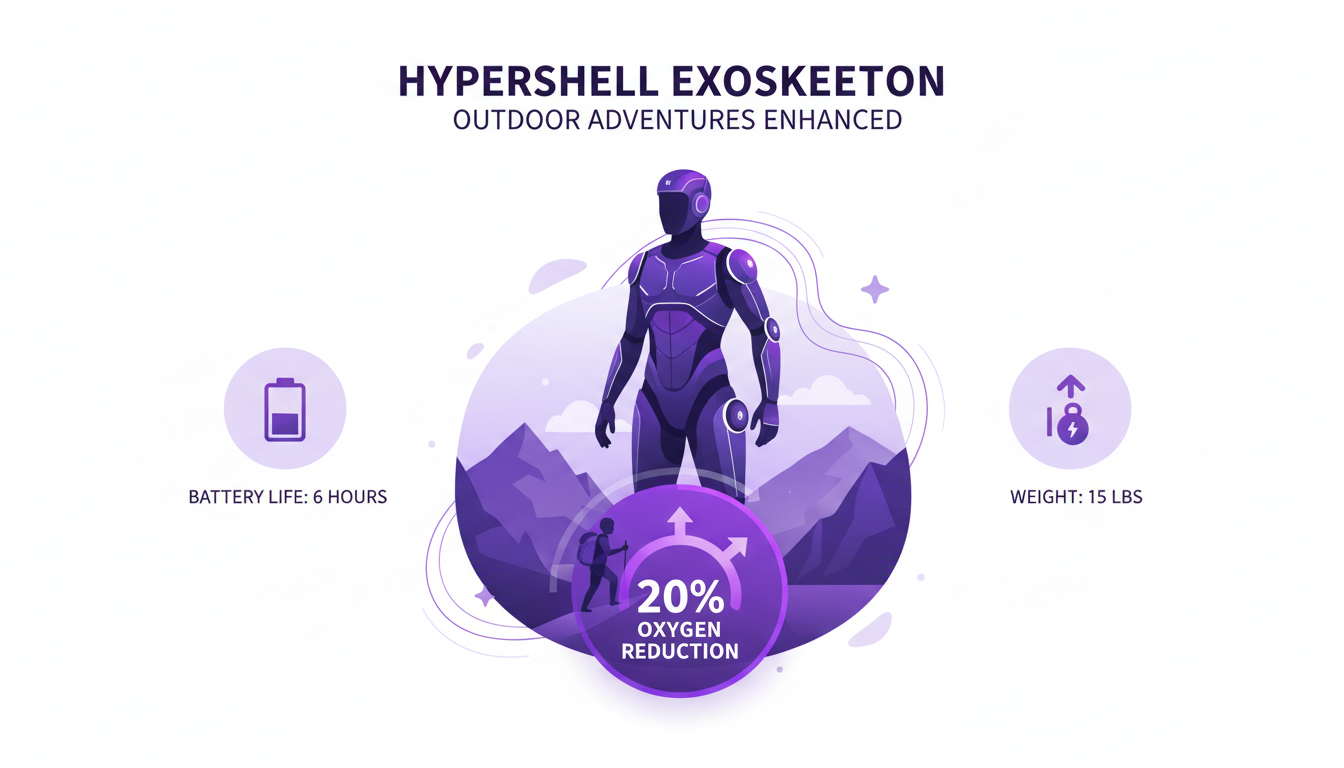
But remember, there's a flip side: weight and battery life can limit its use. Yet, I see huge potential for applications in rehabilitation and the labor sector. It's worth keeping an eye on.
- 20% reduction in oxygen consumption.
- User experience: enhanced mobility and endurance.
- Trade-offs: weight and battery life.
Brunswick's Autonomous Boating: The Future of Water Travel
Brunswick made waves at CES with its autonomous boating systems. I've seen firsthand how these technologies enhance safety and efficiency. Imagine navigating stress-free, even in tough conditions. Practical use cases range from leisure boating to commercial shipping.
However, as with any groundbreaking technology, there are challenges to overcome. Regulatory hurdles and reliability in harsh conditions are obstacles to tackle. And of course, the initial cost can be high, but the long-term savings are promising.
- Autonomous systems for boating navigation.
- Improved safety and efficiency.
- Challenges: regulation, reliability, initial cost.
CES 2026 wasn't just about futuristic dreams; it was about actionable tech ready to shift industries. Cardome's AI software that cuts down oxygen consumption by 20% is a game changer for environmental sectors. Hypervision's 3D holographic tech and AI assistant Lena are mind-blowing, but keep an eye on the high adoption costs. Chong Hong's Aura AI TV and VR experiences offer full immersion, though they're not quite budget-friendly yet. And Hypershell's outdoor exoskeleton is great for recreation, but there's a learning curve to consider.
Moving forward, it's up to us to harness these innovations and integrate them into our workflows. Experiment, iterate, and lead the charge into the future. I highly recommend watching the full video "This is the Coolest Tech at CES 2026" for a deeper insight. It's worth it, especially with 2026 shaping up to be revolutionary. Watch here.
Frequently Asked Questions

Thibault Le Balier
Co-fondateur & CTO
Coming from the tech startup ecosystem, Thibault has developed expertise in AI solution architecture that he now puts at the service of large companies (Atos, BNP Paribas, beta.gouv). He works on two axes: mastering AI deployments (local LLMs, MCP security) and optimizing inference costs (offloading, compression, token management).
Related Articles
Discover more articles on similar topics
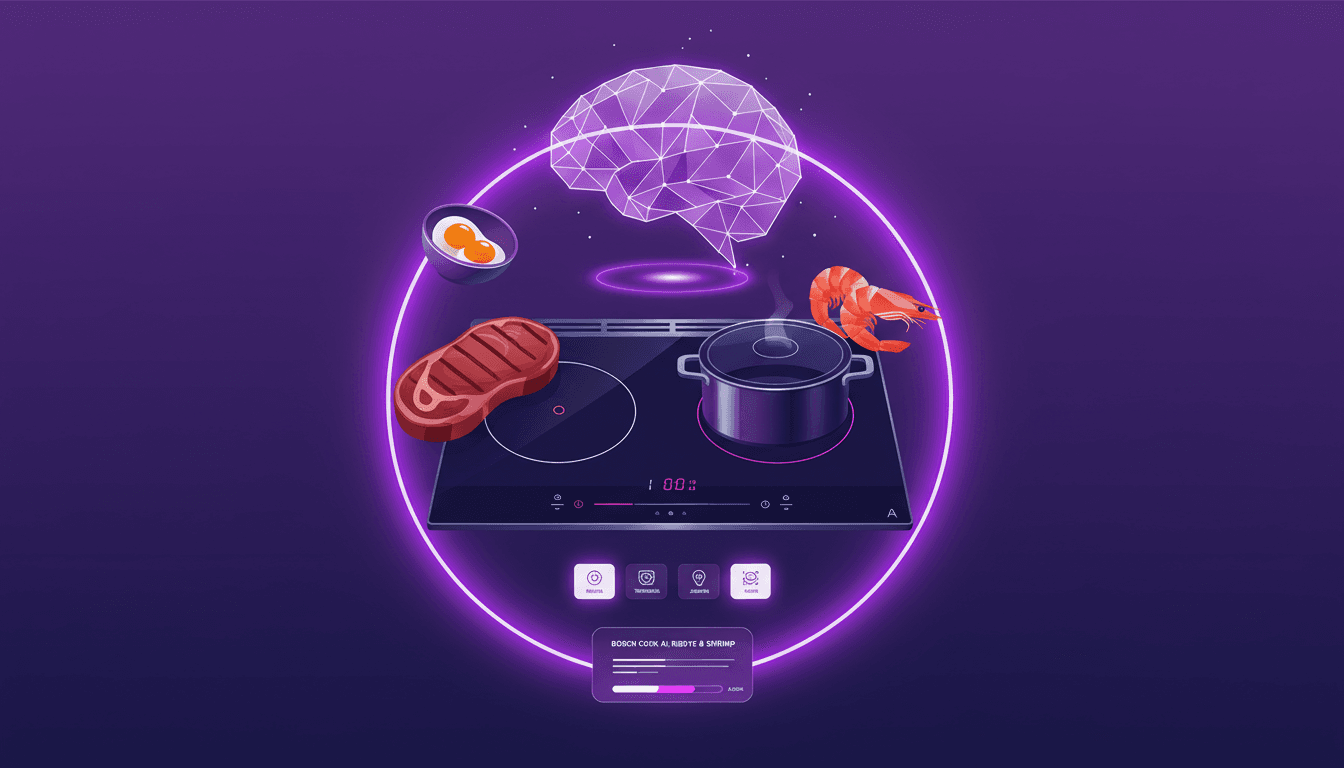
Bosch Kitchen Showdown: AI Meets Culinary Skills
I stepped into the Bosch Kitchen at CES 2026, eager to see if AI could really match up to seasoned chefs. Spoiler: it didn't disappoint. With the 800 Series models and their AI technology, Bosch is redefining home cooking. Picture a showdown where soft-boiled eggs and medium-rare ribeyes are crafted not just by human hands, but with AI assistance. We're talking shrimp marinade techniques and perfect cooking in no time. I witnessed AI precision face off with human creativity, and the results were astonishing. Let's dive into this culinary revolution together.
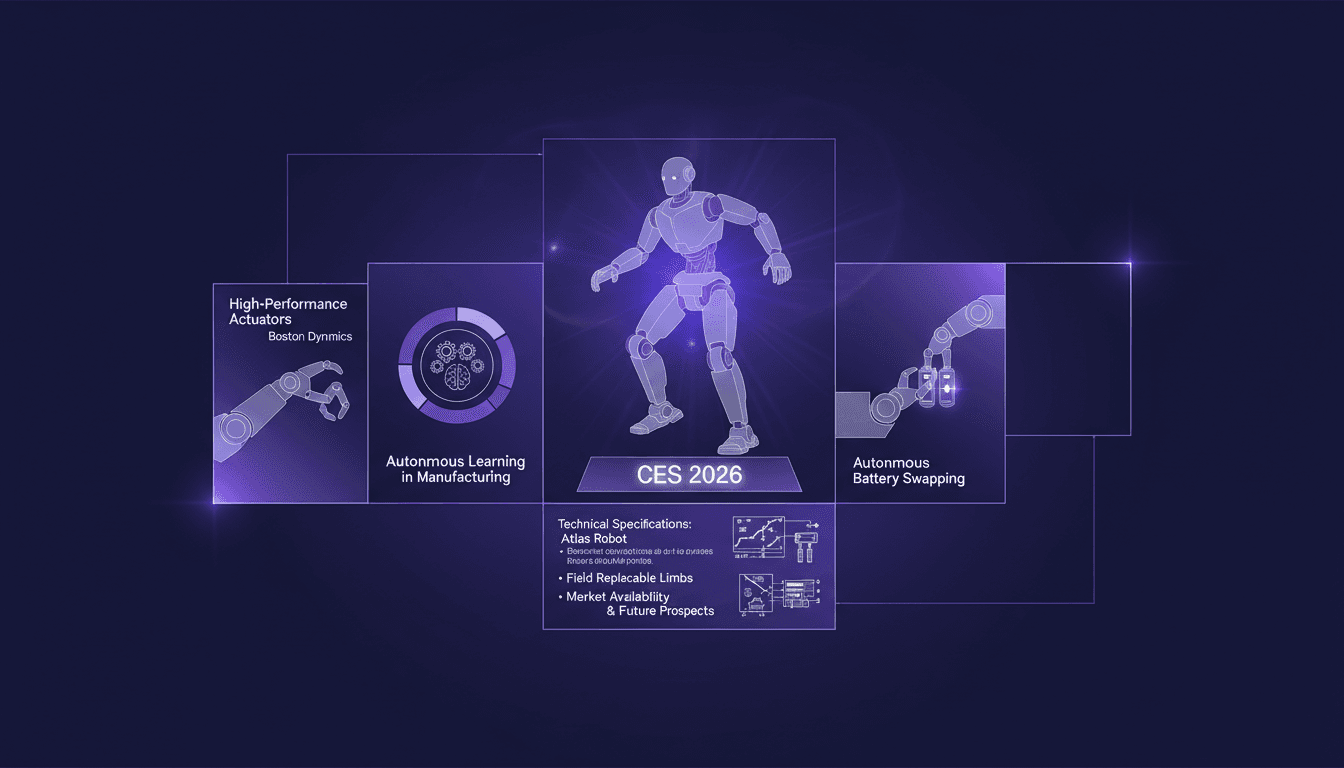
Atlas Robot: Revolutionizing Manufacturing
I was at CES 2026 when I first saw the Atlas Robot by Boston Dynamics in action, and let me tell you, it’s far more than just a tech marvel. Picture a robot that learns autonomously and manipulates with human-like dexterity. This is a real game changer for manufacturing. With its three nimble fingers, high-performance actuators, and autonomous battery swapping, Atlas is poised to revolutionize how we work. Let me walk you through how this robot could transform our production lines and why it’s already on every major industry player’s radar.
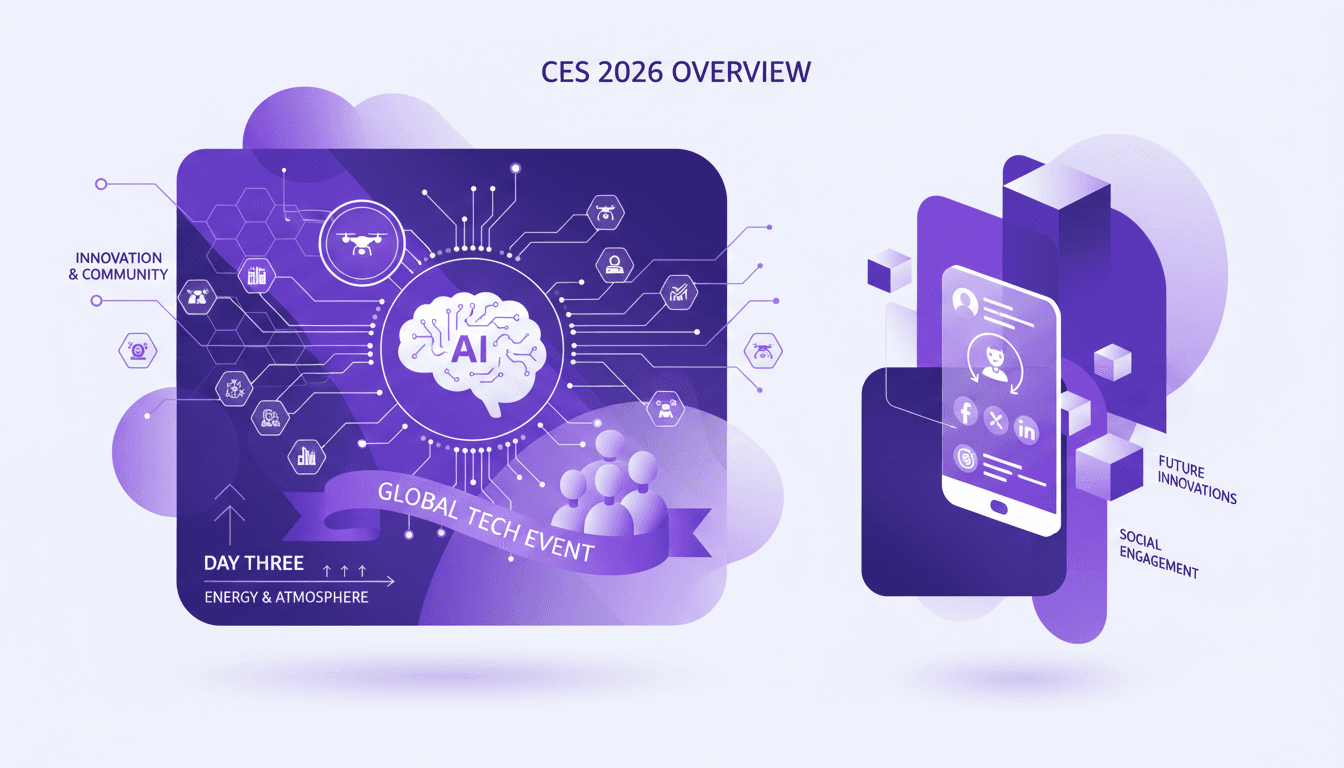
CES 2026 Day 3: Innovations and Atmosphere
I walked into CES 2026 on Day Three, and the energy was seriously off the charts. This isn't just another tech expo; it's a global stage for innovation. Picture 2.5 million square feet of exhibits—enough to get lost in a maze of breakthrough ideas. But watch out, it's easy to get overwhelmed. Every booth has something that might just be the next big disruptor. I'll take you through the highlights of what I saw, and trust me, this day was a game-changer. The significance of CES as a global tech event can't be overstated, and Day Three showed exactly why. With a passionate community and a constant stream of fresh ideas, there's plenty to be inspired by. Let's dive into what I discovered and why these future innovations deserve your attention.

Fusion Power: Revolution at CES 2026
I remember the first time I heard about fusion power—it sounded like science fiction. But at CES 2026, it's become reality. I witnessed firsthand how fusion systems promise clean, limitless energy. Companies like Commonwealth Fusion Systems are turning these dreams into reality. We're talking about the power of stars and the universe, ready to revolutionize our energy landscape. Imagine a world where our dependency on resources fades in favor of technology-driven energy. That's where we're headed. The potential impact of fusion on the energy industry is colossal. Let's dive into this energy revolution and see how it could transform our future.
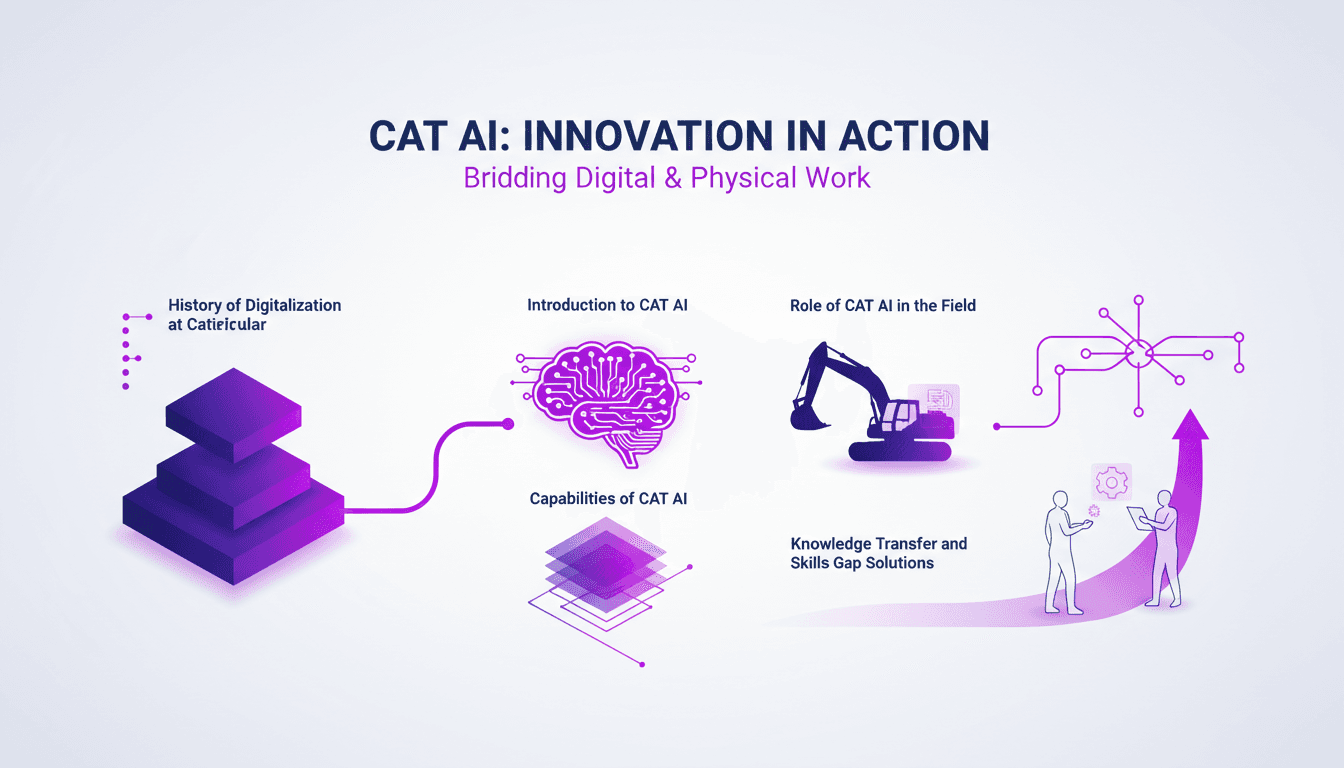
Digitalization at Caterpillar: Revolutionizing the Jobsite
I've been on the jobsite long enough to see the shifts that digitalization brings. When Caterpillar started integrating AI, I was skeptical. But after witnessing CAT AI in action, it’s clear how it bridges knowledge and execution. This revolution isn't just about new tech; it reshapes how we work. Let’s dive into the history of digitalization at Caterpillar, explore CAT AI, its capabilities, and its role in the field. Most importantly, we'll see how it merges digital and physical work environments and tackles the challenges of knowledge transfer and skills gaps.