Fusion Power: Revolution at CES 2026
I remember the first time I heard about fusion power—it sounded like science fiction. But at CES 2026, it's become reality. I witnessed firsthand how fusion systems promise clean, limitless energy. Companies like Commonwealth Fusion Systems are turning these dreams into reality. We're talking about the power of stars and the universe, ready to revolutionize our energy landscape. Imagine a world where our dependency on resources fades in favor of technology-driven energy. That's where we're headed. The potential impact of fusion on the energy industry is colossal. Let's dive into this energy revolution and see how it could transform our future.

I remember the first time I heard about fusion power—it sounded like science fiction. But this year at CES 2026, I saw something that changed my mind. Fusion power isn't a distant dream anymore, it's becoming a reality. With players like Commonwealth Fusion Systems, we're on the brink of an energy revolution. Imagine: a clean, limitless energy source that transforms our reliance on resources into a reliance on technology. I found myself at CES, amidst discussions on how the power of stars could soon be lighting up our cities. We're at the dawn of a shift from traditional energy systems to technology-driven ones. And the potential impact on the energy industry is massive. Let's dive into this journey together and see how fusion might just reshape our future.
Demystifying Fusion Power
Imagine a power source that is clean, safe, and practically limitless. That's the promise of fusion power. I've worked on energy projects for years, and let me tell you, fusion is the Holy Grail. Why? Because it's the power of the universe, the power of the stars. Simply put, fusion involves combining lighter nuclei to form heavier ones, releasing a massive amount of energy. Unlike fission, which breaks apart heavy nuclei, fusion doesn't produce long-lived radioactive waste.
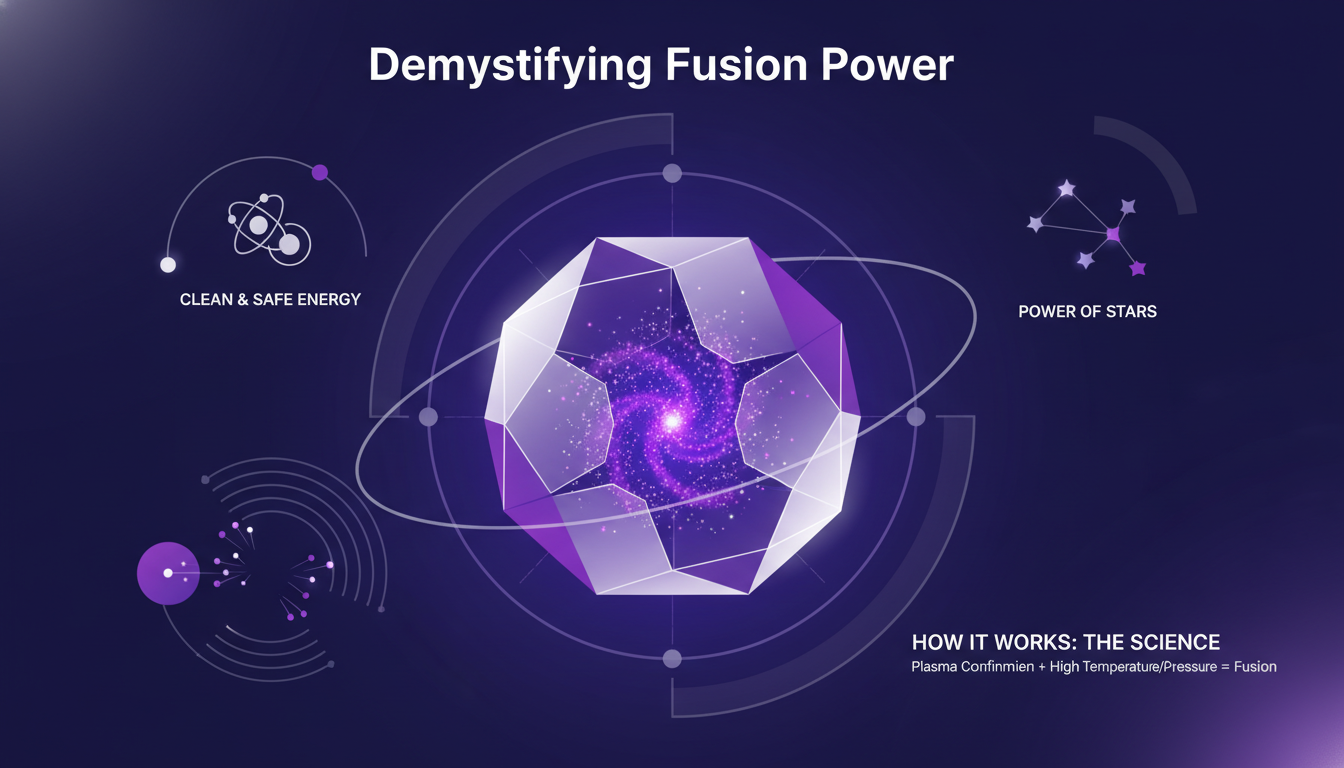
But hold on, fusion is a major technical challenge. For fusion reactions to occur, extreme temperature and pressure conditions are needed. And that's the crux: creating these conditions here on Earth. However, the advantages are immense, especially in terms of safety and environmental impact. Unlike fission, there's no risk of uncontrolled meltdown.
- Fusion power is clean and safe.
- It replicates the power of the stars.
- It doesn't produce long-lived radioactive waste.
Building Commercially Viable Fusion Machines
Let's move to Commonwealth Fusion Systems (CFS), a company at the forefront of fusion technology development. I've kept a close eye on their work, and it's impressive. The goal is to make fusion commercially viable. To do this, CFS is working on machines capable of maintaining stable and cost-effective fusion reactions. Here's the rub: the complexity and cost are enormous. But the potential is just as colossal.
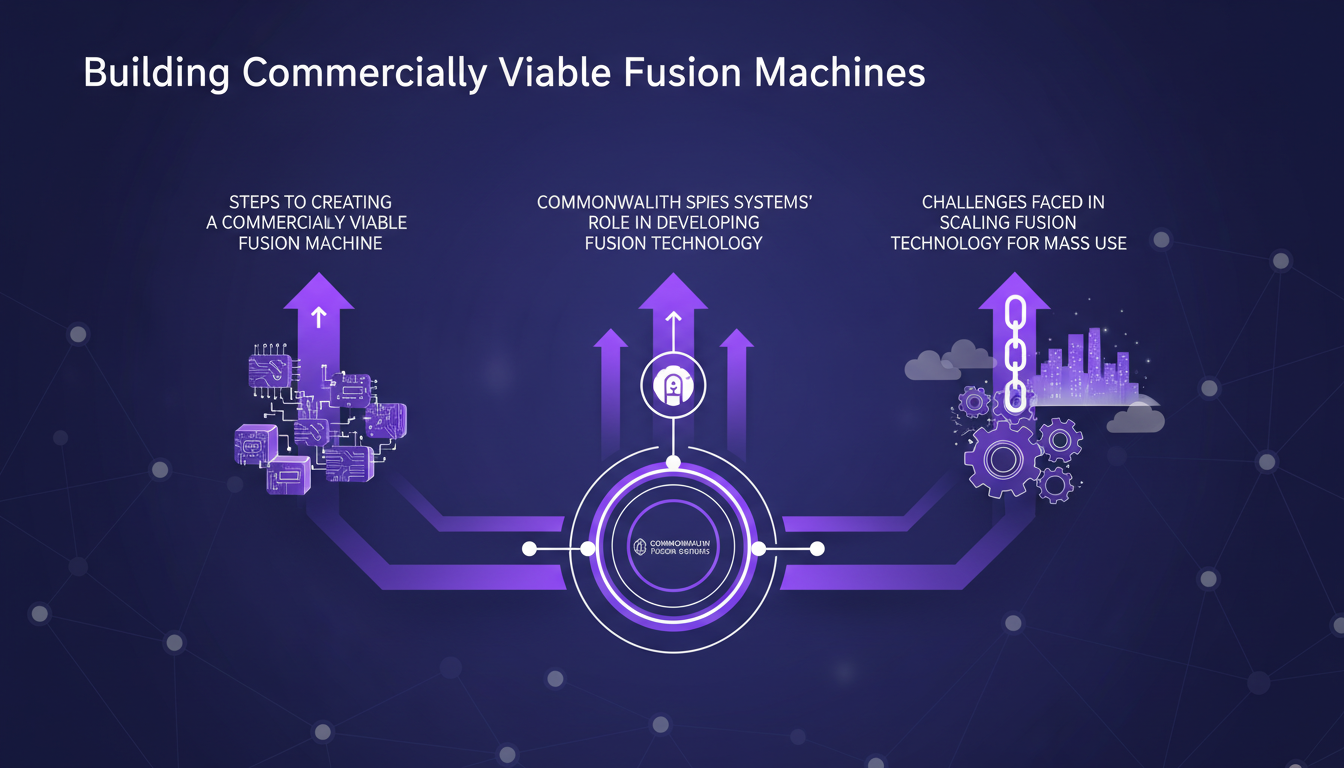
Building these machines requires advanced materials and cutting-edge technologies. AI plays a crucial role here, helping to model complex fusion processes. But the path is fraught with challenges: every component needs to be tested and validated, which takes time and money. However, the long-term economic benefits are huge, as fusion could potentially reduce our dependence on natural resources.
- Commonwealth Fusion Systems is developing the first commercially viable fusion machine.
- Cost and complexity are major challenges.
- AI helps overcome some of fusion's toughest physics challenges.
Transitioning to Technology-Driven Energy Systems
We're witnessing a paradigm shift in how we produce energy. We're moving from a resource-based system to a technology-driven one. Fusion fits perfectly into this transition. Imagine fusion plants integrating seamlessly with existing infrastructures, reducing costs and increasing efficiency. This is a dream that could become reality by 2030.
However, this transition isn't without hurdles. The initial cost of setting up these systems is high, and there are regulatory barriers to overcome. Plus, integrating new technologies into aging infrastructures poses challenges. But the potential gains in efficiency and energy sustainability are too significant to ignore.
- The transition to a technology-driven energy system is underway.
- Fusion could integrate with existing infrastructures.
- Regulatory barriers and initial costs are challenges to overcome.
The Impact of Fusion Power on the Energy Industry
Fusion power has the potential to revolutionize the energy industry. Imagine a power source that drastically reduces our carbon footprint while providing abundant energy. That's what fusion could bring. However, widespread adoption of fusion requires public and regulatory acceptance, which isn't a given.
The economic impacts are also significant. Trillions of dollars could be saved by reducing reliance on fossil resources. However, regulation and public acceptance remain major challenges. Concerns about safety and environmental impact need to be addressed for fusion to become a commercial reality.
- Fusion could transform the energy industry.
- It offers significant carbon footprint reduction.
- Regulation and public acceptance are key challenges.
Looking Ahead: Fusion Power Beyond 2026
Looking ahead, fusion power could redefine our energy landscape. Developments are expected by 2026, but the road is still long. The ultimate goal is energy independence and sustainability. However, technological and logistical challenges remain. For example, developing materials capable of withstanding fusion's extreme conditions is crucial.
Fusion could also have geopolitical impacts. Countries mastering this technology could dominate the global energy market. But watch out, don't underestimate the technical and logistical challenges. The road is bumpy, but the rewards could be well worth the effort.
- Fusion developments are expected by 2026.
- The goal is energy independence and sustainability.
- Technological and geopolitical challenges are significant.
So, here we are: fusion isn't just a dream anymore. It's a real game changer that's edging closer to reality. With companies like Commonwealth Fusion Systems pushing the envelope, we're on the verge of a new energy era. But watch out, the journey won't be without challenges. Here are the key takeaways I noted:
- Fusion could transform our energy system from a resource-based model to a technology-driven one.
- Commercially viable fusion machines are just around the corner, with 2026 marked as a key milestone.
- Fusion is the power of the stars within reach: clean and potentially inexhaustible.
Looking ahead, I believe we're at a pivotal moment. Now's the time to get informed and get involved in this energy revolution. Whether you're an industry player or just curious, don't miss out. For a deeper understanding, I encourage you to watch the full video: Futuristic Energy Source at CES 2026.
Frequently Asked Questions

Thibault Le Balier
Co-fondateur & CTO
Coming from the tech startup ecosystem, Thibault has developed expertise in AI solution architecture that he now puts at the service of large companies (Atos, BNP Paribas, beta.gouv). He works on two axes: mastering AI deployments (local LLMs, MCP security) and optimizing inference costs (offloading, compression, token management).
Related Articles
Discover more articles on similar topics
Unpacking CES 2026: Transformative Tech Insights
I've walked the CES floors more times than I can count, but CES 2026 was something else. Picture a space buzzing with transformative tech, where every corner reveals another groundbreaking innovation. It’s not just about the gadgets; it's about the connections and conversations shaping our industry's future. From giants to startups, everyone was there, unveiling tech that could redefine our lives. Believe me, there were standout moments. Conversations with exhibitors opened my eyes to the real impact these innovations will have on our daily lives.
LG's CES 2026 Innovations: Connected Home
I remember standing in awe at CES 2026, gazing at LG's thinnest OLED TV. It's not just about tech specs—it's about how these innovations revolutionize our daily lives. LG isn't just innovating; they're reshaping our experience in the connected home. I connect the dots between human-centered solutions and AI integration in consumer electronics. Let's explore how LG is shaping the future with personalized experiences and advanced screen technologies. Dive in with me to see this transformation unfold.
Bosch Kitchen Showdown: AI Meets Culinary Skills
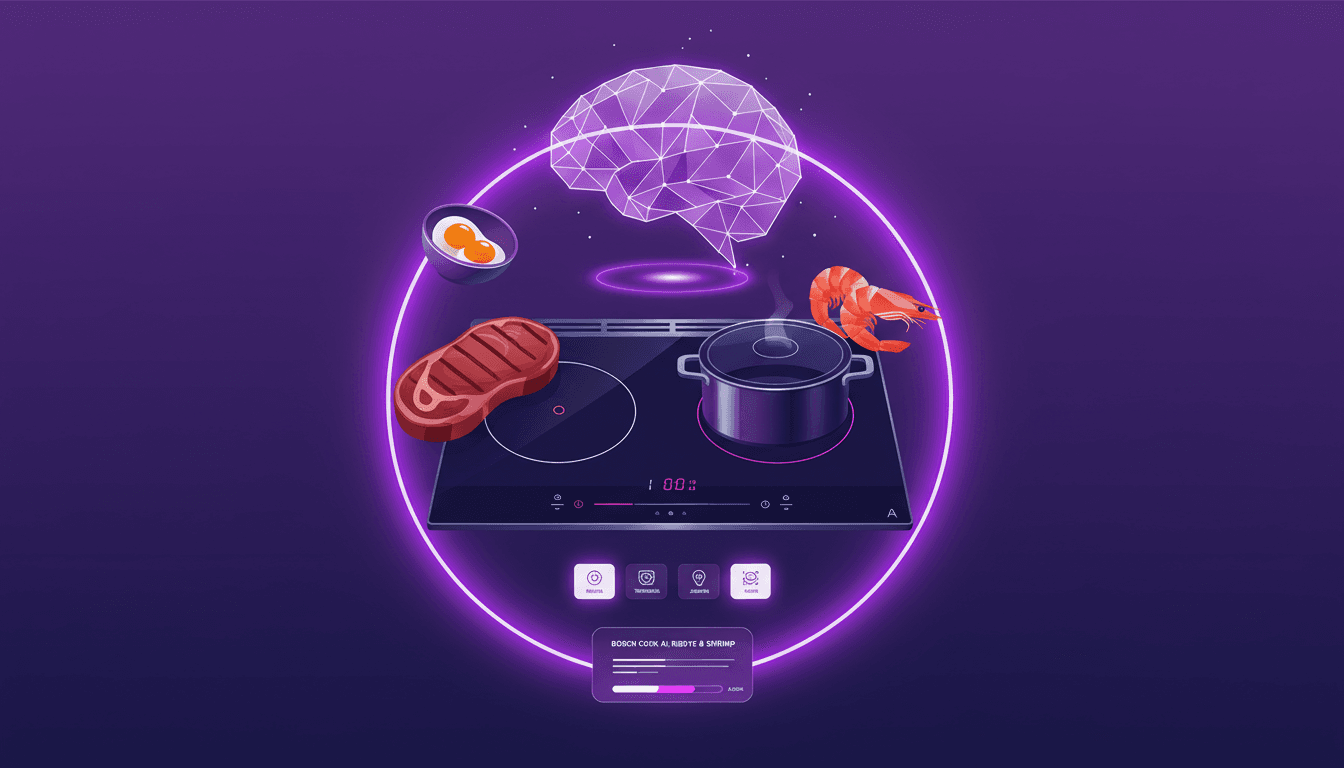
I stepped into the Bosch Kitchen at CES 2026, eager to see if AI could really match up to seasoned chefs. Spoiler: it didn't disappoint. With the 800 Series models and their AI technology, Bosch is redefining home cooking. Picture a showdown where soft-boiled eggs and medium-rare ribeyes are crafted not just by human hands, but with AI assistance. We're talking shrimp marinade techniques and perfect cooking in no time. I witnessed AI precision face off with human creativity, and the results were astonishing. Let's dive into this culinary revolution together.

Heat Theme at CES 2026: Video Secrets
When I dove into the CES 2026 project, I had a clear vision: leverage the heat theme to craft a promotional video that doesn't just captivate but also converts. I orchestrated the elements—music, visuals, mood—to weave a compelling narrative. In the competitive world of advanced mobility, standing out at CES isn't just about tech specs. It's about storytelling that resonates. Let me show you how I integrated all these aspects to ensure our message hit the mark.
Nvidia's 13 Open Models: Game Changer for Devs
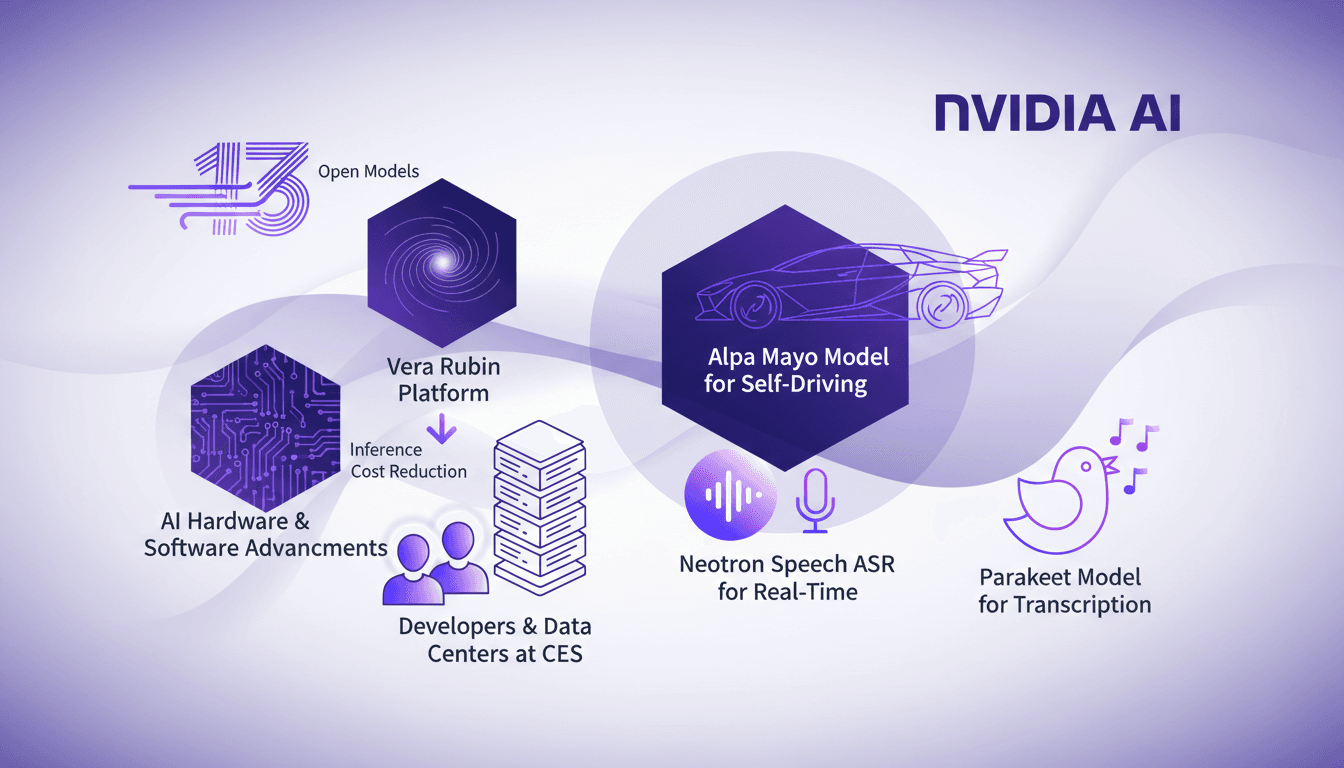
I remember being at CES when Nvidia dropped their bombshell: 13 new open models. It was like a fireworks show of AI innovation, impossible not to dive in. With these models, Nvidia isn't just releasing another gadget—they're redefining the playing field for developers like us. The Vera Rubin model claims to be five times faster than Blackwell chips for data centers, while the Alpa Mayo, a 10-billion parameter model, targets self-driving cars. These tools are truly about cutting costs and boosting functionality. Already, I'm thinking about how to integrate these into my projects, but watch out, there are pitfalls to avoid.