Heat Theme at CES 2026: Video Secrets
When I dove into the CES 2026 project, I had a clear vision: leverage the heat theme to craft a promotional video that doesn't just captivate but also converts. I orchestrated the elements—music, visuals, mood—to weave a compelling narrative. In the competitive world of advanced mobility, standing out at CES isn't just about tech specs. It's about storytelling that resonates. Let me show you how I integrated all these aspects to ensure our message hit the mark.

I dove into the CES 2026 project with a clear vision: leverage the theme of heat to create a promotional video that doesn't just captivate, but also converts. In a world where advanced mobility is fiercely competitive, standing out at CES requires more than just tech specs. It's about storytelling that truly resonates. So, how did I ensure our message hit the mark? First, I orchestrated the elements—music, visuals, mood—to shape a powerful narrative. I've learned the hard way that music can turn a mundane video into an immersive experience. (Watch out for overload, it can quickly become cacophonic.) Then, I connected each visual to a specific emotion, creating a direct link with our target audience. It's this mastery of creative engagement and the savvy use of visual and auditory elements that set us apart in 2026. Now, let me walk you through how you too can orchestrate your project to make it unforgettable.
Setting the Stage with the Heat Theme
First, I identified heat as a metaphor for innovation and energy. It's a concept I've leveraged in my projects to capture audience attention. I brainstormed how 'heat' could not just be a visual cue but an emotional one as well. Imagine scenarios where heat is the central narrative driver – it's a challenge but also an opportunity to create compelling content.

Watch out, though: overusing the theme can easily overshadow the core message of the product. It's all about balance. I've seen projects where the theme dominated, and the audience remembered the visual, not the product. Striking the right balance is an art.
Leveraging Music for Creative Engagement
Next, I selected music tracks that complemented the heat theme and evoked excitement. Music has the power to transform a simple visual into a sensory experience. I synchronized music with visual cues to enhance emotional impact. Several tracks were tested to find the perfect balance—music should never overpower visuals but rather complement them.
Sometimes, less is more. I've learned that subtle tracks can create a deeper connection than an overwhelming sound. It's like a fine wine that accompanies a dish: it should enhance the flavor without overpowering it.
- Select tracks that complement your visual theme.
- Synchronize music with visuals for maximum impact.
- Test several tracks to find the right balance.
Visual and Auditory Elements in Harmony
For visuals, I integrated images that visually represented heat—think warm colors and dynamic motion. Auditory elements were carefully layered to create a multi-sensory experience. It's a constant iteration process to ensure seamless storytelling.

Be careful: mismatched visuals and audio can confuse the audience. I've made the mistake of not giving this enough attention, and the results were disastrous. Harmony is essential for successful storytelling.
Mood Setting: Crafting the Right Atmosphere
Then, I used lighting and color grading to establish a cohesive mood. Atmosphere is key to making the audience feel the 'heat' beyond visuals. I adjusted mood elements based on audience feedback during test screenings.
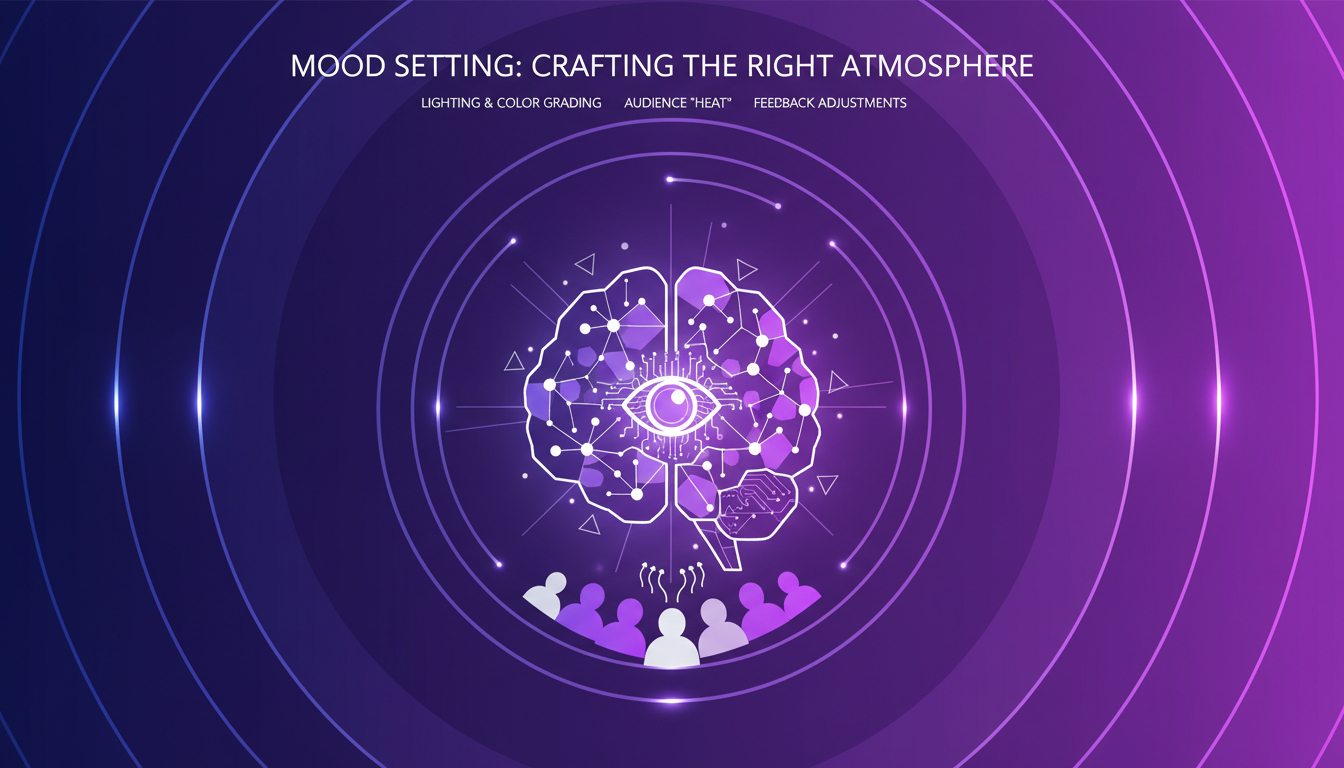
Don't overdo it: too much mood setting can distract from the main message. I've seen projects where the atmosphere overtook the message, and it's a mistake to avoid.
Practical Takeaways for Video Content Creation
Finally, some practical tips:
- Efficiency: Pre-plan your theme and music to save time in production.
- Cost: Use royalty-free music to manage budget without compromising quality.
- Orchestration: Balance all elements to ensure a cohesive narrative.
- Remember: The story should drive the elements, not the other way around.
In summary, creating video content around a powerful theme like heat requires meticulous orchestration and attention to detail that can make all the difference. For more on integrating AI into your strategies, check out this article.
Creating a standout promotional video for CES 2026 wasn't just about visuals and sound. First, I integrated the theme of heat, syncing music and mood to craft a story that resonates. Here are my key takeaways:
- Integrate a theme: Heat was my guiding thread, bringing coherence to the whole project. Choose a strong theme that adds meaning to your content.
- Engage creatively: I used every visual and sound element to capture attention and convert. Think about how each detail can serve your storytelling.
- Set the mood: The right mood makes all the difference. Balance visuals and music to transport your audience.
Looking forward: Creating video content that captivates and converts is a real game changer, but be careful not to let effects overshadow the message.
Ready to elevate your video content? Start by defining your theme and let it guide your creative process. Check out the full video for a deeper dive into the topic: The Future of Advanced Mobility Starts at CES 2026.
Frequently Asked Questions

Thibault Le Balier
Co-fondateur & CTO
Coming from the tech startup ecosystem, Thibault has developed expertise in AI solution architecture that he now puts at the service of large companies (Atos, BNP Paribas, beta.gouv). He works on two axes: mastering AI deployments (local LLMs, MCP security) and optimizing inference costs (offloading, compression, token management).
Related Articles
Discover more articles on similar topics
Nvidia's 13 Open Models: Game Changer for Devs
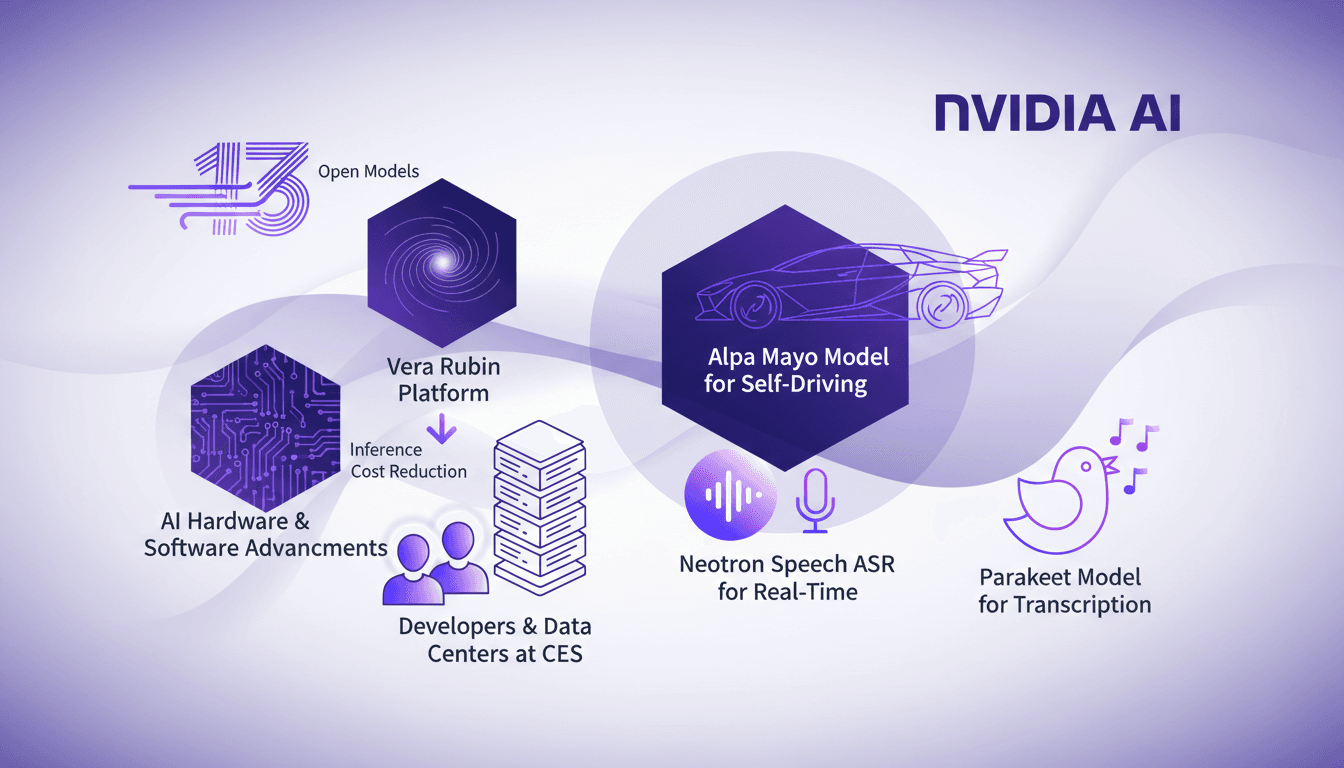
I remember being at CES when Nvidia dropped their bombshell: 13 new open models. It was like a fireworks show of AI innovation, impossible not to dive in. With these models, Nvidia isn't just releasing another gadget—they're redefining the playing field for developers like us. The Vera Rubin model claims to be five times faster than Blackwell chips for data centers, while the Alpa Mayo, a 10-billion parameter model, targets self-driving cars. These tools are truly about cutting costs and boosting functionality. Already, I'm thinking about how to integrate these into my projects, but watch out, there are pitfalls to avoid.
Future of Content: Key Tech Trends to Watch
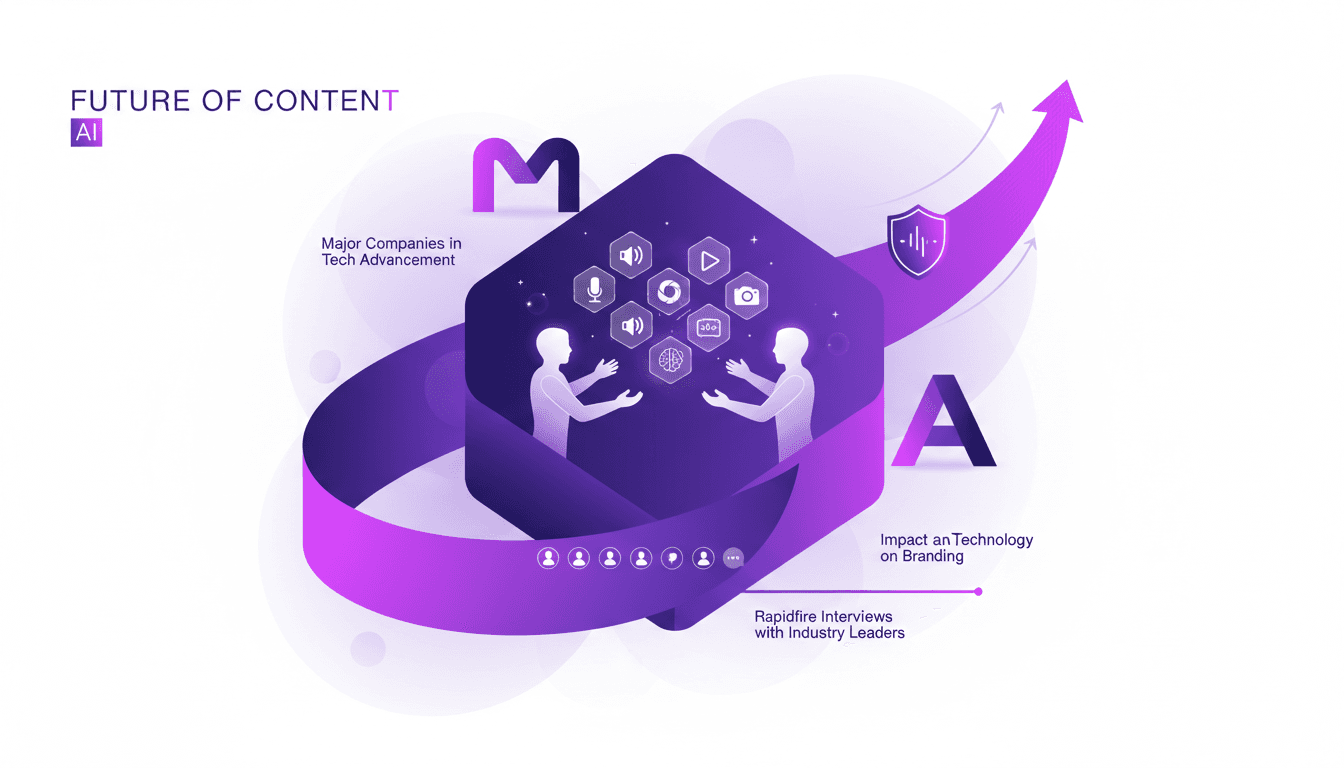
I've spent countless hours in the CSpace Studio, dissecting what the future holds for tech. It's not just theory—it's about real conversations with industry leaders like James Keki, who are shaping the future of content. Listening to these 53 experts, we uncover key trends: technological innovation in media, the role of major companies in tech advancement, and marketing trends redefining brand engagement. Let's dive into these insights to see where tech is heading.

AI Integration: Havas Strategies and Future Impact
I remember my first encounter with AI over 15 years ago. It was clunky, slow, more curiosity than tool. Fast forward to today, I'm at CES 2026, talking with Yannick Bolleré about how AI has transformed – no, redefined – marketing. Havas, with its 23,000 strong workforce, is at the forefront of this shift, integrating AI into every aspect of its strategy. We're discussing programmatic buying, AI convergence, and the ethical challenges that come with it. Make no mistake, AI isn't just a buzzword; it's the engine of change. Dive into Havas' bold strategies that are reshaping the future of marketing.
Modernizing SiriusXM Identity: Challenges and Solutions
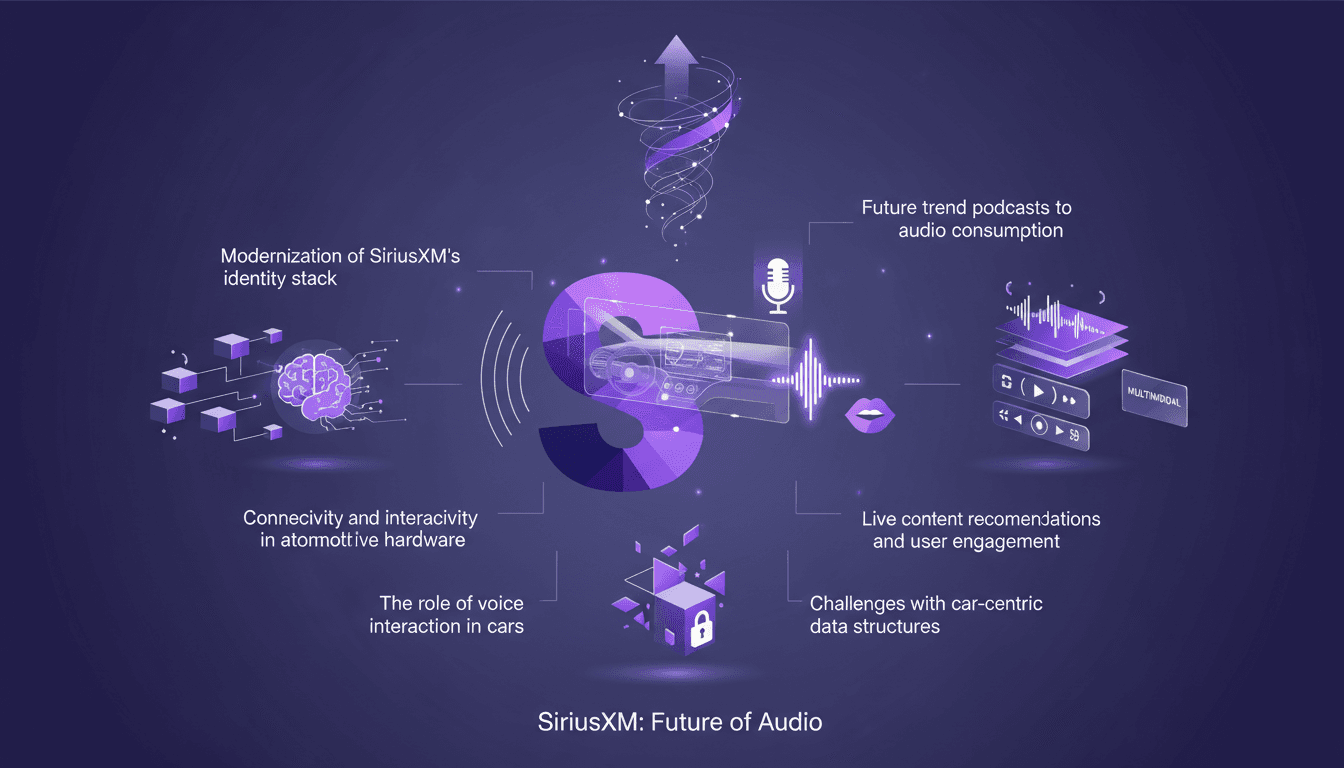
I remember the first time I realized the potential of voice interaction in cars. It was a game changer for SiriusXM, and it all started with modernizing our identity stack. After 25 years, it was time for a transformation. With over half of new car trials featuring new hardware, we needed to rethink connectivity and user engagement. In this interview, discover how we modernized our infrastructure, the evolution of podcasts to multimodal formats, and AI's impact on our operations. But watch out, car-centric data structures come with their own challenges!
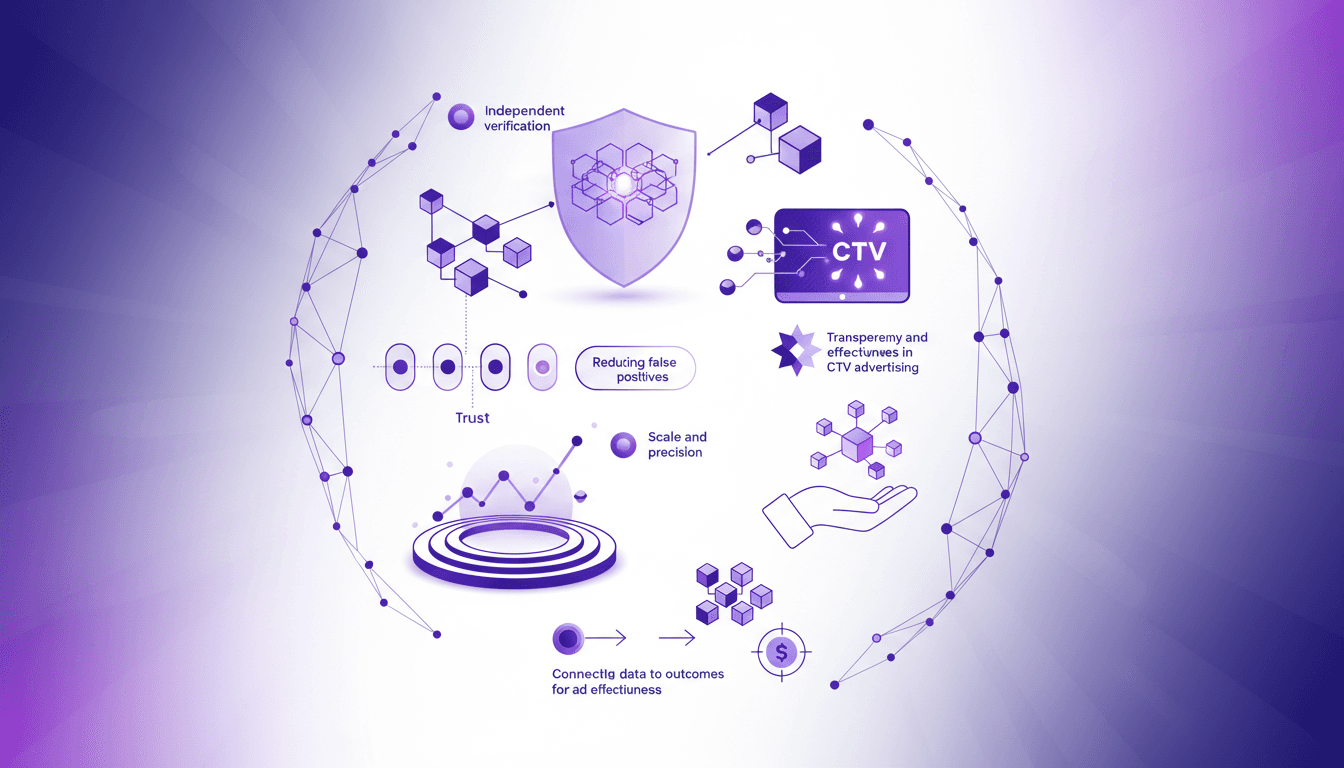
Boosting Ad Measurement with AI and Trust
I remember the first time I realized the chaos in digital advertising metrics. It was a mess of false positives and wasted impressions. That's when I knew a change was needed. Partnering with IAS and Mastercard, I saw firsthand how we could rebuild trust through independent verification and precision. In the rapidly evolving advertising landscape, trust and precision are paramount. This article delves into how AI, scale, and transparency can transform advertising effectiveness, particularly in the realm of CTV. It covers building trust through independent verification and measurement, the role of AI in reducing false positives, the importance of scale and precision in processing ad data, and ethical AI practices.