Digitalization at Caterpillar: Revolutionizing the Jobsite
I've been on the jobsite long enough to see the shifts that digitalization brings. When Caterpillar started integrating AI, I was skeptical. But after witnessing CAT AI in action, it’s clear how it bridges knowledge and execution. This revolution isn't just about new tech; it reshapes how we work. Let’s dive into the history of digitalization at Caterpillar, explore CAT AI, its capabilities, and its role in the field. Most importantly, we'll see how it merges digital and physical work environments and tackles the challenges of knowledge transfer and skills gaps.
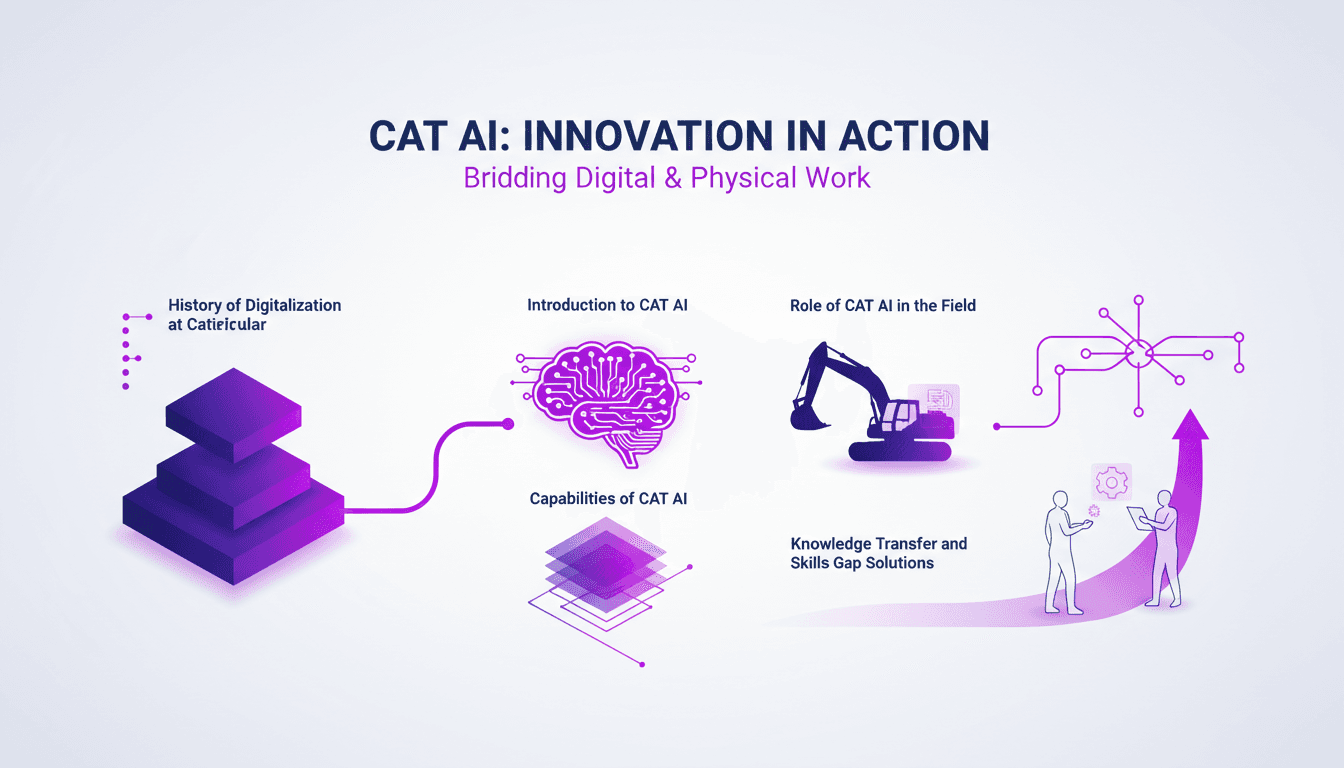
I've been on the jobsite long enough to witness the waves of change brought by digitalization. When Caterpillar started integrating AI, I was skeptical. Yet after seeing CAT AI in action, I realized how it bridges the gap between knowledge and execution. This isn't just about adopting new tech; it's a transformation in how we work. Caterpillar isn’t just about flashy gadgets; they're reshaping operational impact. First, they paved the path to digitalization, then introduced CAT AI — a tool that, with the insight of century-old industry experts, revolutionizes the field. Let’s talk about how this merges digital and physical environments and tackles the challenges of knowledge transfer and skills gaps. I’ve seen teams get transformed, and trust me, it’s a balance of knowledge and action that’s truly game-changing.
History of Digitalization at Caterpillar
When I think about Caterpillar's digitalization journey, it's clear it started decades ago. Initially, there was a lot of skepticism. I remember field discussions questioning whether these new technologies would really add value. But over time, we saw significant improvements in efficiency. A key milestone was integrating real-time data management systems, transforming how we manage onsite operations.
- Initially, many doubted the benefits of digitalization.
- Milestones like real-time data management marked notable progress.
- Lessons learned include the importance of continuous training and adaptation.
Introduction to CAT AI
The conception of CAT AI was a real game changer in how we think about construction and heavy machinery usage. I've seen firsthand how introducing this AI changed the game. CAT AI is more than just an assistant; it perceives, reasons, plans, and acts. This isn't just marketing talk. On the jobsite, from day one, we've seen improvements in handling complex tasks.
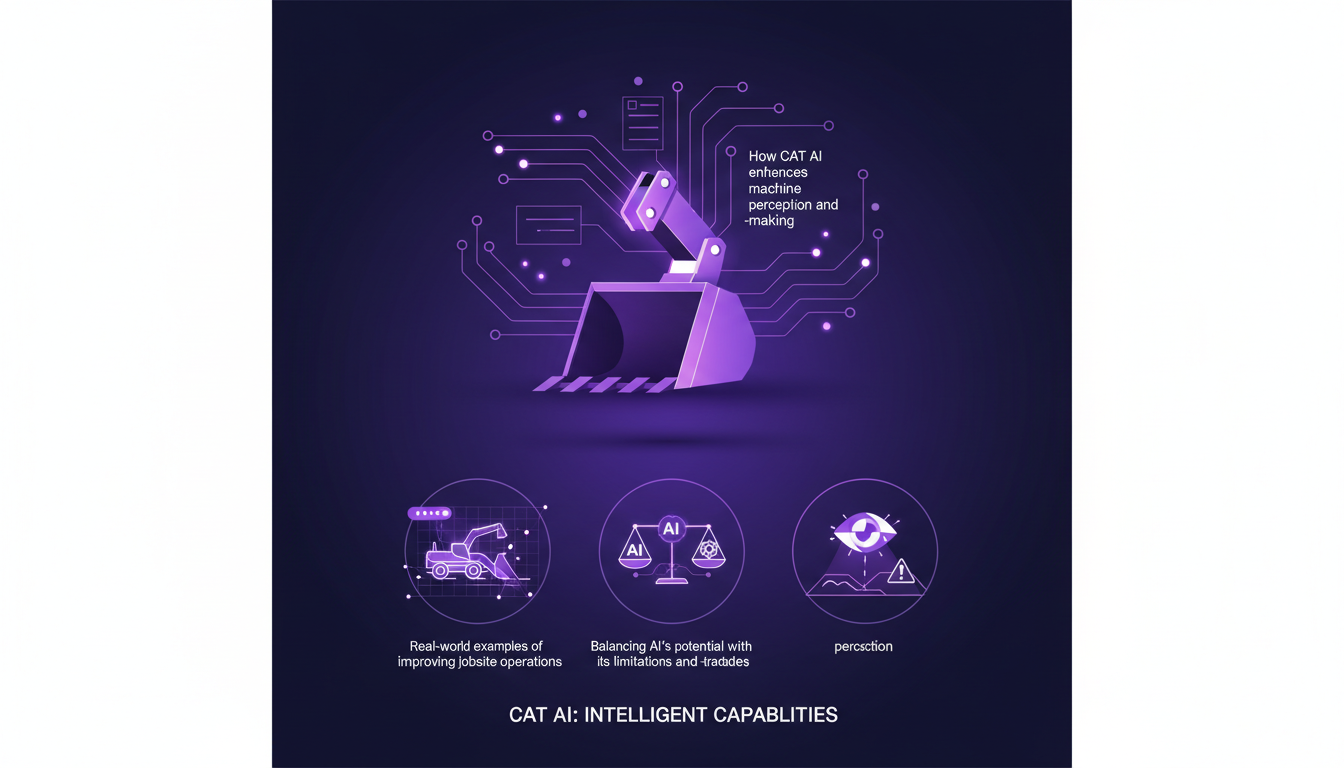
- CAT AI is critical for perception and planning in modern construction.
- Initial reactions were mixed, but adaptation was swift.
- This AI is crucial for bridging skills gaps in the field.
Capabilities of CAT AI
CAT AI truly paved the way for a new era of efficiency on jobsites. With its perception and decision-making capabilities, machines become smarter. I've seen projects where AI predicted failures before they happened, reducing downtime. However, watch out for overloading these systems, as AI has limits, especially in real-time data processing.
- Enhancement of machine perception and decision-making.
- Real-world examples of improved jobsite operations through AI.
- AI plays a key role in predictive maintenance and operational efficiency.
Role of CAT AI in the Field
I'm convinced CAT AI is essential for bridging digital and physical work environments. On the field, CAT AI has significantly improved workflows and reduced downtime. Moreover, the impact on safety protocols is substantial. Workers are better informed and can make more informed decisions thanks to AI-provided data.
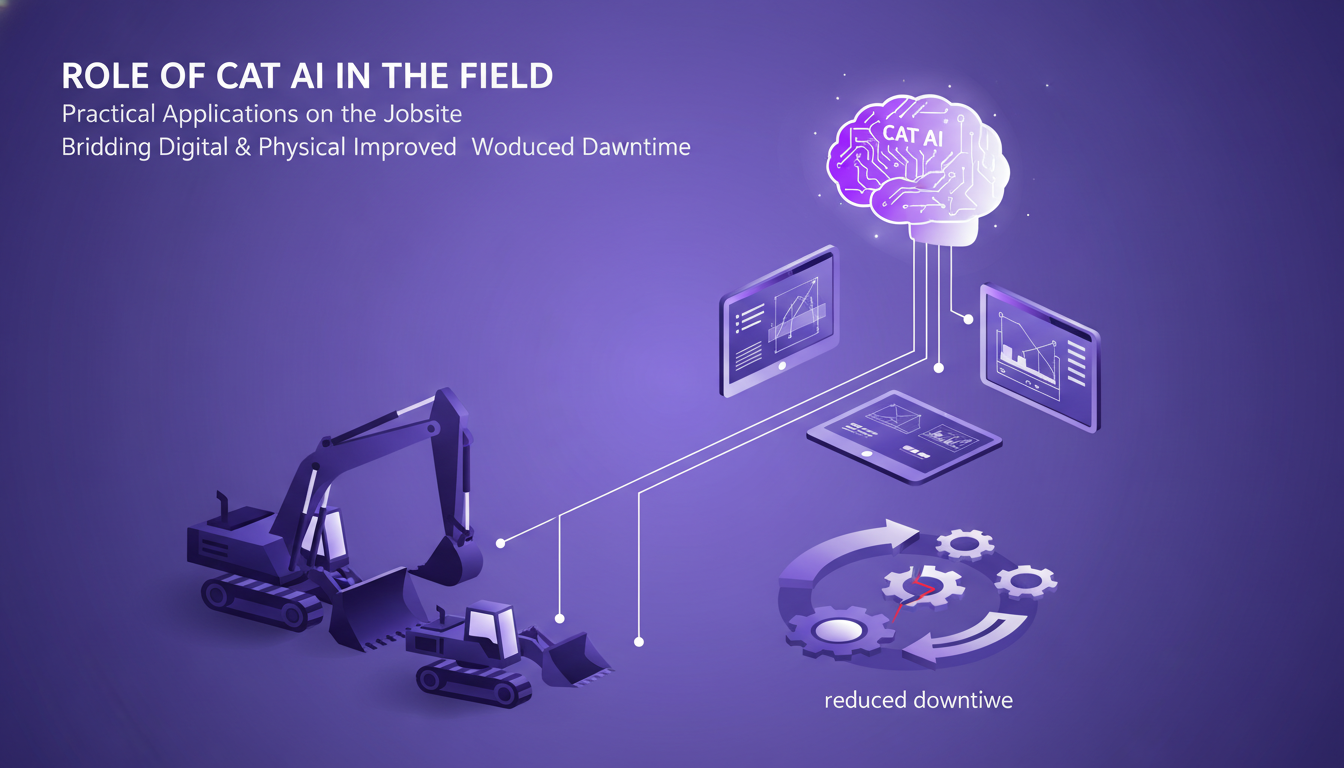
- Practical applications of CAT AI on site.
- AI serves as a bridge between digital and physical work environments.
- Case studies on improved workflows and reduced downtime.
Bridging Digital and Physical Work Environments
Integrating digital tools with physical operations is a challenge I've often encountered. With CAT AI, we have technology that truly facilitates this bridge. However, challenges remain, such as interfacing between digital systems and field operations. AI helps transfer knowledge and bridge skills gaps, but don't underestimate the importance of continuous training to maximize the effectiveness of this integration.
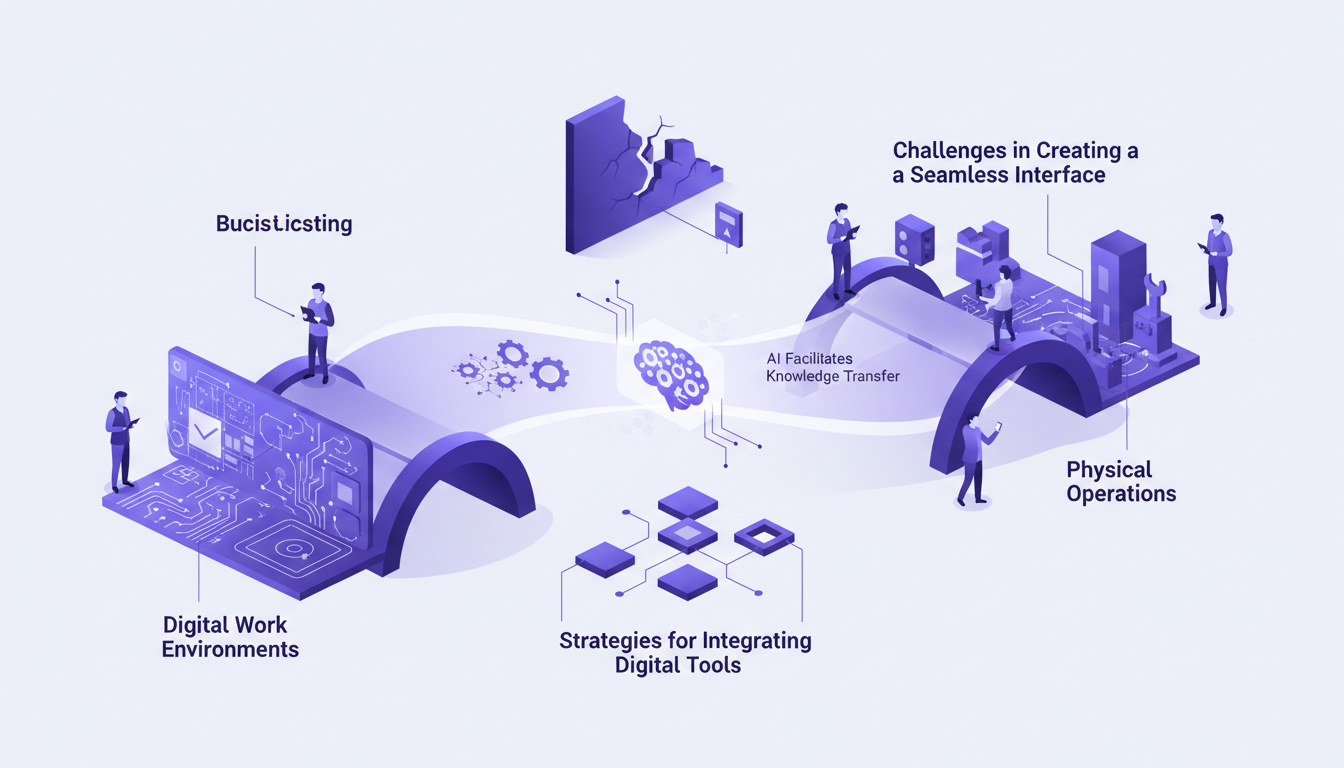
- Strategies for integrating digital tools with physical operations.
- Challenges of creating a seamless digital-physical interface.
- How AI facilitates knowledge transfer and addresses skills gaps.
Integrating CAT AI on the jobsite isn't just about tech, it's a real shift in how we operate. I've witnessed firsthand efficiency gains, enhanced safety, and a true bridge between digital knowledge and physical execution. Here are the key takeaways:
- Increased efficiency: With CAT AI, I tap into a century's worth of expertise in seconds. It's a game changer, but keep in mind there's a learning curve.
- Improved safety: We're cutting risks by foreseeing potential issues. Honestly, it takes a load off my shoulders on-site.
- Bridging digital and physical: This is where the magic happens, but ensure your team is fully trained.
Looking ahead: CAT AI is the future of the jobsite. But don't get lost in the hype. Start small, pilot a project, and let digitalization revolutionize your workflow.
If you're in the field, it's time to dive in. Check out the full video to see how 'Knowledge Meets The Jobsite' could be your next big asset. YouTube
Frequently Asked Questions

Thibault Le Balier
Co-fondateur & CTO
Coming from the tech startup ecosystem, Thibault has developed expertise in AI solution architecture that he now puts at the service of large companies (Atos, BNP Paribas, beta.gouv). He works on two axes: mastering AI deployments (local LLMs, MCP security) and optimizing inference costs (offloading, compression, token management).
Related Articles
Discover more articles on similar topics
Xperi's Role in Future Immersive Entertainment
I've been in the tech trenches long enough to spot a seismic shift, and Xperi's work in immersive entertainment is exactly that. They're reshaping in-car experiences with AI and sound that genuinely surpasses the usual hype. In this article, I'll guide you through how Xperi is integrating entertainment across connected platforms, with a spotlight on their vehicle innovations. From Jeff Jury's insights to the future of ride sharing, we'll explore how AI is central to these advancements. Don't miss this dive into the future of automotive entertainment.
Bosch Kitchen Showdown: AI Meets Culinary Skills
I stepped into the Bosch Kitchen at CES 2026, eager to see if AI could really match up to seasoned chefs. Spoiler: it didn't disappoint. With the 800 Series models and their AI technology, Bosch is redefining home cooking. Picture a showdown where soft-boiled eggs and medium-rare ribeyes are crafted not just by human hands, but with AI assistance. We're talking shrimp marinade techniques and perfect cooking in no time. I witnessed AI precision face off with human creativity, and the results were astonishing. Let's dive into this culinary revolution together.
AI in Microsoft Ads: Efficiency and Trust
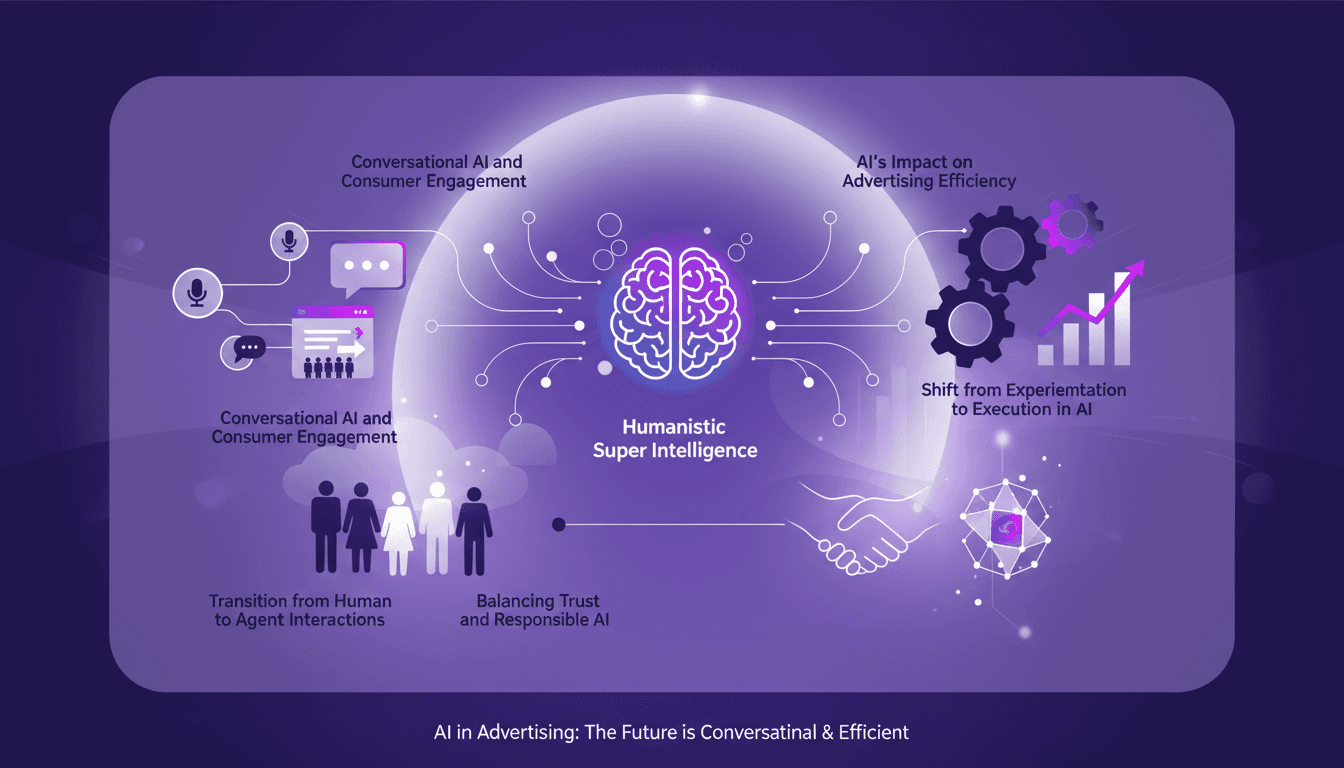
I've been in the trenches with Microsoft Advertising for over two years, and let me tell you, AI isn't just a buzzword—it's revolutionized our approach to digital ads. I've experimented with Conversational AI and piloted brand agents; the journey has been anything but straightforward. The impact is undeniable: some retailers have seen conversion rates double or triple thanks to these agents. But watch out, with such power comes the responsibility to balance trust and responsible execution. Let's dive into how this transformation is reshaping the advertising landscape.
Modernizing SiriusXM Identity: Challenges and Solutions
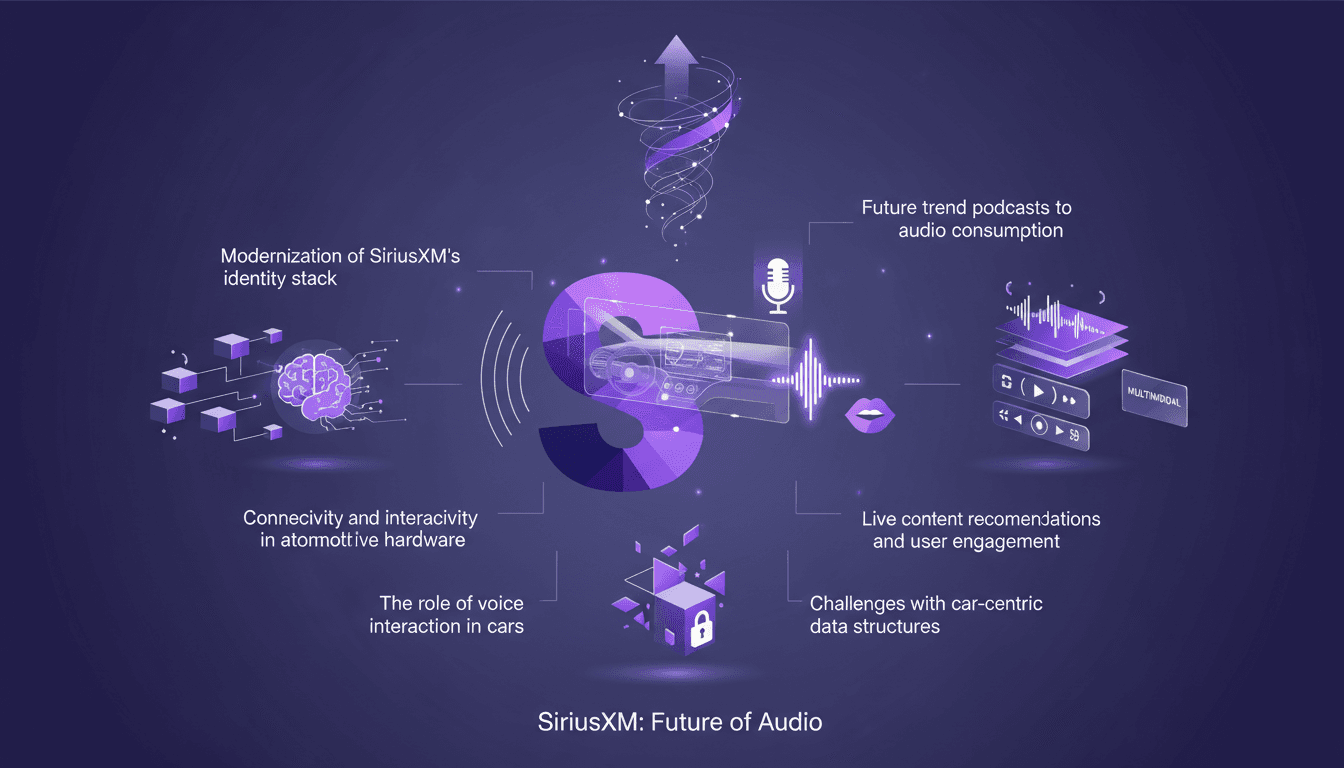
I remember the first time I realized the potential of voice interaction in cars. It was a game changer for SiriusXM, and it all started with modernizing our identity stack. After 25 years, it was time for a transformation. With over half of new car trials featuring new hardware, we needed to rethink connectivity and user engagement. In this interview, discover how we modernized our infrastructure, the evolution of podcasts to multimodal formats, and AI's impact on our operations. But watch out, car-centric data structures come with their own challenges!
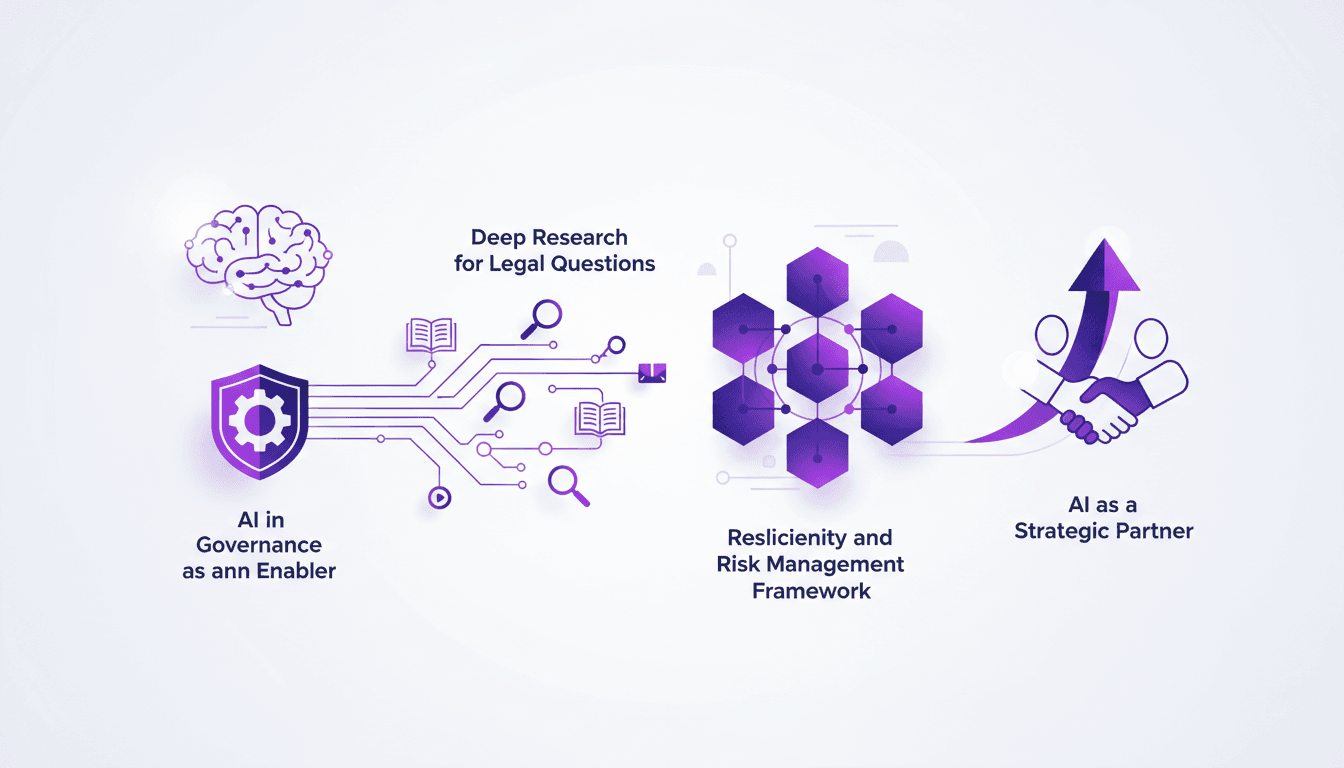
AI in Legal Reviews: BNY's Practical Approach
I vividly remember the first time we integrated AI into our legal reviews at BNY. It wasn't just about speeding things up—it was a game changer in how we tackled legal complexities. We cut down repetitive task time by 75%, allowing us to focus on strategy and governance. AI became more than a tool; it became a strategic partner. I'll walk you through our process, from orchestrating deep research to managing risks. Watch out, though—there are pitfalls along the way, but the results are worth it.