AI in Legal Reviews: BNY's Practical Approach
I vividly remember the first time we integrated AI into our legal reviews at BNY. It wasn't just about speeding things up—it was a game changer in how we tackled legal complexities. We cut down repetitive task time by 75%, allowing us to focus on strategy and governance. AI became more than a tool; it became a strategic partner. I'll walk you through our process, from orchestrating deep research to managing risks. Watch out, though—there are pitfalls along the way, but the results are worth it.
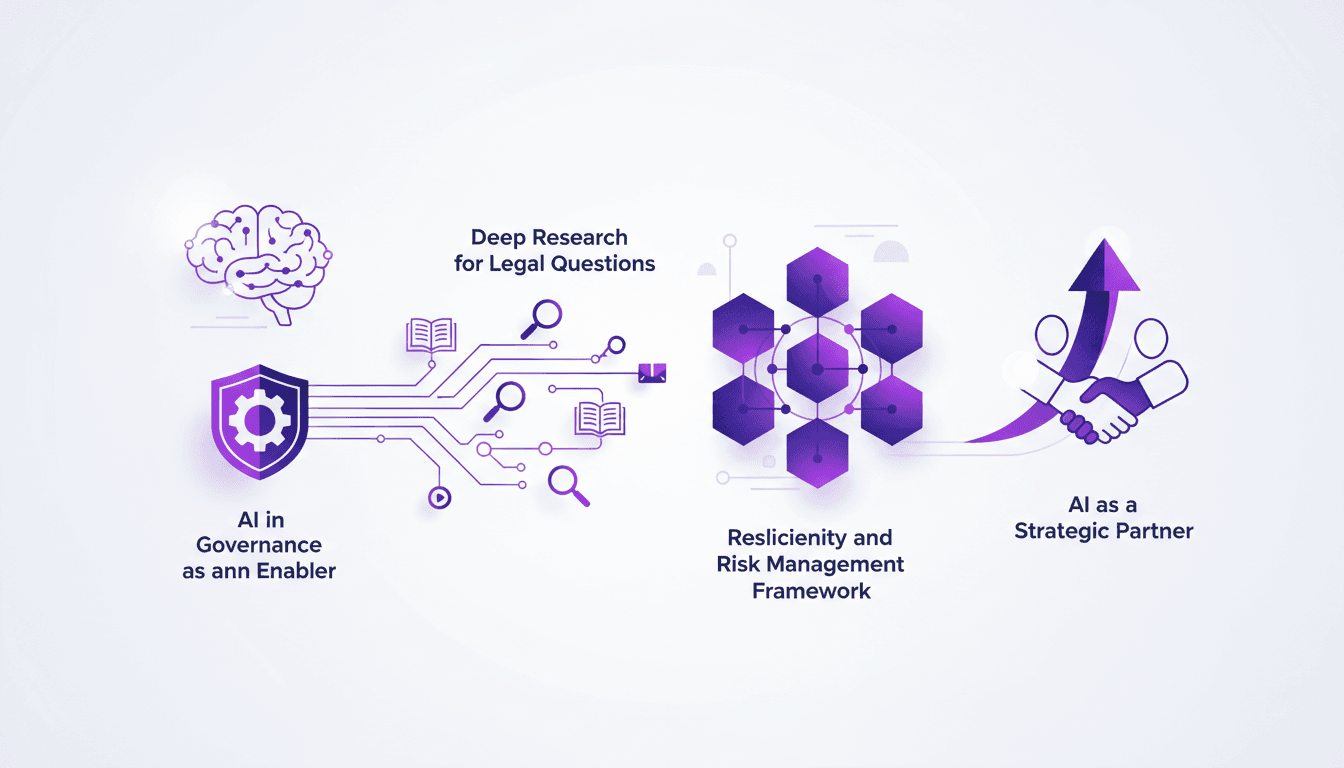
I remember the very first time we integrated AI into our legal reviews at BNY. It wasn't just about saving time (though, let's be honest, cutting down repetitive work by 75% is huge). No, it completely transformed how we approached legal complexities. AI isn't just a tool for us; it's become a strategic partner. We started by weaving it into our governance processes, then moved on to deep research for legal questions. But watch out—you need a resilient risk management framework. I'll walk you through how we orchestrated all this. And trust me, there are mistakes you don't want to make (I got burned more than once). Used wisely, AI is a real asset, but you must navigate its limits and challenges carefully.
Integrating AI into Legal Reviews
In my agency, integrating artificial intelligence into legal reviews has been a game changer. Imagine reducing review time by 75% on average! It's a leap forward we never thought possible a few years ago. But integrating AI into existing workflows is no walk in the park. First, you need to map out your exact legal needs and align AI capabilities with those specific needs. Then, there are the initial integration challenges. I remember a moment when our system refused to process certain document formats, necessitating a complete overhaul of our scanning approach.
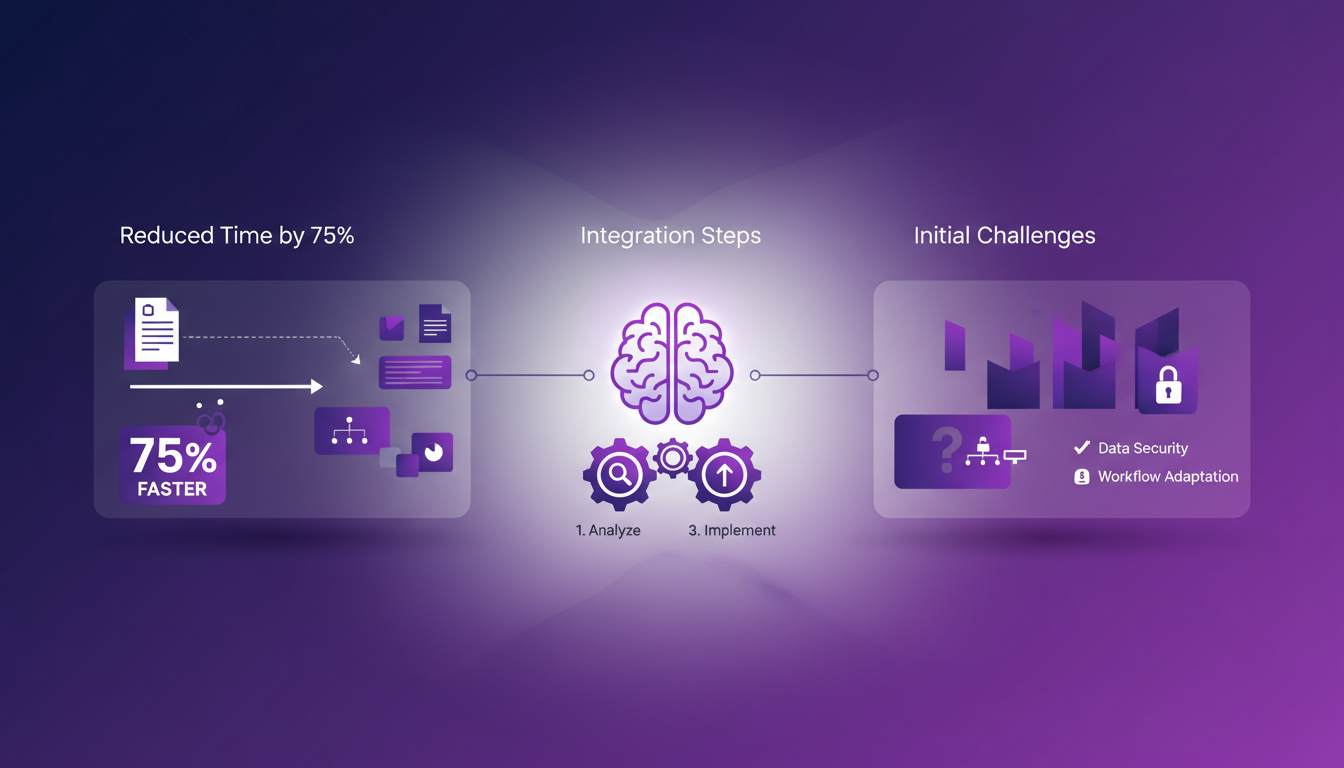
For seamless adoption, I recommend:
- Start small with a pilot project.
- Train your team to understand the tool's capabilities and limits.
- Establish clear performance indicators.
AI Governance: The Backbone of Trust
AI governance is crucial. At BNY, they've established robust governance frameworks that are anything but innovation stoppers. I recall discussions where some saw governance as a barrier. But in reality, well-orchestrated governance allows balancing innovation and compliance. I've seen firsthand how it can avoid potential pitfalls like algorithmic bias or data errors.
BNY has demonstrated that governance can be a catalyst. Their approach includes:
- Establishing responsible AI principles from the outset.
- Implementing cross-functional safeguards.
- Creating a culture of proactive compliance.
Deep Research with AI: Tackling Novel Legal Questions
Integrating AI into legal research is like having an assistant that never sleeps. For novel legal questions, AI offers a depth we couldn't reach before. I've orchestrated workflows where AI scours massive databases to extract legal insights we would never have found otherwise. But watch out, there's a trade-off between speed and depth. Sometimes, manual research remains more precise.
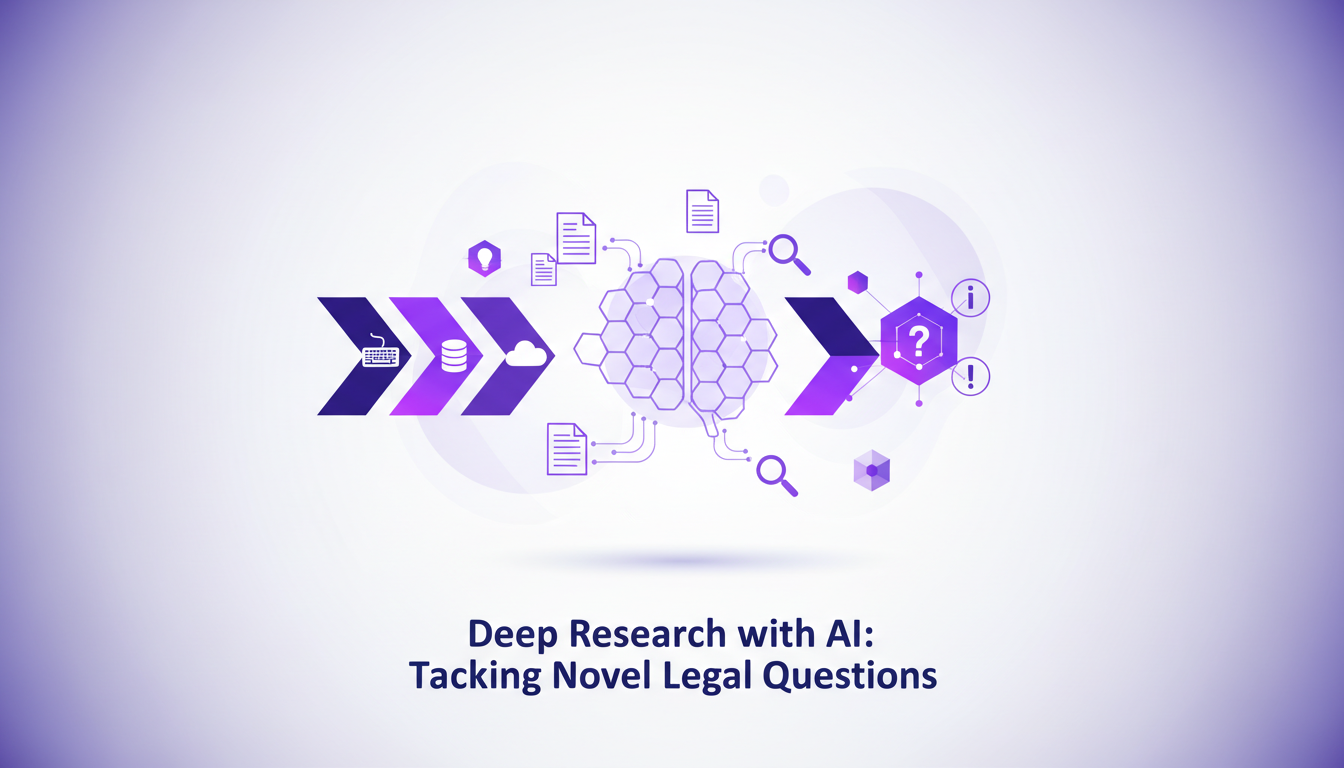
To ensure AI findings' reliability:
- Always validate results with human verification.
- Use high-quality, up-to-date data.
- Keep track of algorithm updates.
Resiliency and Risk Management Framework
Building a resilient AI framework is essential. At BNY, they've established a mature risk management framework that serves as a model. As a practitioner, I've seen how a good framework can cushion the blows of potential errors. For example, during a system outage, their framework allowed for quick recovery without critical data loss. But the balance between risk and AI's potential remains delicate.
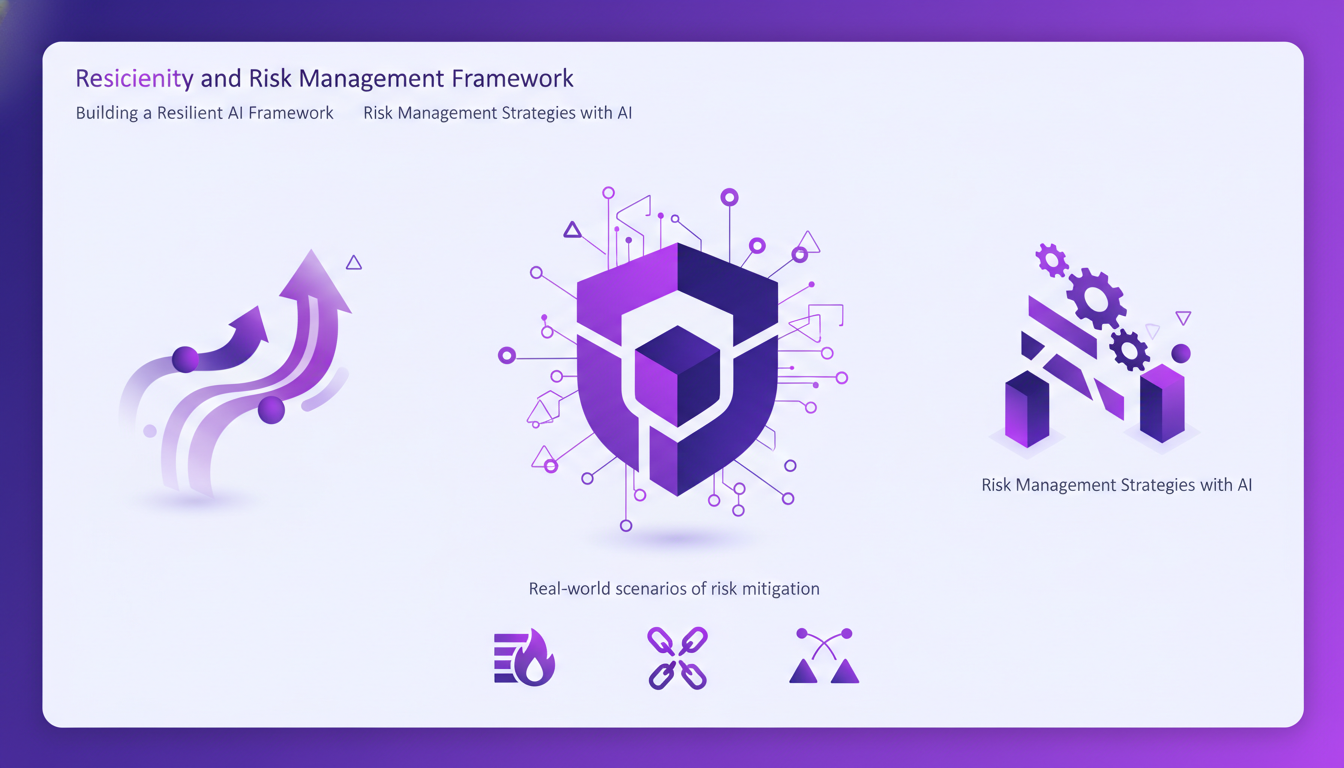
To manage risks with AI:
- Establish a continuous monitoring process.
- Adapt strategies based on feedback.
- Plan for contingencies.
AI as a Strategic Partner: Beyond Automation
AI is not just a tool; it's a strategic partner. At BNY, they've turned AI into a strategic asset, moving beyond mere automation. I've seen how strategic AI integration in legal operations has opened new opportunities. But watch out, AI has its limits. It doesn't yet replace human judgment. The key lies in orchestrating AI and human expertise for optimal results.
Looking to the future, AI will play an increasingly crucial role in the legal field. It will continue to evolve, but it's essential to stay vigilant about technological advancements to not get left behind.
In conclusion, integrating AI into the legal sector is both an opportunity and a challenge. It requires a thoughtful and strategic approach to truly benefit from it. But watch out for the limits and risks to ensure a successful adoption.
Integrating AI into BNY's legal framework wasn't just about saving time—it reshaped our entire approach to legal challenges. First, we slashed processing time by 75% on average, which is a real game changer. AI has become our strategic partner, driving efficiency and innovation in everything from governance to risk management. But be careful, you need to wrap AI inside a strong governance framework to avoid missteps.
Looking ahead, AI is not just going to stay a tool but will reshape how we think about legal questions. Ready to transform your legal processes with AI? Start by evaluating your governance framework and identifying key areas where AI can make a strategic impact. To dive deeper, I highly recommend watching the 'BNY Legal uses OpenAI' video on YouTube—it's packed with concrete insights.
Frequently Asked Questions

Thibault Le Balier
Co-fondateur & CTO
Coming from the tech startup ecosystem, Thibault has developed expertise in AI solution architecture that he now puts at the service of large companies (Atos, BNP Paribas, beta.gouv). He works on two axes: mastering AI deployments (local LLMs, MCP security) and optimizing inference costs (offloading, compression, token management).
Related Articles
Discover more articles on similar topics
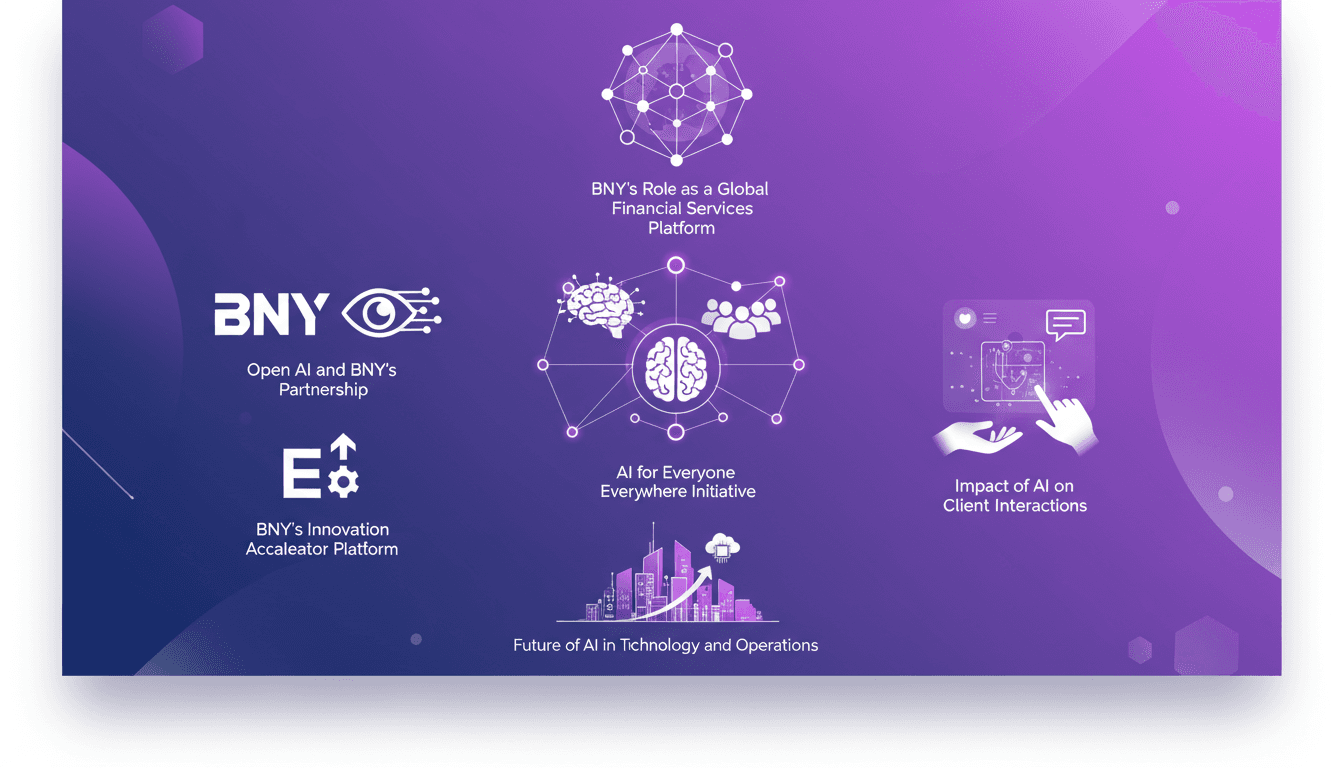
BNY and OpenAI: Transforming Finance with AI
Ever wondered how a massive financial entity like BNY manages to stay ahead in the AI game? Let me walk you through our journey, where we’re not just observers but active builders of AI solutions. With $55.8 trillion in assets under custody, we're spearheading the 'AI for Everyone, Everywhere' initiative, backed by a strong partnership with OpenAI. We've got 98% of our team trained in responsible AI and 20,000 employees who've created their own agents. I connect, I guide, I orchestrate each step to transform our interactions and operational efficiency. And it's truly a game changer.

AI in Software Engineering: Revolution or Evolution?
I've been in the trenches of software engineering long enough to know AI isn't replacing us, but it's definitely reshaping our landscape. I've plugged AI-powered low-code platforms into legacy systems, and trust me, it's a game changer. We're talking redefined workflows, the essential blend of high-code and low-code, and what this means for us engineers. If you're still running 60-year-old COBOL apps, it's time to wake up! AI isn't just theory; it's what I'm doing every day to meet evolving demands. And while automation takes over 98% of the time, knowing when and how to intervene is critical. Let's discuss how these changes affect our roles and how to stay at the cutting edge.
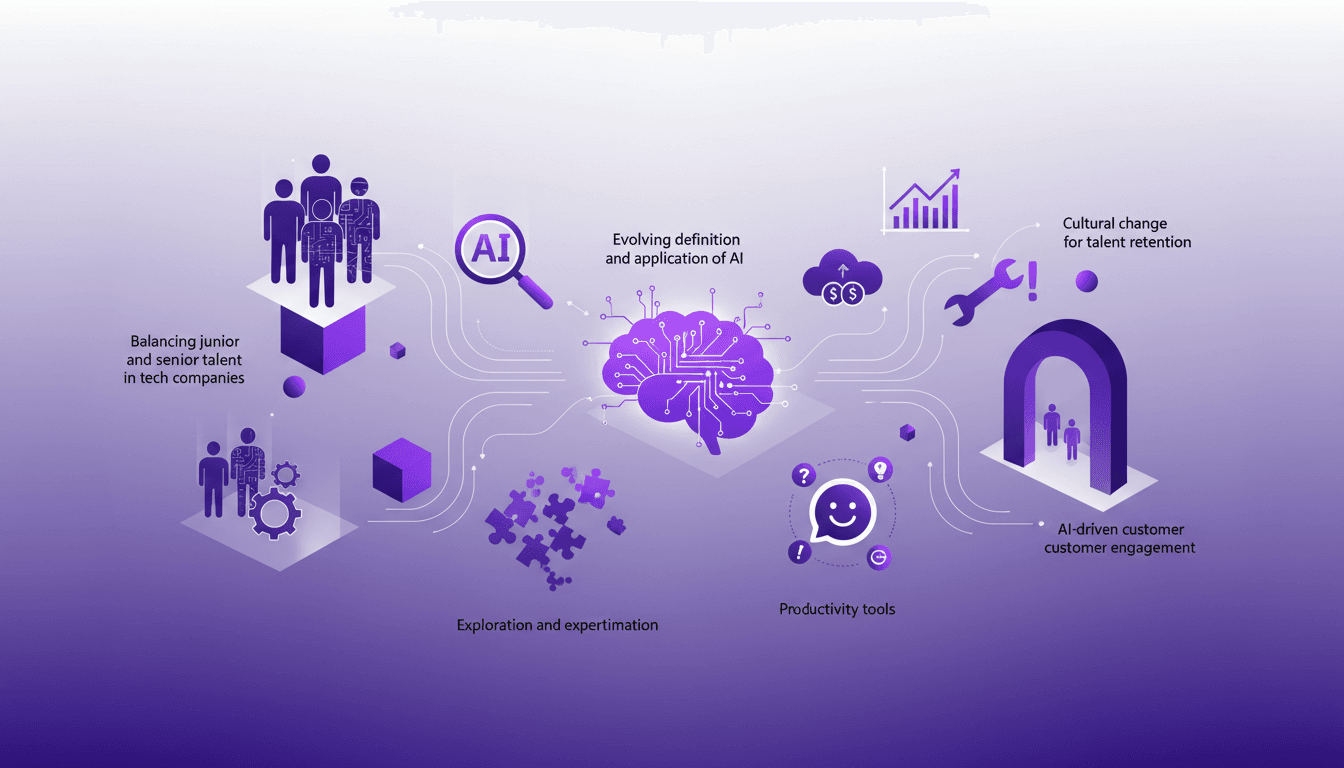
Impact of AI on Hiring Junior Engineers
I've been deep in the tech hiring trenches, and AI is shaking things up. Initially, it was just about evaluating junior engineers' skills. But then I realized it's about adapting these talents to AI-driven roles. AI isn't just a buzzword; it's redefining productivity and expectations. In this article, I dive into how AI impacts our hiring processes and the critical balance between junior and senior talent. We'll explore the practical implications, challenges, and opportunities for tech companies. Make no mistake, integrating AI into your teams is more than just adding another tool to your toolkit.
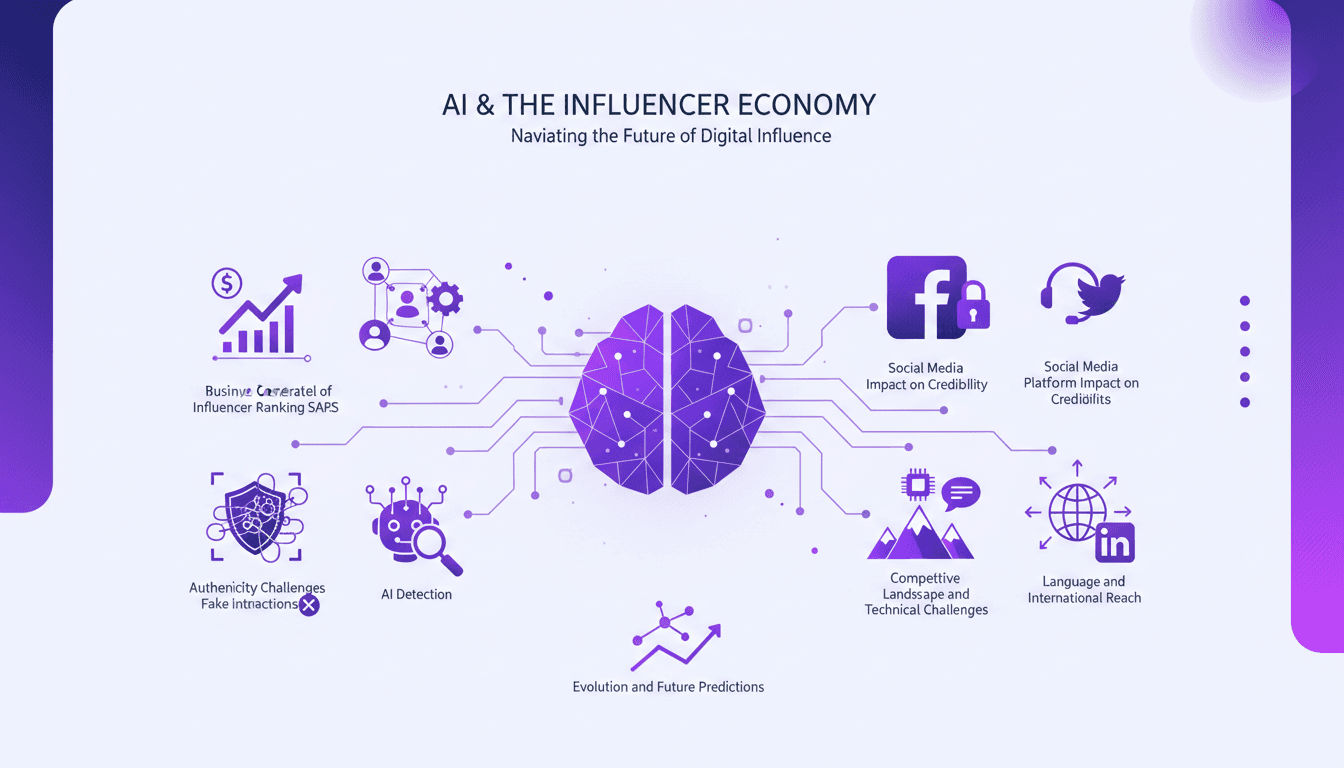
Generating €120K/Month with Influencer SaaS
I started with an idea and a laptop, and now my SaaS is pulling in €120K a month. I built an influencer ranking platform that cuts through the noise of fake engagements and delivers real value. In today's influencer marketing landscape, authenticity is king. But with fake interactions rampant, how do you build a tool that truly ranks influencers by their real impact? Here's how I tackled this challenge using AI, PLG, and a relentless focus on authenticity.
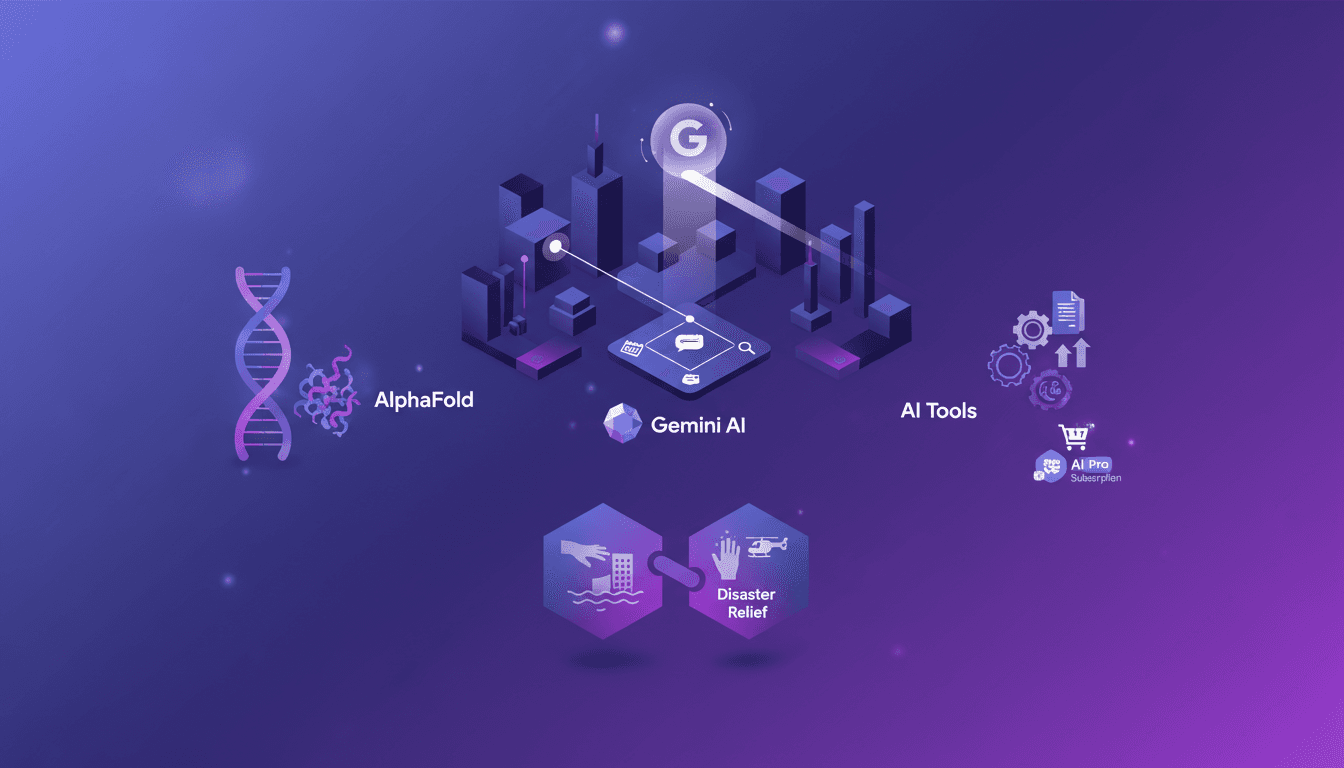
AI Innovations 2025: Gemini and Google Beam
I was at Google I/O 2025, and the buzz was palpable. As a builder, I'm always on the lookout for tools that make a real difference in my workflows. This year, Gemini AI and Google Beam caught my attention. We're not just talking about minor upgrades; these are genuine game changers. New products and subscription plans, Gemini AI's evolution, and breakthroughs in scientific research are shaking things up. AI in immersive video communication and disaster response is no longer just a promise; it's a reality. With the Ironwood TPU delivering 42.5 exaflops of compute per part, performance has skyrocketed. It's time to dive into these innovations and see how they can transform our projects in real ways.