AI Innovations 2025: Gemini and Google Beam
I was at Google I/O 2025, and the buzz was palpable. As a builder, I'm always on the lookout for tools that make a real difference in my workflows. This year, Gemini AI and Google Beam caught my attention. We're not just talking about minor upgrades; these are genuine game changers. New products and subscription plans, Gemini AI's evolution, and breakthroughs in scientific research are shaking things up. AI in immersive video communication and disaster response is no longer just a promise; it's a reality. With the Ironwood TPU delivering 42.5 exaflops of compute per part, performance has skyrocketed. It's time to dive into these innovations and see how they can transform our projects in real ways.
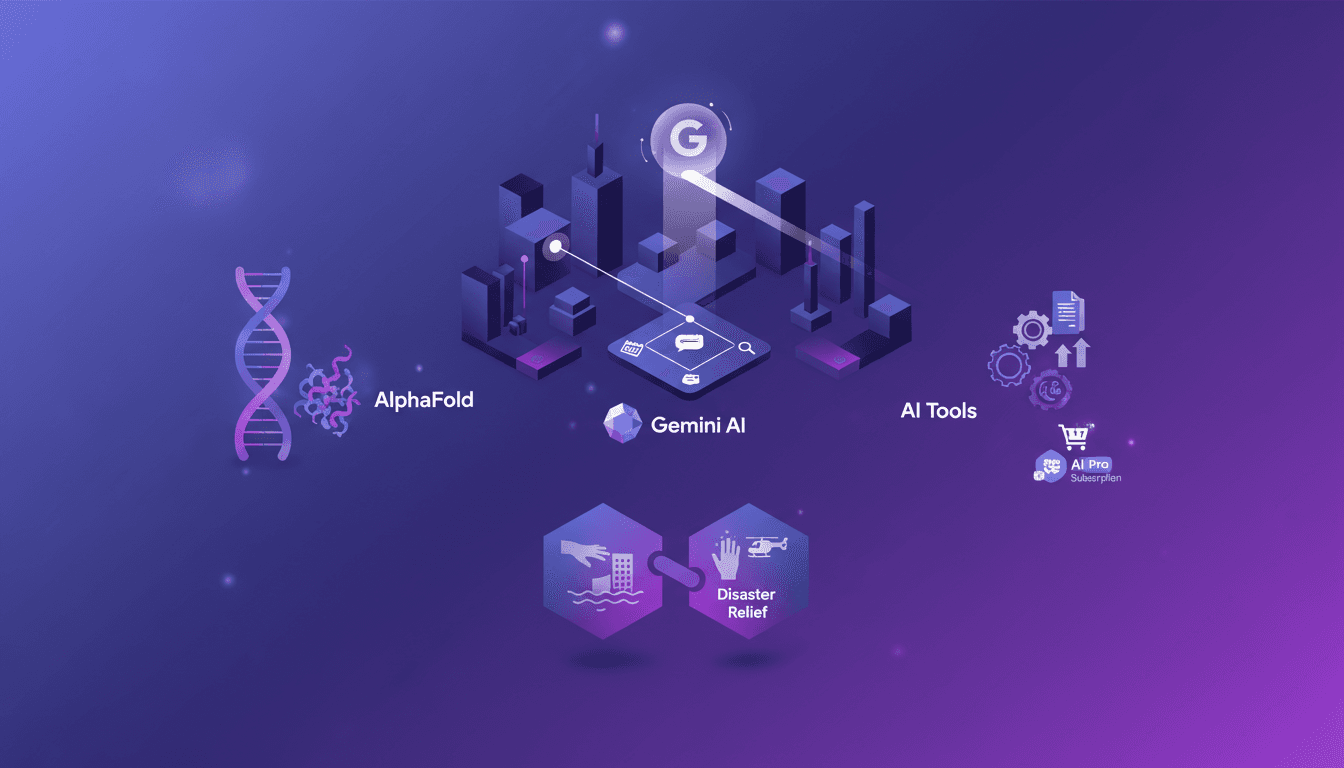
I was at Google I/O 2025, and the buzz was palpable. As a builder, I'm always on the lookout for tools that make a real difference in my workflows. This year, it was Gemini AI and Google Beam that really caught my attention. We're not just looking at minor upgrades; these are genuine game changers. Gemini AI has evolved, integrating seamlessly into everyday tasks with impressive fluidity. Google Beam's immersive video communication is a game changer for anyone in tech. And let's not forget the breakthroughs in scientific research. The impact of AI on disaster response and the new AI products is already here. The Ironwood TPU, delivering 42.5 exaflops of compute per part, is pushing performance to unprecedented levels. Dive into these advancements: this is where the future of our projects is being shaped.
Ironwood TPU: Powering the Future
The latest generation TPU, the Ironwood TPU, is set to revolutionize with a 10x performance boost over its predecessors. With its 42.5 exoflops per part, it's a computational powerhouse designed for resource-intensive tasks. Imagine orchestrating your most ambitious AI projects without fear of bottlenecks.
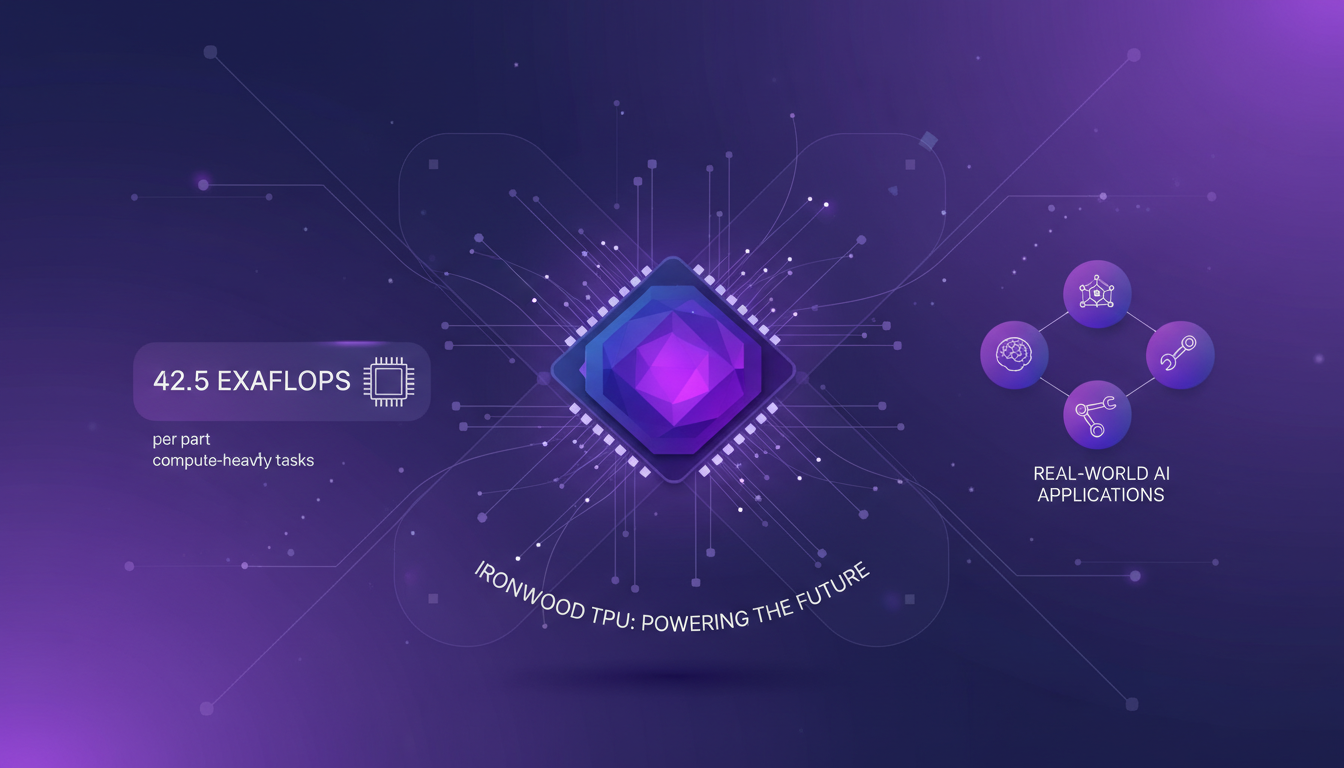
In my own projects, I integrated the Ironwood TPU into my existing environment. First, I had to adjust my workflows to harness this power. But watch out, this increase in capability comes with higher energy demands. Efficient orchestration is key to avoiding surprises on your electricity bill.
- 10x performance boost over the previous generation
- 42.5 exoflops: formidable computing power
- Real-world applications: AI, heavy machine learning
- Watch out for energy consumption
Google Beam: Redefining Communication
Recently launched, Google Beam offers an immersive 3D video communication experience, with millimeter-precise headtracking at 60 fps. I've tested this technology, and it truly transforms how we interact remotely. However, the initial setup can be challenging, especially if you don't have high bandwidth.
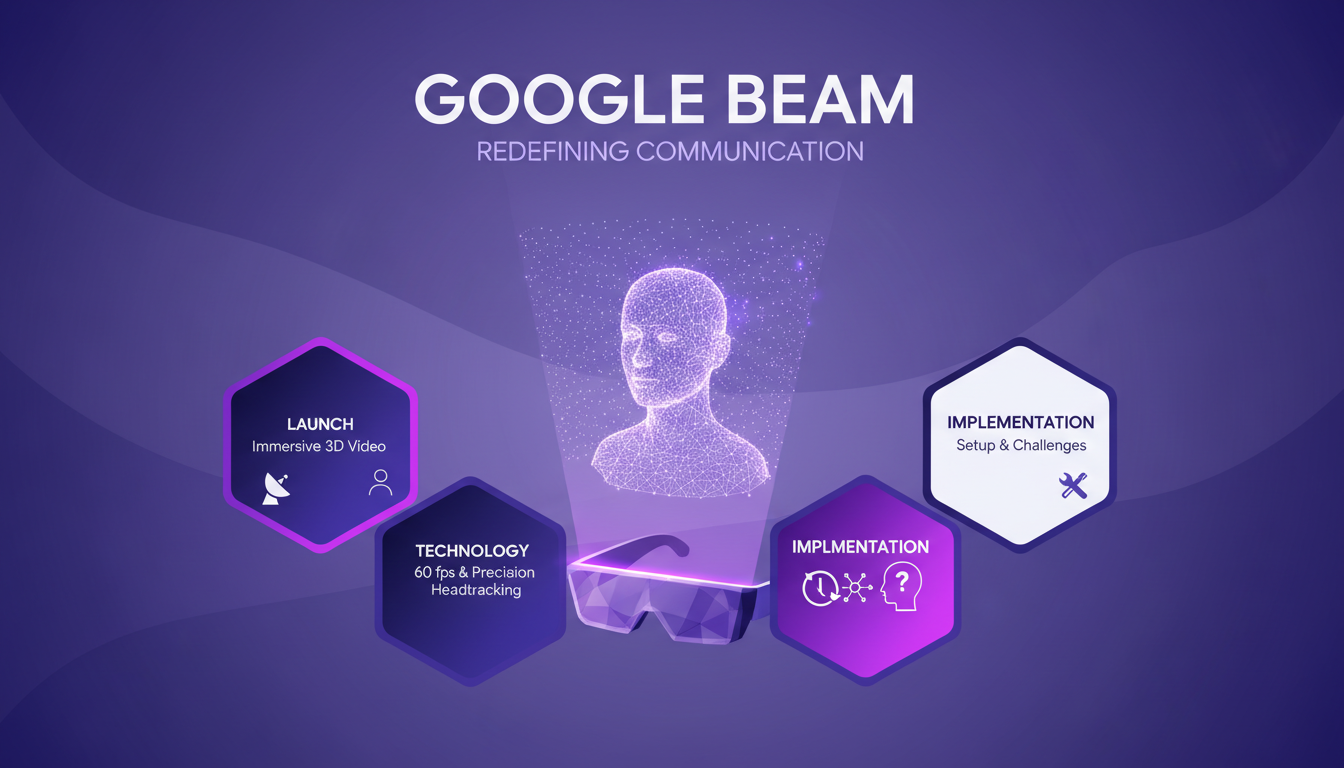
In practical use cases like virtual meetings or remote collaboration, Google Beam proves to be a major asset. But don't overuse the bandwidth-heavy features unless they are truly necessary for your project.
- 60 fps and precise headtracking
- Setup and bandwidth challenges
- Practical use: virtual meetings, collaboration
- Avoid overloading network resources unnecessarily
Gemini AI: Everyday Integration
Gemini AI seamlessly integrates into Chrome, enhancing daily tasks. The impact is notable, with ELO scores increasing by more than 300 points since the first generation of Gemini Pro. I've personally integrated Gemini AI into my daily workflows, significantly improving the efficiency of my processes.
But there are limitations, particularly in managing context limits and token usage. It's essential not to overload this tool, or you risk losing performance.
- Increase in ELO scores by over 300 points
- Integration into Chrome to facilitate tasks
- Managing context limits and token usage
- Practical tips for maximizing efficiency
AI in Scientific Research and Disaster Response
Breakthroughs by Google DeepMind with tools like AlphaFold have revolutionized scientific research. With over 2.5 million researchers using AlphaFold, the impact is clear. I've seen how AI can play a crucial role in disaster relief operations. However, it's important to balance AI capabilities with ethical considerations.
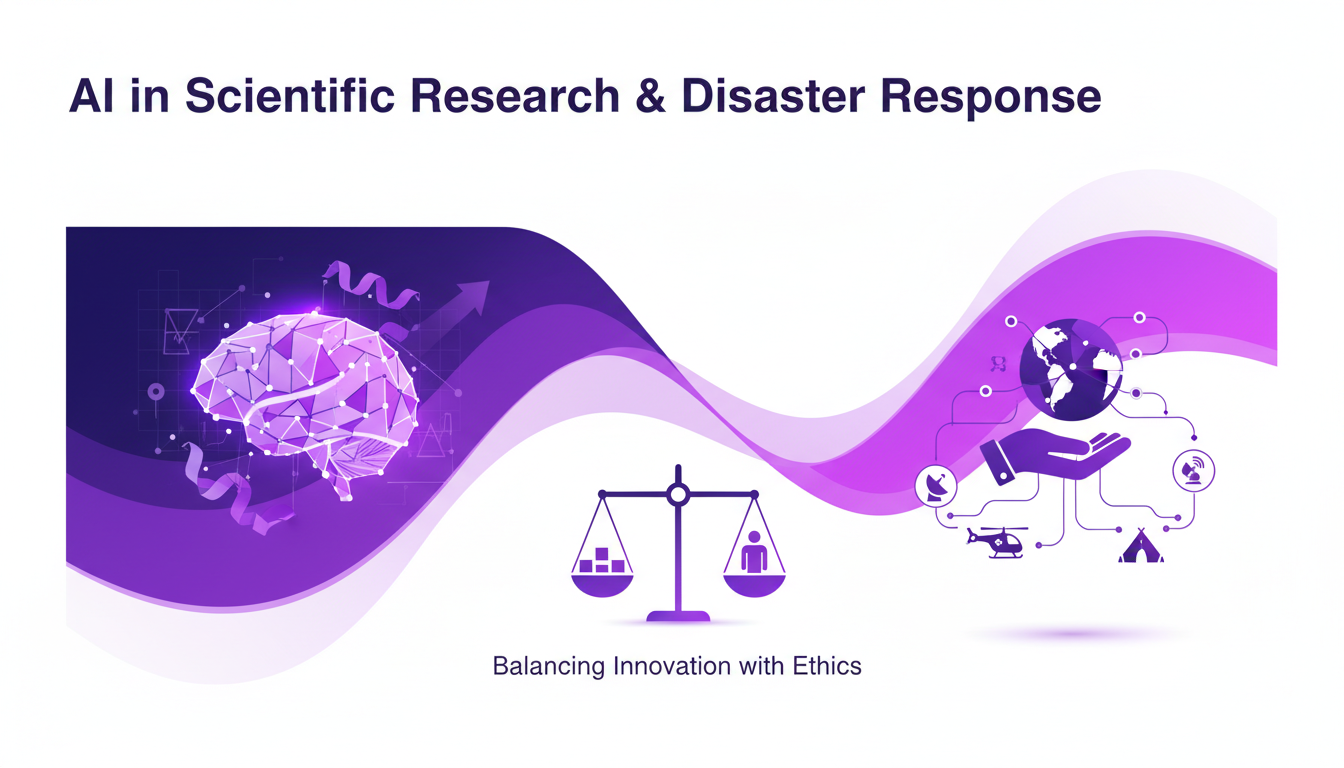
First, understand the data requirements before deploying AI strategically. Cost implications and potential funding opportunities are also aspects not to be overlooked.
- AlphaFold: standard for over 2.5 million researchers
- Practical applications in disaster relief
- Essential ethical considerations
- Understanding data requirements and strategic deployment
New AI Products and Subscription Plans
Google is introducing new AI subscription plans, and it's crucial to understand what's included to make the right choice. For my agency, I analyzed the cost versus benefits to choose the plan best suited to our needs. Watch out for overcommitting to features you don't need.
It's essential to future-proof your investment in AI tools, avoiding overcommitting on unnecessary features.
- New AI subscription plans
- Cost/benefit analysis for different user profiles
- Choosing the plan suited to the agency's needs
- Future-proofing your investment
So, Google I/O 2025 was something else. We're not just talking incremental improvements here—this is heavy stuff. The Ironwood TPU? A beast, with 42.5 exoflops per part and 10x the performance of its predecessor. You can tell Google is aiming to redefine performance standards. And Google Beam with immersive video? It's changing how we communicate. Imagine a meeting where you're truly 'present'. Then there's Gemini AI, boosting ELO scores by over 300 points since its first generation, that's insane.
Looking forward: integrating these tools into your projects could really transform productivity. But watch out, every technology has its limits, so you need to test, tweak, and continuously optimize.
Ready to take the plunge? I suggest starting to experiment with these tools. To truly grasp the scope of these innovations, watch the original video 'Gemini AI - Google I/O 2025 in 19 mins!' on YouTube. It's a goldmine for any serious builder.
Frequently Asked Questions

Thibault Le Balier
Co-fondateur & CTO
Coming from the tech startup ecosystem, Thibault has developed expertise in AI solution architecture that he now puts at the service of large companies (Atos, BNP Paribas, beta.gouv). He works on two axes: mastering AI deployments (local LLMs, MCP security) and optimizing inference costs (offloading, compression, token management).
Related Articles
Discover more articles on similar topics
AI Exploration: 10 Years of Progress, Limits
Ten years ago, I dove into AI, and things were quite different. We were barely scratching the surface of what deep learning could achieve. Fast forward to today, and I'm orchestrating AI projects that seemed like science fiction back then. This decade has seen staggering advancements—from historical AI capabilities to recent breakthroughs in text prediction. But watch out, despite these incredible strides, challenges remain and technical limits persist. In this exploration, I'll take you through the experiments, trials, and errors that have paved our path, while also gazing into the future of AI.
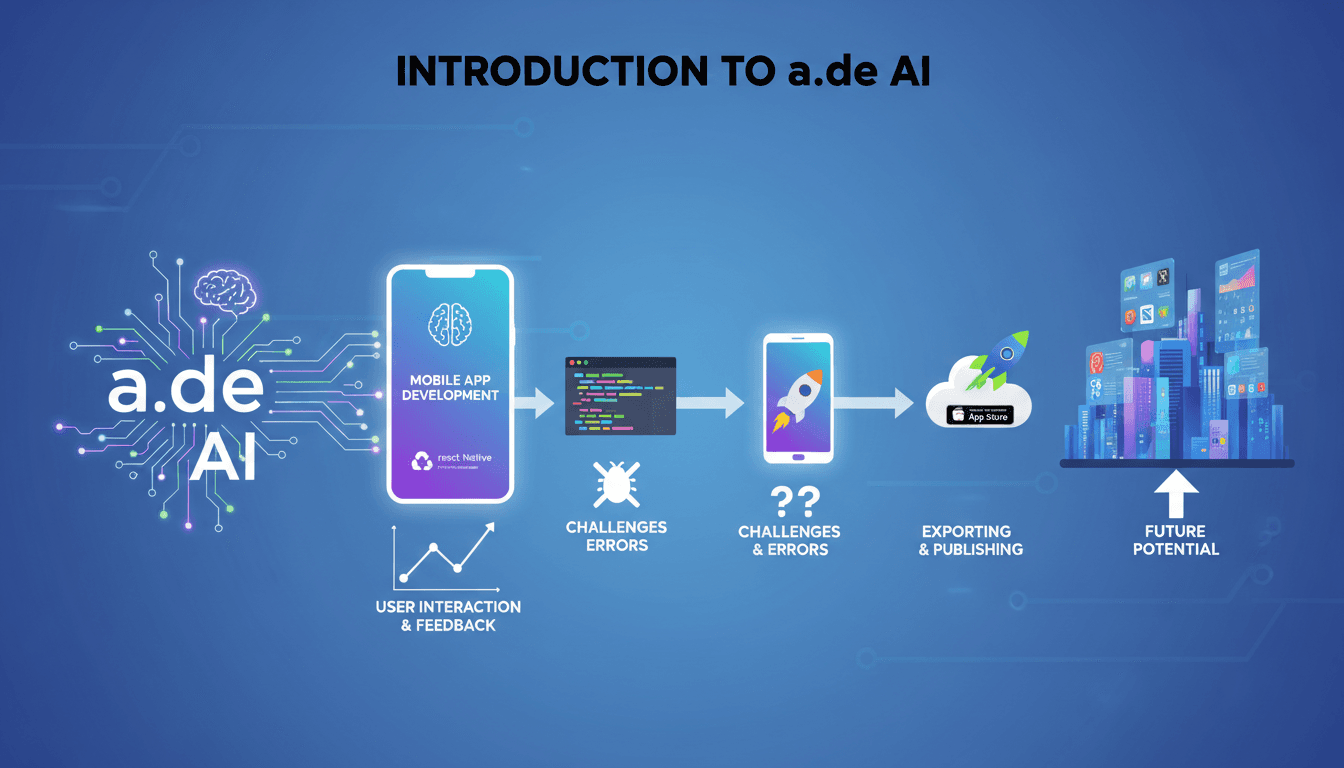
Building Mobile Apps with AI: Reality or Hype?
I dove into mobile app development with a.de AI, and let me tell you, it's a game changer—when you know how to navigate the quirks. This isn't just theory; we're building real apps using React Native and Expo, figuring out how to make AI work for us. I connect my components, orchestrate flows, but watch out for the errors along the way. Building with AI means embracing challenges, from user feedback to exporting to app stores. So, is it reality or just hype? You decide, but for me, the potential for app store publishing is real if you know what you're doing.
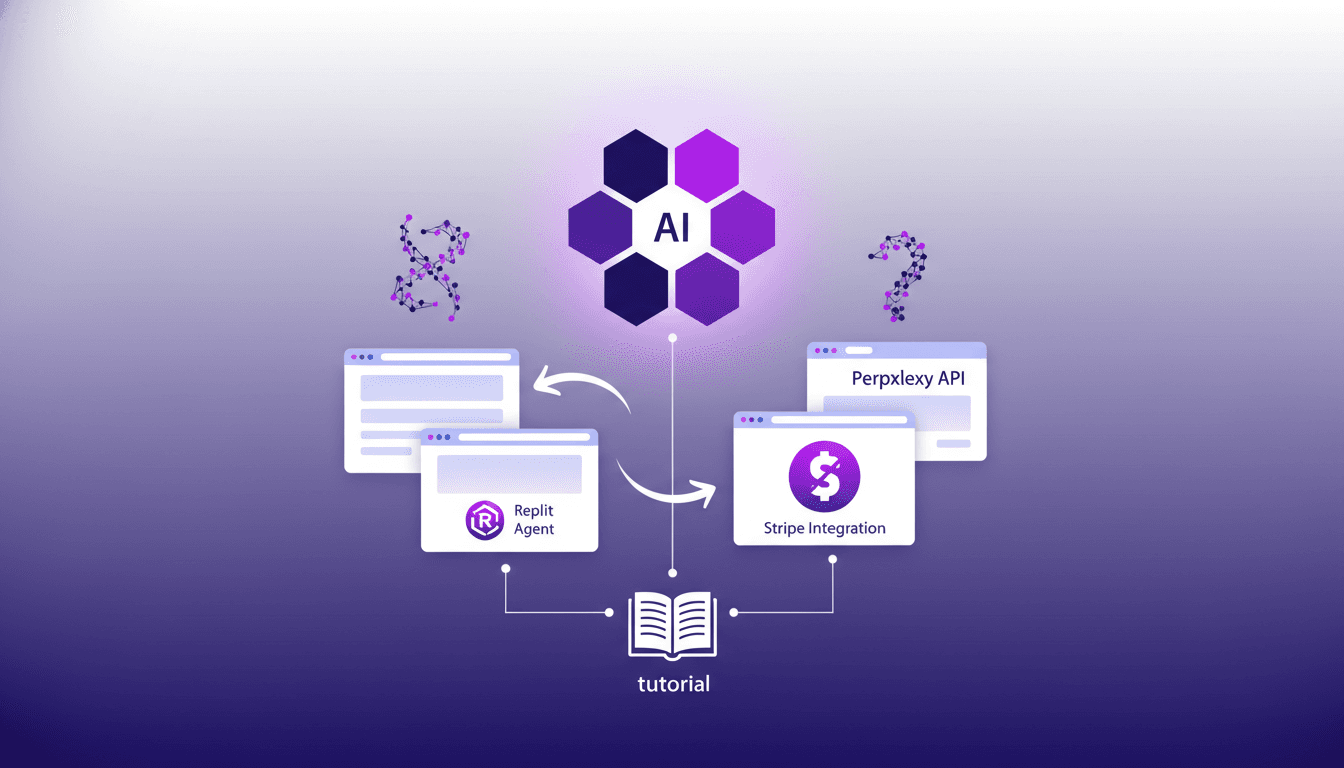
Clone Websites with AI in 2025: A Practical Guide
I remember the first time I cloned a website in under ten minutes. Yes, it was 2025, and I was using Replet Agent, an AI tool that made the process incredibly smooth. Gone were the days of relying on expensive development agencies. In this article, I'll show you how I did it. I'll guide you through integrating essential features like Stripe and encourage you to focus your energy on creation rather than technical complexities.
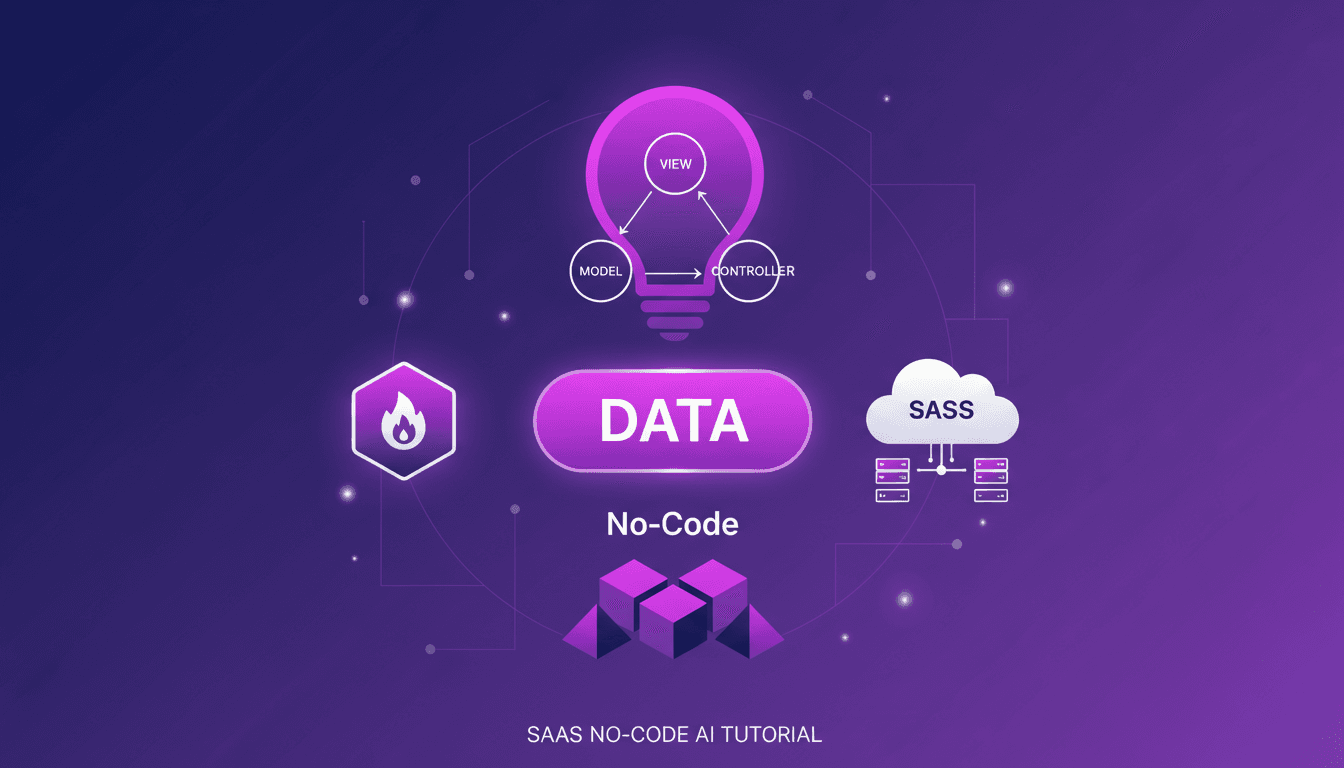
Launch SaaS Without Code Using Data Button
Ever thought launching a SaaS without writing a single line of code was a pipe dream? I did too, until I stumbled upon a game-changer: Data Button. Let me walk you through how I launched my own SaaS, integrating Firebase authentication and deploying it seamlessly, all without touching a line of code. In today's tech world where time and efficiency are crucial, this approach not only saves time but also drastically cuts costs, making it perfect for startups with limited resources. By organizing my files using the MVC design pattern and deploying directly to a custom domain, I've simplified the SaaS deployment process with AI.
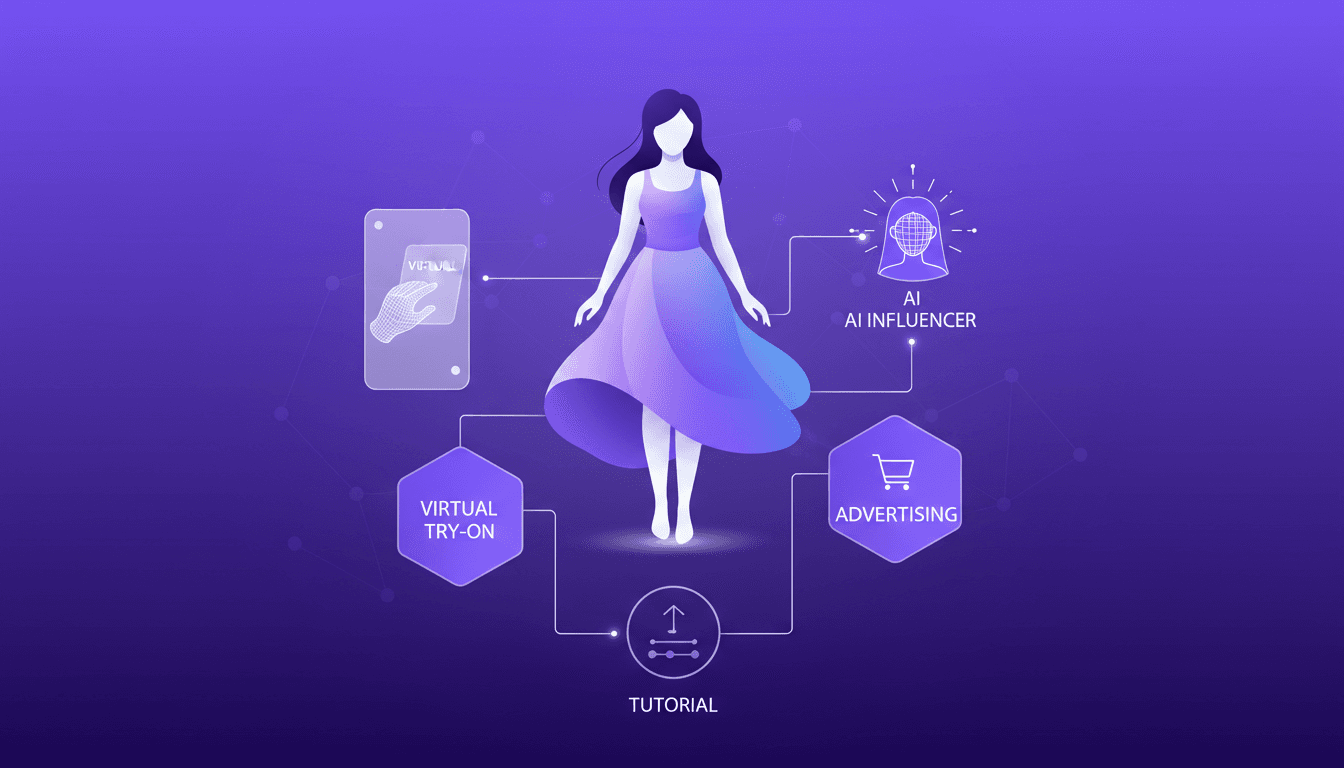
Build Your Own AI Fashion Influencer
I dove into the world of virtual try-on tech to build my own AI fashion influencer. It's like playing dress-up, but with code. First, I integrated an AI model using tools that cost less than a dollar per virtual try. Each generation takes about 40 seconds and costs just 4 cents. It's a real game changer for fashion advertising. I'll walk you through how I orchestrated everything—from model integration to cost management—and how this opens up new monetization opportunities in the industry. Don't get burned by context limits; beyond 100K tokens, it gets tricky. Ready to transform your fashion marketing approach with AI? Follow along, I'll show you how.