Launch SaaS Without Code Using Data Button
Ever thought launching a SaaS without writing a single line of code was a pipe dream? I did too, until I stumbled upon a game-changer: Data Button. Let me walk you through how I launched my own SaaS, integrating Firebase authentication and deploying it seamlessly, all without touching a line of code. In today's tech world where time and efficiency are crucial, this approach not only saves time but also drastically cuts costs, making it perfect for startups with limited resources. By organizing my files using the MVC design pattern and deploying directly to a custom domain, I've simplified the SaaS deployment process with AI.
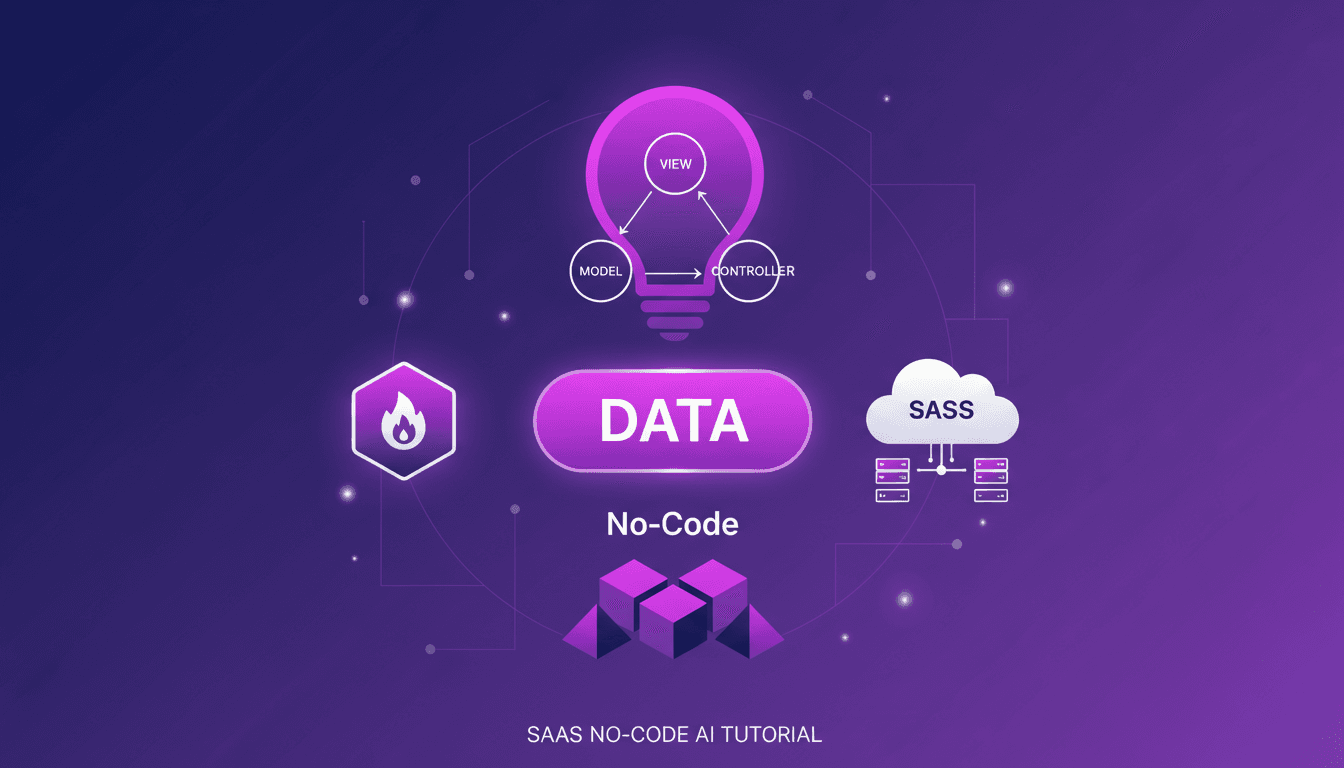
I always thought launching a SaaS without writing a single line of code was a bit of a pipe dream. Then I discovered Data Button, and everything changed. Imagine: I connect Firebase for authentication, deploy the app on a custom domain, all without touching a line of code. I got burned several times cobbling together homemade solutions, but here, I found the perfect balance between simplicity and efficiency. In a world where time is money, especially for startups with tight budgets, this method is a real asset. You save time, cut costs, and focus on what matters. I'll walk you through how I used the MVC pattern to organize my files, added two pages after enabling Firebase authentication, and deployed everything with a single click. Trust me, it's a game changer you don't want to miss.
Getting Started: The Power of Data Button
So, I stumbled upon Data Button and it's a real game-changer. Imagine launching a SaaS without writing a single line of code. Yes, with Data Button, it's possible. I was able to create a startups directory in just one click. It's perfect for non-coders. You simply define what you want (like a startups directory), and boom, it's done. But watch out, the initial setup is straightforward, but there are pitfalls to avoid. Don't overlook file organization from the get-go. If you're not careful, you'll end up with an unmanageable mess.
Integrating Firebase Authentication
Now, onto integrating Firebase Authentication. I went through it step-by-step, and it's pretty simple. You get enhanced security and easy user management. In two shakes of a lamb's tail, I added two more pages to my project. But beware, there's a balance to maintain between simplicity and control. A common mistake is misconfiguring security rules. I've been burned by making an entire database accessible by accident. Be cautious, and always double-check your configs before deploying.
Enhancing Features with MVC Design Pattern
To organize files, I used the MVC design pattern. It structures my code better and makes maintenance easier. I enhanced directory features and the UI following five suggestions from Data Button. A good tip: keep a clean architecture. But watch out, MVC has its limits. In large-scale applications, it can become a bottleneck. Make sure it fits your project before committing.
Seamless Deployment: No Manual Code Handling
Deploying my project was a one-step process. It's one of the big perks. With automated deployment, no more hassle of downloading or managing code on GitHub or Vercel. I even handled custom domains with ease. But watch out for domain configuration errors—they can be a nightmare. Double-check, especially if you're using subdomains.
Scaling Your SaaS: Simplicity and Practicality
With this solution, scalability for small teams is a breeze. For startups with 1-10 employees, it's perfect. Efficiency in orchestration and management is on point. But you need to find the right balance between simplicity and feature richness. Think about future-proofing your SaaS with AI advancements. Ensure your solution is ready to evolve over time, without becoming a burden. I've seen too many projects fail because of a codebase too complex to manage in the long run.
So, launching a SaaS without code isn't just a concept—it's something I've done with Data Button and Firebase. First takeaway: I deployed a fully functional SaaS, saving significant time and resources. Next, integrating Firebase authentication was as easy as two steps, adding strong security with minimal hassle. Finally, using the MVC design pattern kept my project organized and scalable. But watch out, scalability needs attention to avoid bottlenecks. Ready to dive in? Use Data Button, it's a real game changer for startups aiming for big impact without a big budget. And to get a deeper understanding, check out the full video—trust me, it's worth it for all the nuances.
Frequently Asked Questions

Thibault Le Balier
Co-fondateur & CTO
Coming from the tech startup ecosystem, Thibault has developed expertise in AI solution architecture that he now puts at the service of large companies (Atos, BNP Paribas, beta.gouv). He works on two axes: mastering AI deployments (local LLMs, MCP security) and optimizing inference costs (offloading, compression, token management).
Related Articles
Discover more articles on similar topics
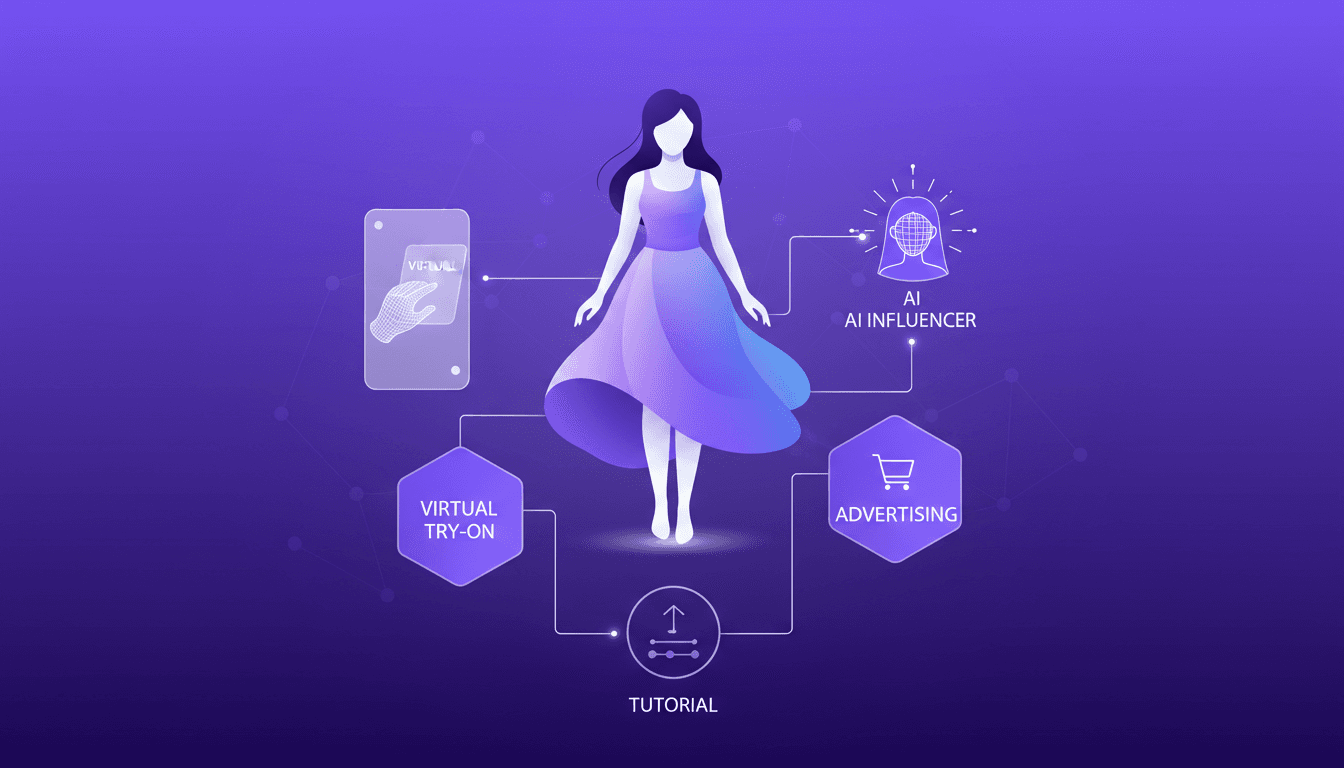
Build Your Own AI Fashion Influencer
I dove into the world of virtual try-on tech to build my own AI fashion influencer. It's like playing dress-up, but with code. First, I integrated an AI model using tools that cost less than a dollar per virtual try. Each generation takes about 40 seconds and costs just 4 cents. It's a real game changer for fashion advertising. I'll walk you through how I orchestrated everything—from model integration to cost management—and how this opens up new monetization opportunities in the industry. Don't get burned by context limits; beyond 100K tokens, it gets tricky. Ready to transform your fashion marketing approach with AI? Follow along, I'll show you how.
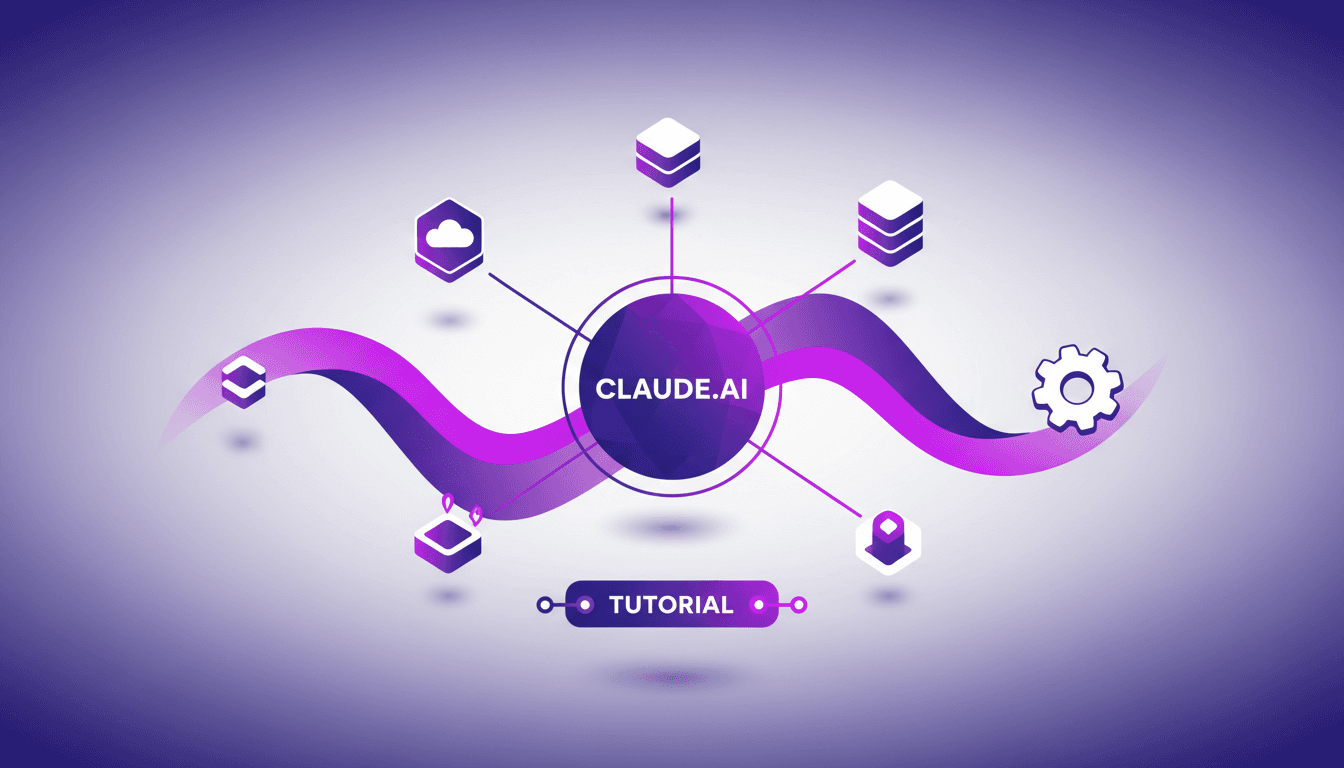
Claude.ai Connectors: Streamline Workflows
Ever hit a Friday afternoon crunch? I have, and that's when Claude.ai's connectors saved my week. These unsung heroes of automation integrate seamlessly with your digital tools, enhancing capabilities and saving precious time. Let me show you how I set them up to streamline my workflows. First, you configure the connectors in Claude.ai, then integrate them with your digital tools to automate recurring tasks. I've even used these connectors to effortlessly create product release notes. But watch out, managing security and permissions is crucial to avoid nasty surprises. Let's dive into this process that transformed my Friday afternoons.
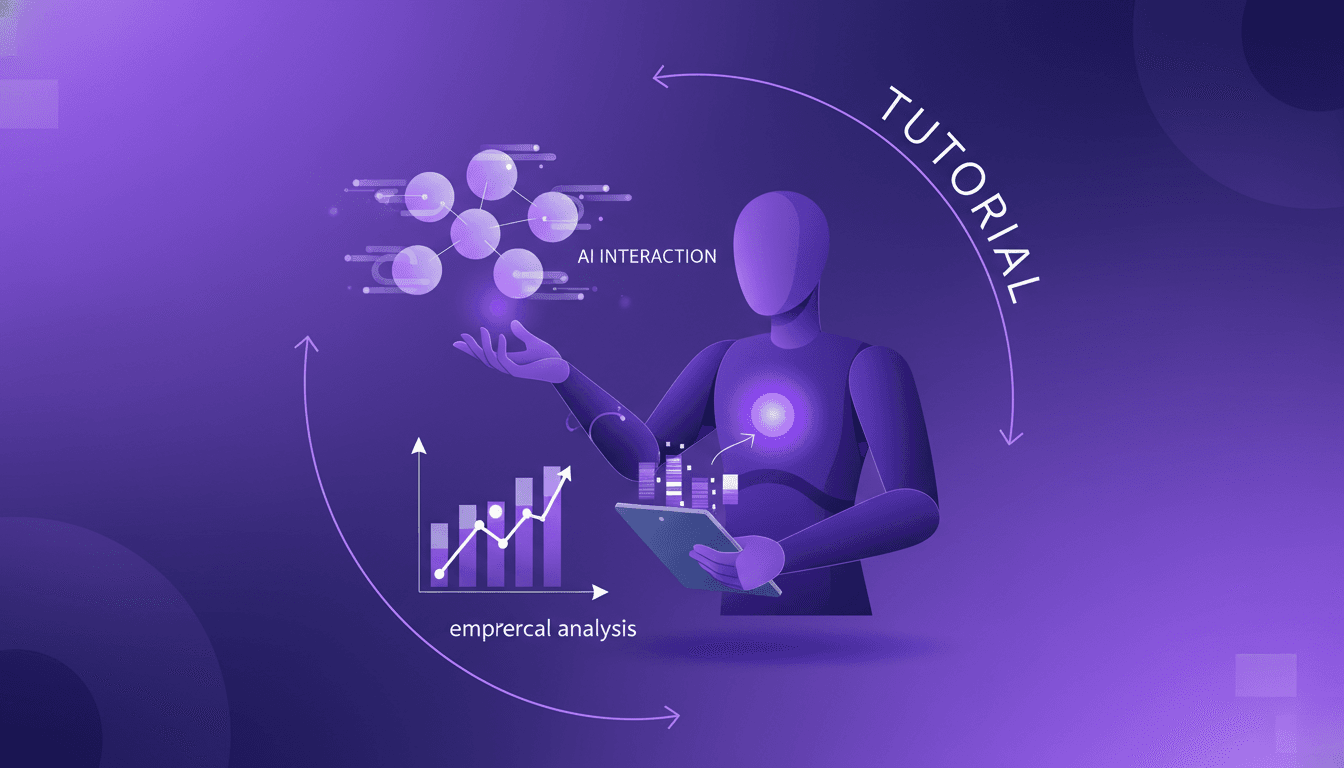
Becoming an AI Whisperer: A Practical Guide
Becoming an 'AI Whisperer' isn't just about the tech, trust me. After hundreds of hours engaging with models, I can tell you it's as much art as science. It's about diving headfirst into AI's depths, testing its limits, and learning from every quirky output. In this article, I'll take you through my journey, an empirical adventure where every AI interaction is a lesson. We'll dive into what truly being an AI Whisperer means, how I explore model depths, and why spending time talking to them is crucial. Trust me, I learned the hard way, but the results are worth it.

Integrate Claude Code with LangSmith: Tutorial
I remember the first time I tried to integrate Claude Code with LangSmith. It felt like trying to fit a square peg into a round hole. But once I cracked the setup, the efficiency gains were undeniable. In this article, I'll walk you through the integration of Claude Code with LangSmith, focusing on tracing and observability. We’ll use a practical example of retrieving real-time weather data to show how these tools work together in a real-world scenario. First, I connect Claude Code to my repo, then configure the necessary hooks. Watch out, tracing can quickly become a headache if poorly orchestrated. But when well piloted, the business impact is direct and impressive.

Building a Successful SaaS with Twitter
I kicked off with a simple idea on Twitter and turned it into a $10K/month SaaS business. Building in public isn't just a catchphrase—it's a strategy that works. Let me show you how I orchestrated this transformation, from tools used to viral content tactics, overcoming challenges, and monetization strategies. If you've ever wondered how to leverage Twitter for building a thriving business, stay with me. I break it all down, step by step, including the importance of vulnerability and authenticity. Remember: never underestimate what the platform wants—that's the key to success.