Build Your Own AI Fashion Influencer
I dove into the world of virtual try-on tech to build my own AI fashion influencer. It's like playing dress-up, but with code. First, I integrated an AI model using tools that cost less than a dollar per virtual try. Each generation takes about 40 seconds and costs just 4 cents. It's a real game changer for fashion advertising. I'll walk you through how I orchestrated everything—from model integration to cost management—and how this opens up new monetization opportunities in the industry. Don't get burned by context limits; beyond 100K tokens, it gets tricky. Ready to transform your fashion marketing approach with AI? Follow along, I'll show you how.
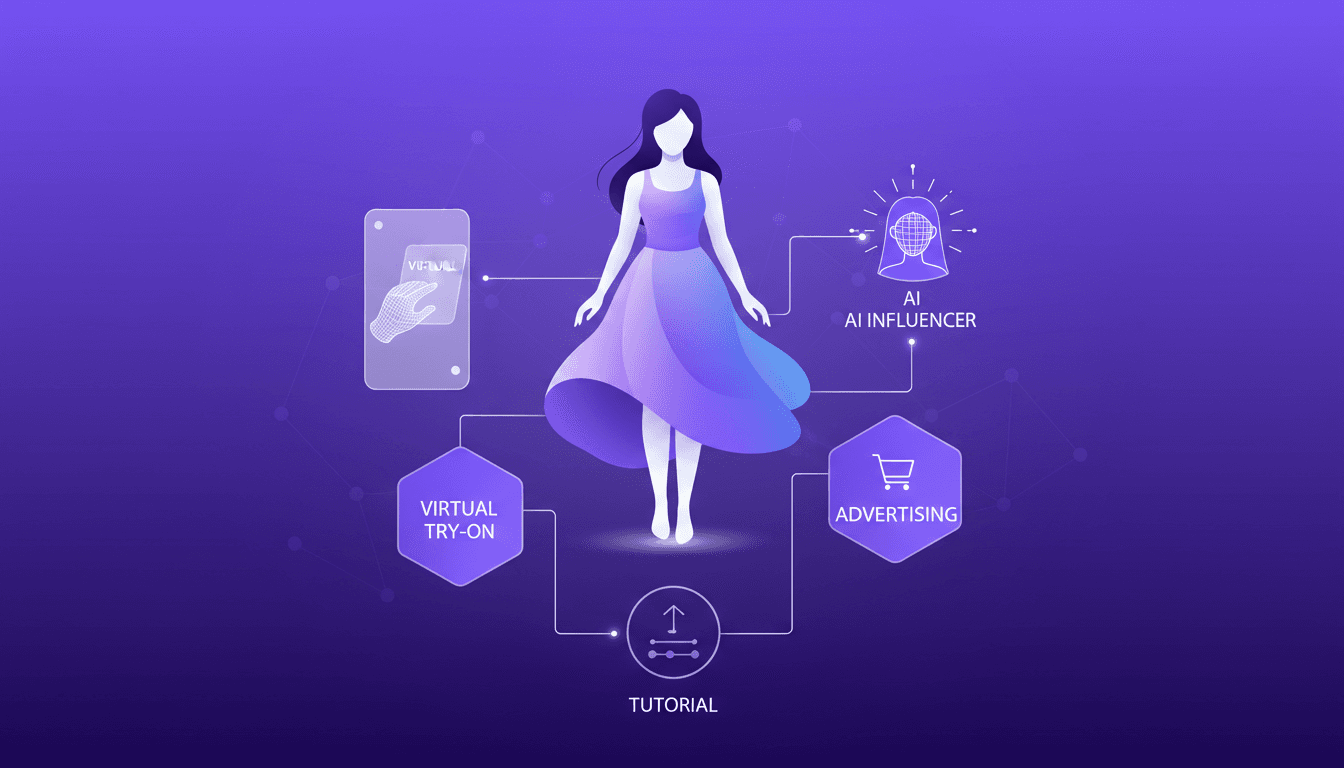
I dove into the world of virtual try-on tech to build my own AI fashion influencer. Imagine playing dress-up, but with code! First off, I connected an AI model to handle virtual dressing—for less than a dollar per try and about 4 cents each generation. It takes just 40 seconds per generation, a true feat of efficiency. But watch out, don't underestimate context limits; beyond 100K tokens, it gets tricky. This tech is transforming fashion advertising, offering unprecedented ways to engage customers and monetize designs. I'll walk you through my workflow: from AI model integration to cost management. I'll share the mistakes I made, how I overcame them, and how this approach unlocks new opportunities in the fashion industry. We'll explore together how to maximize the business impact of these tools. So, ready to revolutionize your marketing strategy with AI?
Understanding Virtual Try-On Technology
In the fashion world, virtual try-on technology is transforming how we envision advertising. This technology, using artificial intelligence (AI) to allow customers to try on clothes virtually, is a real game changer. AI is reshaping fashion advertising by integrating garment images with virtual or real models. I've personally dived into this field with the tool Tron, developed by a company called Fashion, and I can tell you it's revolutionary.
Virtual try-on allows showcasing clothes on models without the need for traditional photo shoots. This means considerable cost savings and increased customer engagement. Imagine: for less than a dollar, you can create a virtual try-on that looks as real as a photoshoot. But watch out, there are limits, especially regarding image depth and body dynamics.
"Virtual try-on using AI can revolutionize advertising by easily showcasing merchandise on virtual models or real humans."
Setting Up Your Virtual Try-On System
Let's get practical. The first step is to set up your virtual try-on system with Tron. I started by integrating AI models with fashion merchandise, and trust me, it's quite straightforward. For the demonstration, I used merchandise from Peter Levels and MKBHD. You start by selecting a model image and a garment image. Then, you merge them in Tron. This takes about 40 seconds per generation and costs approximately 4 cents.
Watch out for common pitfalls, especially during model integration. I learned the hard way that it's best to double-check image alignment and render quality. A poor integration can lead to unrealistic results.
Orchestrating Garment Changes on Models
Changing garments on virtual models needs to be done efficiently. One tip I've learned is always to consider image depth and body dynamics. This ensures the garment naturally fits the model. To manage multiple garment changes quickly, I use a batch approach. It saves time, but you have to balance quality and speed.
Be careful, if you push speed too much, you might degrade visual quality. Sometimes, it's better to slow down slightly for a more realistic render.
Monetization and Business Opportunities
Virtual try-on isn't just a fascinating technology; it's also a lucrative business opportunity. With a cost of less than a dollar per try-on, the margins can be interesting. Analyzing the costs, each generation costs about 4 cents. For me, it's a boon for brands looking to increase customer engagement.
However, beware of overestimating AI capabilities. I've seen colleagues get burned by thinking AI could do everything. That's why it's crucial to understand the technology's limits and use it wisely.
Technical Details and API Integration
For those who love diving into details, using APIs for virtual try-on is essential. The technical workflow starts with API calls leading to garment rendering. Each garment generation costs about 4 cents, and costs can quickly add up if you're not careful.
There are limits to API usage, notably in terms of scalability and cost. Sometimes, it's faster to handle certain elements locally rather than routing everything through the API. However, the API remains a powerful tool to integrate virtual try-on into commercial applications.
I hope this dive into virtual try-on technology has inspired you to explore new ways to integrate AI into your fashion strategy. For more insights, check out our guide Becoming an AI Whisperer: A Practical Guide.
So, building an AI fashion influencer isn't just a tech dream; it's a practical, cost-effective reality. I dove into virtual try-on technology, and honestly, it's transformed how I approach fashion marketing. Imagine, each generation costs less than a dollar and takes just 40 seconds. It's a game changer, but watch out for cumulative costs if you're doing mass trials.
Key takeaways:
- Mastering virtual try-on means optimizing the monetization of your fashion strategy.
- Each generation costs just 4 cents.
- The impact on fashion advertising is monumental with AI.
Looking ahead, I envision a future where AI redefines our fashion approach from A to Z. No empty promises, but a vast potential to explore.
Ready to revolutionize your fashion strategy? Dive into AI and start creating your virtual fashion influencer today. For more technical details and a deeper understanding, I highly recommend watching the full video here: Build your own AI Fashion Influencer 💥 Virtual Tryon Tutorial 💥. You won't regret it.
Frequently Asked Questions

Thibault Le Balier
Co-fondateur & CTO
Coming from the tech startup ecosystem, Thibault has developed expertise in AI solution architecture that he now puts at the service of large companies (Atos, BNP Paribas, beta.gouv). He works on two axes: mastering AI deployments (local LLMs, MCP security) and optimizing inference costs (offloading, compression, token management).
Related Articles
Discover more articles on similar topics
Becoming an AI Whisperer: A Practical Guide
Becoming an 'AI Whisperer' isn't just about the tech, trust me. After hundreds of hours engaging with models, I can tell you it's as much art as science. It's about diving headfirst into AI's depths, testing its limits, and learning from every quirky output. In this article, I'll take you through my journey, an empirical adventure where every AI interaction is a lesson. We'll dive into what truly being an AI Whisperer means, how I explore model depths, and why spending time talking to them is crucial. Trust me, I learned the hard way, but the results are worth it.

Building a Successful SaaS with Twitter
I kicked off with a simple idea on Twitter and turned it into a $10K/month SaaS business. Building in public isn't just a catchphrase—it's a strategy that works. Let me show you how I orchestrated this transformation, from tools used to viral content tactics, overcoming challenges, and monetization strategies. If you've ever wondered how to leverage Twitter for building a thriving business, stay with me. I break it all down, step by step, including the importance of vulnerability and authenticity. Remember: never underestimate what the platform wants—that's the key to success.

Clap Acquisition: Strategies and Challenges
I’ve been in the trenches of product acquisitions, and when Guillaume Moubeche took over Clap, it was more than just a business transaction. It was a masterclass in strategic pivots and technical integration. At the heart of this acquisition was a deep understanding of market dynamics and leveraging AI tools to boost sales. Let me walk you through how this unfolded and what we can learn from it. Make no mistake, this wasn’t just about adding another name to a portfolio. Challenges like remote work and complex data management were part of the deal. This is the kind of project where you realize 50% of new revenue comes from expansion each month. So, how was all this orchestrated? Let’s dive in together.
Trace OpenRouter Calls to LangSmith No-Code
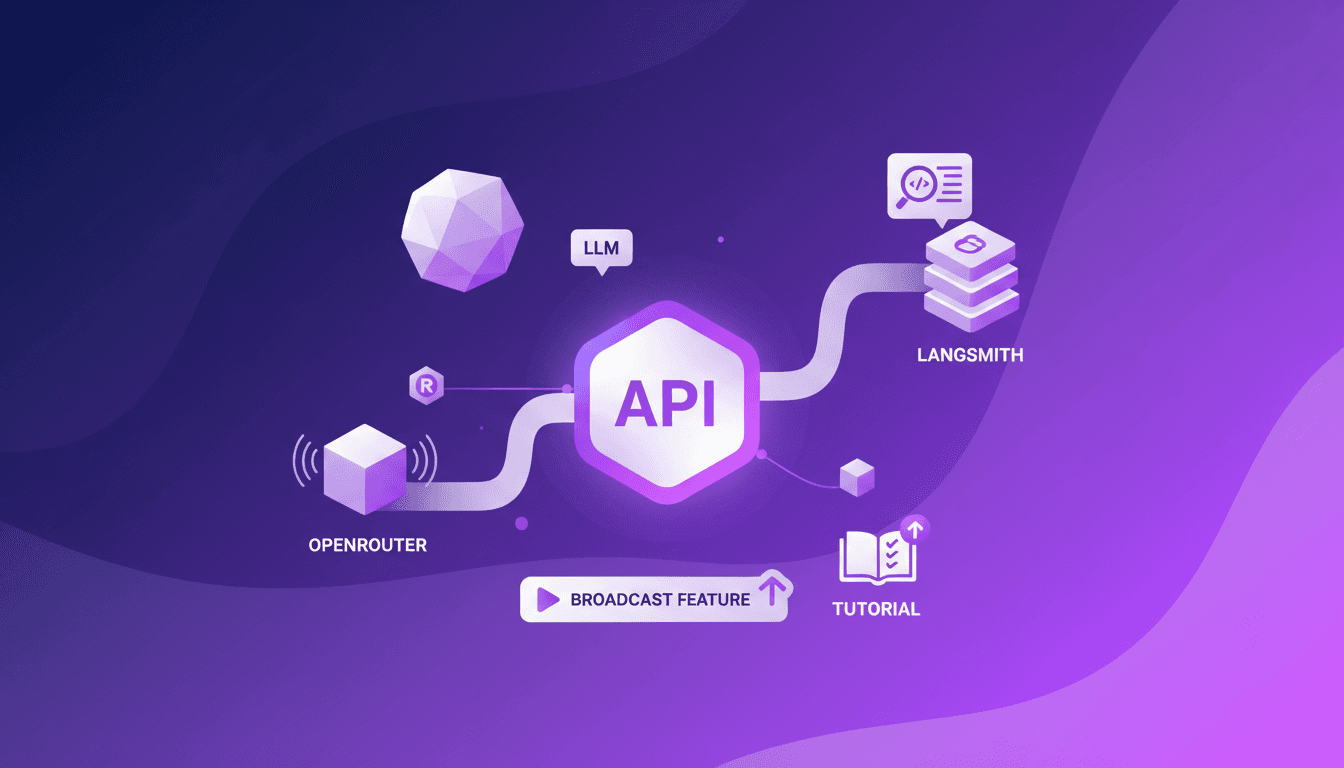
I remember the first time I tried tracing API calls without changing a single line of code. It felt impossible until OpenRouter released its new broadcast feature. I set it up with LangSmith in no time, and it was a game changer. No more hours wasted tinkering with code. I just connect OpenRouter's API, and with a few clicks, I trace calls directly to LangSmith. It's really efficient, but watch out for managing API keys and LLM costs. A practical solution for those looking to streamline their workflows without the hassle.
Claude.ai Connectors: Streamline Workflows
Ever hit a Friday afternoon crunch? I have, and that's when Claude.ai's connectors saved my week. These unsung heroes of automation integrate seamlessly with your digital tools, enhancing capabilities and saving precious time. Let me show you how I set them up to streamline my workflows. First, you configure the connectors in Claude.ai, then integrate them with your digital tools to automate recurring tasks. I've even used these connectors to effortlessly create product release notes. But watch out, managing security and permissions is crucial to avoid nasty surprises. Let's dive into this process that transformed my Friday afternoons.