AI in Microsoft Ads: Efficiency and Trust
I've been in the trenches with Microsoft Advertising for over two years, and let me tell you, AI isn't just a buzzword—it's revolutionized our approach to digital ads. I've experimented with Conversational AI and piloted brand agents; the journey has been anything but straightforward. The impact is undeniable: some retailers have seen conversion rates double or triple thanks to these agents. But watch out, with such power comes the responsibility to balance trust and responsible execution. Let's dive into how this transformation is reshaping the advertising landscape.
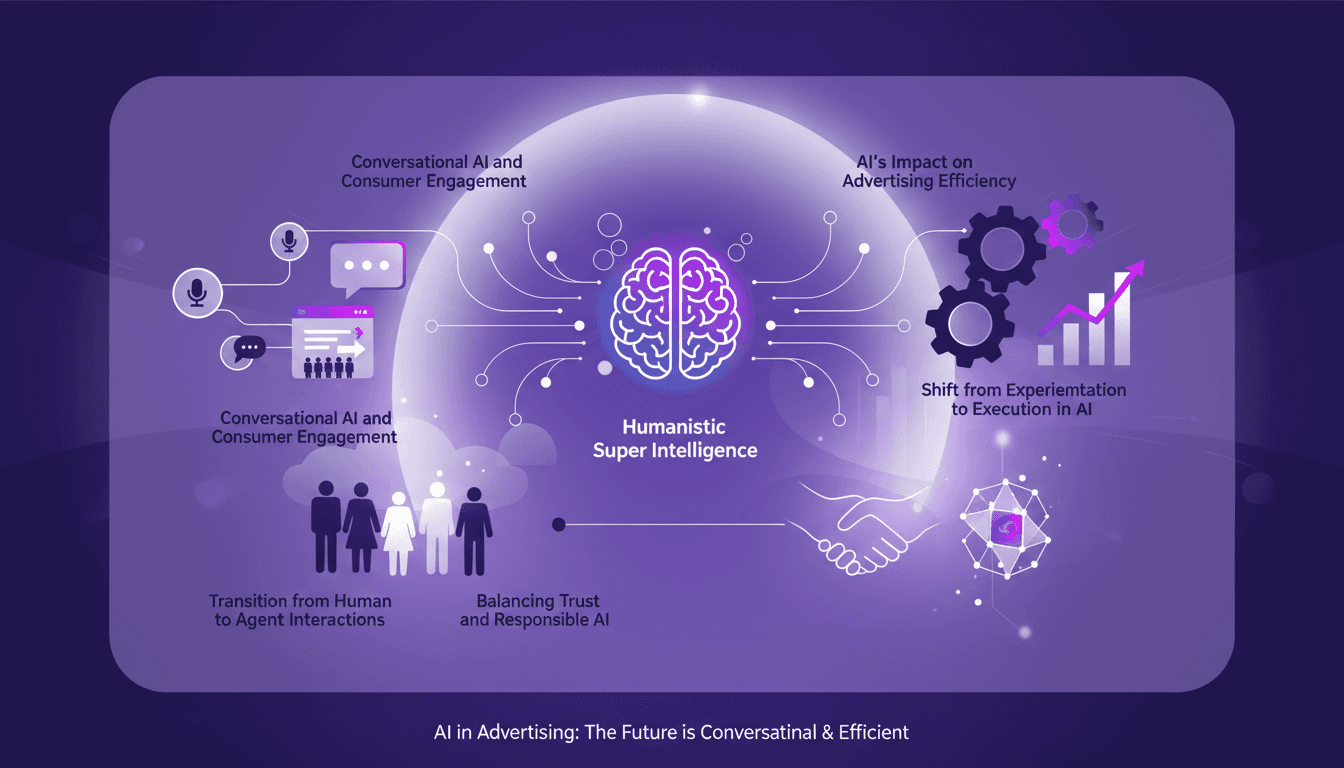
I've been deep in the trenches with Microsoft Advertising for more than two years now, and AI isn't just a buzzword—it's revolutionized the way we approach digital ads. From my early experiments with Conversational AI to piloting brand agents, the journey has been anything but linear. Picture this: some retailers have seen their conversion rates double or even triple when using these brand agents. Why? Because AI enables richer, more engaging interactions, but it's not without its challenges. Balancing consumer trust with responsible AI is crucial, and Microsoft is at the forefront, integrating AI to boost efficiency and engagement. But watch out, it's easy to get burned if you don't pilot these tools carefully. So, where are we now? How is AI redefining this landscape and where is it taking us next? Let's dive into this fascinating transformation.
AI's Role in Microsoft Advertising: A Game Changer
I've been in the advertising game for a while, and I have to say, Microsoft's integration of AI over the past two years has been a real game changer. Picture this: you're running a campaign, and suddenly, everything becomes smoother thanks to tools you never imagined. That's AI at work.
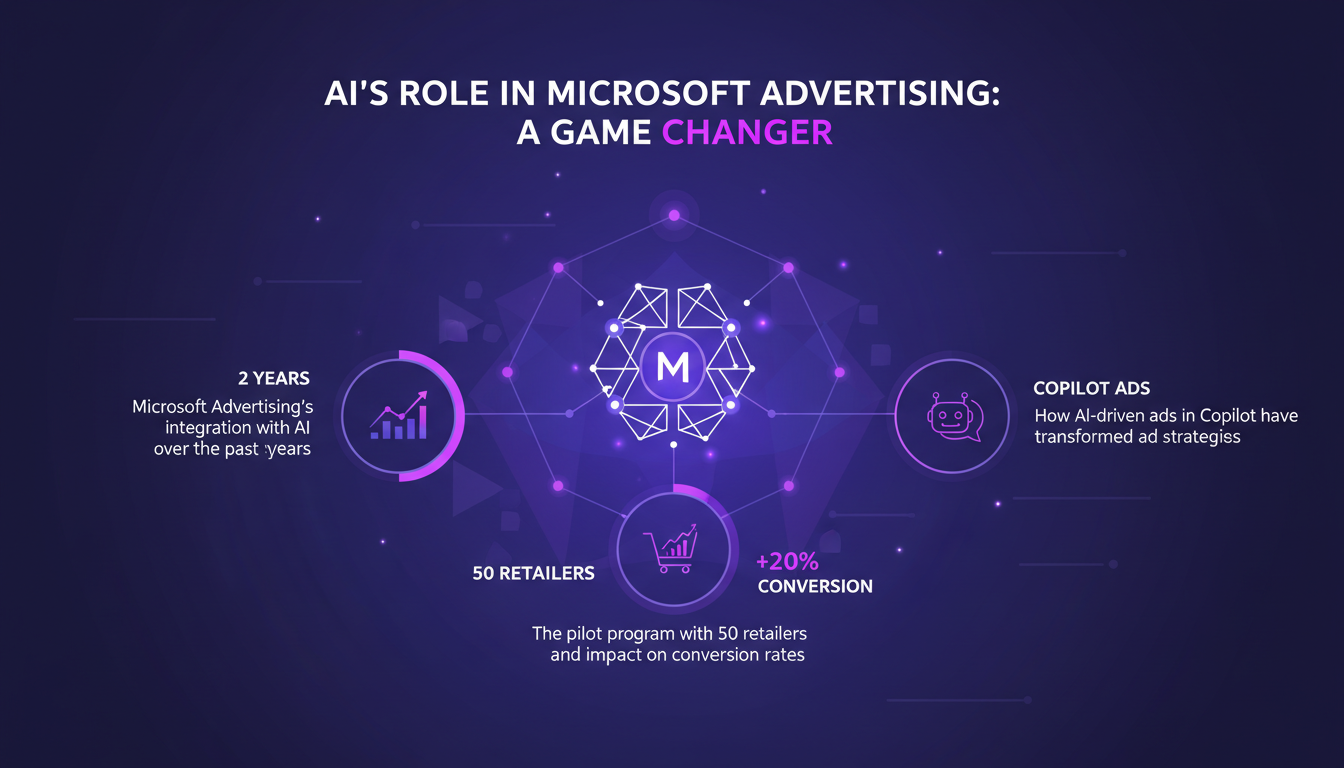
In 2023, Microsoft launched a pilot program with 50 retailers. The results? Some retailers saw a 2 to 3x increase in conversion rates when consumers interacted via brand agents. That's significant. And it's not just a technical improvement; it's a strategic advertising shift.
What makes this possible is the focus on efficiency and reducing friction. No more spending hours fine-tuning every detail; AI handles it, giving you more time for strategic tasks. But watch out, you need to know how to orchestrate these tools to avoid nasty surprises.
Understanding Humanistic Super Intelligence
Let's dive into humanistic super intelligence. It's a concept Microsoft is championing, where humans are at the core of AI. The idea is to create a more natural interaction between the user and advertising, one that doesn't just automate but enriches the user experience.
In real-world terms, this means ads are not just linguistically but culturally adapted, allowing deeper consumer connections. But don't forget the limits: relying too heavily on AI can lead to disconnections if we don't keep the human perspective in mind.
"AI is not here to replace, but to enrich human interactions."
Concrete examples from Microsoft show this approach is already in action, with thousands of ad versions tailored to various markets. But vigilance is needed to not lose the human touch in this intricate process.
Conversational AI: Enhancing Consumer Engagement
Conversational AI is the future of consumer engagement. I've seen brands that, thanks to these agents, have increased conversion rates impressively. Consumers want interactions that feel more like a conversation than a transaction.
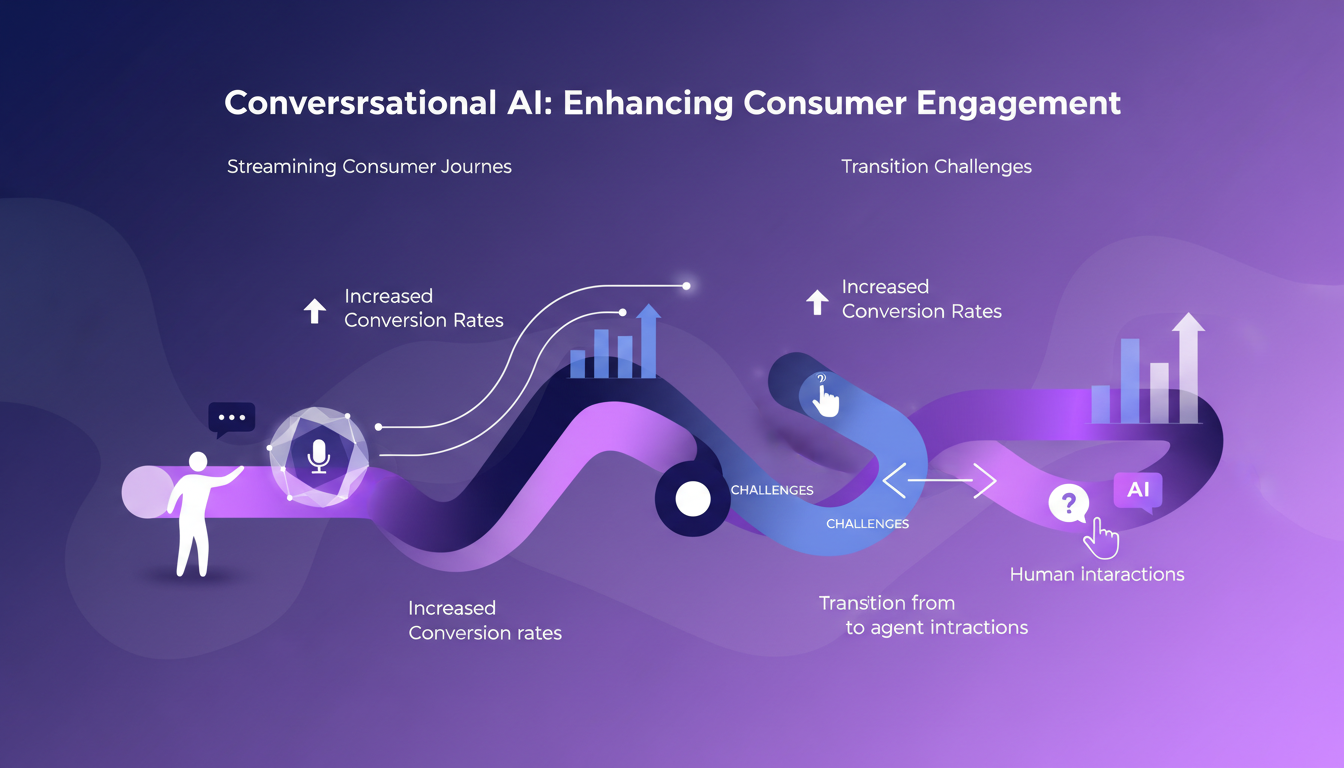
However, the transition from human to agent interactions is not without challenges. You must find the right balance between personalization and automation. Over-automation can make the experience impersonal, while excessive personalization can slow down the process. It's about juggling these elements to optimize the user experience.
Balancing Trust and Responsible AI in Advertising
With all this technology, trust remains crucial. Users need to know that even though AI is in the mix, their data is protected and used ethically. Microsoft emphasizes responsible AI, and it's essential for maintaining consumer trust.
Some strategies I've seen work include transparency about how AI is used and ongoing efforts to educate consumers. But beware, pitfalls exist: insufficient information or too much opacity can quickly erode this precious trust.
From Experimentation to Execution: AI's Evolution
Finally, AI is moving from experimentation to practical execution. At Microsoft, the lessons learned from pilot programs are crucial. As a practitioner, seeing this transition is fascinating: we move from a learning phase to one where AI solves real business challenges.

Looking to the future, especially towards CES 2026, it's crucial to prepare for an agentic future in advertising. This means continually adapting and keeping in mind that AI should always serve the human, not the other way around.
What I've learned is to be flexible, ready to adjust strategies, and above all, never lose sight that AI is a tool, not a magic bullet.
In summary:
- AI in Microsoft Advertising has transformed strategies with a focus on efficiency.
- Humanistic super intelligence places humans at the core of AI.
- Conversational AI enhances consumer engagement but requires balance.
- Ethics and trust are essential in AI usage.
- AI is evolving towards practical execution, solving real challenges.
First off, the numbers are compelling: Microsoft Advertising has seen conversion rates double or even triple with the brand agent pilot. Over two years, 50 retailers have jumped on board, and the results are clear. But remember, while AI is a game changer, it comes with its own limits and ethical concerns. The impact on consumer engagement is undeniable, but always keep a humanistic approach in mind. Then, innovation must be balanced with responsibility. I suggest starting small, experimenting, and learning from industry leaders. The future is agentic, and it's time to gear up. For a deeper dive and direct insights, don't miss the original video "@MicrosoftAdvertising: AI, Trust, and the Transformation of Digital Ads" on YouTube.
Frequently Asked Questions

Thibault Le Balier
Co-fondateur & CTO
Coming from the tech startup ecosystem, Thibault has developed expertise in AI solution architecture that he now puts at the service of large companies (Atos, BNP Paribas, beta.gouv). He works on two axes: mastering AI deployments (local LLMs, MCP security) and optimizing inference costs (offloading, compression, token management).
Related Articles
Discover more articles on similar topics

Boosting Ad Measurement with AI and Trust
I remember the first time I realized the chaos in digital advertising metrics. It was a mess of false positives and wasted impressions. That's when I knew a change was needed. Partnering with IAS and Mastercard, I saw firsthand how we could rebuild trust through independent verification and precision. In the rapidly evolving advertising landscape, trust and precision are paramount. This article delves into how AI, scale, and transparency can transform advertising effectiveness, particularly in the realm of CTV. It covers building trust through independent verification and measurement, the role of AI in reducing false positives, the importance of scale and precision in processing ad data, and ethical AI practices.
AI in Legal Reviews: BNY's Practical Approach
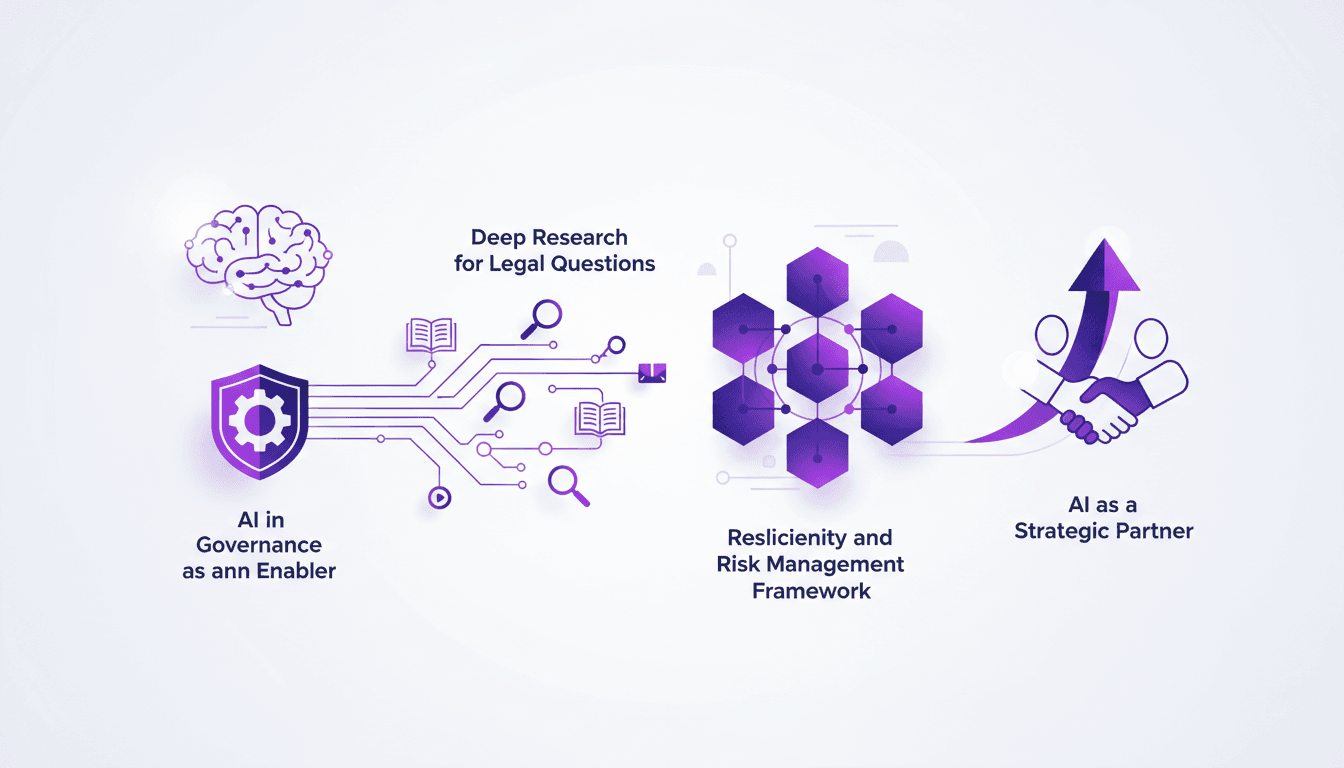
I vividly remember the first time we integrated AI into our legal reviews at BNY. It wasn't just about speeding things up—it was a game changer in how we tackled legal complexities. We cut down repetitive task time by 75%, allowing us to focus on strategy and governance. AI became more than a tool; it became a strategic partner. I'll walk you through our process, from orchestrating deep research to managing risks. Watch out, though—there are pitfalls along the way, but the results are worth it.
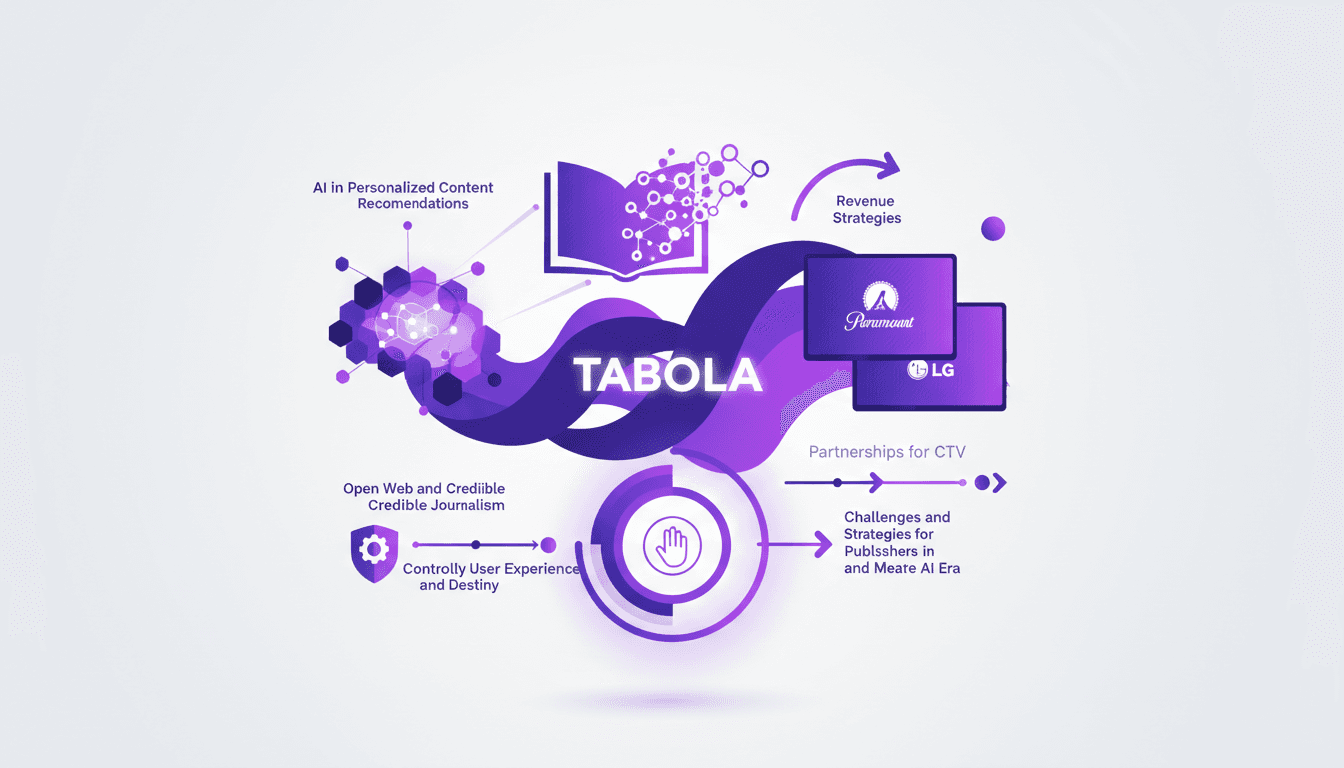
Taboola's CTV Move: Redefining Performance Advertising
I remember the first time I realized just how powerful AI could be in advertising. It was like flipping a switch—everything clicked. That's exactly what Taboola is doing with CTV and performance marketing. They're not just playing the game; they're setting the rules. With over 600 million interactions daily, Taboola aims to become the fourth pillar in performance advertising. Their strategy? Harnessing AI to tailor content and leveraging partnerships with media giants like Paramount and LG. Let's dive into how they're orchestrating this shift and what it means for the industry.
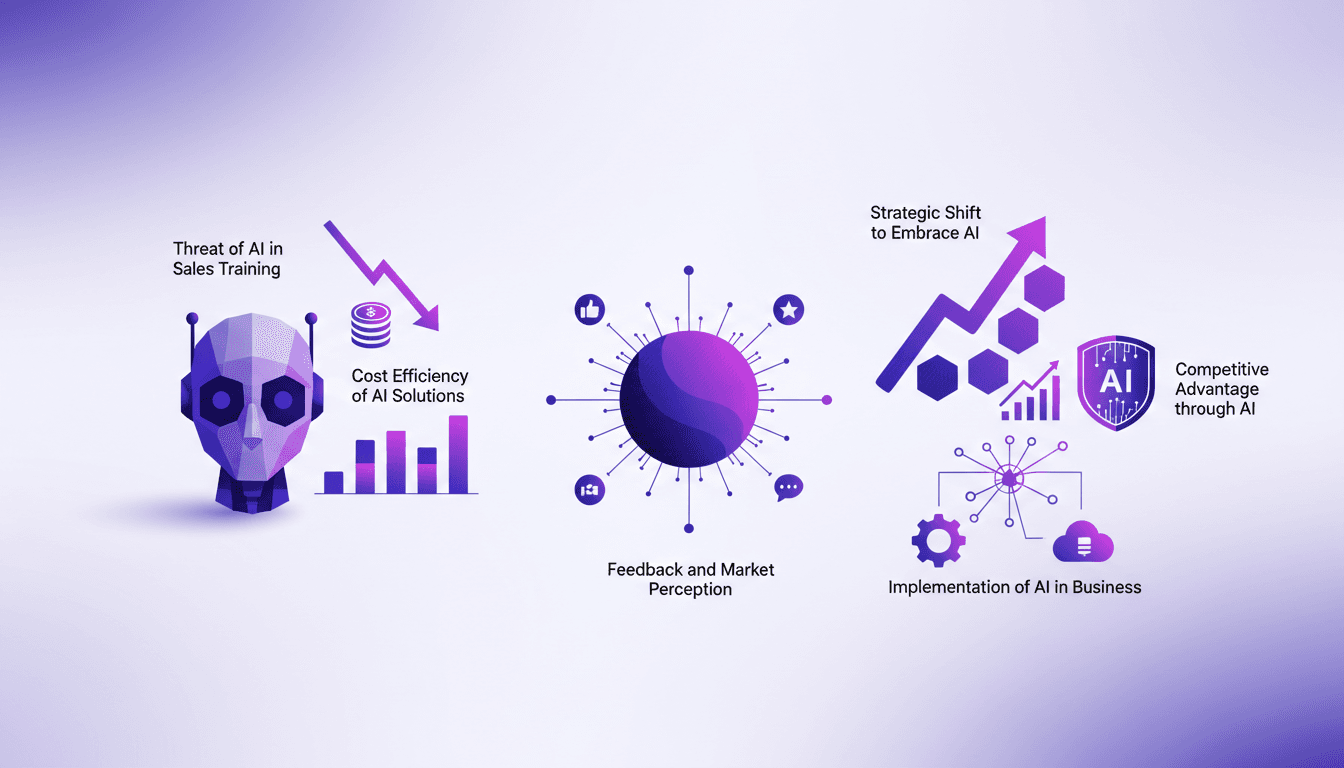
AI Advantage: Transform Your Sales Training
I remember the first time I realized AI could completely transform how we train our sales team. It was like flipping a switch from manual to automatic. The cost savings and efficiency were immediate, and I couldn't ignore the competitive edge it gave us. While many see AI as a threat, I'll show you how it can become your best ally. I've implemented AI solutions in my business, faced challenges, and reaped significant benefits. You're about to find out how you can do the same to revolutionize your business.
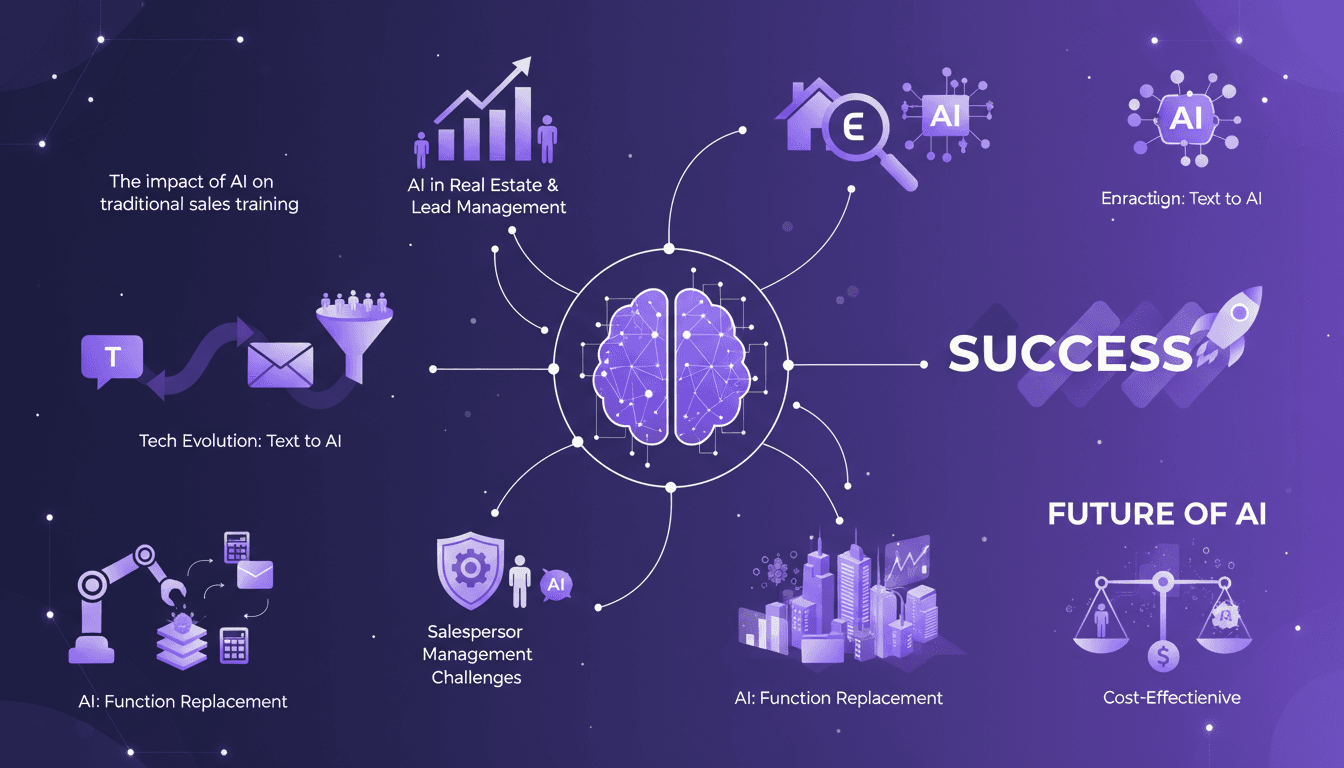
AI's Impact on Sales Training & Real Estate
I used to think AI was just another buzzword until it completely transformed how we handle sales and real estate. Picture this: 1,000 consecutive calls to potential clients without lifting a finger. That's where AI becomes a real asset. In this article, I show you how AI is reshaping traditional sales training and disrupting real estate lead management. We're talking about increased efficiency and dramatically reduced costs. But watch out, there are limits to be aware of. Too often, businesses miss these opportunities because they don't grasp AI's tangible impact. And if I told you three people have already suggested I start my own AI company? That's the scale of the potential. AI isn't just a tool; it's a genuine game-changer for business.