Rapid Adoption of Cloud Code: Why It Changes Everything
I started using Cloud Code back in 2026, and let me tell you, it’s been a game-changer. At first, I was skeptical—another tool promising to revolutionize coding. But then, I saw the command-level interface in action, and things clicked. Cloud Code is quickly becoming the go-to tool for developers. It's not just about writing code; it's about transforming how we approach development. In this article, I'll dive into why so many people are making the switch and how you can harness its power. We’ll cover the rapid adoption of Cloud Code, its unique interface, and how the ecosystem is expanding. Don't miss this if you want to stay ahead of the curve!
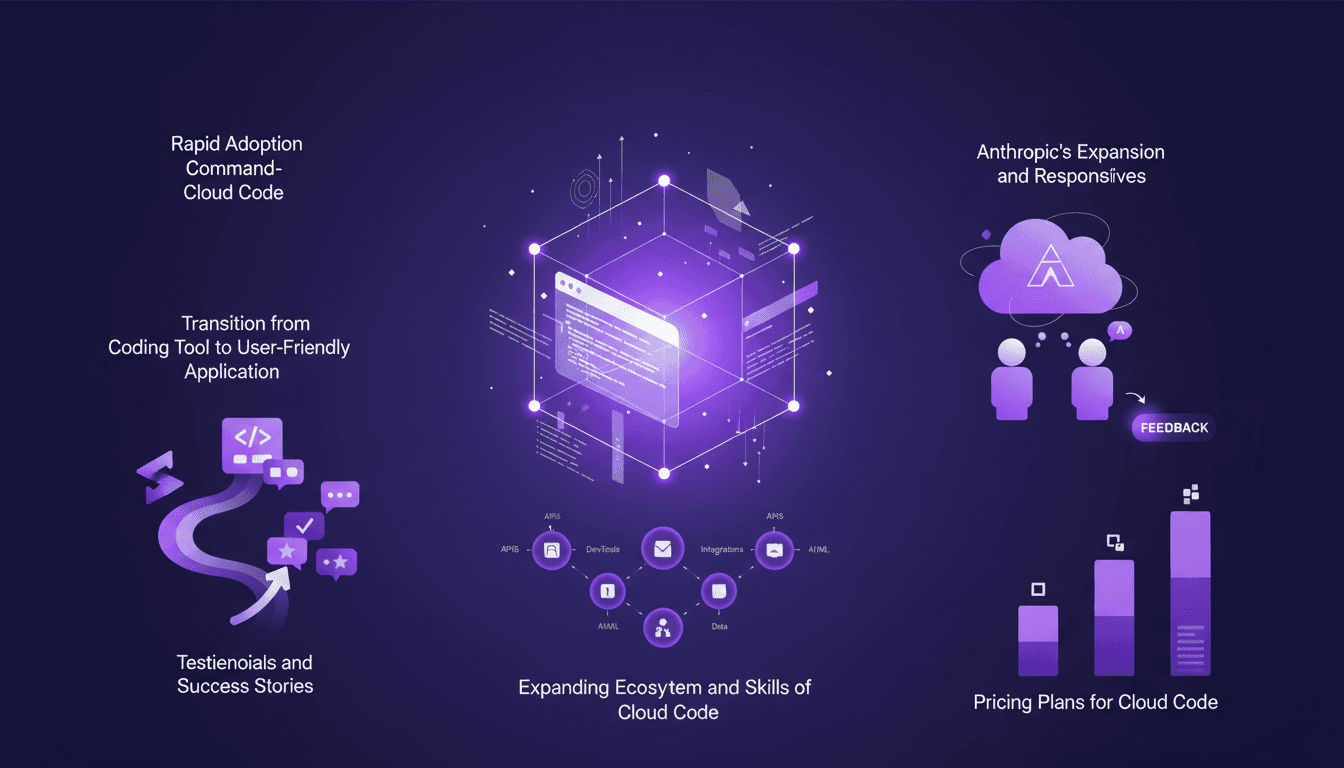
I started using Cloud Code back in 2026, and let me tell you, it’s been a game-changer. At first, I was skeptical—just another tool claiming to revolutionize coding. But then, I saw the command-level interface in action, and that’s when everything clicked. Cloud Code is quickly becoming the go-to tool for developers, and it’s not only about writing code. It’s about completely transforming how we approach development. So, why are so many people making the switch? And how can you leverage this power? Let’s dive into the rapid adoption of Cloud Code, its unique interface that makes processes so much simpler, and how the ecosystem keeps expanding. I’ll share testimonials, success stories, and a few warnings about pitfalls to avoid. If you want to stay ahead of the curve, this article is for you.
Understanding Cloud Code's Rapid Adoption
Since 2026, Cloud Code has taken the developer world by storm. Why? Simply put, it's efficient. As a developer, I'm always on the lookout for tools that can save me time and cut down complexity, and Cloud Code checks all those boxes. Developers are drawn to its user-friendly nature and robust features. Compared to traditional coding tools, it stands out with its speed and streamlined user interface.

In real-world scenarios, tasks are often completed twice as fast with Cloud Code compared to traditional tools. For instance, I automated a code review process that used to take me an entire day. Now, it's done in a few hours. This speed of execution is a real asset in our ever-demanding work environment.
"Not using Cloud Code means leaving leverage on the table."
Mastering the Command-Level Interface
The command-level interface of Cloud Code simplifies complex tasks. I'm not one for too many clicks to get things done. With Cloud Code, it's all terminal-based. First, you invoke the interface, then you start interacting with it. You can even set up agents to raise pull requests for you. This automation is a real time-saver.
But watch out, there are common pitfalls to avoid. For instance, if you leave too many agents running unsupervised, it can lead to errors in managing PRs. I got burned several times before realizing that regular monitoring was necessary.
- Use the interface to automate repetitive tasks.
- Ensure you supervise your agents to prevent errors.
- Leverage the interface's capabilities for continuous development.
Exploring the Expanding Ecosystem of Cloud Code
Cloud Code's ecosystem is constantly growing. In version 4.5, Opus expanded Cloud Code's capabilities by integrating new skills. These skills allow for seamless integration with other tools and platforms, facilitating smooth workflows. Whether for coding or non-coding tasks, Cloud Code adapts and evolves continuously.
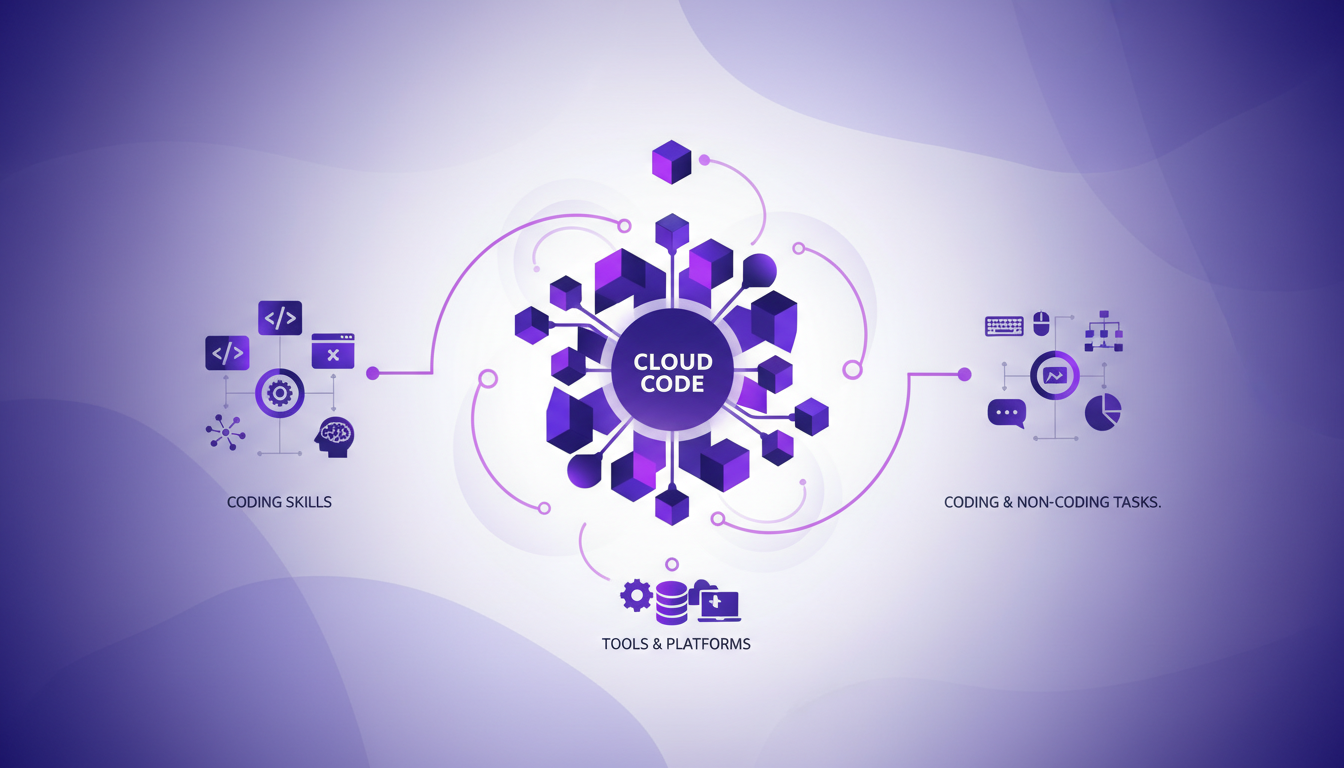
For example, integration with tools like Obsidian or Notion has become a breeze. This allows us to leverage Cloud Code's skills for various tasks, from content research to project management.
Anthropic's Expansion and the Transition to User-Friendly Applications
Anthropic plays a key role in evolving Cloud Code. Their goal: transform a coding tool into a user-friendly application. This transition is evident with the launch of a more accessible desktop version. Now, even non-coding tasks can be efficiently managed by Cloud Code.
A good example is using Cloud Code for administrative tasks. I've been able to automate a large portion of email and appointment management, freeing up time to focus on more strategic tasks.
Testimonials, Success Stories, and Pricing Plans
The testimonials from developers who have adopted Cloud Code are numerous and glowing. The time savings and efficiency gains are real and measurable. For instance, Shopify's CEO and a popular YouTuber have shared their positive experiences, highlighting how Cloud Code has transformed their workflow.
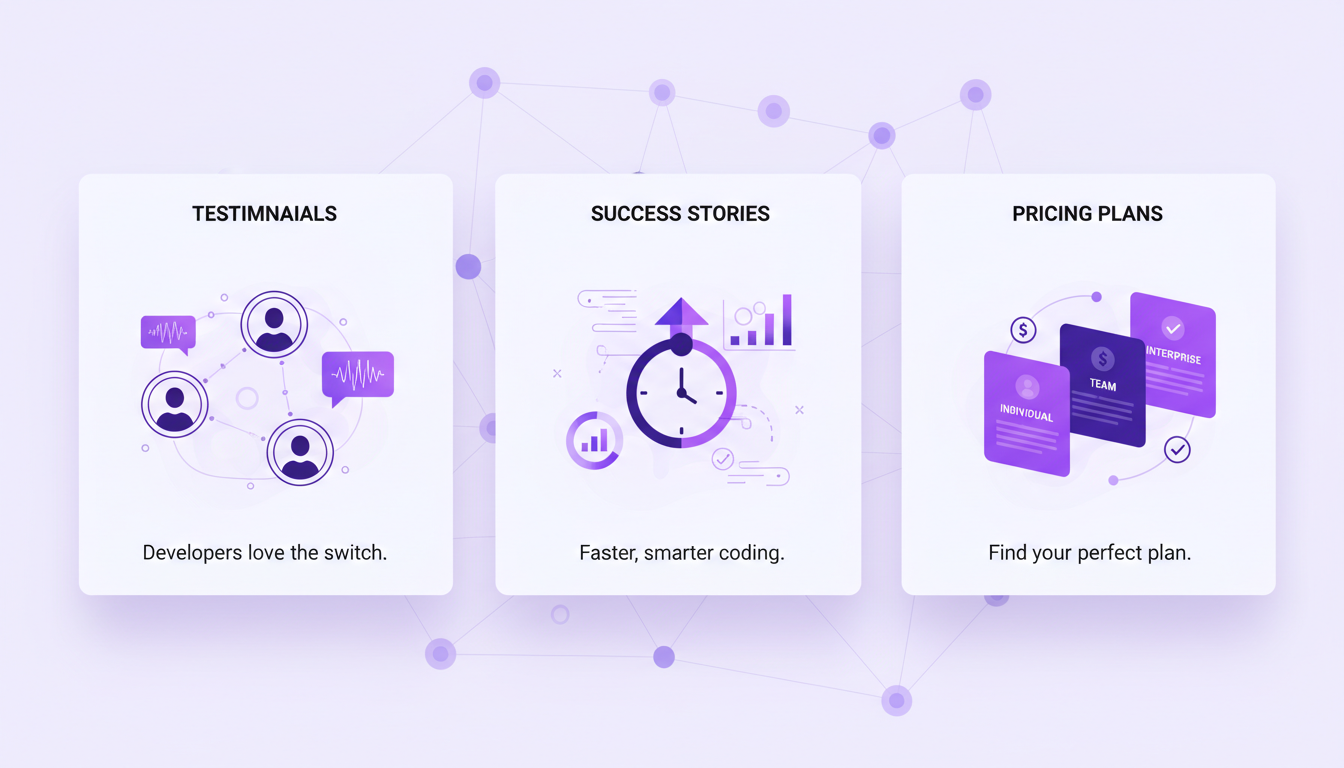
In terms of cost, pricing plans start at $20 per month, a modest investment considering the benefits offered. However, it's essential to choose the plan that best suits your needs to maximize value.
- Basic plan at $20 per month.
- Evaluate your needs to choose the right plan.
- Optimize usage to maximize value.
In the end, Cloud Code represents a major advancement for both developers and non-developers. Its rapid adoption and continuous evolution make it an indispensable tool in our tech toolkit.
Complete Guide to Cloud CodeCloud Code isn't just any tool—it's a shift in how we think about development. First, its command-level interface makes integration quick and intuitive, even if you're just getting started with version 4.5 of Opus. Next, the ever-expanding ecosystem opens up nearly limitless development possibilities, though be prepared for a learning curve with new features. Finally, the rapid adoption of Cloud Code is striking, with 2026 marked as a pivotal year for widespread use. But watch out, you need to be ready to adapt your skills to make the most of this tool. Looking ahead, Cloud Code could truly redefine our daily workflows. Ready to experience this change for yourself? Check out the original video to see why so many are making the switch to Cloud Code. Trust me, it could really transform how you work. Watch the video here.
Frequently Asked Questions

Thibault Le Balier
Co-fondateur & CTO
Coming from the tech startup ecosystem, Thibault has developed expertise in AI solution architecture that he now puts at the service of large companies (Atos, BNP Paribas, beta.gouv). He works on two axes: mastering AI deployments (local LLMs, MCP security) and optimizing inference costs (offloading, compression, token management).
Related Articles
Discover more articles on similar topics
Seammens-Nvidia Partnership: Revolutionizing Industry
I stood right there at CES when Seammens and Nvidia took the stage, and it hit me—this isn’t just another tech partnership. We’re diving headfirst into reshaping the entire industry with a brand-new industrial operating system. Let me take you behind the scenes of this unfolding revolution. With Seammens and Nvidia at the helm, we're not just talking hype; we're transforming how we think about manufacturing and technology. Together, we're building the future of industry, and that changes everything.

Heat and Physical AI: Revolutionizing Robotics
The first time I realized that heat wasn't just a byproduct in robotics but a central theme, it was a game changer. I understood that heat is a tool, a lever to be exploited. In this article, I'll show you how we harness heat in Physical AI, integrate music for engagement, and why energy concepts are critical in modern robotics. We're talking about a true revolution with Physical AI at the core of our robots, and believe me, managing heat is an art. You'll discover how these often overlooked creative approaches are transforming the way we design robotics.
CES 2026: Innovation Unveiled at the Global Stage
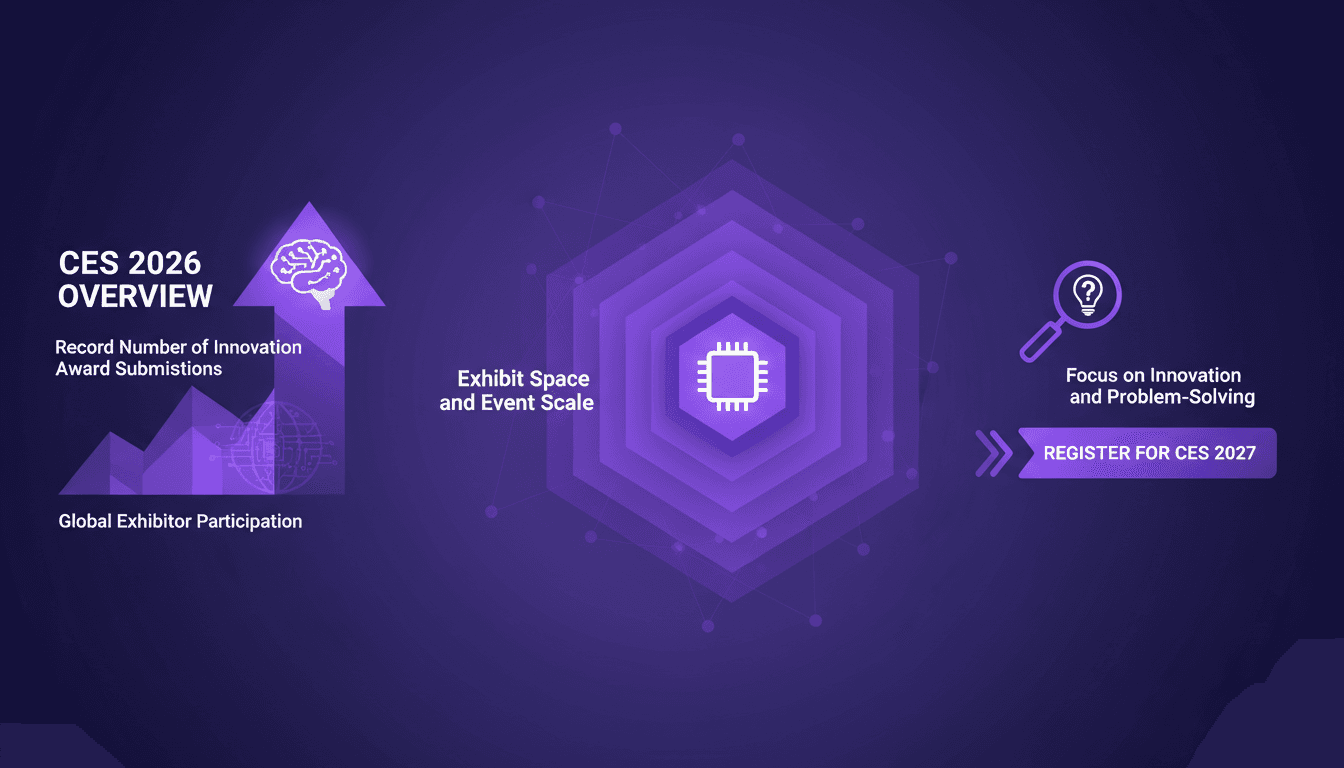
I walked into CES 2026 expecting the usual tech fanfare, but what I found was way more than just another show—it was a transformative experience redefining innovation. With a record number of Innovation Award submissions and a global exhibitor presence, this year's CES was truly a game-changer. Imagine thousands of exhibitors from around the world, all gathered to showcase how technology can solve real-world problems. And it's not just marketing hype. It's the reality of what I witnessed. If you haven't marked your calendar for CES 2027 yet, you're missing out on something potentially groundbreaking.
Enter Mercy: AI-Driven Justice System Unveiled
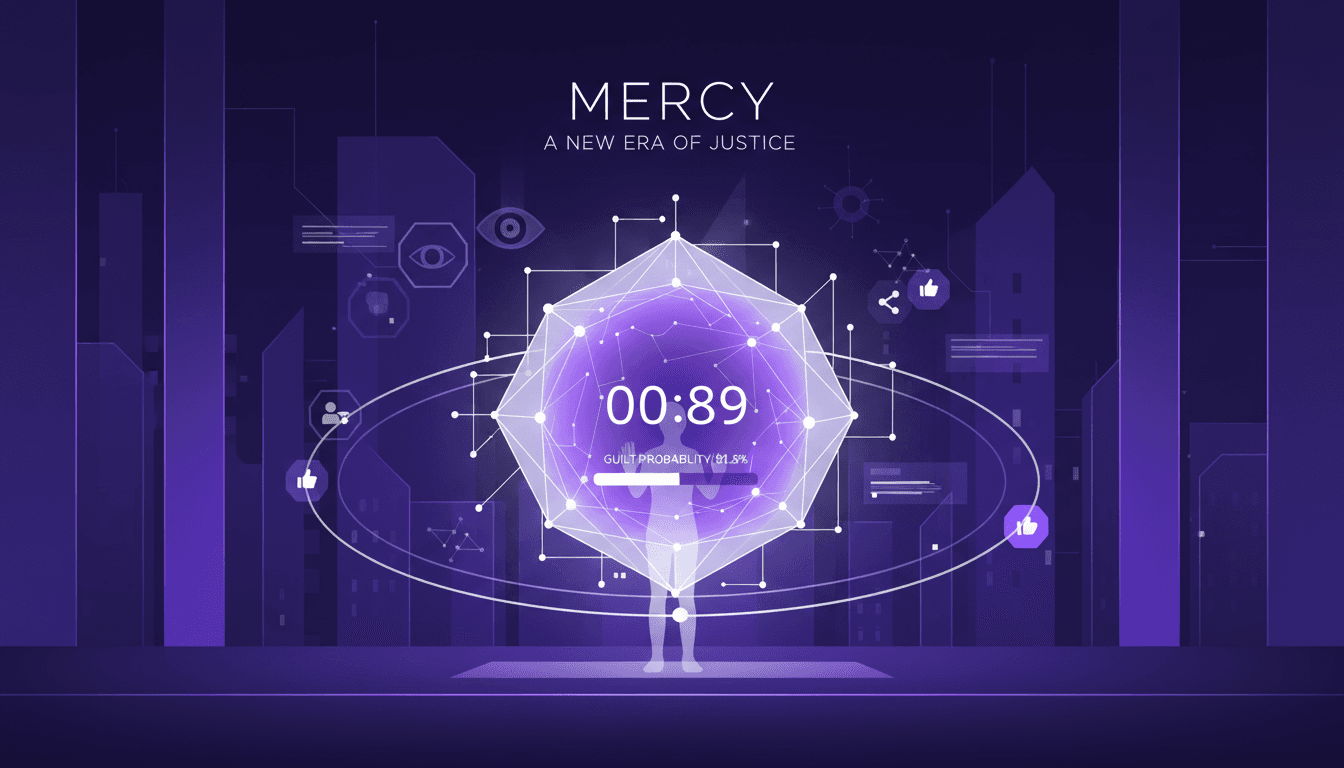
I remember the first time I saw the trailer for 'Mercy'. The idea of a 90-second window to prove innocence in an AI-driven court really blew me away. We're not talking sci-fi anymore—it's a glimpse into a tech-heavy future. With 'Mercy' hitting theaters on January 23rd, let's dive into this AI-driven justice system where tech calls the shots. The film explores a world where stakes are high and very real, with a 92% reasonable doubt threshold and social media plus surveillance taking center stage. It's quite the challenge to prove innocence under such a tech-savvy backdrop.
Rapid Innovation: How AI Transforms Businesses
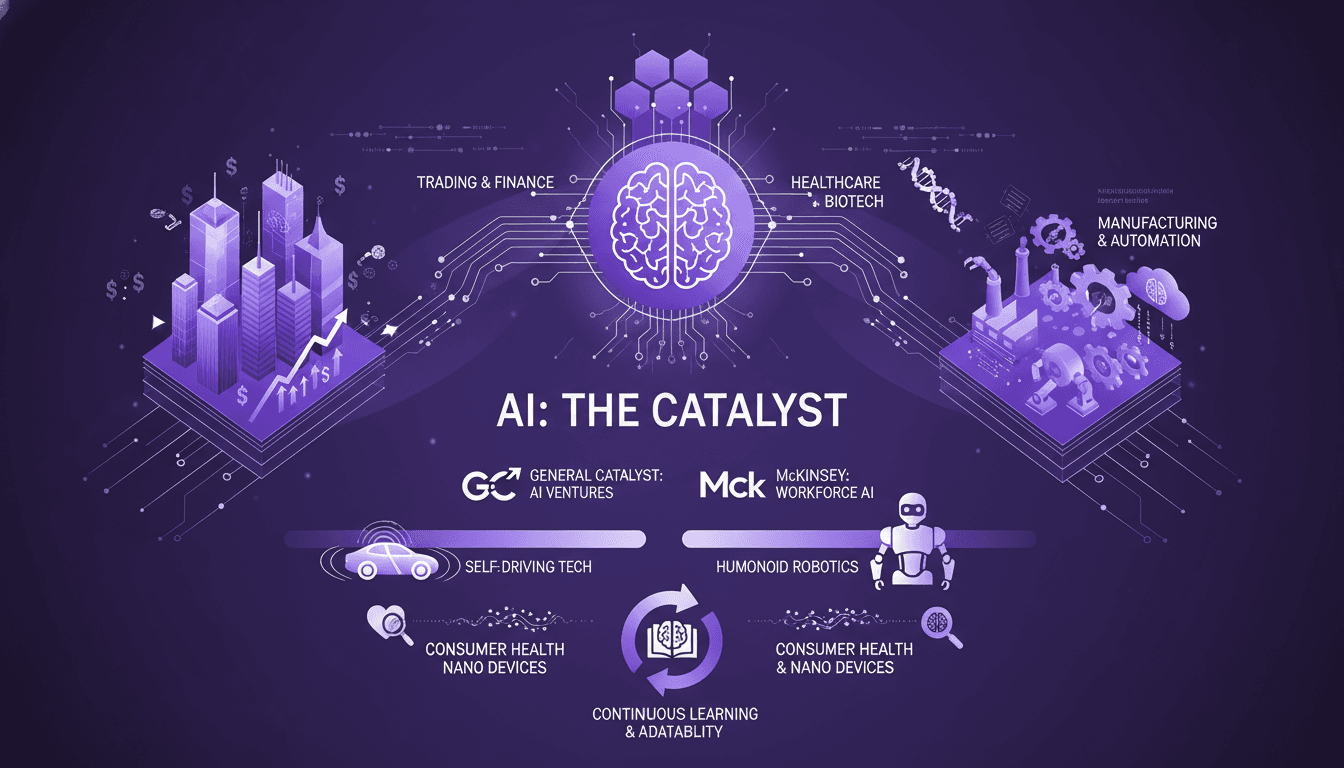
I just got back from CES 2026, and let me tell you, the pace of innovation hit like a freight train. The conversations weren't just about tech; they were about transforming entire industries. AI is at the heart of this revolution, reshaping the industrial landscape. McKinsey is planning a 25% increase in client-facing personnel next year, a clear sign that things are shifting. Curious about how these changes impact our daily work? Read on to discover how AI, healthcare, and robotics are redefining our professions.