Vertical AI: Transforming Law Firm Dynamics
I've watched law firms wrestle with inefficiencies for years. Then Vertical AI came along and flipped the script. At Legora, we've embedded this tech to streamline operations and cut costs. Let me break down how we transformed our workflows. We're diving into production economics, verifier's rule, and agent-human collaboration strategies. Picture visualizing agent tasks as Directed Acyclic Graphs (DAGs) and progressively unlocking AI's potential. It's a game-changer, and you'll want to be part of it.
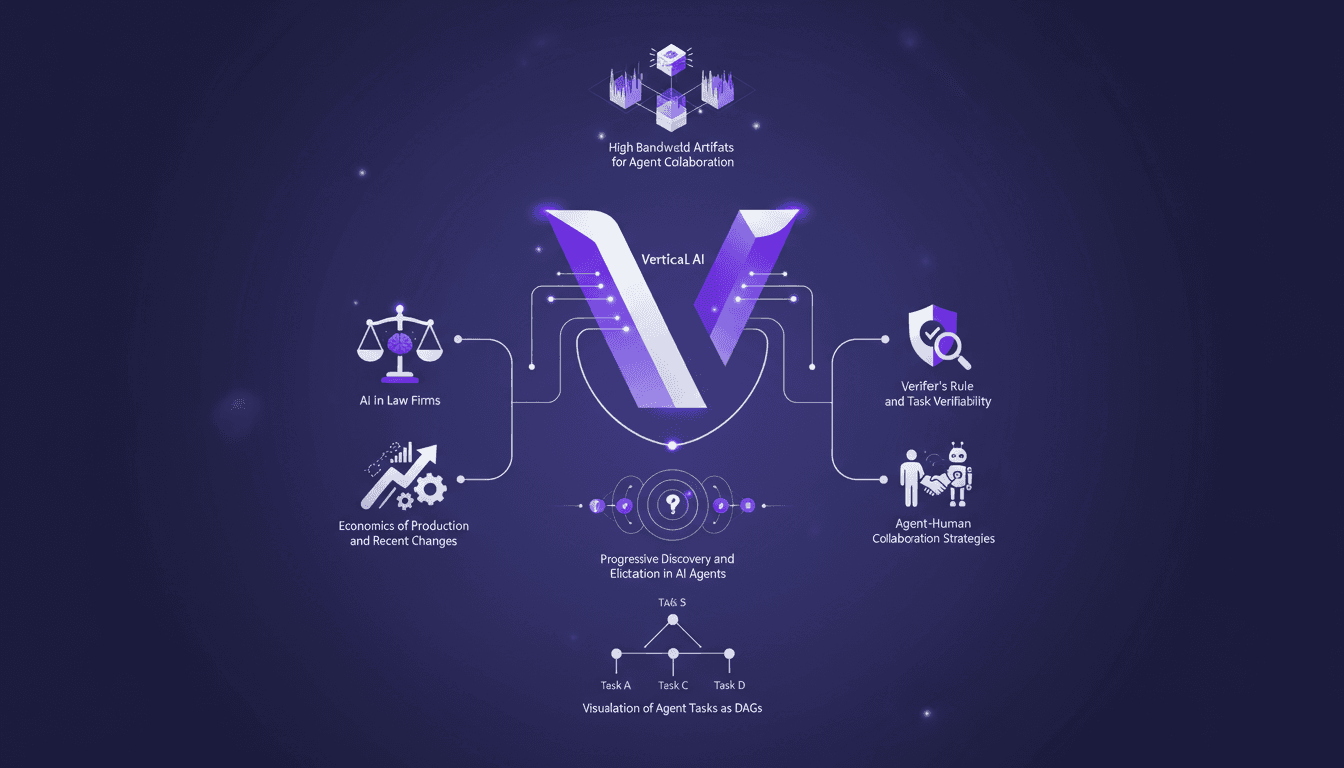
I've seen law firms struggle with the same inefficiencies for years. Then, Vertical AI flipped the script. At Legora, we decided to integrate this tech to revolutionize our operations. And trust me, it's made all the difference. Let me walk you through how I orchestrated this transformation. We started by diving into production economics, integrating verifier's rules, and exploring agent-human collaboration strategies. Picture agent tasks visualized as Directed Acyclic Graphs (DAGs), each node representing a step towards greater efficiency. And don't think this is just theory; it's concrete with a direct impact on our 1,000 clients across 50 markets. Progressive discovery and elicitation of AI agents' capabilities were key. Make no mistake, AI is no longer an option—it's a necessity. Want to get on board? I'm here to show you how.
Understanding Vertical AI in Legal Context
When we talk about AI, we often hear about generic solutions that cover a multitude of domains. But vertical AI is a whole different ball game. Take Legora, for instance. This company isn't just another tech startup. It's a vertical AI focused specifically on law firms. With over 1,000 customers across 50 markets, they're transforming how law firms operate daily. This changes everything. Vertical AI focuses on specific needs, like managing complex legal workflows, which are often detailed and nuanced.
Legora is a perfect example of how vertical AI can succeed. They've understood that each market has its particularities, and they tailor their solutions to meet these needs. It's what we call a bespoke approach, but watch out, this requires a keen understanding of legal context and, above all, the ability to adapt quickly.
Economics of Production: A New Era
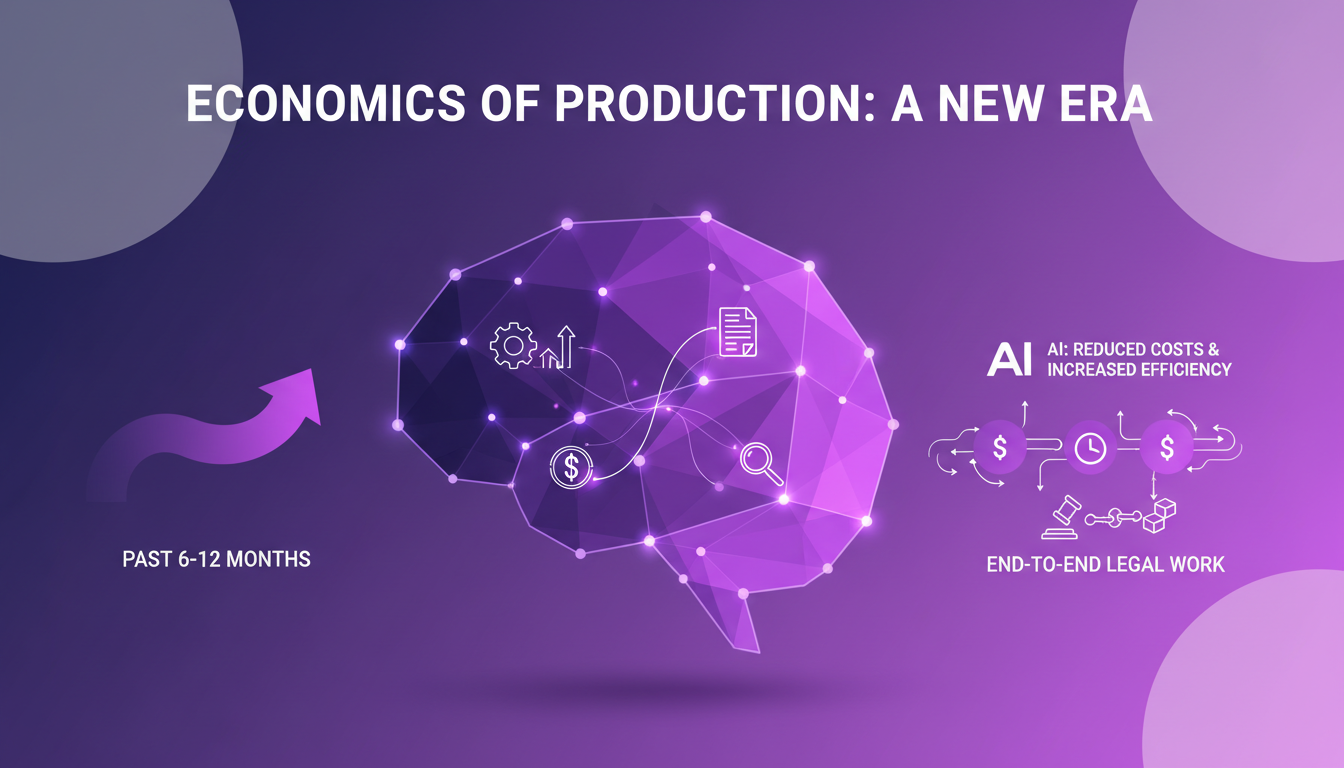
In the past few months, we've witnessed a radical shift in production economics thanks to AI. I've seen costs plummet and efficiency skyrocket. Tasks that used to take hours, even days, are now done in a snap. This applies particularly to end-to-end legal work. I've observed cases where cost savings have reached 90% through automation of repetitive tasks.
What's fascinating is that this isn't just about the big firms. Even smaller outfits can now compete with the giants thanks to these new tools. It's like giving amateur cyclists a race car. They now have the means to compete on equal footing.
Verifier's Rule and Task Verifiability
In the AI world, the Verifier's rule is crucial. It states that if a task is solvable and easy to verify, AI will likely solve it. It's simple on paper, but in practice, it can get complicated. I've seen legal tasks easily handled by AI, like verifying definitions in a contract. However, drafting an entire contract is another story. Verifying its validity often only happens in court.
"If a task is solvable and easy to verify, AI will likely solve it."
Legora has integrated this rule into its platform by ensuring its AI agents can be easily corrected and adjusted. But watch out for pitfalls: don't let AI take full control without human oversight. This can lead to costly errors.
Agent-Human Collaboration: Building Trust
Collaboration between AI agents and humans hinges on a delicate balance between control and trust. I've worked with lawyers who were initially skeptical about letting a machine handle certain tasks. But by decomposing tasks and adding guardrails, you can increase users' trust in AI agents. One lawyer told me that AI allowed him to focus on strategic aspects of his work rather than repetitive tasks.
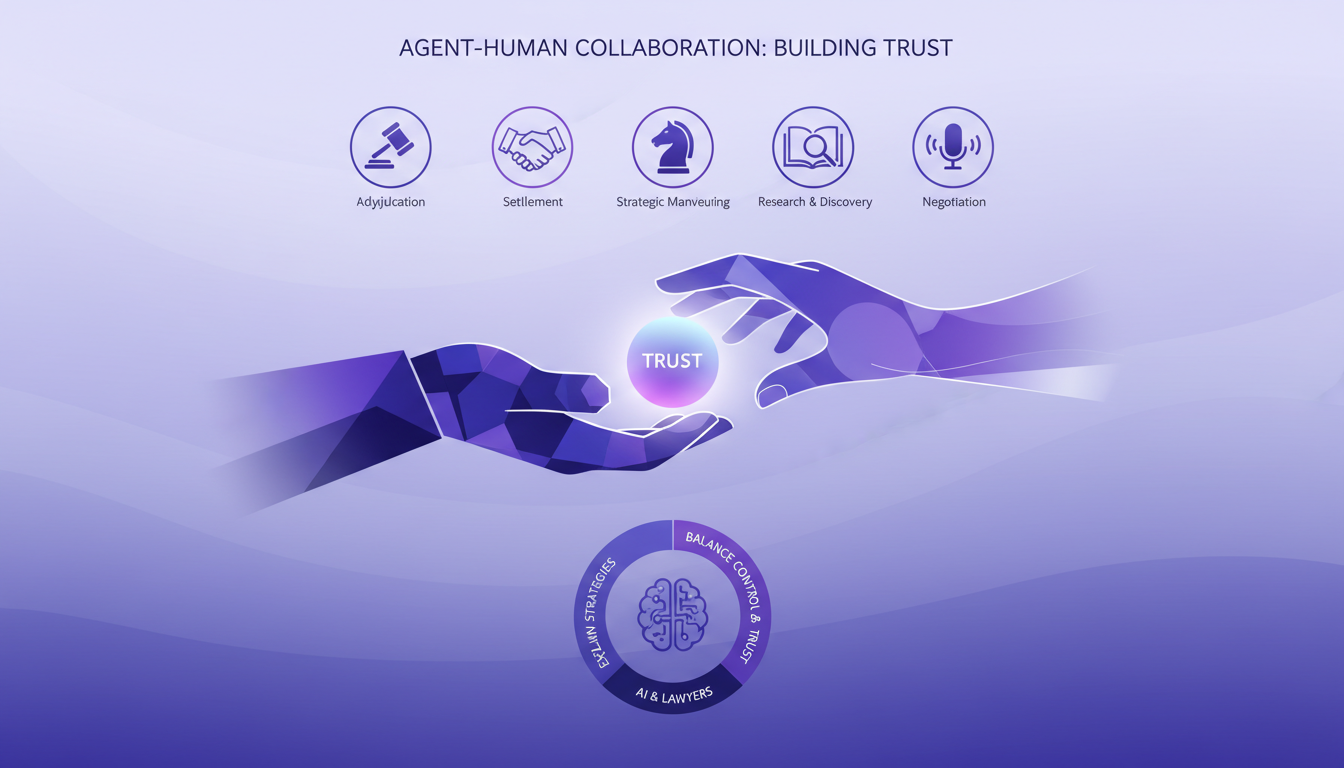
It hasn't been a smooth journey. I've seen litigation strategies clash with cultural resistance within firms, but by gradually integrating AI and demonstrating its benefits, attitudes are changing. Five lawyers may have five different strategies for the same case, but AI can help identify which one has the best chance of success.
Visualizing Tasks with Directed Acyclic Graphs (DAGs)
Directed Acyclic Graphs (DAGs) aren't just theoretical tools. They're practical representations for visualizing and managing AI agent tasks. I've used DAGs to organize complex processes, and this has significantly improved understanding and efficiency within teams.
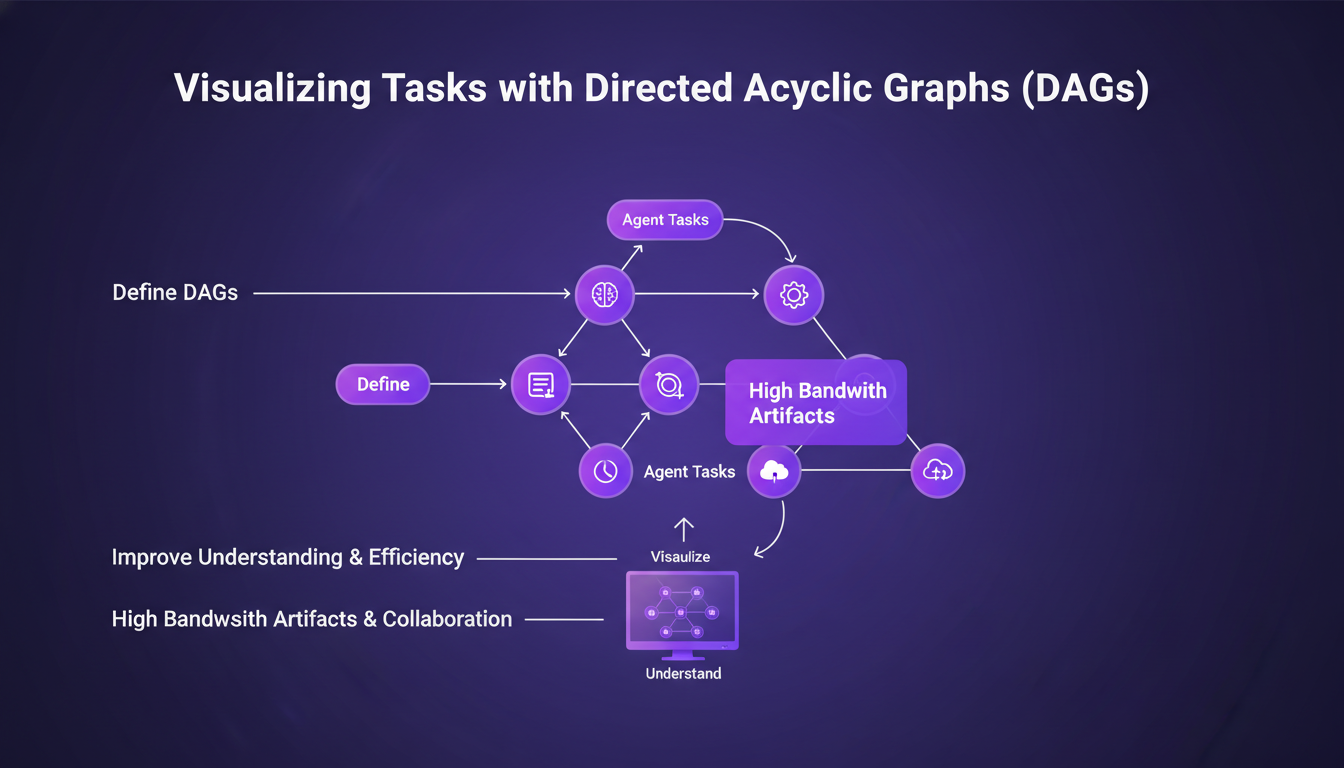
By integrating high bandwidth artifacts like documents or tables, collaboration becomes smoother and more aligned with strategic objectives. I've seen teams move from chaotic discussions to informed decisions simply by visualizing their tasks through DAGs.
Ultimately, it's important to remember that every tool has its limits. Even the best DAGs won't replace human judgment, but they complement it effectively, especially in complex environments like law.
Vertical AI isn't just a chat tool—it's a game changer for legal workflows. I saw firsthand how firms can unlock new levels of efficiency and accuracy. First, mastering the economic dynamics and collaboration strategies is crucial. Next, the verifier's rule and task verifiability are keys to optimizing processes. But watch out for the guardrails—our agent can edit only up to three files. With 1,000 customers across 50 markets, Legora proves it can be done. Looking ahead, embracing these tools is a real game changer, but we must stay aware of the limits. Ready to transform your legal practice with AI? Dive in, experiment, and share your insights. For a deeper understanding, check out Jacob Lauritzen's video—it's a goldmine for anyone in the field. YouTube Link.
Frequently Asked Questions

Thibault Le Balier
Co-fondateur & CTO
Coming from the tech startup ecosystem, Thibault has developed expertise in AI solution architecture that he now puts at the service of large companies (Atos, BNP Paribas, beta.gouv). He works on two axes: mastering AI deployments (local LLMs, MCP security) and optimizing inference costs (offloading, compression, token management).
Related Articles
Discover more articles on similar topics
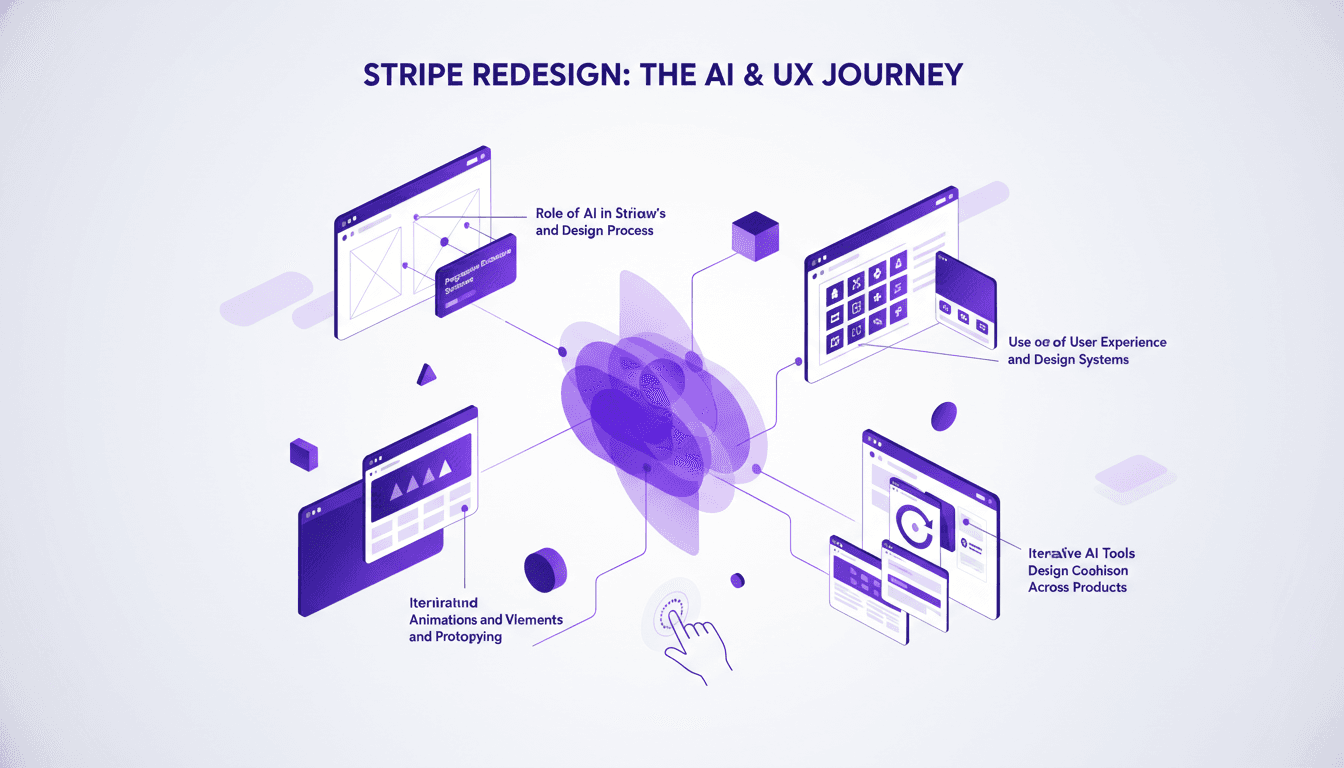
AI in Action: Transforming Stripe's Web Design
I spent over a year redesigning Stripe's homepage—a task that was more than just a facelift. It required rethinking our entire approach to web design. We leveraged AI, design systems, and user experience principles to craft a site that's both beautiful and functional. With 78% of the Forbes AI 50 using Stripe, the stakes were high. Let me walk you through how we orchestrated this transformation, using iterative design processes and prototyping while maintaining cohesion across our products. I'll also share the pitfalls to watch out for—I've been burned before. Ready to dive into the world of modern web design?
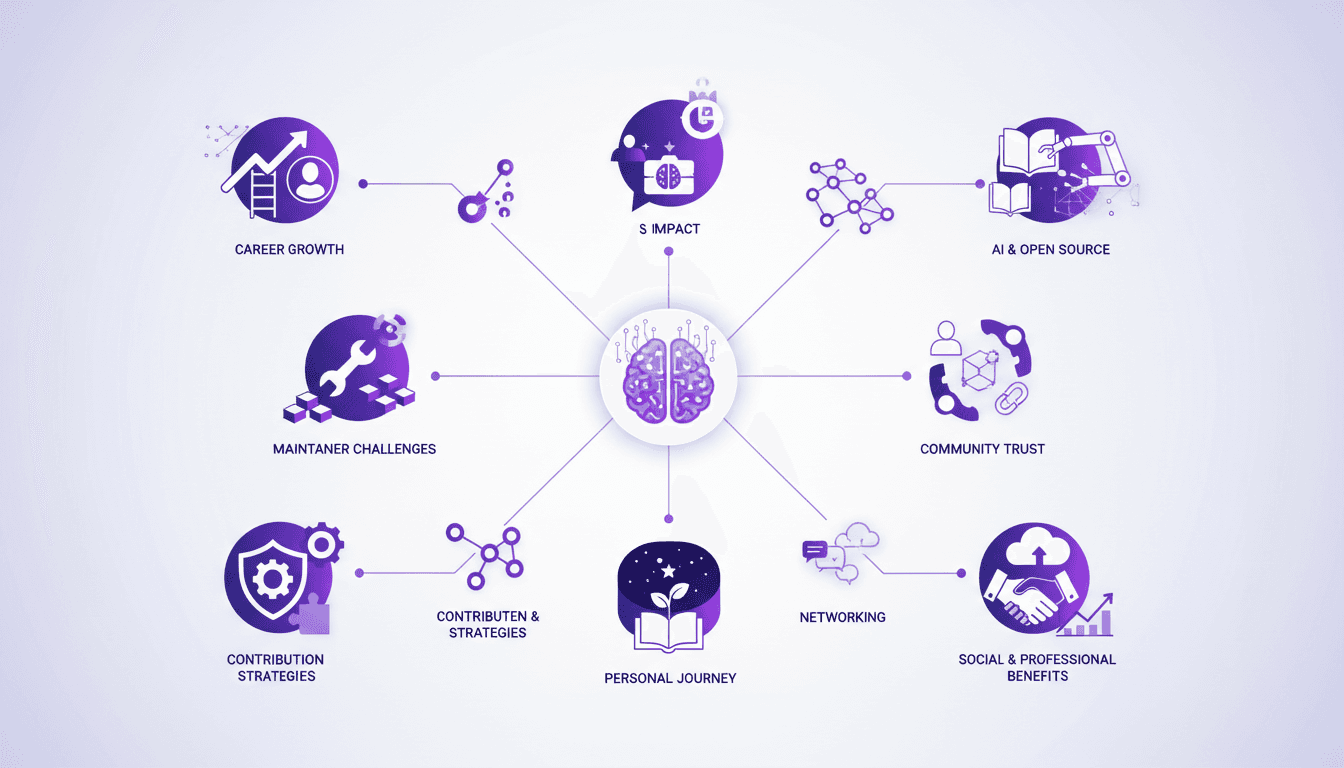
Master Open Source to Boost Your Career
I've been there, navigating the maze of software engineering without a traditional job application. Open source was my ticket. Let me walk you through how I leveraged open source to get hired. In today's tech landscape, open source isn't just a buzzword; it's a career catalyst. Whether it's contributing to projects or building a network, open source offers a pathway to professional growth and personal fulfillment. But beware, contributing to open source comes with its challenges. You'll see how I navigated the hurdles, optimizing my time (spending two to three hours on a single PR proposal) and building an identity within these communities. And then, there's the impact of AI, shifting the game for open source contributors. This podcast episode is here to arm you with the tools to master these resources and boost your career.
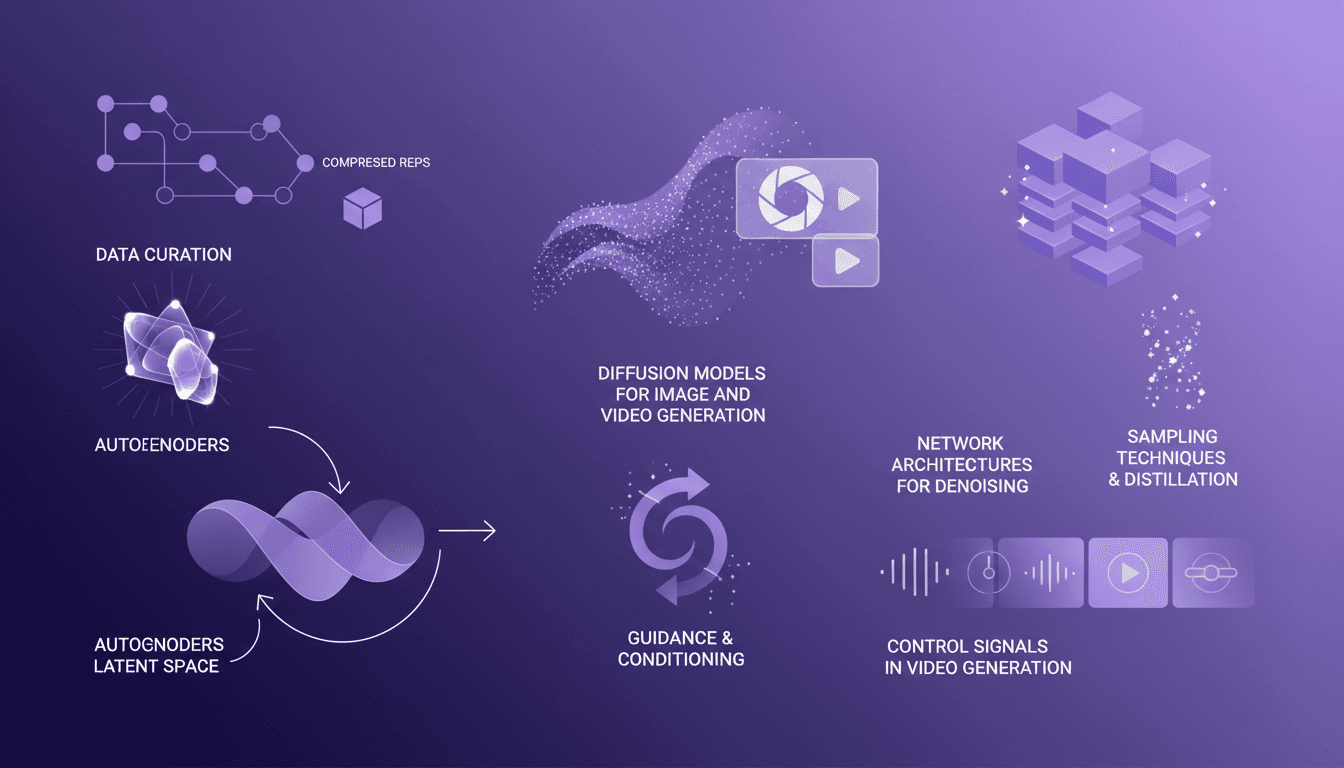
Generative Models at Scale: Optimization Focus
I've spent countless hours wrestling with generative models, and let me tell you, it's a wild ride. Data curation is your lifeline—without it, you're building on sand. In this talk, we dive into the world of large-scale generative image and video models. We start with data curation, dig into compressed representations with autoencoders, and explore diffusion models for image and video generation. We'll also hit on latent space, decoding, control signals, and of course, network architectures for denoising. Buckle up; we're going at 30 frames per second!
AI in Emotional Sales: A Game-Changer Unveiled
Yesterday, I thought AI couldn't close emotional sales. Then I built a system around it and watched my deal closures take off. So, how did I do it? Let's dive into AI's potential to transform sales processes, especially on the emotional front. Building the right architecture is a game-changer for operational efficiency and leaner operations. Companies can not only run leaner but also close more deals. Be warned, failing to adopt these technologies in time might leave you behind. Let's uncover why mastering this new tech wave is crucial.
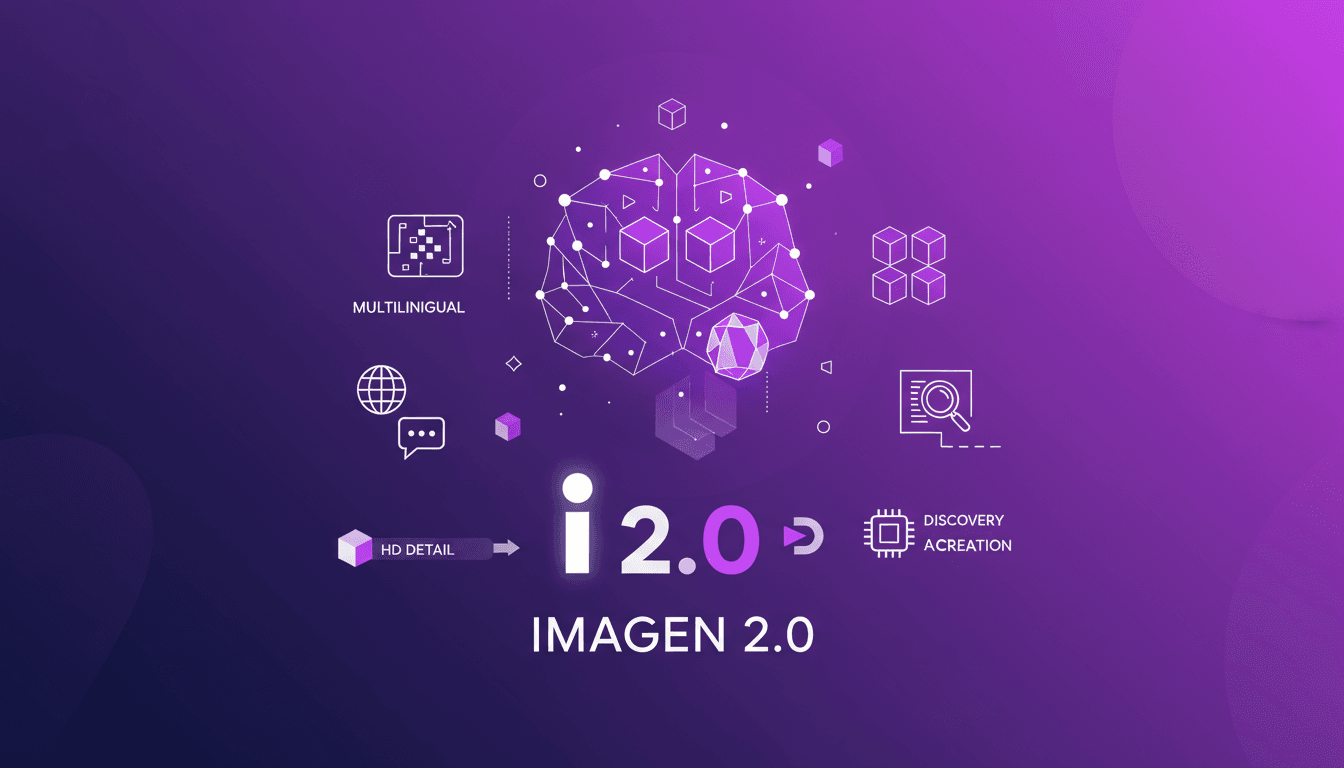
Imagen 2.0: Revolutionizing Image Generation
When I first got my hands on Imagen 2.0, I was blown away by its potential. We're talking about generating 2K resolution images with multilingual support. The first thing I did was integrate it into my workflow, and the improvement is tangible. The advancement in resolution and detail is a real game changer, but watch out for technical limits in multi-image generation. Compared to previous models and DALL-E, Imagen 2.0 really stands out. This isn't about theory; I'm talking about daily impact on my practice. If you're aiming to innovate, this is the tool to explore.