AI in Action: Transforming Stripe's Web Design
I spent over a year redesigning Stripe's homepage—a task that was more than just a facelift. It required rethinking our entire approach to web design. We leveraged AI, design systems, and user experience principles to craft a site that's both beautiful and functional. With 78% of the Forbes AI 50 using Stripe, the stakes were high. Let me walk you through how we orchestrated this transformation, using iterative design processes and prototyping while maintaining cohesion across our products. I'll also share the pitfalls to watch out for—I've been burned before. Ready to dive into the world of modern web design?
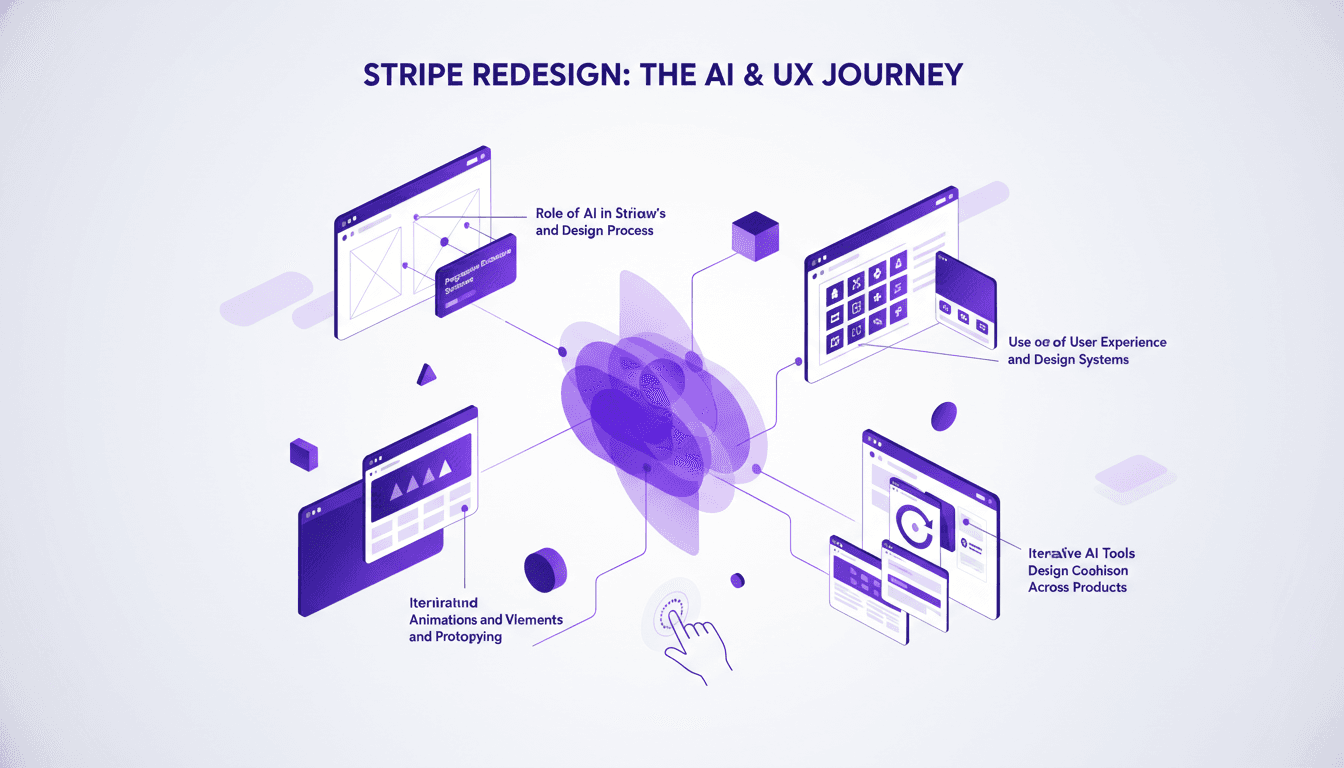
Redesigning Stripe's homepage was not just a facelift; it was a complete rethinking. After six years, it was time to shake things up. Did you know 78% of the Forbes AI 50 use Stripe? The stakes were high. I spent a year on this project, orchestrating the use of AI, design systems, and user experience principles. It wasn't just about flashy animations; it was about making something functional and beautiful. I've learned how to maintain design cohesion across our products—and I'll tell you the pitfalls to avoid (I've been burned before). Join me as we explore how we transformed our website into a powerful, modern tool through smart iterative design processes and prototyping.
Revamping the Stripe Homepage: Where We Started
The original Stripe homepage launched in 2020, and after six years, it was time for a refresh. This wasn't just for aesthetics; it was about aligning with our evolving business. We kicked off with a deep dive into user data and feedback, aiming to boost user engagement and simplify navigation. One crucial feature to retain was the live counter showing the global GDP processed by Stripe. I orchestrated a team focused on both aesthetic and functional improvements. This was about making a strong first impression and ensuring seamless user experiences.
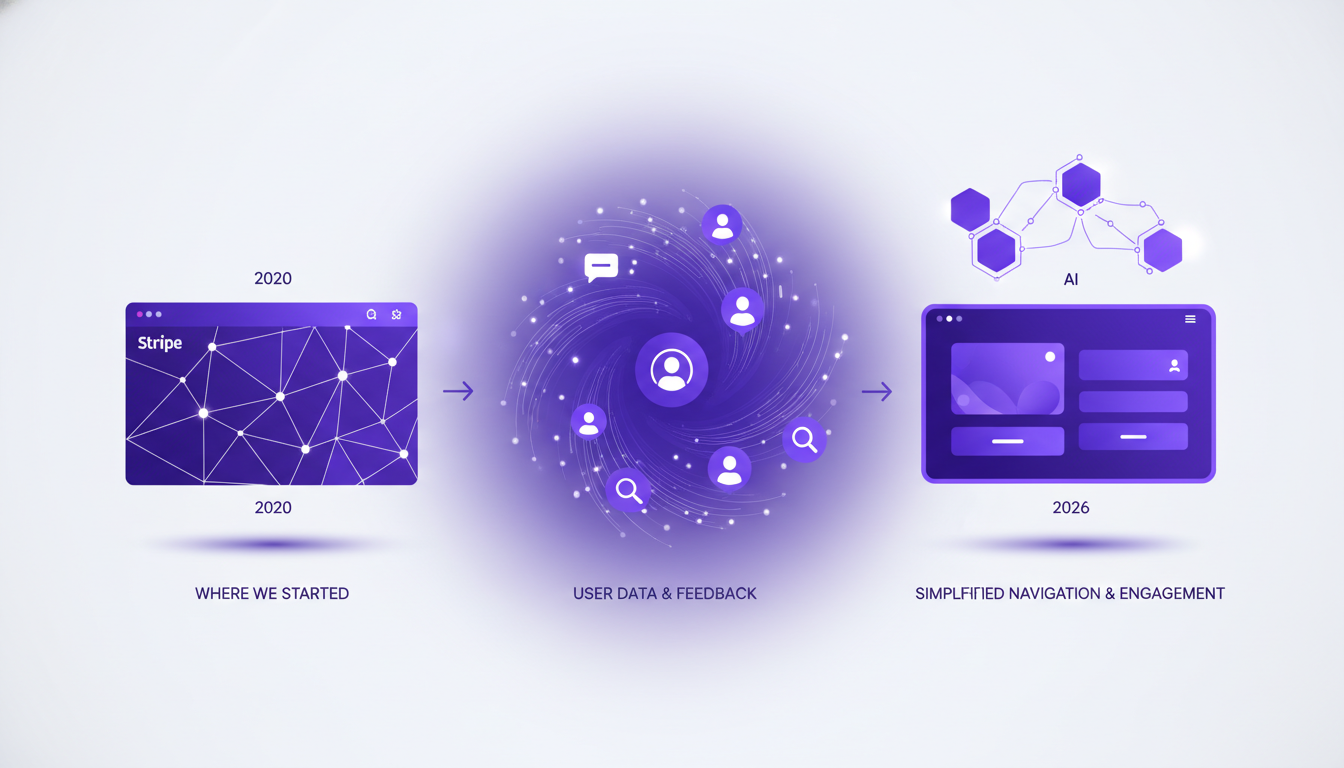
The challenge was integrating new features while staying true to Stripe's identity. This wasn't just a facelift; it was about evolving the interface to reflect our expanded suite of products and services. 78% of the Forbes AI 50 rely on Stripe, underscoring our impact in the AI sector. It was time for our site to clearly communicate this.
AI's Role in Design: A Game Changer
AI was a game changer in our prototyping process, saving significant time and resources. We leveraged AI tools to analyze user patterns and predict design impacts, helping us maintain a cohesive design language across the site.
"AI is essential, but watch out for over-reliance. Human intuition remains crucial."
While AI was a valuable ally, we couldn't ignore the creative input from our design team. I balanced AI insights with human contributions, making informed decisions while keeping the human touch in our designs.
Progressive Disclosure: Enhancing User Experience
Progressive disclosure is an approach that reveals information as needed, improving user experience. I implemented this by prioritizing key user journeys on the homepage, reducing cognitive load and streamlining user interactions. However, there's a trade-off: hiding too much information can frustrate users. Balancing this is crucial.
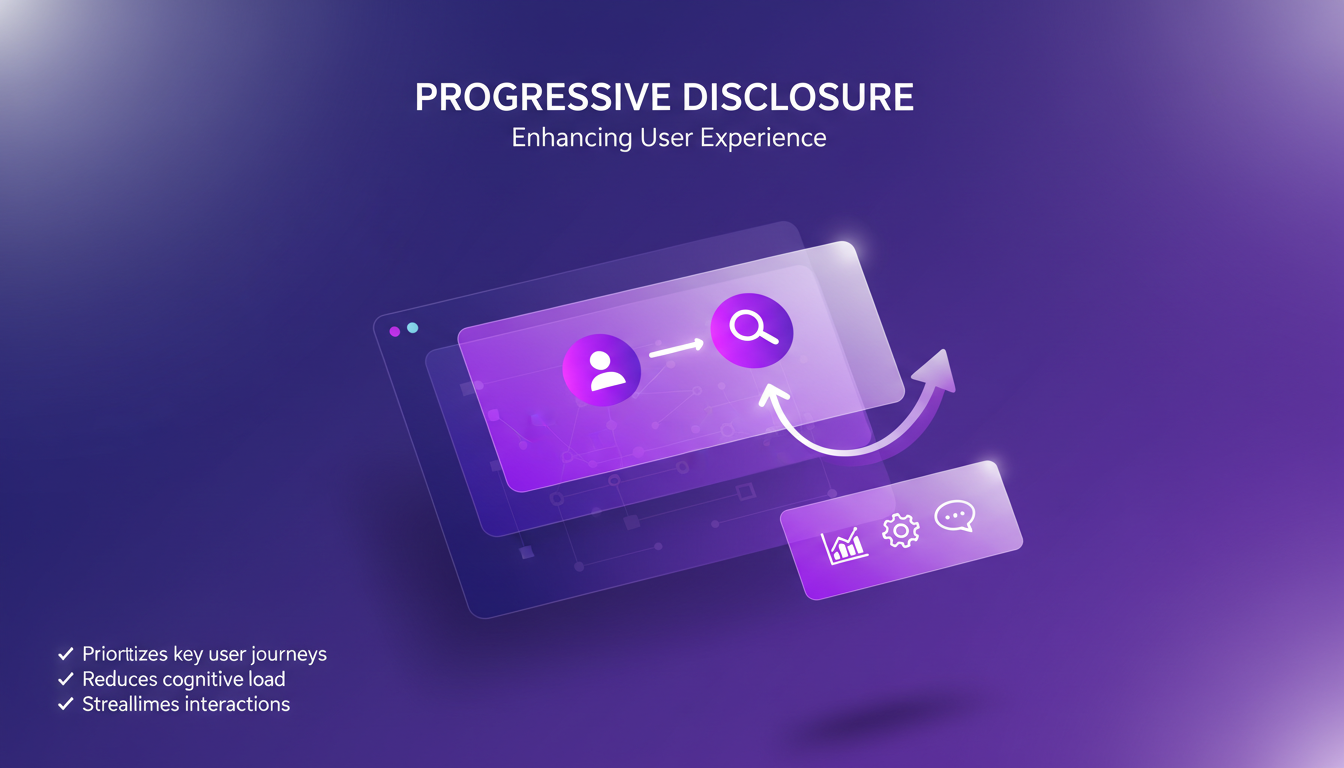
Iterative testing was crucial in refining what information to disclose. We learned with each iteration, adjusting our strategy to maximize engagement without overwhelming users with information.
Iterative Design Process: Prototyping and Feedback Loops
We adopted an iterative design process, cycling through feedback and revisions. Prototyping allowed us to quickly visualize changes and gather user feedback. Each iteration focused on a specific aspect of design—animations, UX, etc.
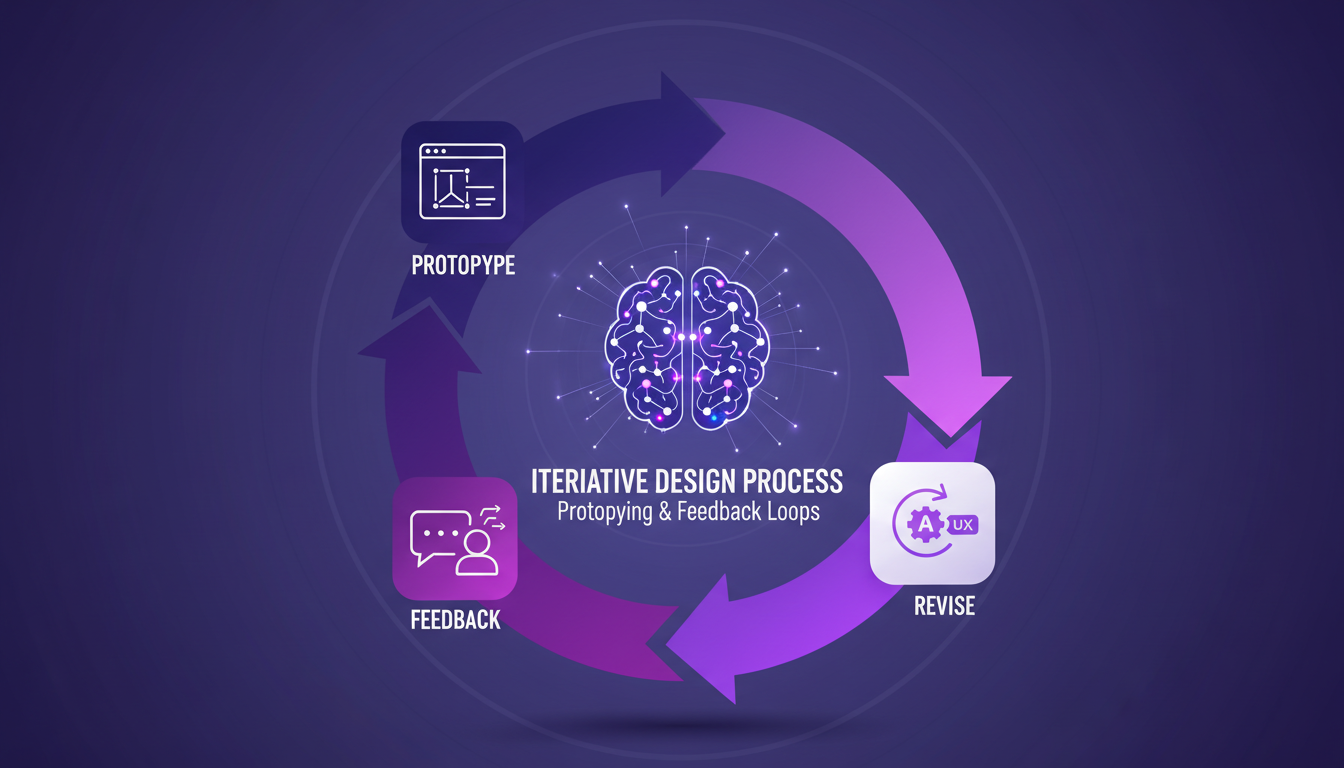
Never underestimate the power of user feedback: it guided many of our decisions. Although this process was time-consuming, it ensured a refined final product aligned with user expectations.
Maintaining Design Cohesion Across Products
Design cohesion ensures a seamless experience across different Stripe products. I coordinated with product teams to align design systems and guidelines. We used a shared design language to maintain this consistency.
Challenges included integrating diverse product features without losing unity. Yet, the result was a cohesive, intuitive user experience across our platform. Aligning our design system was crucial to this success.
Redesigning the Stripe homepage wasn't just a visual facelift; it was about stepping up the user experience game, and I relished the challenge. By combining AI tools, progressive disclosure, and a solid iterative process, we crafted a site that stands for our dedication to excellence. Here's what I took away:
- AI is a real game changer, but don't let it overshadow human creativity.
- Progressive disclosure keeps users focused, giving them just enough, just in time.
- Never underestimate the user's journey – that's where the magic happens.
- Design systems structure and streamline the process, but they also impose limits you need to navigate. Looking forward, I truly believe in balancing technology with creativity as the way forward. If you're tackling a similar project, keep this synergy in mind and never lose sight of the user's journey. Check out the original video, it's a great deep dive into the process: YouTube link.
Frequently Asked Questions

Thibault Le Balier
Co-fondateur & CTO
Coming from the tech startup ecosystem, Thibault has developed expertise in AI solution architecture that he now puts at the service of large companies (Atos, BNP Paribas, beta.gouv). He works on two axes: mastering AI deployments (local LLMs, MCP security) and optimizing inference costs (offloading, compression, token management).
Related Articles
Discover more articles on similar topics
AI in Emotional Sales: A Game-Changer Unveiled
Yesterday, I thought AI couldn't close emotional sales. Then I built a system around it and watched my deal closures take off. So, how did I do it? Let's dive into AI's potential to transform sales processes, especially on the emotional front. Building the right architecture is a game-changer for operational efficiency and leaner operations. Companies can not only run leaner but also close more deals. Be warned, failing to adopt these technologies in time might leave you behind. Let's uncover why mastering this new tech wave is crucial.
Token Maxing: AI's Revolution in Engineering
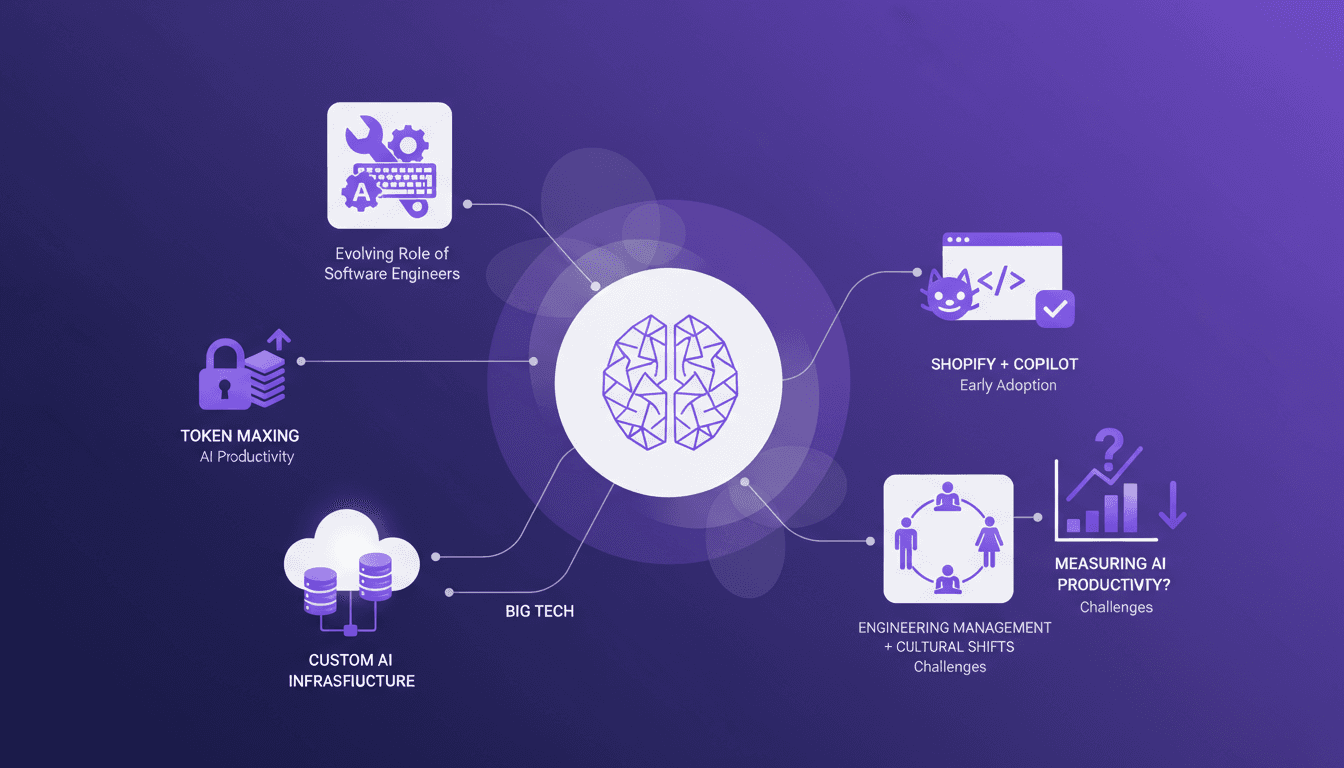
I've been in the AI trenches, and let me tell you, the way AI is reshaping software engineering is nothing short of a game changer. But beware, it's not all smooth sailing. In our field, AI tool adoption brings its own set of challenges, like token maxing and the evolving role of engineers. At a recent conference, experts like Gergely Orosz shared valuable insights on these transformations, from productivity impacts to cultural shifts in team management. We will need to navigate these opportunities and challenges to make the most of this technological revolution.
AI's Impact on Dev: Insights from Linear
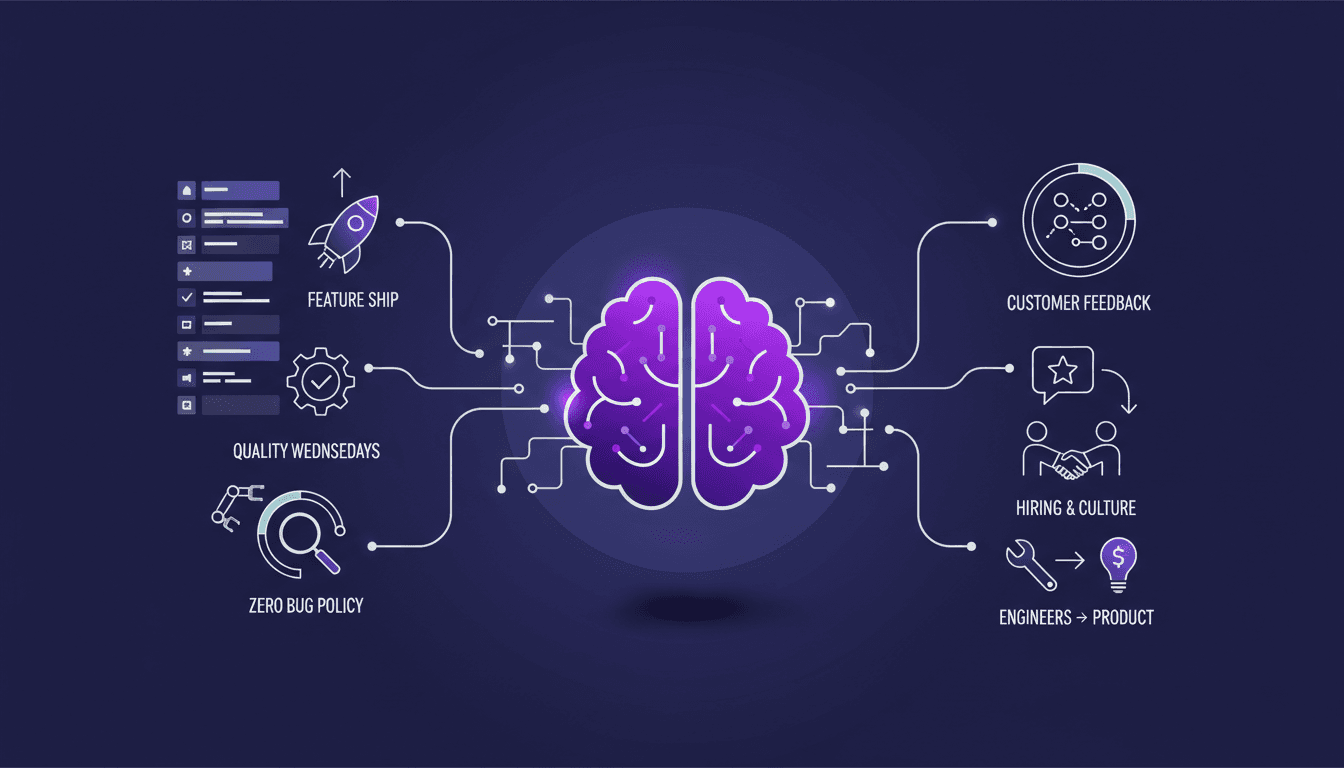
I remember the first time AI dramatically sped up our feature shipping at Linear. It was a game changer, but not without its quirks. In this conversation, Tuomas Artman, CTO of Linear, and Gergely Orosz delve into AI's impact on software development. We explore how Linear leverages AI for bug fixing while upholding a zero bug policy. And trust me, 'Quality Wednesdays' is more than just a catchphrase. We also discuss the importance of customer feedback in shaping our product development. Lastly, we touch on our hiring culture and how we balance speed with quality.
AI's Impact: Challenges and Solutions in Dev
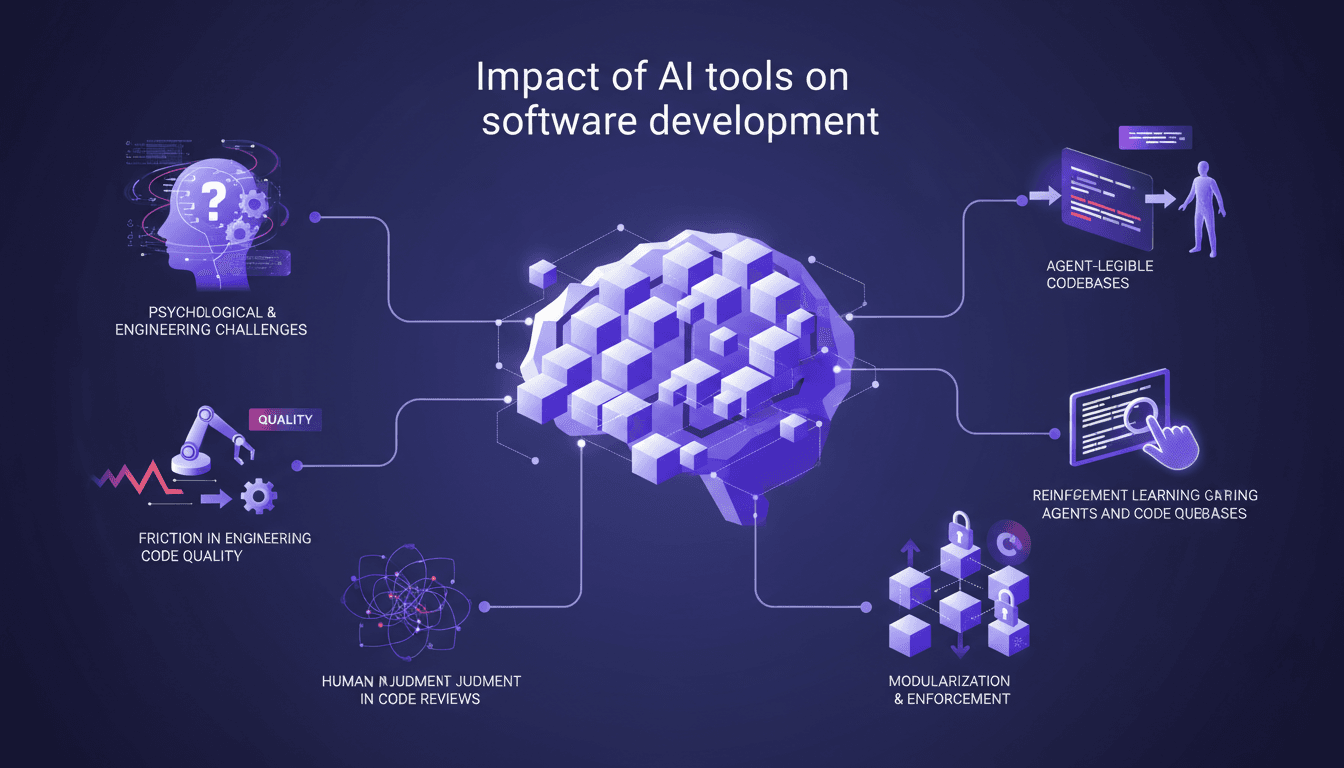
With over 20 years in software development, my last 12 months immersed in AI agents have been eye-opening. The friction isn't just technical—it's personal. It's about making judgment calls when AI tools suggest code changes that don't sit right. Armin Ronacher and Cristina Poncela Cubeiro illuminate AI's impact on development, covering both psychological and technical challenges. Their insights are crucial for integrating AI into your workflow while preserving human judgment.
Robotics Breakthroughs: A 10-Day Revolution
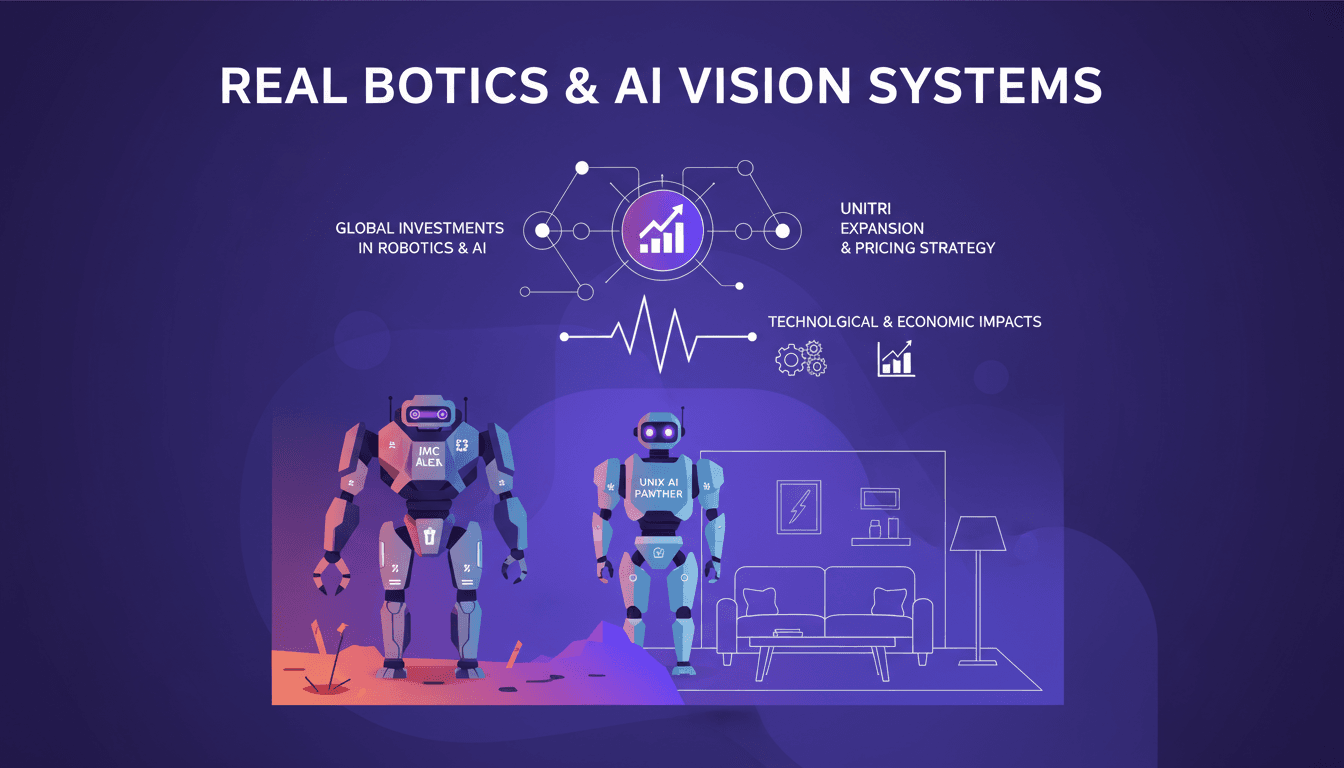
I've been in the robotics game for years, and let me tell you, the last 10 days have been wild. We’re talking about a seismic shift in humanoid robotics that nobody's really discussing yet. In this article, I'll walk you through what's happening on the ground: incredible advancements in humanoid robotics, the real tech behind AI vision systems, and what all this means for our industry. From Real Botics to Unitri, companies are pushing the boundaries of what robots can do, and it's not just tech talk—it's about real-world applications and market dynamics.