AI's Impact: Challenges and Solutions in Dev
With over 20 years in software development, my last 12 months immersed in AI agents have been eye-opening. The friction isn't just technical—it's personal. It's about making judgment calls when AI tools suggest code changes that don't sit right. Armin Ronacher and Cristina Poncela Cubeiro illuminate AI's impact on development, covering both psychological and technical challenges. Their insights are crucial for integrating AI into your workflow while preserving human judgment.
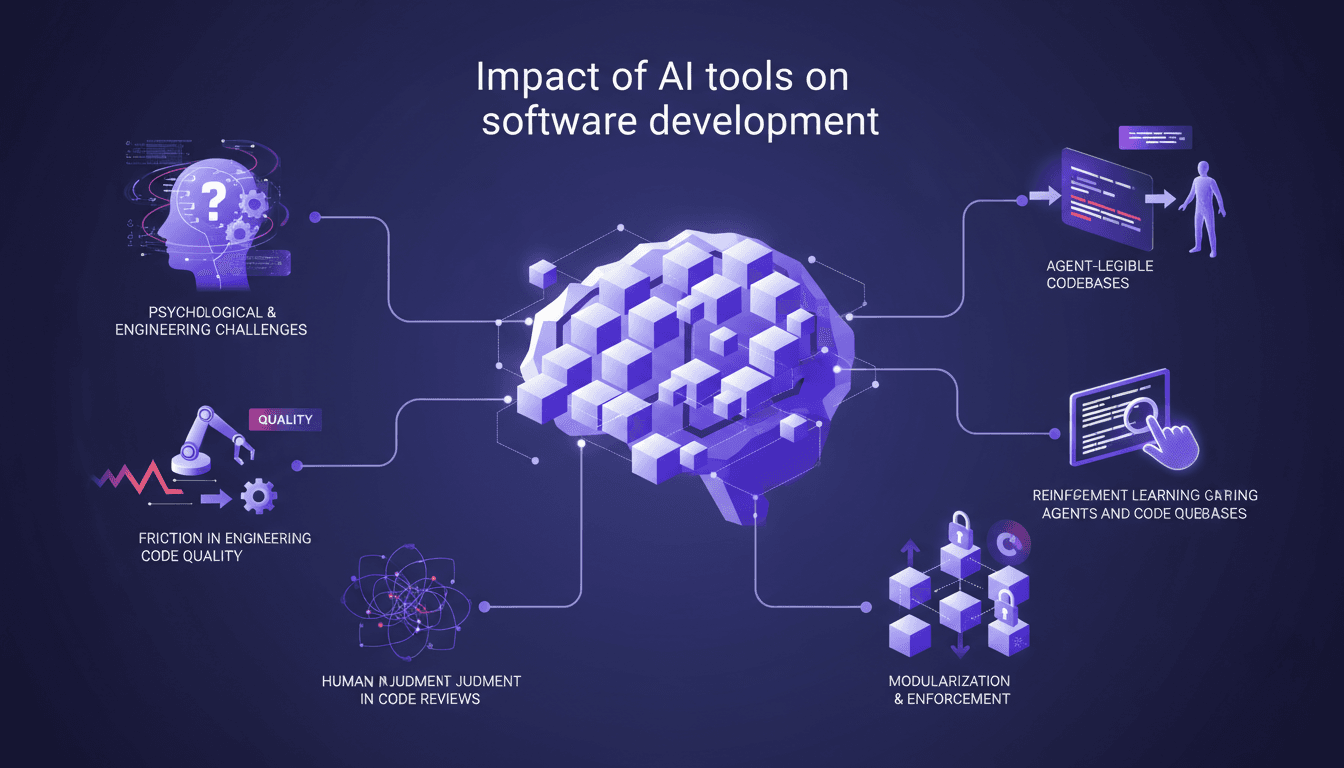
Having spent over 20 years in software development, the past 12 months have been a deep dive into the AI agent world. And let me tell you, the friction isn't just about tech—it's a personal thing. It's when an AI tool suggests a code change that doesn't sit right with you. Armin Ronacher and Cristina Poncela Cubeiro get that. Their talk delves into how AI is reshaping our workflows, the psychological hurdles we face, and the engineering challenges. They tackle the impact of AI tools on software development, the psychological and engineering challenges of AI adoption, and the importance of modularization. These are critical insights for integrating AI without losing our human judgment. Trust me, after getting burned a few times, I know these insights are crucial to avoid the trap of technical debt and codebase complexity.
Tackling Psychological Challenges with AI Tools
So why the hesitation in adopting these AI tools? I've seen it time and again, and the fear of becoming obsolete is very real. We all have this reflex to think: 'AI is eventually going to take my place'. But the truth is, these tools are here to help us, not replace us. First, you need to understand why you're hesitant. Trust in AI is great, but never let go of your own judgment. I've seen colleagues rely too much on AI and lose control over their decisions. Not good.
Next, to build confidence in AI-assisted coding, start small. Pilot projects where the impact is controlled. And most importantly, always keep a critical eye on what AI suggests. It happened to me once to let an AI suggestion slip through without checking, and we lost hours fixing errors afterwards.
"The rapid adoption of AI tools has shifted from being fun and productive to creating pressure to ship faster." Christina Poncela Cubeiro
To maintain control, I recommend always validating AI-driven decisions with peers. AI can help us, but ultimately, it's we who make the decisions.
Engineering Challenges and AI's Impact on Code Quality
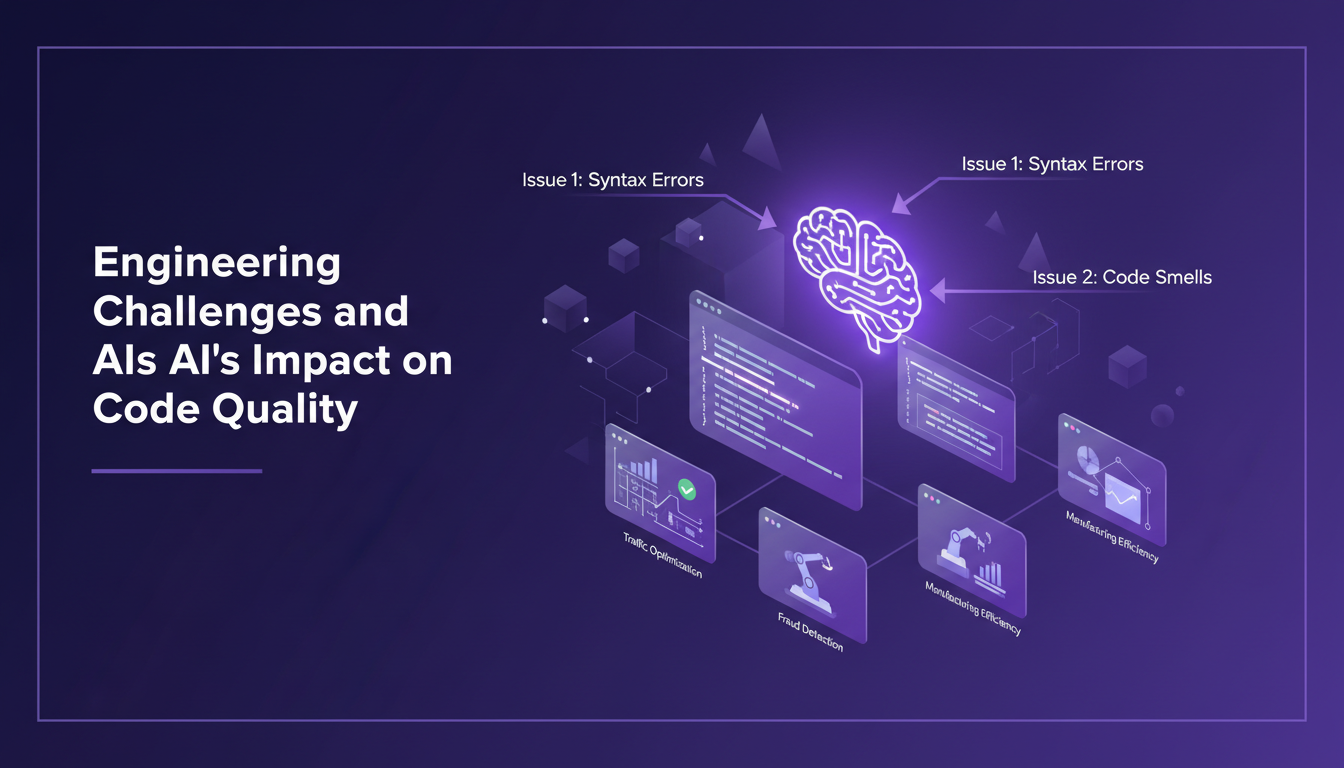
AI, it improves code quality... or not. I've seen AI agents solve performance issues nobody noticed, but watch out, it can also complicate things. In my experience, the first two issues an AI agent typically addresses are often code inefficiencies and duplication.
A concrete example? An AI agent identified our code was spending too much time on unnecessary queries. We cut execution time by 20%. But, the downside, is that automation can also lead to technical debt if we're not careful.
Integrating AI without increasing technical debt is possible by keeping a good balance between automation and manual oversight. Always think about the long-term impact on your codebase.
Designing Agent Legible Codebases
What makes a codebase 'agent legible'? For me, it's first about modularization and simplification. I've worked on projects where using strict indentation and naming rules made all the difference. But beware, there are limits. Too much rigidity can stifle creativity.
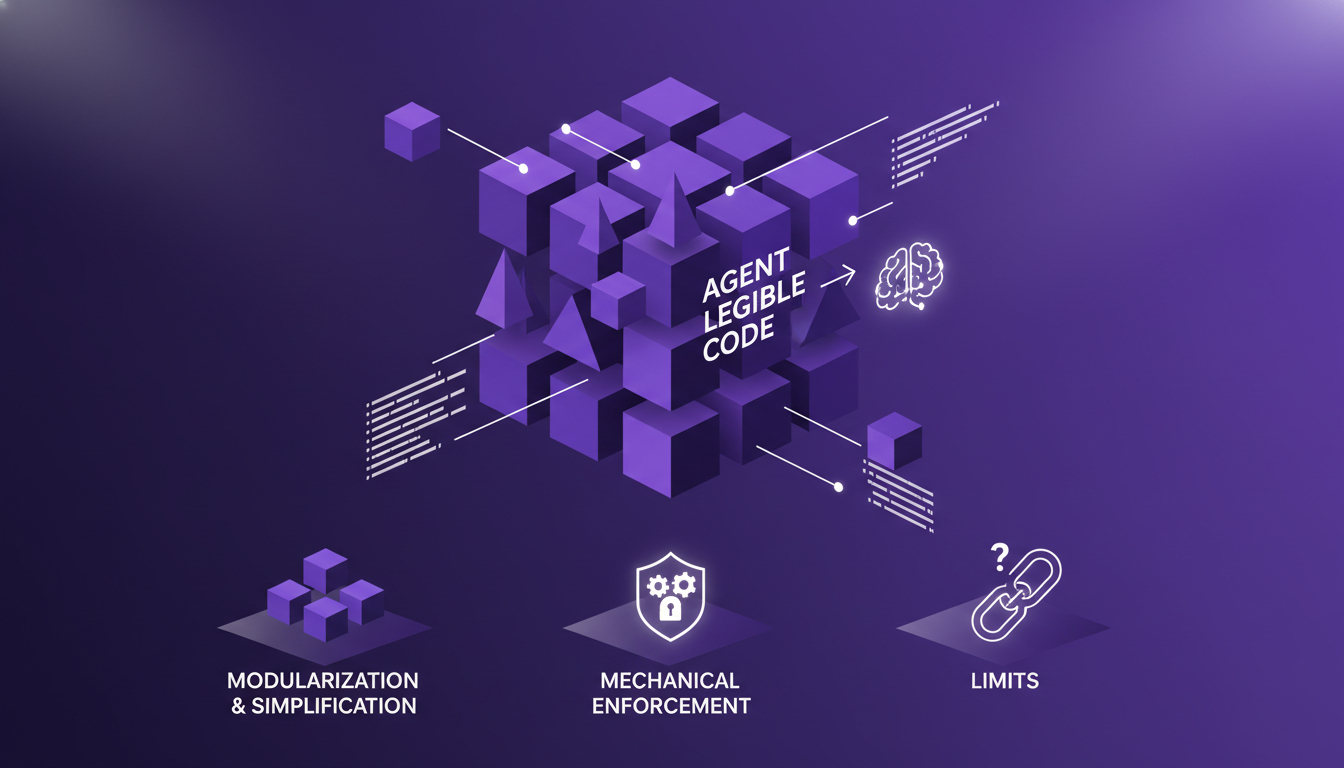
In practical terms, I've seen teams adopt techniques like linting to mechanically enforce rules. But don't overuse it. An agent legible codebase improves maintainability, but you always need a human eye to check for coherence.
A lived example: by using unique function names, we improved AI agents' token efficiency by 15%. It seems simple, but it's a real optimization.
Reinforcement Learning Agents and Code Quality
Now, let's talk about reinforcement learning in coding. Agents often learn from their failures. I've seen it in action, and the results can be impressive. However, it's crucial to find the right balance between agent autonomy and human oversight.
Practical applications are numerous, like performance optimization or error reduction. But beware of pitfalls: an agent that's too autonomous can introduce more errors than solutions.
To avoid these pitfalls, it's essential to clearly define failure conditions and have feedback mechanisms in place. In my experience, this allows us to leverage AI agents without increasing risks.
The Role of Human Judgment in Code Reviews
Despite AI advancements, human judgment remains crucial. AI can miss subtleties that only a human eye can catch. I've seen cases where an AI suggestion seemed perfect, but a human review detected underlying issues.
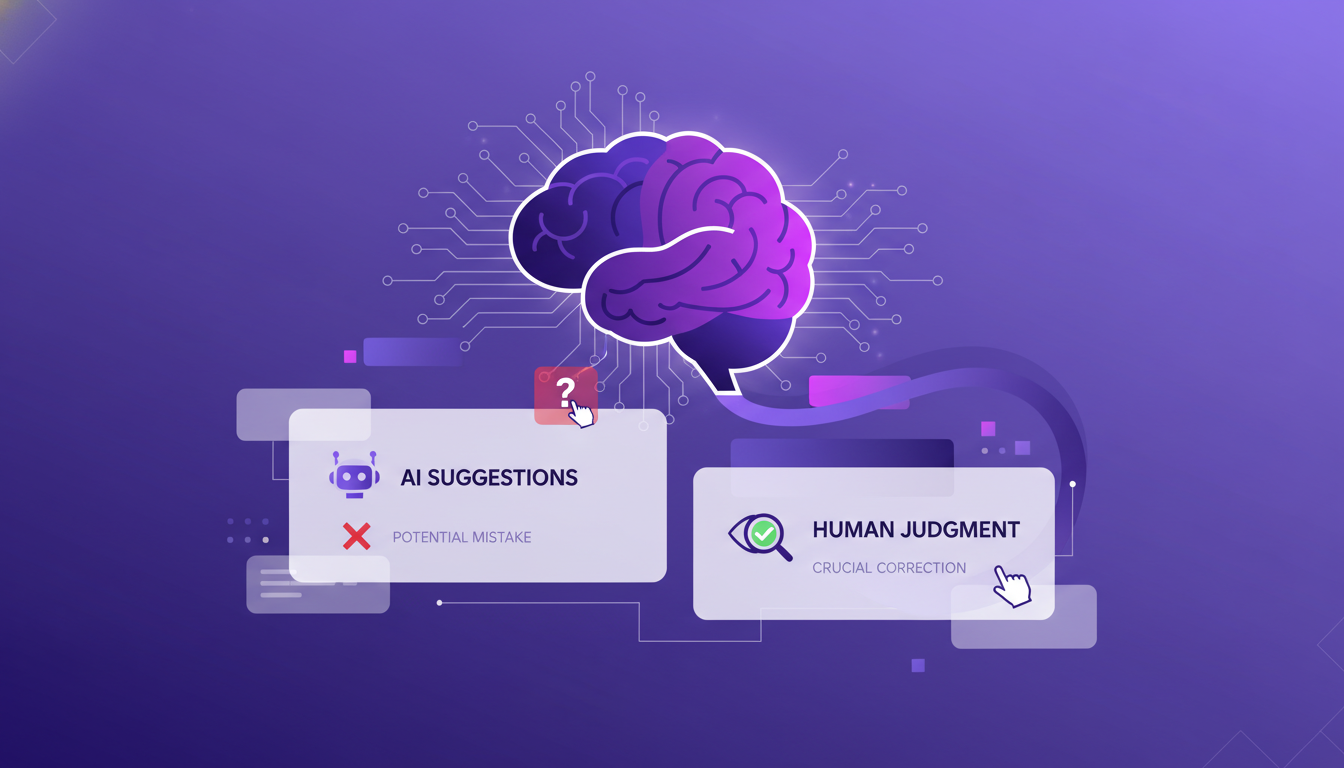
To maximize code reviews, it's useful to integrate AI insights with our own expertise. But beware of the friction between AI and human reviewers. You need to find a balance to avoid tensions.
In conclusion, AI is a powerful tool, but it doesn't replace our judgment. Use it for what it is: a tool to augment, not replace, our ability to create quality code.
AI tools in software development are a real game changer, but naturally, they come with their own hurdles. First, integrating AI requires a clear understanding of its limits and strengths. Then, designing agent-legible codebases is crucial to avoid pitfalls. Don't let AI strip you of your essential judgment. I've realized it’s a balance — leveraging AI's efficiency while maintaining our human insight.
Looking ahead, when used wisely, AI can transform how we code. But watch out, don't forget the psychological and technical challenges that come with it.
I encourage you to start evaluating your own codebase today for AI integration opportunities. But stay sharp, keep your judgment keen. To dive deeper into this fascinating subject, I highly recommend watching the original video: "The Friction is Your Judgment" on YouTube.
Frequently Asked Questions

Thibault Le Balier
Co-fondateur & CTO
Coming from the tech startup ecosystem, Thibault has developed expertise in AI solution architecture that he now puts at the service of large companies (Atos, BNP Paribas, beta.gouv). He works on two axes: mastering AI deployments (local LLMs, MCP security) and optimizing inference costs (offloading, compression, token management).
Related Articles
Discover more articles on similar topics
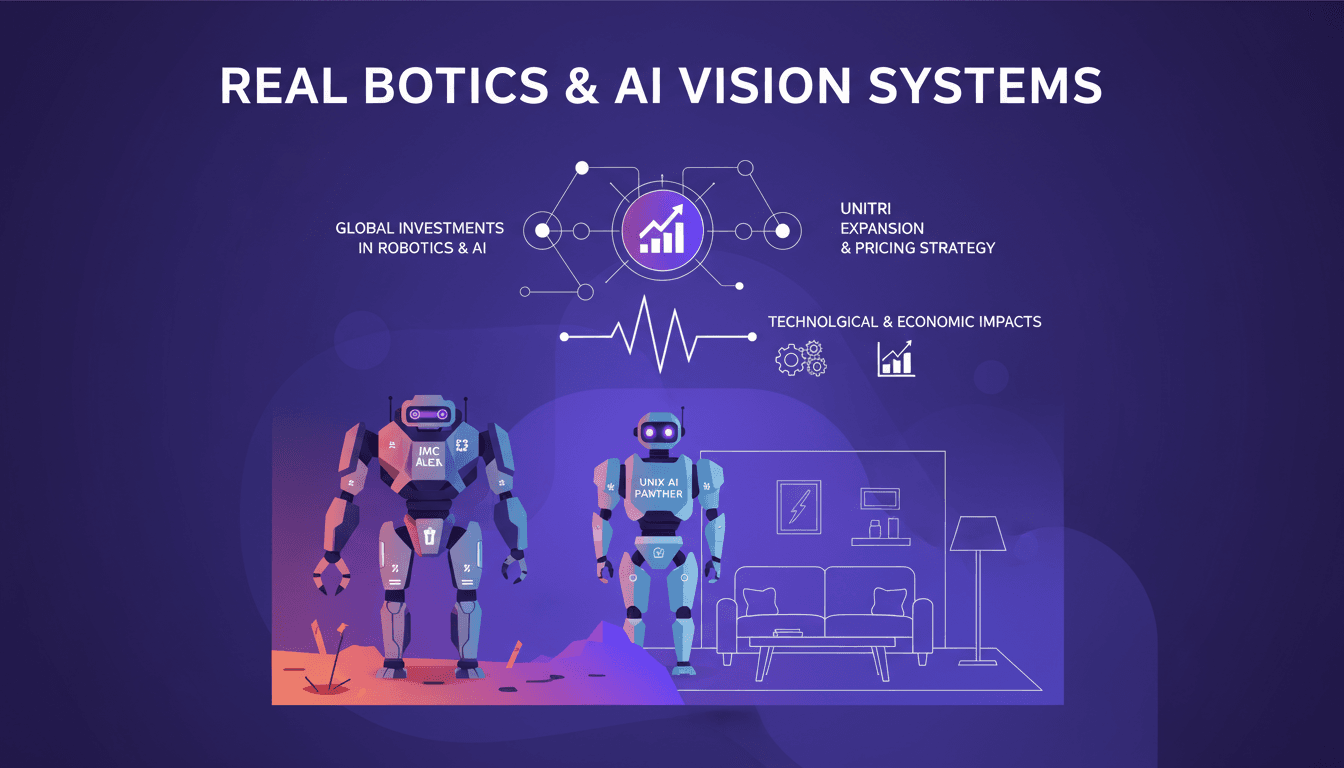
Robotics Breakthroughs: A 10-Day Revolution
I've been in the robotics game for years, and let me tell you, the last 10 days have been wild. We’re talking about a seismic shift in humanoid robotics that nobody's really discussing yet. In this article, I'll walk you through what's happening on the ground: incredible advancements in humanoid robotics, the real tech behind AI vision systems, and what all this means for our industry. From Real Botics to Unitri, companies are pushing the boundaries of what robots can do, and it's not just tech talk—it's about real-world applications and market dynamics.
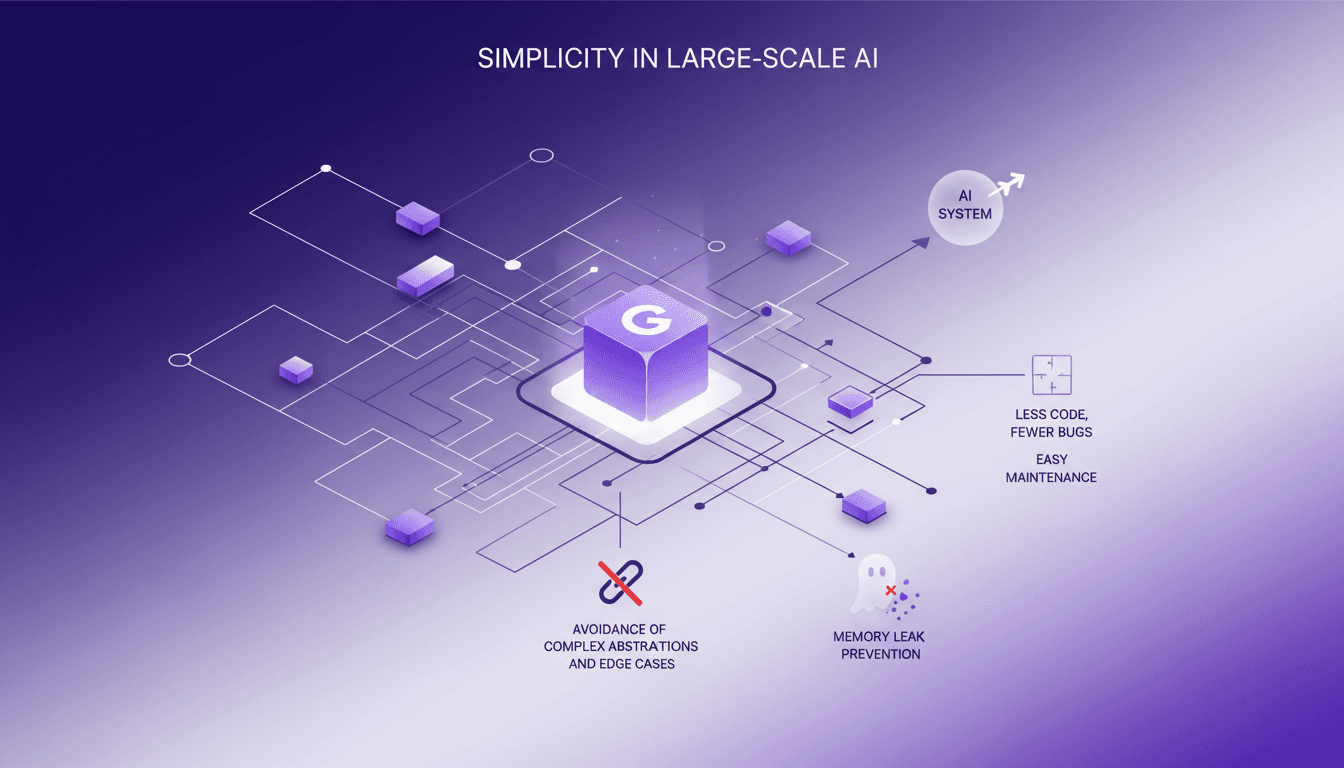
Simplifying Large Projects: Go's Role
I've been knee-deep in code more times than I can count, and if there's one lesson I've learned, it's this: simplicity is your best ally, especially when scaling up. Working at GitHub, I've witnessed firsthand how simplicity not only streamlines processes but also prevents costly errors. Let me walk you through how I keep things simple, why I love Go, and how this mindset keeps my projects from spiraling into chaos. We're talking about dodging complex abstractions and memory leaks that can wreck a system. Simplicity isn't just an aesthetic choice; it's a necessity for maintaining and understanding code effectively. As an engineer, I'm sharing my strategies to stay simple in large-scale projects.
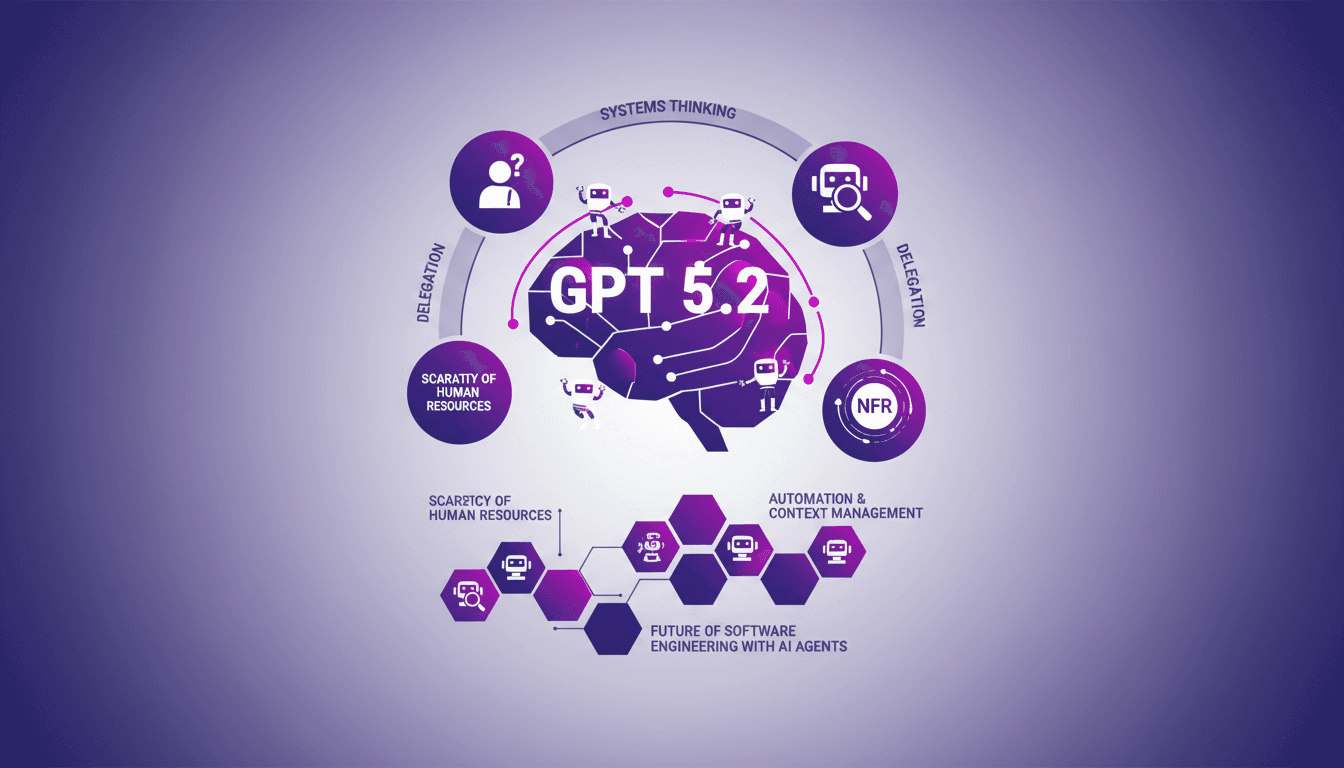
Coding Agents: Revolutionizing with GPT 5.2
I've been in the trenches of software development for years, and let me tell you, the game has changed. Integrating GPT 5.2 into my workflow was like unlocking a new level of efficiency. Suddenly, coding agents weren't just an abstract concept—they were my new team members. With the scarcity of human resources in software engineering, leveraging AI like GPT 5.2 is no longer optional; it's essential. Let's dive into how these tools are shaping the future of our field. We'll explore advancements in coding agents, systems thinking and delegation, the importance of specifying non-functional requirements, and more. Get ready for a revolution in how you approach coding.
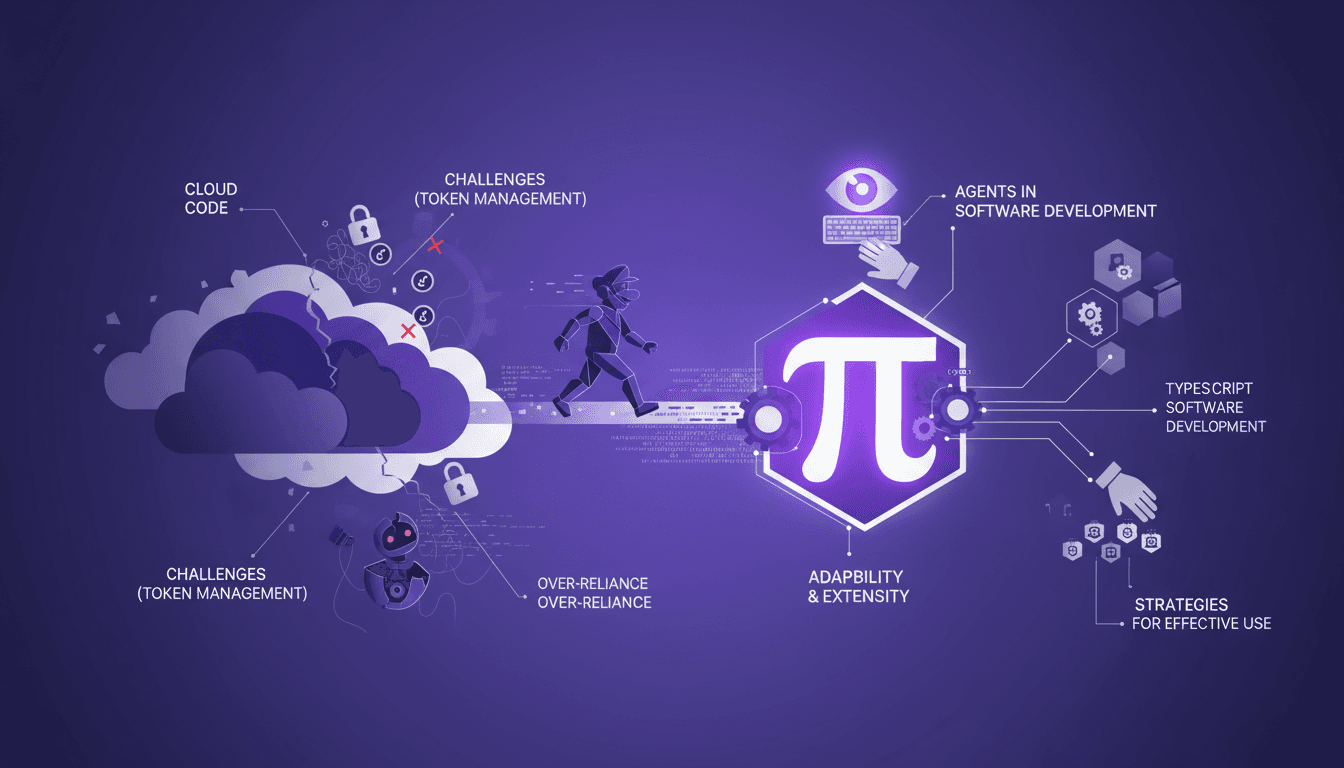
Building Pi: Transition from Cloud Code
Back in 2025, I made the leap from cloud code to Pi, and let me tell you, it wasn't just a platform switch. It was a full overhaul of my coding approach, focusing on efficiency and adaptability. First, I faced the notorious token madness, but soon discovered the power of Pi's customization. In this article, I walk you through my journey, the challenges I faced, and how I leveraged Pi to overcome them. We'll dive into the intricacies of coding agents, the role of TypeScript modules, and strategies to avoid pitfalls. The key is that Pi allowed me to transform how I code, without falling into the trap of over-relying on automated tools. Join me in this advanced technical journey, full of practical insights.
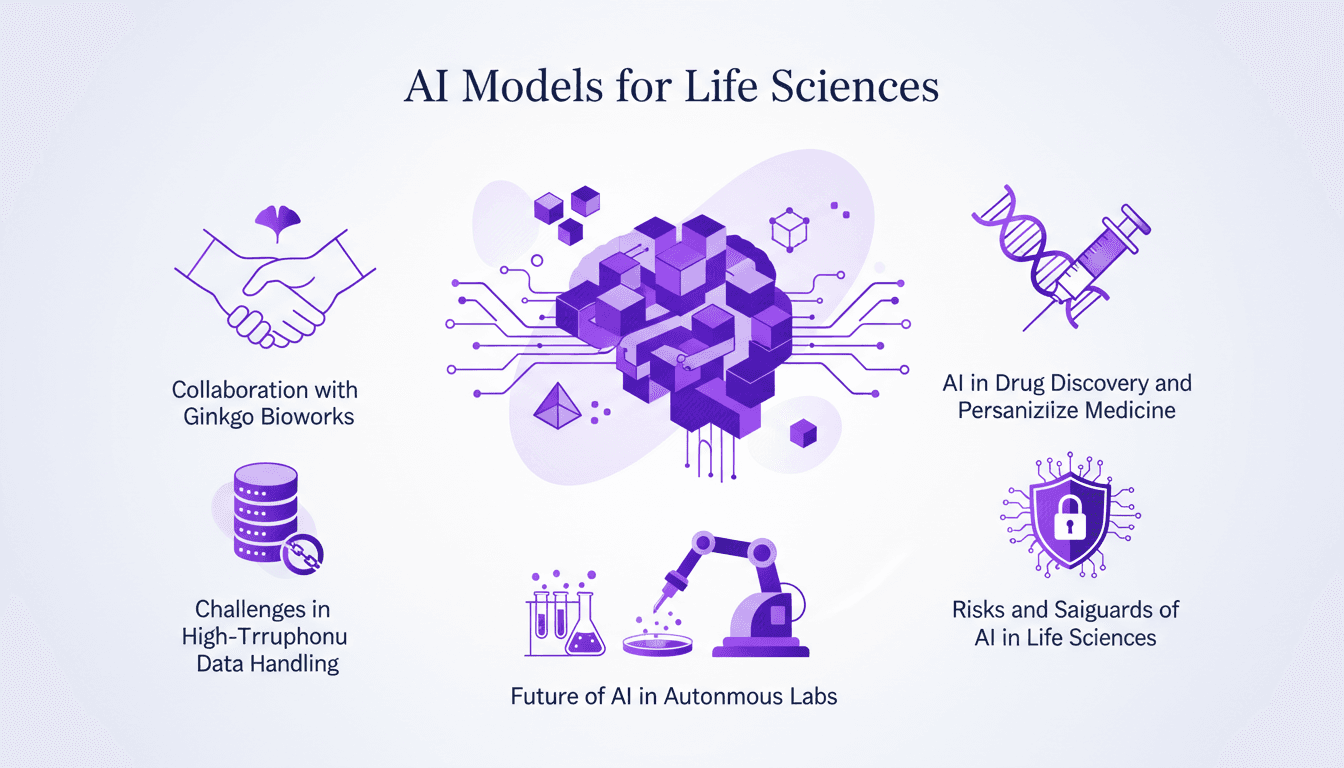
Building AI Models for Life Sciences: Guide
Knee-deep in AI for life sciences, I navigate a rapidly evolving landscape. Collaborating with giants like Ginkgo Bioworks means constantly rethinking our approaches. From handling massive data to drug discovery, every day is an adventure. AI is often hailed as a revolution, but beware of pitfalls: without safeguards, you might get burned. Join me as we dive into this fascinating world where innovation and caution must coexist to build the future.