Simplifying Large Projects: Go's Role
I've been knee-deep in code more times than I can count, and if there's one lesson I've learned, it's this: simplicity is your best ally, especially when scaling up. Working at GitHub, I've witnessed firsthand how simplicity not only streamlines processes but also prevents costly errors. Let me walk you through how I keep things simple, why I love Go, and how this mindset keeps my projects from spiraling into chaos. We're talking about dodging complex abstractions and memory leaks that can wreck a system. Simplicity isn't just an aesthetic choice; it's a necessity for maintaining and understanding code effectively. As an engineer, I'm sharing my strategies to stay simple in large-scale projects.
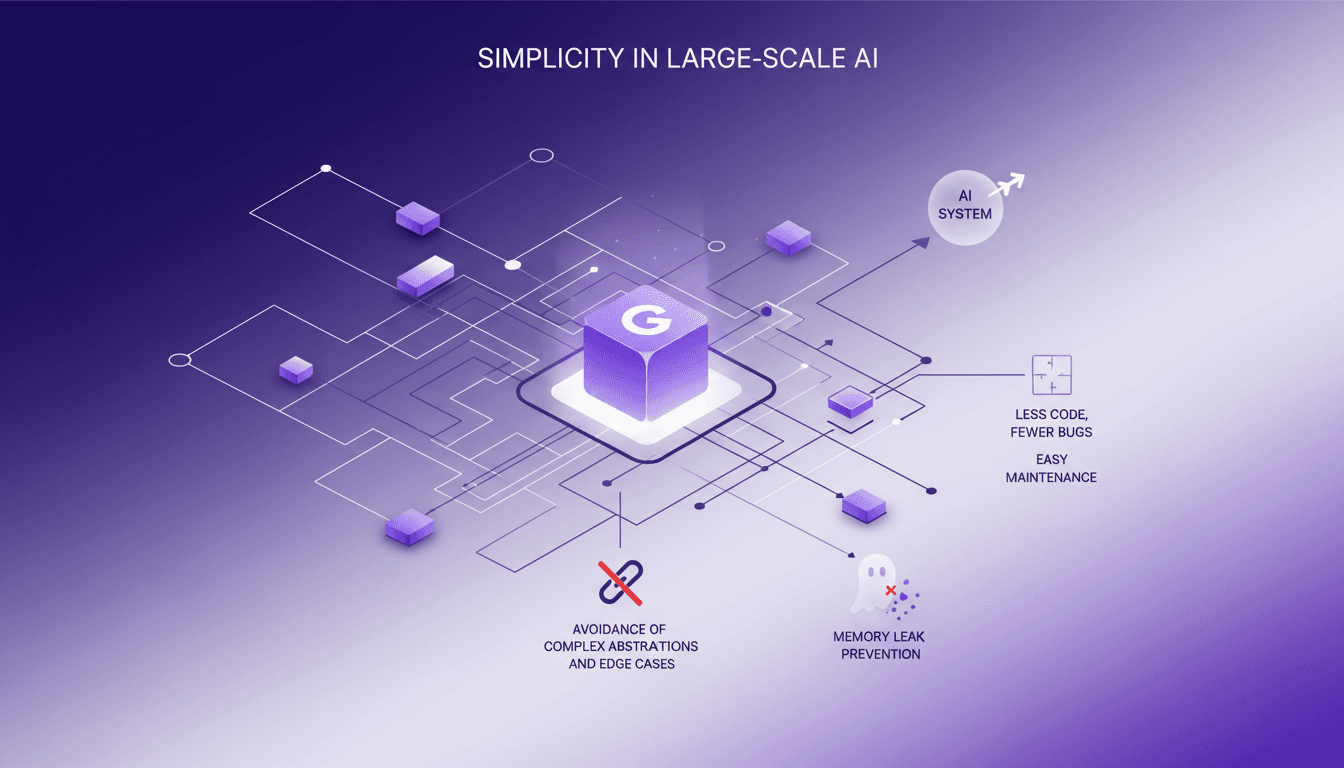
I've been knee-deep in code more times than I can count, and if there's one thing I've learned, it's this: simplicity is your best friend, especially when you’re scaling up a project. Working at GitHub, I've seen firsthand how simplicity not only streamlines processes but also prevents costly errors. Let me walk you through how I keep things simple, why I love the Go language, and how this mindset saves my projects from spiraling into chaos. Memory leaks? They happen often in large systems. Complex abstractions? They might look appealing but can trap you. Here, we'll discuss concrete strategies for maintaining simplicity in your large-scale projects. It's not just an aesthetic choice; it's a necessary approach for effectively understanding and maintaining your code.
Why Simplicity Matters in Large-Scale Projects
First, I focus on simplicity because it reduces cognitive load. Complex systems are hard to maintain and understand. When something breaks, simplicity allows me to pinpoint the issue fast. In large projects, small inefficiencies multiply. Keeping it simple helps avoid this trap.
In large-scale projects, every added complexity can quickly become a nightmare. That's why I always opt for straightforward and simple solutions. Sometimes, it's faster to go back to basics than to juggle with complex abstractions.
The Go Programming Language: A Tool for Simplification
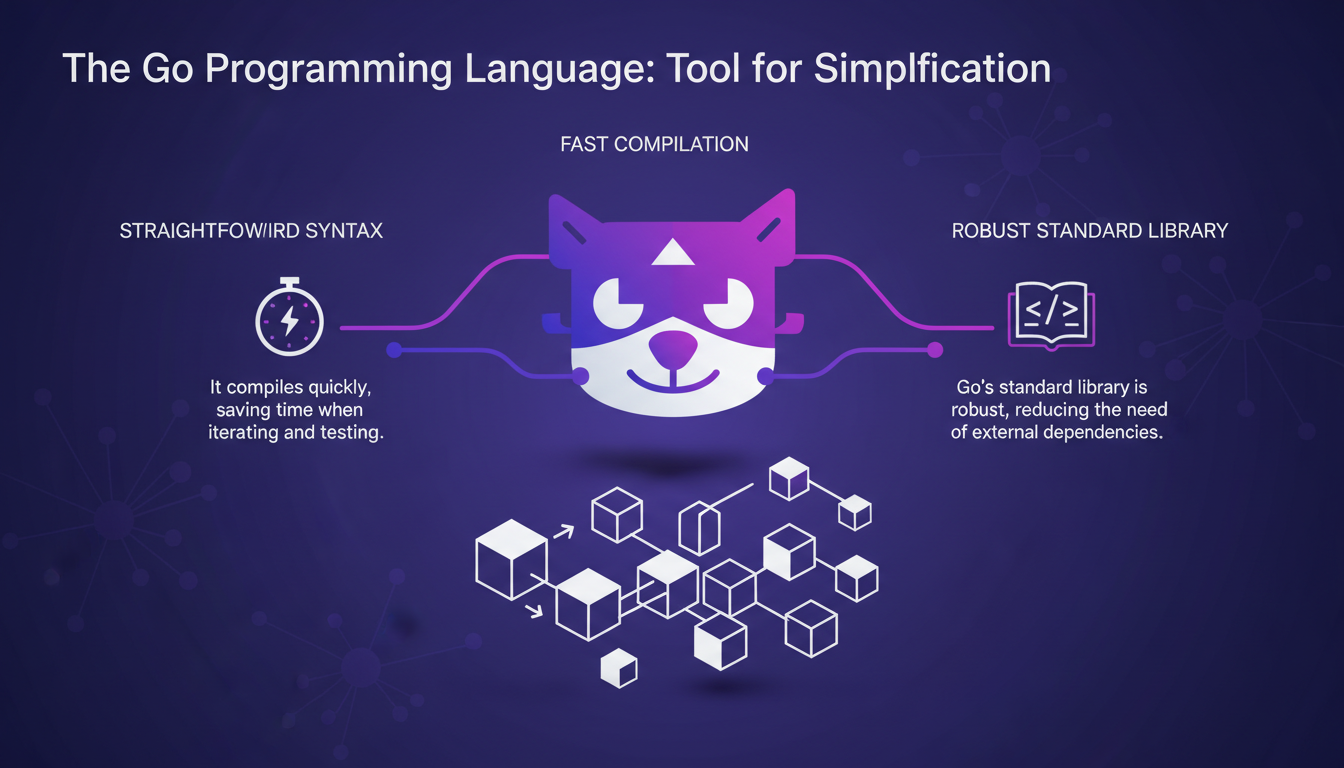
The Go programming language is a valuable ally for simplifying projects. Its syntax is straightforward, which I love for large projects. It compiles quickly, saving time when iterating and testing. And with its robust standard library, I reduce the need for external dependencies.
However, Go isn't perfect. It lacks generics, which can be limiting in some cases. But for me, the time savings and code clarity far outweigh this downside.
"Simple is complicated enough, especially at scale."
Avoiding Complex Abstractions and Edge Cases
Complex abstractions often lead to more bugs. I've learned to keep my abstractions minimal. Edge cases are tricky; I address them by writing clear, concise code. First, I identify the core functionality, then build around it without overcomplicating.
But watch out—chasing every edge case can lead to unnecessary complexity. I've seen projects bog down because of this.
The Catastrophic Impact of Memory Leaks at Scale
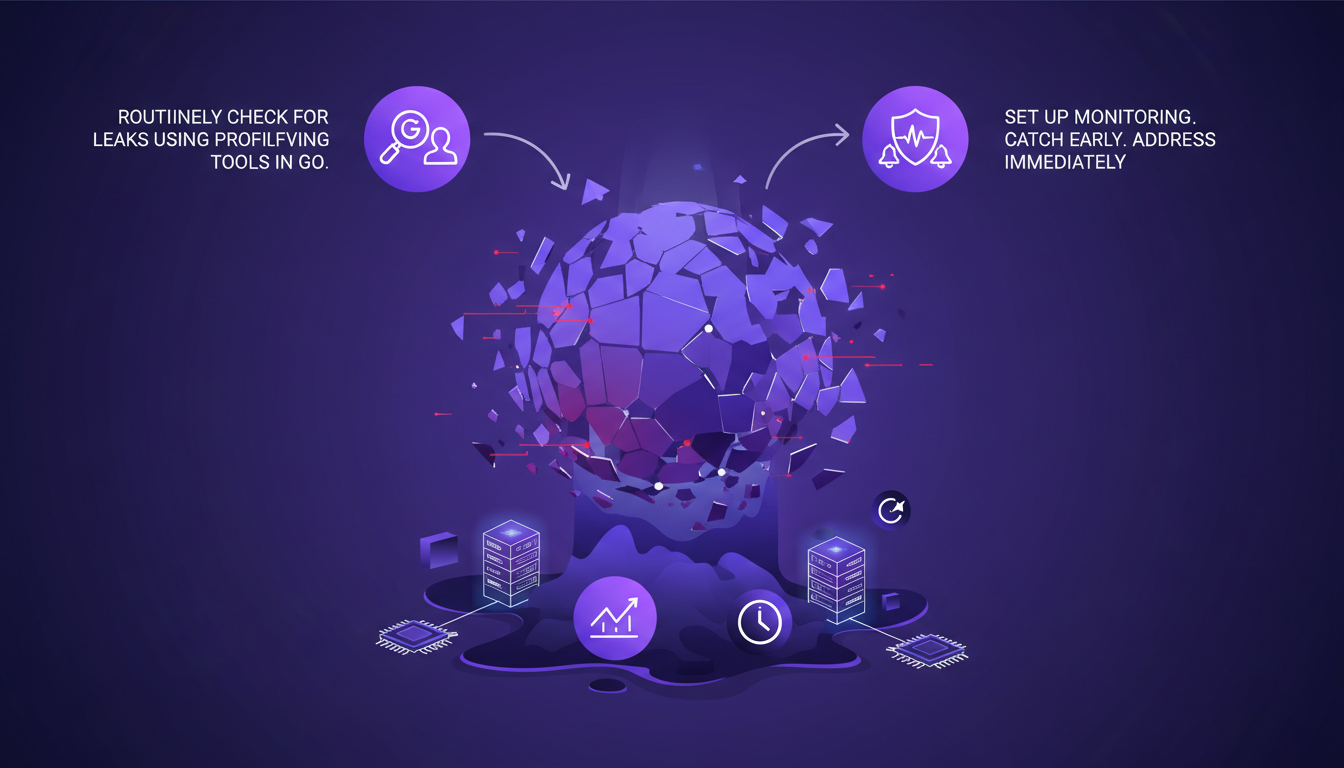
Memory leaks are silent killers in large systems. They sneak up and cause chaos. I routinely check for leaks using profiling tools in Go. First, I set up monitoring to catch leaks early. Then, I address them immediately.
Ignoring these leaks can lead to downtime and increased costs. Never underestimate their impact.
Strategies for Maintaining Simplicity in Code
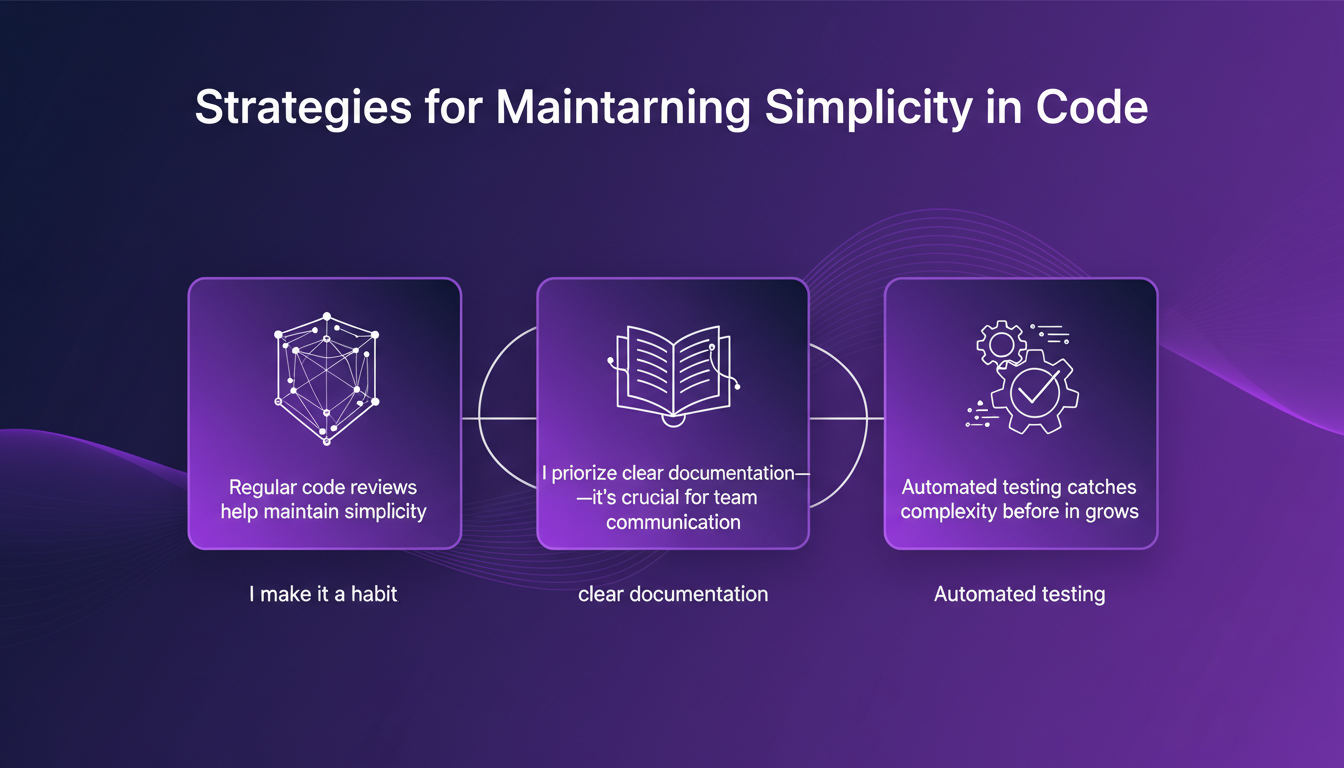
Regular code reviews are key to maintaining simplicity. I make it a habit. I also prioritize clear documentation—it's crucial for team communication.
Automated testing catches complexity before it grows. Don't overuse design patterns; sometimes a simple approach is better.
Simplicity is not a luxury but a necessity for effective large-scale software development.
- Regular code reviews
- Clear documentation
- Automated testing
- Watch out for design patterns
For more insights, check out Leveraging AI in Golang and Why Choose Go.
Simplicity isn't just a buzzword; it's a necessity, especially at scale. By embracing Go and steering clear of unnecessary complexity, I keep my projects efficient and manageable. Here's what I've taken away:
- Simplicity is key at scale: Every added complexity can become a nightmare.
- Leverage Go: This language is a game changer. It offers simplicity that helps mitigate memory leaks, a common issue in large systems.
- Avoid unnecessary abstractions: Too much complexity kills simplicity. Stay grounded.
Looking ahead, simplifying our systems isn't just practical, it's a real game changer for system robustness. But don't underestimate the work it requires.
I encourage you to start simplifying your projects today. Evaluate your current systems, identify complexities, and see where you can streamline. Your future self will thank you. For deeper insights, watch the original video here: Simple is complicated enough. You'll see how a GitHub engineer applies these principles in the field.
Frequently Asked Questions

Thibault Le Balier
Co-fondateur & CTO
Coming from the tech startup ecosystem, Thibault has developed expertise in AI solution architecture that he now puts at the service of large companies (Atos, BNP Paribas, beta.gouv). He works on two axes: mastering AI deployments (local LLMs, MCP security) and optimizing inference costs (offloading, compression, token management).
Related Articles
Discover more articles on similar topics
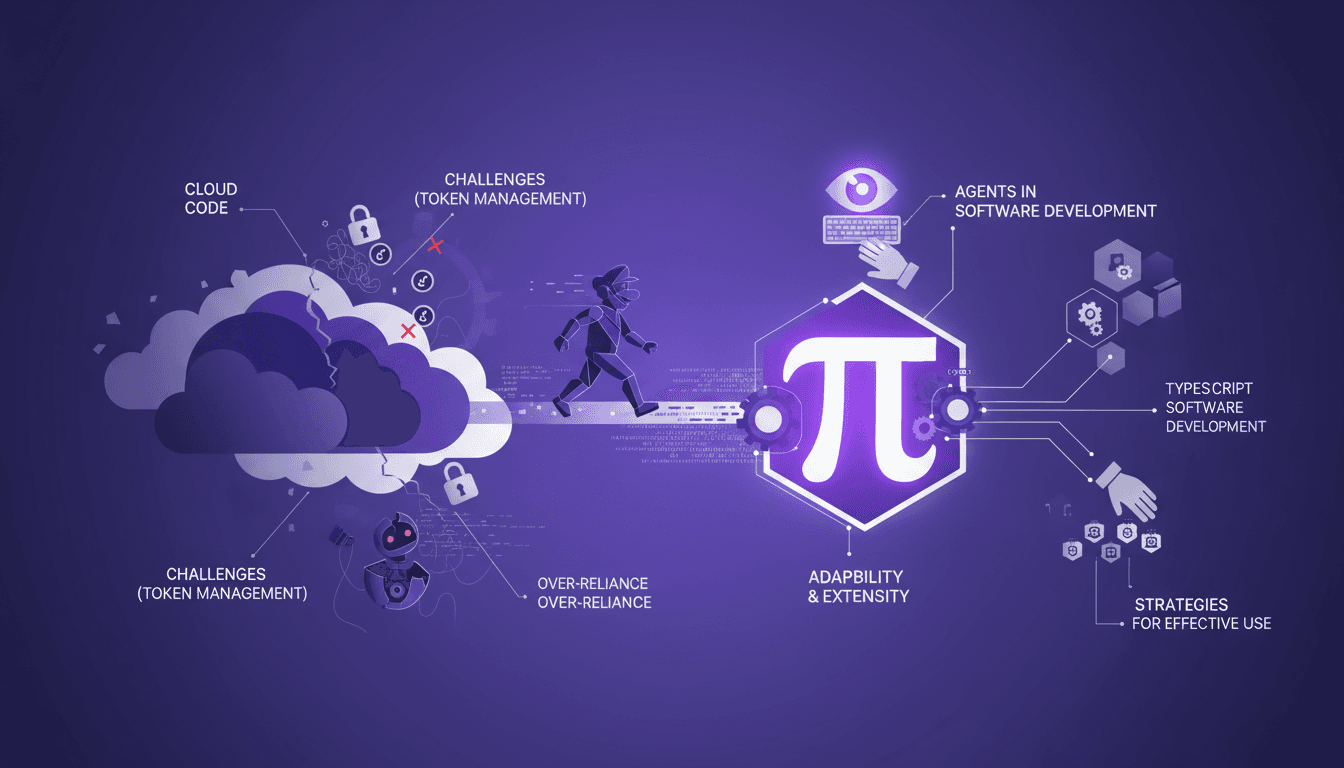
Building Pi: Transition from Cloud Code
Back in 2025, I made the leap from cloud code to Pi, and let me tell you, it wasn't just a platform switch. It was a full overhaul of my coding approach, focusing on efficiency and adaptability. First, I faced the notorious token madness, but soon discovered the power of Pi's customization. In this article, I walk you through my journey, the challenges I faced, and how I leveraged Pi to overcome them. We'll dive into the intricacies of coding agents, the role of TypeScript modules, and strategies to avoid pitfalls. The key is that Pi allowed me to transform how I code, without falling into the trap of over-relying on automated tools. Join me in this advanced technical journey, full of practical insights.
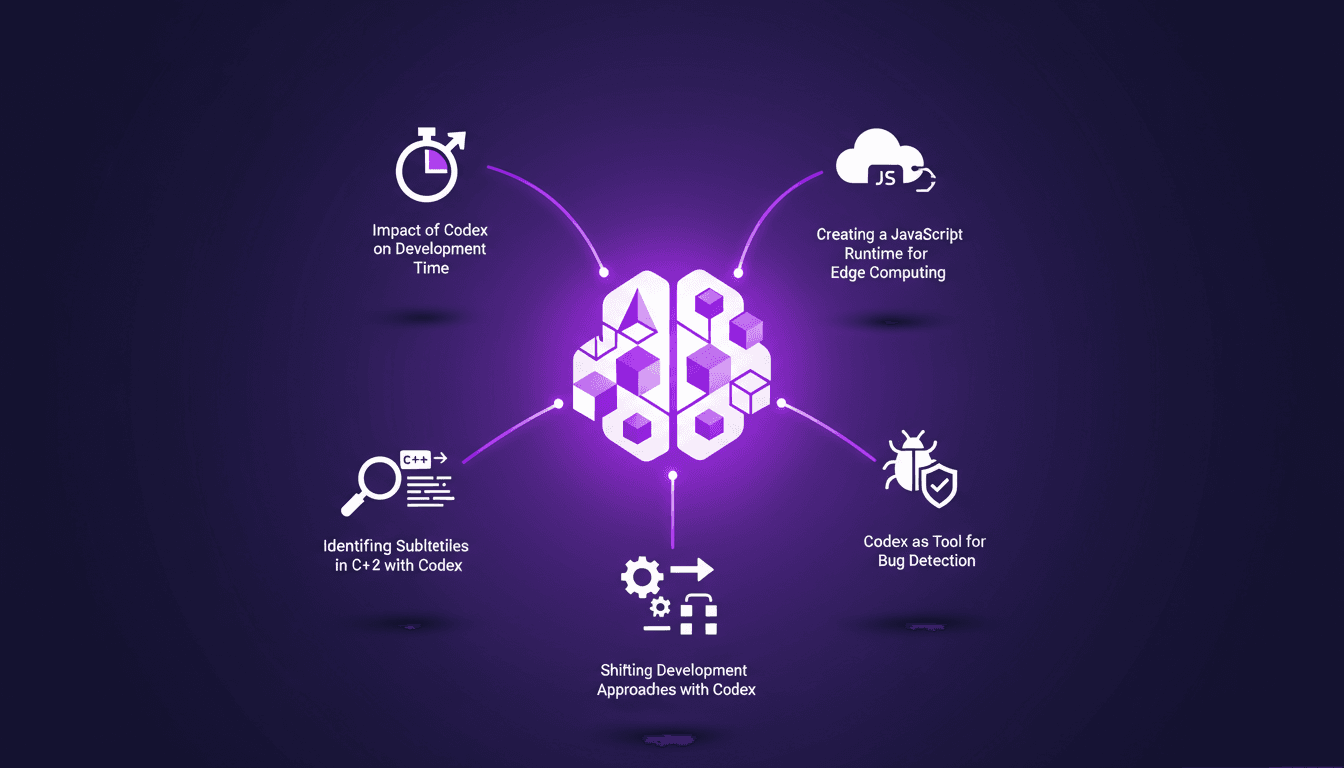
Codex: Revolutionizing Development Time
I used to spend weeks, even months, wrestling with development time. Then Codex came along and changed the game. Let me walk you through how it slashed my JavaScript runtime project from a year to just two weeks. Codex has been nothing short of transformative. From identifying C++ subtleties to creating a JavaScript runtime for edge computing, Codex has streamlined processes I once thought were set in stone. In this video, I dive into how Codex impacted development time, detected bugs, and shifted our development approach.
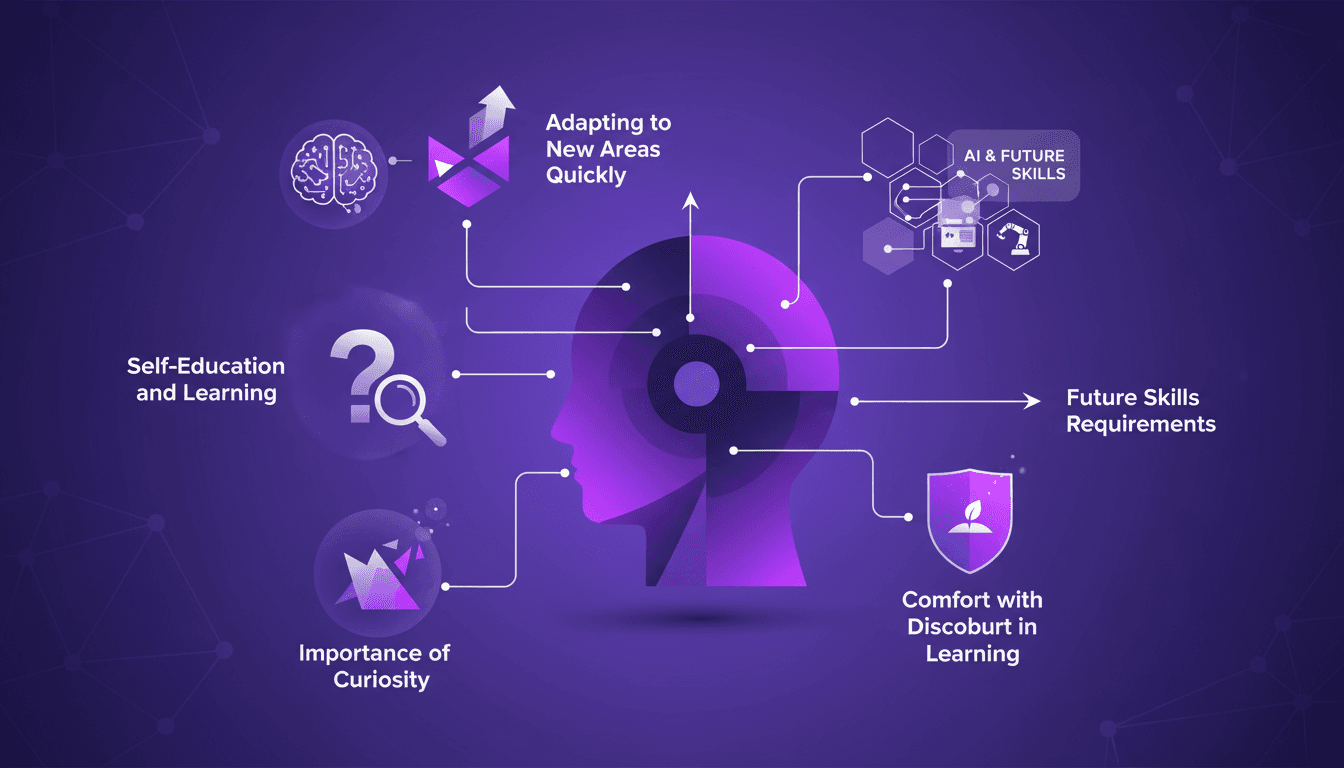
Self-Education: From Dropout to Senior Engineer
I never completed my computer science degree, yet here I am, a senior engineer at GitHub. How did I get here? Spoiler: it's anything but the traditional route. I banked on self-education, curiosity, and embracing discomfort. In a world where tech evolves at lightning speed, what really counts is our ability to learn quickly. I'll show you how these elements shaped my journey and how they can transform yours. We'll dive into how to swiftly adapt to new areas, the importance of daring to be curious, and why getting comfortable with discomfort has become crucial for future skills.
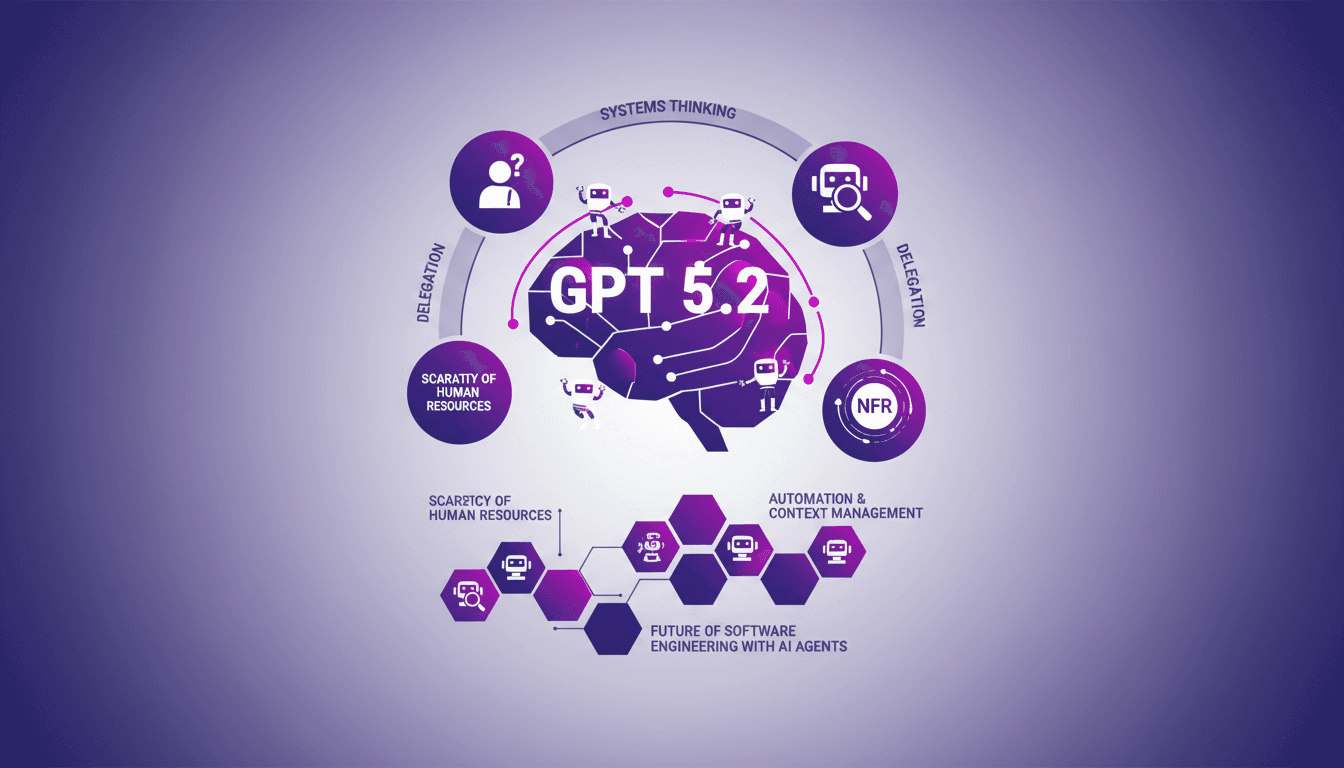
Coding Agents: Revolutionizing with GPT 5.2
I've been in the trenches of software development for years, and let me tell you, the game has changed. Integrating GPT 5.2 into my workflow was like unlocking a new level of efficiency. Suddenly, coding agents weren't just an abstract concept—they were my new team members. With the scarcity of human resources in software engineering, leveraging AI like GPT 5.2 is no longer optional; it's essential. Let's dive into how these tools are shaping the future of our field. We'll explore advancements in coding agents, systems thinking and delegation, the importance of specifying non-functional requirements, and more. Get ready for a revolution in how you approach coding.
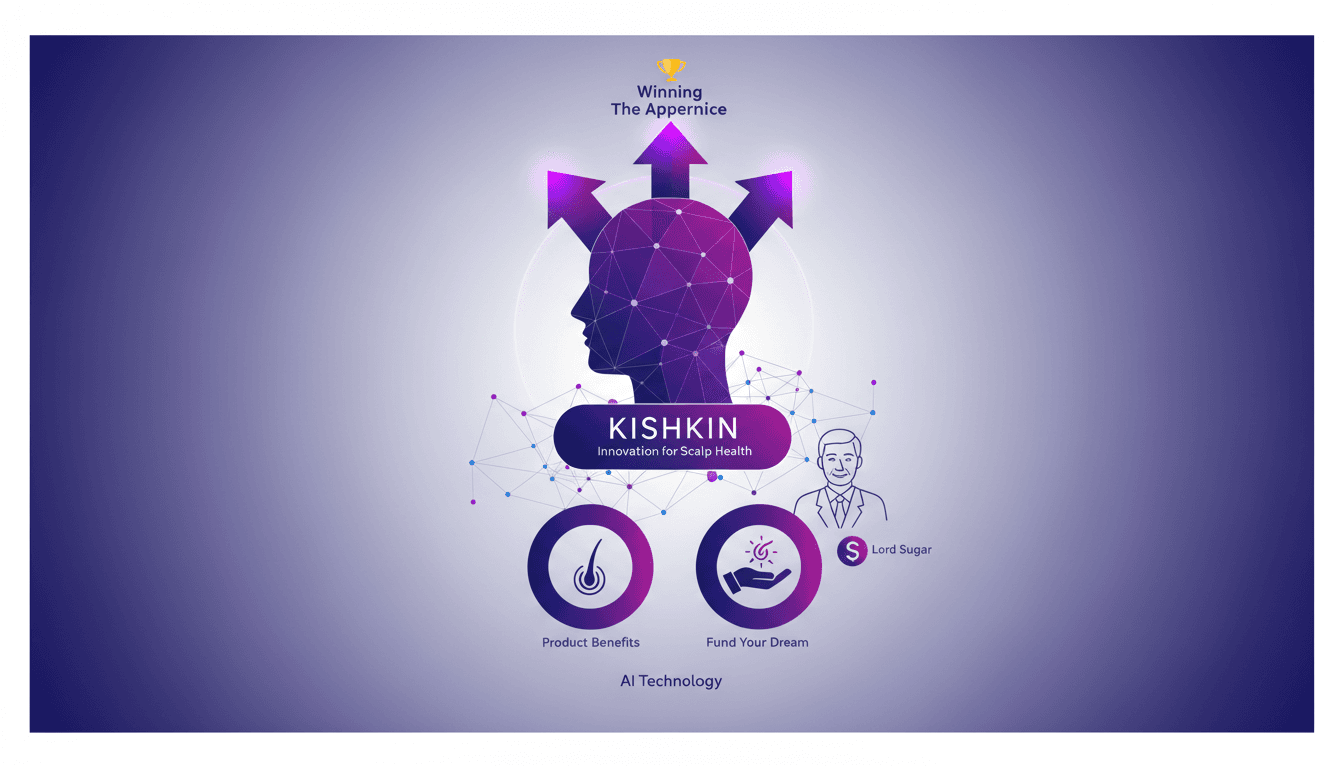
Winning The Apprentice: My Journey and Prize
I remember the moment I won The Apprentice like it was yesterday. Walking away with £250,000 was incredible, but it was just the beginning. It wasn't just about the money, but how I used the opportunity to build something tangible with Kishkin. I'm going to walk you through how I turned that win into a thriving business and what it's like working alongside Lord Sugar. We'll dive into the origins of Kishkin, the scalp care benefits we offer, and why collaborating with a business titan is a game changer. Plus, I'm not stopping there—I have an exciting proposal to help fund your dream.