Self-Education: From Dropout to Senior Engineer
I never completed my computer science degree, yet here I am, a senior engineer at GitHub. How did I get here? Spoiler: it's anything but the traditional route. I banked on self-education, curiosity, and embracing discomfort. In a world where tech evolves at lightning speed, what really counts is our ability to learn quickly. I'll show you how these elements shaped my journey and how they can transform yours. We'll dive into how to swiftly adapt to new areas, the importance of daring to be curious, and why getting comfortable with discomfort has become crucial for future skills.
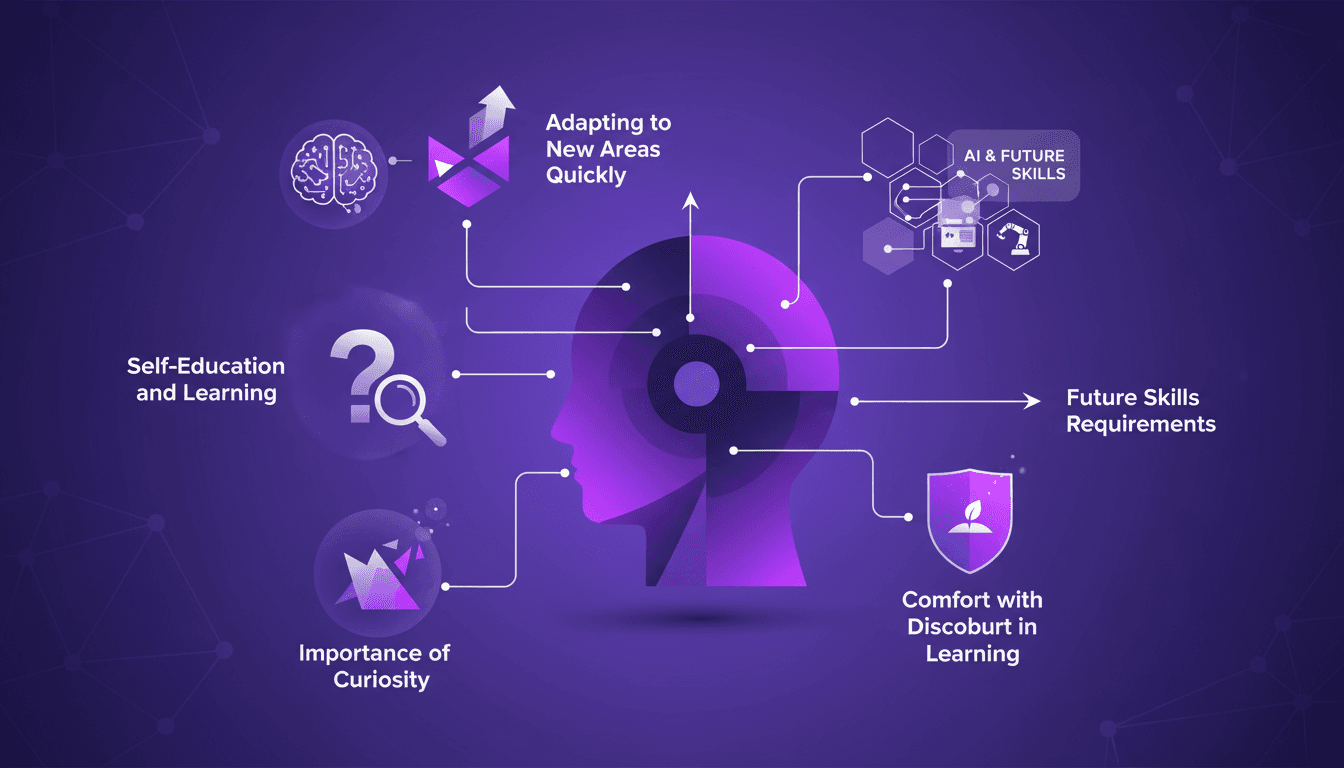
I never finished my computer science education. Yes, you read that right. Yet here I am, a senior engineer at GitHub. How did I make it? It's a story of self-education, curiosity, and embracing the discomfort that comes with real growth. In a tech landscape where everything evolves at breakneck speed, staying relevant isn't just about what you know today but how quickly you can learn tomorrow. I connected my ambitions with my passion for learning, orchestrated my own path without the traditional roadmap. Let me show you how I navigated this complex landscape, constantly adapting my skills, asking the right questions, and learning to love the discomfort. These same strategies can make you a key player in the future of tech skills.
Embracing Self-Education: The Real Game Changer
I never finished my computer science education. I'm a university dropout, but that didn't stop me from picking up that education myself. Why opt for self-education over traditional paths? Simple: complete control over what I learn and when I learn it. I dove into MOOCs, community forums, and specialized books. These resources allowed me to learn on my own terms.
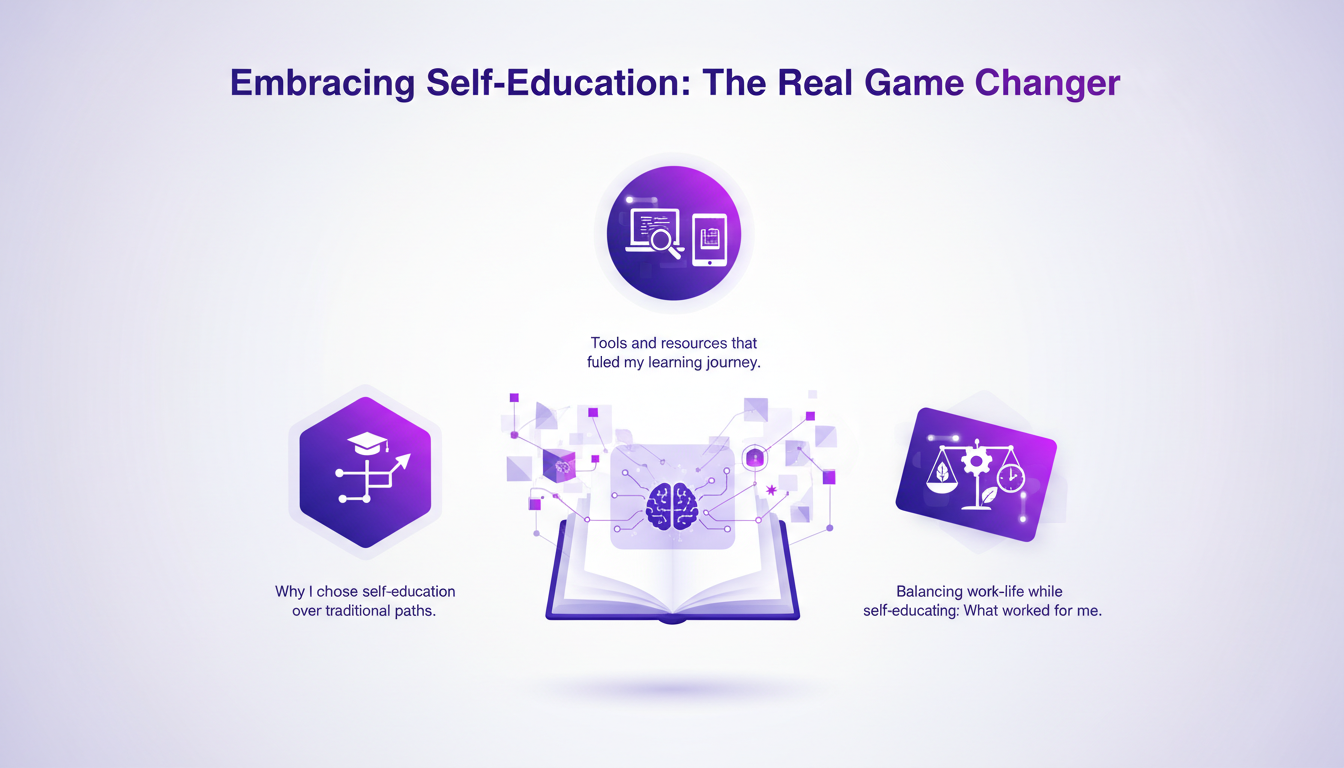
Balancing work-life while self-educating isn't easy. I've learned to set clear goals and use time management tools like Trello to orchestrate my tasks. Watch out for burnout; don't overdo it.
Common pitfalls? Getting lost in information. I had to learn to distinguish the essential from the noise. Ultimately, this self-education opened tangible career opportunities for me, like my current position at GitHub.
Adapting Quickly: The Skillset of the Future
In the tech world, everything evolves at a breakneck pace. Being able to adapt and master new technologies quickly is essential. Personally, I create rapid proofs of concept to test new ideas without getting bogged down in details. I aim for functional proficiency before full mastery because it keeps me agile.
But be careful, there's a trade-off between speed and depth of learning. At GitHub, I've often had to juggle between these extremes. For instance, when implementing a new feature, it's sometimes more effective to have solid basics rather than going too deep.
For those interested in delving deeper into this topic, try the article Open Clow Surpasses Docker: Impact and Implications.
Curiosity: The Driving Force Behind Innovation
Curiosity has always been the driving force behind my career progression. It's what pushes me to explore new territories and solve complex problems. To maintain this curiosity, I set regular challenges, even outside my comfort zone.
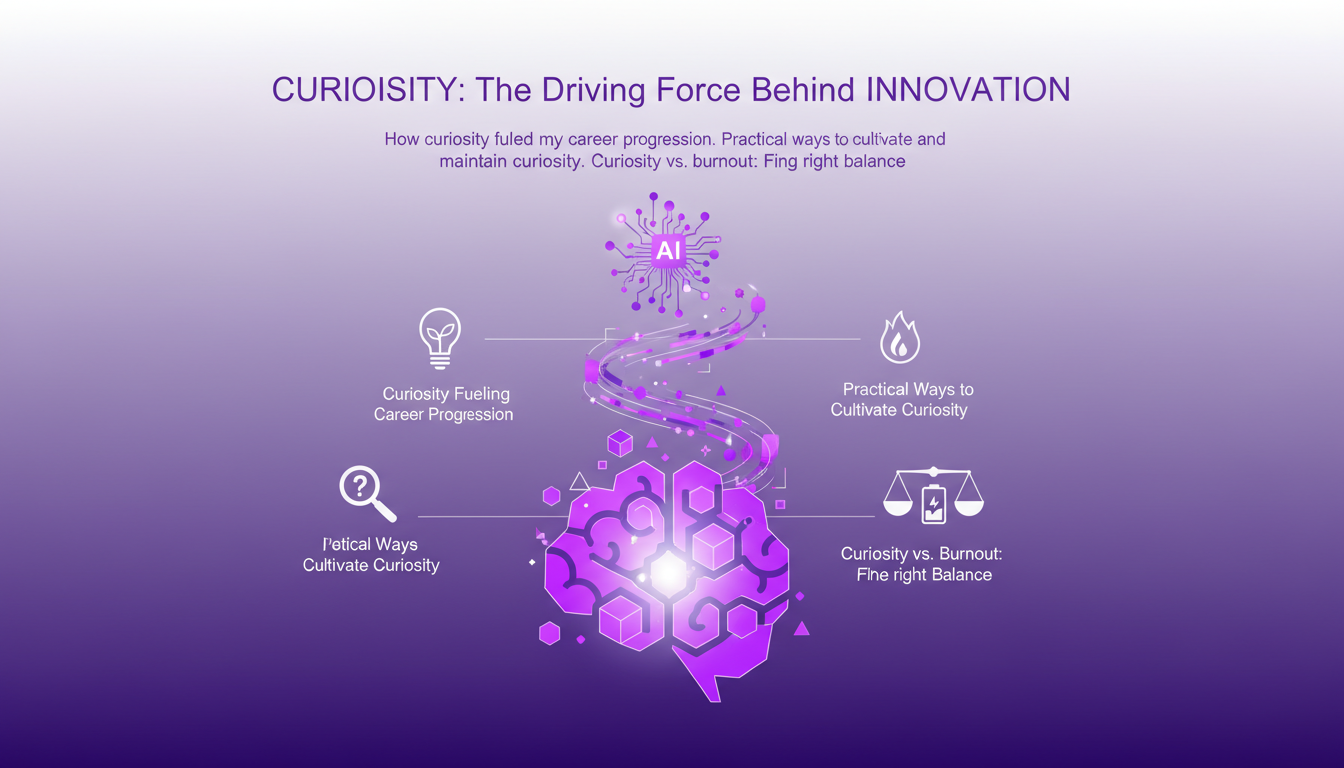
But watch out, curiosity can also lead to burnout. Find a balance to avoid it. Projects at GitHub, like collaborative bug solving, are concrete examples where curiosity allowed us to advance rapidly.
Comfort with Discomfort: Essential for Growth
Being comfortable with discomfort is crucial for learning. I've realized that every mistake is a learning opportunity. To stay productive, even in discomfort, I strive to maintain good mental health through regular breaks and meditation techniques.
Past mistakes, though frustrating, often led to breakthroughs. For example, a failed project allowed me to reorganize my methods, leading to much better outcomes later on.
Building Future-Proof Skills: A Continuous Journey
Identifying skills that will remain relevant in the future is a priority. I regularly audit my skills to prioritize those with the most impact. Networking and mentorship have played a key role in my development. Online communities, like Stack Overflow, are invaluable for continuous support.
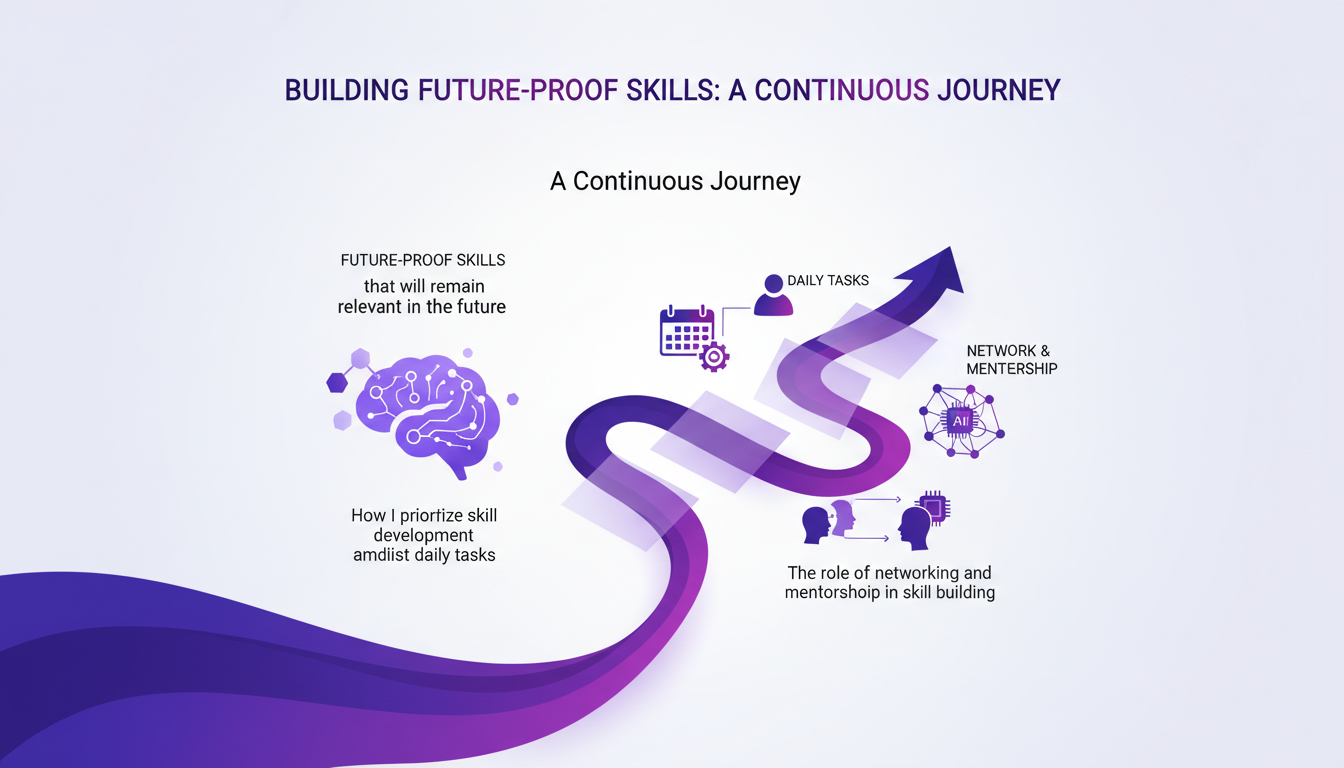
But be careful, current skills have their limits. It's crucial to keep an eye on emerging trends to avoid being left behind.
Navigating the tech world, I've found self-education and embracing discomfort to be my compass. I never finished my computer science education, but that hasn't stopped me. Here's what I've learned:
- Turn discomfort into a learning engine. Those tough moments are often the ones where you grow the most.
- Nurture your curiosity. It drives you to explore new technologies and adapt quickly.
- Be quick to adapt to new situations. The world is changing, and you need to keep up.
Looking forward, with curiosity and adaptability, the path is promising. It's exciting, but be mindful not to burn out by trying to learn everything at once.
Feeling stuck in your learning journey? Embrace discomfort, fuel your curiosity, and start building your future-proof skillset today. To see how I did it, watch the video "CS dropout → Senior Engineer at GitHub" on YouTube. I'm sure you'll find insights for your own journey.
Frequently Asked Questions

Thibault Le Balier
Co-fondateur & CTO
Coming from the tech startup ecosystem, Thibault has developed expertise in AI solution architecture that he now puts at the service of large companies (Atos, BNP Paribas, beta.gouv). He works on two axes: mastering AI deployments (local LLMs, MCP security) and optimizing inference costs (offloading, compression, token management).
Related Articles
Discover more articles on similar topics
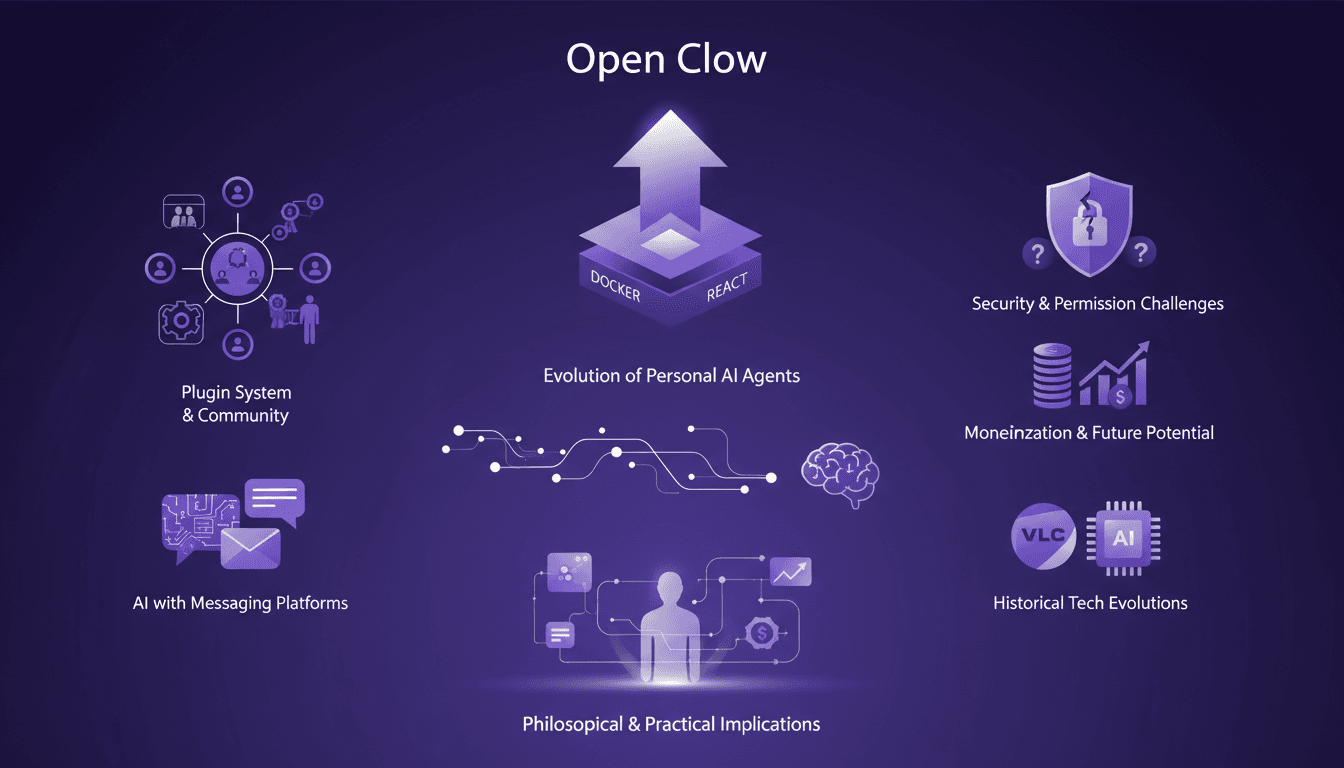
Open Clow Surpasses Docker: Impact and Implications
I clearly remember when Open Clow surpassed Docker and React on GitHub. It felt like witnessing a paradigm shift. Suddenly, personal AI agents were more than just hypothetical—they became a burgeoning movement. With 265,000 stars, Open Clow is reshaping the open-source AI landscape. But it's not just about numbers; it's about the transformation of our daily workflows through these agents. Let's delve into Open Clow's evolution, its plug-in systems, community engagement, and the security challenges it poses. Watch out for permission pitfalls and monetization, because the future of AI is happening now.
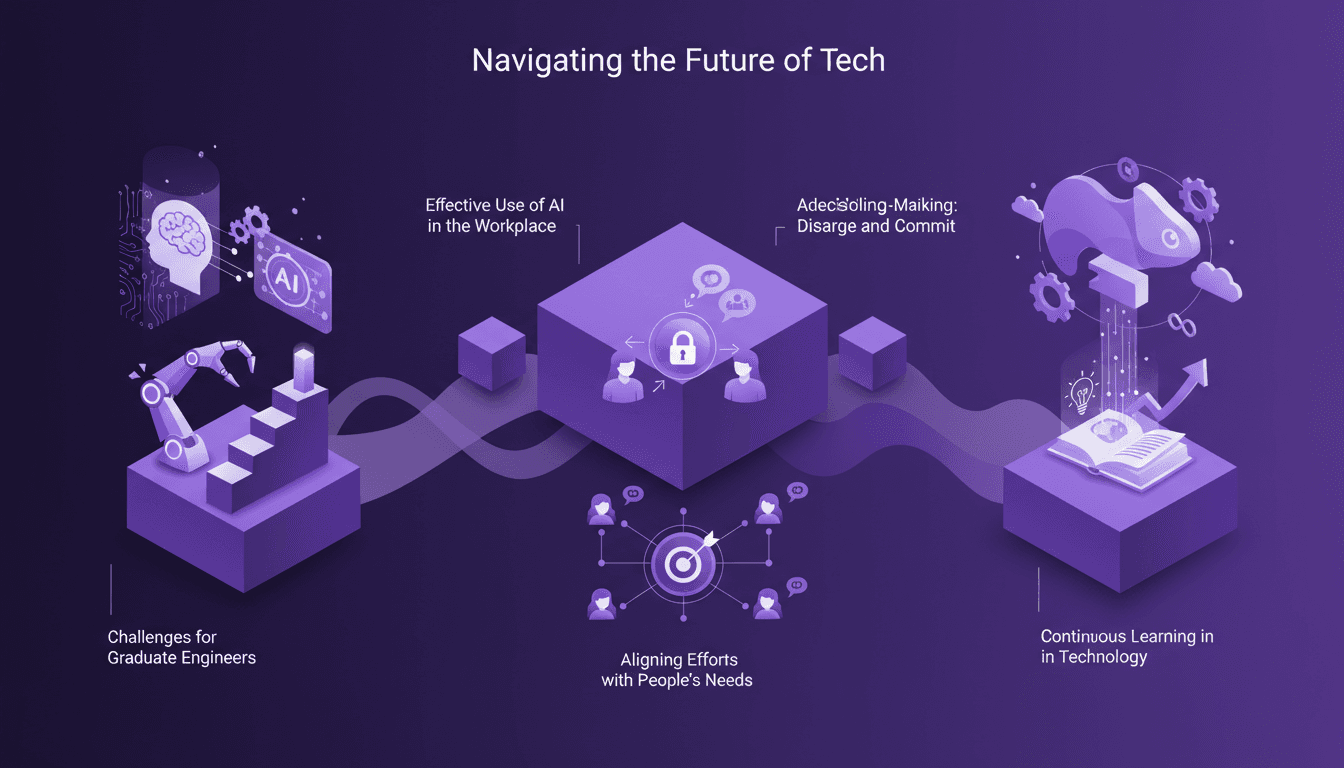
Graduate Engineer Challenges: Strategies and Solutions
I started as a backend engineer, and now I'm heading mobile at Uber. It's been quite a ride, filled with challenges, AI breakthroughs, and some serious decision-making strategies. In this piece, I'll share how I navigated these waters. From tackling the hurdles of being a fresh graduate to effectively leveraging AI at work, I reveal the practical strategies that have shaped my journey in the tech industry. Don't expect abstract theories here; this is concrete, real-life lessons with a healthy dose of 'disagree and commit' to spice things up.
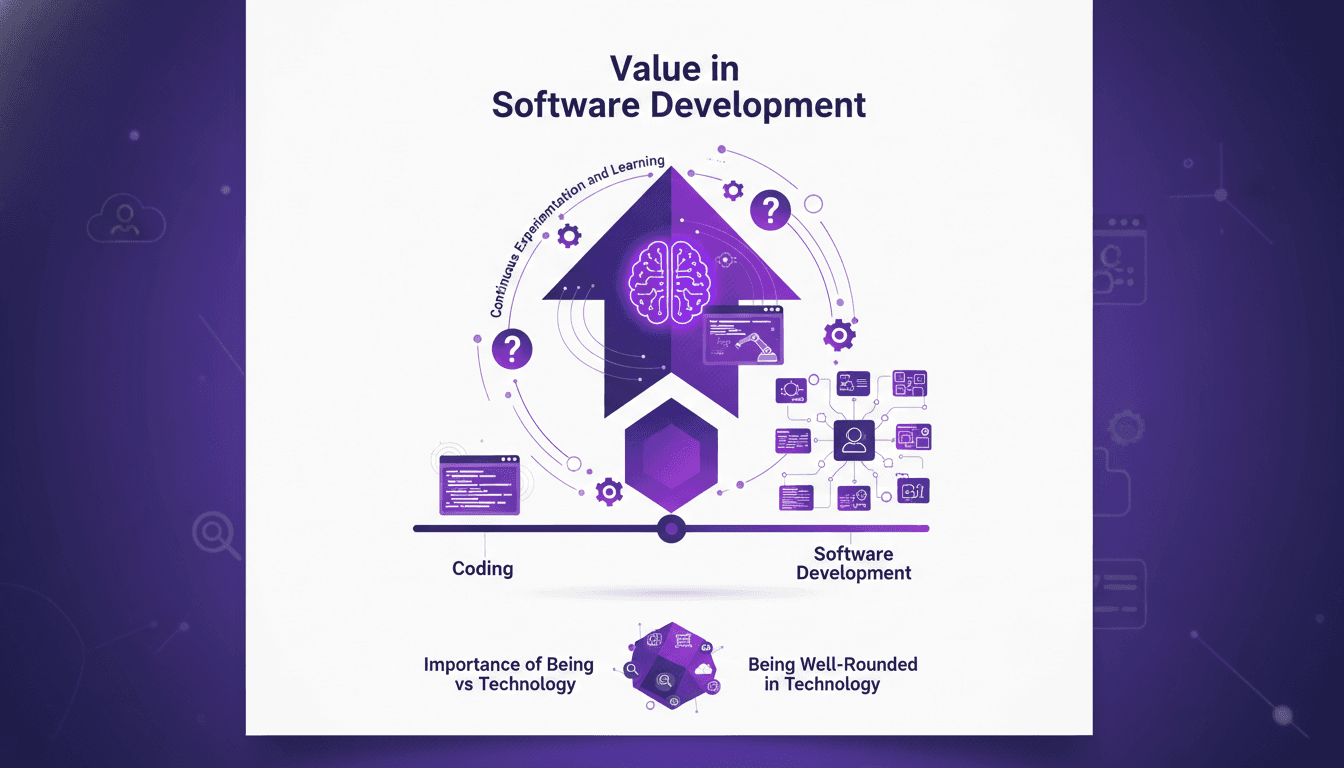
Software Development: Fast Coding, But at What Cost?
I've been coding at breakneck speed, but over time, I learned that the real cost isn't just about how fast you type. Software development is a whole different game. You can code 55 times faster, but if you're not careful, costs can skyrocket. Let's dive into why coding is cheap, but software is expensive. We'll explore the importance of being well-rounded, the role of junior engineers and AI, and why continuous experimentation is key. It's in understanding the value beyond mere lines of code that successful projects are distinguished from costly failures.
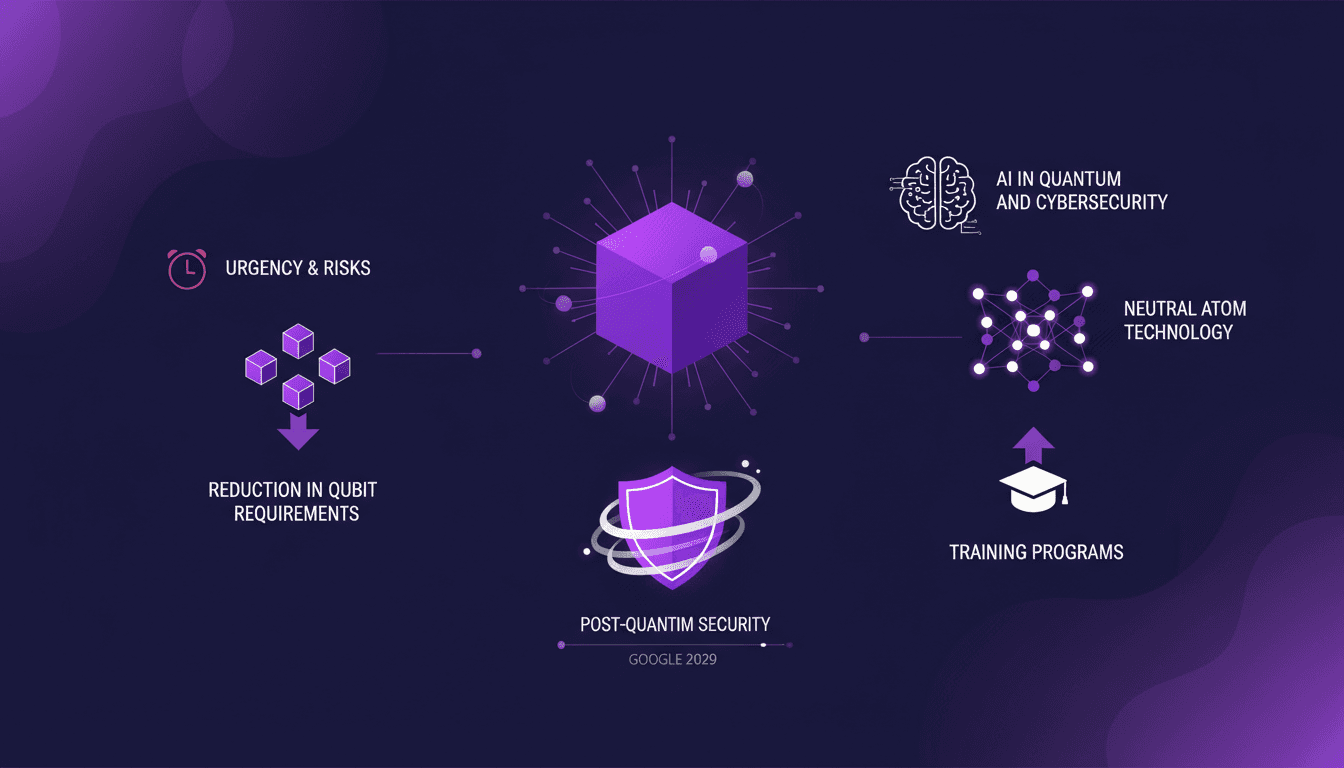
Post-Quantum Security: Google's Future Plan
I've been watching the quantum computing space closely, and Google's recent moves are a game-changer. They're not just theorizing; they're setting the stage for a security revolution by 2029. I've seen how qubit reduction is reshaping our encryption strategies, and I'm diving deep into what this means for us all. With quantum computing advancing rapidly, Google and others are focusing on post-quantum cryptography. The urgency is real—our current encryption could be obsolete soon. Let's unpack what this means and how we can prepare. I'll take you through advancements in quantum computing, Google's strategic shift to post-quantum security, and the emergence of neutral atom technology.
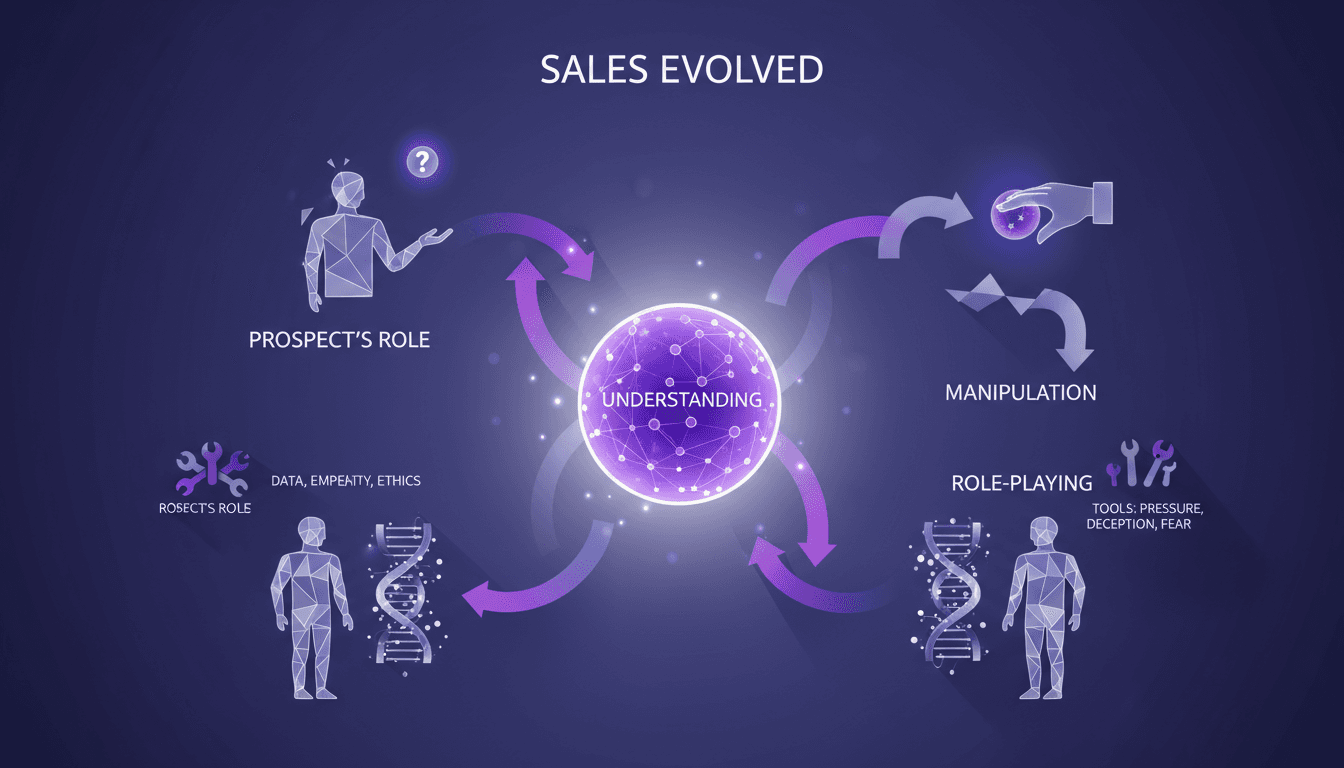
Close Sales Easily: Understanding and Influence
For years, I thought sales was an art form, like painting or jazz. Then, after a decade in the trenches, I realized it's more like engineering: structured, methodical, and surprisingly predictable. Let me show you how I shifted my approach to make closing sales feel almost illegally easy. It's not about convincing anyone, but understanding the process, the prospect, and using influence—not manipulation. This paradigm shift changed everything about how I sell.