Open Clow Surpasses Docker: Impact and Implications
I clearly remember when Open Clow surpassed Docker and React on GitHub. It felt like witnessing a paradigm shift. Suddenly, personal AI agents were more than just hypothetical—they became a burgeoning movement. With 265,000 stars, Open Clow is reshaping the open-source AI landscape. But it's not just about numbers; it's about the transformation of our daily workflows through these agents. Let's delve into Open Clow's evolution, its plug-in systems, community engagement, and the security challenges it poses. Watch out for permission pitfalls and monetization, because the future of AI is happening now.
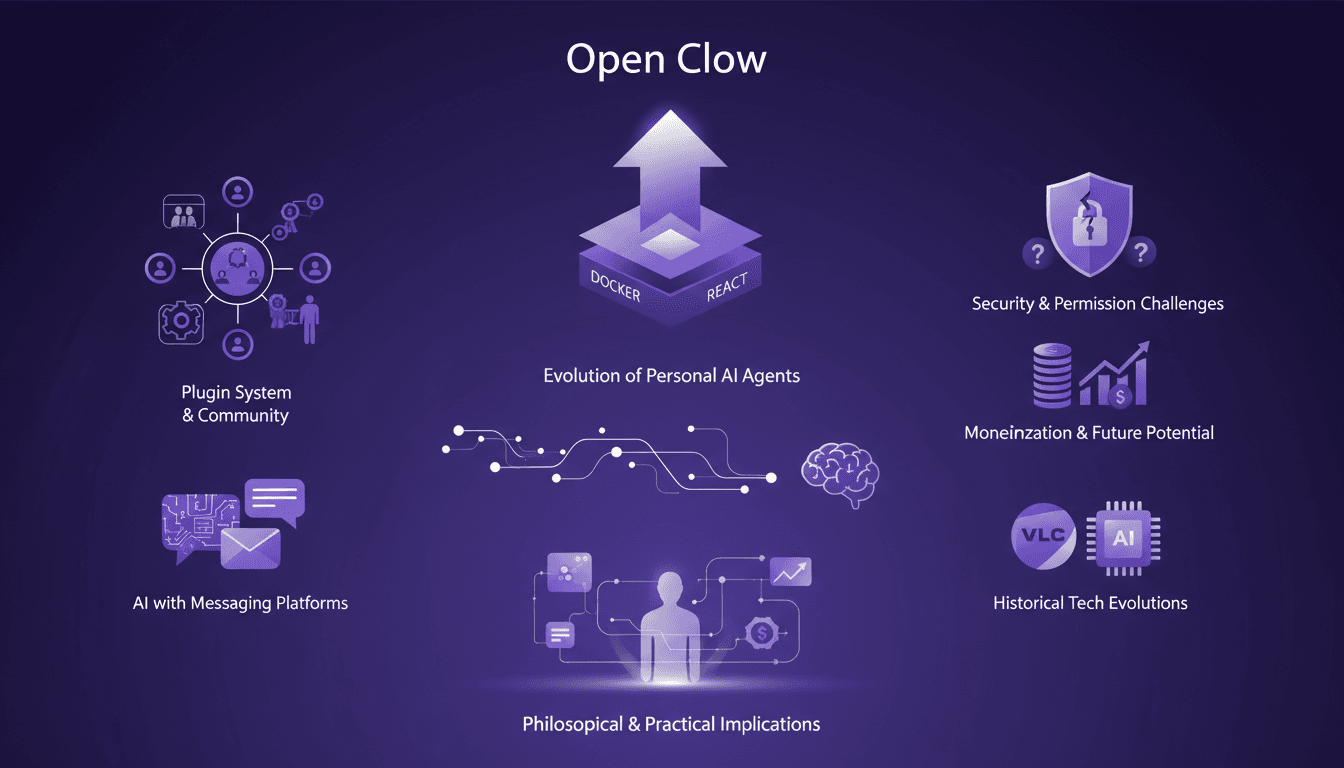
I remember the first time I saw Open Clow surpass Docker and React on GitHub. It was like watching a new era unfold right before my eyes. Suddenly, the potential of personal AI agents wasn't just a theory—it was a movement gaining momentum. With 265,000 stars, Open Clow is reshaping the open-source AI landscape. But it's not just about the numbers. It's about the evolution of personal AI agents and their impact on our daily workflows. First, let's talk about how Open Clow managed to surpass giants like Docker. Then, we'll dive into its plugin system and community engagement. But watch out, security and permission challenges are very real. And what about the monetization and future potential of AI skills? We'll wrap up with the philosophical and practical implications of integrating AI into our lives, comparing this revolution to other significant tech evolutions like VLC. It's a broad topic, but essential for us builders today.
Open Clow's GitHub Triumph: More Than Just Stars
Open Clow recently surpassed Docker and React with 265,000 stars on GitHub, marking a significant milestone in open-source projects. While GitHub stars are often seen as a measure of a project's impact and popularity, they don't tell the whole story.
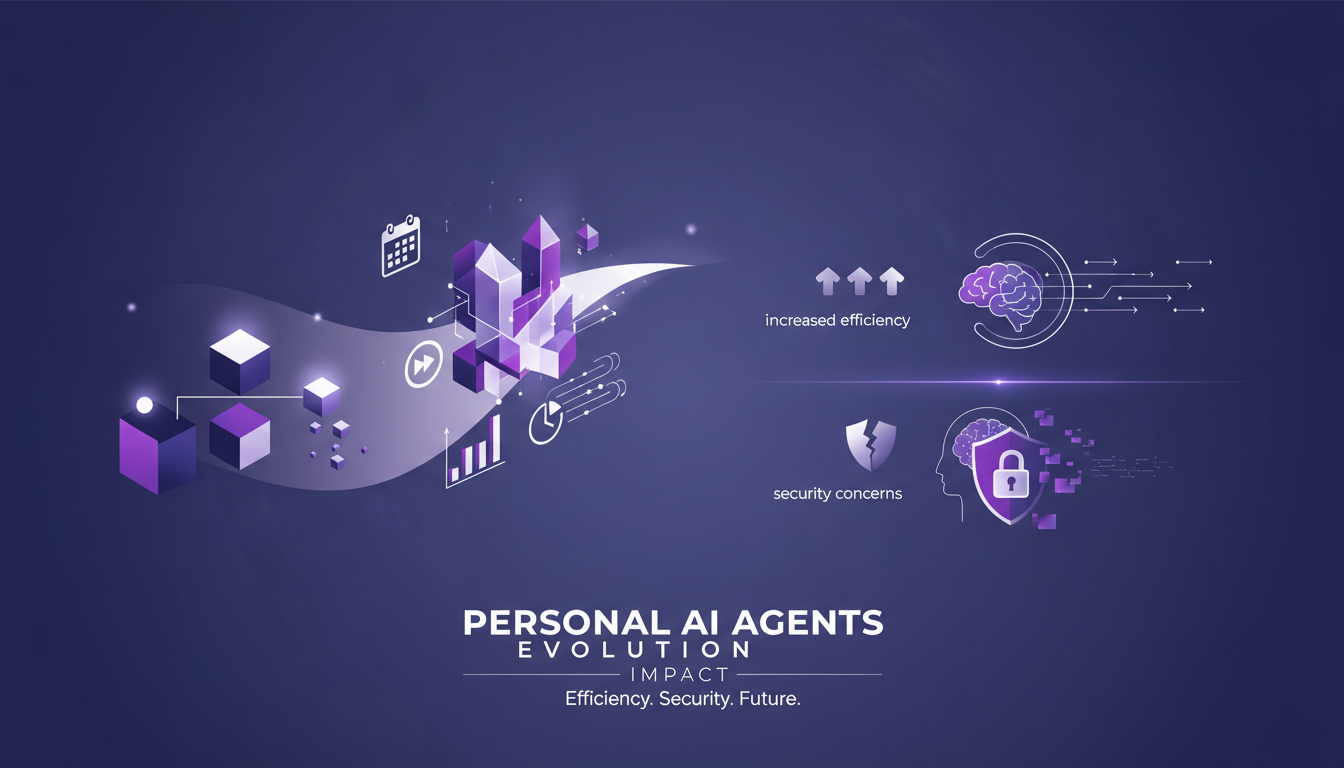
The success of Open Clow is fueled by strong community engagement. Developers feel invested in the project, contributing to its rapid growth. It's a reminder that real impact often comes from community involvement. However, don't rely solely on stars to judge a project's value.
Evolution and Impact of Personal AI Agents
Personal AI agents have evolved beyond simple tasks. They can now orchestrate complex workflows, improving productivity in daily routines. I've integrated AI agents into my processes, and the time savings are significant.
However, this increased efficiency comes with security concerns, particularly regarding data privacy. Imagine having an agent manage your finances. Convenient, yes, but data security is crucial.
- Real-world examples: agents for family planning, secure financial transactions.
- Don't underestimate the complexity of setup. It's a significant initial investment.
Open Clow's Plugin System: A Community Driven Revolution
Open Clow's plugin system fosters innovation by allowing users to customize and extend functionalities. This creates a dynamic ecosystem where the community plays a crucial role in development.
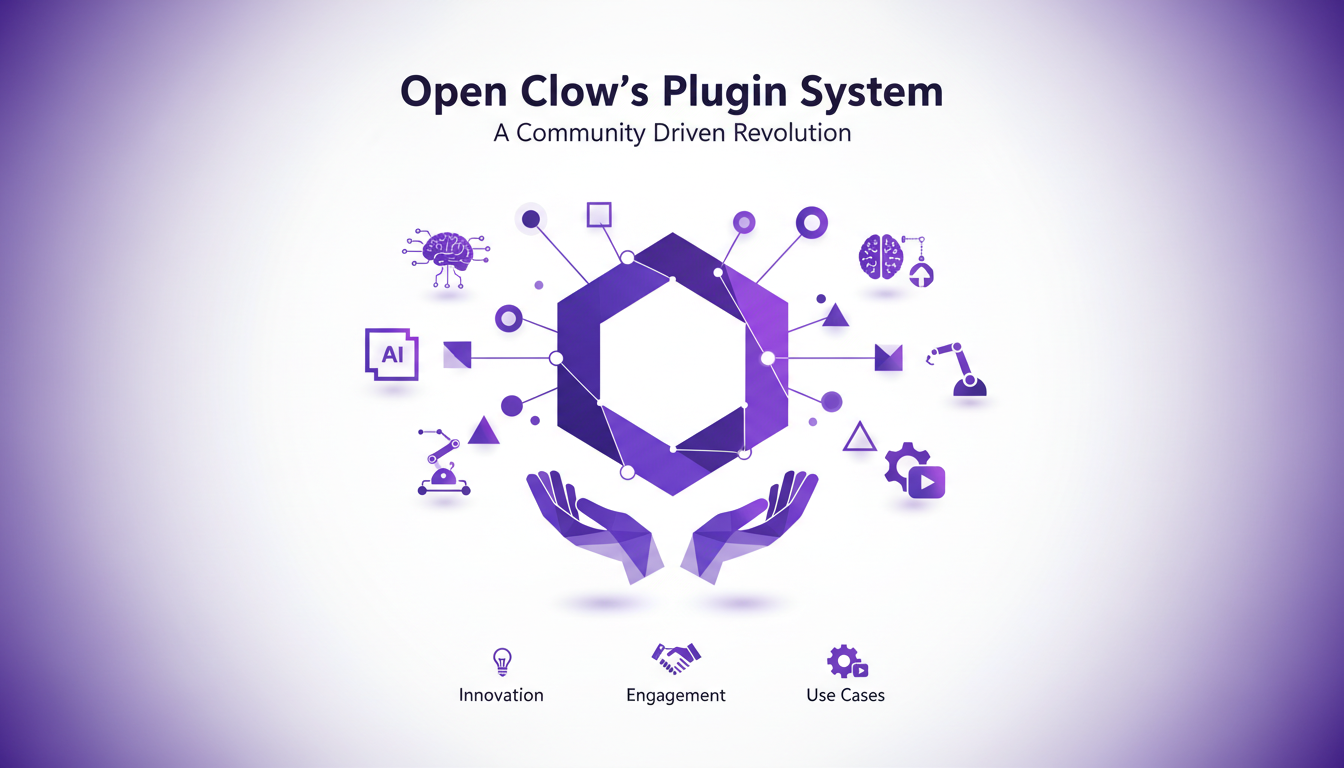
Flexibility is an asset, but beware of potential instability. Too many plugins can affect performance.
Navigating Security and Permission Challenges
Security concerns are paramount with AI agents, especially when sensitive data is involved. Permission management is a necessary complexity to protect information.
I've learned the hard way that ignoring these aspects can be costly. Strategies like encryption and multi-factor authentication are essential to mitigate risks. The implications for businesses are significant, extending beyond mere technical concerns.
- Strategies for managing permissions include two-factor authentication.
- Don't underestimate the cost of security missteps.
Monetization and Future Potential of AI Skills
AI skills offer intriguing monetization paths. Case studies show successful monetization models, but it's crucial to balance this with community values.
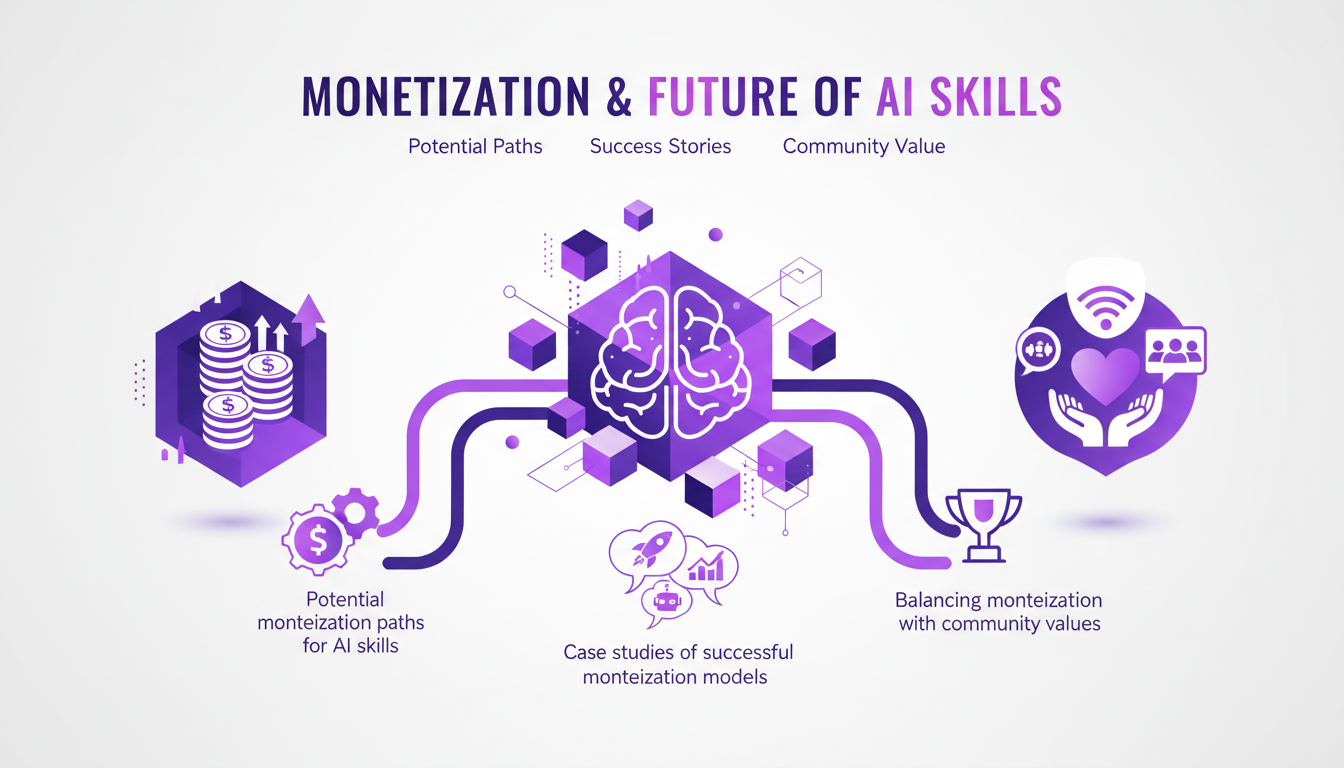
To start, identify your monetizable skills and experiment with different models.
Open Clow isn't just a rising star; it's a real game changer in the AI landscape. I plugged into my GitHub repo and was blown away by how it's surpassing projects like Docker and React. But remember, innovation needs to be balanced with practical reality. Here's what I've found:
- On GitHub, Open Clow is outpacing Docker and React. That's transformative, but be careful not to get swept up in the hype.
- Open Clow's plugin system is powerful, but managing security and permissions is crucial.
- The evolution of personal AI agents is spectacular, but it requires constant evaluation of risks and opportunities.
Looking ahead, I see Open Clow reshaping our workflows. But let's not get too carried away—security and permission challenges are real. If you haven't explored Open Clow yet, now's the time. Dive in, experiment, and see how it can transform your daily hustle. To get a deeper understanding, watch the full video "Le futur de l'IA personnelle en open source" YouTube. Together, we build a responsible future.
Frequently Asked Questions

Thibault Le Balier
Co-fondateur & CTO
Coming from the tech startup ecosystem, Thibault has developed expertise in AI solution architecture that he now puts at the service of large companies (Atos, BNP Paribas, beta.gouv). He works on two axes: mastering AI deployments (local LLMs, MCP security) and optimizing inference costs (offloading, compression, token management).
Related Articles
Discover more articles on similar topics
AI and Code: 90% Written by Agents
I never thought I'd let AI write 90% of my code, but here we are. As a GitHub senior engineer, I've embraced AI agents, and it's been a game changer—albeit with its quirks. AI in software development is more than a buzzword; it's reshaping our workflows. I've seen it firsthand, moving from traditional coding to orchestrating AI-driven solutions. We're diving into the impact of AI agents in our field, how it shifts our operational focus, and even boosts system reliability. I've had to adapt, learn from my mistakes (and trust me, I've made a few!), but the leap is worth it. If you've ever used VS Code's Agent Mode, you know what I mean. The future of development is already here.
Building AI Agents at Hex: Workflow Challenges
At Hex, I've spent countless hours fine-tuning our AI agents to think like human data analysts. It's been a real journey, but every challenge brings us closer to our goal: creating agents that can reason accurately. First, I connect the various systems, then I test them (and sometimes I get burned). Integration and performance evaluation are crucial to avoid pitfalls like context overflow or poorly designed user interfaces. The key is user experience and contextual memory. Our aim? To reach 100% accuracy by day 90. We're not there yet, but every step counts. Join me in this adventure where technical expertise meets practical application.
Building RL Environments for LLMs: A Practical Guide
When I first dived into engineering RL environments for language models, the complexity was overwhelming. But I navigated through it using tools like OpenAI's O1 series and DeepSeek R1. Reinforcement learning is a game-changer for language models, but it's a tough nut to crack. I’ll show you how to effectively build and optimize these environments. We’ll discuss RL environments for LLMs, Prime Intellect's Verifiers library, and the challenges and techniques in RL for LLMs. I've used thousands of RL environments and I'll share what I've learned. If you're ready to dig in, read on.
From Coding to Solution-Focused Engineering
I've spent enough sleepless nights coding to know that the real challenge isn't about how much code we write, but the solutions we deliver. In a world where you can code 55 times faster, the mistake is focusing solely on churning out lines of code. What really matters is solution-focused software engineering, AI adoption, and integrating all this into our platforms. If you've ever wondered why your productivity only improves by 14% despite all your efforts, maybe it's because you haven't yet embraced this holistic approach that pushes beyond just coding.
Agentic Engineering: Collaborate with AI
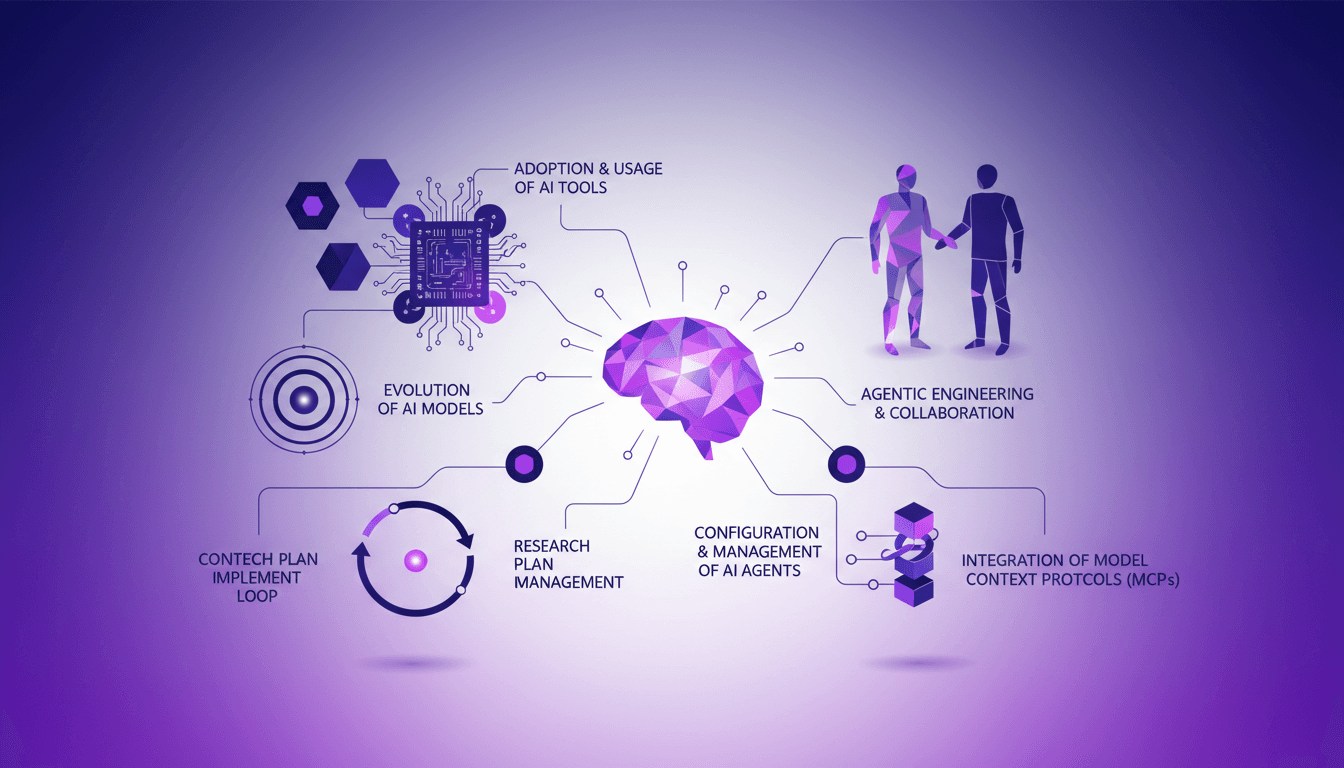
I remember when I first started integrating AI tools into my workflow. It was like discovering a new continent. But the trick wasn't just using AI; it was working with it. That's where agentic engineering comes into play. Today, collaborating with AI goes beyond automation. It's about forging a true partnership with technology. In this article, I'll share how I and other engineers are making this shift—integrating AI models into our development processes, managing context effectively, and configuring AI agents that adapt to our needs. We're no longer passive users; we're active orchestrators. Ready to explore this new frontier?