AI and Code: 90% Written by Agents
I never thought I'd let AI write 90% of my code, but here we are. As a GitHub senior engineer, I've embraced AI agents, and it's been a game changer—albeit with its quirks. AI in software development is more than a buzzword; it's reshaping our workflows. I've seen it firsthand, moving from traditional coding to orchestrating AI-driven solutions. We're diving into the impact of AI agents in our field, how it shifts our operational focus, and even boosts system reliability. I've had to adapt, learn from my mistakes (and trust me, I've made a few!), but the leap is worth it. If you've ever used VS Code's Agent Mode, you know what I mean. The future of development is already here.
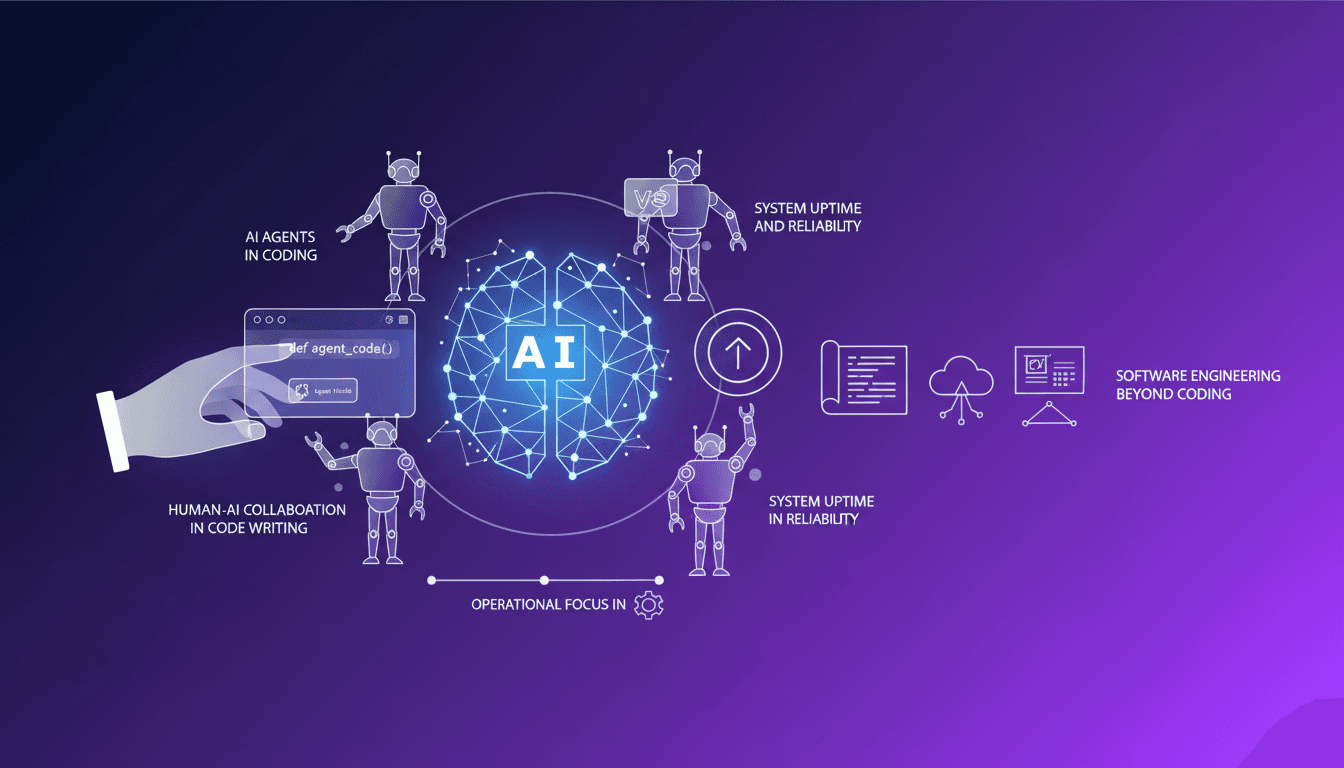
I never imagined I'd let AI write 90% of my code, but that's exactly where I am today. As a GitHub senior engineer, I've taken the plunge and embraced AI agents, and let me tell you, it's a game changer—though not without its quirks. AI in software development isn't just a buzzword anymore; it's a reality reshaping our workflows. I've witnessed this shift firsthand, moving from traditional coding to orchestrating AI-driven solutions. We're going to dive into how these agents are transforming our work, shifting our operational focus, and boosting system reliability. But be warned, I've made my fair share of mistakes along the way, yet each lesson learned has strengthened my practice. For those who've dabbled with VS Code's Agent Mode, you know I'm not just talking theory. The future of development is here, right now.
How AI Agents Write 90% of My Code
I'll admit it, the era of AI agents has transformed the way I code. Today, 90% of my code is generated by agents, and it completely changes the game. Why? Because it liberates me to focus on more complex and strategic problems. Gone are the repetitive, tedious tasks; I let the agent handle those while I tackle larger design issues.
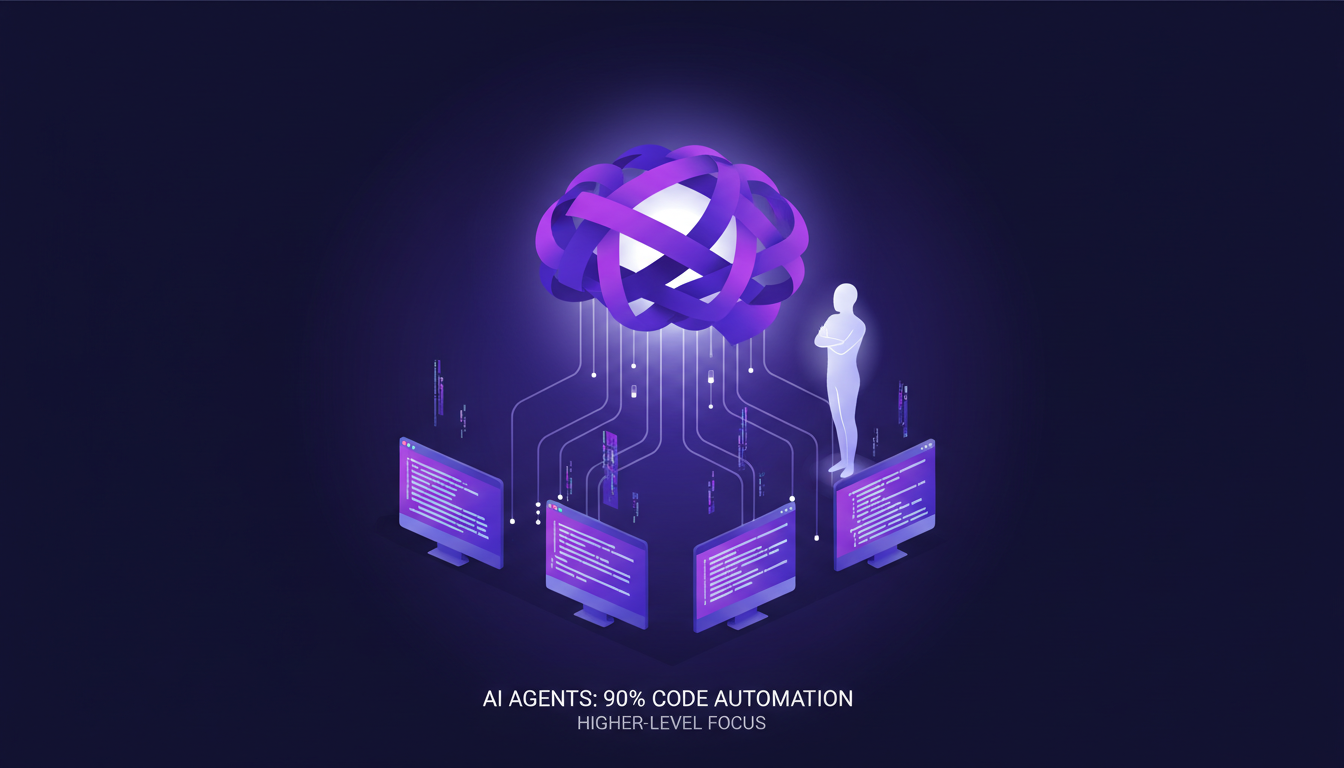
When I say agents handle 90% of my code, it doesn't mean I have a "hands-off" approach. Quite the opposite, I supervise and guide these agents through the various stages. I've found that this method not only boosts my productivity but also unleashes my creative energy. Honestly, I feel like I have a superpower in my pocket.
- Freed up for strategic tasks
- Reduction of repetitive tasks
- Increased creative energy
Leveraging VS Code Agent Mode
If you haven't tried it yet, VS Code's Agent Mode is a real asset to my workflow. I've configured it to handle specific coding patterns, and it has significantly reduced my cognitive load. It's like having a personal assistant who knows my coding preferences inside out.
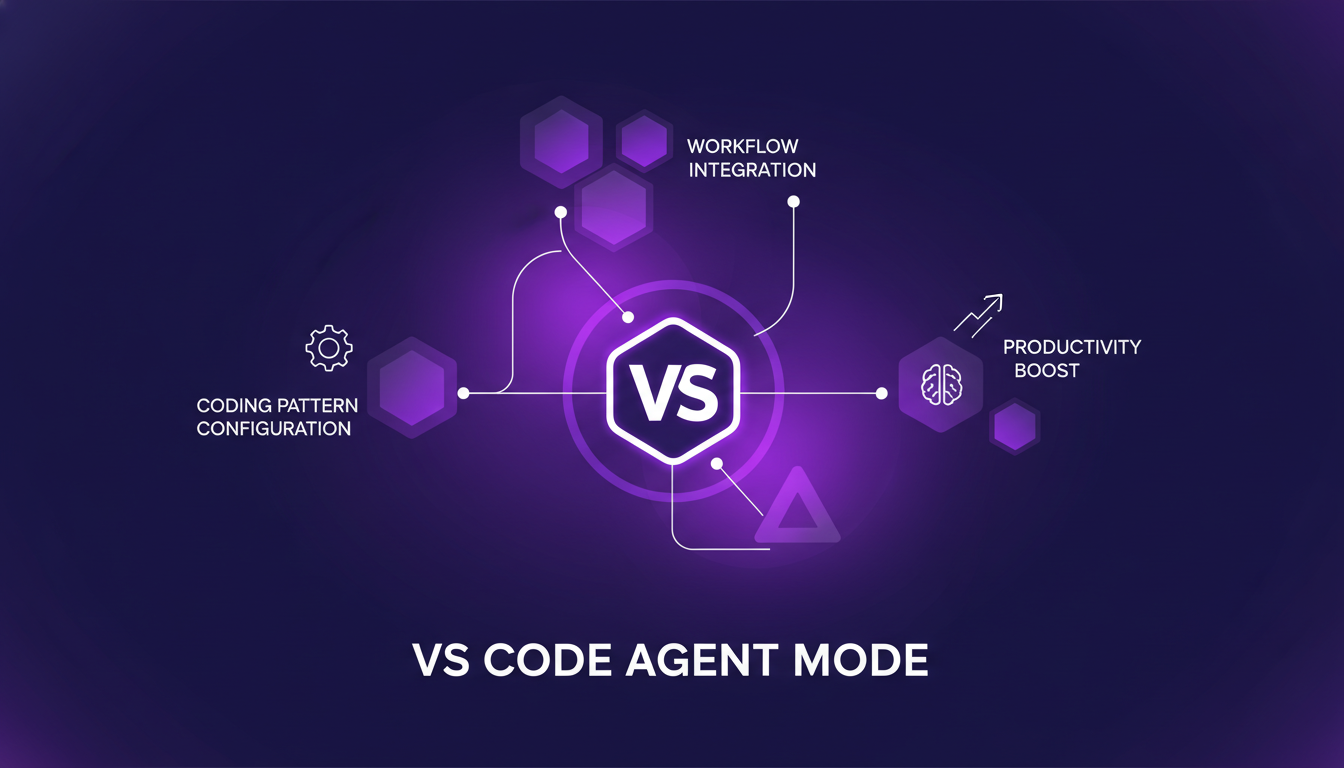
However, watch out, agents can sometimes get lost if not properly guided. They need clear contexts and precise directives. I learned the hard way that a poorly managed agent can cause more work than it saves. The trick is to pilot them like a conductor, knowing when to give instructions and when to let them do their thing.
- Seamless integration into workflow
- Reduced cognitive load
- Need for clear supervision
Shifting Focus to Operational Challenges
Thanks to AI, I'm now able to focus on operational challenges, like system uptime, instead of getting bogged down in code syntax. This is where the real added value comes in. By spending less time on code, I can ensure the system is robust and reliable, which is essential for continuous operations.
This shift in focus has significantly improved my systems' reliability. Architecture has become my priority, and I'm able to spend more time on preventing outages and improving performance.
- Focus on reliability and robustness
- Less time on syntax, more on architecture
- Improved system uptime
Ensuring System Uptime with AI
AI tools don't just code; they also play a crucial role in monitoring and maintaining system uptime. I use these tools to predict and prevent potential downtimes. The learning curve was a bit steep initially, but once trust is established, AI proves to be a solid ally.
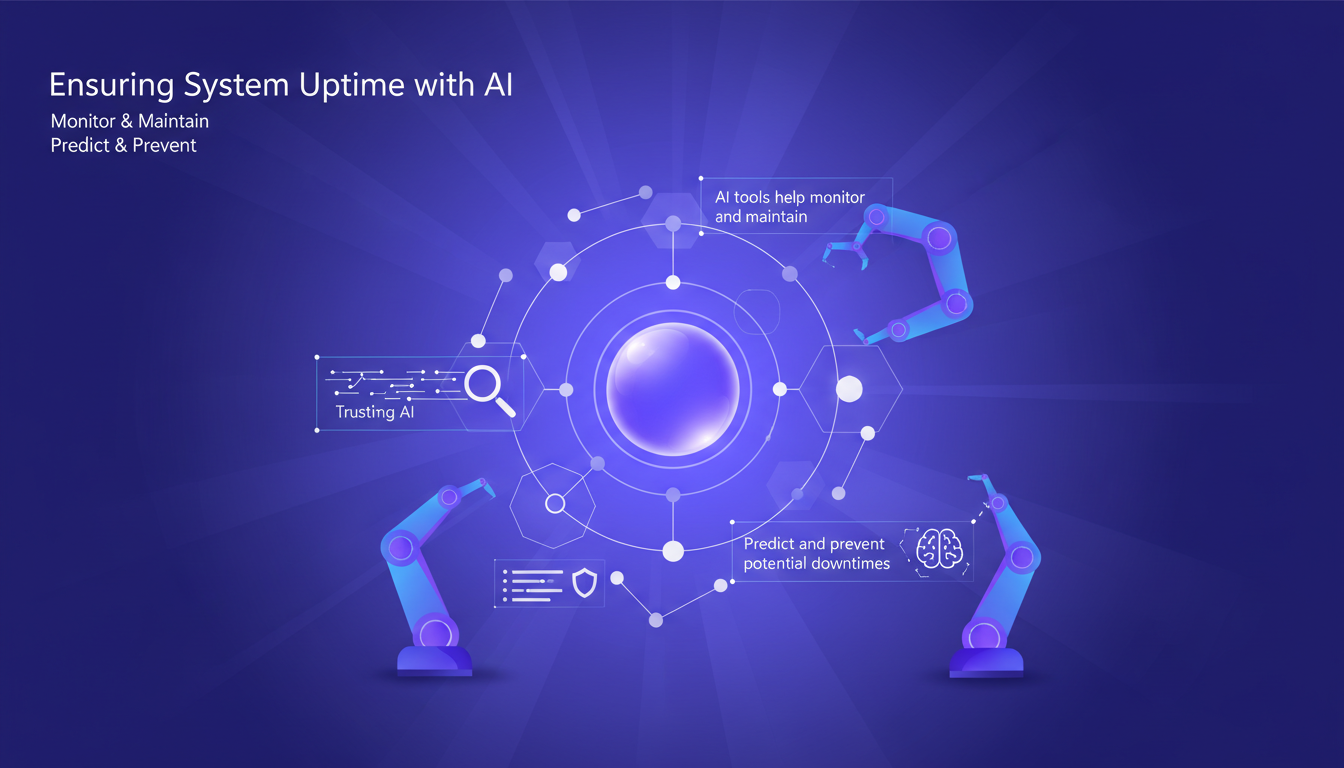
Of course, human intervention remains necessary for complex, nuanced decisions. Automation is great for routine tasks, but nothing replaces human judgment in delicate situations.
- Proactive monitoring with AI
- Prevention of downtime
- Human intervention for complex decisions
Guiding AI in Code Writing
AI isn't infallible; it needs direction and oversight. I guide AI through complex scenarios to ensure the quality of the code produced. Understanding AI's limitations helps me better orchestrate the development process.
What I've learned is that collaboration between humans and AI is an iterative process. You can't just rely on the machine; you have to constantly adjust and refine directives to get the best results.
- Need for human supervision
- Understanding AI's limitations
- Iterative and collaborative process
Ultimately, AI is a powerful tool but requires a human touch to truly shine. For those looking to delve deeper into this collaboration, I recommend checking out Agentic Engineering: Collaborate with AI and AI Agents and Their Role in Software Development for further exploration.
AI agents have truly transformed how I code. They've allowed me to focus on what really matters: solving complex problems and ensuring system reliability. Here's what I've learned:
- 90% of my code is written by these agents. It's a game changer, but remember, AI is a tool, not a replacement.
- System reliability is crucial. I always ensure the AI doesn't mess with overall performance.
- Start small. Integrate AI gradually into your workflow and watch your productivity soar. Looking forward, AI can genuinely redefine our daily developer life, but there's always that balance to strike. Ready to integrate AI into your daily routine? Check out the full video for a deeper understanding: GitHub senior engineer lets AI write 90% of his code. It's inspiring, you'll see.
Frequently Asked Questions

Thibault Le Balier
Co-fondateur & CTO
Coming from the tech startup ecosystem, Thibault has developed expertise in AI solution architecture that he now puts at the service of large companies (Atos, BNP Paribas, beta.gouv). He works on two axes: mastering AI deployments (local LLMs, MCP security) and optimizing inference costs (offloading, compression, token management).
Related Articles
Discover more articles on similar topics
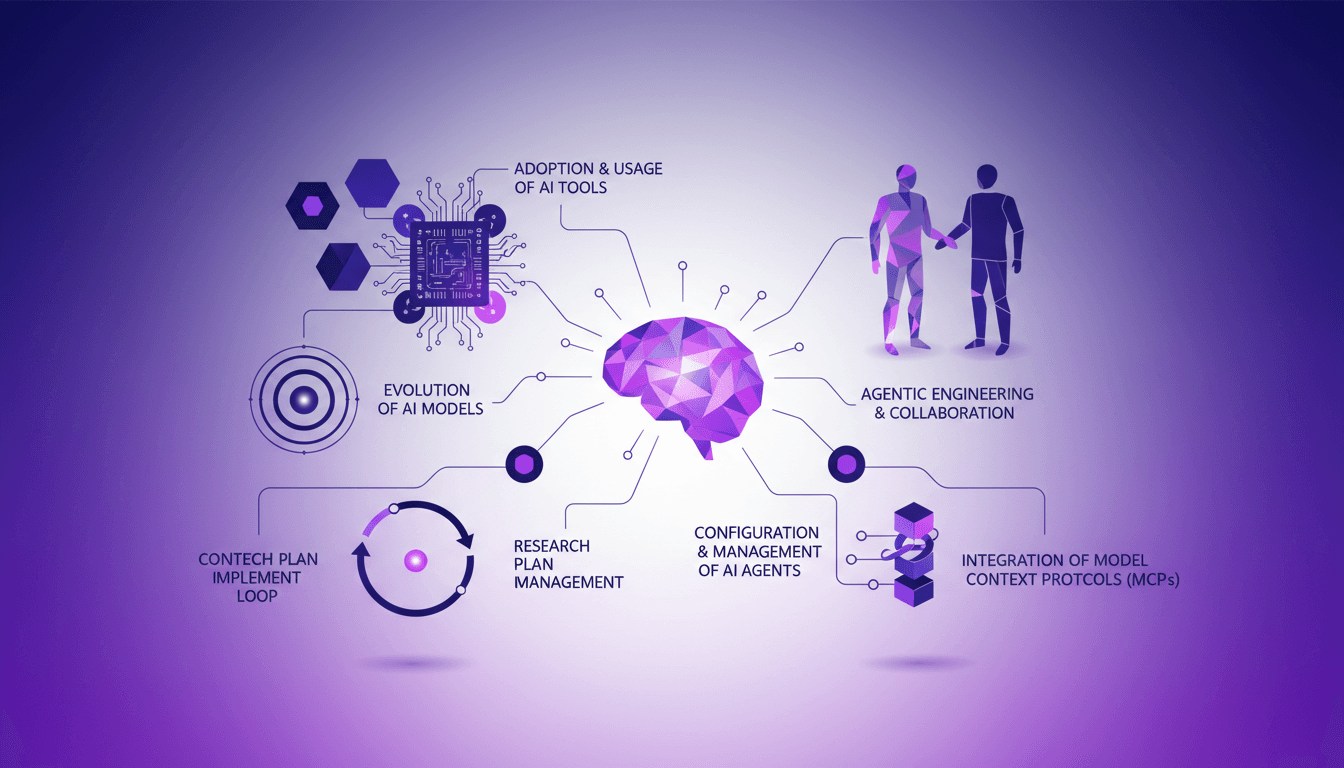
Agentic Engineering: Collaborate with AI
I remember when I first started integrating AI tools into my workflow. It was like discovering a new continent. But the trick wasn't just using AI; it was working with it. That's where agentic engineering comes into play. Today, collaborating with AI goes beyond automation. It's about forging a true partnership with technology. In this article, I'll share how I and other engineers are making this shift—integrating AI models into our development processes, managing context effectively, and configuring AI agents that adapt to our needs. We're no longer passive users; we're active orchestrators. Ready to explore this new frontier?
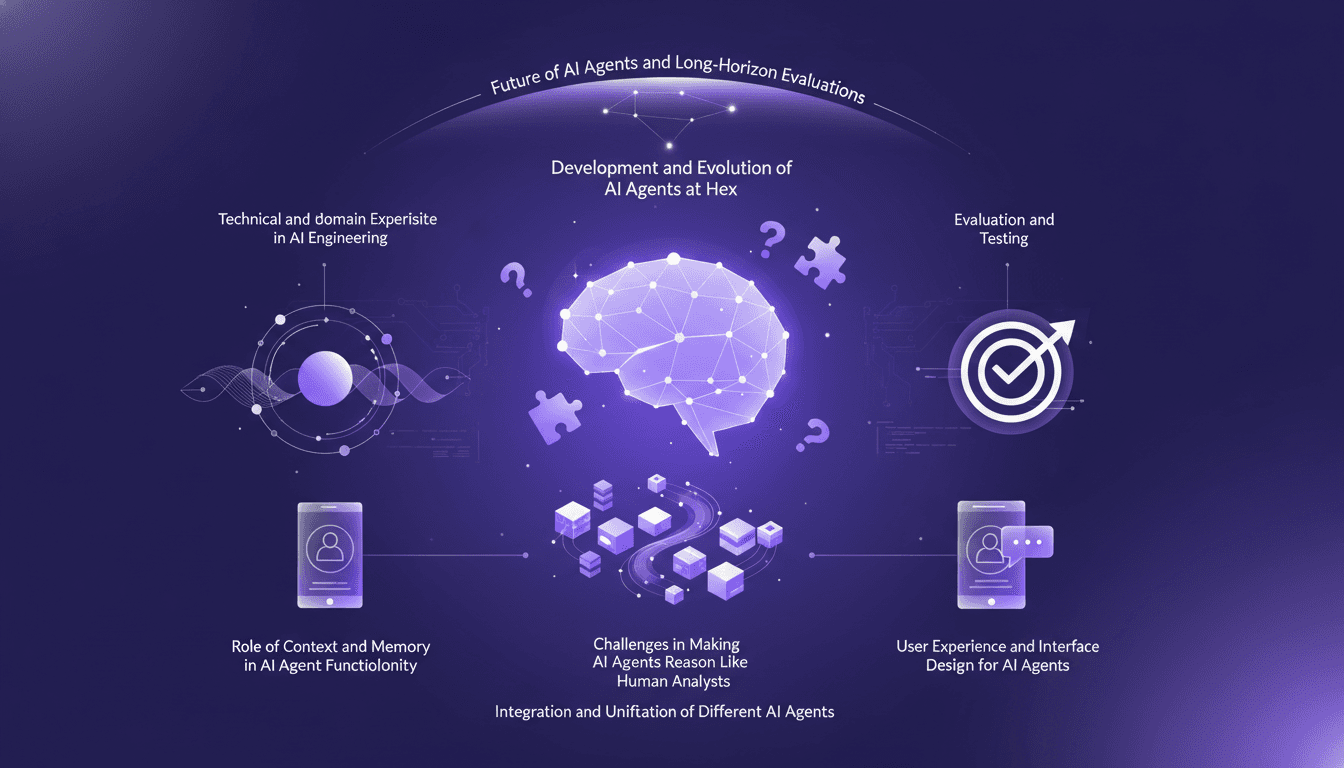
Building AI Agents at Hex: Workflow Challenges
At Hex, I've spent countless hours fine-tuning our AI agents to think like human data analysts. It's been a real journey, but every challenge brings us closer to our goal: creating agents that can reason accurately. First, I connect the various systems, then I test them (and sometimes I get burned). Integration and performance evaluation are crucial to avoid pitfalls like context overflow or poorly designed user interfaces. The key is user experience and contextual memory. Our aim? To reach 100% accuracy by day 90. We're not there yet, but every step counts. Join me in this adventure where technical expertise meets practical application.
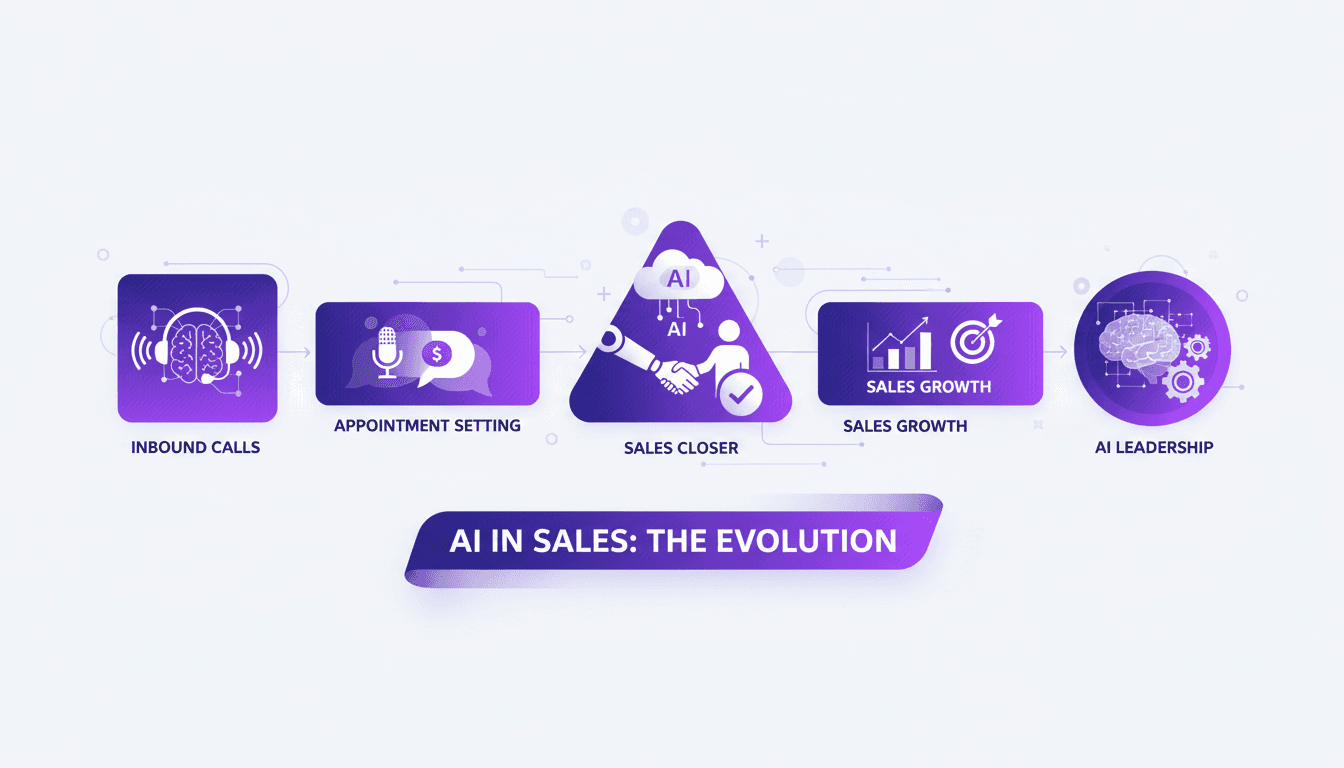
AI in Sales: Automating Inbound Calls
I've been in sales for over a decade, and let me tell you, AI is not just a buzzword anymore—it's a game changer. I've seen it handle calls, close deals, and even set appointments. But it's not all roses; there are limits and trade-offs you need to know. In the next six months, AI is set to revolutionize sales roles. Let's dive into how it's already reshaping the landscape and what you need to watch out for.
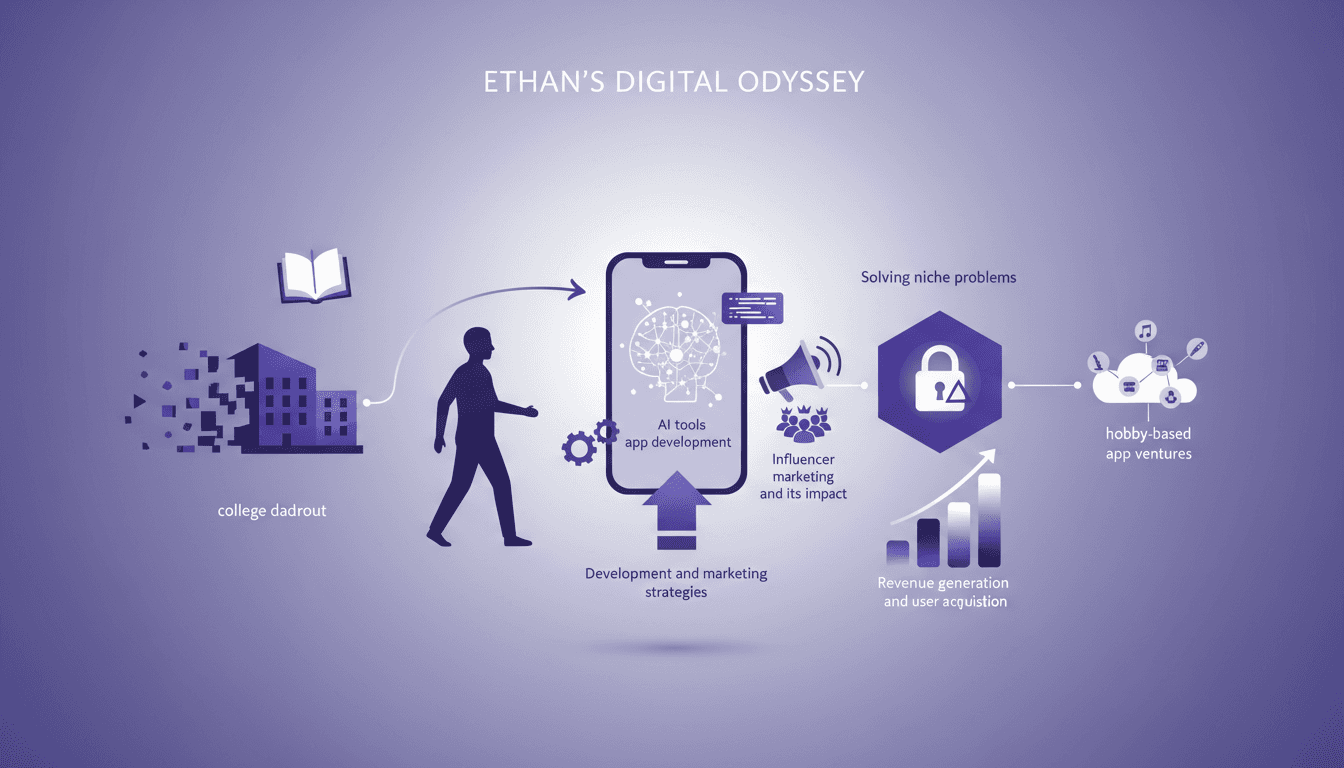
Building a Niche App: $20K/Month Journey
I dropped out of college at 19 to build a wrestling app, and now it brings in $20K a month. How? By connecting AI tools with smart business models and leveraging influencer marketing. The app isn't just a hobby turned business; it solves a real niche problem. Throughout this journey, I navigated between technical development and growth strategies. From setting up a solid architecture to optimizing user acquisition, I learned to orchestrate every aspect. Watch out, it wasn't all smooth sailing: I made mistakes. But now, I'm sharing what I wish I knew from the start. It's an adventure that shows how a passion can turn into a serious revenue opportunity.
From Coding to Solution-Focused Engineering
I've spent enough sleepless nights coding to know that the real challenge isn't about how much code we write, but the solutions we deliver. In a world where you can code 55 times faster, the mistake is focusing solely on churning out lines of code. What really matters is solution-focused software engineering, AI adoption, and integrating all this into our platforms. If you've ever wondered why your productivity only improves by 14% despite all your efforts, maybe it's because you haven't yet embraced this holistic approach that pushes beyond just coding.