Building a Niche App: $20K/Month Journey
I dropped out of college at 19 to build a wrestling app, and now it brings in $20K a month. How? By connecting AI tools with smart business models and leveraging influencer marketing. The app isn't just a hobby turned business; it solves a real niche problem. Throughout this journey, I navigated between technical development and growth strategies. From setting up a solid architecture to optimizing user acquisition, I learned to orchestrate every aspect. Watch out, it wasn't all smooth sailing: I made mistakes. But now, I'm sharing what I wish I knew from the start. It's an adventure that shows how a passion can turn into a serious revenue opportunity.
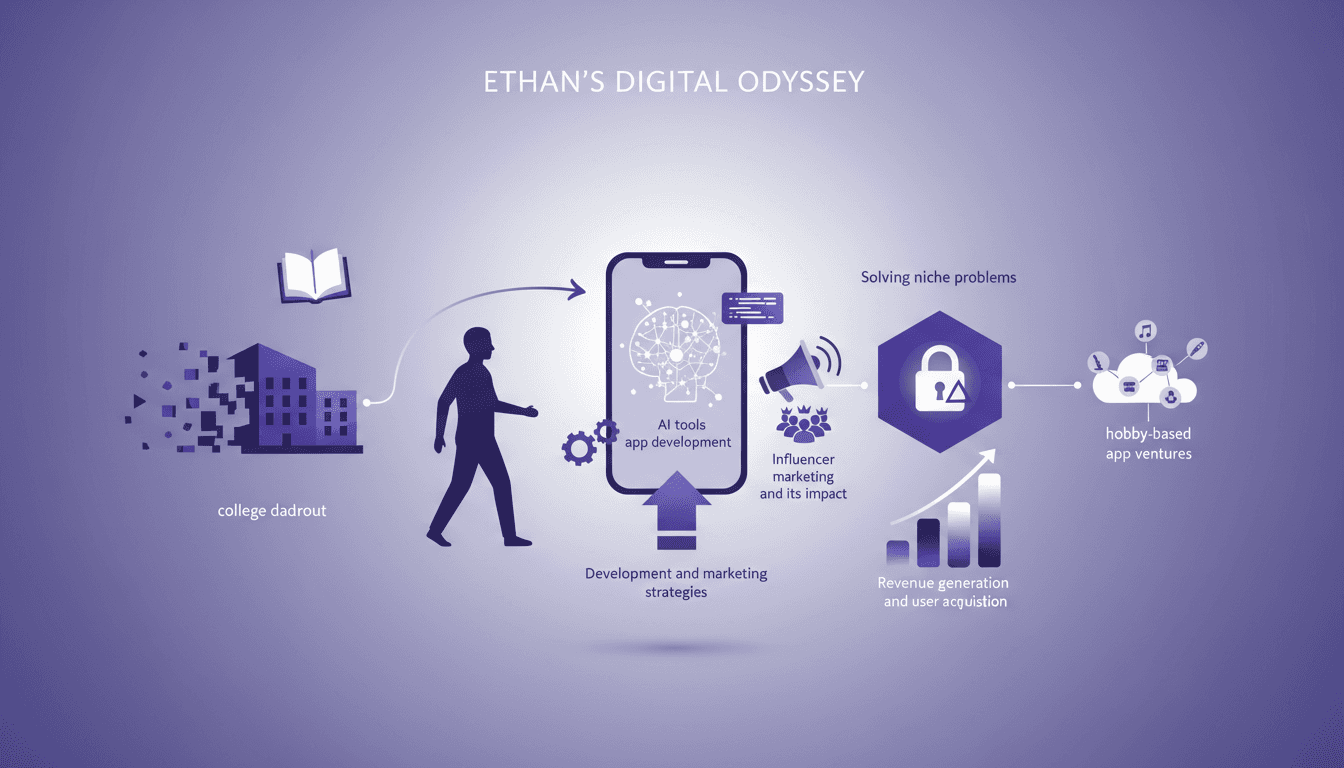
I dropped out of college at 19 to dive into building a wrestling app. Today, it rakes in $20K a month. And no, it's not a fairy tale. It's a story of strategy, technical choices, and smart marketing. I started in my dorm room, armed with just an idea and a passion for wrestling. First, I connected AI tools to automate and optimize development. Then, I orchestrated an influencer marketing campaign that took the app to new heights. Watch out, there were hurdles (sleepless nights and unexpected bugs), but every mistake was a lesson. Now, the app has grown into a real business, addressing a niche need and generating substantial revenue. In this interview, I share how I turned a simple passion into a thriving business and the keys to succeeding in a niche market.
Taking the Leap: Dropping Out to Build
At 19, I made a bold decision: drop out of college to focus entirely on app development. Why? Because I had a clear vision of solving very specific problems for overlooked niche markets. Often, that's where the transformative potential lies. I realized that building a product that answers a precise need can be far more effective than aiming wide. My app, Cut Coach, now generates $20,000 per month. But it wasn't all smooth sailing from the start.
The first months were filled with doubts. Leaving college was a huge risk but also an opportunity to follow my passion. The key to succeeding in such niche ventures? Passion and commitment. Without these, it's easy to get discouraged when facing challenges. I had to learn to handle criticism and uncertainty, which allowed me to focus on what truly matters: creating value for my users.
Leveraging AI Tools for Development
Integrating AI tools like Cursor and Chat GPT into my workflow was a real game changer. These tools allowed me to speed up development, reduce costs, and focus on iterating my product. But watch out, not everything is perfect. There are limits to relying too heavily on AI. Sometimes, AI solutions aren't as intuitive as manual work, and you need to know when to use them and when to step back.
For those looking to integrate AI into their projects, here are some practical tips:
- Start with simple tasks to understand the capabilities and limits of these tools.
- Don't rely solely on AI for critical decisions.
- Use AI to automate repetitive tasks and save time for strategic ones.
Crafting Effective Marketing Strategies
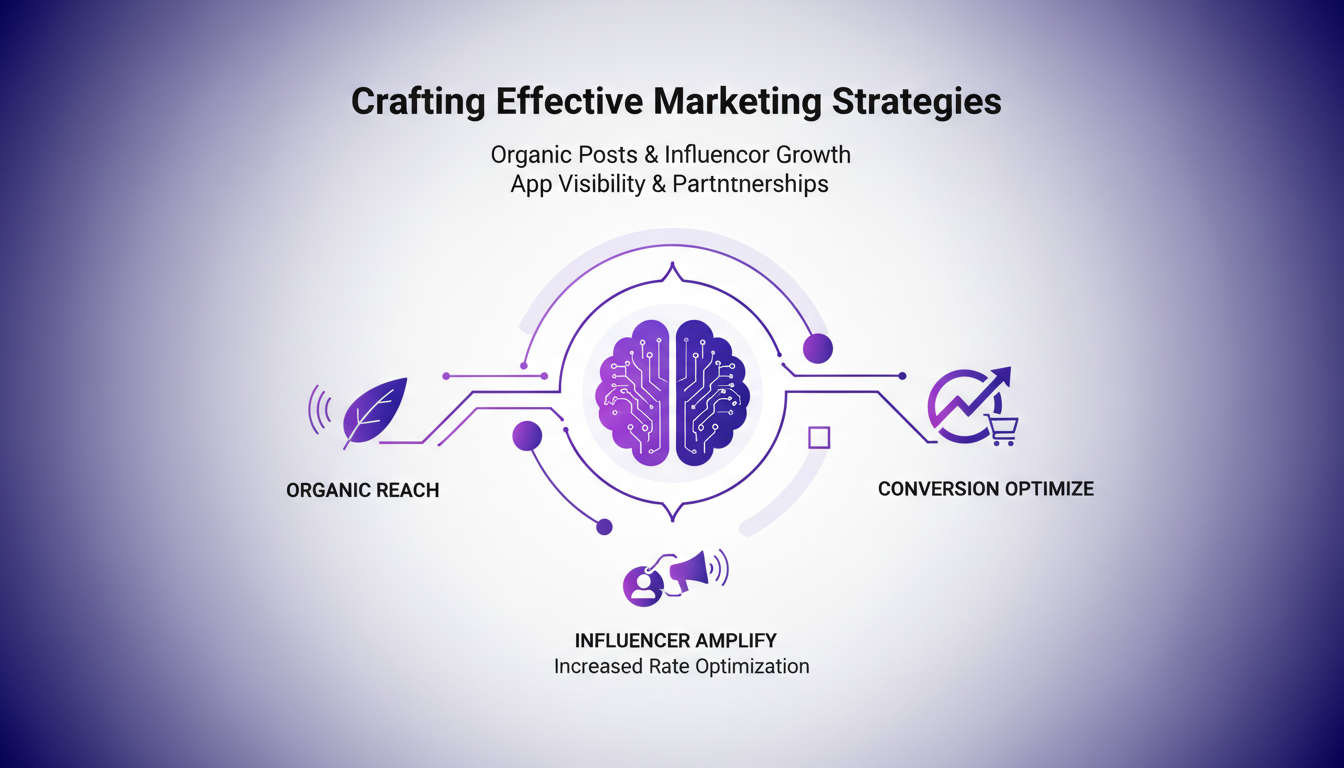
The growth of my app Cut Coach largely relies on organic marketing strategies and influential partnerships. I started with organic posts which, although modest (200 to 500 views), have generated an impressive conversion rate of 5 to 10%, which is high. But it's not just about posting; it's about leveraging the right relationships.

Influencer partnerships have been a turning point. I first collaborated with creators getting between 1,000 and 10,000 views per video. Later, I expanded to those reaching 20,000+ views. The key is choosing influencers who share your product's values and have an engaged audience.
- Build strong relationships with influencers to create brand credibility.
- Continuously monitor your conversion rates and adjust your strategies accordingly.
- Avoid common mistakes like choosing influencers misaligned with your niche market.
Demonstrating the App and Features
The Cut Coach app is designed to help combat sport athletes safely cut weight before competitions. Key features include science-based weight loss plans, developed through user feedback. This has helped me balance feature richness with user simplicity.
User feedback is crucial. I often tested the plans myself to ensure their effectiveness and safety. The key element is always keeping the user at the center of product development.
Advice for Aspiring App Developers
Building Cut Coach taught me several valuable lessons. First, don't underestimate the importance of resilience and adaptability. The tech world evolves rapidly, and you must be prepared to pivot. Secondly, for those considering leaving traditional paths to pursue tech, it's possible, but prepare for a challenging journey.
Finally, there's immense potential in niche markets. Don't be discouraged by a narrow target; often, niches offer the best growth opportunities. Stay passionate, stay committed, and never stop learning. If I could do it, so can you.
- Never stop learning and iterating on your product.
- Build a strong network of mentors and peers to support you.
- Explore niche markets with untapped potential.
So, here's how I turned passion into a thriving business: I dropped out of college at 19, and within a year, my niche app is pulling in $20,000 a month. How? By combining passion, smart tech use, and effective marketing. First, don't underestimate the power of AI tools in app development. They can be game changers, but watch out for overly complex options that might sidetrack you. Next, influencer marketing was crucial for me – it's a powerful lever but choose your influencers wisely to avoid blowing your budget. Finally, start small, iterate quickly, and don't be afraid to pivot if needed.
Looking ahead, smart use of technology and targeted marketing are at the heart of making your project succeed. If you're ready to take the leap, now's the time to start.
To dive deeper into my journey and strategies, I encourage you to watch the full video: I Left College to Build This Niche App. It's a peer-to-peer experience sharing, and I'm sure you'll find some useful insights for your own project.
Frequently Asked Questions

Thibault Le Balier
Co-fondateur & CTO
Coming from the tech startup ecosystem, Thibault has developed expertise in AI solution architecture that he now puts at the service of large companies (Atos, BNP Paribas, beta.gouv). He works on two axes: mastering AI deployments (local LLMs, MCP security) and optimizing inference costs (offloading, compression, token management).
Related Articles
Discover more articles on similar topics
Influencer Strategy: $35K/Month with One App
I turned an app idea into a $35K/month cash machine by partnering with just one influencer. How? By orchestrating an influencer marketing strategy that skyrocketed our revenue by 10,000%. I'll walk you through how I navigated the challenges of app development, international market launch, and powerful content creation. And watch out—there are pitfalls to avoid (I've been burned more than once)!

Agentic Engineering: Collaborate with AI
I remember when I first started integrating AI tools into my workflow. It was like discovering a new continent. But the trick wasn't just using AI; it was working with it. That's where agentic engineering comes into play. Today, collaborating with AI goes beyond automation. It's about forging a true partnership with technology. In this article, I'll share how I and other engineers are making this shift—integrating AI models into our development processes, managing context effectively, and configuring AI agents that adapt to our needs. We're no longer passive users; we're active orchestrators. Ready to explore this new frontier?

How AI Handles Every Sales Objection
I've been in sales long enough to know that objections are inevitable. But when AI stepped into the game, I realized we could tackle these hurdles more efficiently. Let me walk you through how AI learned to navigate the tricky waters of sales objections. We're not talking theory here—this is practical, field-tested strategy. With AI, we can dissect objections into manageable layers and address them systematically. It's a real game changer, but watch out for the limits, especially when it comes to understanding prospects' motivations. I'll show you how we move from 'Let me think about it' to closing a deal.

Harnessing CRM: $200K from Dead Real Estate Leads
I plugged my supposedly dead real estate leads into an AI-driven CRM and walked away with $200K. Here's how I did it. In real estate, we often chase new leads while ignoring the goldmine sitting in our CRM. Let's talk about how follow-up can transform 'dead' leads into significant revenue. From my experience, 70% of deals come from follow-up. So I thought, why not revisit those forgotten leads? The result: $200,000 generated. It's not rocket science, but it requires discipline and a rigorous follow-up strategy. Want to know how to harness this untapped potential? Join me in this case study.
Low-Latency Audio Intelligence: AI Workflow Insights
I've spent countless hours in the trenches of contact centers, where every minute counts. When I decided to tackle low-latency intelligence extraction from messy audio streams, I knew I was up against a giant. But I figured out how to mechanize the process to save time and boost efficiency. Contact centers, the backbone of customer interaction, face major hurdles: hiring, training, productivity. AI can change the game, especially in summarizing and extracting data from audio. Let's dive into the workflow, the technical architecture, and the outcomes.