Graduate Engineer Challenges: Strategies and Solutions
I started as a backend engineer, and now I'm heading mobile at Uber. It's been quite a ride, filled with challenges, AI breakthroughs, and some serious decision-making strategies. In this piece, I'll share how I navigated these waters. From tackling the hurdles of being a fresh graduate to effectively leveraging AI at work, I reveal the practical strategies that have shaped my journey in the tech industry. Don't expect abstract theories here; this is concrete, real-life lessons with a healthy dose of 'disagree and commit' to spice things up.
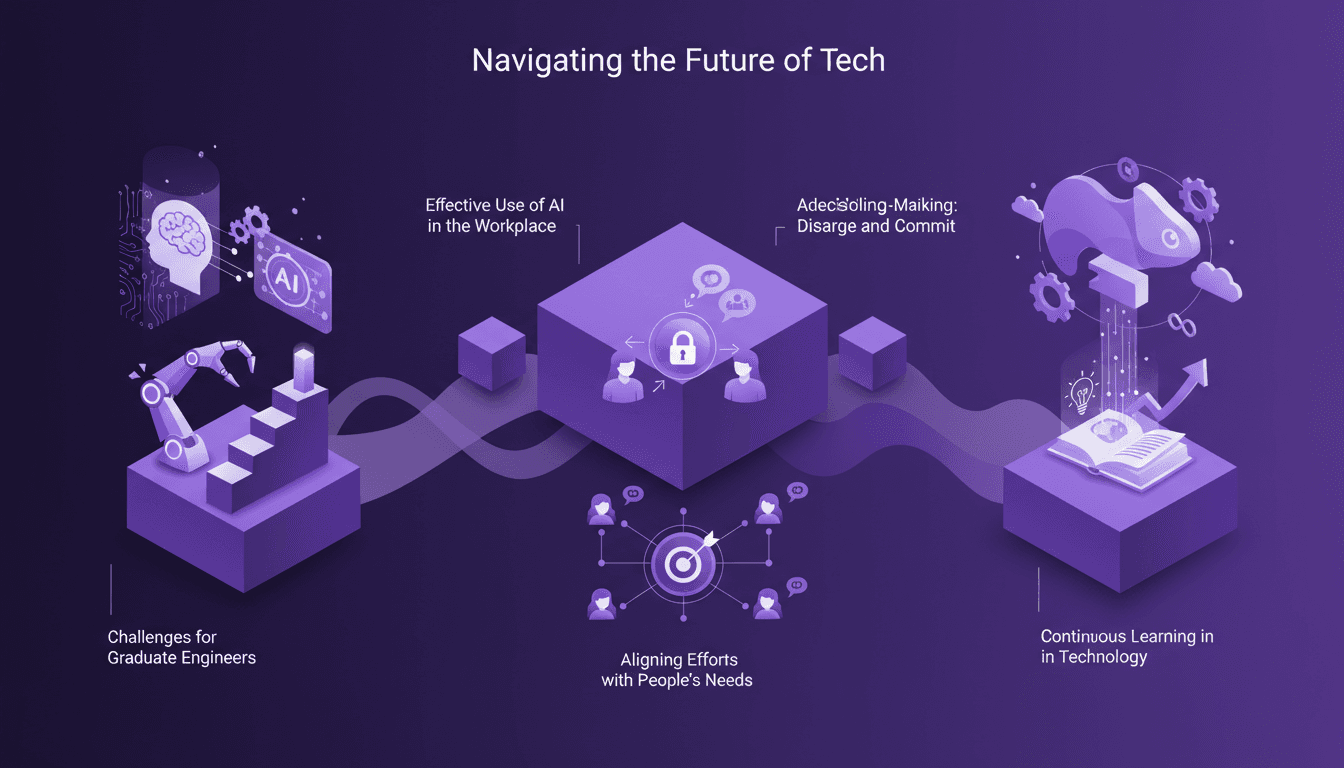
I started as a backend engineer, and now I'm heading mobile at Uber. What a journey it's been! Loaded with challenges, AI breakthroughs, and some bold decision-making strategies. Let me walk you through how I navigated these waters. As a fresh graduate, it was a marathon to overcome initial hurdles. I had to dive into AI, not just to ride the trend, but to maximize its everyday impact. One of my secret weapons? The 'disagree and commit' strategy, which helped me rally around tough decisions without wasting time. And in this fast-paced industry, I've learned to align efforts with real people's needs, not forgetting continuous learning. So, ready for a glimpse into my career journey?
Tackling Graduate Engineer Challenges
Diving into the professional world as a graduate engineer feels like jumping into the deep end without knowing how to swim. The learning curve is steep, really steep. I remember my first few months, where each day brought its own surprises (and often new frustrations). Real-world problems are nothing like academic exercises. While university prepared us for well-defined theoretical scenarios, the field demands constant adaptability and reactivity.
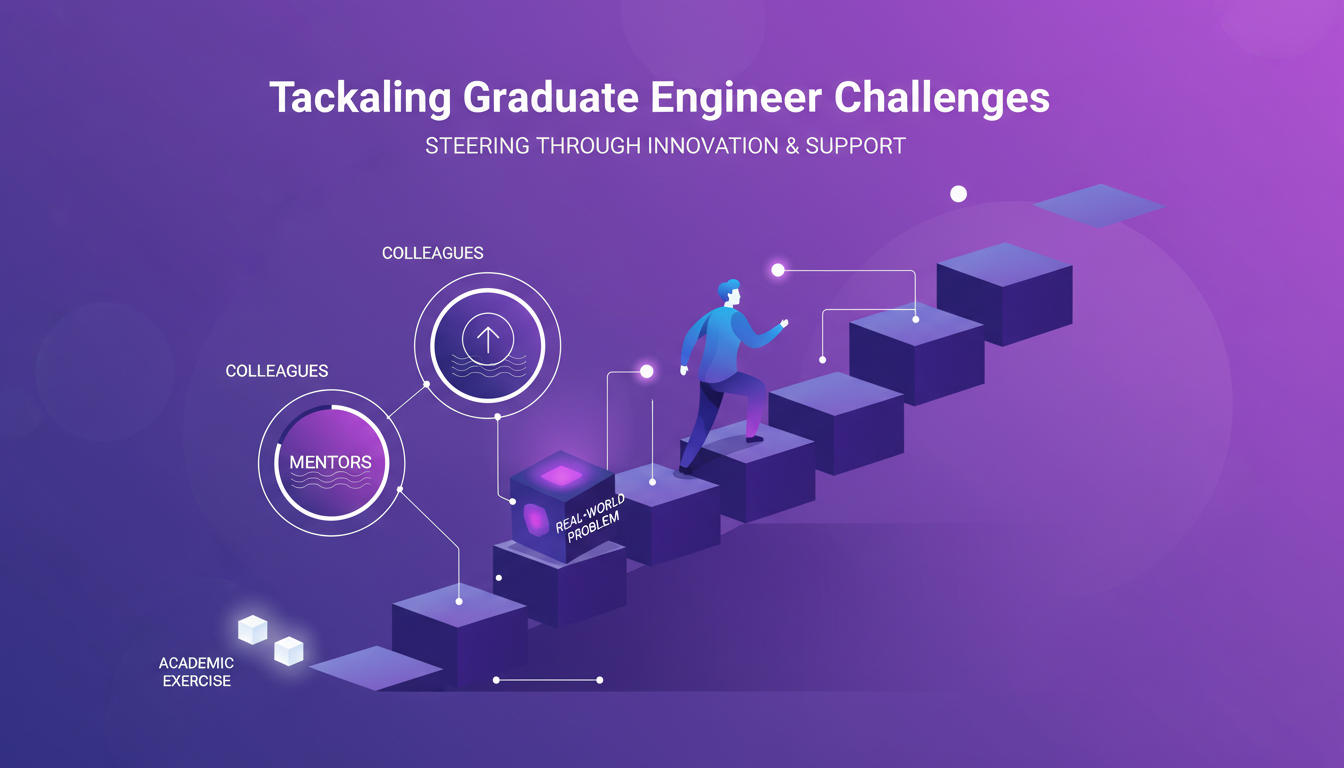
To manage, I built a strong support network, surrounding myself with experienced colleagues and mentors. It's essential. Balancing technical skills with soft skills is also crucial. I've learned that communication, time management, and the ability to collaborate are just as important as coding skills.
- Building a support network is essential
- Soft skills are as critical as technical skills
- The real world is more unpredictable than academic exercises
Harnessing AI in the Workplace
Integrating artificial intelligence into our daily routines is quite a disruptor. I started using AI tools to automate repetitive tasks like data entry or basic analysis. But watch out, don't fall into the trap of over-reliance. AI doesn't replace human judgment; it complements it. I've seen colleagues get carried away with these tools, sometimes forgetting to think for themselves.
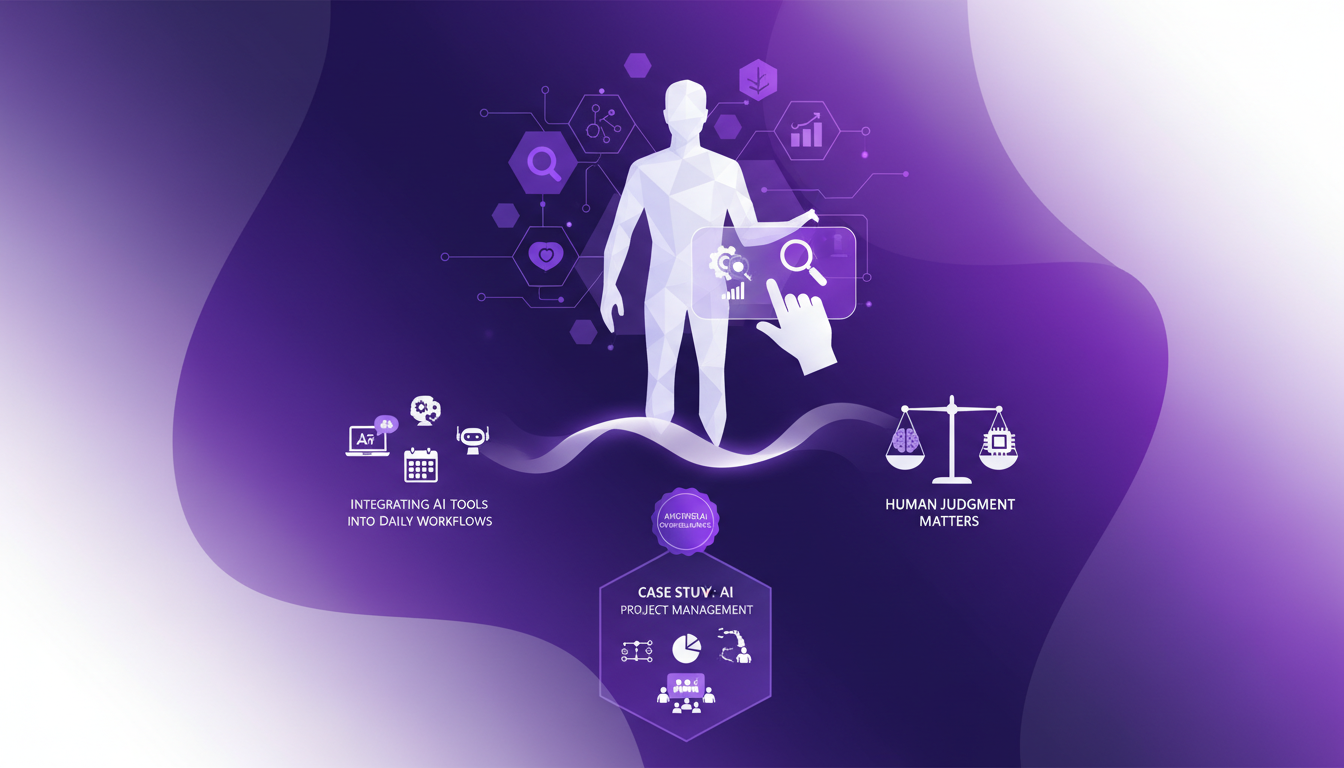
A concrete example: during a project management initiative, I used an AI tool to prioritize tasks. The result? A 20% reduction in cycle time. However, it's crucial to assess the cost vs. benefit. Sometimes, the cost of implementing an AI solution can surpass the savings it generates.
- Use AI to automate repetitive tasks
- Do not replace human judgment
- Assess cost vs. benefit before adoption
Decision-Making: The 'Disagree and Commit' Strategy
The "disagree and commit" strategy is a real game changer for me. In a work environment where opinions differ, this approach allows progress without absolute consensus. At Uber, for instance, we used it to make quick decisions without getting stuck in endless discussions. But be cautious, it needs to be applied when there's already a solid trust base.
"Disagree and commit allows rapid decision-making without absolute consensus."
The pitfalls exist: without consensus, it's easy to fall into division traps. But with good communication, it can really boost efficiency.
- Advance without absolute consensus
- Ideal application when trust is established
- Risk of division if poorly applied
Aligning Efforts with People's Needs
Building something that people don't use is frustrating. I've learned to understand team dynamics and individual strengths to better adapt my strategies. This involves listening to feedback and iterating constantly. Sometimes, you have to choose between moving fast and doing things right. I often opt for rapid iteration while keeping an eye on user needs.
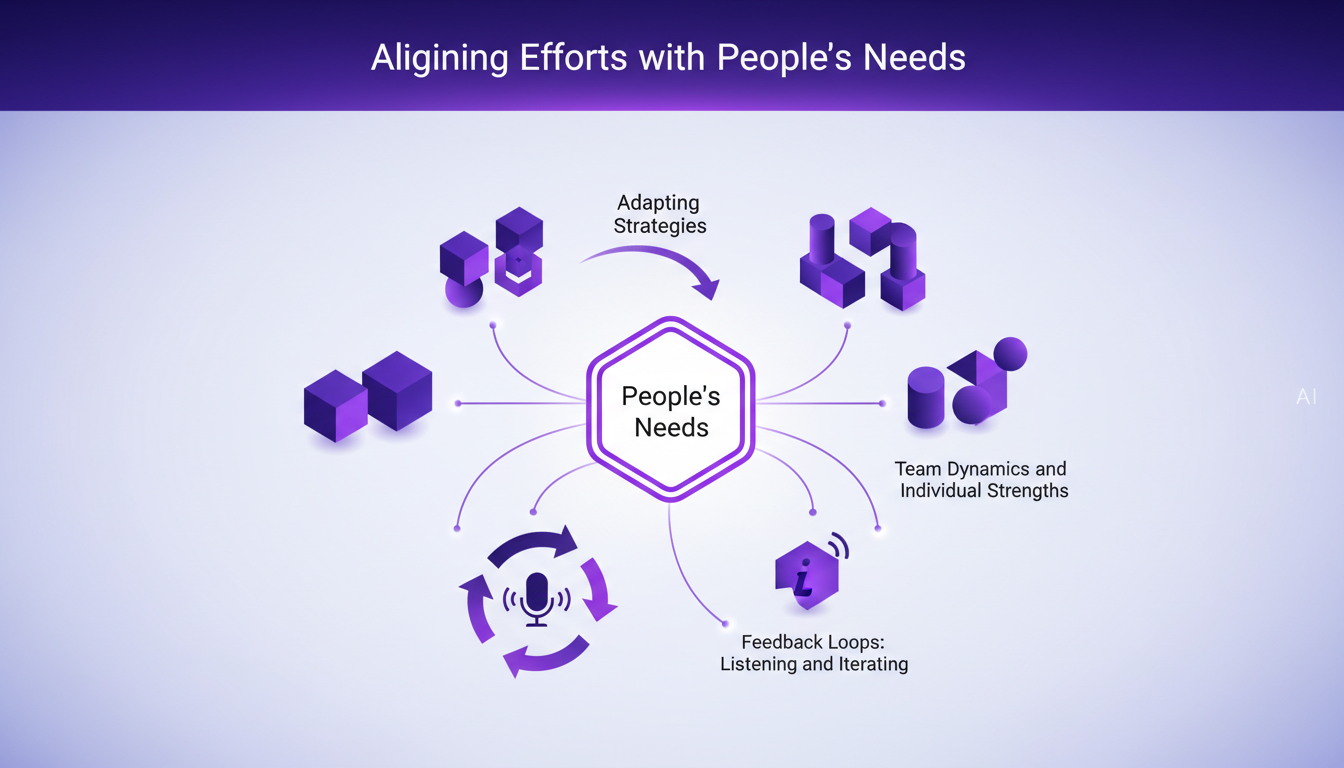
Feedback loops are essential. They allow you to adjust before it's too late. But watch out, listening to too many voices can also slow down the process. You need to find the right balance.
- Understand team dynamics
- Listen and iterate through feedback
- Balance speed with thoroughness
Adaptability and Continuous Learning
Adaptability has become second nature in the tech domain. The world evolves so fast that standing still is equivalent to moving backward. I've developed a personal roadmap for continuous learning. Every month, I set a learning goal, whether it's a new technology or a programming language.
Resources like Medium or online courses have been a great help. But you have to strike a balance between learning and executing. Too much theoretical learning without practical application, and you lose your way.
- Establish a learning roadmap
- Use varied resources to stay updated
- Balance learning with execution
Navigating the tech industry feels like a constant construction site. First, you've got to nail effective AI usage, but don't get overwhelmed by tools—focus on what truly boosts your productivity. Next, adopting 'disagree and commit' for decision-making can be a game changer: it allows progress even without full agreement. Lastly, aligning your efforts with people's needs is crucial for staying relevant.
- Master AI without spreading yourself thin.
- Embrace 'disagree and commit' to move forward efficiently.
- Align your efforts with real team needs.
Looking ahead, I see an industry where adaptability becomes the key asset. Ready to take your tech career to the next level? Implement these strategies and share your experiences. For a deeper dive, I recommend watching the original video. It's like having a chat with a colleague who's already walked the path. Video link
Frequently Asked Questions

Thibault Le Balier
Co-fondateur & CTO
Coming from the tech startup ecosystem, Thibault has developed expertise in AI solution architecture that he now puts at the service of large companies (Atos, BNP Paribas, beta.gouv). He works on two axes: mastering AI deployments (local LLMs, MCP security) and optimizing inference costs (offloading, compression, token management).
Related Articles
Discover more articles on similar topics
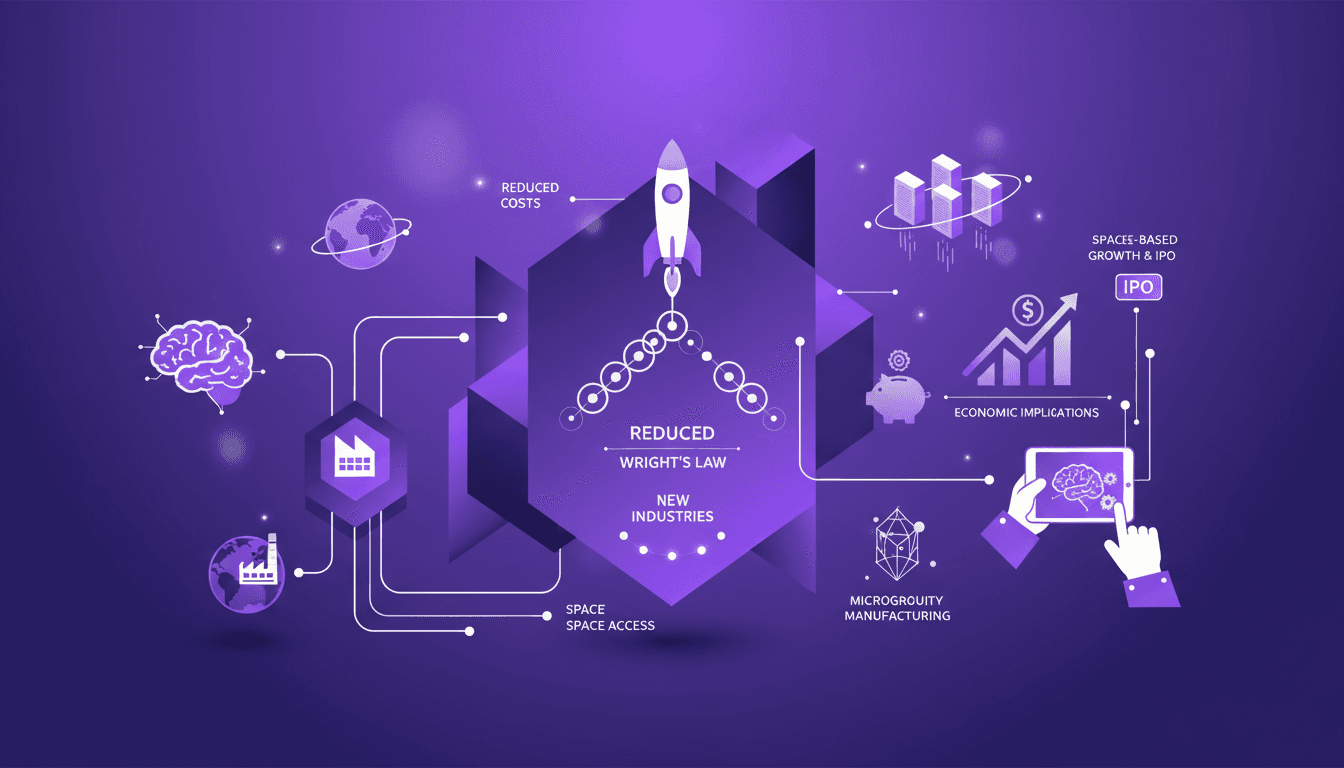
Cutting Space Costs: SpaceX and Wright's Law
I remember the first time I saw a SpaceX rocket land itself. It was like watching the future unfold right in front of me. But it's not just about the spectacle. SpaceX is reshaping costs and opening new frontiers. By slashing space travel costs, SpaceX is setting the stage for new industries and economic models. Let's dive into how they're doing it and what it means for us. With Wright's Law, production costs drop as experience increases. Space-based data centers and microgravity manufacturing are just the beginning. SpaceX isn't just dreaming about the future; they're building it. We'll also discuss the role of AI and robotics, two essential tools for seizing future opportunities.
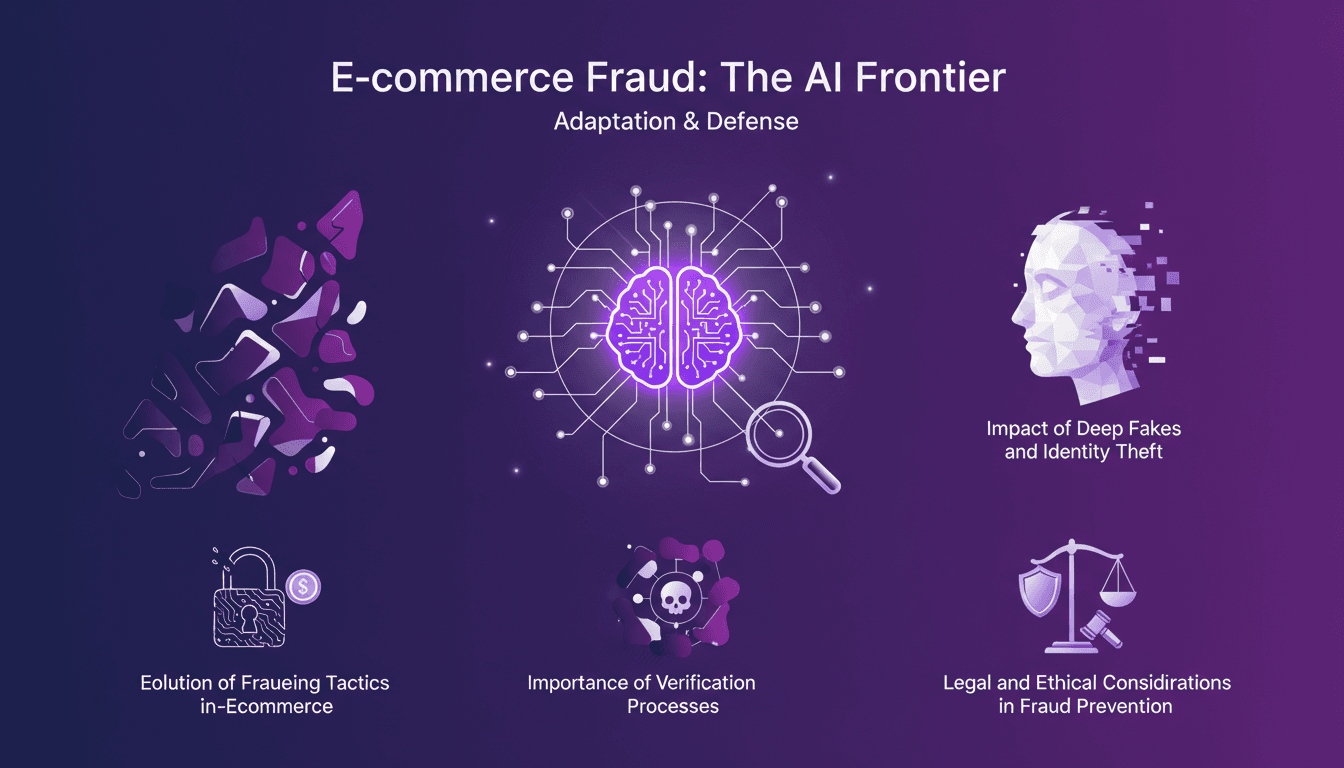
E-commerce Fraud Evolution: Strategies and Solutions
I've watched scammers evolve from basic cons to sophisticated operations, even targeting our homes. Every day, I fight against this, and trust me, it's a relentless challenge. Between cryptocurrency security, deep fakes, and 'Fraud as a Service', staying ahead requires constant vigilance and innovation. In this podcast, I take you behind the scenes of our daily battle: how we anticipate new fraud techniques in e-commerce, the importance of verification processes, and the legal and ethical considerations that guide us. Get ready to discover the strategies I use to outsmart these threats and protect our clients.
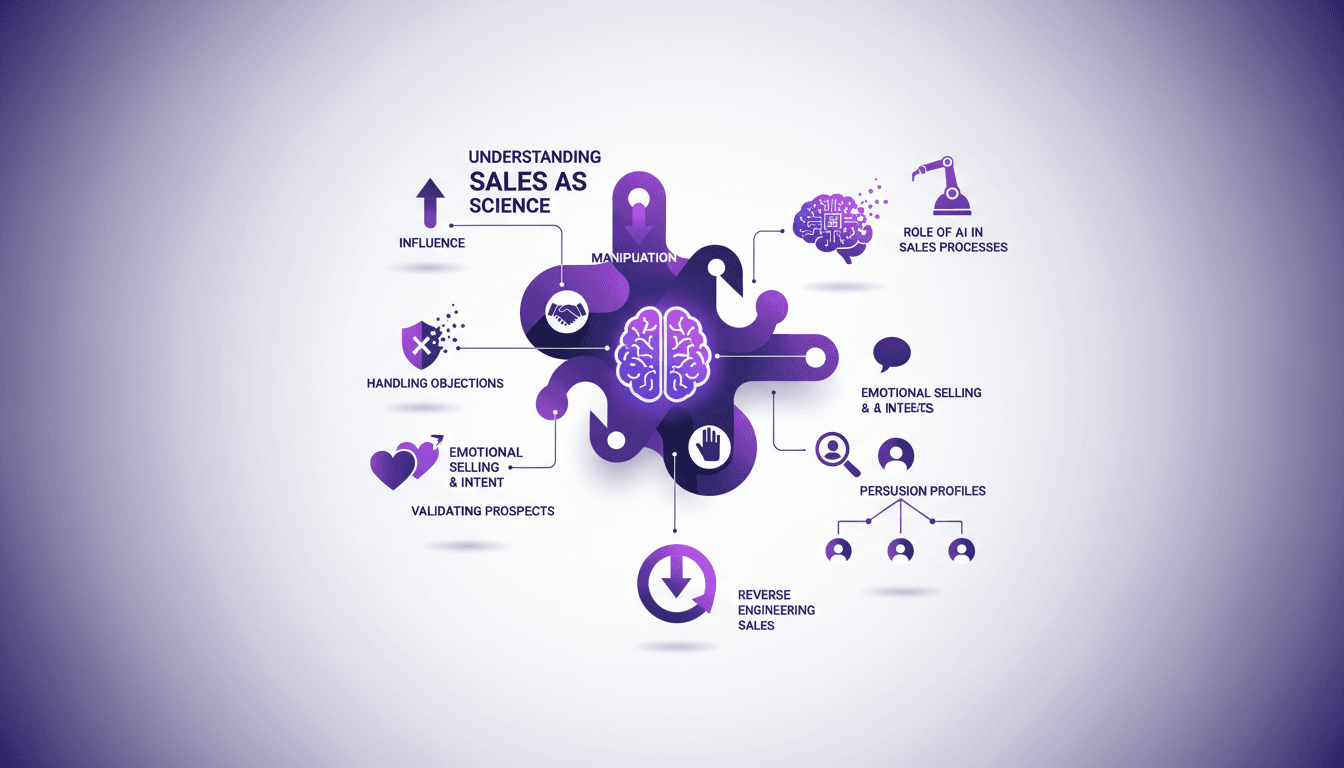
Mastering Sales Objections: Effective Tactics
I've been in sales long enough to know that handling objections sometimes feels like an art form. But trust me, it's not magic—it's science. Let me take you through my strategies for tackling sales objections, methods that are so effective they almost feel illegal. By exploring the difference between manipulation and influence, and integrating AI into the sales process, we can truly transform each interaction. We'll also dive into the importance of validating prospects' situations and developing tailored persuasion profiles. The goal? To turn every objection into an opportunity with concrete, tested approaches.
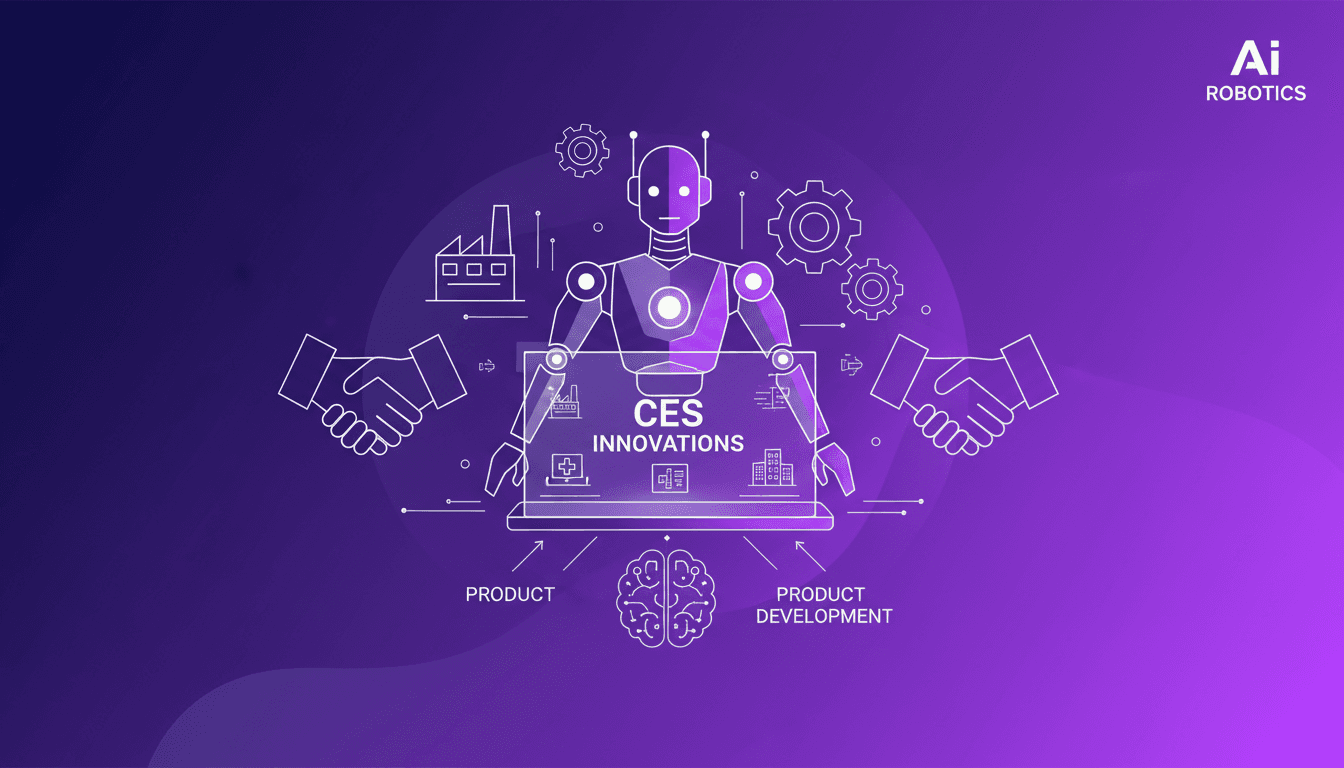
Humanoid Robots: CES 2026 Innovation Platform
I've been to CES more times than I can count, but 2026 marked a true turning point for robotics. This year, I witnessed humanoid robots integrating into industries in ways I never imagined. Beyond the gadgets, CES has become a platform where innovation meets collaboration. I connected with strategic partners to steer my future projects and gained invaluable insights for product development. This is where visibility and innovation in robotics truly take shape.
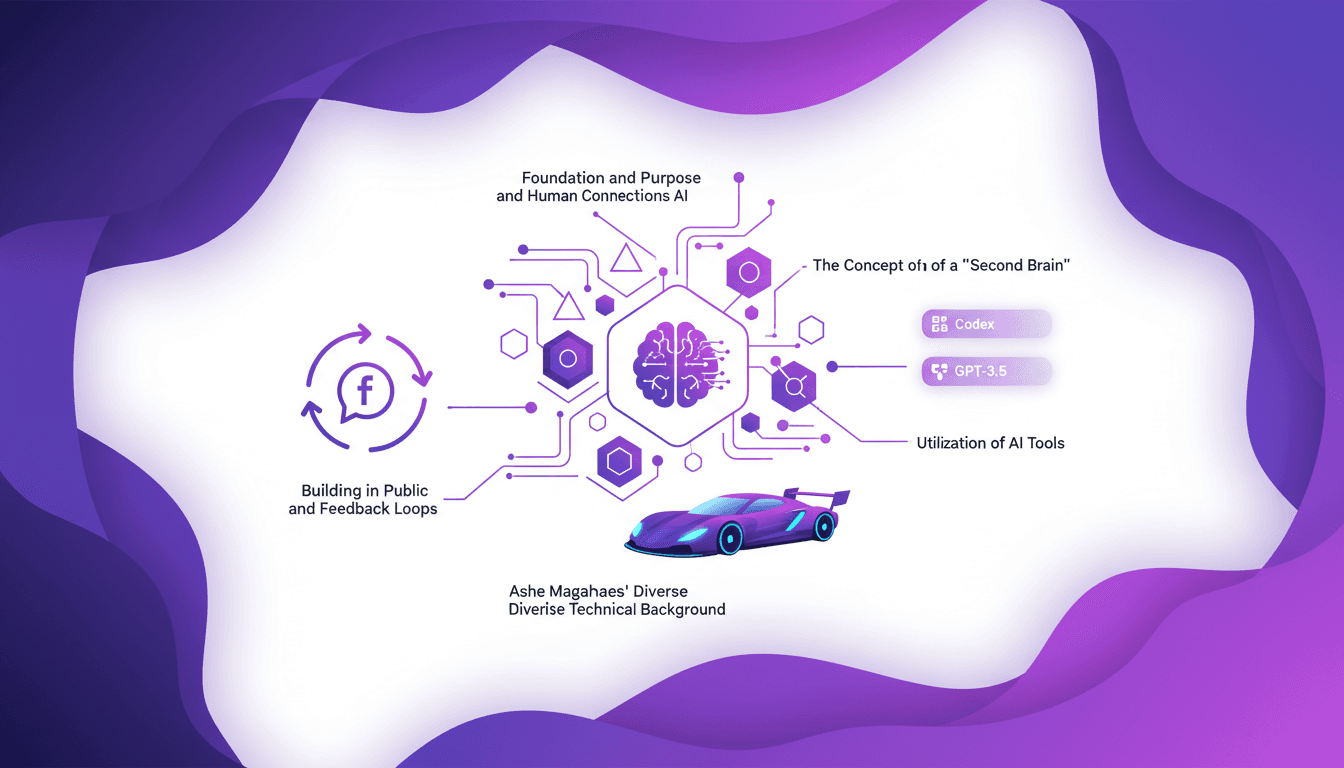
Building Hearth AI: Foundations and Vision
I vividly remember the thrill of building a solar-powered racing car—an experience that shaped my approach to founding Hearth AI. It was all about pushing boundaries and connecting technology with human potential. In this episode, I share insights from my journey as a builder, from my diverse technical background to founding Hearth AI in 2022. We'll dive into innovative concepts like relational intelligence, the 'second brain', and how AI tools like Codex and GPT 3.5 are revolutionizing our daily work. Get ready to explore the vision and foundations of Hearth AI and see how AI can truly transform human experience.