Cutting Space Costs: SpaceX and Wright's Law
I remember the first time I saw a SpaceX rocket land itself. It was like watching the future unfold right in front of me. But it's not just about the spectacle. SpaceX is reshaping costs and opening new frontiers. By slashing space travel costs, SpaceX is setting the stage for new industries and economic models. Let's dive into how they're doing it and what it means for us. With Wright's Law, production costs drop as experience increases. Space-based data centers and microgravity manufacturing are just the beginning. SpaceX isn't just dreaming about the future; they're building it. We'll also discuss the role of AI and robotics, two essential tools for seizing future opportunities.
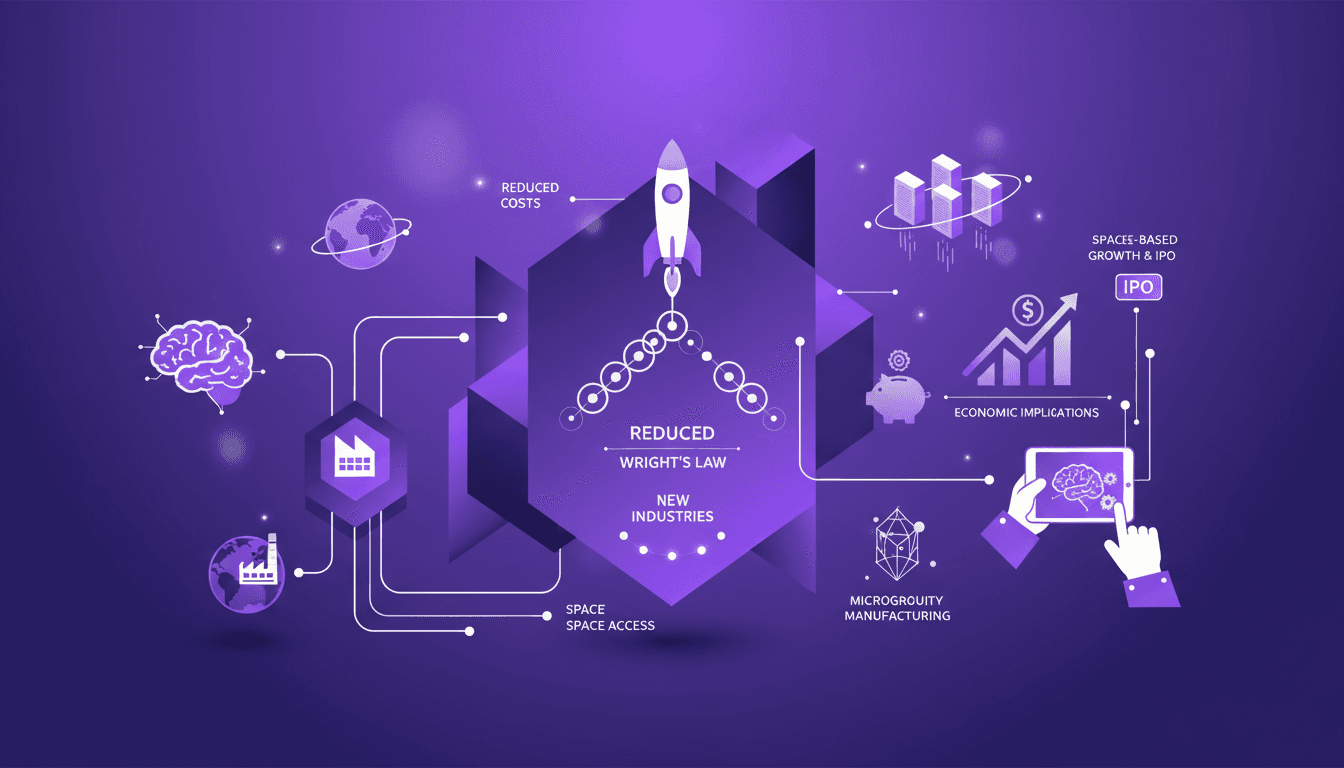
I remember vividly the first time I watched a SpaceX rocket land itself. It was like watching the future unfold in real time. But make no mistake, it's not just about the spectacle. SpaceX is more than a tech company; it's a catalyst for change. By radically cutting space travel costs, they're paving the way for new industries and economic models. First, let's dive into how SpaceX is leveraging Wright's Law to slash production costs. Then, we'll explore the emergence of new industries enabled by these cost reductions. And of course, we can't overlook the role of AI and robotics, which are transforming not just space but our terrestrial industries as well. We'll also touch on space-based data centers and the groundbreaking innovations by Varda Space Industries in microgravity manufacturing. And let's not forget SpaceX's financial growth and IPO plans, which are set to further disrupt the industry.
SpaceX's Rocket Technology: Cutting Costs, Opening Doors
When I witnessed SpaceX catching a 20-story rocket mid-air in October 2024, I knew we were entering a new era. This isn't just a technical feat; it's a paradigm shift in space accessibility. You know, launch costs were a huge barrier. Imagine, going from $54,000 to $10 per kilogram! Well, that's what SpaceX is aiming for. With technologies like the restartable ignition system and titanium grid fins, they're making space accessible to more players, and that's changing everything. Now, startups can dream of space without fearing exorbitant costs.
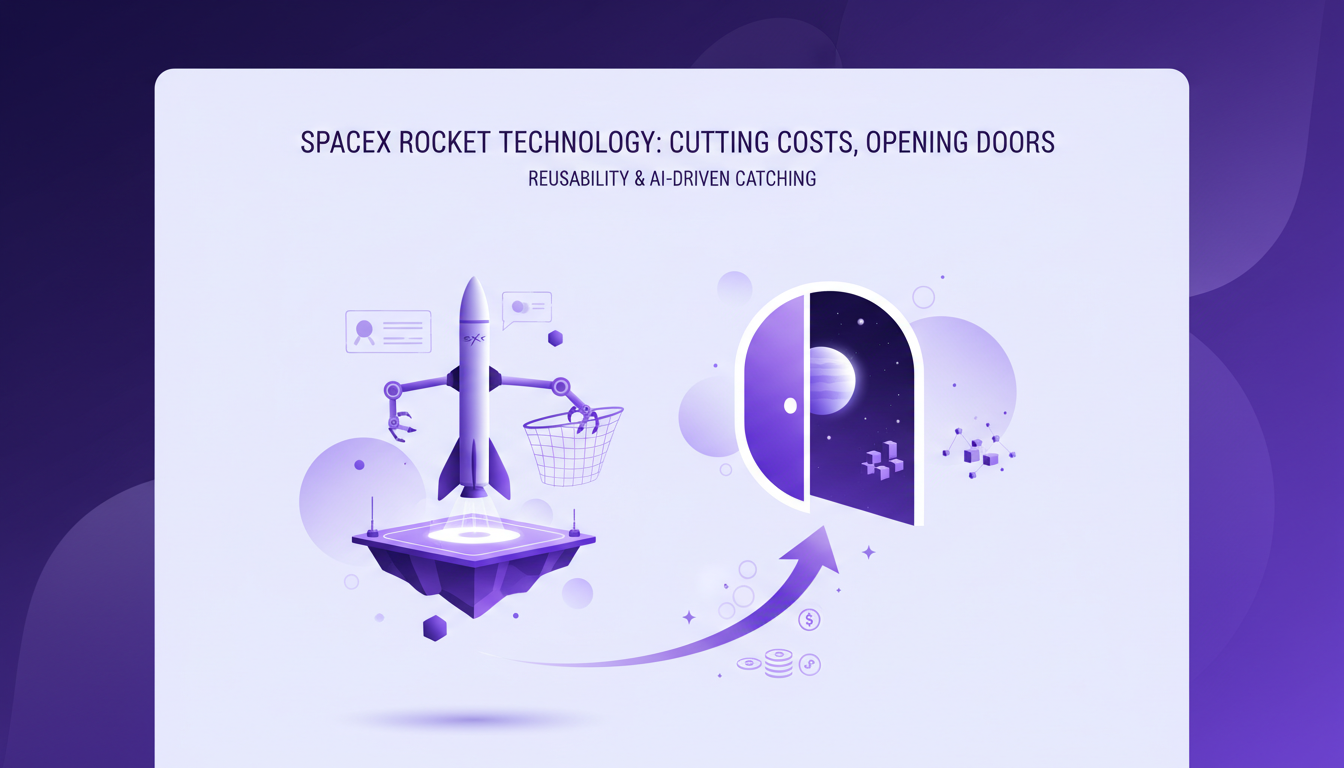
We can't underestimate the economic impact of these advancements. With launch costs reduced by 1000x, we're talking about new industrial opportunities. Companies like Starlink and Planet Labs were born from this cost reduction. And of course, reusing components—up to 85% of parts made in-house—allows SpaceX to cut costs by 30 to 50%. This transforms the business model and opens the door to innovations that were unimaginable just a few years ago.
"Reusability has redefined the space industry, opening access and dramatically reducing costs."
Understanding Wright's Law: The Cost Reduction Engine
So, let's talk about Wright's Law. This simple yet powerful idea is that every doubling of production reduces costs by 15 to 25%. I've seen this in action with solar, where panels that cost $76 per Watt in 1977 are now 20 cents. SpaceX applies this principle brilliantly: the more they launch, the lower the costs. But watch out, it's not a magic bullet. It needs to be integrated into a broader strategy.
We can't ignore the limitations of this law. It relies on the ability to scale production without sacrificing quality. So yes, it's a powerful tool, but you need to know how to use it correctly. For instance, another sector where this law has worked wonders is semiconductors. However, there are always challenges to tackle, like initial infrastructure costs.
New Industries from Reduced Space Costs
With these reduced costs, new industries are emerging. Take Varda Space Industries, for instance, which manufactures pharmaceutical compounds in microgravity. It's incredible what you can do without Earth's gravity. Molecules impossible to produce here are now accessible. But beware, microgravity manufacturing isn't cheap yet. It's a long-term investment but promises phenomenal returns.
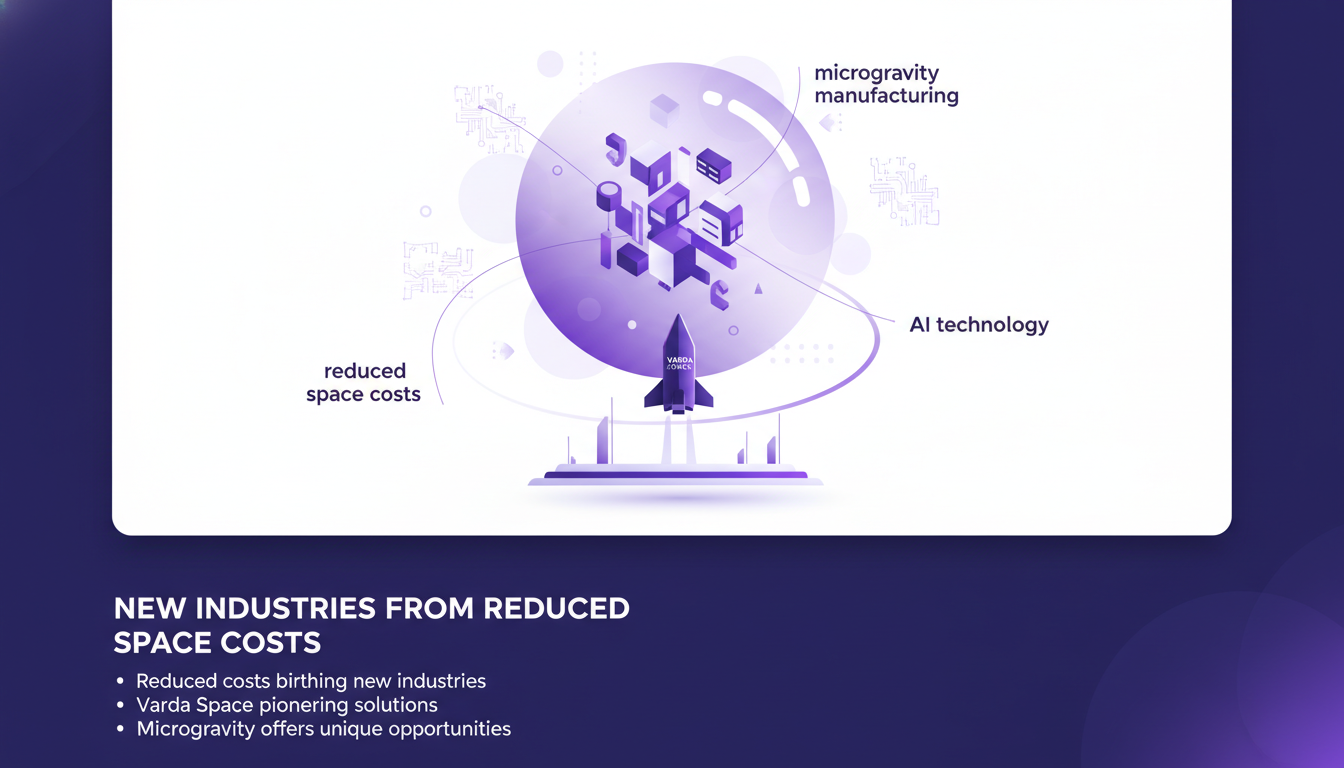
Microgravity manufacturing offers unique opportunities, but it still requires substantial investments. Think about semiconductor production that could revolutionize the industry. However, don't rush in without understanding the economic and technical implications. Each opportunity has its challenges, and that's where you need to be savvy in your strategic choices.
AI and Robotics: Transforming Space Operations
The integration of AI in space robotics is revolutionizing our operations. I've seen how automation reduces human risk and improves efficiency. When it comes to space exploration, reducing costs and risks is crucial. AI tools are here to stay. But watch out, AI has its limitations. It depends on context, and misapplication can be costly.
The cost of maintaining an astronaut in space is around $1.5 million per day. With AI, we can dramatically cut these costs, targeting $2 per hour for robotic labor. It's a game-changer, but keep in mind that AI requires constant oversight and adaptation to new data and situations.
Space-Based Data Centers: A New Economic Frontier
Imagine space-based data centers. Yes, it's a potential reality. These centers offer increased cooling efficiency and security. The idea is enticing, especially with the rise of cloud computing. The potential savings are enormous. However, initial costs remain a major barrier, even as companies like Starcloud raise funds to realize this vision.
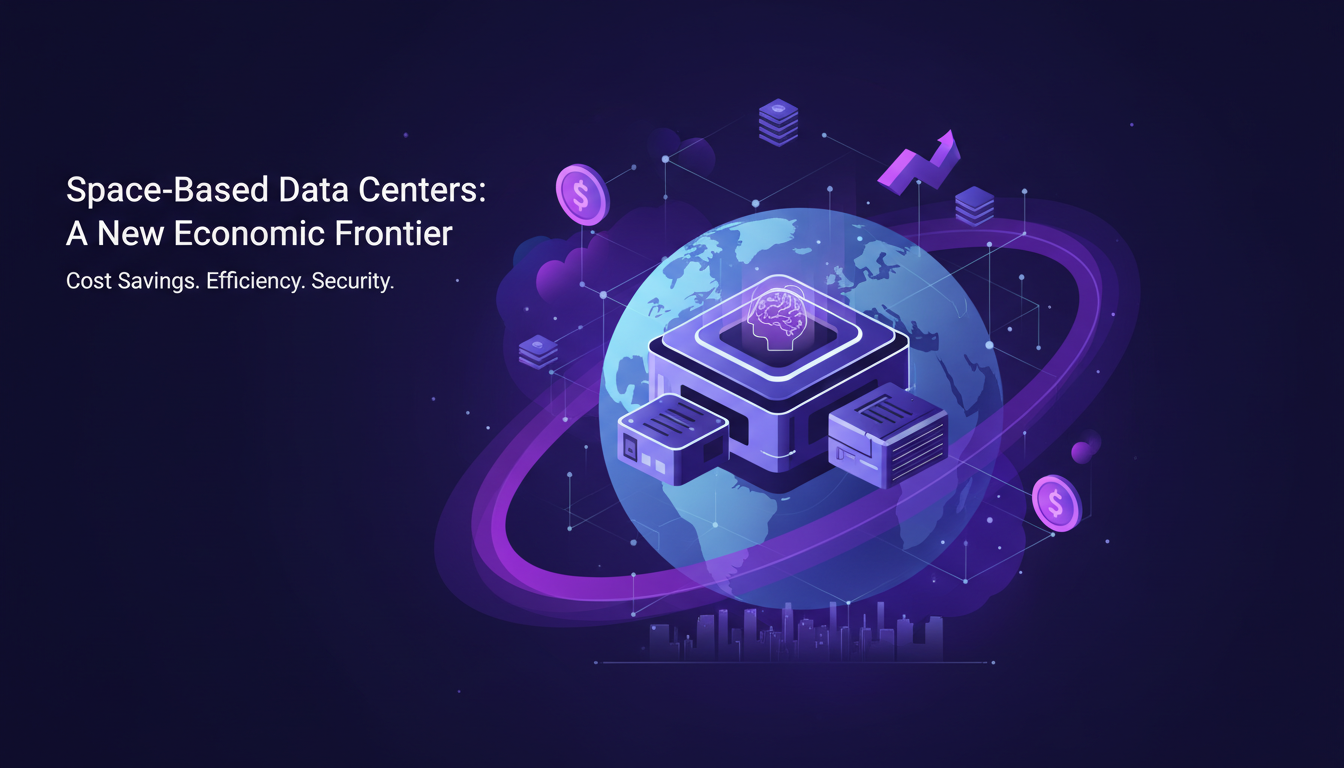
This is an economic frontier not to be overlooked, but be aware of the initial financial hurdles. Space technology is evolving rapidly, and those who can orchestrate these innovations will have a tremendous competitive advantage. But again, each opportunity must be carefully weighed to avoid pitfalls and maximize benefits.
- Reusability cuts launch costs by up to 50%.
- Wright's Law: cost reduction of 15-25% with each doubling of production.
- Microgravity: unique manufacturing opportunities, but costly.
- AI: reduces risks and costs of space operations.
- Space-based data centers: huge potential, high initial costs.
With SpaceX and partners like Varda Space, we're not just redefining how we reach space, but how we harness it. First, the reduction in space travel costs is a game changer for new industries. Then, Wright's Law shows us that the more we produce, the cheaper it gets, opening up amazing opportunities. Third, AI and robotics are transforming not only space but also our terrestrial industries. But watch out, this isn’t without its challenges. For instance, while solar panels are currently priced at 20 cents per Watt, the necessary infrastructure remains complex. And let's not forget, we're entering a space era that could last 100 years, but we need to anticipate regulations and risks. So stay ahead by understanding these technologies and their impact. Whether you're in tech, finance, or manufacturing, the space economy is reshaping your future. For deeper insight, check out the original video—it’s like a peer-to-peer chat about tomorrow’s stakes.
Frequently Asked Questions

Thibault Le Balier
Co-fondateur & CTO
Coming from the tech startup ecosystem, Thibault has developed expertise in AI solution architecture that he now puts at the service of large companies (Atos, BNP Paribas, beta.gouv). He works on two axes: mastering AI deployments (local LLMs, MCP security) and optimizing inference costs (offloading, compression, token management).
Related Articles
Discover more articles on similar topics
E-commerce Fraud Evolution: Strategies and Solutions
I've watched scammers evolve from basic cons to sophisticated operations, even targeting our homes. Every day, I fight against this, and trust me, it's a relentless challenge. Between cryptocurrency security, deep fakes, and 'Fraud as a Service', staying ahead requires constant vigilance and innovation. In this podcast, I take you behind the scenes of our daily battle: how we anticipate new fraud techniques in e-commerce, the importance of verification processes, and the legal and ethical considerations that guide us. Get ready to discover the strategies I use to outsmart these threats and protect our clients.
Building Hearth AI: Foundations and Vision
I vividly remember the thrill of building a solar-powered racing car—an experience that shaped my approach to founding Hearth AI. It was all about pushing boundaries and connecting technology with human potential. In this episode, I share insights from my journey as a builder, from my diverse technical background to founding Hearth AI in 2022. We'll dive into innovative concepts like relational intelligence, the 'second brain', and how AI tools like Codex and GPT 3.5 are revolutionizing our daily work. Get ready to explore the vision and foundations of Hearth AI and see how AI can truly transform human experience.
AI and Code: 90% Written by Agents
I never thought I'd let AI write 90% of my code, but here we are. As a GitHub senior engineer, I've embraced AI agents, and it's been a game changer—albeit with its quirks. AI in software development is more than a buzzword; it's reshaping our workflows. I've seen it firsthand, moving from traditional coding to orchestrating AI-driven solutions. We're diving into the impact of AI agents in our field, how it shifts our operational focus, and even boosts system reliability. I've had to adapt, learn from my mistakes (and trust me, I've made a few!), but the leap is worth it. If you've ever used VS Code's Agent Mode, you know what I mean. The future of development is already here.
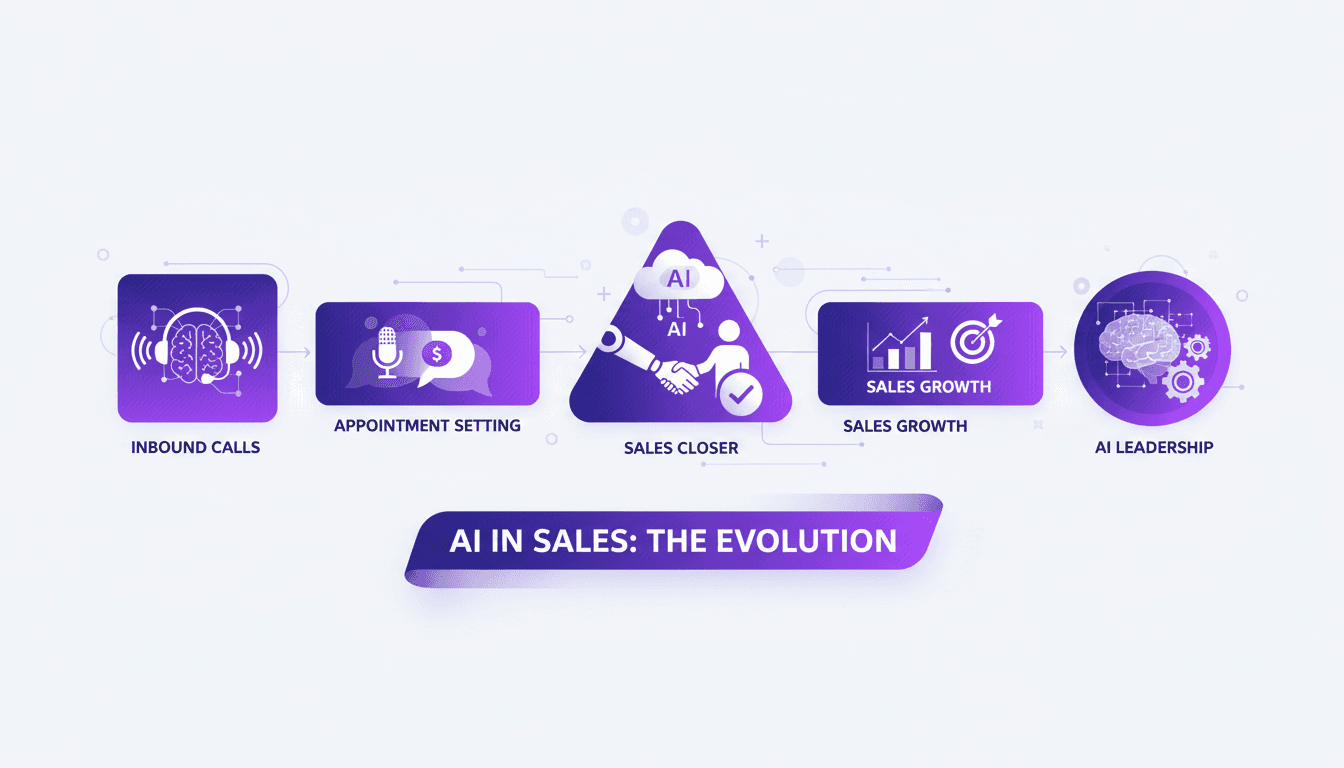
AI in Sales: Automating Inbound Calls
I've been in sales for over a decade, and let me tell you, AI is not just a buzzword anymore—it's a game changer. I've seen it handle calls, close deals, and even set appointments. But it's not all roses; there are limits and trade-offs you need to know. In the next six months, AI is set to revolutionize sales roles. Let's dive into how it's already reshaping the landscape and what you need to watch out for.
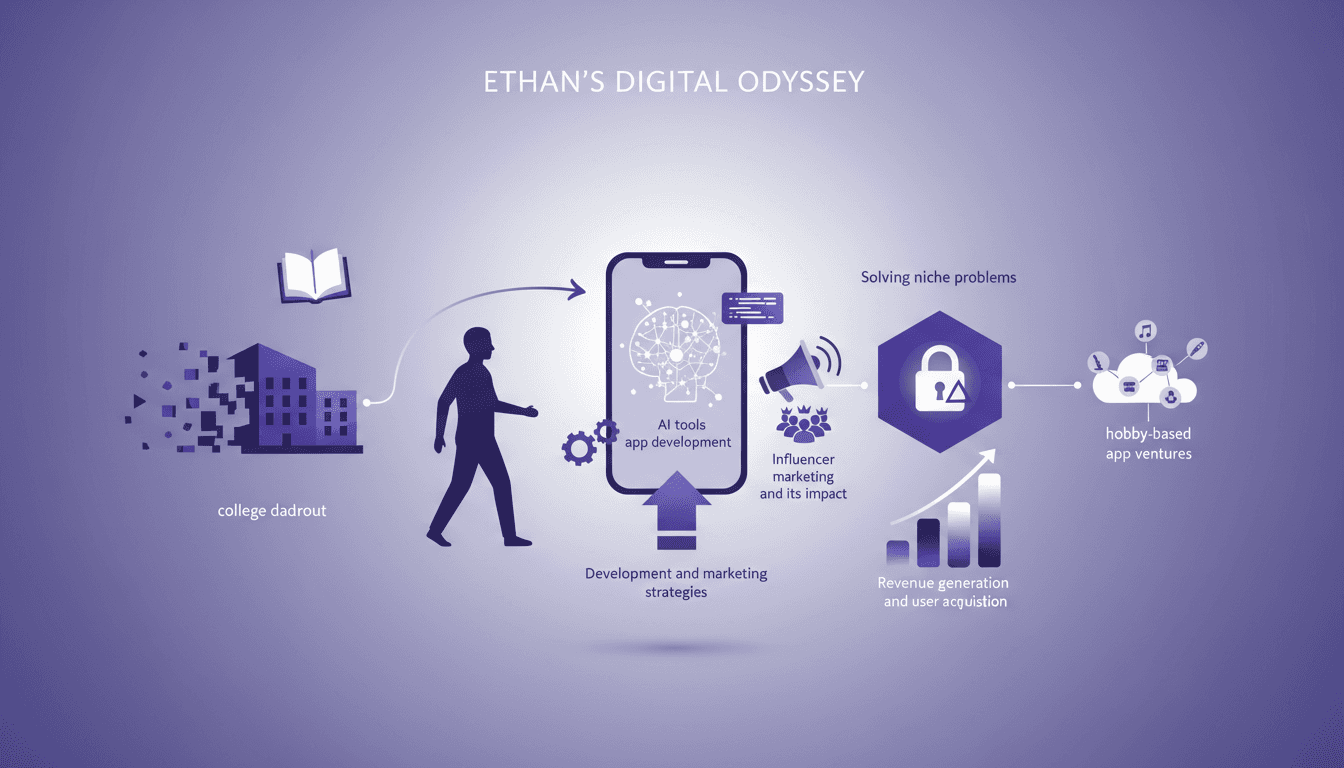
Building a Niche App: $20K/Month Journey
I dropped out of college at 19 to build a wrestling app, and now it brings in $20K a month. How? By connecting AI tools with smart business models and leveraging influencer marketing. The app isn't just a hobby turned business; it solves a real niche problem. Throughout this journey, I navigated between technical development and growth strategies. From setting up a solid architecture to optimizing user acquisition, I learned to orchestrate every aspect. Watch out, it wasn't all smooth sailing: I made mistakes. But now, I'm sharing what I wish I knew from the start. It's an adventure that shows how a passion can turn into a serious revenue opportunity.