E-commerce Fraud Evolution: Strategies and Solutions
I've watched scammers evolve from basic cons to sophisticated operations, even targeting our homes. Every day, I fight against this, and trust me, it's a relentless challenge. Between cryptocurrency security, deep fakes, and 'Fraud as a Service', staying ahead requires constant vigilance and innovation. In this podcast, I take you behind the scenes of our daily battle: how we anticipate new fraud techniques in e-commerce, the importance of verification processes, and the legal and ethical considerations that guide us. Get ready to discover the strategies I use to outsmart these threats and protect our clients.
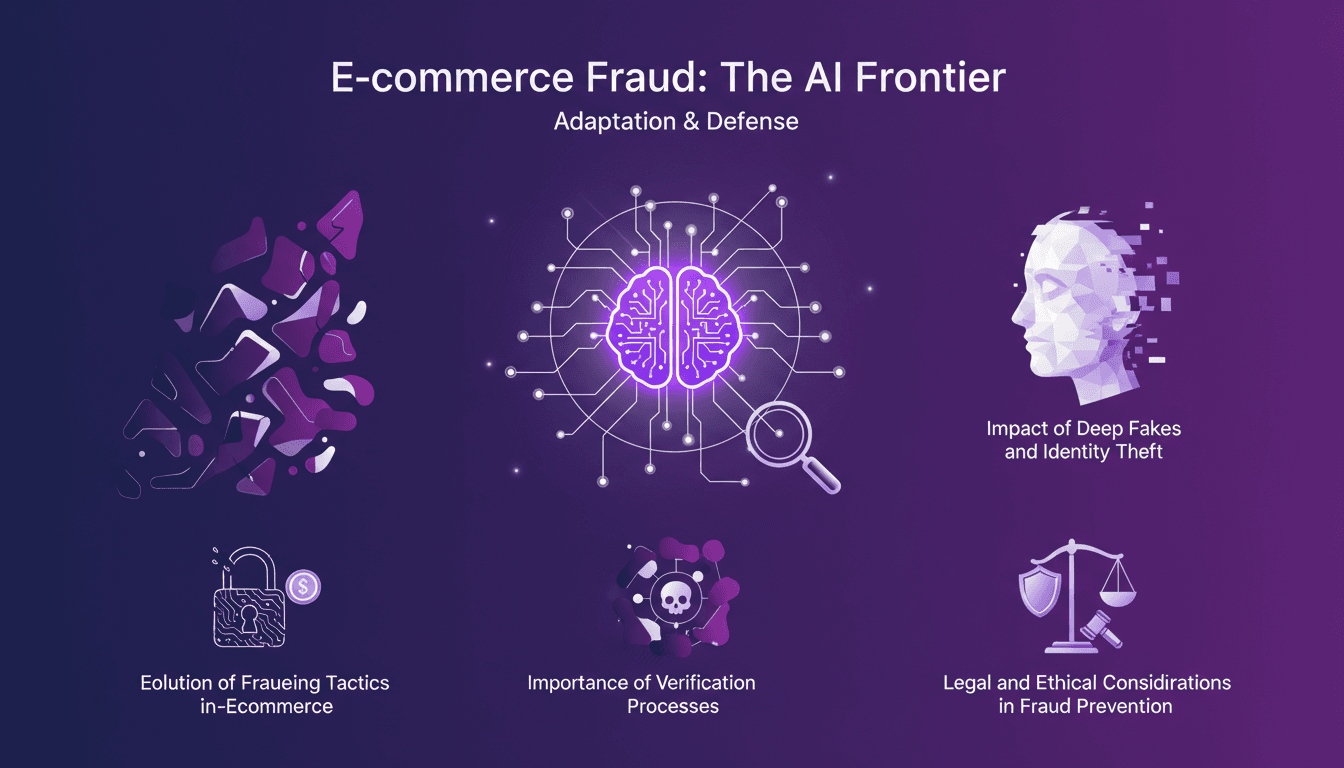
I've seen fraudsters evolve from simple scams to sophisticated operations, even targeting our homes. When I say I tackle this daily, it's no exaggeration. Fraud in e-commerce is a moving target. As fraudsters get smarter, so do we. I connect the dots between cryptocurrency security, deep fakes, and what's called 'Fraud as a Service'. First step: constant vigilance and innovation. In this podcast, I share how I anticipate new fraud techniques, the crucial importance of verification processes, and the legal and ethical considerations that guide our approach. For instance, with deep fakes and identity theft, the stakes are huge. You'll see why protecting our clients is more than just a mission—it's an absolute necessity.
Understanding the Fraud Ecosystem
When we talk about fraud today, it’s essential to grasp that it’s no longer the domain of a few isolated hackers. We’re dealing with a full-blown Fraud as a Service (FaaS). Imagine a customer service setup, but for scammers. These platforms offer everything necessary to scam on a large scale, with tools available to amateur fraudsters. I’ve come across ads for these services on the dark web, and it’s as organized as any legitimate business.
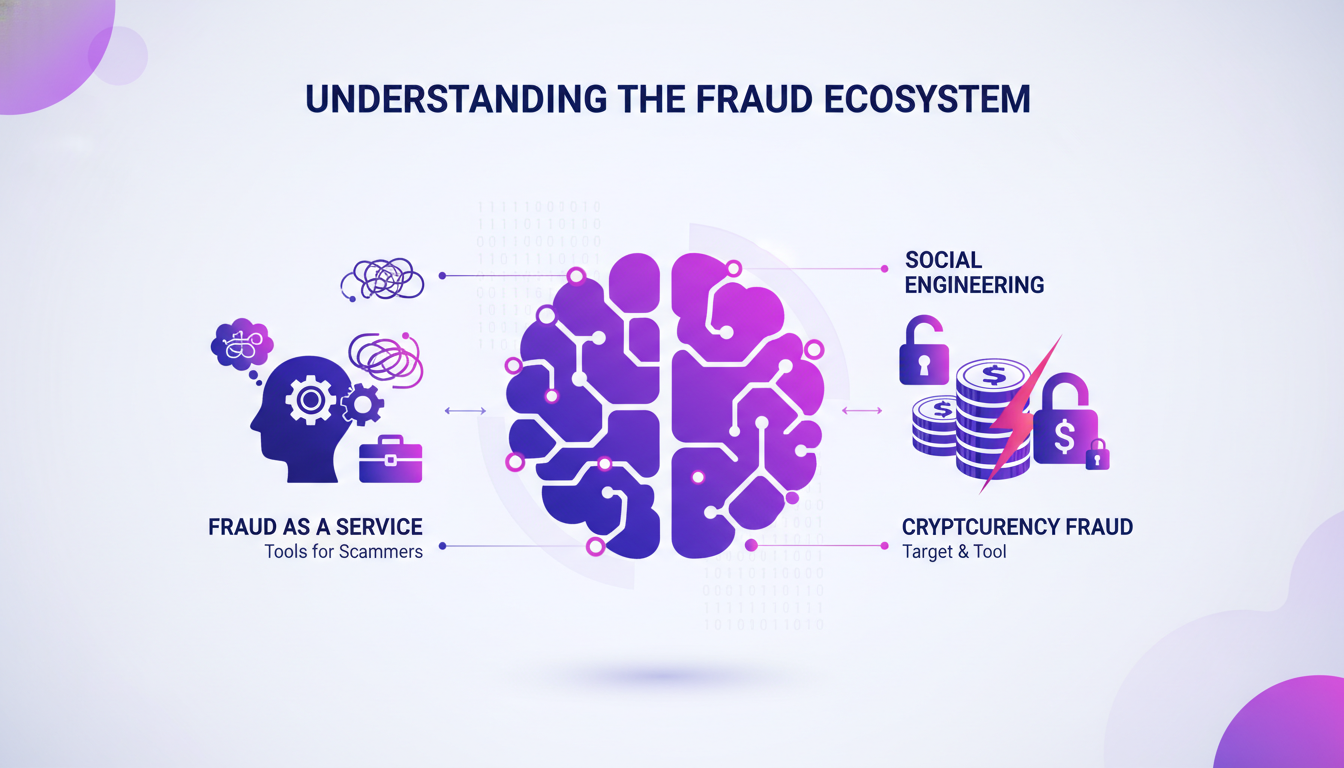
Then there’s social engineering, which remains a powerful tool for fraudsters. I’ve heard stories of fraudsters visiting homes to collect credit cards under false pretenses, posing as police or security agents. It sounds crazy, but it works. And then there’s crypto. It’s both a target and a tool. I’ve seen cases where handwritten Bitcoin addresses were used to deceive individuals into sending money to the wrong address.
To protect your cryptocurrency wallet, a 24-word security key is crucial. I was once the target of a theft attempt, but thank goodness, my 24-word key saved me. Watch out; if someone else gets hold of these words, your funds are at risk.
Tools of the Trade: AI and Fraud Analysts
In the fight against fraud, AI tools have become indispensable. They detect patterns and anomalies that the human eye might miss. I’ve worked with these technologies, and the speed at which they can analyze transactions is impressive. But, and it’s a big "but," they don’t replace the keen eye of a fraud analyst.
A good analyst can interpret the data provided by AI and understand the context behind the numbers. I’ve often seen cases where an AI alert was a false positive. Without human intervention, we would have wasted a lot of time and money chasing useless leads.
The key is balancing AI with human intuition. Rely too much on technology, and you miss the human behind the fraud. Rely too much on humans, and you miss the precision and speed of AI. Don’t underestimate the value of human experience in this field.
The Role of Cryptocurrency in Modern Fraud
Cryptocurrency wallets require robust security measures. 24-word security keys have become a standard to protect your assets. However, scammers always find ways to circumvent these securities. I’ve seen cases where Bitcoin addresses were handwritten to mislead people. It seems rudimentary, but it’s effective because it exploits human trust.
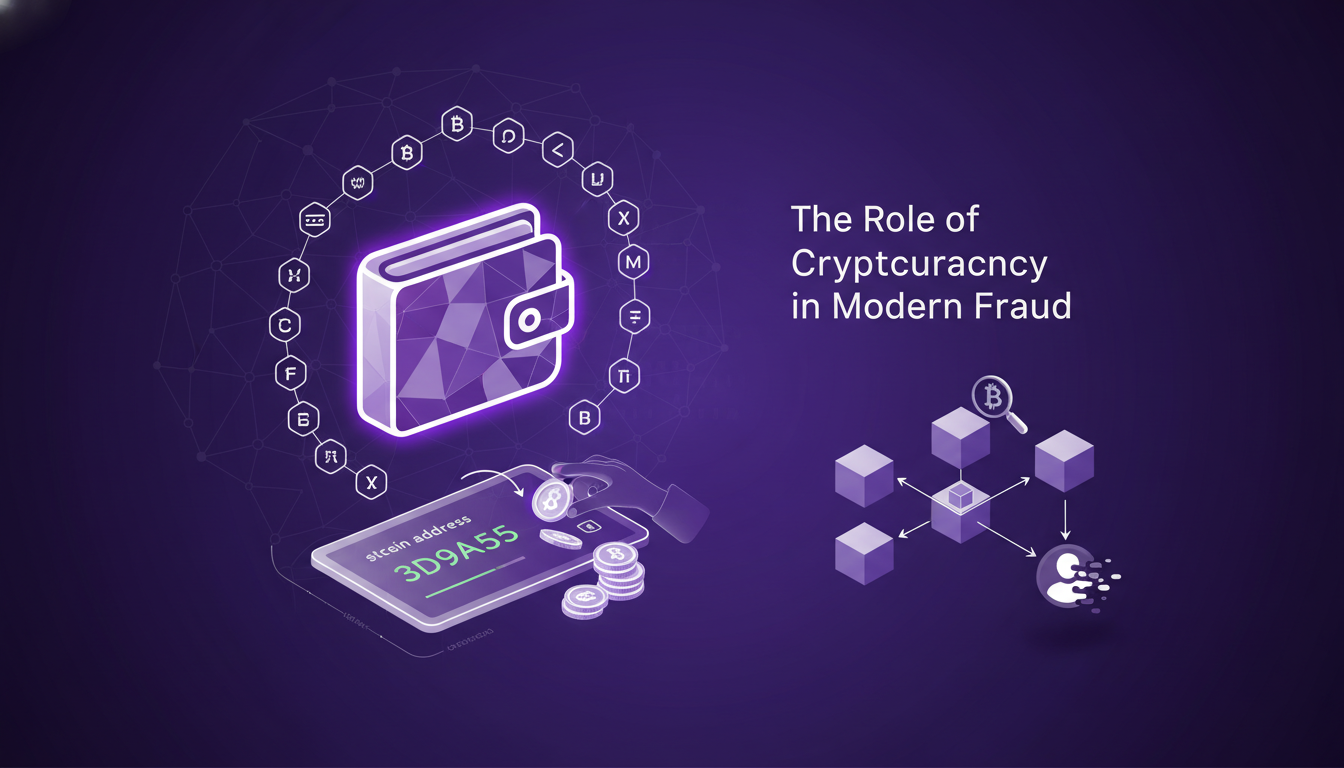
Understanding blockchain can help trace fraudulent transactions. I’ve used blockchain analysis tools to track stolen funds. While it requires time and expertise, it can often lead to the recovery of funds or at least identifying the fraudsters.
Social Engineering and Deep Fakes: The New Frontier
Social engineering exploits human psychology in financial fraud. I’ve seen cases where fraudsters impersonated financial advisors to manipulate their victims. With the rise of deep fakes, identity theft has become even easier. These technologies can create convincing videos of people saying or doing things they never did.
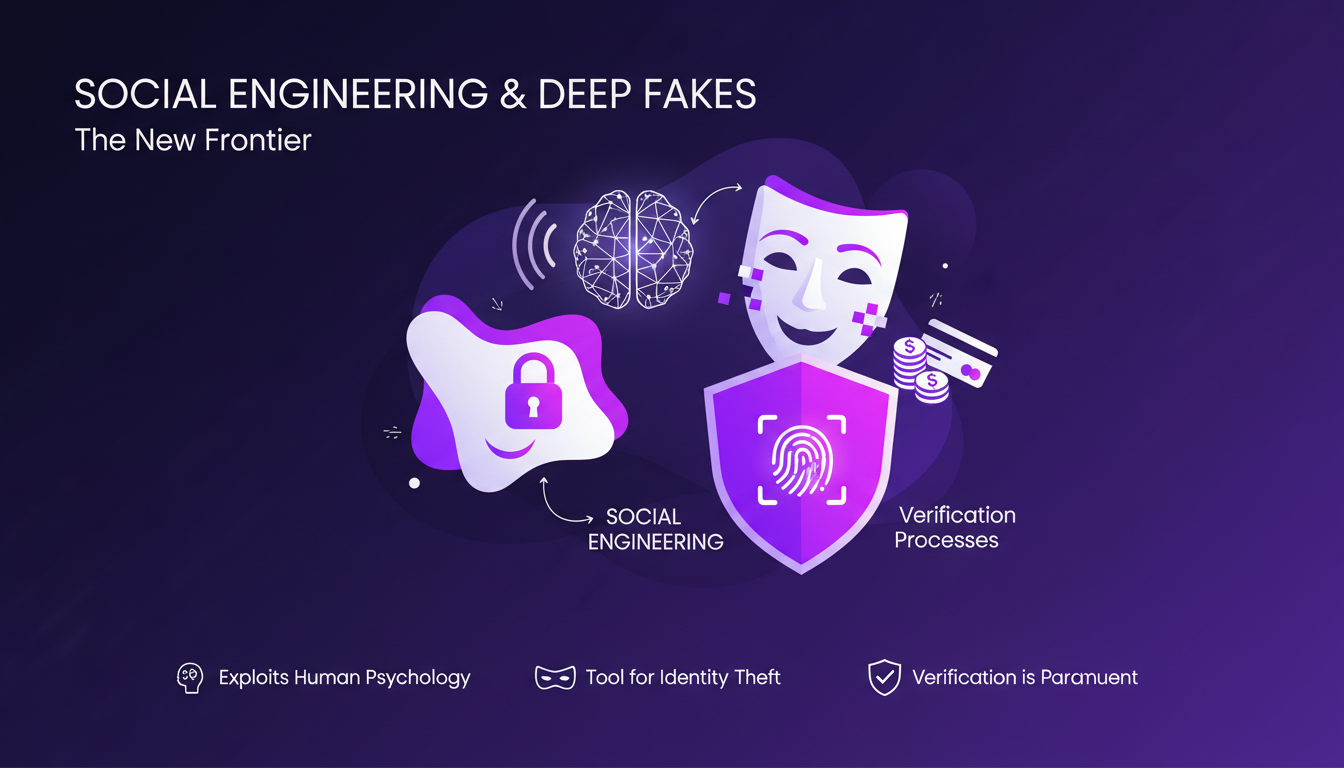
Verification processes are paramount in countering these threats. I’ve often had to implement additional checks to ensure my clients don’t fall into the trap of these elaborate scams. Keep in mind that the more fraudsters refine their methods, the more our defense mechanisms must evolve.
Legal and Ethical Considerations in Fraud Prevention
Legal frameworks struggle to keep up with evolving fraud tactics. When I see how some laws lag, it’s clear why fraudsters often have the upper hand. Using AI for fraud detection involves ethical considerations. You don’t want your solution to become a Big Brother, monitoring every move of your customers.
Finding a balance between privacy and security is crucial. In my experience, involving customers in the security process is often beneficial. They feel more in control and are more likely to follow best security practices.
In conclusion, fraud prevention is a complex field requiring a combination of technological tools, human expertise, and a deep understanding of regulations. Don’t get caught off guard, stay informed and proactive.
On the front lines of battling fraud, I see firsthand how tactics are constantly evolving. To stay ahead, here's what I do:
- I leverage AI in my analyses to detect anomalies faster. It's a game changer, but be careful not to overload your systems with too much data.
- I keep an eye on cryptocurrencies. Understanding how they work is crucial to anticipate new fraud methods.
- I strengthen verification processes. A solid verification system is like a bodyguard for your data.
Looking forward, it's all about evolving with the threat. We need to stay informed and adapt continuously. It's that or get left behind.
My advice: watch the video "L’homme derrière les pires arnaques sur internet" to deepen your understanding. As peers, it's crucial we share our knowledge to stay secure.
Stay informed, stay secure.
Frequently Asked Questions

Thibault Le Balier
Co-fondateur & CTO
Coming from the tech startup ecosystem, Thibault has developed expertise in AI solution architecture that he now puts at the service of large companies (Atos, BNP Paribas, beta.gouv). He works on two axes: mastering AI deployments (local LLMs, MCP security) and optimizing inference costs (offloading, compression, token management).
Related Articles
Discover more articles on similar topics
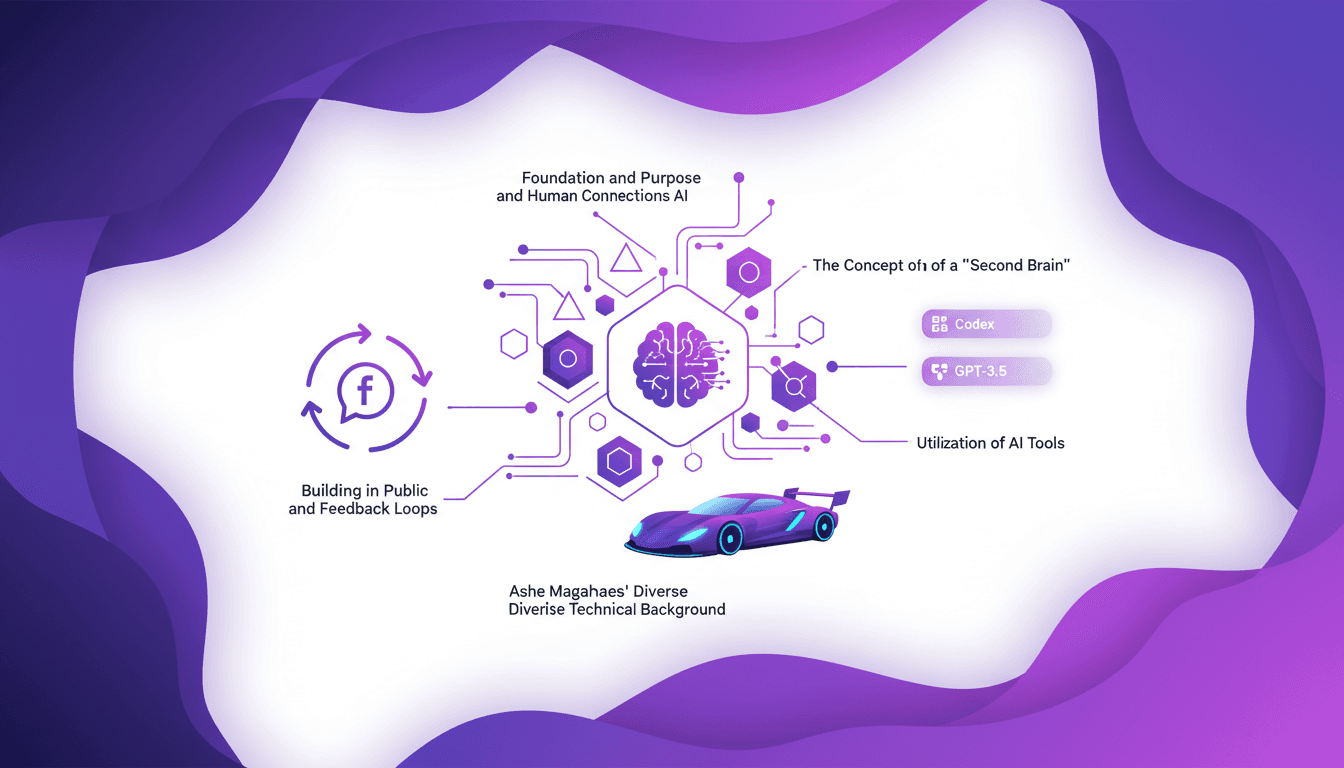
Building Hearth AI: Foundations and Vision
I vividly remember the thrill of building a solar-powered racing car—an experience that shaped my approach to founding Hearth AI. It was all about pushing boundaries and connecting technology with human potential. In this episode, I share insights from my journey as a builder, from my diverse technical background to founding Hearth AI in 2022. We'll dive into innovative concepts like relational intelligence, the 'second brain', and how AI tools like Codex and GPT 3.5 are revolutionizing our daily work. Get ready to explore the vision and foundations of Hearth AI and see how AI can truly transform human experience.
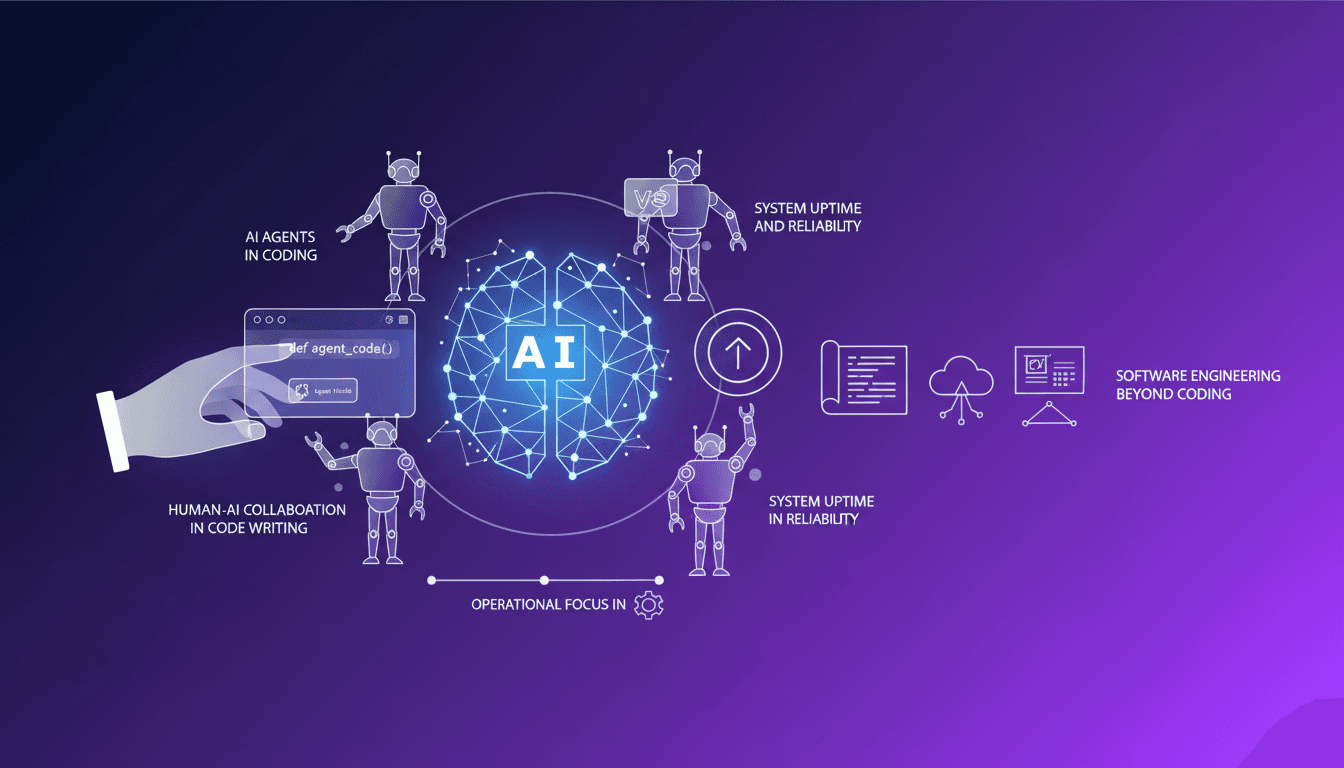
AI and Code: 90% Written by Agents
I never thought I'd let AI write 90% of my code, but here we are. As a GitHub senior engineer, I've embraced AI agents, and it's been a game changer—albeit with its quirks. AI in software development is more than a buzzword; it's reshaping our workflows. I've seen it firsthand, moving from traditional coding to orchestrating AI-driven solutions. We're diving into the impact of AI agents in our field, how it shifts our operational focus, and even boosts system reliability. I've had to adapt, learn from my mistakes (and trust me, I've made a few!), but the leap is worth it. If you've ever used VS Code's Agent Mode, you know what I mean. The future of development is already here.

AI in Sales: Automating Inbound Calls
I've been in sales for over a decade, and let me tell you, AI is not just a buzzword anymore—it's a game changer. I've seen it handle calls, close deals, and even set appointments. But it's not all roses; there are limits and trade-offs you need to know. In the next six months, AI is set to revolutionize sales roles. Let's dive into how it's already reshaping the landscape and what you need to watch out for.
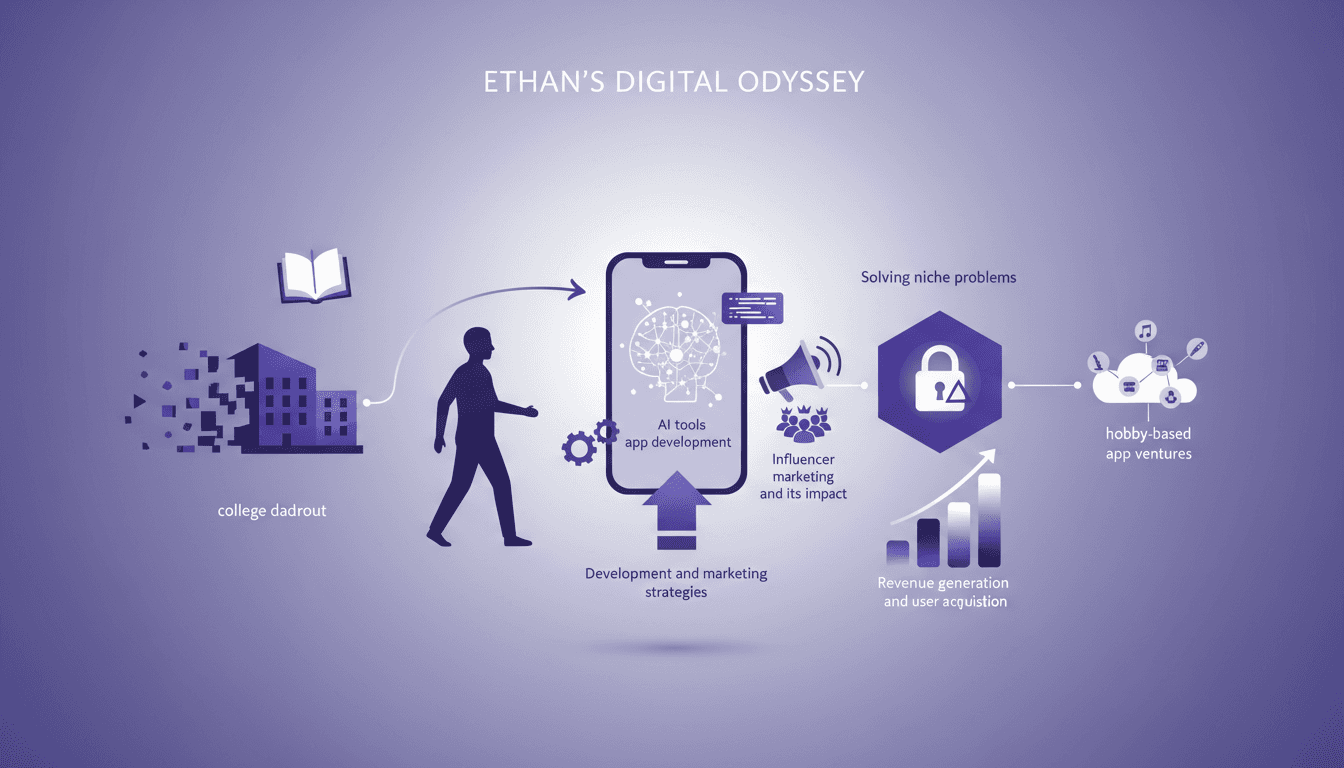
Building a Niche App: $20K/Month Journey
I dropped out of college at 19 to build a wrestling app, and now it brings in $20K a month. How? By connecting AI tools with smart business models and leveraging influencer marketing. The app isn't just a hobby turned business; it solves a real niche problem. Throughout this journey, I navigated between technical development and growth strategies. From setting up a solid architecture to optimizing user acquisition, I learned to orchestrate every aspect. Watch out, it wasn't all smooth sailing: I made mistakes. But now, I'm sharing what I wish I knew from the start. It's an adventure that shows how a passion can turn into a serious revenue opportunity.
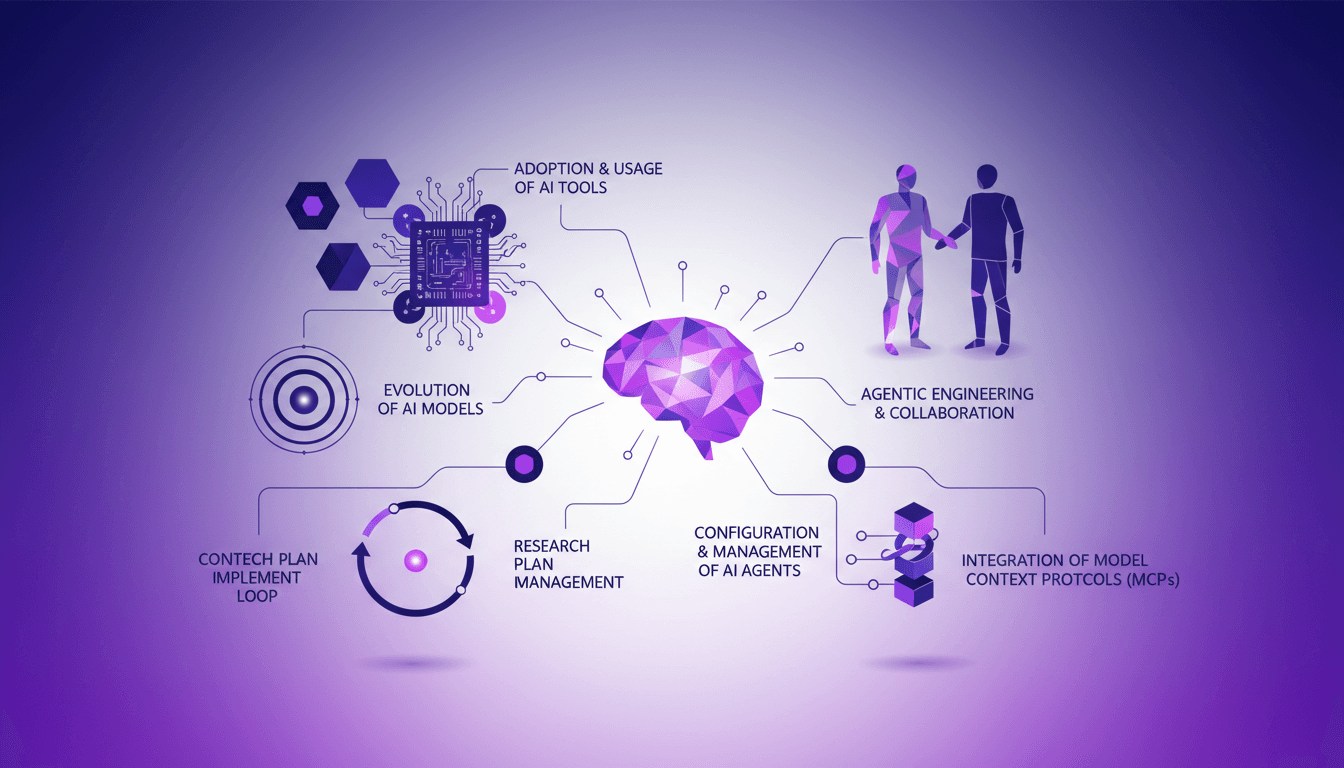
Agentic Engineering: Collaborate with AI
I remember when I first started integrating AI tools into my workflow. It was like discovering a new continent. But the trick wasn't just using AI; it was working with it. That's where agentic engineering comes into play. Today, collaborating with AI goes beyond automation. It's about forging a true partnership with technology. In this article, I'll share how I and other engineers are making this shift—integrating AI models into our development processes, managing context effectively, and configuring AI agents that adapt to our needs. We're no longer passive users; we're active orchestrators. Ready to explore this new frontier?